
Nutrition comparison
Pomelo vs Lemon: Which Citrus Is Better for You?
Compare pomelo and lemon on vitamin C, sugar, fiber, digestion, and daily practicality. Find out which citrus fruit fits your health goals better.
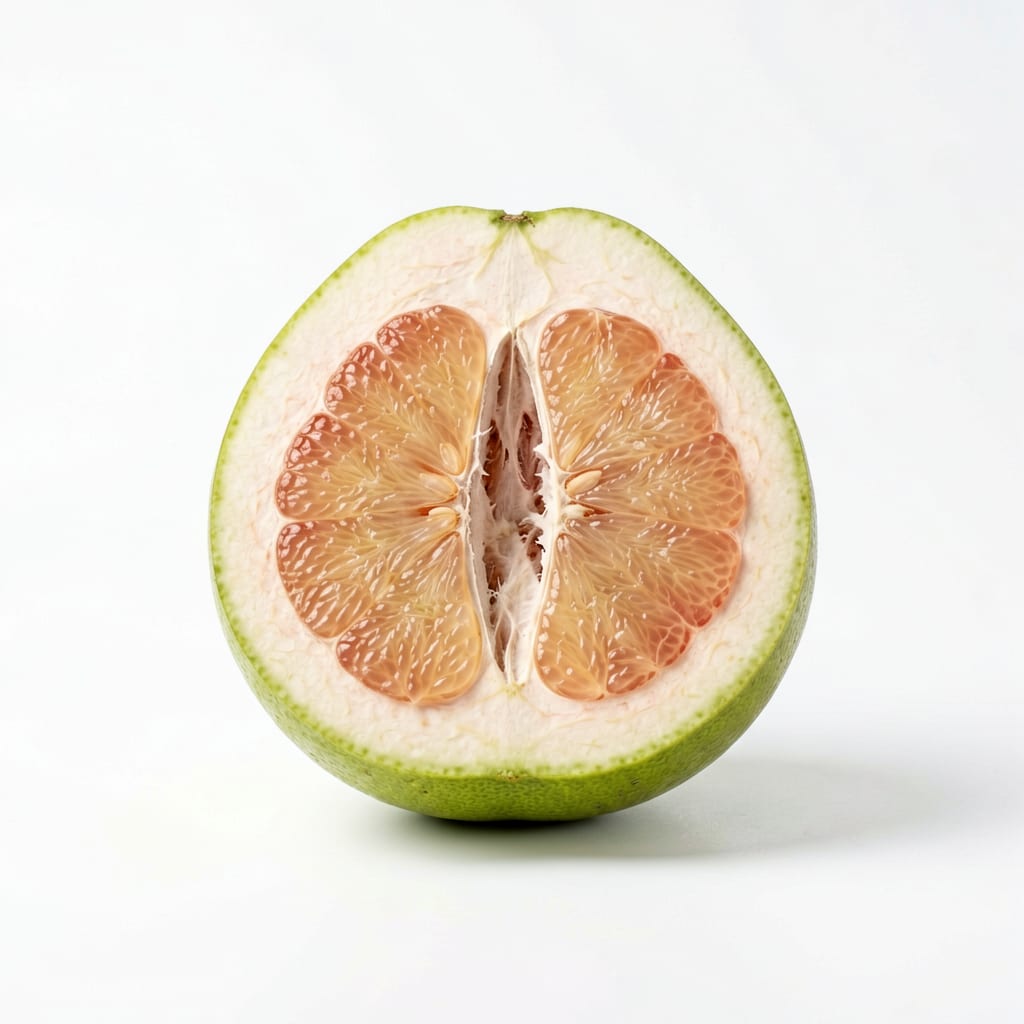
Pomelo

Lemon
Pomelo is the better eating fruit with more fiber and a satisfying snack experience. Lemon is the more versatile, near-zero-calorie flavor powerhouse you can use every day in everything.
Lemon scores higher due to unmatched versatility, near-zero calories, and daily practicality. Pomelo is a wonderful eating fruit but is seasonal, higher in sugar, and serves a narrower role in most diets.
Pomelo gives you a filling, sweet citrus snack with real calories and fiber. Lemon gives you intense flavor and vitamin C with almost no calories but you would never eat one whole.
At a glance
Executive summary
Overall
It depends
Healthier
It depends
More practical
Lemon
Daily use
Lemon
Key comparison lenses
Vitamin C and antioxidant comparison between two citrus fruits
Both are prized for vitamin C but deliver it in very different ways and amounts per serving
Culinary role and real-world usage differences
Pomelo is eaten as a snack fruit while lemon is almost never consumed whole, making direct nutritional comparison tricky
Sugar and blood sugar impact
Pomelo contains meaningful sugar per serving while lemon is nearly sugar-free, a key tradeoff for diabetics and weight-conscious users
Digestive and dental tolerance
Lemon's high acidity raises concerns about enamel erosion and stomach irritation that pomelo largely avoids
Daily practicality and accessibility
Lemons are available year-round everywhere; pomelos are seasonal and harder to find in many regions
Best choice for
Pomelo
- People wanting a satisfying whole-fruit snack
- Those seeking fiber alongside their vitamin C
- Anyone tired of sour citrus and craving mild sweetness
- People trying to reduce ultra-processed snacks with a natural alternative
Lemon
- Daily vitamin C with minimal calories
- Flavoring water, meals, and dressings without adding sugar
- People monitoring blood sugar closely
- Anyone wanting citrus benefits without the sugar load
Least suitable for
Pomelo
- People strictly limiting carbohydrate or sugar intake
- Those who find the thick rind and peeling process frustrating
- Anyone in regions where pomelo is hard to find or expensive
Lemon
- People with acid reflux or sensitive stomachs
- Anyone with weakened tooth enamel
- Those wanting a filling snack that satisfies hunger
Deep comparison
Dimension by dimension
Each lens scores both foods and breaks down who each option suits.
- Dimension 1 · Priority 92Lemon
Vitamin C Delivery
Pomelo · 72Lemon · 88Lemon delivers more vitamin C per 100g, but pomelo provides a comfortable eating portion with solid vitamin C and none of the acidity punishment.
Tradeoff
Lemon wins on concentration but you would never eat a whole one. Pomelo gives you a pleasant serving size that actually gets consumed.
Why it matters
Vitamin C only works if you actually ingest it. A whole pomelo section eaten as a snack may deliver more total vitamin C than a lemon wedge squeezed into water.
Real-world impact
If you squeeze half a lemon into your morning water, you get roughly 30% of your daily vitamin C. Eating a cup of pomelo sections gives you roughly 200% but with sugar calories.
Pomelo
- Getting a large vitamin C dose in one enjoyable sitting
- People who dislike sour flavors and avoid lemon water
Better for
- Higher sugar cost per unit of vitamin C
Worse for
Lemon
- Maximum vitamin C per calorie consumed
- Adding vitamin C to meals and drinks without extra sugar
Better for
- Acidity limits how much you can realistically consume
Worse for
- Dimension 2 · Priority 85Lemon
Sugar and Blood Sugar Impact
Pomelo · 55Lemon · 95Lemon is essentially sugar-free. Pomelo contains enough natural sugar to matter for anyone watching blood glucose.
Tradeoff
Pomelo's sweetness makes it enjoyable to eat whole, but that same sugar means it is not a freebie food for diabetics.
Why it matters
For insulin-resistant or diabetic users, the difference between 1g and 9g of sugar per serving is not trivial.
Real-world impact
A cup of pomelo sections has about 9g of sugar. A whole lemon juiced has about 1.5g. That gap matters when tracking carbs.
Pomelo
- People who want a sweet treat without reaching for candy
Better for
- Not ideal for strict blood sugar management
Worse for
Lemon
- Diabetics and pre-diabetics
- Keto and very-low-carb dieters
- Anyone counting every gram of sugar
Better for
- So low in sugar it provides no quick energy
Worse for
- Dimension 3 · Priority 80Pomelo
Fiber and Satiety
Pomelo · 82Lemon · 38Pomelo provides real fiber per serving and feels like a filling snack. Lemon contributes negligible fiber because you only use small amounts.
Tradeoff
Pomelo fills you up but costs more calories. Lemon adds almost nothing to your satiety but also almost nothing to your waistline.
Why it matters
Fiber slows sugar absorption and keeps you full longer. A snack that actually satisfies prevents overeating later.
Real-world impact
Eating pomelo sections between meals can curb hunger. Lemon in your water tastes great but does nothing for your appetite.
Pomelo
- Afternoon snack replacement for chips or sweets
- Anyone needing more daily fiber from fruit sources
Better for
- More calories per sitting than lemon
Worse for
Lemon
- Flavor enhancement without adding bulk or calories
Better for
- Will not help with hunger at all
Worse for
- Dimension 4 · Priority 78Pomelo
Digestive and Dental Tolerance
Pomelo · 80Lemon · 52Pomelo is gentle on the stomach and teeth. Lemon's high acidity can erode enamel and trigger reflux in sensitive people.
Tradeoff
Lemon's acidity is what makes it useful in cooking and drinks, but that same acidity is its biggest health downside.
Why it matters
Frequent lemon consumption, especially in water sipped throughout the day, is a common hidden cause of enamel thinning.
Real-world impact
Sipping lemon water all day sounds healthy but can damage teeth over months and years. Pomelo eaten as a snack has no such risk.
Pomelo
- People with acid reflux or GERD
- Anyone with sensitive teeth or enamel concerns
- Gentle on the stomach for most people
Better for
- Mildly acidic, but far gentler than lemon
Worse for
Lemon
- Not applicable — lemon is harsher on both counts
Better for
- Enamel erosion risk with frequent exposure
- Can trigger heartburn and acid reflux
- May irritate mouth sores
Worse for
- Dimension 5 · Priority 88Lemon
Culinary Versatility and Daily Use
Pomelo · 45Lemon · 95Lemon is one of the most versatile ingredients in any kitchen. Pomelo is a niche snack fruit with limited culinary roles.
Tradeoff
You can use lemon in drinks, dressings, marinades, desserts, and cooking every single day. Pomelo is mostly peeled and eaten as-is.
Why it matters
A food you can integrate into multiple meals daily has a much bigger nutritional impact than one you eat occasionally.
Real-world impact
Lemon goes into morning water, lunch salad dressing, dinner marinade, and evening tea. Pomelo is a once-in-a-while snack.
Pomelo
- Southeast Asian salads and desserts where pomelo is traditional
- Impressive fruit platter presentation
Better for
- Limited to snacking and specialty dishes
Worse for
Lemon
- Everyday cooking and meal prep
- Flavoring water to increase hydration
- Salad dressings, marinades, and sauces
- Baking and desserts
Better for
- Not a standalone snack food
Worse for
- Dimension 6 · Priority 72It depends
Antioxidant and Phytonutrient Profile
Pomelo · 74Lemon · 76Both offer valuable flavonoids but of different types. Lemon edges ahead on naringenin and hesperidin research. Pomelo offers naringin in larger quantities per serving.
Tradeoff
Lemon's antioxidants are more studied with stronger clinical evidence. Pomelo delivers a bigger total dose per eating occasion.
Why it matters
Different citrus flavonoids support vascular health, reduce inflammation, and may protect against chronic disease through distinct pathways.
Real-world impact
Regular lemon consumption has stronger evidence for heart health markers. Pomelo's naringin shows promise but needs more human research.
Pomelo
- Larger total dose of naringin per serving
- Whole-fruit consumption captures more membrane and pith nutrients
Better for
- Less clinical evidence for its specific flavonoid profile
Worse for
Lemon
- Better researched flavonoid benefits
- Hesperidin and diosmin have stronger clinical backing for circulation
Better for
- Small serving sizes limit total phytonutrient intake
Worse for
Timeline
Health impact over time
Short-term
Hours to days
Pomelo
- Provides quick natural energy from fruit sugar
- Mildly hydrating due to high water content
- Can satisfy a sweet craving without junk food
Lemon
- May cause immediate heartburn in sensitive individuals
- Fresh lemon in water can boost alertness and hydration
- Sucking on lemon can irritate mouth ulcers
Long-term
Months to years
Pomelo
- Regular consumption supports fiber intake goals
- Naringin intake may support healthy cholesterol levels
- Natural sugar content requires portion awareness for metabolic health
Lemon
- Consistent daily use linked to better kidney stone prevention
- Chronic lemon water sipping may thin tooth enamel over years
- Hesperidin intake supports vascular flexibility and circulation
Risk profile
Safety & processing
Both pomelo and lemon are whole, unprocessed fruits with no additive concerns. Choose organic for either if you are worried about pesticide residues on citrus rinds, especially since lemon zest is commonly used in cooking.
Pomelo
Pesticide residue on thick rind
lowThe thick rind protects the flesh, and you discard it. Peeling eliminates most residue concern.
Drug interaction via naringin
mediumPomelo contains naringin, which can interfere with certain medications including statins and blood pressure drugs, similar to grapefruit. Consult your doctor if on affected medications.
Lemon
Dental enamel erosion
mediumFrequent direct acid exposure from lemon water or sucking lemons can permanently thin enamel. Use a straw and rinse with plain water after.
Pesticide residue on rind used for zest
lowIf you use lemon zest, choose organic. Conventional lemon rinds can carry pesticide residues that transfer to your food.
Who wins for whom
Audience fit
Same foods, different winners depending on your goal.
children
PomeloPomelo's mild sweetness and fun peeling experience make it kid-friendly. Lemon is too sour for most children to enjoy directly.
daily consumption
LemonLemon integrates easily into daily routines — morning water, cooking, tea. Pomelo is more of an occasional snack due to size, seasonality, and sugar content.
diabetes
LemonLemon has negligible sugar and will not spike blood glucose. Pomelo contains enough natural sugar to require careful portioning for diabetics.
elderly
LemonLemon in warm water supports hydration and digestion without sugar concerns. Pomelo's medication interaction risk is more relevant for elderly patients on multiple drugs.
muscle gain
It dependsNeither fruit is relevant for muscle gain directly. Lemon in water supports hydration around workouts. Pomelo provides a small carb boost pre-workout.
weight loss
LemonLemon adds flavor to meals and water with virtually zero calories. Pomelo is healthy but contains enough sugar and calories to require portion tracking.
Your move
Decision guide
Choose Pomelo
- You want a satisfying whole-fruit snack that replaces processed sweets
- You are not on grapefruit-affected medications
- You enjoy the ritual of peeling and sectioning a beautiful fruit
- You need more fiber in your diet from a pleasant source
Choose Lemon
- You want near-zero-calorie flavor for water, meals, and recipes
- You are monitoring blood sugar or following a low-carb diet
- You want daily vitamin C without the sugar cost
- You are concerned about kidney stones and want preventive citrate
Either works if
- You simply want more citrus variety in your diet
- You are looking for natural vitamin C from whole foods rather than supplements
Avoid both if
- You have citrus allergies
- You are on medications that interact with grapefruit-family compounds without clearing it with your doctor
Final recommendation
Keep both in your life if possible. Use lemon daily for flavor, hydration, and vitamin C without calories. Enjoy pomelo as a seasonal treat when you want a filling, sweet citrus snack. They serve completely different roles and complement each other well.
Practical
Consumer tips
- 1
If you drink lemon water daily, use a straw and rinse with plain water afterward to protect your enamel
- 2
Choose organic lemons if you plan to use the zest in cooking
- 3
Check with your doctor about pomelo if you take statins, blood pressure medication, or other grapefruit-affected drugs
- 4
Pomelo keeps for about a week at room temperature and up to two weeks refrigerated — it stores better than most citrus
- 5
A little honey and lemon in warm water is more soothing and easier on the stomach than straight lemon juice
- 6
Pomelo membranes can be bitter — remove them for a sweeter eating experience