
Nutrition comparison
Pomelo vs Mango: Which Fruit Is Healthier for You?
Compare Pomelo and Mango on sugar, vitamins, weight loss, and daily use. Learn which fruit fits your health goals and when to choose each one.
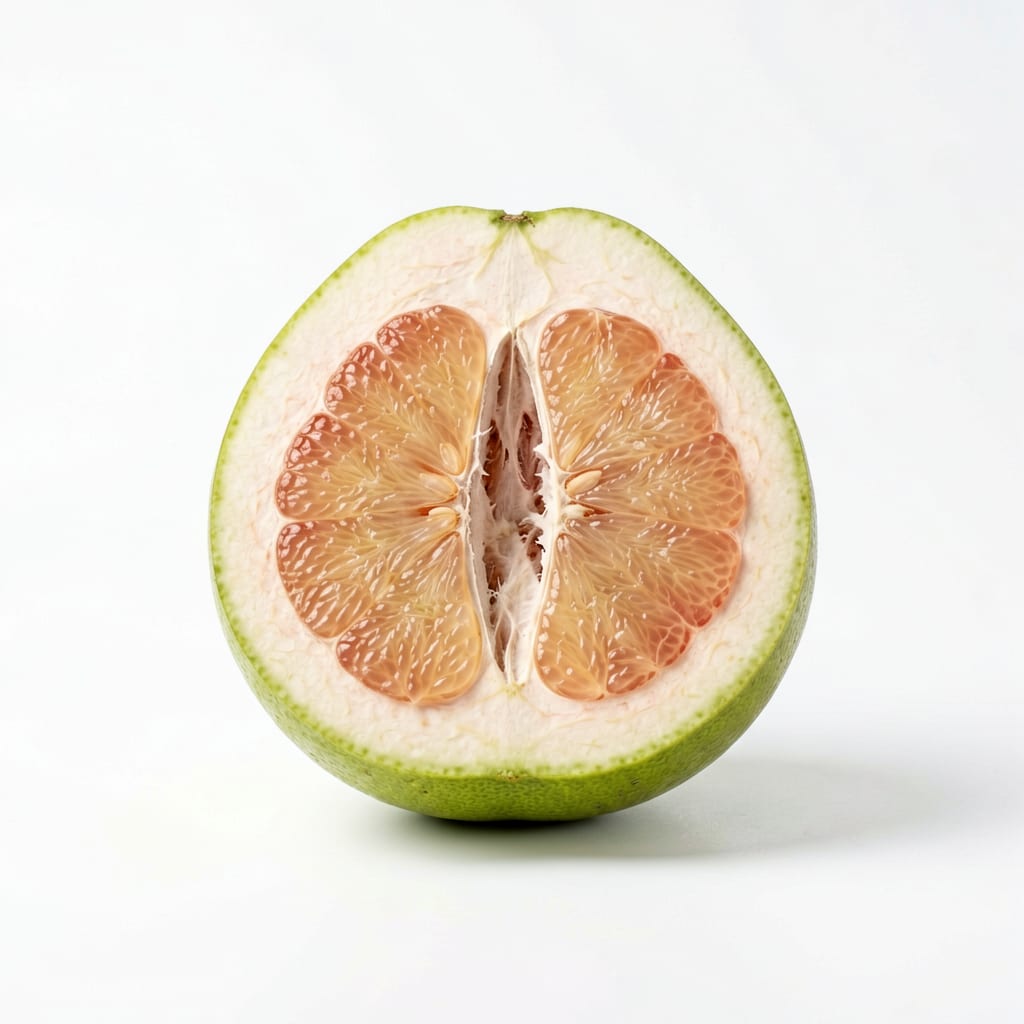
Pomelo
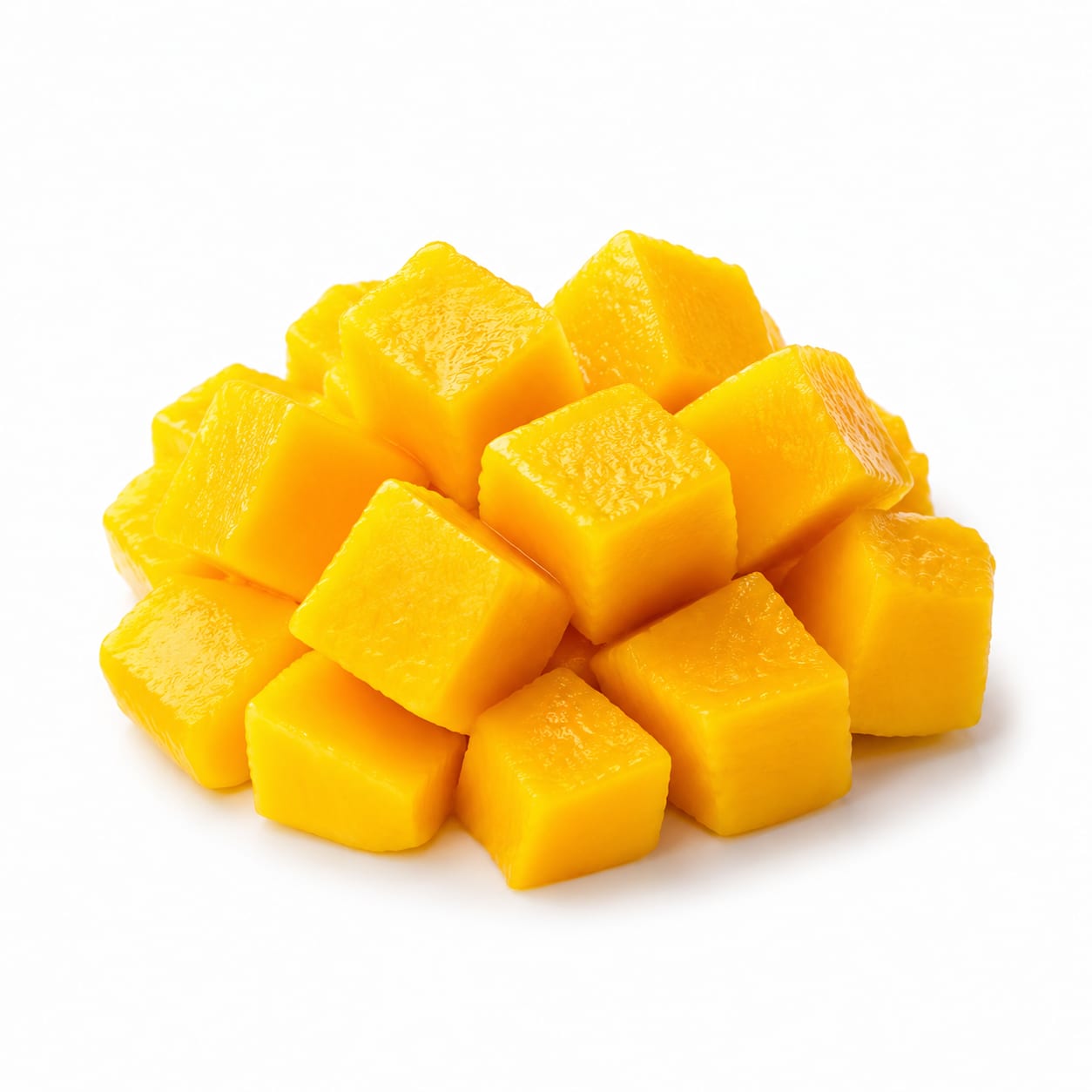
Mango
Pomelo is the lower-sugar, vitamin-C powerhouse; Mango is the sweeter, more versatile, vitamin-A rich option.
Pomelo edges ahead due to its dramatically lower sugar content and higher vitamin C, but Mango's superior availability, versatility, and vitamin A keep it competitive. The gap is modest because both are whole fruits with strong nutritional profiles.
You trade sugar and calories for richer flavor and broader culinary use, or you gain metabolic gentleness at the cost of availability and sweetness.
At a glance
Executive summary
Overall
It depends
Healthier
Pomelo
More practical
Mango
Daily use
Pomelo
Key comparison lenses
sugar and blood sugar impact
Pomelo is dramatically lower in sugar than Mango, making this the most consequential difference for most people
vitamin profile tradeoffs
Pomelo dominates in vitamin C while Mango dominates in vitamin A — users must choose which nutrient matters more
weight management suitability
Calorie and sugar density differ significantly, affecting satiety and overeating risk
everyday availability and convenience
Mango is far more accessible year-round; Pomelo can be harder to find and prepare
antioxidant diversity
Each fruit offers distinct antioxidant families worth comparing
Best choice for
Pomelo
- People watching their sugar intake
- Anyone managing prediabetes or insulin resistance
- Vitamin C seekers wanting a citrus alternative to oranges
- Those preferring larger portions with fewer calories
Mango
- Active individuals needing quick energy
- Anyone wanting more vitamin A for skin and eye health
- Home cooks wanting a versatile fruit for smoothies, salsas, and desserts
- People who find tart fruit unappealing
Least suitable for
Pomelo
- People on blood pressure medications (grapefruit-family drug interactions)
- Those wanting a sweet, dessert-like fruit experience
- Shoppers with limited access to Asian or specialty markets
Mango
- People strictly limiting sugar or carbs
- Those managing diabetes who need low-glycemic fruits
- Anyone prone to overeating sweet foods
Deep comparison
Dimension by dimension
Each lens scores both foods and breaks down who each option suits.
- Dimension 1 · Priority 92Pomelo
blood sugar stability
Pomelo · 88Mango · 52Pomelo has roughly half the sugar of Mango and a lower glycemic load, making it far gentler on blood sugar.
Tradeoff
You give up the satisfying sweetness of Mango but gain steadier energy without the crash.
Why it matters
Sugar spikes from fruit can still trigger cravings and fatigue, especially in the afternoon.
Real-world impact
Eating Pomelo as a snack is less likely to leave you hungry again 30 minutes later compared to Mango.
Pomelo
- Prediabetics
- Low-carb dieters
- Afternoon snackers wanting steady energy
Better for
- Endurance athletes needing quick glycogen replenishment
Worse for
Mango
- Athletes needing fast post-workout carbs
- People trying to gain healthy weight
Better for
- Insulin-resistant individuals
- Sugar-sensitive people who experience crashes
Worse for
- Dimension 2 · Priority 85It depends
vitamin and mineral density
Pomelo · 82Mango · 79Pomelo delivers far more vitamin C; Mango delivers far more vitamin A and folate. They excel in different nutrient lanes.
Tradeoff
Choose Pomelo for immune support and collagen; choose Mango for vision, skin, and cell growth.
Why it matters
Most people are not deficient in both, so your existing diet should guide which fruit fills your gap.
Real-world impact
If you already eat bell peppers or citrus daily, Mango adds more nutritional diversity. If you eat carrots and sweet potatoes often, Pomelo fills a different niche.
Pomelo
- People with low vitamin C intake
- Anyone fighting a cold
- Smokers (who deplete vitamin C faster)
Better for
- People already high in vitamin C from other sources
Worse for
Mango
- People wanting better skin and eye health
- Pregnant women needing folate
- Those who rarely eat orange vegetables
Better for
- People already consuming abundant vitamin A from animal sources or orange vegetables
Worse for
- Dimension 3 · Priority 78Pomelo
calorie efficiency and satiety
Pomelo · 80Mango · 60Pomelo is larger and more filling per calorie, while Mango is more calorie-dense and easier to overeat.
Tradeoff
Mango tastes richer and more rewarding but offers less volume for the same calories.
Why it matters
Volume eaters — people who feel satisfied by larger portions — benefit from Pomelo's bulk.
Real-world impact
You can eat half a Pomelo for under 40 calories and feel full; a similar amount of Mango could be 100+ calories before you feel satisfied.
Pomelo
- Volume eaters
- Calorie counters
- People who snack while working
Better for
- Underweight individuals needing easy calories
Worse for
Mango
- People needing calorie-dense fuel for activity
- Anyone struggling to eat enough
Better for
- Mindless snackers who eat while distracted
- People cutting calories
Worse for
- Dimension 4 · Priority 72Mango
taste versatility and culinary use
Pomelo · 55Mango · 90Mango works in smoothies, salsas, salads, desserts, and sauces. Pomelo is more niche — best eaten fresh or in Southeast Asian salads.
Tradeoff
Mango's sweetness and texture make it a kitchen staple; Pomelo is more of a specialty ingredient.
Why it matters
A fruit you actually cook with gets eaten more consistently than one that sits in the fridge.
Real-world impact
Mango can replace sugar in recipes, thicken smoothies naturally, and add complexity to savory dishes. Pomelo is harder to incorporate beyond snacking.
Pomelo
- Fans of Southeast Asian cuisine
- People who enjoy simple, fresh fruit snacks
Better for
- Meal preppers wanting multi-use ingredients
- Parents of picky eaters
Worse for
Mango
- Smoothie makers
- Home cooks wanting sweet-savory combinations
- Families needing kid-friendly fruit
Better for
- People avoiding sweet flavors in savory dishes
Worse for
- Dimension 5 · Priority 70Mango
availability and convenience
Pomelo · 45Mango · 85Mango is available in nearly every grocery store year-round. Pomelo is seasonal and often limited to Asian markets or specialty stores.
Tradeoff
Pomelo requires more effort to find and peel; Mango is easy to locate and quick to cut.
Why it matters
The healthiest fruit is the one you actually buy and eat consistently.
Real-world impact
If Pomelo isn't in your store, you'll default to something else. Mango is always there when you need it.
Pomelo
- People near Asian markets
- Online grocery shoppers with specialty access
Better for
- Rural shoppers
- Anyone who buys groceries at big-box stores only
Worse for
Mango
- Busy shoppers wanting reliable availability
- People in regions without diverse produce sections
Better for
- People avoiding conventionally grown imported fruit
Worse for
- Dimension 6 · Priority 65It depends
antioxidant diversity
Pomelo · 75Mango · 78Pomelo brings naringin and flavonoids; Mango brings mangiferin and beta-carotene. Both offer unique protective compounds the other lacks.
Tradeoff
Neither fruit covers the full antioxidant spectrum alone — rotating both is ideal.
Why it matters
Diverse antioxidants protect different tissues and pathways in the body.
Real-world impact
Eating both fruits across the week gives broader cellular protection than doubling down on either one.
Pomelo
- People wanting anti-inflammatory flavonoids
- Those focused on liver health support
Better for
- People who need carotenoid antioxidants for eye health
Worse for
Mango
- People wanting carotenoid-based skin protection
- Those focused on anti-aging polyphenols
Better for
- People who need citrus flavonoids for vascular health
Worse for
Timeline
Health impact over time
Short-term
Hours to days
Pomelo
- Provides steady energy without a sugar rush
- High water content supports hydration
- Vitamin C boosts immediate immune readiness
Mango
- Delivers quick energy from natural sugars
- Rich beta-carotene can give skin a warm glow with regular consumption
- Satisfies sweet cravings without turning to junk food
Long-term
Months to years
Pomelo
- Lower cumulative sugar exposure supports metabolic health over decades
- Consistent vitamin C intake promotes collagen integrity and vascular health
- Naringin may support healthy cholesterol levels
Mango
- Sustained vitamin A intake protects vision and immune function long-term
- Mangiferin shows promise for anti-inflammatory and anti-cancer effects
- Higher sugar intake may become problematic if Mango is eaten in large quantities daily
Risk profile
Safety & processing
Both Pomelo and Mango are whole, unprocessed fruits with no additives when purchased fresh. The only concern is that some imported Mangoes may be hot-water treated for pest control, which can slightly reduce vitamin C content but poses no safety issue.
Pomelo
Drug interaction with certain medications
highPomelo belongs to the citrus family and can interact with blood pressure medications, statins, and other drugs similarly to grapefruit. Consult your doctor if you take prescription medications.
Pesticide residue on peel
mediumNon-organic Pomelos may have pesticide residues on the thick rind. While you discard the peel, cross-contamination during cutting is possible. Wash thoroughly before opening.
Mango
Pesticide residue
mediumConventionally grown Mangoes frequently appear on EWG's lower-risk list due to thick skin, but residues can remain near the flesh. Wash and peel to reduce exposure.
Allergic cross-reactivity
lowSome people with latex allergies experience oral allergy syndrome with Mango due to profilin proteins. Symptoms are usually mild — mouth tingling or itchiness.
Who wins for whom
Audience fit
Same foods, different winners depending on your goal.
children
MangoMost kids prefer Mango's sweet, smooth texture over Pomelo's tart, fibrous segments. Getting children to eat fruit consistently matters more than marginal nutritional differences.
daily consumption
PomeloLower sugar and calorie content make Pomelo safer to eat every day without metabolic consequences, assuming no medication conflicts.
diabetes
PomeloWith roughly half the sugar and a lower glycemic load, Pomelo is significantly safer for blood sugar management.
elderly
PomeloPomelo's lower sugar is gentler on aging metabolisms, and its high vitamin C supports collagen and joint health. The drug interaction risk should be screened by a doctor.
muscle gain
MangoMango provides more carbs per serving, which supports glycogen replenishment after training. Neither fruit is a protein source.
weight loss
PomeloPomelo's low calorie density and high volume make it easier to eat satisfying portions without overshooting your calorie budget.
Your move
Decision guide
Choose Pomelo
- You are watching your sugar or carb intake
- You want a filling, low-calorie snack
- You take no medications that interact with grapefruit-family fruits
- You already get plenty of vitamin A from other foods
- You enjoy tart, refreshing flavors
Choose Mango
- You want a versatile fruit for cooking and smoothies
- You need quick natural energy before or after exercise
- You rarely eat orange vegetables and need more vitamin A
- You prefer sweet fruit and would otherwise reach for candy
- You have kids who resist eating fruit
Either works if
- You simply want more whole fruit variety in your diet
- You have no blood sugar concerns or medication interactions
- You enjoy both flavors and can rotate them seasonally
Avoid both if
- You have a citrus allergy (Pomelo) or latex-fruit syndrome (Mango)
- You are on medications that interact with grapefruit-family fruits and cannot confirm safety with your doctor
- You have fructose intolerance
Final recommendation
Eat both, but let Pomelo be your daily driver and Mango your treat. Pomelo's low sugar makes it safe to enjoy every day, while Mango's richness is best savored a few times a week. If you can only pick one, Pomelo is the metabolically safer choice — as long as you check for medication interactions.
Practical
Consumer tips
- 1
Wash Pomelo thoroughly before cutting — the thick rind can transfer pesticide residue to the flesh
- 2
Peel Mango close to the pit to minimize waste; the flesh nearest the seed is the sweetest
- 3
If Pomelo is unavailable, white grapefruit is a reasonable nutritional substitute
- 4
Freeze diced Mango for smoothies — it eliminates waste and adds natural thickness
- 5
Ask your doctor about Pomelo if you take any statins, blood pressure drugs, or immunosuppressants
- 6
Choose organic Mango if you eat the skin; otherwise conventional is fine since you discard the peel
- 7
Pomelo segments separate cleanly if you score the membrane and peel it back — much easier than wrestling with it