
Nutrition comparison
Pomelo vs Orange: Which Citrus Fruit is Healthier?
Compare pomelo and orange on sugar, Vitamin C, and daily practicality. Find out which citrus fruit fits your diet and lifestyle best.
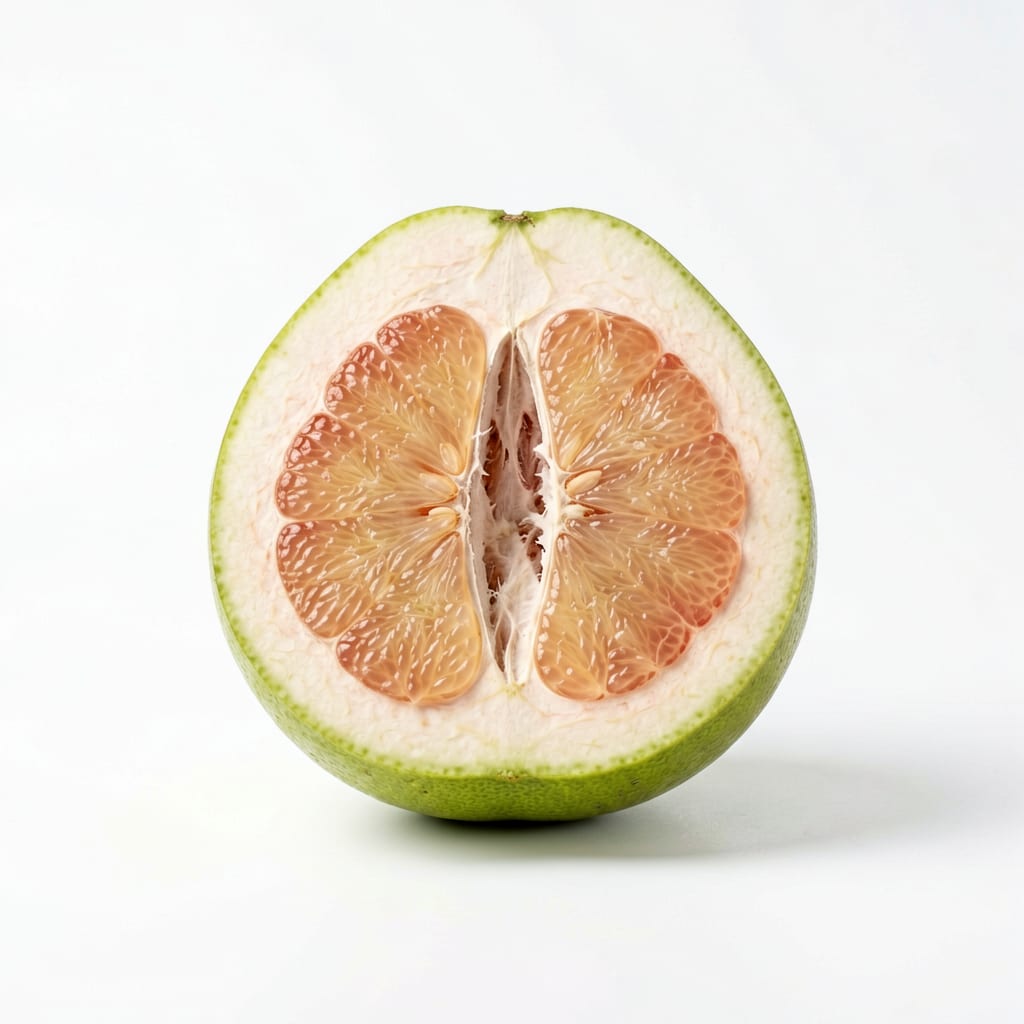
Pomelo
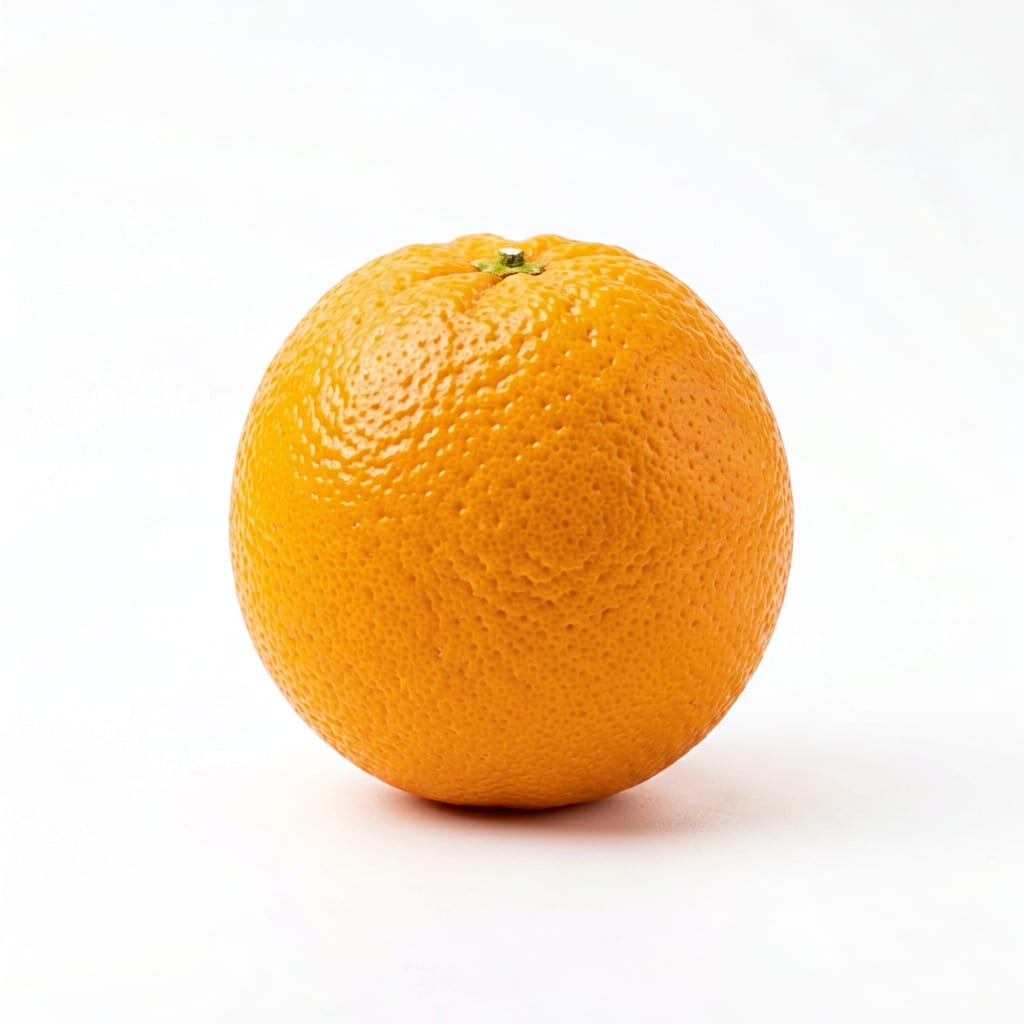
Orange
Pomelo offers a larger, lower-sugar snack, while oranges deliver a quicker, more convenient Vitamin C hit.
Oranges edge out due to everyday practicality and higher Vitamin C density, though pomelos win for lower sugar and larger portion size.
Volume and sugar control versus convenience and nutrient density.
At a glance
Executive summary
Overall
It depends
Healthier
It depends
More practical
Orange
Daily use
Orange
Key comparison lenses
Sugar and blood sugar impact
Pomelo is significantly lower in sugar than oranges, making it a key differentiator for weight loss and diabetes management.
Vitamin C and immunity
Both are citrus fruits, but oranges are denser in Vitamin C, which is the primary reason people reach for them.
Convenience and snacking practicality
Oranges are easy to peel and eat on the go, while pomelos require more effort and time to prepare.
Best choice for
Pomelo
- Low-carb dieters wanting a high-volume, low-sugar snack
- People who find typical citrus too sweet
- Those looking for steady energy without a sugar crash
Orange
- Busy individuals needing a quick, portable snack
- Anyone seeking maximum Vitamin C per bite
- Kids who need an easy-to-peel lunchbox fruit
Least suitable for
Pomelo
- People on certain medications like statins due to interaction risks
- Anyone needing a quick on-the-go snack
- Those who dislike bitter pith
Orange
- People strictly limiting fruit sugar intake
- Those who find highly acidic fruits irritating to the stomach
- Individuals wanting a long-lasting, filling snack
Deep comparison
Dimension by dimension
Each lens scores both foods and breaks down who each option suits.
- Dimension 1 · Priority 90Orange
Vitamin C & Immunity
Pomelo · 70Orange · 92Oranges pack significantly more Vitamin C per serving than pomelos, making them a faster immune booster.
Tradeoff
You get less Vitamin C with pomelo, but still enough to meet daily needs without the sugar rush.
Why it matters
If you feel a cold coming on, an orange delivers a quicker, more concentrated dose of immune-supporting nutrients.
Real-world impact
Eating an orange feels like a targeted Vitamin C supplement, while pomelo feels more like a hydrating, mild-flavored snack.
Pomelo
- Maintaining baseline immunity without spiking blood sugar
Better for
- Acute immune support when you need the highest dose possible
Worse for
Orange
- Fighting off an oncoming cold quickly
- Getting maximum nutrients in a small portion
Better for
- Avoiding sugar if you are sipping orange juice instead of eating the whole fruit
Worse for
- Dimension 2 · Priority 88Pomelo
Sugar & Blood Sugar Stability
Pomelo · 90Orange · 65Pomelo has roughly half the sugar content of an orange per 100 grams, leading to a gentler impact on blood sugar.
Tradeoff
You sacrifice some sweetness and quick energy, but you gain steadier energy and less craving later.
Why it matters
A lower sugar fruit keeps you fuller longer and prevents the energy crash that can follow sweeter fruits.
Real-world impact
Pomelo is a safe afternoon desk snack that will not induce a sugar crash, whereas an orange might leave you hungry an hour later.
Pomelo
- Managing afternoon cravings without a blood sugar spike
- Diabetics looking for a generous fruit portion
Better for
- Quick energy recovery after intense exercise
Worse for
Orange
- A pre-workout energy boost when you need fast carbs
Better for
- Late-night snacking where sugar might disrupt sleep
Worse for
- Dimension 3 · Priority 82Pomelo
Satiety & Volume
Pomelo · 88Orange · 60Pomelo is a massive fruit that takes time to peel and eat, naturally slowing down your eating speed and increasing fullness.
Tradeoff
The large size is filling but requires dedicated prep time, unlike the grab-and-go nature of an orange.
Why it matters
Foods that take longer to eat and provide more physical volume help you feel more satisfied on fewer calories.
Real-world impact
Peeling and eating a pomelo feels like a mini-ritual that satisfies the urge to snack, while an orange disappears in a few bites.
Pomelo
- A weekend afternoon snack when you want to munch for a while
- Volume eaters who want large portions
Better for
- Commute snacking or eating while walking
Worse for
Orange
- A quick bite between meetings when you have no time
Better for
- When you feel ravenously hungry and need a large volume of food
Worse for
- Dimension 4 · Priority 85Orange
Convenience & Practicality
Pomelo · 40Orange · 90Oranges are easy to peel, portable, and mess-free, while pomelos require thick rind removal and sectioning.
Tradeoff
You get less fruit per item with an orange, but you actually eat it rather than skipping it due to prep hassle.
Why it matters
The best fruit for daily health is the one you will actually bother to eat consistently.
Real-world impact
Tossing an orange in your bag is effortless; packing a pomelo feels like committing to a kitchen project.
Pomelo
- Leisurely breakfasts at home with time to prep
Better for
- Eating at your desk between calls
- Travel snacking
Worse for
Orange
- Gym bag snacks
- Office desk fruit bowls
- Kids lunchboxes
Better for
- Situations where you need to feed a crowd on a budget
Worse for
Timeline
Health impact over time
Short-term
Hours to days
Pomelo
- Provides steady, calm energy without a sugar rush
- Highly hydrating due to large water content
Orange
- Delivers a quick, refreshing energy boost
- Immediate immune support when you feel run down
Long-term
Months to years
Pomelo
- Better blood sugar management from lower sugar intake
- Supports vascular health through unique flavonoids
Orange
- Consistent antioxidant intake supports skin health
- Regular Vitamin C consumption aids long-term immune resilience
Risk profile
Safety & processing
Both pomelo and orange are whole, unprocessed fruits you peel and eat directly from nature.
Pomelo
Drug interactions
highPomelo contains naringin, which can interact dangerously with statins and blood pressure medications, similar to grapefruit.
Pesticide residue on rind
mediumThe thick rind is heavily sprayed, which is only a concern if you zest it or let it touch the fruit while peeling.
Orange
Pesticide residue
mediumConventional oranges often have pesticide residue on the peel, relevant if zesting or making marmalade.
Citrus allergy or intolerance
lowSome individuals experience mouth ulcers or acid reflux from the high acidity.
Who wins for whom
Audience fit
Same foods, different winners depending on your goal.
children
OrangeOranges are sweeter, easier for small hands to peel, and lack the bitter pith that kids dislike.
daily consumption
OrangeOranges are far more convenient to integrate into a busy daily routine, ensuring you actually eat them.
diabetes
PomeloPomelo has a lower glycemic load and significantly less sugar per serving, making blood sugar easier to manage.
elderly
OrangeOranges are softer, easier to peel with less hand strength, and lack the drug interaction risks of pomelo.
muscle gain
OrangeOranges offer slightly more quick-digesting carbs that are useful right after a workout.
weight loss
PomeloPomelo provides much more volume and chewing time for fewer sugar calories, making it more satisfying.
Your move
Decision guide
Choose Pomelo
- You want a low-sugar, high-volume snack to curb afternoon grazing
- You are not on statins or blood pressure medications
- You enjoy the ritual of peeling and preparing your fruit
Choose Orange
- You need a quick, portable snack for busy mornings
- You want maximum Vitamin C to fend off a cold
- You are packing fruit for children or older adults
Either works if
- You just want a hydrating, whole-food citrus snack
- You are looking for natural fiber to support digestion
Avoid both if
- You have a severe citrus allergy
- You suffer from active acid reflux or stomach ulcers
Final recommendation
Keep oranges around for daily, grab-and-go nutrition, but swap in pomelo when you have the time to prep it and want a lower-sugar, high-volume treat.
Practical
Consumer tips
- 1
Always check with a doctor about pomelo interactions if you take daily medications, especially statins.
- 2
Buy organic oranges or wash the peels thoroughly if you plan to zest them for cooking.
- 3
Store oranges in the fridge to keep them juicy longer, but eat pomelos within a few days of cutting.
- 4
Use the thick pomelo rind as a natural room freshener before composting it.