
Nutrition comparison
Pomelo vs Watermelon: Which Fruit Is Healthier for You?
Compare pomelo and watermelon on blood sugar impact, hydration, vitamin C, weight loss, and more. Find out which fruit fits your health goals best.
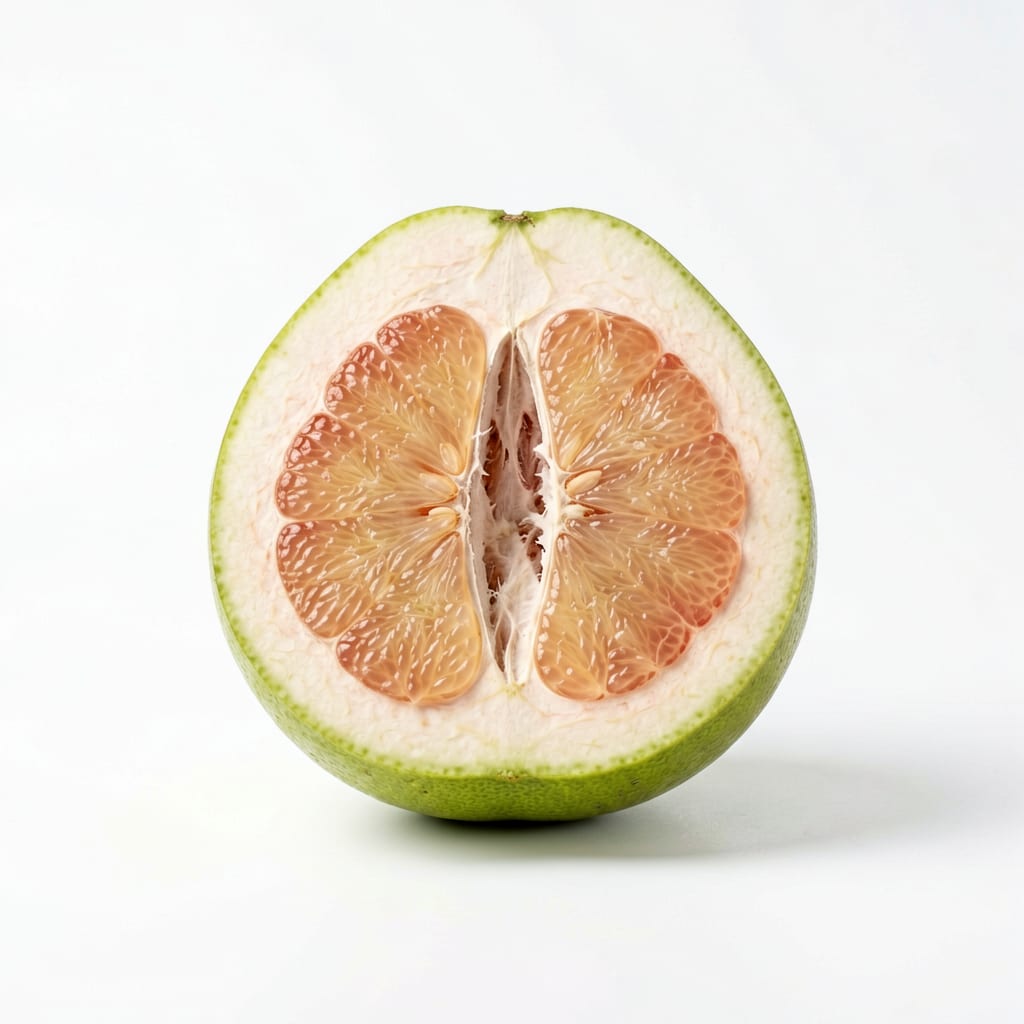
Pomelo
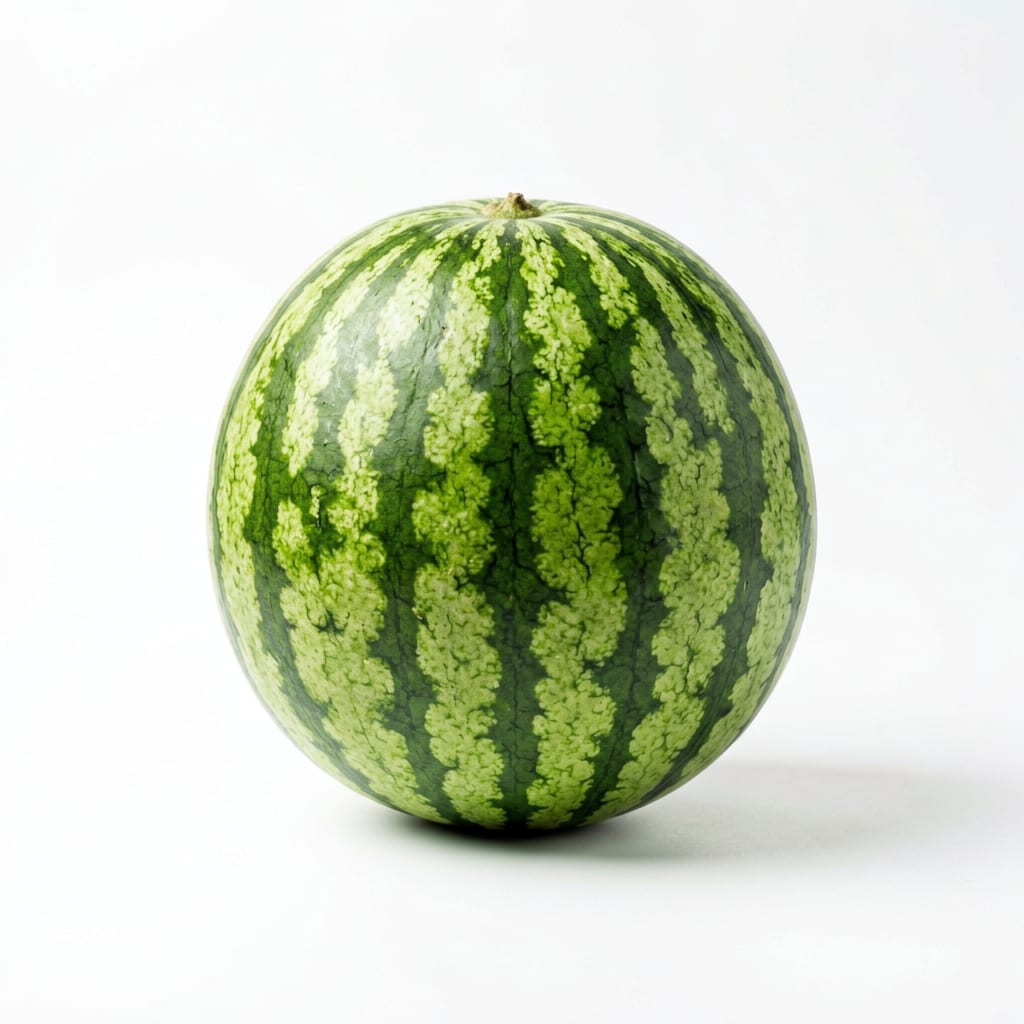
Watermelon
Pomelo wins for blood sugar control, fullness, and vitamin C. Watermelon wins for hydration, affordability, and casual snacking.
Pomelo scores higher due to superior fiber, vitamin C, and blood sugar stability. Watermelon stays competitive because of exceptional hydration, lycopene content, and everyday practicality. The gap reflects pomelo's nutritional density edge versus watermelon's lifestyle convenience.
Pomelo gives you steadier energy and more nutrients per bite, but watermelon is more refreshing, convenient, and easier to enjoy in large quantities on a hot day.
At a glance
Executive summary
Overall
It depends
Healthier
Pomelo
More practical
Watermelon
Daily use
It depends
Key comparison lenses
blood sugar management and diabetes-friendliness
Both are sweet fruits with very different glycemic impacts, a critical factor for many users
hydration and refreshment value
Watermelon is iconic for hydration; users often choose between these for hot-weather snacking
weight loss and satiety
Both are low-calorie fruits but differ significantly in how filling they are
vitamin C and immune support
Pomelo is a citrus powerhouse while watermelon offers minimal vitamin C
everyday practicality and availability
Watermelon is universally available; pomelo can be seasonal and harder to find
Best choice for
Pomelo
- People managing diabetes or insulin resistance
- Anyone wanting a filling fruit that won't spike blood sugar
- Those prioritizing vitamin C and immune support
- People who snack mindfully and want sustained energy
Watermelon
- Hot summer days when hydration is the priority
- Post-workout rehydration and light refueling
- Families wanting an affordable, kid-friendly fruit
- People who struggle to drink enough water
Least suitable for
Pomelo
- People on certain medications that interact with citrus (like statins)
- Those wanting quick, effortless snacking on the go
- Budget-conscious shoppers in regions where pomelo is imported
- Anyone who dislikes peeling or prep work
Watermelon
- People with diabetes who are sensitive to high-glycemic foods
- Those trying to control portions — watermelon is easy to overeat
- Anyone needing a filling snack that curbs hunger for hours
- People watching their blood sugar closely after meals
Deep comparison
Dimension by dimension
Each lens scores both foods and breaks down who each option suits.
- Dimension 1 · Priority 95Pomelo
Blood Sugar Stability
Pomelo · 88Watermelon · 52Pomelo has a much lower glycemic impact thanks to more fiber and less sugar per serving. Watermelon's high GI can cause quicker blood sugar spikes.
Tradeoff
Pomelo keeps energy steadier but tastes less sweet. Watermelon delivers instant satisfaction at the cost of faster glucose rise.
Why it matters
For anyone watching blood sugar — including prediabetics, diabetics, or people avoiding afternoon crashes — this difference is significant.
Real-world impact
Eating pomelo as a morning snack won't leave you hungry an hour later. Watermelon might feel great immediately but can trigger a quicker energy dip.
Pomelo
- Diabetics and prediabetics
- People who get afternoon energy crashes
- Anyone doing intermittent fasting who wants stable blood sugar
Better for
- Nobody specifically — pomelo is gentler on blood sugar across the board
Worse for
Watermelon
- Athletes who need quick carbs after intense exercise
- Healthy individuals with no blood sugar concerns
Better for
- Insulin-resistant individuals
- Anyone prone to sugar cravings after eating sweet foods
Worse for
- Dimension 2 · Priority 88Watermelon
Hydration & Refreshment
Pomelo · 55Watermelon · 96Watermelon is 92% water and practically drinks itself. Pomelo is juicy but far less hydrating bite for bite.
Tradeoff
Watermelon is the ultimate thirst-quenching fruit but offers less nutritional substance. Pomelo hydrates less but delivers more per calorie.
Why it matters
In hot weather, after exercise, or when you're dehydrated, watermelon functions almost like flavored water with benefits.
Real-world impact
After a beach day or workout, watermelon feels revitalizing in a way pomelo simply can't match. Pomelo feels more like eating food than drinking refreshment.
Pomelo
- Those who want hydration with more substance and fullness
Better for
- Dehydrated people who need maximum fluid intake fast
Worse for
Watermelon
- Hot climate dwellers needing daily hydration support
- Post-workout recovery when fluid loss is high
- Older adults who forget to drink enough water
- Kids who resist plain water
Better for
- Nobody — watermelon excels at its primary purpose
Worse for
- Dimension 3 · Priority 82Pomelo
Vitamin C & Immune Support
Pomelo · 94Watermelon · 38Pomelo delivers roughly 3-4 times more vitamin C than watermelon. As a citrus fruit, it's genuinely competitive with oranges.
Tradeoff
Pomelo is an immune-support powerhouse but requires peeling effort. Watermelon gives minimal vitamin C but offers lycopene instead.
Why it matters
If you're relying on fruit for vitamin C — especially during cold season — pomelo meaningfully moves the needle. Watermelon barely contributes.
Real-world impact
Half a pomelo can cover most of your daily vitamin C needs. You'd need to eat an impractical amount of watermelon to get the same immune benefit.
Pomelo
- People prone to colds wanting immune support
- Anyone who doesn't supplement vitamin C
- Smokers who deplete vitamin C faster
Better for
- People on medications that interact with citrus bioflavonoids
Worse for
Watermelon
- Those already getting vitamin C from other sources
Better for
- Anyone counting on fruit as a primary vitamin C source
Worse for
- Dimension 4 · Priority 85Pomelo
Satiety & Fullness
Pomelo · 82Watermelon · 48Pomelo's fiber content and denser texture make it genuinely filling. Watermelon's high water content means you can eat a lot and still feel hungry soon after.
Tradeoff
Pomelo satisfies hunger longer but feels heavier. Watermelon is light and easy to eat in volume but won't keep you full.
Why it matters
For weight management and snack planning, a fruit that actually fills you up prevents overeating later.
Real-world impact
A pomelo snack at 3pm can carry you to dinner. Watermelon at 3pm often leads to rummaging for more food by 4pm.
Pomelo
- Weight loss dieters needing satiating snacks
- People who skip meals and need fruit to hold them over
- Emotional eaters who benefit from feeling genuinely full
Better for
- Anyone wanting a light, non-filling treat before a big meal
Worse for
Watermelon
- Those wanting a light palate cleanser after a heavy meal
- People who prefer grazing small amounts throughout the day
Better for
- Chronic snackers who need food that actually curbs appetite
- People trying to reduce overall daily food intake
Worse for
- Dimension 5 · Priority 76It depends
Antioxidant Diversity
Pomelo · 78Watermelon · 80Pomelo brings citrus flavonoids and vitamin C. Watermelon brings lycopene and citrulline. They protect your body in different ways.
Tradeoff
Pomelo fights inflammation and supports immunity. Watermelon protects cells and improves blood flow. Neither is clearly superior — they're complementary.
Why it matters
Lycopene (watermelon) is linked to heart and prostate health. Citrus flavonoids (pomelo) support vascular health and reduce inflammation.
Real-world impact
Eating both across the week gives broader antioxidant coverage than choosing just one. They're better together than either alone.
Pomelo
- People focused on anti-inflammatory benefits
- Those with joint or vascular inflammation concerns
Better for
- Those missing out on lycopene's unique heart and prostate benefits
Worse for
Watermelon
- Men concerned about prostate health
- Anyone wanting cardiovascular protection from lycopene
- Athletes benefiting from citrulline's blood flow effects
Better for
- Those missing out on citrus flavonoids' anti-inflammatory effects
Worse for
- Dimension 6 · Priority 72Watermelon
Practicality & Everyday Convenience
Pomelo · 42Watermelon · 85Watermelon is easy to find, easy to slice, and easy to share. Pomelo requires peeling, is seasonal in many regions, and costs more per serving.
Tradeoff
Watermelon wins on convenience and price but offers less nutritional value per bite. Pomelo rewards effort with better nutrition density.
Why it matters
The best fruit is one you'll actually eat regularly. If pomelo is too much work, watermelon's easy access wins by default.
Real-world impact
Grabbing watermelon cubes from the fridge takes seconds. Preparing pomelo feels like a small project — peeling, removing pith, sectioning.
Pomelo
- Meal preppers who prep fruit in batches on weekends
- People who enjoy the ritual of peeling and preparing fruit
Better for
- Time-pressed individuals who skip fruit when prep is required
- Anyone who finds peeling citrus frustrating
Worse for
Watermelon
- Busy parents needing quick snacks for kids
- Office workers who want grab-and-go fruit
- Anyone shopping on a budget
- People living in areas where pomelo is unavailable or expensive
Better for
- Nobody — watermelon is among the most convenient fruits available
Worse for
Timeline
Health impact over time
Short-term
Hours to days
Pomelo
- Provides steady energy without a sugar crash
- Feels filling and satisfying after eating
- May cause stomach discomfort if eaten in very large amounts due to fiber
- Vitamin C supports immediate immune function
Watermelon
- Rapidly hydrates the body, especially in heat
- Can cause a quicker blood sugar rise followed by a mild dip
- Very easy on the stomach and digestive system
- Citrulline may improve blood flow shortly after consumption
Long-term
Months to years
Pomelo
- Consistent fiber intake supports gut health and regularity
- Flavonoids may reduce chronic inflammation over time
- Lower sugar load helps maintain insulin sensitivity
- Vitamin C contributes to skin health and collagen maintenance
Watermelon
- Lycopene intake supports long-term cardiovascular and prostate health
- High hydration habits benefit kidney function
- Easy to overconsume, which may contribute to excess sugar intake over time
- Citrulline may support healthy blood pressure with regular consumption
Risk profile
Safety & processing
Both pomelo and watermelon are whole, unprocessed fruits eaten in their natural state. Neither typically contains additives, preservatives, or artificial ingredients when purchased fresh. Both are as clean as food gets.
Pomelo
Drug interaction with certain medications
highPomelo contains furanocoumarins similar to grapefruit, which can interfere with statins, blood pressure medications, and immunosuppressants. This interaction can be dangerous for affected patients.
Pesticide residue on peel
mediumNon-organic pomelos may have pesticide residues on the rind. While the flesh is typically protected, cross-contamination during peeling is possible.
Watermelon
Foodborne illness from improper handling
mediumWatermelon's high water content and often outdoor serving conditions make it susceptible to bacterial growth if left unrefrigerated. Cut watermelon should be chilled within 2 hours.
Pesticide residue
lowWatermelon's thick rind protects the flesh from most pesticide exposure. It consistently ranks low on pesticide concern lists.
Who wins for whom
Audience fit
Same foods, different winners depending on your goal.
children
WatermelonKids universally love watermelon's sweetness and fun texture. It's easier to prepare, safer (no peeling or bitter pith), and more hydrating for active children. Pomelo's bitterness and prep work make it a harder sell.
daily consumption
It dependsWatermelon is easier to eat daily due to convenience, but pomelo is nutritionally superior for daily use. The best choice depends on whether you prioritize ease or nutrient density in your daily routine.
diabetes
PomeloPomelo's lower glycemic index and higher fiber make it significantly safer for blood sugar management. Watermelon's high GI can cause problematic spikes for diabetics, even in moderate portions.
elderly
PomeloPomelo's fiber supports digestive regularity, a common concern for older adults. Its vitamin C helps with collagen and joint health. However, elderly patients on interacting medications should avoid pomelo.
muscle gain
WatermelonWatermelon's citrulline may improve blood flow and exercise performance, and its quick-digesting carbs are useful post-workout. Neither fruit is a significant protein source, but watermelon better supports workout recovery timing.
weight loss
PomeloPomelo's fiber and lower sugar content make it more satiating per calorie, reducing the likelihood of overeating. Watermelon's low calorie density is appealing, but its low satiety often leads to consuming more total food.
Your move
Decision guide
Choose Pomelo
- You're managing blood sugar, diabetes, or insulin resistance
- You want a fruit that actually keeps you full between meals
- Vitamin C intake is a priority for you
- You enjoy the ritual of preparing and peeling fruit
- You're willing to seek it out at specialty or Asian grocery stores
Choose Watermelon
- Hydration is your main goal, especially in summer
- You want an affordable, widely available fruit
- You're feeding kids or a group at a gathering
- You need post-workout refreshment with quick carbs
- You struggle to drink enough water and want food-based hydration
Either works if
- You simply want a healthy, whole-food snack
- You're eating a varied diet and don't need one fruit to do everything
- You enjoy both and can rotate them seasonally
Avoid both if
- You're on a strict very-low-carb or ketogenic diet — both contain natural sugars
- You have a citrus allergy (pomelo) or oral allergy syndrome triggered by either fruit
- You're on medications that interact with furanocoumarins and haven't consulted your doctor
Final recommendation
Keep both in rotation. Eat pomelo when you need a filling, nutrient-dense snack that stabilizes energy. Reach for watermelon when hydration and refreshment matter most. If you must pick one for daily health benefits, pomelo edges ahead — but only if you'll actually prepare and eat it consistently. The best fruit is always the one you'll enjoy regularly.
Practical
Consumer tips
- 1
If you're new to pomelo, remove all the bitter white pith before eating — it makes a huge difference in taste
- 2
Store cut watermelon in an airtight container and consume within 3-4 days for best safety and flavor
- 3
Check with your pharmacist if you take any medications before eating pomelo regularly — the grapefruit-family interaction is real and potentially dangerous
- 4
Freeze watermelon cubes for a naturally sweet, hydrating treat that replaces popsicles
- 5
Pomelo segments store well in the fridge for 2-3 days after peeling, so you can prep once and enjoy multiple times
- 6
Choose watermelon with a deep hollow sound when tapped and a creamy yellow spot on the bottom — signs of ripeness
- 7
Buy organic pomelo if you're concerned about pesticide residue on the peel, especially if your hands contact the fruit while peeling