
Nutrition comparison
Pomelo vs Tangerine: Nutrition, Sugar, and Which is Healthier
Compare pomelo and tangerine to see which citrus is better for weight loss, blood sugar, and snacking. Learn about drug interactions and nutritional differences.
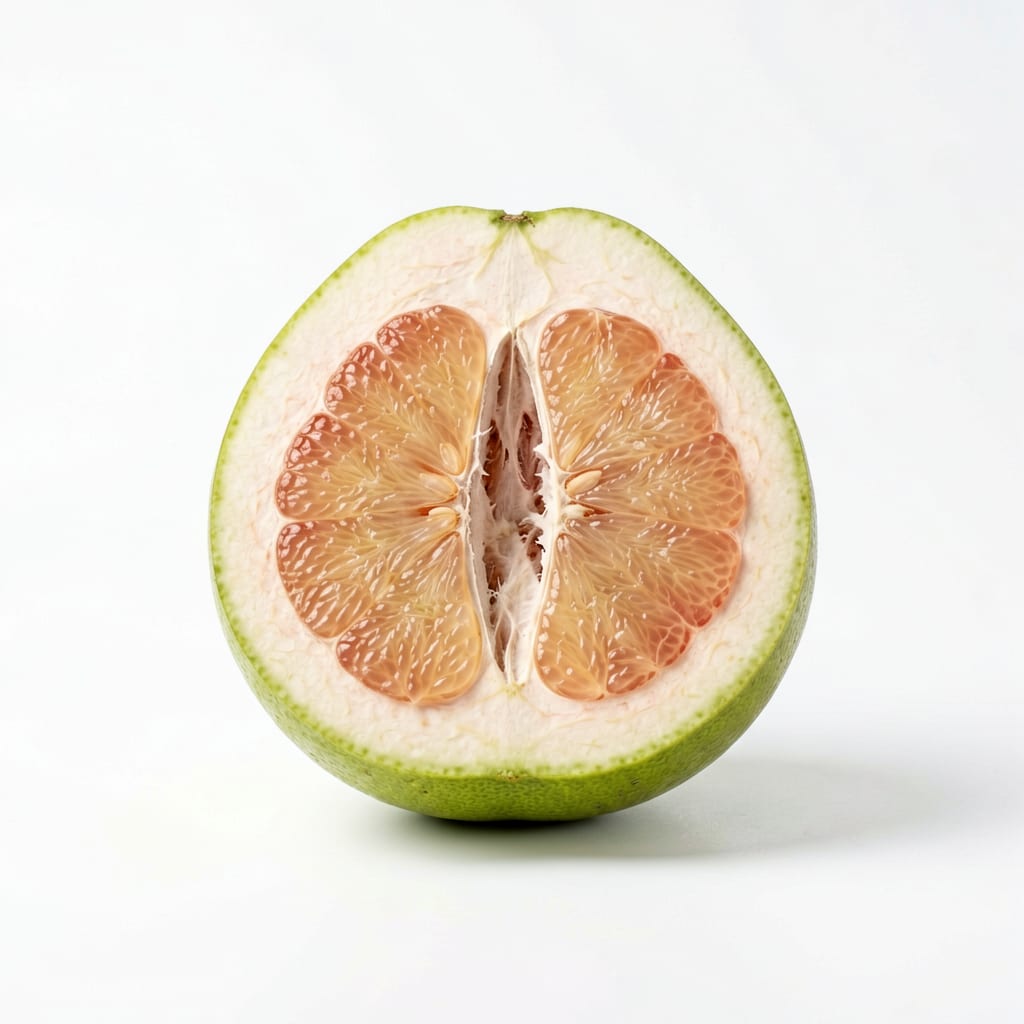
Pomelo
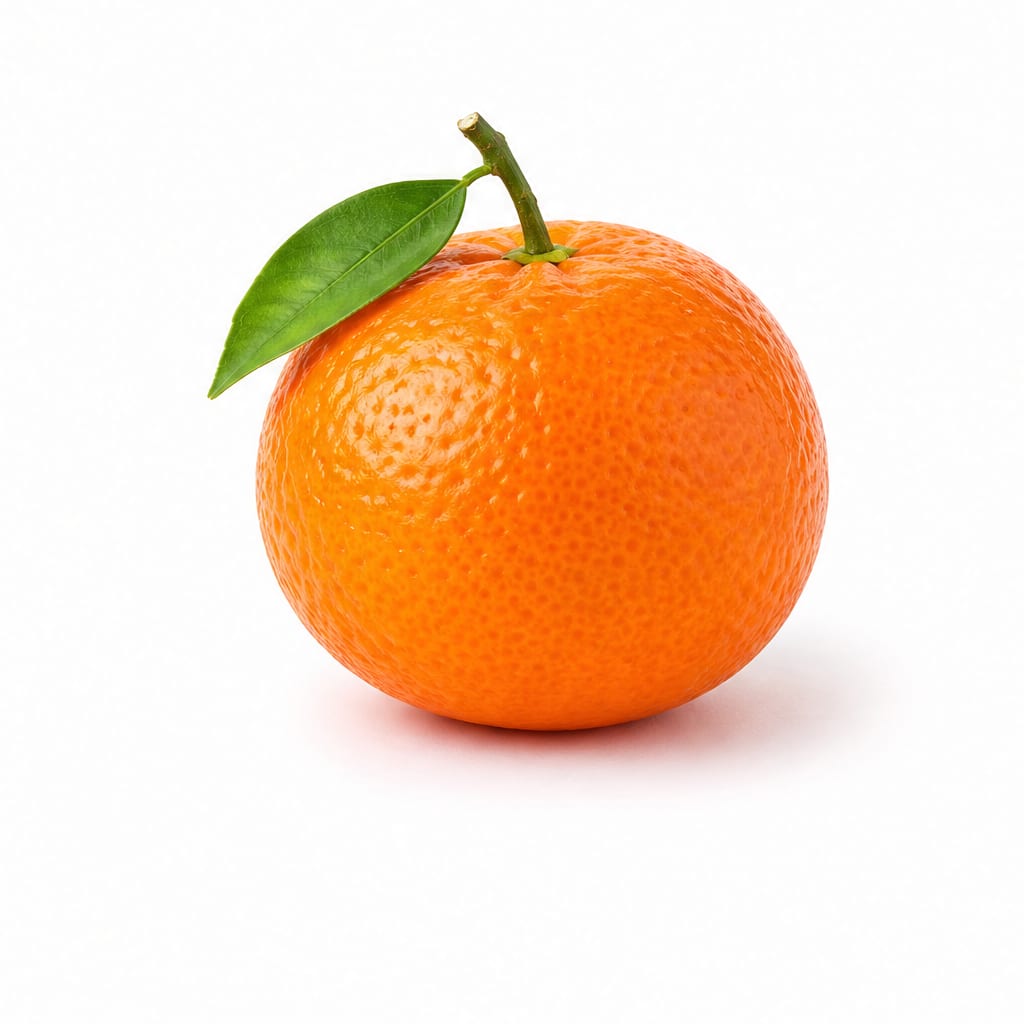
Tangerine
Pomelo offers better blood sugar control and satiety, but tangerines win on convenience and medication safety.
Pomelo scores slightly higher for nutritional density and lower sugar, but tangerine's unmatched convenience and drug safety keep it competitive. The right choice depends entirely on your lifestyle and health context.
You trade the quick, sweet convenience of a tangerine for the steady, filling bulk of a pomelo.
At a glance
Executive summary
Overall
It depends
Healthier
Pomelo
More practical
Tangerine
Daily use
Tangerine
Key comparison lenses
sugar content and glycemic impact
Tangerines are notably sweeter and easier to overconsume than the larger, lower-sugar pomelo
convenience and snackability
Tangerines are ultimate grab-and-go snacks, while pomelos require peeling effort and time
medication safety
Pomelo carries a real risk of drug interactions similar to grapefruit, which tangerines avoid
satiety and portion control
Pomelo's sheer size and fiber content make it highly filling, whereas tangerines are easy to eat in multiples
Best choice for
Pomelo
- People managing blood sugar or insulin resistance
- Those wanting a high-volume, low-calorie snack
- Anyone on a weight loss journey needing satiety
Tangerine
- Busy people needing a quick on-the-go fruit
- Kids who need easy-to-peel, sweet snacks
- Anyone taking statins or blood pressure medications
Least suitable for
Pomelo
- People on statins, immunosuppressants, or certain heart medications
- Those wanting a quick, mess-free snack at their desk
- Anyone who dislikes bitter citrus pith
Tangerine
- People strictly limiting fruit sugar
- Those prone to mindlessly snacking on sweet fruit
- Anyone looking for a heavy, filling snack to replace a meal
Deep comparison
Dimension by dimension
Each lens scores both foods and breaks down who each option suits.
- Dimension 1 · Priority 90Pomelo
sugar_and_blood_stability
Pomelo · 85Tangerine · 65Pomelo delivers more volume and fiber with less sugar per bite than a tangerine.
Tradeoff
You get a milder, less sweet flavor with pomelo, but your energy stays steadier.
Why it matters
Tangerines are sweet enough that eating three in a sitting feels easy, pushing sugar intake up fast.
Real-world impact
Pomelo prevents the afternoon energy crash that can follow a multi-tangerine snack.
Pomelo
- Steadier energy without sugar spikes
- Better insulin sensitivity over time
- Easier portion control on sugar
Better for
- May feel too bland if you have a sweet tooth
Worse for
Tangerine
- Quick energy after a workout
- Satisfies sweet cravings with natural sugar
Better for
- Easy to overeat, leading to excess sugar intake
- Can trigger cravings for more sweets
Worse for
- Dimension 2 · Priority 85Tangerine
convenience_and_snackability
Pomelo · 40Tangerine · 95Tangerines are one of the most portable, easy-to-eat fruits available; pomelos require commitment.
Tradeoff
You sacrifice the massive filling bulk of a pomelo for the grab-and-go ease of a tangerine.
Why it matters
If a snack is hard to prepare, you might skip it entirely and grab processed food instead.
Real-world impact
You can peel and eat a tangerine at a red light, while a pomelo requires a kitchen counter and napkins.
Pomelo
- Provides a long, mindful eating experience
Better for
- Peeling is time-consuming and messy
- Thick rind creates kitchen waste
Worse for
Tangerine
- Perfect for commuting or busy mornings
- No sticky mess or heavy peeling required
- Kid-friendly and lunchbox ready
Better for
- Disappears so fast you might still feel hungry
Worse for
- Dimension 3 · Priority 80Tangerine
medication_safety
Pomelo · 20Tangerine · 95Pomelo contains furanocoumarins that dangerously interact with many common medications; tangerines do not.
Tradeoff
You miss out on pomelo's unique phytonutrients, but avoid a serious health risk.
Why it matters
Mixing pomelo with statins or blood pressure drugs can cause toxic drug buildup in your blood.
Real-world impact
If you take daily medications, eating pomelo could land you in the ER; tangerines are safe.
Pomelo
- None in this specific context
Better for
- Can cause dangerous drug toxicity
- Requires constant pharmacist checks
Worse for
Tangerine
- Safe to eat with statins and heart meds
- No risk of accidental drug interaction
Better for
- None regarding safety
Worse for
- Dimension 4 · Priority 75Pomelo
satiety_and_fullness
Pomelo · 90Tangerine · 50Pomelo is a heavyweight snack that physically fills your stomach, while tangerines are light bites.
Tradeoff
Pomelo takes longer to eat and digest, keeping you full for hours instead of minutes.
Why it matters
Feeling full on fewer calories is the key to sustainable weight management.
Real-world impact
A pomelo halves can replace an afternoon snack plate; two tangerines just leave you hunting for more food.
Pomelo
- High water and fiber volume stretches the stomach
- Takes time to eat, signaling fullness to the brain
Better for
- Too filling if you just want a small taste of something
Worse for
Tangerine
- Light enough to eat before a run without feeling heavy
Better for
- Unlikely to hold you over between meals
Worse for
Timeline
Health impact over time
Short-term
Hours to days
Pomelo
- Provides long-lasting fullness without a sugar crash
- Requires significant time to peel and section
Tangerine
- Offers a quick burst of natural energy
- Easily eaten in excess if you feel hungry
Long-term
Months to years
Pomelo
- Supports healthy blood pressure and glycemic control
- Risk of severe drug interactions if medications are ignored
Tangerine
- Boosts daily Vitamin C intake easily
- May contribute to excess sugar intake if portions aren't managed
Risk profile
Safety & processing
Both are whole, raw fruits straight from nature with zero additives.
Pomelo
Drug interaction
highPomelo inhibits CYP3A4 enzymes, dangerously increasing blood levels of statins, calcium channel blockers, and immunosuppressants.
Pesticide residue
mediumThe thick rind protects the flesh, but conventional pomelos may have pesticide buildup on the skin that can transfer during peeling.
Tangerine
Pesticide residue
mediumTangerines are often eaten by hand directly after peeling, transferring any rind pesticides to your fingers and fruit.
Who wins for whom
Audience fit
Same foods, different winners depending on your goal.
children
TangerineTangerines are sweet, bite-sized, and easy for small hands to peel without help.
daily consumption
TangerineTangerines fit seamlessly into a busy daily routine with zero prep hassle and no medication worries.
diabetes
PomeloPomelo has a lower glycemic load and more fiber per serving, causing gentler blood sugar shifts.
elderly
TangerineTangerines are much easier to peel for arthritic hands and are safer for those commonly on heart medications.
muscle gain
TangerineTangerines provide quicker, faster-digesting carbs that are more useful right after a workout.
weight loss
PomeloPomelo's massive fiber and water volume fill you up on fewer calories, making it far easier to stick to a deficit.
Your move
Decision guide
Choose Pomelo
- You want a low-sugar fruit that keeps you full for hours
- You are not taking any prescription medications
- You enjoy the ritual of peeling and preparing your food
Choose Tangerine
- You need a quick, mess-free snack for work or travel
- You take statins or blood pressure medication
- You want a sweet, kid-friendly fruit for the lunchbox
Either works if
- You just want a natural Vitamin C boost
- You are looking for a whole-food alternative to processed desserts
Avoid both if
- You have a citrus allergy
- You are on a strict very-low-carb or ketogenic diet
Final recommendation
Let your schedule and medicine cabinet decide. Keep tangerines around for busy weekdays when you need fast, safe energy. Save pomelo for relaxed weekends when you have time to peel it and want a filling, low-sugar treat—provided you check your medication list first.
Practical
Consumer tips
- 1
Always wash tangerines before peeling; your fingers touch the rind and then the flesh.
- 2
Ask your pharmacist about pomelo interactions if you take any daily medications, even over-the-counter ones.
- 3
Cut pomelo like a grapefruit and scoop out the segments with a spoon to avoid the bitter pith.
- 4
If you find pomelo too bland, sprinkle a tiny pinch of salt on it to amplify the natural sweetness.
- 5
Don't eat tangerines straight from the fridge; room temperature fruit tastes significantly sweeter.