
Grains and Starches
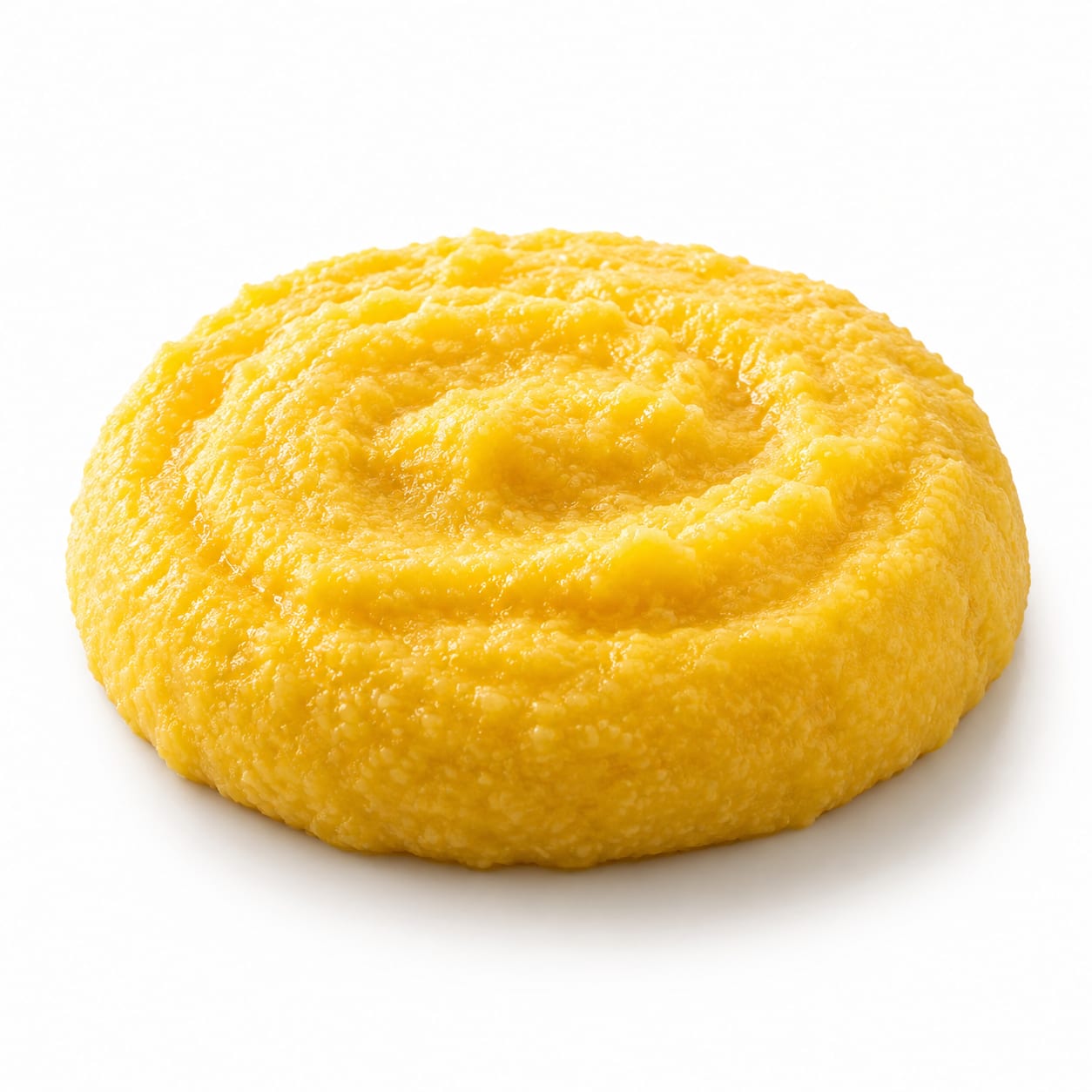
Polenta
A versatile Italian cornmeal porridge served soft or firm as a starchy side dish.
A traditional Italian dish made from coarsely ground cornmeal boiled in water or stock, served as a creamy porridge or allowed to cool and solidify before baking, frying, or grilling.
moderate-glycemic carbohydrate staple
Typical serving · 150g
Common varieties · coarse-ground, fine-ground, instant, pre-cooked tube
Overall context score across nutrition, safety, and diet fit
At a glance
Quick facts
Simple indicators based on nutrition, processing, and diet fit.
The story
What makes it unique
Polenta is primarily a carbohydrate source with a moderate glycemic index due to its corn base. Digestion speed is moderate, slowed slightly if coarse-ground. Satiety is moderate, largely dependent on added fats or proteins during preparation rather than the cornmeal itself.
Varieties: coarse-ground · fine-ground · instant · pre-cooked tube
Per 100g
Nutrition breakdown
Macro balance and key metrics at a glance.
Energy
Density 0.85 kcal/g
Protein
Carbs
Fat
Fiber
Sugar
0.2 g
Sodium
230 mg
Potassium
44 mg
Glycemic index
68
Glycemic load
12
Water content
78%
Standout compounds
Nutrient highlights
Carbohydrates
highProvides quick energy for physical activity and brain function
Vitamin A
moderateSupports vision and immune function from yellow corn
Iron
lowEssential for oxygen transport in blood
Fiber
lowSupports digestion, though amounts are relatively low
Wellness map
Health scores & processing
NOVA processing scale
minimally processed · Whole food
Traditional polenta contains only cornmeal and water. Instant or pre-cooked tubes may contain stabilizers or preservatives, shifting them to Nova 3 or 4.
Diet compatibility
- Weight loss
- Muscle gain
- Diabetes
- Gut health
- Low carb
- High protein
- Heart health
Relative standing
Food rankings
Qualitative ranks compared to similar whole foods.
- Satietymoderate
- Blood sugarmoderate
- Nutrient densitypoor
- Fitness fuelgood
- Processing qualitygood
Eat with confidence
Food safety profile
Polenta is generally safe. Conventional corn carries moderate pesticide risk, so organic options reduce exposure. Ensure dry cornmeal is stored properly to prevent mold.
Evidence confidence 85%
- Pesticidesmoderate
- Antibioticslow
- Heavy metalslow
- Contaminationlow
Watch for
- mycotoxins from mold
- pesticide residues
Safer choices
organic cornmeal
Prep tips
Store dry cornmeal in a cool, dry, airtight container to prevent mycotoxin-producing molds; cook thoroughly before eating.
Standard grain safety regulations apply; mycotoxin limits are monitored in corn products.
Deep dive
Health analysis
How this food may fit different goals and preparation choices.
Weight loss
Plain polenta is relatively low in calories, but its low protein and fiber content provide minimal satiety, requiring strict portion control for weight loss.
Blood sugar
Has a moderate-to-high glycemic index depending on the grind. Coarse-ground polenta digests slower, causing a more gradual blood sugar rise than fine or instant varieties.
Fitness & energy
Provides easily digestible carbohydrates suitable for pre-workout fuel or post-workout glycogen replenishment.
Gut health
Low in fiber compared to whole grains like quinoa or oats, offering minimal prebiotic benefits unless paired with high-fiber vegetables or legumes.
Processing quality
Traditional coarse cornmeal is minimally processed. Instant polenta and pre-cooked rolls are more processed and may contain additives to speed cooking or preserve texture.
Food safety
Low risk of microbial contamination once cooked. Dry cornmeal should be kept dry to prevent mold growth that can produce mycotoxins.
Common mistakes
Assuming all polenta is gluten-free due to potential cross-contamination in processing facilities, and underestimating the calorie impact of added cheeses and butter.
Best preparation
Boiled in broth for flavor without fat, then baked or grilled instead of fried. Top with vegetables and lean proteins to balance the meal.
Practical guide
Best use cases
When and how this food fits real eating patterns.
Pre-workout carb loading
Provides easily digestible carbohydrates for sustained energy during endurance activities.
Gluten-free pasta alternative
Serves as a sturdy, flavorful base for sauces instead of wheat-based pasta.
Low-fat flavor base
When cooked in vegetable or chicken broth, it offers a savory side without the need for heavy fats.
Balance sheet
Pros & cons
Upsides
- Naturally gluten-free when pure
- Low in fat and calories when prepared plain
- Versatile base for both savory and mild flavors
- Provides quick-digesting carbohydrates for energy
Trade-offs
- Low in protein and fiber, leading to quick hunger
- Moderate to high glycemic index depending on grind
- Restaurant versions often loaded with butter and cheese
- Not suitable for low-carb or ketogenic diets
Fit check
Who is it for?
Great match
- gluten-free diets
- pre-workout carbohydrate fueling
- budget-friendly meal bases
Consider alternatives
- strict low-carb diets
- diabetic blood sugar management without pairing
- high-protein diets
Side by side
How it compares
Open the full head-to-head analysis for nutrition, safety, and practical tradeoffs.
This food
Polenta
VS95% alike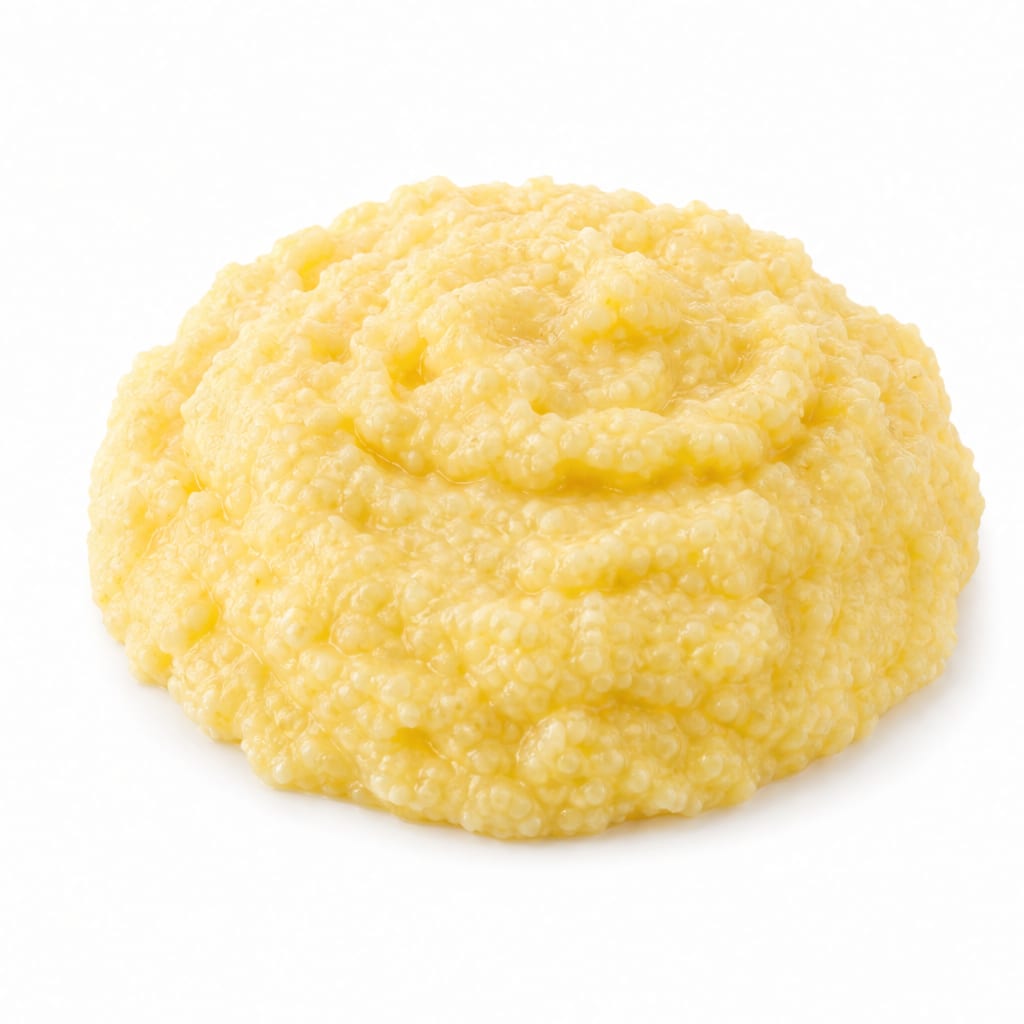
Compare with
Grits
Polenta and grits are nearly identical nutritionally, though grits are often made from alkali-treated corn.
Polenta and grits are nutritionally almost identical, though polenta uses yellow corn and grits use white hominy.
This food
Polenta
VS85% alike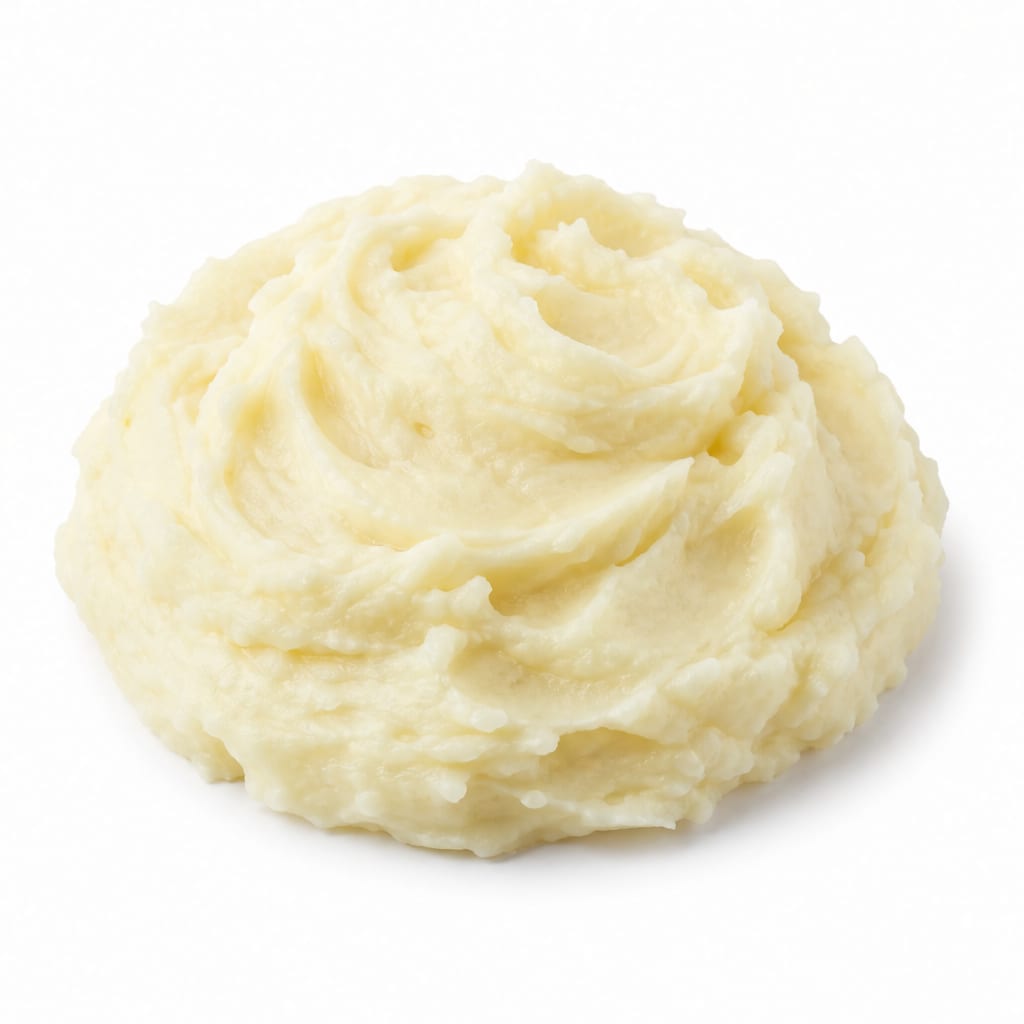
Compare with
Mashed Potatoes
Polenta is lower in calories and carbs than potatoes made with butter and milk.
Polenta is a lower-calorie, dairy-free alternative to traditional mashed potatoes.
This food
Polenta
VS80% alike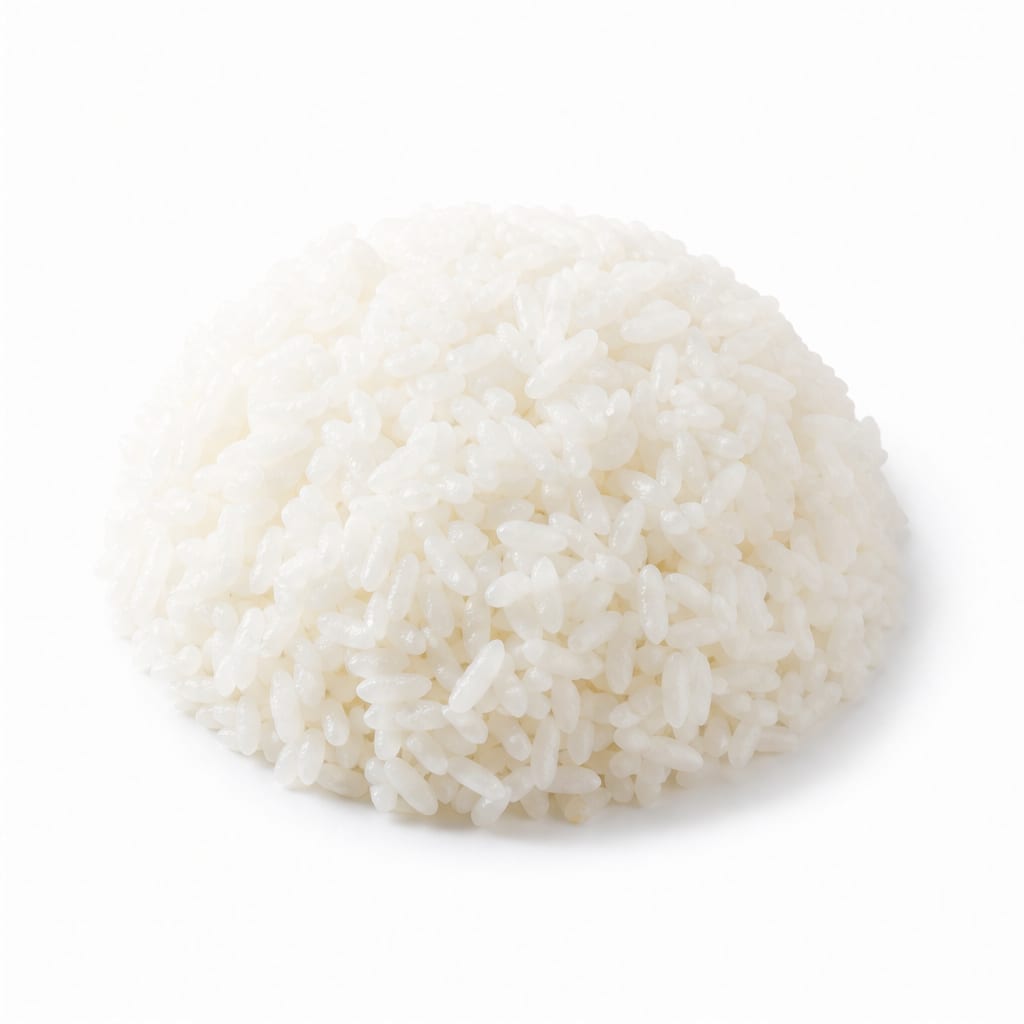
Compare with
White Rice
Rice is slightly higher in carbs and calories; polenta offers more flavor from the corn.
Polenta provides slightly fewer calories and carbs than white rice with a more robust texture.
This food
Polenta
VS80% alike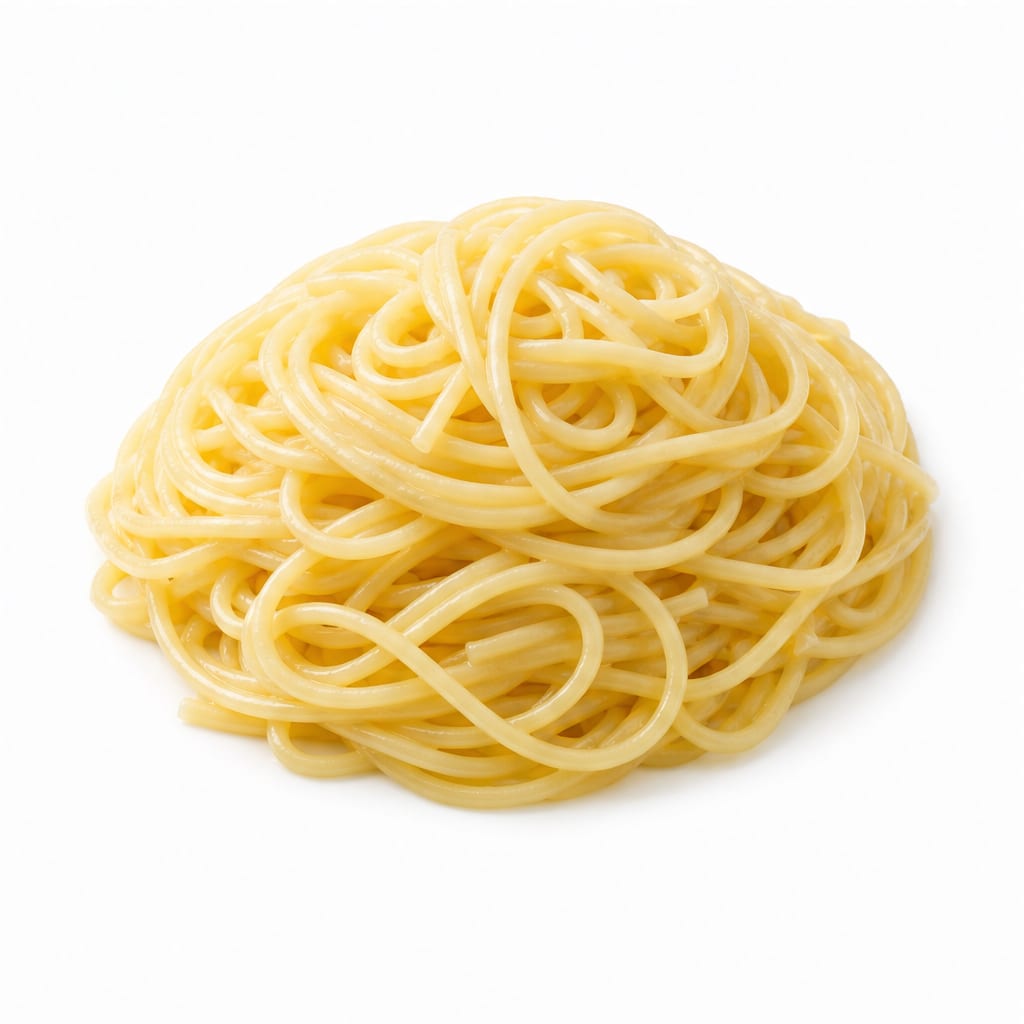
Compare with
Pasta
Pasta has more protein and fiber, but polenta is gluten-free.
Polenta is a gluten-free alternative to pasta, though pasta offers slightly more protein and satiety.
This food
Polenta
VS75% alike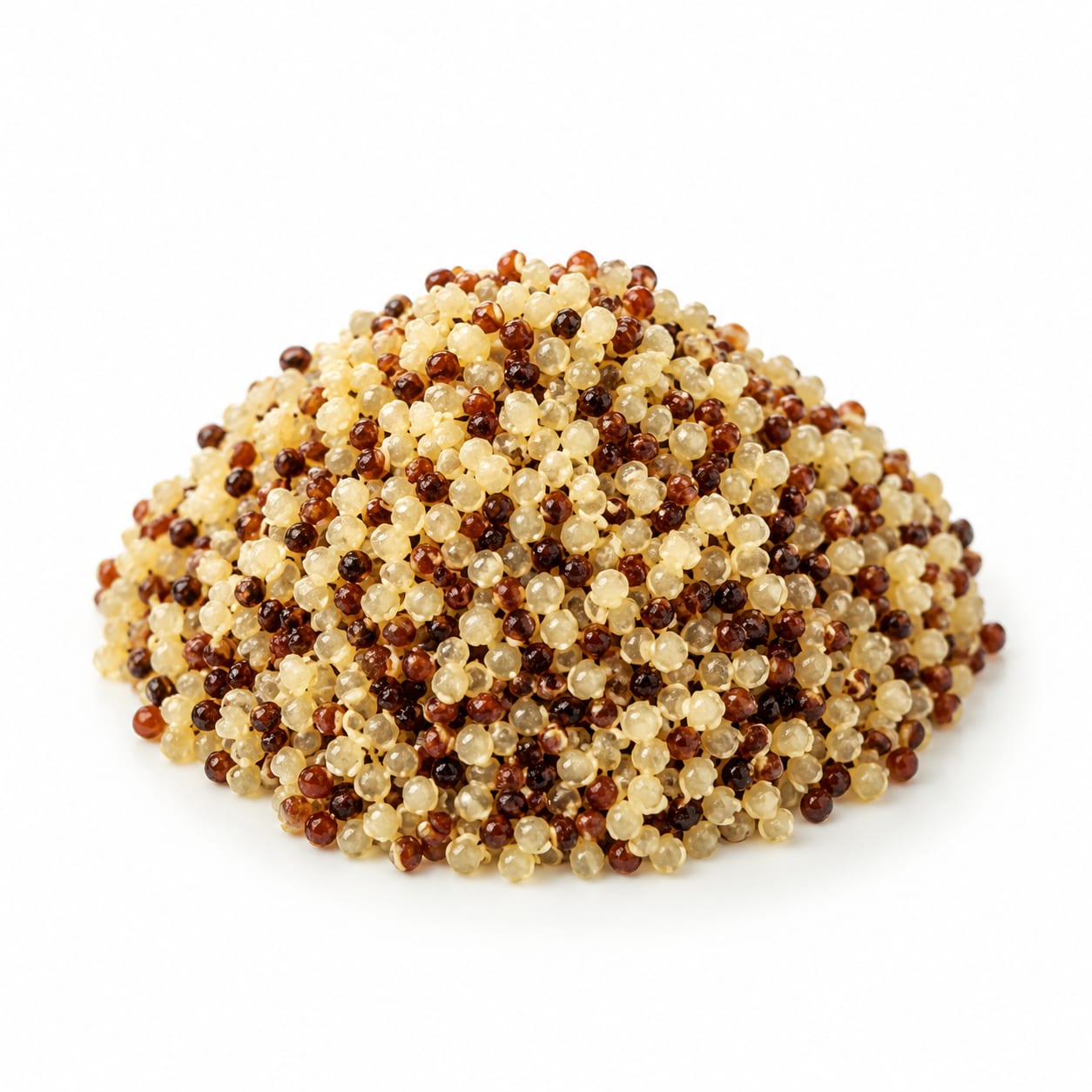
Compare with
Quinoa
Quinoa is vastly superior in protein, fiber, and micronutrients.
Quinoa beats polenta in protein and fiber, making it much better for blood sugar control and satiety.
This food
Polenta
VS70% alike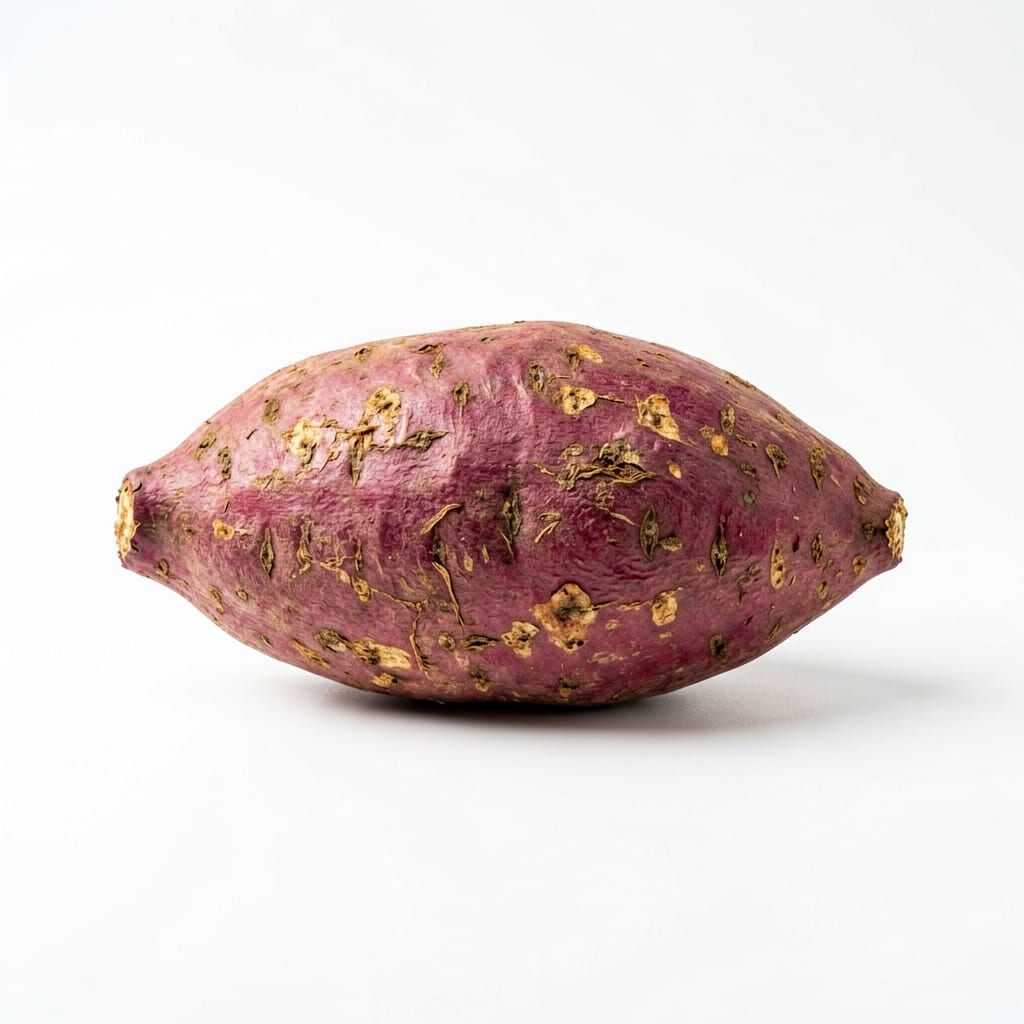
Compare with
Sweet Potato
Sweet potato has far more fiber, vitamins, and a lower glycemic index.
Sweet potatoes offer significantly more vitamin A and fiber than polenta, providing better blood sugar control.
This food
Polenta
VS70% alike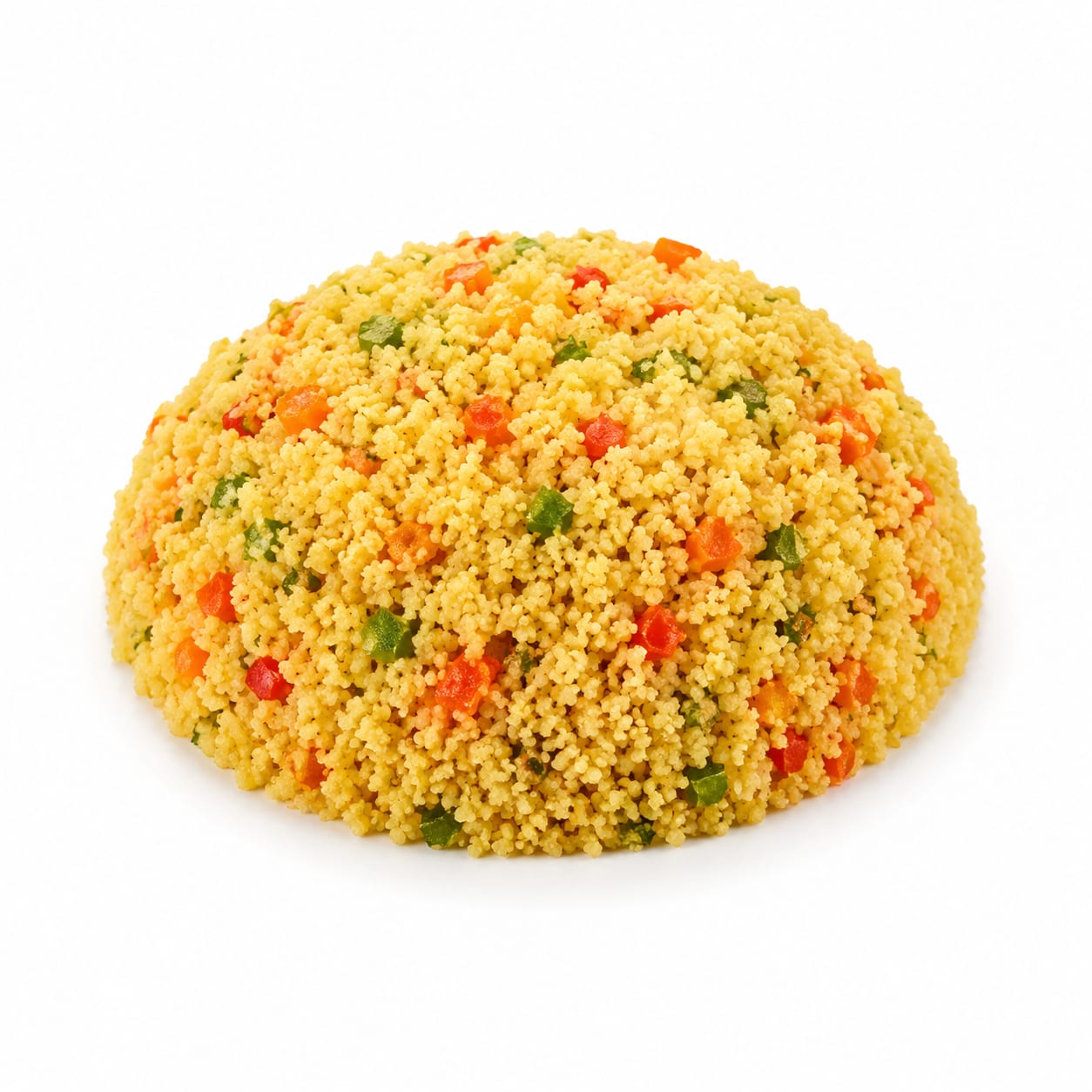
Compare with
Couscous
Couscous is a refined wheat pasta, higher in protein but not gluten-free.
Polenta is gluten-free and slightly lower on the glycemic index compared to refined couscous.
This food
Polenta
VS65% alike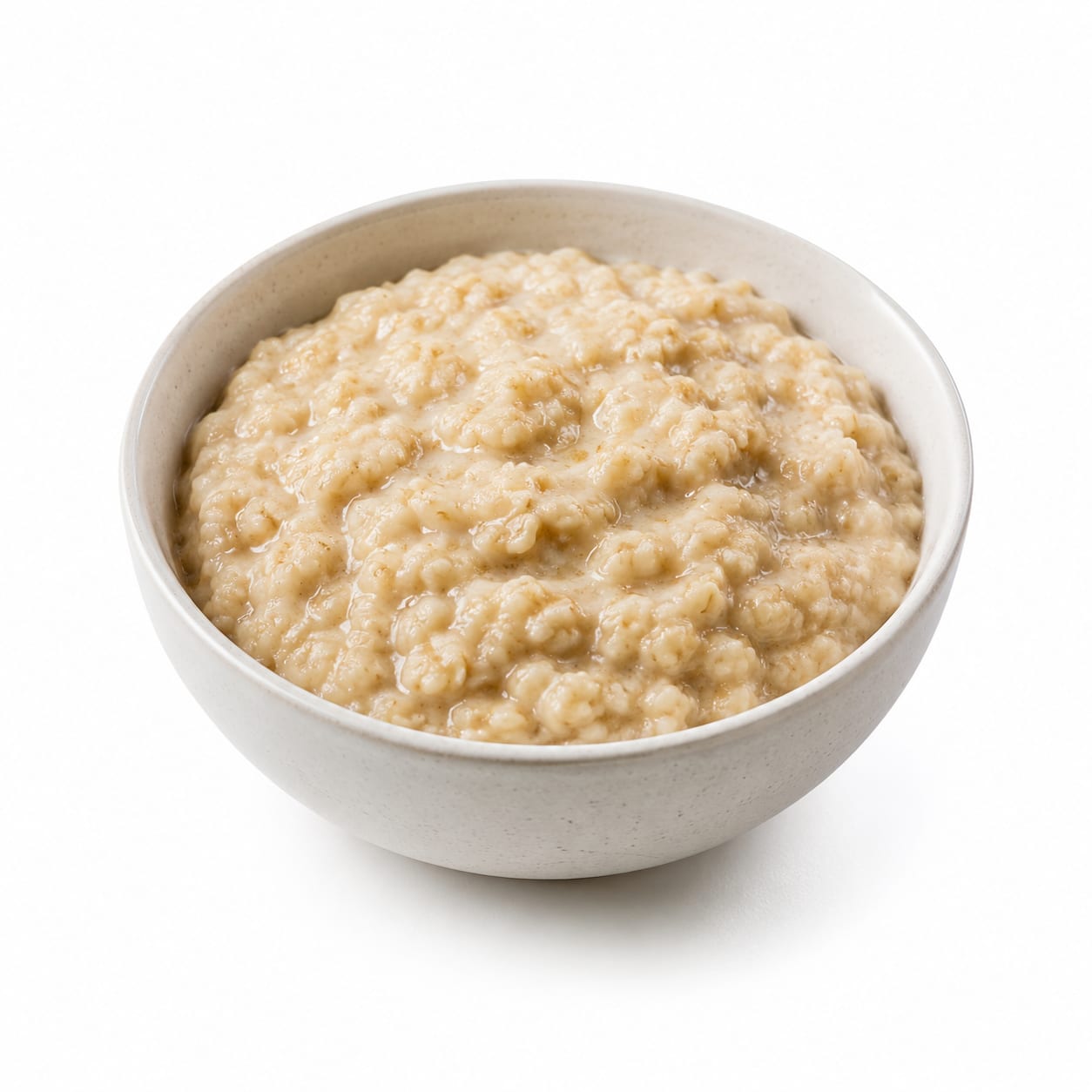
Compare with
Oatmeal
Oatmeal is much higher in fiber and protein, specifically beta-glucan.
Oatmeal provides far more fiber and protein than polenta, making it vastly superior for morning satiety.
This food
Polenta
VS60% alike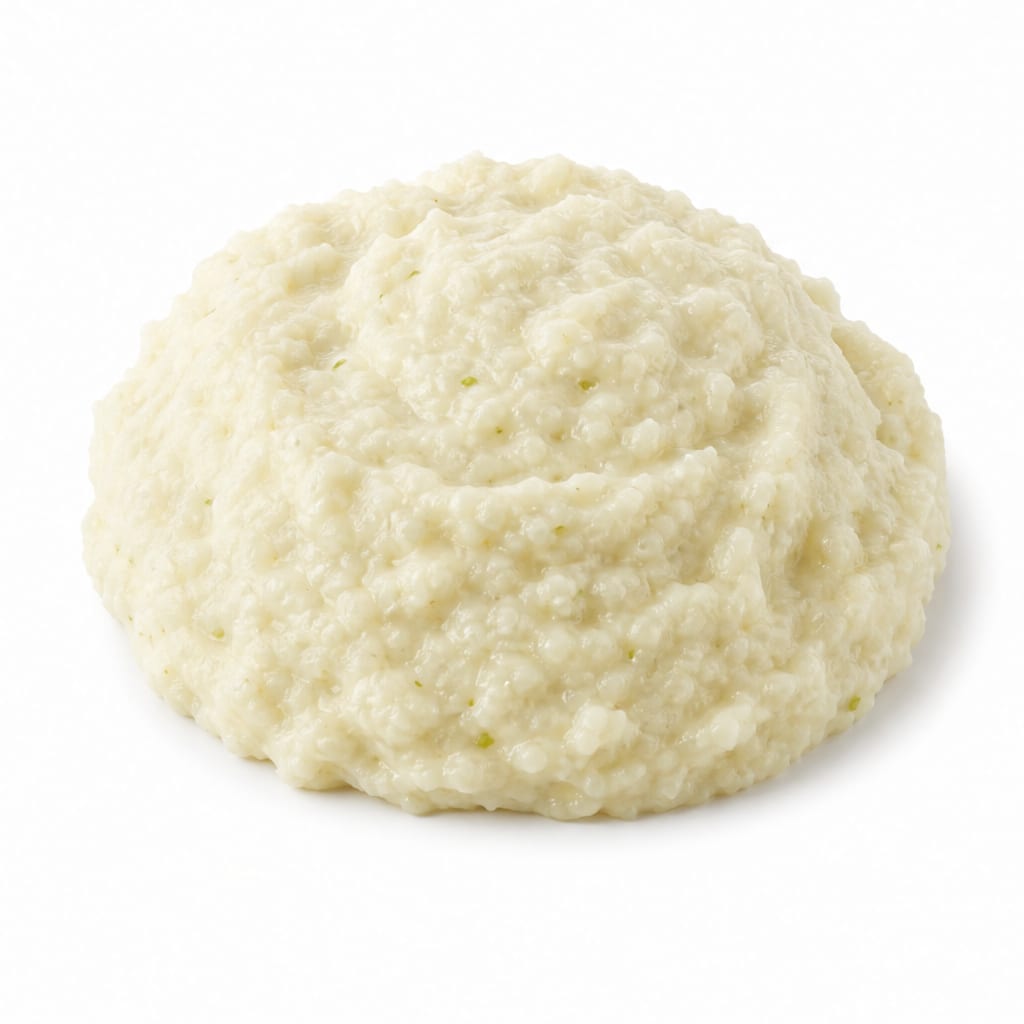
Compare with
Cauliflower Mash
Cauliflower is extremely low carb and low calorie compared to polenta.
Cauliflower mash is a fraction of the calories and carbs of polenta, ideal for strict weight loss and keto diets.
This food
Polenta
VS60% alike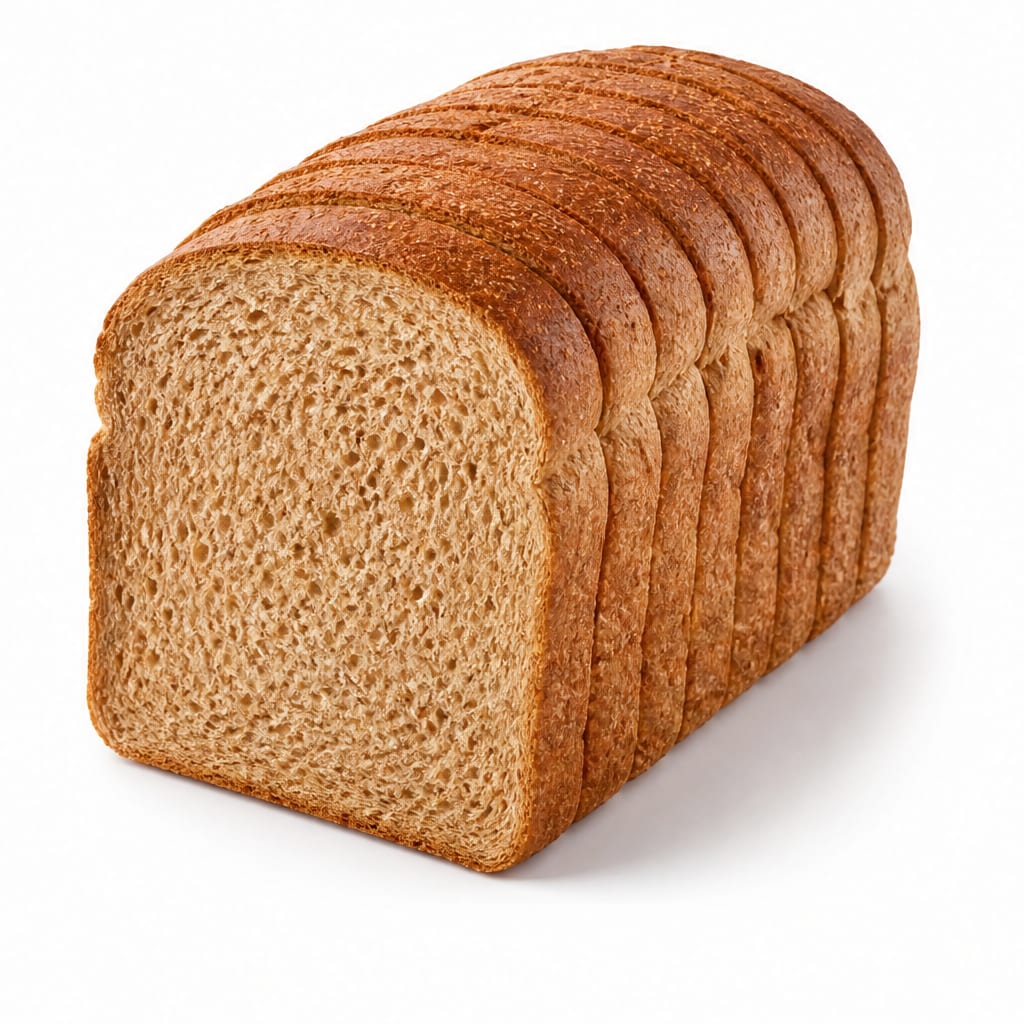
Compare with
Whole Wheat Bread
Whole wheat bread has more protein and fiber than polenta.
Whole wheat bread offers more fiber and protein than polenta, but polenta is naturally gluten-free.
Common questions
FAQ
Answers aligned with how people search for this food.
Is polenta gluten-free?
Yes, pure cornmeal polenta is naturally gluten-free, but you should check labels to ensure it was processed in a gluten-free facility to avoid cross-contamination.
Is polenta good for weight loss?
Plain polenta is relatively low in calories but low in protein, so it is best eaten in moderation with high-protein or fiber-rich sides to promote fullness for weight loss.
How many carbs are in polenta?
A 100g serving of cooked polenta contains about 18 grams of carbohydrates, making it a moderate-carb food.
Is polenta the same as grits?
Both are made from ground corn, but grits are usually made from white corn treated with an alkali (hominy), while polenta is typically made from yellow corn.
Can diabetics eat polenta?
Diabetics can eat polenta in small portions, but it has a moderate glycemic index. Pairing it with protein, healthy fats, and fiber is recommended to slow blood sugar spikes.
Is polenta a processed food?
Traditional polenta made from coarse cornmeal is minimally processed. However, instant or pre-cooked tubes are more processed and may contain preservatives.
What do you eat with polenta?
Polenta pairs well with ragouts, grilled vegetables, lean meats, mushroom sauces, or can be topped with a small amount of cheese for flavor.
Transparency
Data confidence
Estimated confidence for nutrition data, interpretation, safety notes, and comparisons.
Nutrition data
Health analysis
Food safety
Comparisons