
Nutrition comparison
Polenta vs Quinoa: Which Grain Is Healthier for You?
Compare polenta and quinoa nutrition, protein, fiber, and blood sugar impact. Find out which grain fits your diet, budget, and health goals better.
Overall winner · Quinoa

Polenta
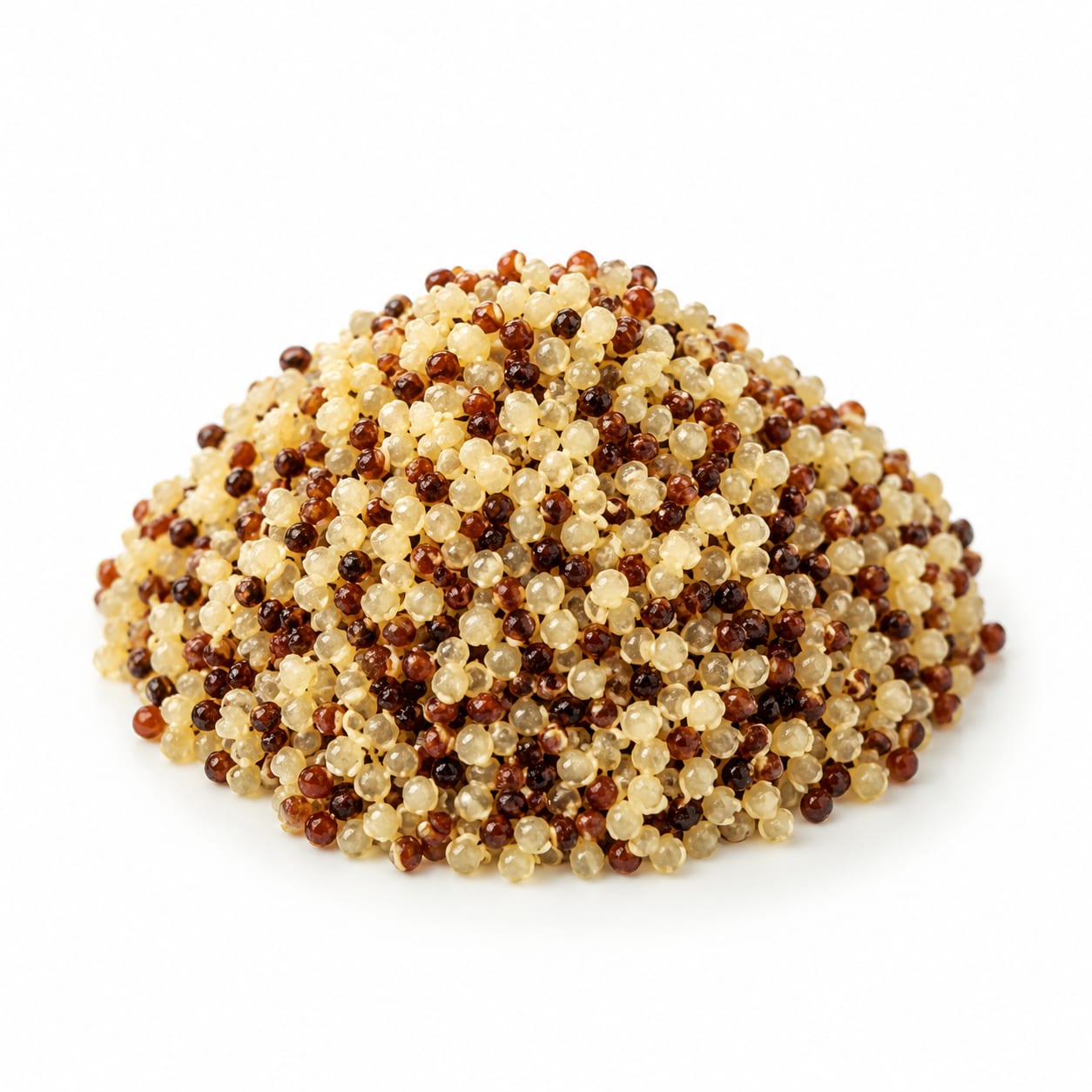
Quinoa
Quinoa delivers more protein, fiber, and minerals per calorie, making it the stronger nutritional choice. Polenta wins on comfort, cost, and simplicity.
Quinoa scores significantly higher due to complete protein, superior fiber, and richer mineral content. Polenta remains a respectable carb source but cannot match quinoa's nutritional breadth.
Nutritional power versus comfort and affordability. Quinoa fuels your body better; polenta feeds your wallet and soul more easily.
At a glance
Executive summary
Overall
Quinoa
Healthier
Quinoa
More practical
Polenta
Daily use
Quinoa
Key comparison lenses
nutritional density comparison
Quinoa is a complete protein with superior micronutrients while polenta is primarily a carbohydrate source
blood sugar management
Different glycemic impacts make this critical for diabetics and energy stability
protein quality for plant based diets
Quinoa's complete amino acid profile matters significantly for vegetarians and vegans
budget and accessibility
Polenta is substantially cheaper and more accessible in many regions
digestive tolerance
Quinoa's saponins and polenta's corn-based simplicity affect different people differently
Best choice for
Polenta
- Budget-conscious households needing filling meals
- People with sensitive digestion who struggle with seeds
- Comfort food seekers wanting warm, soothing dishes
- Those needing gluten-free carb alternatives on a tight budget
- Anyone wanting quick-cooking staple grains
Quinoa
- Plant-based eaters needing complete protein
- Athletes and active people prioritizing recovery nutrition
- Blood sugar management and sustained energy
- Pregnant women needing iron and folate
- Anyone trying to maximize nutrients per calorie
Least suitable for
Polenta
- People prioritizing high-protein diets
- Diabetics needing low-glycemic foods
- Those deficient in iron or magnesium
- Athletes needing muscle-repairing amino acids
Quinoa
- Very tight food budgets
- People with oxalate sensitivity or kidney stone history
- Those who find the texture or earthy flavor unappealing
- Anyone allergic to quinoa or sensitive to saponins
Deep comparison
Dimension by dimension
Each lens scores both foods and breaks down who each option suits.
- Dimension 1 · Priority 95Quinoa
protein_quality_and_quantity
Polenta · 25Quinoa · 90Quinoa provides about 8g of complete protein per cup versus polenta's 3g of incomplete protein.
Tradeoff
You get nearly three times more protein from quinoa, and it contains all essential amino acids your body cannot make.
Why it matters
Protein keeps you full, supports muscle maintenance, and stabilizes blood sugar. Plant-based eaters especially need complete sources.
Real-world impact
A quinoa bowl keeps you satisfied for hours. A polenta portion may leave you hungry again within 90 minutes.
Polenta
- Light eaters who do not prioritize protein
Better for
- Body recomposition goals
- Post-workout recovery meals
Worse for
Quinoa
- Vegetarians and vegans
- Athletes and active individuals
- Older adults preserving muscle mass
- Anyone trying to stay full longer
Better for
- Those already exceeding protein needs from other sources
Worse for
- Dimension 2 · Priority 88Quinoa
blood sugar_stability
Polenta · 40Quinoa · 78Quinoa has a lower glycemic index and more fiber, leading to steadier blood sugar responses.
Tradeoff
Polenta digests faster, giving quick energy but risking crashes. Quinoa releases energy more gradually.
Why it matters
Blood sugar spikes trigger cravings, fatigue, and over time increase diabetes risk.
Real-world impact
After polenta you might feel a quick surge then a slump. After quinoa, energy holds steadier through the afternoon.
Polenta
- Pre-workout quick energy
- People needing easily digestible carbs
Better for
- Sedentary evenings when blood sugar should stay low
- Breakfast if you want sustained focus
Worse for
Quinoa
- Diabetics and pre-diabetics
- People prone to afternoon energy crashes
- Anyone managing PCOS or insulin resistance
Better for
- Right before intense exercise when quick fuel helps
Worse for
- Dimension 3 · Priority 85Quinoa
mineral_and_micronutrient_density
Polenta · 30Quinoa · 88Quinoa delivers significantly more iron, magnesium, zinc, folate, and B vitamins than polenta.
Tradeoff
Polenta offers some iron from corn but falls short on almost every other mineral. Quinoa is a micronutrient powerhouse.
Why it matters
Mineral deficiencies drive fatigue, poor sleep, weak immunity, and mood issues. Food should work hard for you nutritionally.
Real-world impact
Regular quinoa eaters get closer to daily iron and magnesium targets without supplements. Polenta eaters need to fill gaps elsewhere.
Polenta
- Those obtaining minerals abundantly from other foods
Better for
- Those relying on grains as a primary mineral source
Worse for
Quinoa
- Women prone to iron deficiency
- People with magnesium deficiency or poor sleep
- Pregnant women needing folate
- Anyone eating limited animal products
Better for
- People with hemochromatosis who must limit iron
Worse for
- Dimension 4 · Priority 80Quinoa
fiber_and_digestive_health
Polenta · 42Quinoa · 82Quinoa provides about 5g fiber per cup versus polenta's 1-2g, supporting better digestion and gut health.
Tradeoff
More fiber means better digestion for most people, but quinoa's saponins can irritate sensitive stomachs if not rinsed properly.
Why it matters
Fiber feeds gut bacteria, prevents constipation, and helps control cholesterol. Most people eat too little.
Real-world impact
Quinoa supports regular digestion. Polenta is gentler on upset stomachs but contributes minimally to daily fiber goals.
Polenta
- Recovering from stomach illness when low-fiber foods help
- People with IBS flares who need easily digested carbs
Better for
- Chronic constipation sufferers
- Those needing to hit 25-30g fiber daily
Worse for
Quinoa
- Anyone struggling with constipation
- Gut health optimization
- Cholesterol management
Better for
- Saponin-sensitive individuals
- People who skip the rinsing step
Worse for
- Dimension 5 · Priority 75Polenta
cost_and_accessibility
Polenta · 90Quinoa · 45Polenta costs roughly one-third the price of quinoa and is available in almost every grocery store.
Tradeoff
Better nutrition comes at a higher price. Polenta stretches budgets further while quinoa demands more spending.
Why it matters
The healthiest food only works if you can afford it consistently. Budget constraints are real and valid.
Real-world impact
Feeding a family of four on polenta costs a few dollars per week. The same meals with quinoa could cost three to four times more.
Polenta
- Large families on tight budgets
- College students
- Bulk meal preppers watching costs
Better for
- No real downside beyond missing nutrition
Worse for
Quinoa
- Those who can invest more in nutrient density
- Single-person households where cost per serving stays manageable
Better for
- Food-insecure households
- Those feeding many people daily
Worse for
- Dimension 6 · Priority 70It depends
culinary_versatility_and_satisfaction
Polenta · 75Quinoa · 72Polenta excels as a comforting base for savory dishes. Quinoa works in salads, bowls, and even breakfast porridge.
Tradeoff
Polenta feels more comforting and indulgent. Quinoa is more adaptable across meal types but less emotionally satisfying.
Why it matters
Food that feels good to eat is easier to stick with long-term. Enjoyment drives consistency.
Real-world impact
Creamy polenta under braised meat feels like a restaurant meal. Quinoa salad feels virtuous but less indulgent.
Polenta
- Comfort food dinners
- Italian and Mediterranean recipes
- Cold weather satisfying meals
- Serving as a base for rich sauces
Better for
- Cold lunch preparations
- Breakfast dishes
Worse for
Quinoa
- Meal prep grain bowls
- Cold salads for lunch
- Breakfast porridge alternatives
- Mixed into veggie burgers or patties
Better for
- Recipes needing a creamy, soft base
- Pure comfort food moments
Worse for
Timeline
Health impact over time
Short-term
Hours to days
Polenta
- Quick energy from easily digested carbohydrates
- Light feeling in the stomach due to low fiber
- Possible hunger returning within 1-2 hours
- Comforting and warming when served hot
Quinoa
- Sustained energy for 3-4 hours from protein and fiber
- Mild fullness and satiety after eating
- Saponin bitterness if not rinsed properly
- Occasional bloating in people unaccustomed to high fiber
Long-term
Months to years
Polenta
- Potential blood sugar dysregulation if eaten frequently without protein pairing
- Minimal contribution to daily mineral targets
- Low risk of adverse effects as a simple whole grain
- Possible nutrient gaps if relied on as a primary staple
Quinoa
- Improved iron status and reduced anemia risk
- Better blood sugar control over months and years
- Support for gut microbiome diversity through fiber
- Oxalate accumulation concern for kidney stone formers
Risk profile
Safety & processing
Both foods are minimally processed when bought as plain cornmeal or raw quinoa. Pre-cooked polenta tubes and flavored quinoa packets may contain added sodium and preservatives, so always check labels.
Polenta
GMO corn exposure
lowMost conventional cornmeal comes from GMO corn. Choose organic polenta if this concerns you.
Mycotoxin contamination
lowCorn can harbor fumonisins from mold. Reputable brands test for this. Store polenta in a cool, dry place.
Quinoa
Saponin irritation
mediumNatural saponin coating can cause stomach upset and bitterness. Always rinse quinoa thoroughly before cooking.
Oxalate content
mediumQuinoa contains moderate oxalates. People with calcium oxalate kidney stones should moderate intake.
Cross-contamination with gluten grains
lowQuinoa is naturally gluten-free but processing facilities may handle wheat. Celiacs should choose certified gluten-free brands.
Who wins for whom
Audience fit
Same foods, different winners depending on your goal.
children
It dependsPolenta's mild flavor and soft texture appeal to picky eaters. Quinoa's nutrition is superior but some kids resist the texture and taste.
daily consumption
QuinoaQuinoa's broader nutritional profile makes it a stronger daily staple. Rotate with polenta for variety and budget relief.
diabetes
QuinoaLower glycemic index and more fiber create steadier blood sugar. Polenta's faster digestion poses more risk of spikes.
elderly
QuinoaOlder adults need more protein and minerals per calorie. Quinoa's nutrient density supports bone health and muscle preservation.
muscle gain
QuinoaComplete protein supports muscle repair and growth. Polenta lacks the amino acid profile needed for recovery.
weight loss
QuinoaHigher protein and fiber keep you full longer, reducing overall calorie intake throughout the day.
Your move
Decision guide
Choose Polenta
- You need affordable, filling meals on a tight budget
- Comfort food matters for your emotional well-being
- You have a sensitive stomach and need gentle, low-fiber options
- You want a quick-cooking carb base for weeknight dinners
- You are pairing it with protein-rich toppings like braised meats or beans
Choose Quinoa
- You want maximum nutrition per calorie eaten
- You are plant-based and need complete protein sources
- Blood sugar management is a health priority
- You are an active person needing sustained energy
- You are pregnant or at risk of iron deficiency
Either works if
- You want gluten-free grain alternatives
- You enjoy rotating between different staple grains
- You are building grain bowls with diverse toppings
- You eat a varied diet where neither food is your sole staple
Avoid both if
- You need very low-carb meals for ketogenic eating
- You have severe corn and seed allergies simultaneously
- You are on a strict sodium restriction and only have salted pre-made versions
Final recommendation
Make quinoa your default grain for its nutritional advantages, but keep polenta in rotation for budget flexibility and comfort. Pair polenta with protein-rich toppings like beans, cheese, or braised meat to compensate for its weaker protein profile. Rinse quinoa thoroughly before cooking to remove bitter saponins. Neither food should stand alone — both shine brightest as part of a balanced plate.
Practical
Consumer tips
- 1
Buy dry polenta in bulk for the best value — pre-cooked tubes cost five times more per serving
- 2
Rinse quinoa under cold water for 30 seconds to remove saponins and prevent bitterness
- 3
Choose organic cornmeal for polenta to avoid GMO corn if that matters to you
- 4
Look for certified gluten-free quinoa if you have celiac disease or gluten sensitivity
- 5
Cook polenta with broth instead of water for a flavor boost without extra effort
- 6
Toast quinoa in a dry pan for two minutes before adding liquid to enhance its nutty flavor
- 7
Freeze leftover polenta in slices for quick reheating on busy weeknights
- 8
Mix quinoa into polenta halfway for a hybrid that boosts protein while keeping the creamy texture