
Nutrition comparison
Polenta vs Couscous: Which Grain Is Healthier?
Compare polenta and couscous on blood sugar impact, gluten content, fiber, convenience, and weight management. Find out which staple grain fits your health goals.
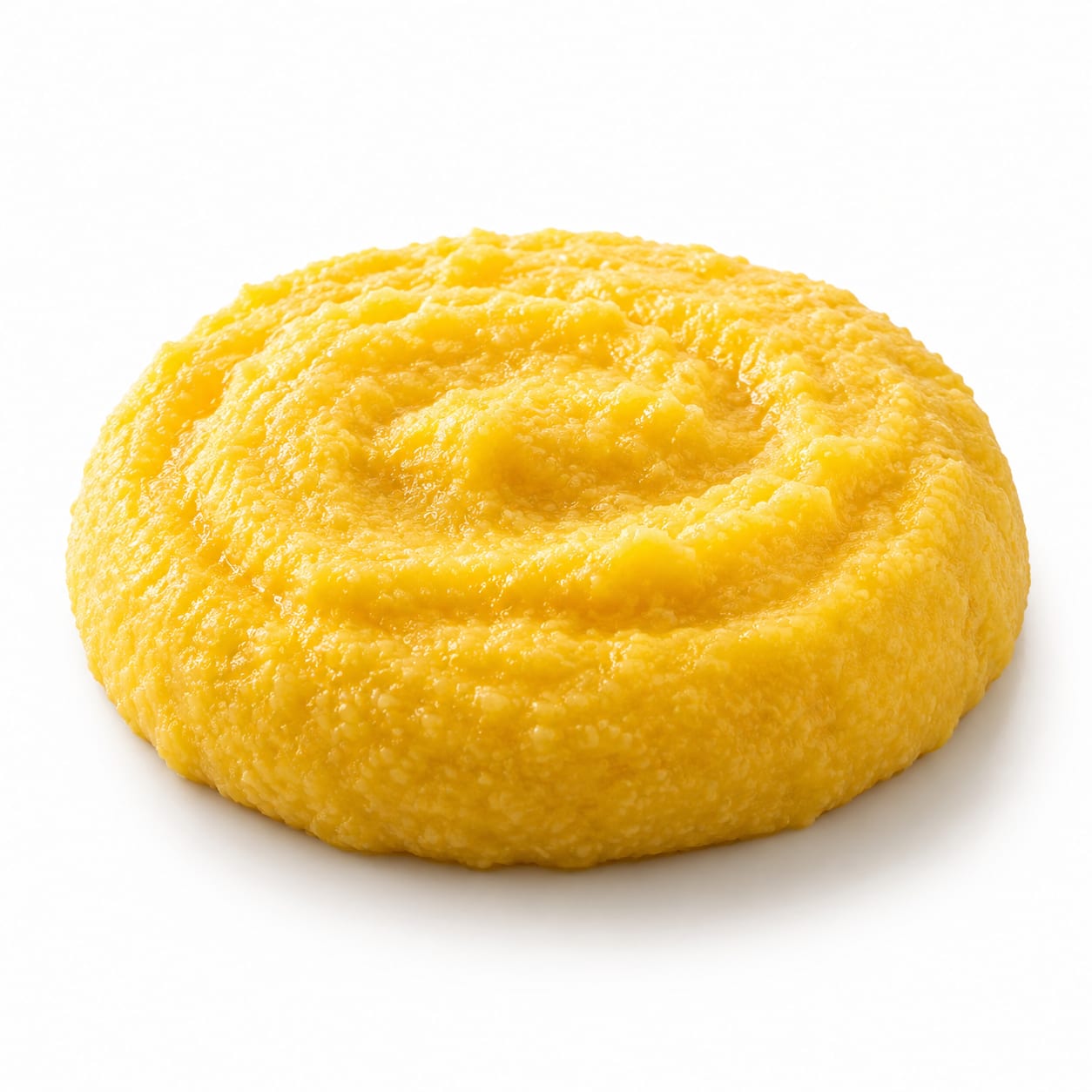
Polenta
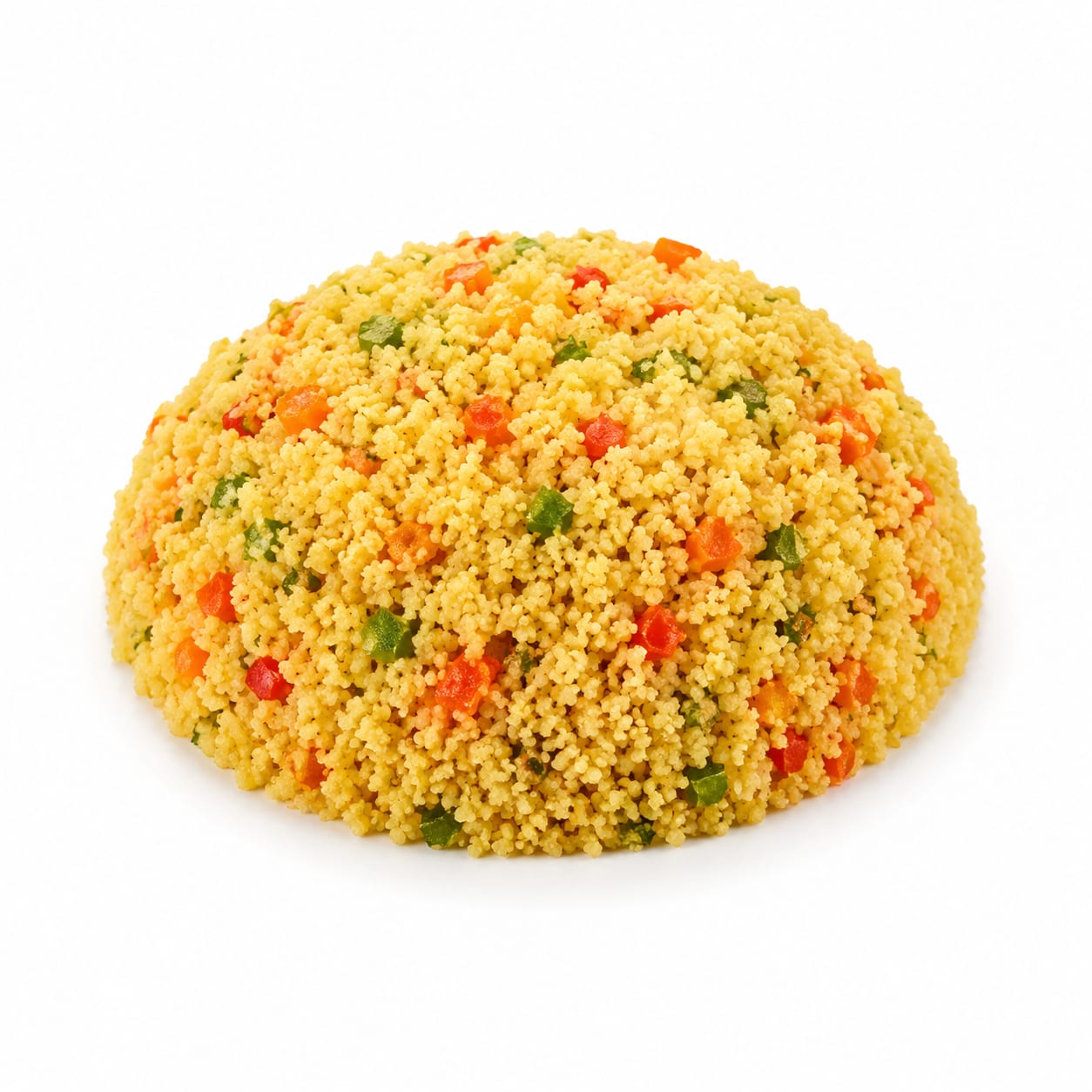
Couscous
Polenta wins for blood sugar control, satiety, and gluten-free needs. Couscous wins for speed, convenience, and protein content.
Polenta scores higher due to better blood sugar stability, higher fiber, gluten-free status, and lower processing. Couscous loses ground on glycemic impact and gluten content but remains relevant for convenience and slightly higher protein.
Time versus metabolic benefit — couscous is ready in minutes but spikes blood sugar faster, while polenta takes longer to cook but delivers steadier energy and keeps you fuller.
At a glance
Executive summary
Overall
It depends
Healthier
Polenta
More practical
Couscous
Daily use
Polenta
Key comparison lenses
blood sugar management
Both are carbohydrate-dense staple grains with meaningfully different glycemic impacts
gluten sensitivity and celiac safety
Polenta is naturally gluten-free while couscous is wheat-based, a critical distinction for many consumers
convenience and weeknight cooking
Couscous cooks in 5 minutes while polenta requires significantly more time and attention
satiety and portion control
The density and fiber differences affect how filling each food feels, impacting overeating risk
processing and ingredient purity
Traditional polenta is single-ingredient cornmeal while couscous is a more processed wheat product
Best choice for
Polenta
- People managing diabetes or insulin resistance
- Gluten-free or celiac diets
- Those seeking longer-lasting fullness between meals
- Anyone prioritizing whole-food, minimal-ingredient eating
Couscous
- Busy professionals needing a 5-minute side dish
- Athletes wanting quick post-workout carbohydrates
- Meal preppers building fast grain bowls
- Anyone cooking for a crowd on a tight schedule
Least suitable for
Polenta
- Weeknight dinners when you have under 15 minutes
- Anyone avoiding corn due to allergy or FODMAP concerns
- People who dislike stirring and monitoring stovetop dishes
Couscous
- People with celiac disease or gluten sensitivity
- Those monitoring blood sugar closely
- Anyone avoiding wheat or refined grain products
Deep comparison
Dimension by dimension
Each lens scores both foods and breaks down who each option suits.
- Dimension 1 · Priority 92Polenta
blood sugar stability
Polenta · 72Couscous · 38Polenta has a meaningfully lower glycemic impact than couscous, making it the safer choice for sustained energy.
Tradeoff
Couscous digests rapidly, which is great post-workout but causes quicker blood sugar spikes and crashes during sedentary periods.
Why it matters
Steady blood sugar means fewer afternoon energy dips, less cravings, and better long-term metabolic health.
Real-world impact
A couscous lunch may leave you hungry again by 2pm. A polenta-based meal tends to carry you comfortably to dinner.
Polenta
- Sedentary office workers
- People with prediabetes or diabetes
- Anyone prone to afternoon energy crashes
Better for
- Situations requiring rapid carbohydrate replenishment
Worse for
Couscous
- Endurance athletes mid-training
- Post-workout recovery meals
- Underweight individuals needing easy calories
Better for
- Sedentary days when quick carbs become stored fat
- Anyone prone to reactive hypoglycemia
Worse for
- Dimension 2 · Priority 85Couscous
convenience and cooking speed
Polenta · 30Couscous · 90Couscous is one of the fastest side dishes possible. Polenta requires patience and active stirring.
Tradeoff
You trade metabolic benefits for sheer speed. Couscous is weeknight-friendly; polenta is more of a weekend or slow-cooking project.
Why it matters
When hunger hits after a long day, convenience often overrides nutritional ideals. The food you actually cook always beats the one you skip.
Real-world impact
Couscous goes from pantry to plate in 5 minutes with boiling water. Traditional polenta needs 30-45 minutes of stirring, though quick-cook versions cut this to 5-7 minutes with a texture tradeoff.
Polenta
- Weekend meal prep sessions
- Slow cooking enthusiasts who enjoy the process
Better for
- Impromptu meals when time is critical
Worse for
Couscous
- Weeknight dinners under 20 minutes
- College students with limited cooking facilities
- Camping and travel meals needing just hot water
Better for
- Cooking as a mindful or ritual experience
Worse for
- Dimension 3 · Priority 80Polenta
satiety and fullness
Polenta · 75Couscous · 50Polenta is denser and more filling per serving, thanks to its fiber content and physical texture.
Tradeoff
Couscous feels lighter in the stomach, which is pleasant for some but means you may eat more total calories to feel satisfied.
Why it matters
Foods that keep you full longer naturally help with portion control and reduce snacking between meals.
Real-world impact
A cup of polenta feels like a substantial part of a meal. A cup of couscous can disappear quickly, leaving room for second helpings.
Polenta
- Weight management through portion control
- People who skip meals and need lasting energy
- Reducing evening snacking urges
Better for
- Small appetites that find dense meals uncomfortable
Worse for
Couscous
- Light pre-workout meals
- Hot weather eating when heavy foods feel unappealing
- Appetite stimulation for older adults
Better for
- Emotional eaters who benefit from built-in fullness signals
Worse for
- Dimension 4 · Priority 88Polenta
gluten and allergen profile
Polenta · 95Couscous · 15Polenta is naturally gluten-free. Couscous is made from wheat semolina and contains gluten.
Tradeoff
For the roughly 6% of people with gluten sensitivity or celiac disease, couscous is off the table entirely. For everyone else, this matters less.
Why it matters
Gluten reactions range from mild bloating to serious autoimmune damage. This is not a negotiable factor for affected individuals.
Real-world impact
Serving polenta at a dinner party safely accommodates gluten-free guests. Couscous requires checking with everyone first.
Polenta
- Celiac disease management
- Gluten sensitivity or wheat allergy
- Inclusive dinner party menus
Better for
- Corn allergy sufferers
Worse for
Couscous
- People without any gluten concerns who prefer wheat flavor
Better for
- Anyone who must avoid gluten for medical reasons
Worse for
- Dimension 5 · Priority 78Polenta
fiber and digestive health
Polenta · 70Couscous · 40Coarse-ground polenta retains more corn fiber. Couscous, being refined semolina, is lower in fiber.
Tradeoff
Higher fiber means better digestion and gut health but can cause bloating if you increase intake too quickly.
Why it matters
Fiber intake is chronically low in most diets. Choosing higher-fiber staples is an easy way to close the gap without supplements.
Real-world impact
Regular polenta consumption supports more consistent digestion. Couscous contributes less toward daily fiber goals, so you need to compensate elsewhere.
Polenta
- Improving daily fiber intake effortlessly
- Supporting gut microbiome diversity
- Managing constipation through diet
Better for
- Sudden fiber increases causing temporary bloating
Worse for
Couscous
- Low-residue diets after surgery
- Acute digestive flare-ups requiring gentle foods
Better for
- Long-term reliance worsening fiber deficiency
Worse for
- Dimension 6 · Priority 60Couscous
protein content
Polenta · 42Couscous · 58Couscous contains slightly more protein per serving than polenta, though neither is a high-protein food.
Tradeoff
The protein difference is modest and unlikely to matter unless both are dietary staples eaten frequently without other protein sources.
Why it matters
Neither food should be relied on as a primary protein source, but the small edge adds up in plant-forward diets.
Real-world impact
A cup of couscous provides about 6g protein versus 4g in polenta. Both need pairing with beans, cheese, eggs, or meat for a balanced meal.
Polenta
- Meals already rich in protein from other sources
Better for
- Vegan diets relying on grains for protein contribution
Worse for
Couscous
- Vegetarian diets where every gram of protein counts
- Plant-based meal prep needing small protein boosts
Better for
- High-protein diets where neither moves the needle enough
Worse for
Timeline
Health impact over time
Short-term
Hours to days
Polenta
- Provides steady, slow-burning energy without sharp blood sugar spikes
- Feels heavier and more satisfying in the stomach shortly after eating
- May cause mild bloating if fiber intake increases suddenly
Couscous
- Delivers quick energy that is available fast but fades sooner
- Feels lighter in the stomach, which can mean wanting more food sooner
- Can trigger bloating or discomfort in gluten-sensitive individuals within hours
Long-term
Months to years
Polenta
- Better blood sugar patterns may reduce diabetes risk over years
- Consistent fiber intake supports heart health and healthy cholesterol levels
- Gluten-free status eliminates long-term low-grade inflammation risk for sensitive people
Couscous
- Frequent high-glycemic meals may contribute to insulin resistance over time
- Lower fiber intake means less natural digestive support unless compensated elsewhere
- Regular wheat consumption is fine for most but problematic for the gluten-sensitive minority
Risk profile
Safety & processing
Traditional polenta is simply coarse-ground cornmeal, often with just water and salt added. Couscous is made from semolina wheat that has been moistened, rolled into tiny balls, and steamed — a more involved processing method. Both are relatively clean foods, but polenta is closer to its whole-food source.
Polenta
Corn contamination with GMO varieties
lowMost conventional cornmeal in the US is GMO. Choose organic polenta if this concerns you.
Mycotoxin exposure from improper storage
lowCorn can develop mold toxins if stored in humid conditions. Buy from reputable sources and store dry.
Couscous
Gluten exposure for sensitive individuals
highCouscous is wheat-based and absolutely unsafe for those with celiac disease. Even trace cross-contamination matters.
Wheat pesticide residue
lowConventionally grown wheat may carry pesticide residues. Organic options reduce this concern.
Who wins for whom
Audience fit
Same foods, different winners depending on your goal.
children
It dependsCouscous is easier for small children to eat and faster for busy parents. Polenta is better for kids needing gluten-free options. Both need protein pairing.
daily consumption
PolentaBetter metabolic profile, more fiber, and gluten-free flexibility make polenta the safer daily staple.
diabetes
PolentaLower glycemic impact and higher fiber make polenta significantly safer for blood sugar management.
elderly
PolentaBetter fiber supports digestive regularity, which becomes more important with age. The softer texture of cooked polenta is also easy to chew.
muscle gain
CouscousSlightly more protein and faster carbohydrate availability make couscous a better post-workout choice for recovery.
weight loss
PolentaHigher fiber and better satiety make polenta more useful for controlling portions and reducing between-meal snacking.
Your move
Decision guide
Choose Polenta
- You are managing blood sugar, insulin resistance, or diabetes
- You eat gluten-free or cook for someone who does
- You want a more filling base that reduces snacking
- You prefer minimally processed foods with simple ingredient lists
- You have time to cook or use a slow cooker for hands-off preparation
Choose Couscous
- You need a side dish on the table in under 10 minutes
- You are an athlete needing fast carbohydrate replenishment
- You have no gluten concerns and prefer the lighter texture
- You are meal-prepping grain bowls for the week and want speed
- You are cooking for children who prefer smaller, softer grains
Either works if
- You are pairing with a protein-rich main dish and just need a carb base
- You rotate grains regularly and want variety rather than a daily staple
- Calorie budgeting is your main concern, as both are similar calorically
Avoid both if
- You are on a strict low-carb or ketogenic diet
- You have sensitivities to both corn and wheat
- You need a protein-dense base rather than a carbohydrate base
Final recommendation
Make polenta your default staple for its metabolic and digestive advantages, but keep couscous in your pantry for nights when speed wins. If you choose quick-cook polenta, you can narrow the convenience gap while keeping most of the health benefits.
Practical
Consumer tips
- 1
Buy coarse-ground cornmeal for traditional polenta — it has more fiber and a better texture than fine-ground versions
- 2
Quick-cook polenta is a reasonable middle ground: faster than traditional with only a small texture and fiber tradeoff
- 3
Choose whole wheat couscous when available for improved fiber and nutrient content over refined versions
- 4
Always pair either grain with a protein source like beans, cheese, eggs, or lean meat for balanced meals
- 5
Refrigerated leftover polenta firms up and can be sliced and grilled or pan-fried for a completely different texture
- 6
Toast couscous in a dry pan for 2 minutes before adding water to deepen its flavor significantly
- 7
Check cornmeal labels for organic certification if avoiding GMO corn matters to you
- 8
Store both in airtight containers — cornmeal can go rancid faster than semolina due to its natural fat content