
Nutrition comparison
Polenta vs Grits: Which Corn Porridge is Healthier?
Compare Polenta and Grits to see which is better for blood sugar, weight loss, and daily nutrition. Learn the real difference between yellow and white corn.
Overall winner · Polenta
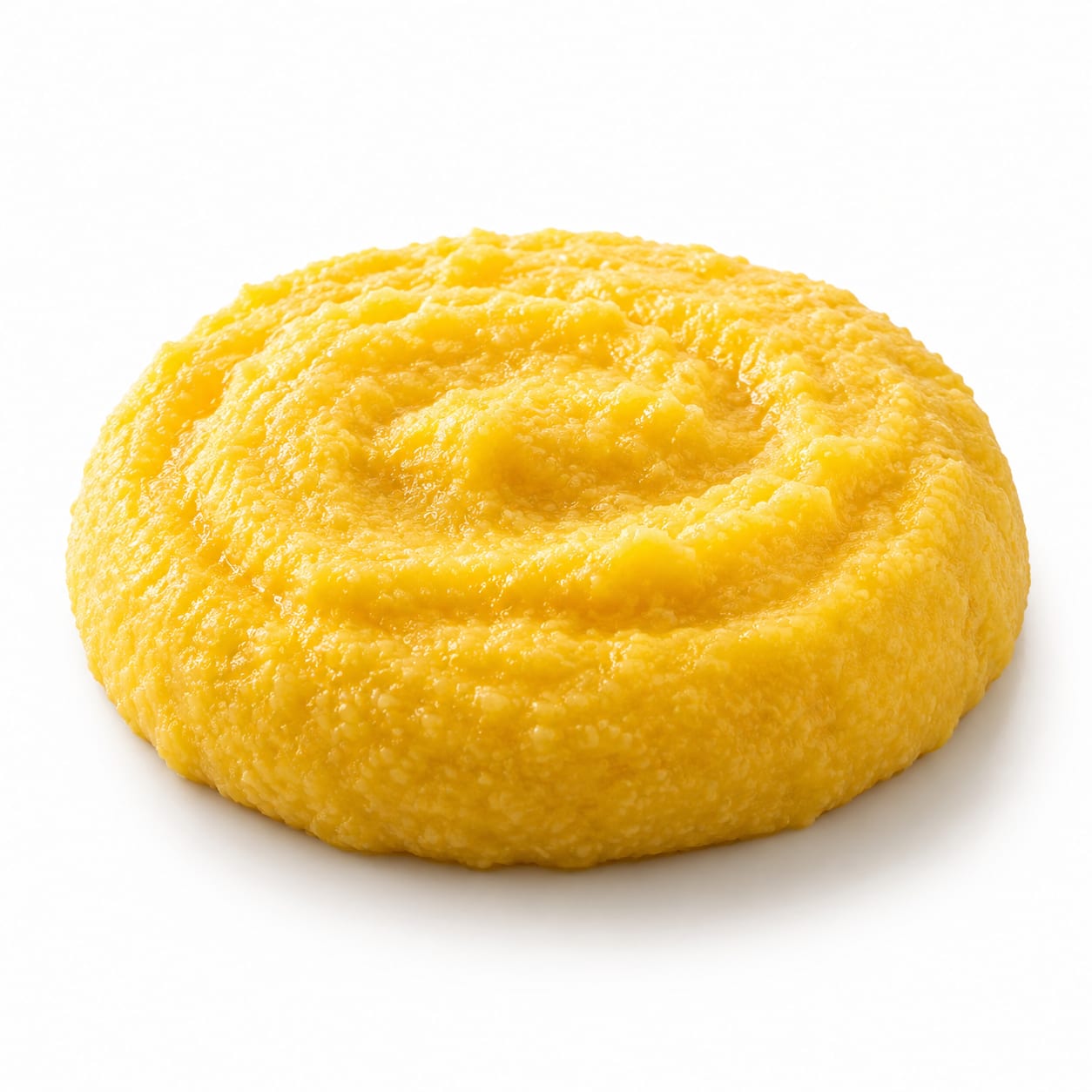
Polenta
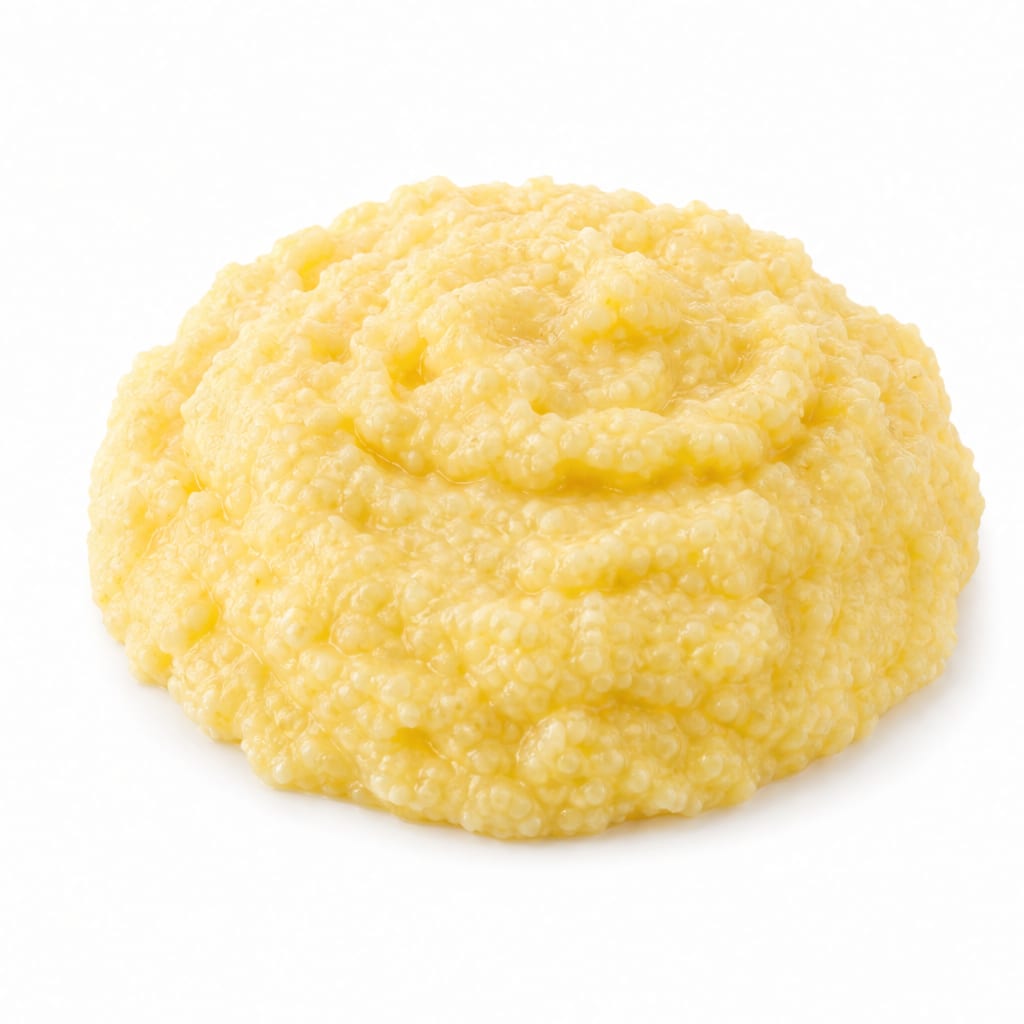
Grits
Polenta generally wins for health due to its coarser texture, higher fiber, and lower processing, though stone-ground grits can be equally nutritious.
Polenta scores higher because it is typically less processed and has a lower glycemic impact, making it a more reliable everyday carb. Grits lose points due to the prevalence of instant and degerminated versions, though high-quality stone-ground grits narrow the gap significantly.
Polenta offers steadier energy and more nutrients, but grits provide a quicker, softer comfort food experience that's easier to prepare on busy mornings.
At a glance
Executive summary
Overall
Polenta
Healthier
Polenta
More practical
Grits
Daily use
Polenta
Key comparison lenses
Carbohydrate quality and blood sugar impact
Both are corn-based carbs, but grind size and processing heavily affect how quickly they spike blood sugar.
Processing level and naturalness
Grits are frequently sold as quick or instant versions with additives, while polenta is more often sold as simple stone-ground cornmeal.
Micronutrient differences from corn variety
Yellow corn in polenta provides beta-carotene, while white hominy grits offer more available niacin and calcium due to nixtamalization.
Best choice for
Polenta
- People managing blood sugar
- Those seeking less processed whole grains
- Anyone wanting a savory side that keeps them full longer
Grits
- People needing a quick-cooking breakfast
- Those preferring a smoother, softer texture
- Anyone craving traditional Southern comfort food
Least suitable for
Polenta
- People who need a meal ready in under 5 minutes
- Those on a strict low-carb diet
Grits
- People sensitive to blood sugar spikes (if eating instant grits)
- Those avoiding highly processed grains
Deep comparison
Dimension by dimension
Each lens scores both foods and breaks down who each option suits.
- Dimension 1 · Priority 90Polenta
Blood Sugar Stability
Polenta · 75Grits · 50Polenta's coarser grind slows digestion, leading to a gentler blood sugar rise compared to typical quick grits.
Tradeoff
You get steadier energy with Polenta, but it takes much longer to cook than instant grits.
Why it matters
Preventing blood sugar spikes helps avoid the mid-morning crash and reduces cravings later in the day.
Real-world impact
Eating Polenta for breakfast keeps you satisfied until lunch, while instant grits might leave you hungry again by 10 AM.
Polenta
- Avoiding afternoon energy crashes
- Managing insulin resistance
Better for
- Situations requiring rapid carbohydrate absorption
Worse for
Grits
- Quick pre-workout energy (if using instant grits)
Better for
- Sustained focus during long work shifts
Worse for
- Dimension 2 · Priority 75It depends
Micronutrient Profile
Polenta · 70Grits · 68Polenta brings more vision-supporting beta-carotene from yellow corn, while hominy grits offer more absorbable niacin and calcium from nixtamalization.
Tradeoff
You choose between antioxidants for eye health (Polenta) or B-vitamins for energy metabolism (Grits).
Why it matters
These differences matter if corn is a staple in your diet, as small daily gaps add up over time.
Real-world impact
Regular Polenta eaters get a mild boost in Vitamin A, while traditional hominy grits eaters are protected against niacin deficiencies.
Polenta
- Supporting eye health
- Boosting antioxidant intake
Better for
- Those relying on corn as a primary B3 source without other meats or greens
Worse for
Grits
- Supporting nerve function (if eating hominy grits)
- Improving calcium intake (if eating hominy grits)
Better for
- Those seeking carotenoid antioxidants from their carb sources
Worse for
- Dimension 3 · Priority 85Polenta
Processing and Additives
Polenta · 85Grits · 45Polenta is usually just ground yellow corn, while grocery store grits are often degerminated and instant, stripping away fiber and nutrients.
Tradeoff
Polenta takes 30+ minutes to cook but retains its whole grain integrity; quick grits cook in 5 minutes but are heavily processed.
Why it matters
Ultra-processed carbs digest too quickly and lack the fiber needed for gut health and fullness.
Real-world impact
A bowl of quick grits acts more like a sugary pastry in your body, while Polenta behaves like a hearty whole grain.
Polenta
- Clean eating diets
- Minimizing ultra-processed foods
Better for
- Impatient cooks
Worse for
Grits
- Busy mornings when cooking time is limited
Better for
- Those avoiding refined grains and additives
Worse for
- Dimension 4 · Priority 80Polenta
Satiety and Fullness
Polenta · 78Grits · 55The denser, chewier texture of Polenta takes longer to eat and digest, signaling fullness more effectively than soft grits.
Tradeoff
Polenta is more filling but can feel heavy, whereas grits are light and easy to eat even with a low appetite.
Why it matters
Feeling full naturally prevents overeating without having to rely on willpower.
Real-world impact
A Polenta bowl at dinner easily keeps you full until morning, while a bowl of grits might have you reaching for a snack an hour later.
Polenta
- Weight management
- Long gaps between meals
Better for
- Light pre-workout meals
Worse for
Grits
- Eating when feeling nauseous or low appetite
- Post-dental work soft diets
Better for
- Controlling late-night snacking
Worse for
Timeline
Health impact over time
Short-term
Hours to days
Polenta
- Provides steady, slow-burning energy without a sugar crash
- Feels heavy and satisfying in the stomach
Grits
- Quickly raises blood sugar, offering fast but short-lived energy
- Feels light and comforting, easy to digest if made soft
Long-term
Months to years
Polenta
- Better blood sugar control supports metabolic health over time
- Beta-carotene intake supports long-term eye and immune health
Grits
- Frequent consumption of instant grits may contribute to insulin resistance
- Nixtamalized hominy grits can help prevent B-vitamin deficiencies if corn is a dietary staple
Risk profile
Safety & processing
Polenta is typically a single-ingredient whole grain product. Grits, especially quick or instant varieties, often have the germ removed and may contain preservatives or added sodium, making them a more processed choice.
Polenta
GMO corn exposure
lowMost conventional yellow corn is genetically modified, but this poses no proven health risk; choose organic Polenta if concerned.
Grits
Sodium in instant packets
mediumInstant grits often come with high-sodium flavor packets, which can easily exceed healthy sodium limits if consumed daily.
Who wins for whom
Audience fit
Same foods, different winners depending on your goal.
children
GritsGrits have a mild flavor and smooth texture that kids usually prefer, making them an easy way to get calories into picky eaters.
daily consumption
PolentaAs a less processed whole grain, Polenta is a healthier staple for daily eating, provided you have the time to cook it.
diabetes
PolentaThe coarser grind of Polenta results in a lower glycemic index, causing smaller blood sugar spikes compared to typical quick grits.
elderly
GritsThe soft, easy-to-swallow consistency of grits is ideal for those with dental issues or swallowing difficulties.
muscle gain
It dependsBoth provide similar carbohydrate energy for fueling workouts; the choice depends on whether you need quick energy (Grits) or sustained energy (Polenta).
weight loss
PolentaPolenta's higher fiber and coarser texture make it much more filling, helping you eat less overall without feeling deprived.
Your move
Decision guide
Choose Polenta
- You want a filling side dish that won't spike your blood sugar
- You prefer eating whole, minimally processed grains
- You are meal prepping and can let a pot simmer on the stove
Choose Grits
- You need a hot breakfast ready in under 5 minutes
- You are making a traditional Southern dish like shrimp and grits
- You want a soft, comforting base for a sensitive stomach
Either works if
- You are using it purely as a carb vehicle for protein and veggies
- You can find stone-ground versions of either
Avoid both if
- You are strictly limiting carbohydrates
- You have a corn allergy or intolerance
Final recommendation
Opt for Polenta as your everyday carb for better fullness and blood sugar control, but keep stone-ground grits in rotation for quicker, comforting meals. Avoid instant grits whenever possible, as they sacrifice too much nutrition for convenience.
Practical
Consumer tips
- 1
Look for 'stone-ground' on the label for either food; it guarantees the whole grain is intact.
- 2
If cooking Polenta takes too long, try the tube version, but check the ingredients for added gums or preservatives.
- 3
Boost the protein and fiber of grits by cooking them in broth and stirring in eggs or cheese instead of just butter.
- 4
If buying grits, avoid instant packets and go for traditional or stone-ground to close the health gap with Polenta.