
Nutrition comparison
Polenta vs Whole Wheat Bread: Nutrition, Gluten, and Health Comparison
Comparing Polenta and Whole Wheat Bread? Discover which is better for weight loss, blood sugar, and gluten-free diets, plus the hidden additives in bread.

Polenta
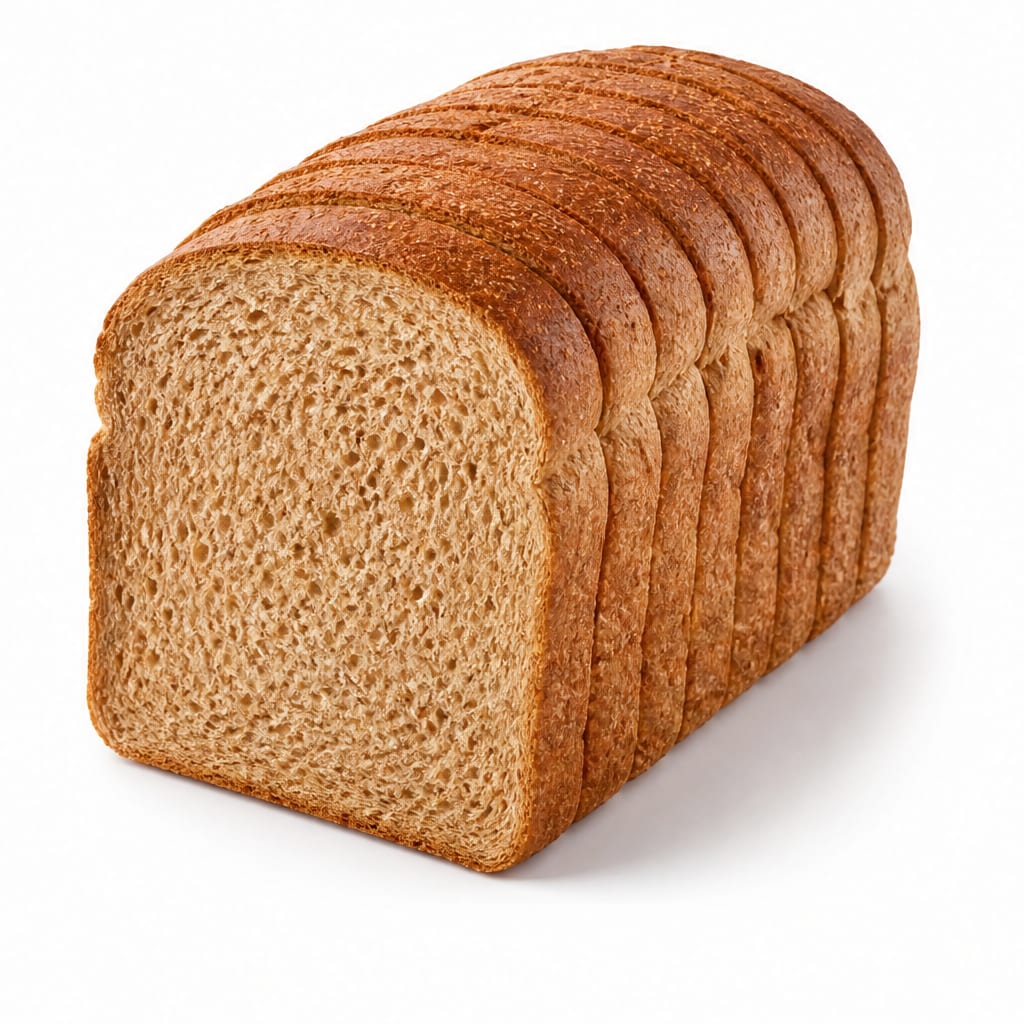
Whole Wheat Bread
Polenta wins for gluten-free diets and ingredient simplicity, while Whole Wheat Bread offers more protein and steady fiber for sustained energy.
Whole Wheat Bread scores slightly higher for general daily nutrition due to its protein and fiber content, but Polenta's gluten-free and additive-free profile makes it highly valuable for specific dietary needs.
Avoiding gluten and additives with Polenta versus getting more protein and proven heart-healthy fiber with Whole Wheat Bread.
At a glance
Executive summary
Overall
It depends
Healthier
It depends
More practical
Whole Wheat Bread
Daily use
Whole Wheat Bread
Key comparison lenses
Gluten sensitivity and digestive tolerance
Polenta is naturally gluten-free while Whole Wheat Bread is a primary source of gluten in many diets
Blood sugar management
Both are dense carbohydrate sources, but their fiber profiles and glycemic impacts differ significantly
Ingredient purity and additive exposure
Store-bought bread often contains hidden additives and sugars, whereas polenta is typically a simple whole food
Convenience and meal versatility
Bread is a grab-and-go staple, while polenta requires cooking but offers a comforting hot meal base
Best choice for
Polenta
- People with celiac disease or gluten intolerance
- Those avoiding added sugars and preservatives
- Anyone seeking a warm, comforting carb base for savory dishes
Whole Wheat Bread
- People needing a convenient, portable carb for sandwiches
- Those looking to increase daily protein and fiber easily
- Anyone building quick toast breakfasts or packed lunches
Least suitable for
Polenta
- People needing a high-protein carb source
- Those wanting a quick no-cook option
- Anyone strictly limiting carbohydrates
Whole Wheat Bread
- People with celiac disease or non-celiac gluten sensitivity
- Those sensitive to commercial bread additives and preservatives
- Anyone strictly limiting FODMAPs
Deep comparison
Dimension by dimension
Each lens scores both foods and breaks down who each option suits.
- Dimension 1 · Priority 95Polenta
Digestive Tolerance (Gluten)
Polenta · 95Whole Wheat Bread · 40Polenta is naturally gluten-free, making it a safe carb for anyone with celiac or gluten sensitivity, whereas Whole Wheat Bread contains gluten.
Tradeoff
You avoid gluten with Polenta, but you miss out on the specific gut-health benefits of wheat fiber like arabinoxylan.
Why it matters
Gluten triggers inflammation and digestive distress in a significant portion of the population.
Real-world impact
Choosing Polenta means no bloating or brain fog after meals for gluten-sensitive individuals.
Polenta
- People with celiac disease
- Those with irritable bowel syndrome triggered by gluten
Better for
- Those relying on wheat fiber for regularity
Worse for
Whole Wheat Bread
- People with healthy gut microbiomes who benefit from prebiotic wheat fiber
Better for
- Anyone with undiagnosed gluten sensitivity
Worse for
- Dimension 2 · Priority 85It depends
Blood Sugar Stability
Polenta · 65Whole Wheat Bread · 70Both are carb-heavy, but Whole Wheat Bread typically has a slightly lower glycemic impact due to its higher fiber and protein content, though Polenta's GI varies by cornmeal coarseness.
Tradeoff
Whole Wheat Bread offers more protein to blunt blood sugar spikes, but Polenta made from coarse ground corn digests slower than fine bakery bread.
Why it matters
Preventing blood sugar spikes avoids the afternoon energy crash and cravings.
Real-world impact
Whole Wheat Bread keeps energy slightly steadier, but pairing Polenta with protein and fat levels the playing field.
Polenta
- Those eating coarse-ground cornmeal paired with healthy fats
Better for
- Diabetics eating fine-ground polenta on its own
Worse for
Whole Wheat Bread
- People needing a standalone carb that moderates glucose response
Better for
- Those eating highly processed whole wheat bread with added sugars
Worse for
- Dimension 3 · Priority 80Polenta
Processing and Additives
Polenta · 90Whole Wheat Bread · 55Polenta is typically just cornmeal and water, while commercial Whole Wheat Bread often contains hidden sugars, dough conditioners, and preservatives.
Tradeoff
Polenta requires cooking from scratch, whereas convenient store-bought bread compromises on ingredient purity.
Why it matters
Hidden additives and ultra-processing can disrupt gut health and trigger cravings.
Real-world impact
Eating Polenta means eating exactly what you expect, while reading bread labels is a minefield.
Polenta
- Clean-label eaters
- People avoiding hidden sodium and preservatives
Better for
- People who need instant, ready-to-eat food
Worse for
Whole Wheat Bread
- Those with no time to cook who buy artisanal bakery bread
Better for
- Anyone trying to eliminate ultra-processed foods from their diet
Worse for
- Dimension 4 · Priority 75Whole Wheat Bread
Satiety and Fullness
Polenta · 65Whole Wheat Bread · 80Whole Wheat Bread provides more protein and a denser fiber matrix, keeping you full longer than a plain bowl of Polenta.
Tradeoff
Polenta feels heavier in the stomach initially due to its dense, moist texture, but digests faster than whole grain bread.
Why it matters
Staying full between meals prevents unnecessary snacking and overeating.
Real-world impact
A Whole Wheat Bread sandwich will likely hold you over until dinner better than an equivalent portion of Polenta.
Polenta
- Those eating large volumes for comfort without excessive calories
Better for
- Those who get hungry again quickly after carb-heavy meals
Worse for
Whole Wheat Bread
- People trying to stay full on smaller portions
- Anyone managing weight through high-satiety foods
Better for
- People who find bread too filling or heavy before workouts
Worse for
- Dimension 5 · Priority 70Whole Wheat Bread
Nutrient Density
Polenta · 60Whole Wheat Bread · 75Whole Wheat Bread delivers more B vitamins, iron, and protein per calorie compared to Polenta, which is mostly starchy carbs.
Tradeoff
Polenta provides some vitamin A and carotenoids from corn, but lacks the robust mineral profile of whole wheat.
Why it matters
Getting more nutrients per bite reduces the need for supplementation and supports overall vitality.
Real-world impact
Whole Wheat Bread contributes more meaningfully to your daily protein and iron goals.
Polenta
- Those seeking carotenoids for eye health
Better for
- People relying on a single staple for broad nutrition
Worse for
Whole Wheat Bread
- Anyone needing plant-based iron and B-vitamins
- Vegetarians relying on grains for protein
Better for
- Those who get their B-vitamins and iron from other sources already
Worse for
Timeline
Health impact over time
Short-term
Hours to days
Polenta
- Quick energy from carbohydrates
- Comforting and easy to digest if gluten-sensitive
- Can cause a blood sugar spike if eaten alone
Whole Wheat Bread
- Sustained energy from fiber and protein
- Potential bloating or fatigue if gluten-intolerant
- More filling between meals
Long-term
Months to years
Polenta
- Supports a gluten-free lifestyle without compromise
- Lower long-term risk of additive exposure
- May contribute to blood sugar issues if not paired with protein
Whole Wheat Bread
- Better heart health due to whole grain fiber
- Improved regularity from wheat fiber
- Risk of chronic inflammation if undiagnosed celiac is present
Risk profile
Safety & processing
Polenta is usually a whole-food staple of just corn and water, while Whole Wheat Bread is a manufactured product that often requires label scrutiny to avoid unwanted additives.
Polenta
Mycotoxin contamination
lowCorn can sometimes harbor mycotoxins, but strict regulations minimize this risk in commercial cornmeal.
GMO exposure
mediumMost conventional corn is genetically modified, so choosing organic polenta mitigates this concern.
Whole Wheat Bread
Gluten-related autoimmunity
highFor those with celiac disease, even trace gluten in bread triggers severe intestinal damage.
Added sugars and preservatives
mediumCommercial breads often hide high fructose corn syrup and calcium propionate, which can affect gut health.
Who wins for whom
Audience fit
Same foods, different winners depending on your goal.
children
It dependsWhole Wheat Bread is more convenient and nutrient-dense for growing kids, but Polenta is crucial for gluten-free children.
daily consumption
Whole Wheat BreadBread is more versatile for quick meals like sandwiches and toast, making it easier to incorporate into a busy daily routine.
diabetes
Whole Wheat BreadThe higher fiber and protein content in Whole Wheat Bread slows glucose absorption better than plain Polenta.
elderly
PolentaPolenta is softer and easier to chew and digest, making it a comforting option for aging digestive systems, provided blood sugar is managed.
muscle gain
Whole Wheat BreadWhole Wheat Bread contains slightly more protein, which is essential for muscle repair, though both need protein pairings.
weight loss
Whole Wheat BreadWhole Wheat Bread offers more protein and fiber per calorie, promoting greater satiety and easier portion control.
Your move
Decision guide
Choose Polenta
- You have celiac disease, gluten intolerance, or wheat allergies
- You want a warm, comforting carb with zero hidden ingredients
- You are meal-prepping a hearty base for stews and braises
Choose Whole Wheat Bread
- You need a quick, portable carb for sandwiches and toast
- You want more protein and fiber per serving to stay full
- You have no issues with gluten and want proven heart-healthy whole grains
Either works if
- You are an active person needing carb fuel around workouts
- You are building a balanced plate and pairing the carb with lean protein and veggies
Avoid both if
- You are on a strict low-carb or ketogenic diet
- You are trying to minimize all grain consumption for autoimmune protocols
Final recommendation
Choose Whole Wheat Bread for daily convenience, better satiety, and higher protein, but switch to Polenta if you are avoiding gluten or want a clean-label, comforting alternative.
Practical
Consumer tips
- 1
If choosing Whole Wheat Bread, look for brands with fewer than 5 ingredients and no added sugars.
- 2
To make Polenta a complete meal, stir in parmesan cheese or top with a fried egg to add missing protein and fat.
- 3
Opt for coarse-ground cornmeal for Polenta to lower its glycemic impact and increase fiber.
- 4
If buying bread, '100% Whole Wheat' ensures you aren't getting refined flour mixed in, unlike just 'Wheat Bread'.
- 5
Freeze sliced Whole Wheat Bread if you don't eat it fast enough to prevent mold and preserve freshness.