
Nutrition comparison
Polenta vs Oatmeal: Which is Healthier?
Compare Polenta vs Oatmeal for fiber, blood sugar, and heart health. Discover which grain is better for your breakfast and dietary needs.

Polenta
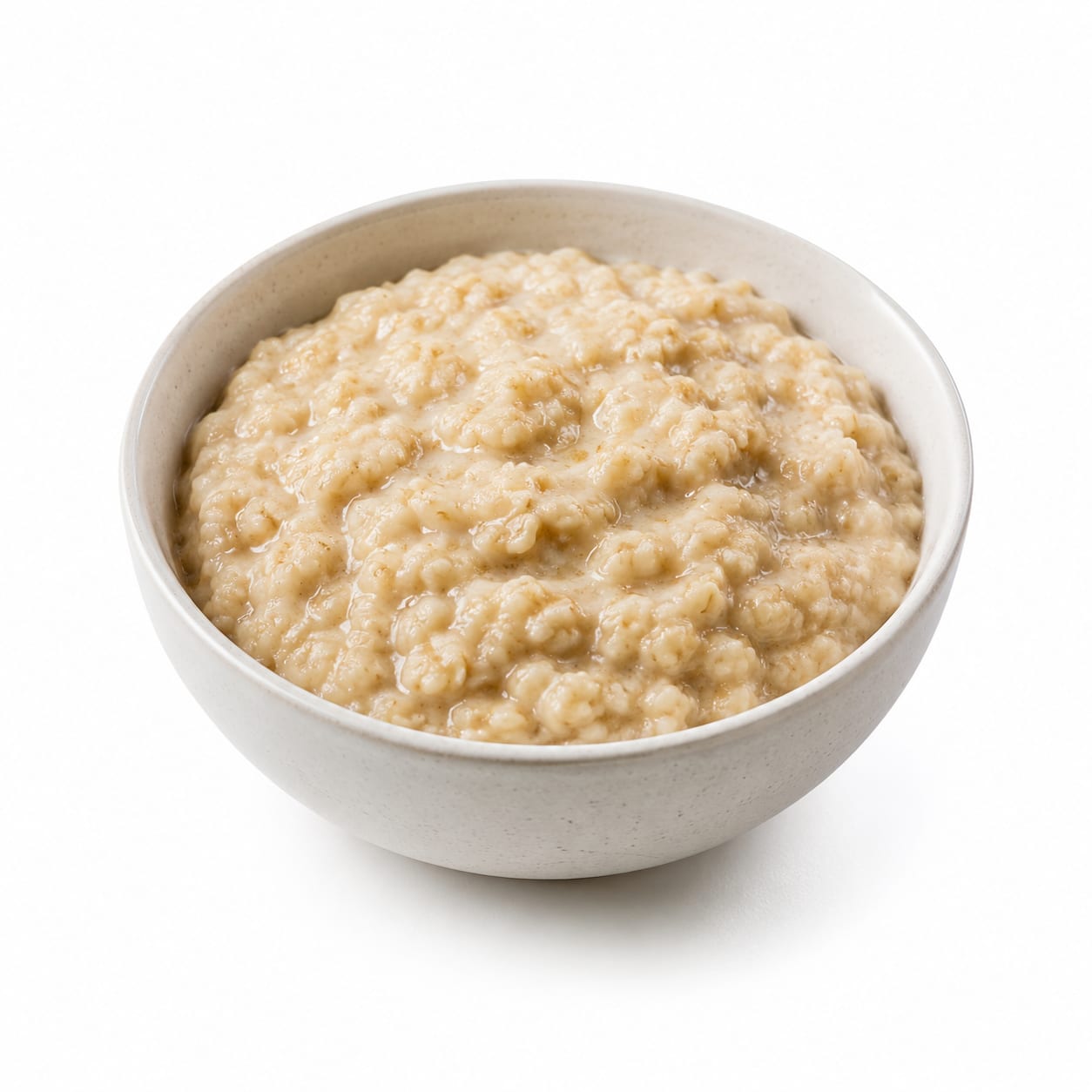
Oatmeal
Oatmeal wins for breakfast nutrition and heart health, while Polenta shines as a gluten-free savory option.
Oatmeal scores higher due to its exceptional fiber profile and blood sugar benefits, though Polenta remains a solid choice for specific dietary needs like gluten avoidance.
Oatmeal offers superior soluble fiber for cholesterol and fullness, but Polenta provides a naturally gluten-free, savory canvas for meals.
At a glance
Executive summary
Overall
It depends
Healthier
Oatmeal
More practical
Oatmeal
Daily use
Oatmeal
Key comparison lenses
Blood sugar and fiber type (soluble vs insoluble)
Oatmeal's beta-glucan contrasts sharply with polenta's faster-digesting carbs, making glycemic impact a primary concern.
Heart health and cholesterol management
Oatmeal is famously cardioprotective, while polenta lacks the specific soluble fiber needed to actively lower cholesterol.
Gluten-free dietary needs
Polenta is naturally gluten-free, giving it a clear niche for celiacs, whereas oats carry cross-contamination risks.
Meal timing and culinary role
Oatmeal is a breakfast staple, while polenta is typically a savory dinner side, influencing how people actually use them.
Best choice for
Polenta
- Gluten-sensitive individuals
- Savory dinner side dishes
- Italian-style recipes
Oatmeal
- Heart health improvement
- Morning energy and fullness
- High-fiber breakfast routines
Least suitable for
Polenta
- Low-carb dieters
- Those needing a high-fiber breakfast
- People watching blood sugar spikes
Oatmeal
- Strict gluten-free diets (unless certified)
- Savory dinner pairings
- People who dislike sweet breakfasts
Deep comparison
Dimension by dimension
Each lens scores both foods and breaks down who each option suits.
- Dimension 1 · Priority 90Oatmeal
Satiety & Fullness
Polenta · 60Oatmeal · 92Oatmeal keeps you full much longer thanks to beta-glucan, a soluble fiber that forms a gel in your stomach.
Tradeoff
Polenta digests faster, which can leave you hungry sooner but feels lighter in the stomach.
Why it matters
Staying full helps control snacking and manages weight effortlessly.
Real-world impact
A bowl of oatmeal easily bridges the gap to lunch; polenta might have you reaching for a snack by mid-morning.
Polenta
- Light pre-workout meals
- Those who prefer feeling less heavy
Better for
- Controlling afternoon cravings
- Sustained energy without snacking
Worse for
Oatmeal
- Weight management
- Long work mornings without breaks
Better for
- People who feel bloated from high fiber
Worse for
- Dimension 2 · Priority 85Oatmeal
Blood Sugar Stability
Polenta · 55Oatmeal · 85Oatmeal provides steadier energy with a lower glycemic impact, while polenta can cause quicker blood sugar spikes.
Tradeoff
Polenta's faster digestion offers quick energy, but risks a crash later.
Why it matters
Stable blood sugar prevents the afternoon slump and reduces cravings.
Real-world impact
Oatmeal gives a smooth energy ride; polenta might feel like a quick burst followed by a dip.
Polenta
- Quick carb-loading before intense activity
Better for
- Diabetics seeking stable glucose
- People prone to sugar crashes
Worse for
Oatmeal
- Preventing energy crashes
- Managing insulin resistance
Better for
- Immediate energy needs for endurance sports
Worse for
- Dimension 3 · Priority 80Oatmeal
Heart Health & Cholesterol
Polenta · 50Oatmeal · 95Oatmeal is a proven cholesterol-lowering champion, while Polenta lacks this specific heart-protective benefit.
Tradeoff
You get targeted cardiovascular support from Oatmeal, whereas Polenta offers more neutral carb energy.
Why it matters
High cholesterol is a silent risk; daily oats are a simple, food-first defense.
Real-world impact
Eating oatmeal regularly can visibly improve lipid panels over months.
Polenta
- Maintaining weight without focusing on lipids
Better for
- Active cholesterol management
Worse for
Oatmeal
- Lowering LDL cholesterol
- Reducing heart disease risk
Better for
- Those already at optimal cholesterol levels seeking variety
Worse for
- Dimension 4 · Priority 75Polenta
Digestive Tolerance & Allergens
Polenta · 90Oatmeal · 65Polenta is naturally gluten-free, making it a safer bet for those with celiac or gluten sensitivity.
Tradeoff
Oatmeal is often cross-contaminated with gluten, requiring certified gluten-free labels for sensitive individuals.
Why it matters
Gluten reactions can cause severe digestive distress and inflammation.
Real-world impact
Polenta is a worry-free carb for gluten-sensitive folks; oatmeal requires label-checking.
Polenta
- Celiac disease management
- Gluten-free lifestyles
Better for
- Those needing high soluble fiber for gut regularity
Worse for
Oatmeal
- Promoting healthy gut bacteria via prebiotics
Better for
- People with wheat allergies or severe gluten intolerance
Worse for
- Dimension 5 · Priority 70It depends
Versatility & Meal Fit
Polenta · 85Oatmeal · 80Polenta excels in savory dinner dishes, while Oatmeal dominates the sweet breakfast space.
Tradeoff
Choosing between them often comes down to whether you want a morning meal or a dinner side.
Why it matters
Food is only healthy if you enjoy eating it in the right context.
Real-world impact
Polenta pairs beautifully with stews; oatmeal is the ultimate cozy morning bowl.
Polenta
- Hearty dinner sides
- Base for braised meats
Better for
- Traditional breakfast menus
Worse for
Oatmeal
- Quick breakfasts
- Baking and smoothies
Better for
- Elegant dinner pairings
Worse for
Timeline
Health impact over time
Short-term
Hours to days
Polenta
- Quick energy from easily digested carbs
- Light feeling in the stomach
Oatmeal
- Prolonged fullness for hours
- Steady energy without jitters
Long-term
Months to years
Polenta
- Easier gluten-free maintenance
- Potential blood sugar issues if eaten in large quantities frequently
Oatmeal
- Lower LDL cholesterol
- Improved gut health and regularity
- Better long-term blood sugar control
Risk profile
Safety & processing
Both Polenta and Oatmeal are whole-grain, minimally processed foods when bought in their basic forms, though instant oatmeal packets can be highly processed and sugary.
Polenta
Mycotoxin contamination
lowCorn can sometimes harbor mycotoxins, but strict regulations keep this risk very low in commercial products.
GMO exposure
mediumMost conventional corn is genetically modified; choose organic polenta to avoid GMOs if that is a concern.
Oatmeal
Gluten cross-contamination
highOats are frequently processed in facilities with wheat, posing a major risk for those with celiac disease.
Pesticide residue (Glyphosate)
mediumOats are often sprayed with glyphosate as a pre-harvest desiccant; opting for organic reduces this risk.
Who wins for whom
Audience fit
Same foods, different winners depending on your goal.
children
OatmealOatmeal is an easy, comforting breakfast that provides lasting energy for school, whereas polenta is less conventional for kids.
daily consumption
OatmealOatmeal's broader health benefits, especially for the heart and gut, make it a superior daily staple.
diabetes
OatmealOatmeal's beta-glucan slows sugar absorption, leading to much better blood sugar control than polenta.
elderly
OatmealOatmeal supports heart health and regularity, two major concerns for older adults.
muscle gain
It dependsPolenta offers quicker carbs for post-workout glycogen replenishment, while oatmeal provides sustained energy.
weight loss
OatmealOatmeal's high soluble fiber keeps you fuller longer, naturally reducing overall calorie intake.
Your move
Decision guide
Choose Polenta
- You are strictly gluten-free or have celiac disease
- You want a savory side dish for dinner
- You need a quick-digesting carb before a workout
Choose Oatmeal
- You want to lower your cholesterol
- You need a filling breakfast that lasts until lunch
- You want to improve your gut health and regularity
Either works if
- You are looking for a warm, comforting whole-grain carb
- You want a neutral base to add your favorite toppings to
Avoid both if
- You are on a strict ketogenic or very low-carb diet
Final recommendation
Make oatmeal your daily breakfast for the outstanding fiber and heart benefits, but keep polenta in rotation for gluten-free needs and savory dinner versatility.
Practical
Consumer tips
- 1
Always buy certified gluten-free oats if you have celiac disease or gluten sensitivity.
- 2
Choose steel-cut or rolled oats over instant oatmeal to avoid added sugars and retain the fiber benefits.
- 3
Opt for organic polenta to avoid GMO corn and pesticide exposure.
- 4
Cool your oatmeal before eating to increase resistant starch, which further lowers its glycemic impact.