
Nutrition comparison
Polenta vs Pasta: Which Is Healthier for Blood Sugar, Weight Loss, and Daily Use?
Compare polenta and pasta on blood sugar impact, gluten content, protein, convenience, and weight management. Find out which carb staple fits your health goals better.
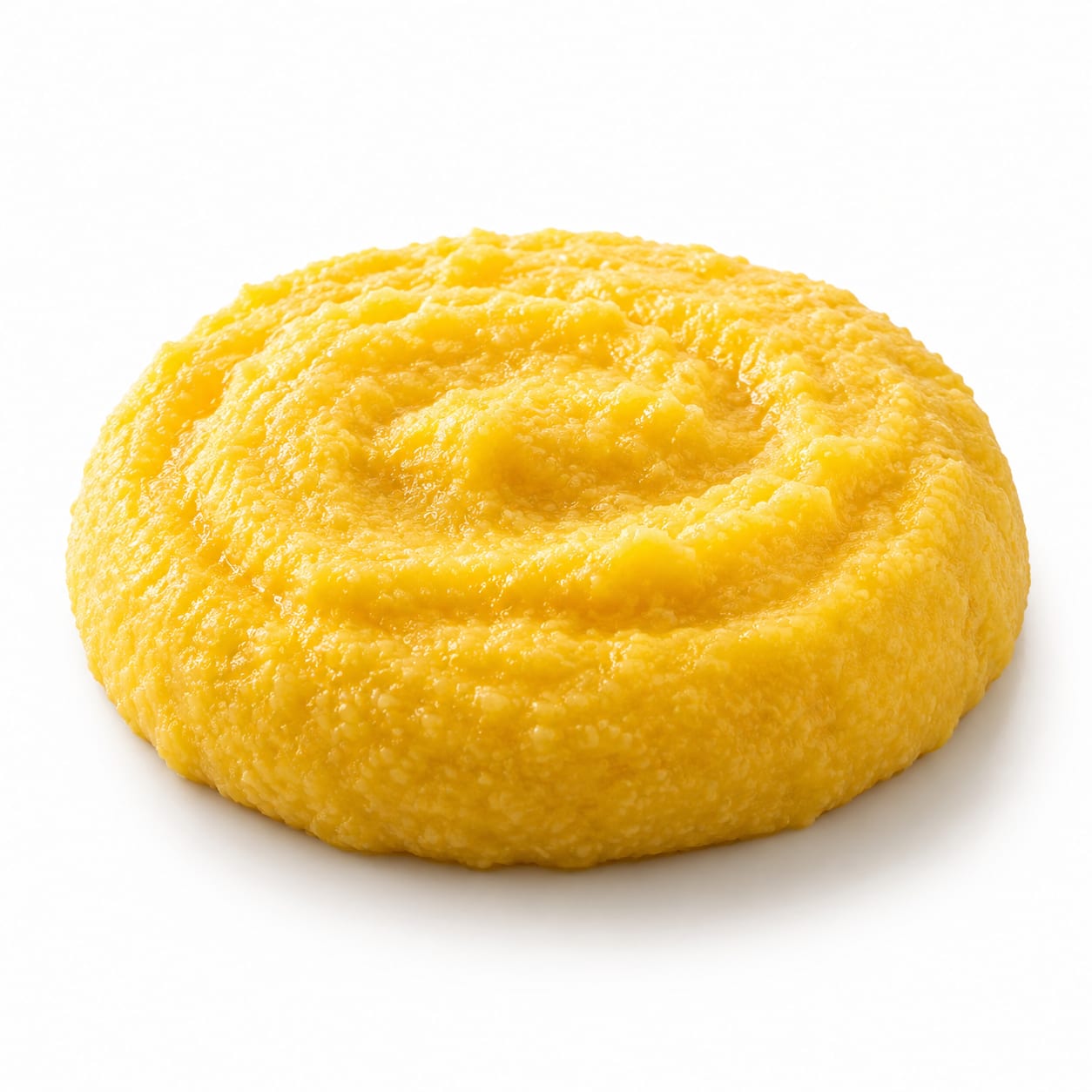
Polenta
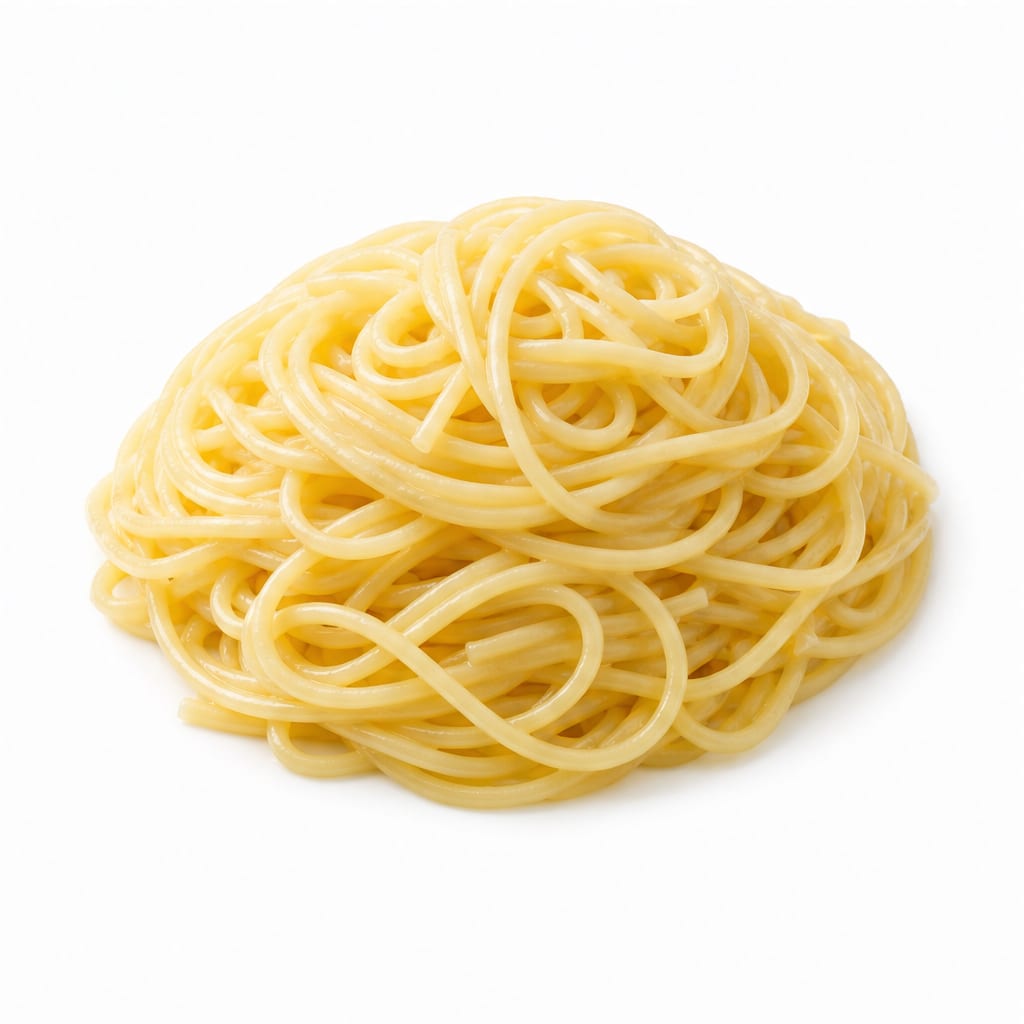
Pasta
Polenta wins for gluten-free needs and steadier blood sugar, while pasta wins for convenience, protein content, and culinary familiarity.
Polenta edges ahead due to gluten-free status, lower glycemic impact, and simpler processing, but pasta remains competitive with higher protein, faster prep, and broader appeal. The close scores reflect that neither is a clear winner for everyone.
Polenta offers simpler ingredients and gentler blood sugar impact, but pasta delivers more protein per serving and cooks faster with endless recipe options.
At a glance
Executive summary
Overall
It depends
Healthier
Polenta
More practical
Pasta
Daily use
It depends
Key comparison lenses
Blood sugar and glycemic control
Both are carbohydrate-dense staples, so how they affect blood sugar is the most critical differentiator for daily health
Gluten sensitivity and digestive tolerance
Polenta is naturally gluten-free while pasta contains gluten, making this a decisive factor for many people
Weight management and satiety
Carb-heavy staples can either support or sabotage weight goals depending on fullness and calorie density
Processing level and ingredient simplicity
Polenta is often just cornmeal and water, while pasta typically undergoes more industrial processing
Meal versatility and convenience
Practicality matters for long-term dietary adherence and everyday cooking decisions
Best choice for
Polenta
- Anyone with celiac disease or gluten sensitivity
- People prioritizing steady blood sugar and fewer cravings
- Those seeking a minimally processed grain alternative
- Home cooks wanting a warm, comforting base for stews and braises
Pasta
- Busy households needing quick weeknight meals
- Athletes refueling after intense training
- Families with picky eaters who prefer familiar foods
- Anyone meal-prepping in bulk on a budget
Least suitable for
Polenta
- People who need high-protein carb sources
- Anyone short on cooking time on busy weeknights
- Those unfamiliar with cornmeal-based dishes who may not enjoy the texture
Pasta
- People with celiac disease or non-celiac gluten sensitivity
- Those actively managing insulin resistance who need lower-GI carbs
- Anyone avoiding wheat due to inflammation concerns
Deep comparison
Dimension by dimension
Each lens scores both foods and breaks down who each option suits.
- Dimension 1 · Priority 92Polenta
Blood Sugar Stability
Polenta · 72Pasta · 48Polenta digests more slowly than pasta, leading to a gentler blood sugar rise and fewer energy crashes.
Tradeoff
Polenta still spikes blood sugar more than non-starchy vegetables, so portion control matters regardless.
Why it matters
Steadier blood sugar means fewer afternoon energy dips and less craving-driven snacking.
Real-world impact
After a polenta-based dinner, you are less likely to feel hungry an hour later compared to a large pasta serving.
Polenta
- People with prediabetes or insulin resistance
- Anyone trying to reduce sugar cravings between meals
- Those who experience energy crashes after carb-heavy meals
Better for
- Those who assume polenta will not spike blood sugar at all and overeat it
Worse for
Pasta
- Endurance athletes who need faster carbohydrate availability during or after exercise
Better for
- Sedentary individuals eating large pasta portions, which can worsen insulin sensitivity over time
- People prone to post-meal food comas
Worse for
- Dimension 2 · Priority 88Polenta
Gluten and Digestive Tolerance
Polenta · 95Pasta · 30Polenta is naturally gluten-free, making it safe for celiacs and gentler for those with wheat sensitivity. Pasta contains gluten unless you specifically buy gluten-free varieties.
Tradeoff
Gluten-free pasta alternatives exist, but they often cost more and have worse texture or more additives than regular pasta.
Why it matters
Roughly 6-7% of the population has non-celiac gluten sensitivity, and even more report feeling less bloated without wheat.
Real-world impact
If you feel bloated or sluggish after wheat-based meals, switching to polenta could resolve that within days.
Polenta
- Anyone with diagnosed celiac disease
- People with irritable bowel syndrome who suspect wheat triggers symptoms
- Those following an elimination diet to identify food sensitivities
Better for
- Those who do not read labels carefully, as some pre-made polenta products contain wheat fillers
Worse for
Pasta
- People with no gluten issues who tolerate wheat well and enjoy traditional pasta texture
Better for
- Anyone with undiagnosed celiac disease continuing to damage their intestinal lining
- People with wheat-dependent exercise-induced anaphylaxis
Worse for
- Dimension 3 · Priority 78Pasta
Protein Content and Muscle Support
Polenta · 38Pasta · 58Pasta provides roughly 7-8g of protein per cooked cup, while polenta delivers only about 3-4g. Neither is a protein powerhouse, but pasta has a meaningful edge.
Tradeoff
Both need protein-rich additions like meat, beans, or cheese to become balanced meals, so the gap shrinks in real recipes.
Why it matters
Protein supports muscle maintenance, satiety, and metabolic health, especially as you age.
Real-world impact
A pasta dish with chicken and vegetables hits protein targets more easily than a polenta bowl with the same toppings, simply because the base contributes more.
Polenta
- Vegetarians who pair polenta with beans and cheese for a complete protein profile
Better for
- Anyone relying on polenta as a main protein source, which it cannot adequately provide
Worse for
Pasta
- Athletes needing efficient post-workout refueling
- Older adults trying to prevent age-related muscle loss without supplements
Better for
- People who eat pasta as a standalone meal without adding protein, leading to inadequate intake
Worse for
- Dimension 4 · Priority 80Polenta
Processing and Ingredient Simplicity
Polenta · 82Pasta · 55Traditional polenta is just cornmeal and water. Most dried pasta contains only semolina and water, but many commercial pastas include added vitamins, conditioners, or preservatives.
Tradeoff
Fresh pasta often contains eggs and more processing, while instant polenta tubes can include preservatives too.
Why it matters
Fewer ingredients generally mean fewer surprises for your digestion and long-term health.
Real-world impact
Reading the ingredient label on polenta is usually a two-item list. Pasta labels can be surprisingly longer, especially for enriched or specialty varieties.
Polenta
- Clean-eating advocates who want minimal ingredient lists
- People avoiding fortified foods or synthetic additives
Better for
- Buyers of pre-cooked polenta tubes, which may contain preservatives and taste less fresh
Worse for
Pasta
- Those who prefer enriched pasta for its added B vitamins and iron, which can help fill nutritional gaps
Better for
- People assuming all pasta is equally simple, when some brands add dough conditioners and hidden sodium
Worse for
- Dimension 5 · Priority 75Pasta
Convenience and Cooking Speed
Polenta · 40Pasta · 85Pasta cooks in 8-12 minutes with minimal attention. Traditional polenta requires 30-45 minutes of constant stirring, though instant versions reduce this significantly.
Tradeoff
Instant polenta sacrifices some texture and flavor depth for speed, while pasta maintains quality regardless of cook time.
Why it matters
When you are tired and hungry after work, the easier option usually wins, and that shapes long-term eating habits.
Real-world impact
On a busy Tuesday, boiling pasta feels effortless. Making polenta from scratch feels like a weekend project.
Polenta
- Home cooks who enjoy slow, meditative cooking on weekends
- People using instant polenta, which closes the convenience gap considerably
Better for
- Anyone intimidated by the stirring commitment of traditional polenta
- People who have never tried instant polenta and assume all versions are labor-intensive
Worse for
Pasta
- Working parents who need dinner on the table in under 20 minutes
- Anyone meal-prepping large batches efficiently
Better for
- Those who overcook pasta into mushy texture, negating the quality advantage
Worse for
- Dimension 6 · Priority 82Polenta
Satiety and Overeating Risk
Polenta · 70Pasta · 52Polenta is denser and more filling per calorie, while pasta is easier to overeat due to its slippery texture and sauce-absorbing nature.
Tradeoff
Polenta can feel heavy in large portions, which limits overeating but may feel uncomfortable if you eat too much.
Why it matters
Foods that naturally limit portion size help with weight management without requiring willpower.
Real-world impact
A modest bowl of polenta with ragout feels satisfying. A plate of pasta with the same sauce often leaves you reaching for seconds.
Polenta
- People who struggle with portion control at dinner
- Anyone trying to eat less without feeling deprived
Better for
- Those who eat polenta with excessive butter and cheese, which dramatically increases calorie density
Worse for
Pasta
- Underweight individuals or athletes who need to consume more calories easily
- People with small appetites who find polenta too heavy
Better for
- Restaurant diners facing enormous pasta portions that normalize overeating
- People who always finish their plate regardless of hunger level
Worse for
Timeline
Health impact over time
Short-term
Hours to days
Polenta
- Steadier energy after meals with less post-meal drowsiness
- Lower risk of bloating for gluten-sensitive individuals
- Heavier fullness that may reduce between-meal snacking
Pasta
- Quicker energy availability, which can feel energizing or crash-inducing depending on portion size
- Possible bloating or discomfort for those with undiagnosed gluten sensitivity
- Easy to overeat, leading to that overly full, sluggish feeling
Long-term
Months to years
Polenta
- Better blood sugar control with regular consumption, potentially lowering diabetes risk
- Reduced chronic inflammation for those avoiding wheat triggers
- Risk of nutrient gaps if polenta replaces more nutrient-dense whole grains entirely
Pasta
- Consistent large portions may contribute to insulin resistance over time in sedentary people
- Whole wheat pasta versions can support heart health and regular digestion
- Fortified pasta provides reliable B vitamins and iron for those with limited diets
Risk profile
Safety & processing
Traditional polenta is one of the simplest grain dishes you can make, typically containing just cornmeal and water. Dried pasta is also relatively simple but undergoes industrial extrusion and drying, and many brands add fortification agents or dough conditioners. Fresh pasta and flavored polenta products introduce more processing variables.
Polenta
Mycotoxin contamination in corn
lowCorn can harbor fumonisins, but regulatory limits and proper storage keep this risk minimal in commercial cornmeal.
GMO corn exposure
lowMost conventional cornmeal in the US is from GMO corn. Choose organic polenta if this concerns you.
Pasta
Gluten contamination for celiacs
highEven trace gluten from shared equipment can trigger reactions in celiacs. Certified gluten-free pasta is necessary for this group.
Wheat allergen exposure
mediumWheat is a top 8 allergen. Pasta is an obvious source, but cross-contamination in restaurants is common.
Acrylamide in overcooked pasta
lowBrowning or crisping pasta in high-heat cooking can form acrylamide, though levels are typically low compared to fried foods.
Who wins for whom
Audience fit
Same foods, different winners depending on your goal.
children
PastaMost kids accept pasta readily, and enriched versions provide iron and B vitamins that support growth. Polenta texture can be a hard sell for picky eaters.
daily consumption
It dependsPasta is more convenient for daily cooking, but polenta is gentler on blood sugar for daily use. The winner depends on whether convenience or metabolic health is your priority.
diabetes
PolentaPolenta has a lower glycemic load and causes less dramatic blood sugar swings, making it safer for glucose management.
elderly
It dependsPolenta is softer and easier to chew for those with dental issues, but pasta is more familiar and fortified versions help fill nutrient gaps common in older adults.
muscle gain
PastaPasta provides more protein per serving and faster-digesting carbs that support glycogen replenishment after training.
weight loss
PolentaPolenta is more filling per calorie and harder to overeat, which naturally supports portion control without constant willpower.
Your move
Decision guide
Choose Polenta
- You are gluten-sensitive or have celiac disease
- Steady energy and fewer cravings matter more than quick cooking
- You enjoy slow cooking and want a warm, comforting alternative to rice or potatoes
- You are managing prediabetes or insulin resistance and need lower-GI carbs
Choose Pasta
- You need dinner ready in under 15 minutes on busy weeknights
- You are an athlete refueling after workouts and want faster carb availability
- You cook for a family that loves familiar pasta dishes
- You rely on fortified grains for B vitamins and iron
Either works if
- You are healthy, active, and tolerate gluten well — both can fit in a balanced diet
- You plan to load either base with vegetables, lean protein, and healthy fats anyway
- You rotate between different carb sources throughout the week for variety
Avoid both if
- You are following a very low-carb or ketogenic diet
- You have severe corn and wheat allergies simultaneously
- You are trying to reduce overall grain consumption for autoimmune reasons
Final recommendation
Keep both in your kitchen and rotate them based on your needs. Use polenta when blood sugar control and digestive comfort are priorities, and reach for pasta when convenience and family appeal matter most. The healthiest choice is whichever one you dress with vegetables, protein, and healthy fats rather than relying on either as a standalone meal.
Practical
Consumer tips
- 1
Buy coarse-ground cornmeal for traditional polenta — it has more fiber and a better texture than fine cornmeal
- 2
Choose whole wheat or legume-based pasta for added fiber and protein if you tolerate gluten
- 3
Try instant polenta for weeknights — it cooks in about 5 minutes and retains most of the nutritional benefits
- 4
Watch portion sizes for both: a serving is about one cup cooked, not the entire plate
- 5
Make polenta ahead and grill or bake leftover slices for a completely different texture and experience
- 6
Read pasta labels carefully — shorter ingredient lists usually mean less processing
- 7
Add vegetables and protein to either base rather than relying on heavy cream or butter sauces
- 8
If going gluten-free with pasta, read labels for additives and binders that some brands use to mimic wheat texture