
Nutrition comparison
Polenta vs White Rice: Which Carb Is Healthier for Daily Eating?
Compare polenta and white rice on fiber, blood sugar impact, satiety, and nutrition. Find out which carb staple better fits your health goals and lifestyle.
Overall winner · Polenta
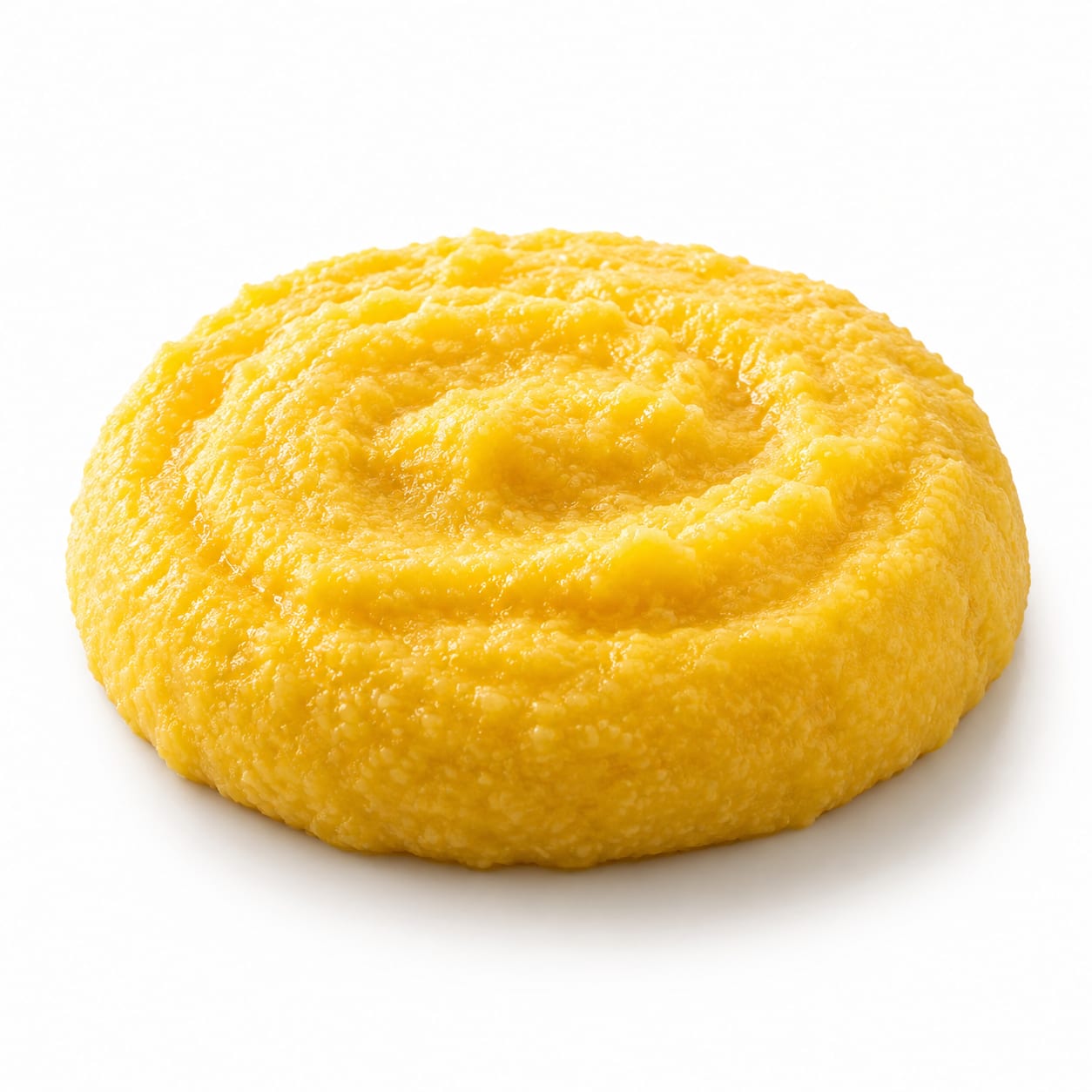
Polenta
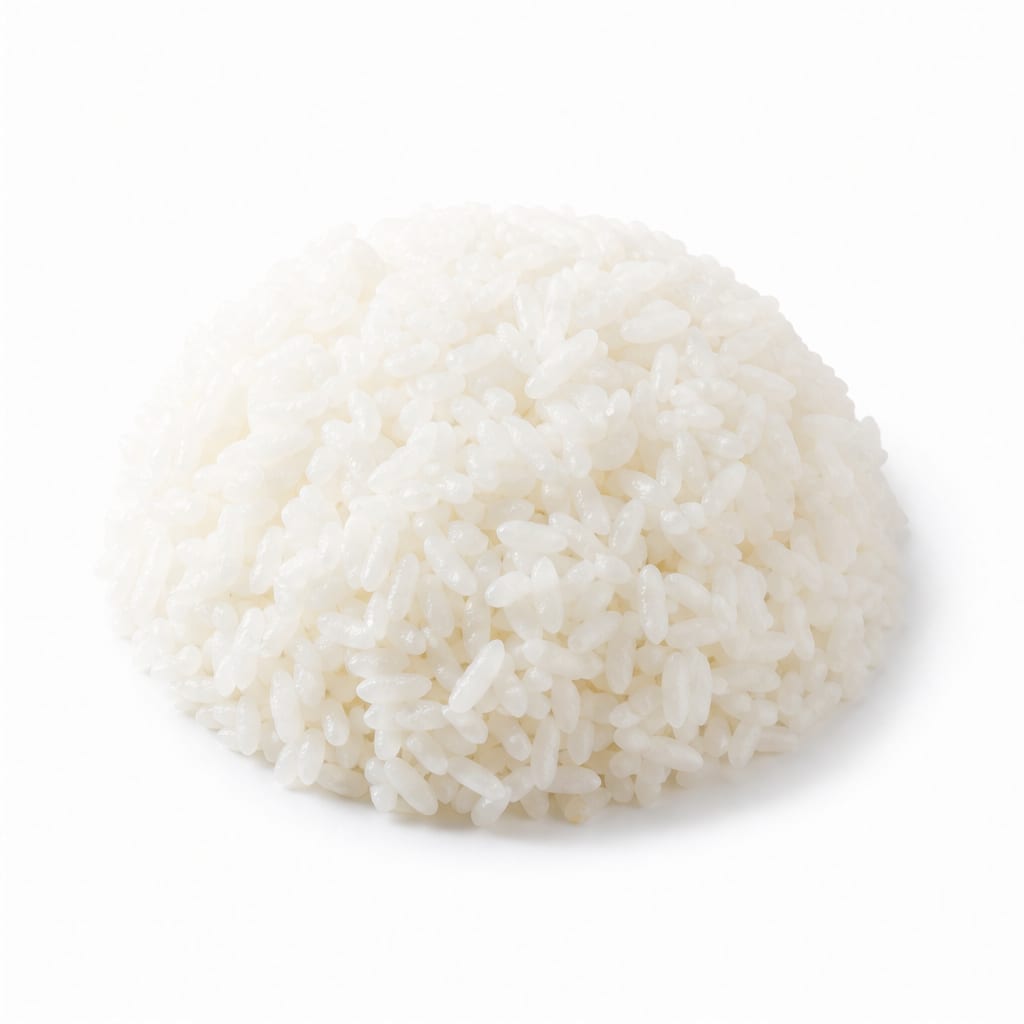
White Rice
Polenta edges out white rice thanks to more fiber, steadier energy, and better nutrient retention, but white rice wins on digestibility and universal convenience.
Polenta scores noticeably higher due to its fiber content, slower energy release, and retained micronutrients. White rice is not unhealthy but offers less per calorie eaten, making it a weaker default daily staple.
You trade the quick energy and easy digestion of white rice for the fuller, longer-lasting satiety and richer nutrient profile of polenta.
At a glance
Executive summary
Overall
Polenta
Healthier
Polenta
More practical
White Rice
Daily use
Polenta
Key comparison lenses
blood sugar management
Both are carb-heavy staples, but their glycemic impact differs significantly and affects energy, cravings, and metabolic health
nutrient density tradeoffs
Polenta retains more corn germ and fiber, while white rice is stripped of most micronutrients during milling
daily staple sustainability
Users choosing between these are often deciding which carb base to eat regularly, making long-term effects critical
digestive comfort
White rice is famously gentle on digestion, while polenta's fiber can be harder on sensitive stomachs
meal versatility and convenience
White rice pairs with nearly any cuisine; polenta has a narrower comfort zone but excels in specific dishes
Best choice for
Polenta
- People managing blood sugar who still want a comforting carb
- Anyone seeking more fiber without switching to whole grains entirely
- Mediterranean and Italian-inspired meal prep
- Those wanting steadier energy through the afternoon
White Rice
- Post-workout refueling when fast carbs are the goal
- Recovery from stomach illness or digestive flare-ups
- Busy households needing a quick, neutral side dish
- Anyone eating Asian cuisines where rice is culturally central
Least suitable for
Polenta
- People with severe corn allergies or sensitivities
- Those needing ultra-fast digestion post-workout
- Anyone wanting a completely neutral flavor base
- Very tight budgets where rice is significantly cheaper per serving
White Rice
- People with diabetes or insulin resistance eating it alone
- Anyone trying to increase daily fiber intake
- Those prone to afternoon energy crashes after carb-heavy lunches
- Weight loss diets where satiety per calorie matters
Deep comparison
Dimension by dimension
Each lens scores both foods and breaks down who each option suits.
- Dimension 1 · Priority 92Polenta
Blood Sugar Stability
Polenta · 68White Rice · 35Polenta digests more slowly and causes a gentler blood sugar rise than white rice, which spikes glucose fast and drops hard.
Tradeoff
White rice's fast digestion is actually useful after intense exercise, but problematic as a standalone meal for sedentary eaters.
Why it matters
Steadier blood sugar means fewer cravings, less fatigue, and better long-term metabolic health.
Real-world impact
A white rice lunch can leave you hungry again by 3pm. Polenta keeps you satisfied longer between meals.
Polenta
- Sustained energy through the workday
- Reduced afternoon snacking
- Better fasting glucose over time
Better for
- Situations demanding immediate energy availability
Worse for
White Rice
- Quick glycogen replenishment after training
- Easier carb loading before endurance events
Better for
- Sedentary days with no outlet for the glucose spike
- Anyone already struggling with insulin sensitivity
Worse for
- Dimension 2 · Priority 88Polenta
Satiety and Fullness
Polenta · 72White Rice · 40Polenta's fiber and denser texture make it significantly more filling per serving than white rice.
Tradeoff
White rice's lightness is pleasant when you want a less heavy meal, but it rarely keeps you full for long.
Why it matters
Feeling full matters for portion control, snacking habits, and overall calorie intake without conscious restriction.
Real-world impact
You can easily overeat white rice because your body barely registers it. Polenta tells your brain you have eaten something substantial.
Polenta
- Weight management without counting calories
- Reduced late-night hunger
- Smaller portions still feel satisfying
Better for
- Heavy training days where you need to eat a lot of carbs
Worse for
White Rice
- Pre-race meals where feeling too full is a problem
- Small frequent meals approach
Better for
- Anyone who finds themselves hungry an hour after eating
Worse for
- Dimension 3 · Priority 82Polenta
Nutrient Density
Polenta · 58White Rice · 32Polenta retains more vitamins and minerals from corn, while white rice loses most nutrients in milling and only gets some back through enrichment.
Tradeoff
Neither is a nutritional powerhouse, but polenta gives you more for your calorie budget, including iron, magnesium, and vitamin A precursors.
Why it matters
When carbs form a large part of your diet, the micronutrients they carry or lack accumulate over time.
Real-world impact
Eating white rice daily without nutrient-dense accompaniments can contribute to subtle deficiencies over months and years.
Polenta
- Getting more iron and magnesium from your carb source
- Small but meaningful vitamin A intake from corn carotenoids
Better for
- Still not a substitute for vegetables or legumes
Worse for
White Rice
- Reliable folic acid intake from enrichment in many countries
Better for
- Heavily reliant on enrichment rather than natural nutrient content
Worse for
- Dimension 4 · Priority 75White Rice
Digestive Tolerance
Polenta · 55White Rice · 88White rice is one of the most easily digested foods available. Polenta is gentle for most people but its fiber can irritate sensitive guts.
Tradeoff
If you have IBS, are recovering from illness, or have a delicate stomach, white rice is clearly the safer choice.
Why it matters
Digestive comfort affects nutrient absorption, daily comfort, and whether you can actually eat the food regularly.
Real-world impact
White rice is a go-to for stomach flu recovery worldwide. Polenta would be a rough choice on a bad digestive day.
Polenta
- Promoting healthy gut motility when digestion is normal
- Feeding beneficial gut bacteria through prebiotic fiber
Better for
- Active IBS or colitis flare-ups
- Acute gastrointestinal illness
Worse for
White Rice
- Recovery from food poisoning or stomach bugs
- IBS flare-up management
- Post-surgical bland diet phases
Better for
- Chronic constipation from low-fiber diets
Worse for
- Dimension 5 · Priority 70White Rice
Convenience and Versatility
Polenta · 48White Rice · 82White rice is faster to cook, pairs with virtually any cuisine, and requires no special technique. Polenta needs stirring, attention, and fits fewer flavor profiles.
Tradeoff
Polenta's distinct corn flavor is a feature in Italian cooking but a limitation elsewhere. White rice is a blank canvas.
Why it matters
The best staple food is one you will actually cook and eat consistently without friction.
Real-world impact
Most people can make rice on autopilot. Polenta demands more effort and planning, which can push you toward less healthy convenience foods on tired nights.
Polenta
- Italian and Mediterranean recipe integration
- Unique creamy texture that rice cannot replicate
Better for
- Does not reheat as well without texture changes
- Limited cuisine compatibility outside Italian/Eastern European food
Worse for
White Rice
- Works with Asian, Latin American, African, and Middle Eastern dishes
- Rice cookers make it nearly zero-effort
- Batch cooking and reheating is seamless
Better for
- Bland on its own, needs flavorful accompaniments to be enjoyable
Worse for
- Dimension 6 · Priority 78Polenta
Weight Management
Polenta · 66White Rice · 38Polenta's fiber and satiety make it easier to eat reasonable portions. White rice is easy to overconsume because it barely registers fullness.
Tradeoff
Both are calorie-dense carb sources, but polenta gives your body more signals to stop eating naturally.
Why it matters
Satiety per calorie is one of the strongest predictors of sustainable weight management.
Real-world impact
A cup of white rice disappears fast and leaves room for more. A cup of polenta feels like a real meal.
Polenta
- Natural portion control through fullness signals
- Less insulin-driven fat storage from slower glucose release
Better for
- Adding butter and cheese to polenta can erase the calorie advantage quickly
Worse for
White Rice
- Athletes who need to consume high calories easily
Better for
- Easy to consume 400+ calories without feeling satisfied
Worse for
Timeline
Health impact over time
Short-term
Hours to days
Polenta
- Steadier energy for 3-4 hours after eating
- Mild fullness that reduces between-meal snacking
- Possible bloating if you are not used to corn fiber
White Rice
- Quick energy spike within 30 minutes followed by a dip
- Hunger returning within 1-2 hours when eaten alone
- Very gentle on an upset stomach
Long-term
Months to years
Polenta
- Better blood sugar regulation with regular consumption
- Improved gut health from consistent fiber intake
- Small contribution to iron and magnesium adequacy
White Rice
- Higher risk of blood sugar dysregulation if eaten frequently without protein or fat
- Potential contribution to chronic low fiber intake
- Enrichment provides reliable folic acid, which matters for prenatal nutrition
Risk profile
Safety & processing
Polenta is simply ground dried corn, retaining most of the grain's natural structure. White rice has been milled to remove the bran and germ, stripping away fiber and nutrients. Neither typically contains artificial additives, but white rice is further from its whole-food origin.
Polenta
Mycotoxin contamination
lowCorn can harbor fumonisins from fungal growth, but regulated commercial polenta is well-monitored. Storage in cool, dry conditions minimizes risk.
GMO exposure
lowMost conventional corn in the US is genetically modified. If this concerns you, choose organic polenta, which guarantees non-GMO corn.
White Rice
Arsenic contamination
mediumRice naturally accumulates arsenic from soil and water more than other grains. White rice has less than brown rice, but regular daily consumption can still contribute meaningful arsenic exposure, especially rice grown in certain regions.
Heavy metal accumulation with daily consumption
lowFrequent rice eaters, particularly children, should vary their grain intake to reduce cumulative heavy metal exposure.
Who wins for whom
Audience fit
Same foods, different winners depending on your goal.
children
It dependsWhite rice is easier for picky eaters and sensitive tummies, but polenta offers more nutrition during growth. Rotate both for the best of both worlds.
daily consumption
PolentaPolenta's fiber, micronutrients, and steadier energy make it a better everyday staple, assuming your digestion handles it well.
diabetes
PolentaSlower digestion and lower glycemic load make polenta significantly gentler on blood sugar, though portion control still matters for both.
elderly
White RiceOlder adults with reduced digestive capacity often tolerate white rice better, and its soft texture poses no chewing challenges.
muscle gain
White RiceWhite rice delivers fast-digesting carbs ideal for post-workout glycogen replenishment when you need calories to grow.
weight loss
PolentaPolenta's fiber keeps you fuller on fewer calories, making it easier to maintain a deficit without feeling deprived.
Your move
Decision guide
Choose Polenta
- You want steadier energy without afternoon crashes
- Blood sugar management is a priority for you
- You enjoy Italian and Mediterranean cooking
- You are trying to eat more fiber without switching to entirely whole grains
- You are concerned about arsenic exposure from frequent rice consumption
Choose White Rice
- You need fast carbs after intense workouts
- You are recovering from a stomach illness
- You eat a lot of Asian cuisine and rice is culturally important to you
- You have a sensitive digestive system that struggles with fiber
- You want the easiest possible weeknight side dish with a rice cooker
Either works if
- You pair your carb with plenty of protein, healthy fat, and vegetables
- You rotate between multiple grain sources throughout the week
- Neither makes up more than a quarter of your plate
Avoid both if
- You are on a strict low-carb or ketogenic diet
- You have severe blood sugar issues and are not pairing carbs with adequate protein and fat
- Your diet is already heavily grain-dependent and lacks variety
Final recommendation
Make polenta your default if you want more nutrition and steadier energy from your carb staple. Keep white rice as a tool for post-workout recovery, sick days, and Asian meals. The real win is rotating both rather than relying on either one exclusively.
Practical
Consumer tips
- 1
Choose stone-ground or coarse polenta over instant varieties for the best fiber and flavor payoff
- 2
Rinse white rice before cooking to reduce surface arsenic by up to 30 percent
- 3
Cook white rice with extra water and drain it like pasta to further lower arsenic levels
- 4
Let polenta cool and reheat it to increase resistant starch, which feeds gut bacteria and lowers glycemic impact
- 5
Pair either grain with protein and healthy fat to blunt blood sugar spikes significantly
- 6
Buy organic polenta if you want to avoid GMO corn, since conventional corn is predominantly modified in the US
- 7
Add vegetables or legumes to either base to make the meal more nutritionally complete without relying on the grain itself