
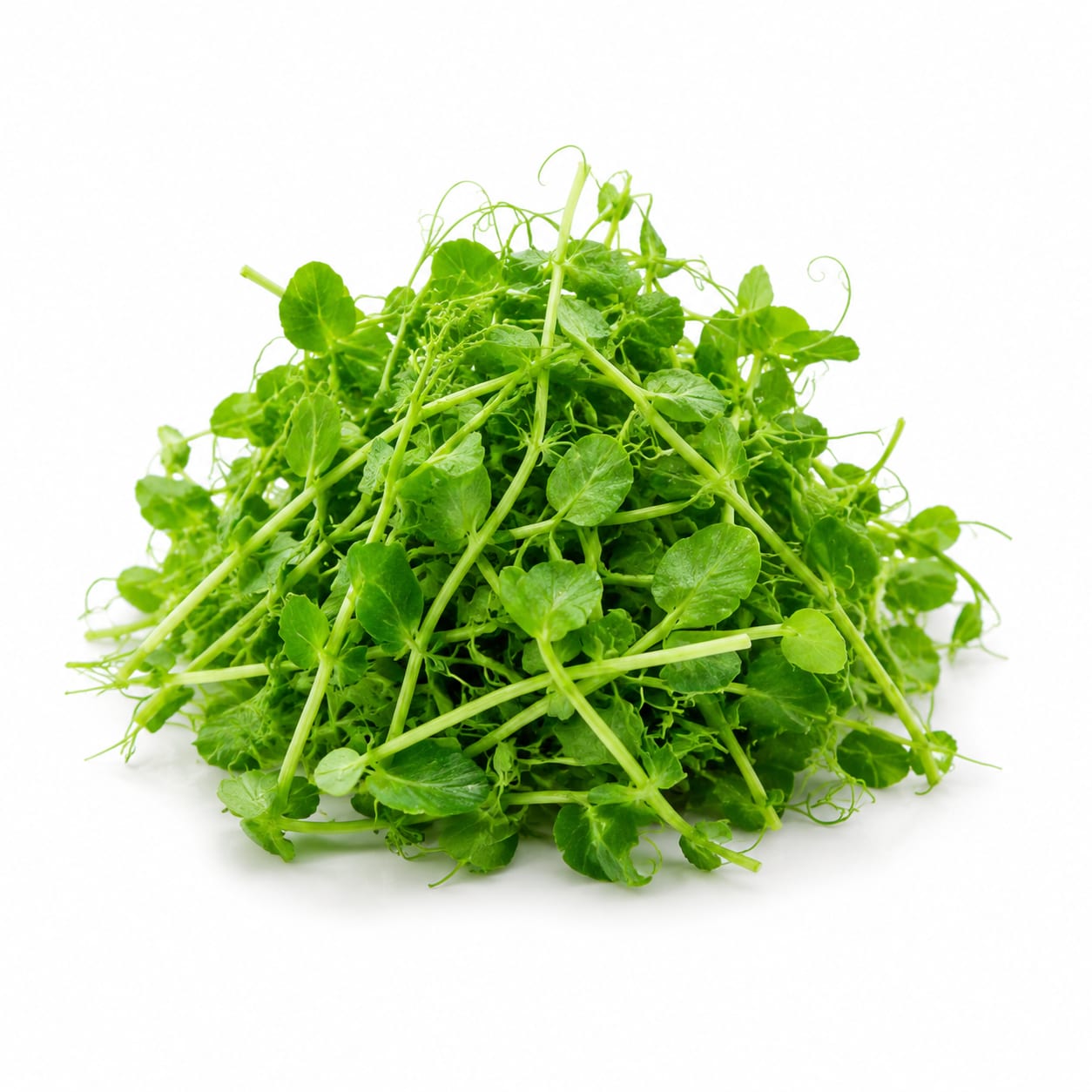
Leafy Greens
Pea Shoots
Pea shoots are the young, edible leaves and tendrils of the pea plant, prized for their sweet flavor and high nutrient density.
Pea shoots are the young, tender leaves and stems of the pea plant, typically harvested just a few weeks after germination. They offer a mild, sweet pea flavor and are commonly used in salads, stir-fries, and as a garnish.
high-volume low-calorie leafy green
Typical serving · 50g
Common varieties · green pea shoots, snow pea shoots, sugar snap pea shoots, dwarf pea shoots, tendril pea shoots
Overall context score across nutrition, safety, and diet fit
At a glance
Quick facts
Simple indicators based on nutrition, processing, and diet fit.
The story
What makes it unique
Pea shoots are rapidly digesting due to their high water content and delicate cellular structure. They provide exceptional micronutrient density relative to their caloric content, promoting satiety through volume rather than macronutrient bulk. Their macronutrient profile is dominated by complex carbohydrates with minimal fat and protein. As a minimally processed whole food, they retain their natural phytochemical matrix.
Varieties: green pea shoots · snow pea shoots · sugar snap pea shoots · dwarf pea shoots · tendril pea shoots
Per 100g
Nutrition breakdown
Macro balance and key metrics at a glance.
Energy
Density 0.35 kcal/g
Protein
Carbs
Fat
Fiber
Sugar
1.5 g
Sodium
15 mg
Potassium
220 mg
Glycemic index
15
Glycemic load
1
Water content
90%
Standout compounds
Nutrient highlights
Vitamin K
highEssential for blood clotting and bone metabolism
Vitamin C
highSupports immune function and collagen synthesis
Vitamin A
moderatePromotes vision health and immune resilience
Folate
moderateCrucial for cell division and DNA synthesis
Antioxidants
highReduces oxidative stress and inflammation
Wellness map
Health scores & processing
NOVA processing scale
minimally processed · Whole food
Fresh pea shoots are whole, unrefined plant parts sold raw, requiring no industrial processing.
Diet compatibility
- Weight loss
- Muscle gain
- Diabetes
- Gut health
- Low carb
- High protein
- Heart health
Relative standing
Food rankings
Qualitative ranks compared to similar whole foods.
- Satietygood
- Blood sugarexcellent
- Nutrient densityexcellent
- Fitness fuelmoderate
- Processing qualityexcellent
Eat with confidence
Food safety profile
Generally safe, but raw shoots can harbor soil-borne bacteria. Thorough washing is recommended before consumption.
Evidence confidence 85%
- Pesticidesmoderate
- Antibioticslow
- Heavy metalslow
- Contaminationmoderate
Watch for
- e. coli
- salmonella
Safer choices
Organically grown or hydroponic pea shoots from reputable suppliers.
Prep tips
Rinse thoroughly under cold running water and pat dry. Avoid consuming if slimy or discolored.
Standard raw agricultural commodity irrigation water quality and handling standards apply.
Deep dive
Health analysis
How this food may fit different goals and preparation choices.
Weight loss
Excellent low-calorie volume food that adds substantial bulk to meals without adding significant energy.
Blood sugar
Extremely low glycemic impact, making it highly unlikely to spike blood sugar levels.
Fitness & energy
Not a direct energy source due to low calories and carbs, but useful for micronutrient support in a balanced diet.
Gut health
Provides dietary fiber and polyphenols that support a healthy gut microbiome.
Processing quality
Whole food in its natural state with no additives or industrial alterations.
Food safety
Safe when washed properly; raw shoots can carry soil-borne microbes similar to other leafy greens.
Common mistakes
Assuming they are high in protein just because they come from the pea plant, or cooking them so long they lose their delicate texture and vitamin C.
Best preparation
Eaten raw in salads, lightly sautéed, or added to stir-fries at the very last minute to preserve heat-sensitive vitamins.
Practical guide
Best use cases
When and how this food fits real eating patterns.
salad base or garnish
Adds a sweet, fresh flavor and tender texture to mixed green salads or as an elegant garnish on plated dishes.
stir-fry addition
Toss in at the last minute for a burst of color, nutrition, and a mild pea flavor without making the dish soggy.
low-calorie meal bulk
Use large handfuls to increase the volume of meals like soups or wraps, enhancing satiety without adding significant calories.
sandwich topping
Replaces lettuce for a more nutrient-dense and flavorful crunch in sandwiches and burgers.
Balance sheet
Pros & cons
Upsides
- very low in calories
- rich in vitamins A, C, and K
- extremely low glycemic impact
- adds fresh flavor and texture to meals
- contains beneficial antioxidants
- quick to prepare and versatile
Trade-offs
- not a significant protein source
- highly perishable and spoils quickly
- potential for bacterial contamination if unwashed
- can be expensive compared to standard leafy greens
Fit check
Who is it for?
Great match
- low-calorie dieting
- blood sugar management
- salad variety
- keto diets
- vitamin K supplementation
Consider alternatives
- primary protein source
- long-term storage
- heavy cooking or boiling
Side by side
How it compares
Open the full head-to-head analysis for nutrition, safety, and practical tradeoffs.
This food
Pea Shoots
VS90% alike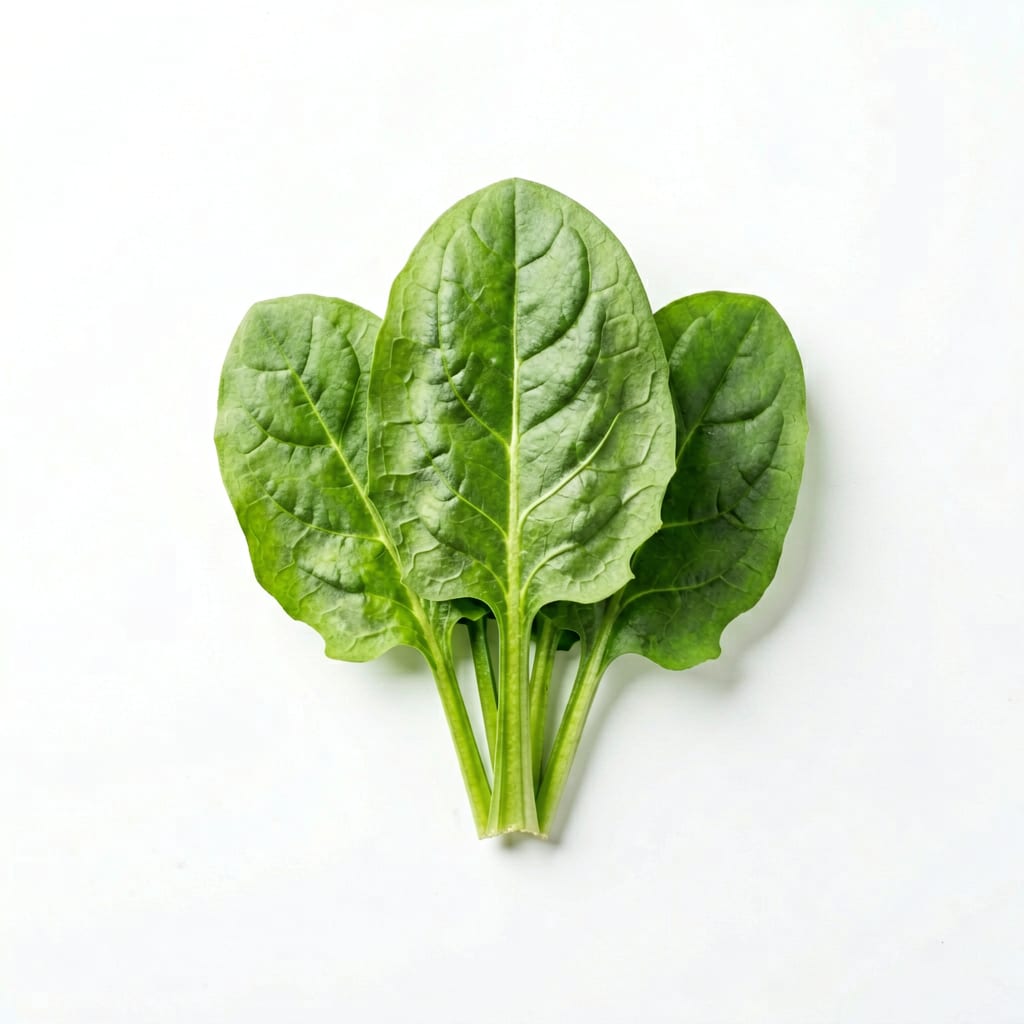
Compare with
Spinach
Spinach offers more iron and protein, while pea shoots provide a sweeter taste and slightly fewer calories per serving.
Spinach provides more iron and protein, while pea shoots are slightly lower in calories and offer a sweeter, more tender bite.
This food
Pea Shoots
VS85% alike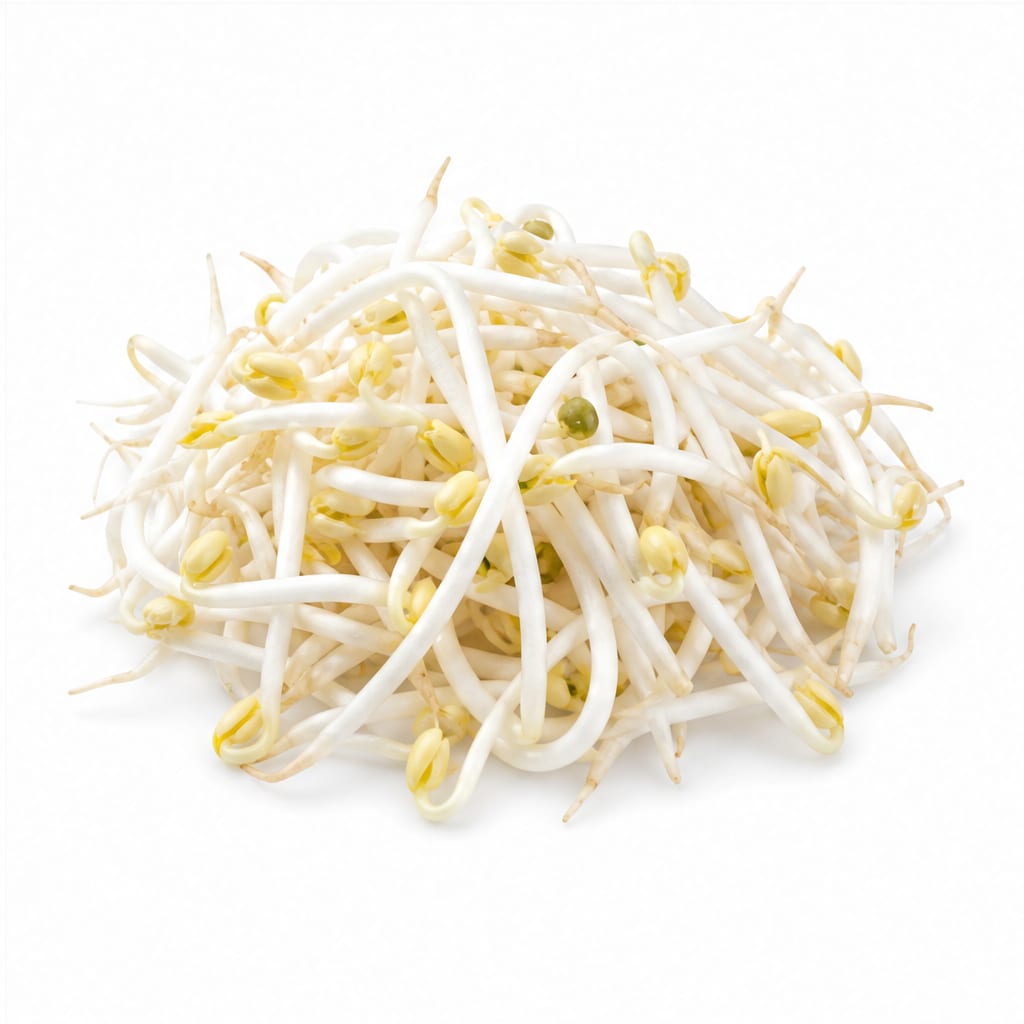
Compare with
Bean Sprouts
Bean sprouts are crunchier and slightly higher in protein, whereas pea shoots are more nutrient-dense in vitamins and sweeter.
Bean sprouts offer more protein and crunch, while pea shoots are richer in vitamins A and C with a sweeter flavor.
This food
Pea Shoots
VS85% alike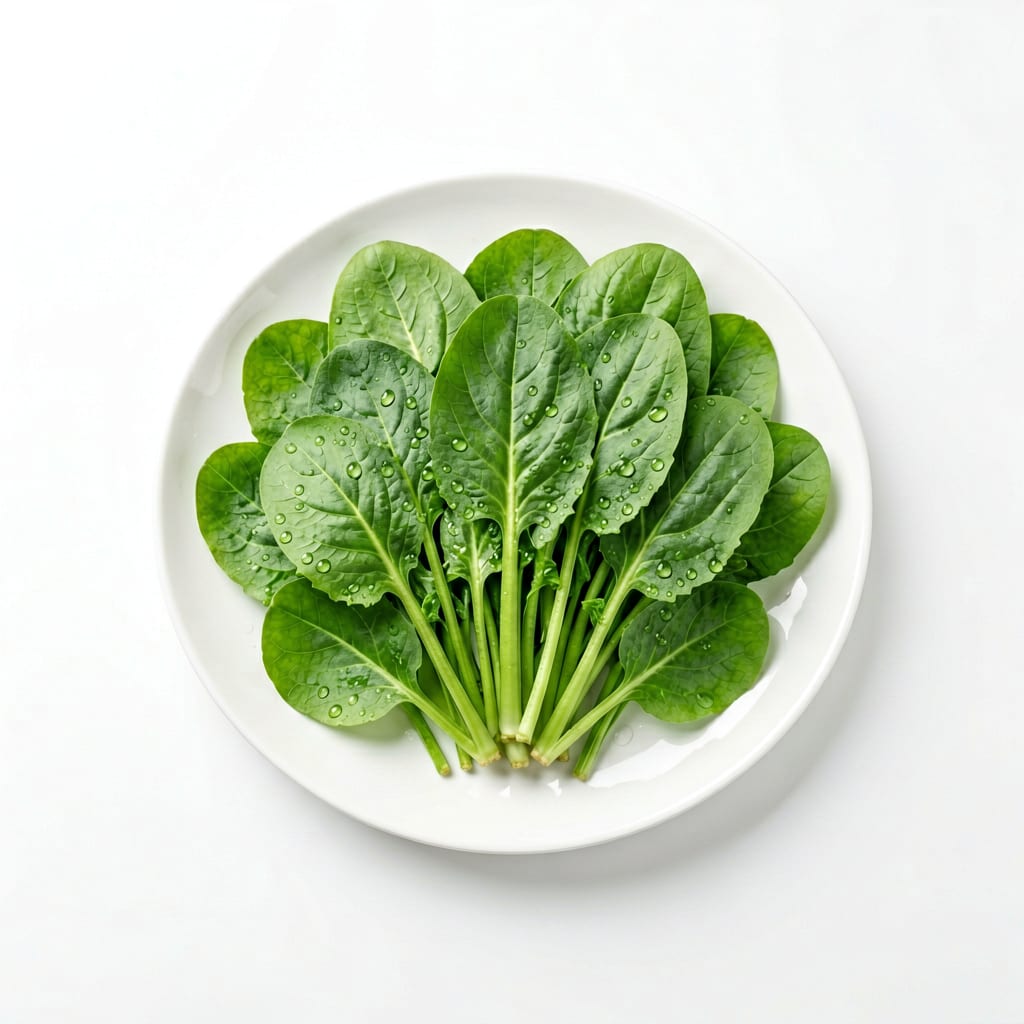
Compare with
Watercress
Watercress is slightly more nutrient-dense overall and a powerhouse for vitamin K, but pea shoots are milder and more versatile for cooking.
Watercress edges out pea shoots in overall nutrient density, but pea shoots offer a sweeter, more tender texture for salads.
This food
Pea Shoots
VS80% alike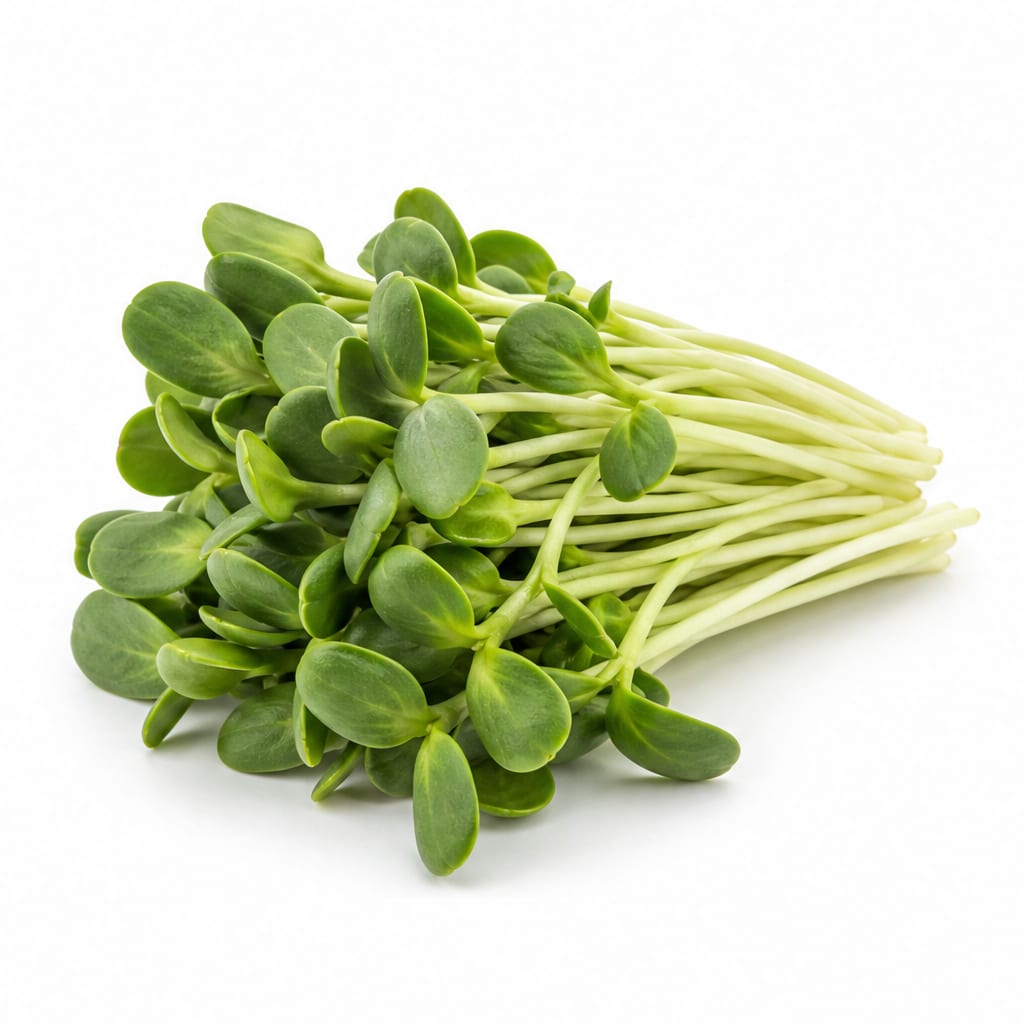
Compare with
Sunflower Shoots
Sunflower shoots are crunchier and higher in healthy fats, while pea shoots are lower in calories and higher in vitamin C.
Sunflower shoots provide more crunch and healthy fats, while pea shoots are lower in calories and richer in vitamin C.
This food
Pea Shoots
VS75% alike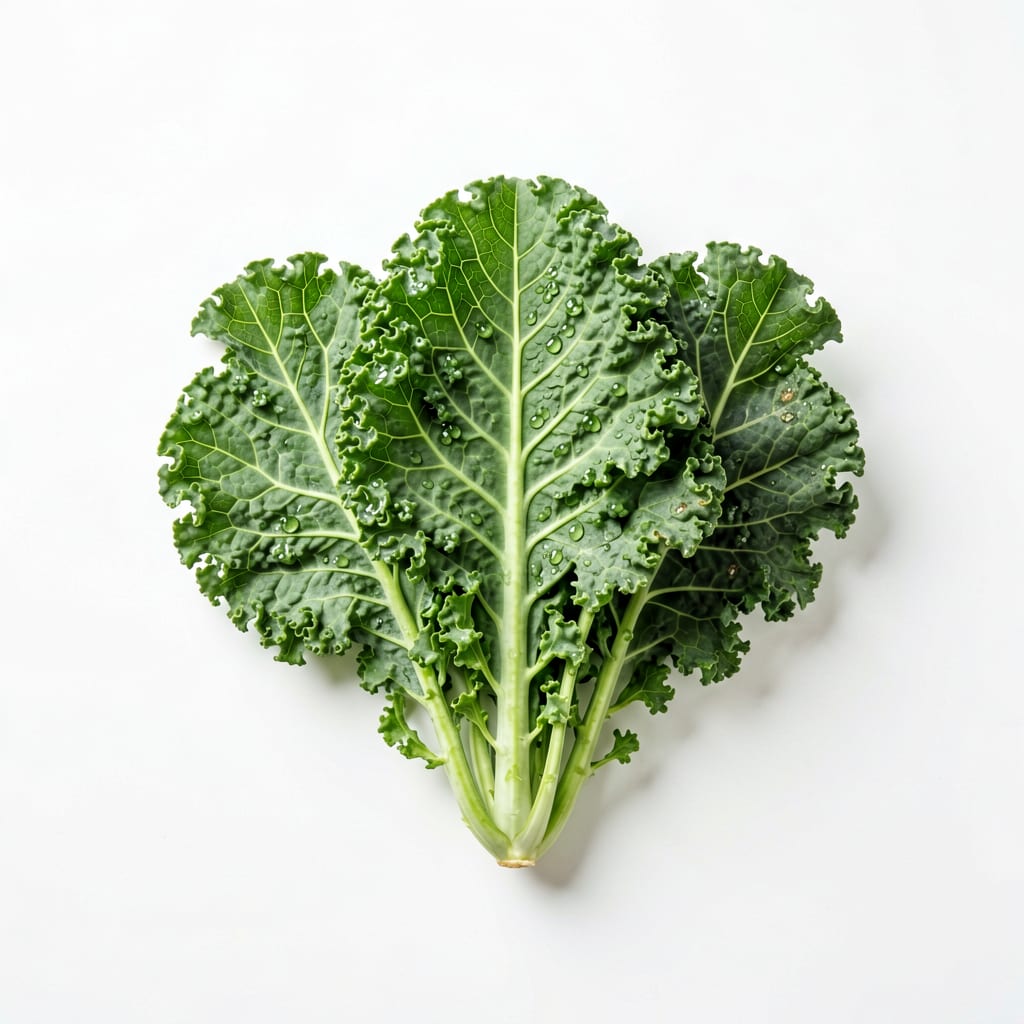
Compare with
Kale
Kale is much higher in protein, fiber, and vitamin C per calorie, but pea shoots are far easier to eat raw and much lower in calories by volume.
Kale is a fiber and protein powerhouse, while pea shoots offer a delicate, sweet flavor with far fewer calories per bite.
This food
Pea Shoots
VS75% alike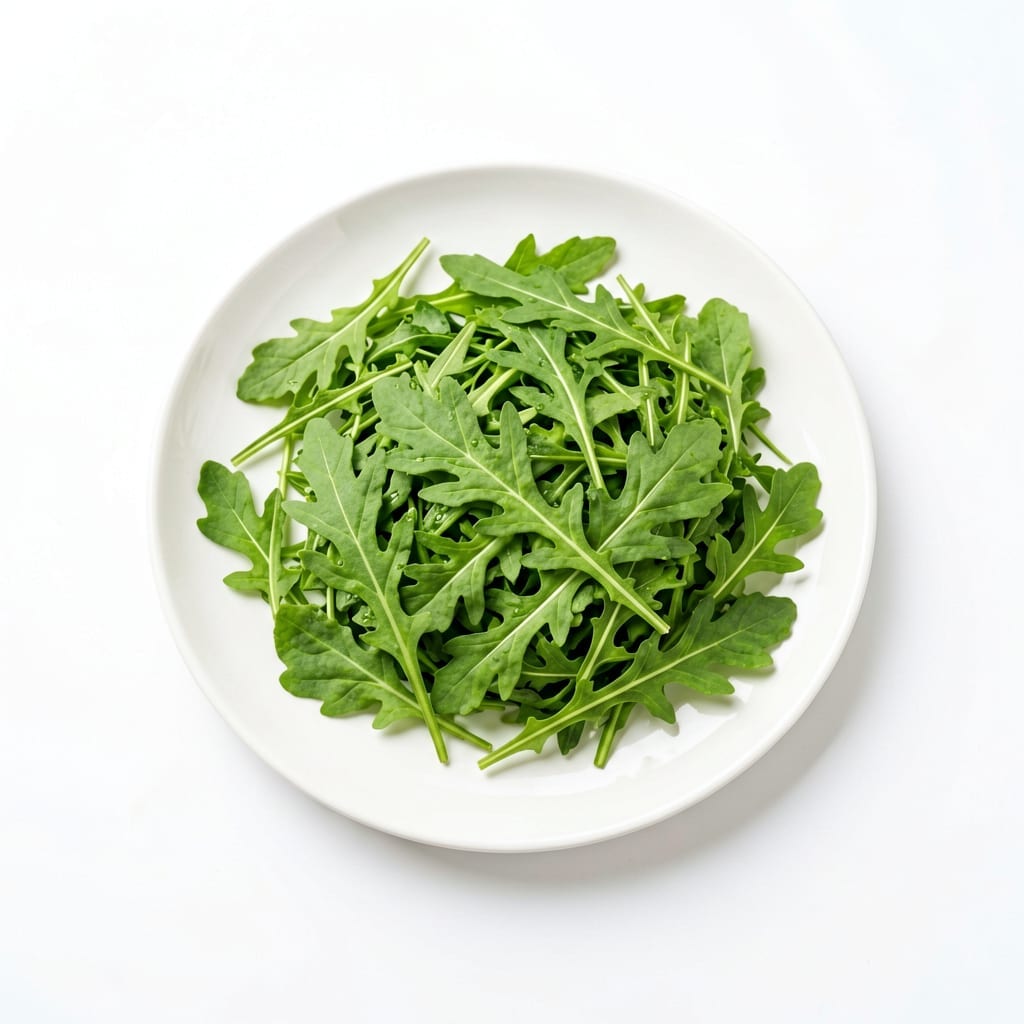
Compare with
Arugula
Arugula is peppery and slightly higher in calcium, while pea shoots are sweet and higher in vitamin C.
Arugula brings a peppery kick and more calcium, whereas pea shoots offer a sweet pea flavor and more vitamin C.
This food
Pea Shoots
VS70% alike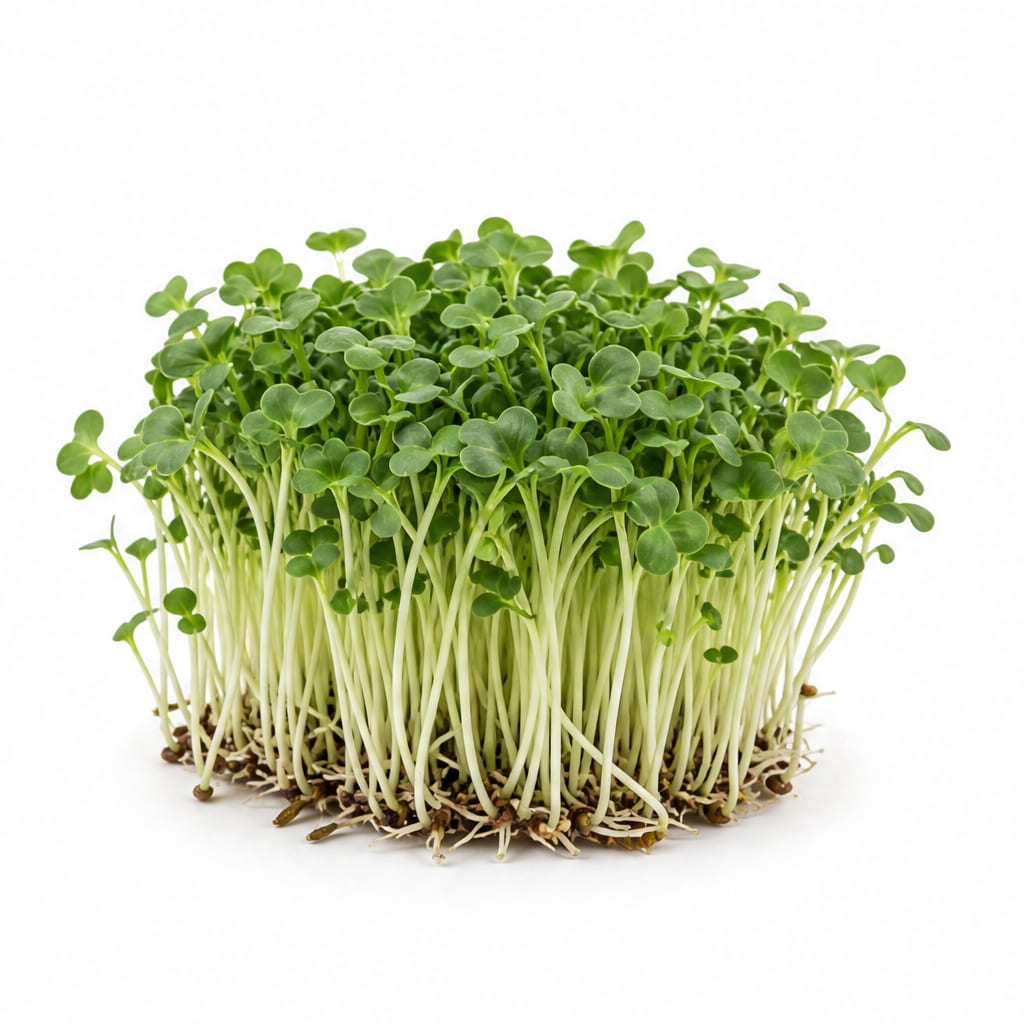
Compare with
Broccoli Microgreens
Broccoli microgreens contain sulforaphane for cellular health, while pea shoots are milder and more palatable in large quantities.
Broccoli microgreens are rich in sulforaphane, while pea shoots are sweeter, more tender, and better for bulk eating.
This food
Pea Shoots
VS70% alike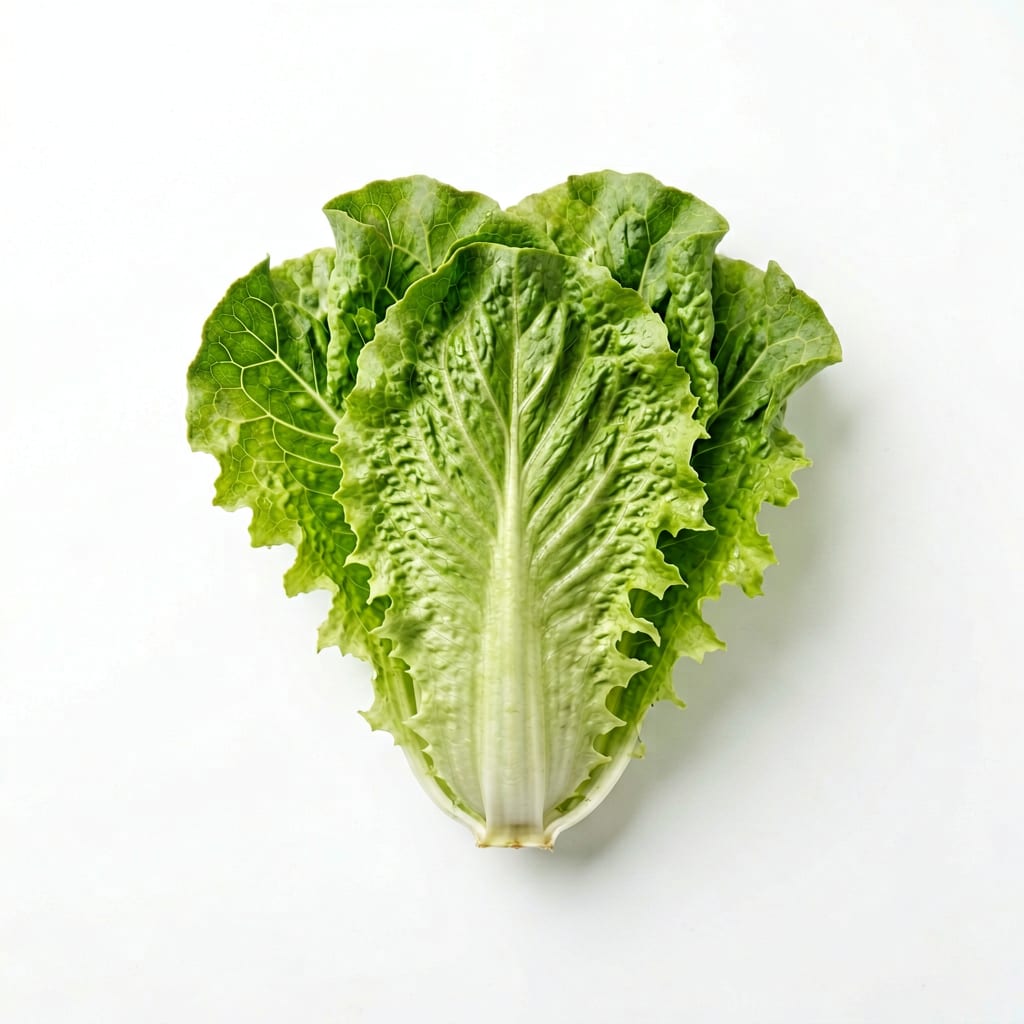
Compare with
Lettuce
Pea shoots are vastly more nutrient-dense than iceberg lettuce, offering more vitamins and antioxidants for the same caloric cost.
Pea shoots deliver significantly more vitamins and flavor than lettuce, making them a more nutritious salad base.
This food
Pea Shoots
VS50% alike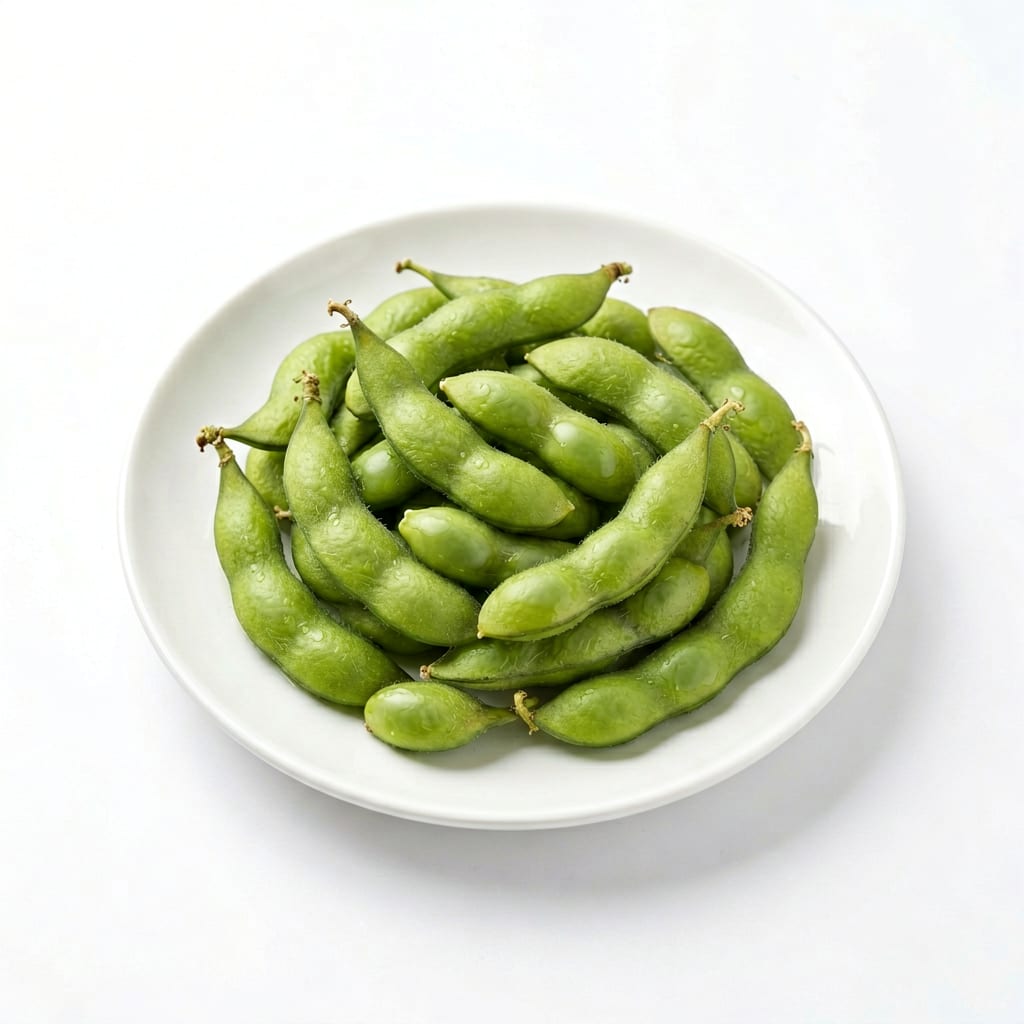
Compare with
Edamame
Edamame is a high-protein, moderate-calorie legume, while pea shoots are a low-protein, ultra-low-calorie green.
Edamame provides substantial protein and healthy fats for muscle recovery, while pea shoots are strictly a low-calorie micronutrient source.
This food
Pea Shoots
VS65% alike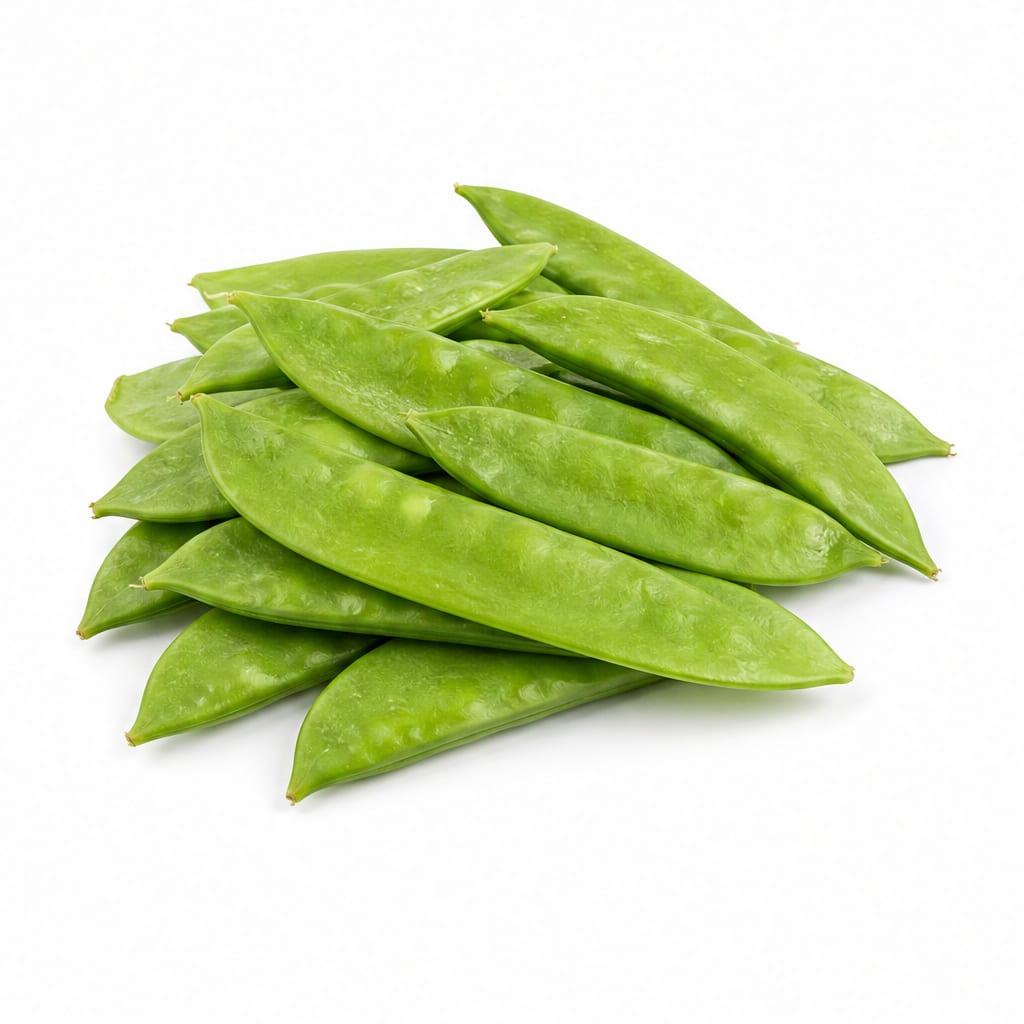
Compare with
Snow Peas
Snow peas offer more carbohydrates, fiber, and protein, while pea shoots are significantly lower in calories and higher in certain vitamins.
Snow peas provide more fiber and carbs for energy, while pea shoots are a lighter, lower-calorie green alternative.
Common questions
FAQ
Answers aligned with how people search for this food.
Are pea shoots good for weight loss?
Yes, pea shoots are excellent for weight loss. They are very low in calories and high in water and fiber, which helps you feel full without consuming excess energy.
Do pea shoots have a lot of protein?
No, despite coming from the pea plant, pea shoots only contain about 2.8g of protein per 100g. They are primarily a source of vitamins and fiber, not protein.
Can diabetics eat pea shoots?
Yes, pea shoots are highly suitable for diabetics. They have an extremely low glycemic index and glycemic load, meaning they will not cause blood sugar spikes.
Are pea shoots the same as pea sprouts?
No, pea sprouts are germinated seeds with roots and stems, while pea shoots are the young leaves and tendrils of the growing pea plant harvested a few weeks later.
Can you eat pea shoots raw?
Yes, pea shoots are delicious raw. They add a sweet, fresh pea flavor and tender texture to salads and sandwiches.
Are pea shoots keto-friendly?
Yes, pea shoots are keto-friendly in typical serving sizes. They contain only 4.5g of carbohydrates and 1.8g of fiber per 100g, resulting in just 2.7g of net carbs.
How do you wash pea shoots?
Rinse pea shoots thoroughly under cold running water to remove any soil or potential bacteria. Pat them dry with a clean towel or use a salad spinner before eating.
What vitamins are in pea shoots?
Pea shoots are particularly rich in vitamins A, C, and K, as well as folate. These vitamins support immune function, skin health, and blood clotting.
How should you cook pea shoots?
If cooking pea shoots, add them at the very end of the cooking process, such as tossing them into a stir-fry for the last 30 seconds. Overcooking makes them wilt and lose their vitamin C content.
Are pea shoots safer than other sprouts?
Generally, yes. Because pea shoots are grown in light and rely on photosynthesis rather than the warm, humid, dark conditions used for sprouting, they have a lower risk of bacterial proliferation compared to bean sprouts.
Transparency
Data confidence
Estimated confidence for nutrition data, interpretation, safety notes, and comparisons.
Nutrition data
Health analysis
Food safety
Comparisons