
Nutrition comparison
Pea Shoots vs Bean Sprouts: Safety, Nutrition, and Which to Choose
Compare pea shoots and bean sprouts on food safety, protein, vitamins, and culinary use. Learn which is better for raw eating, stir-fries, and daily consumption.
Overall winner · Pea Shoots
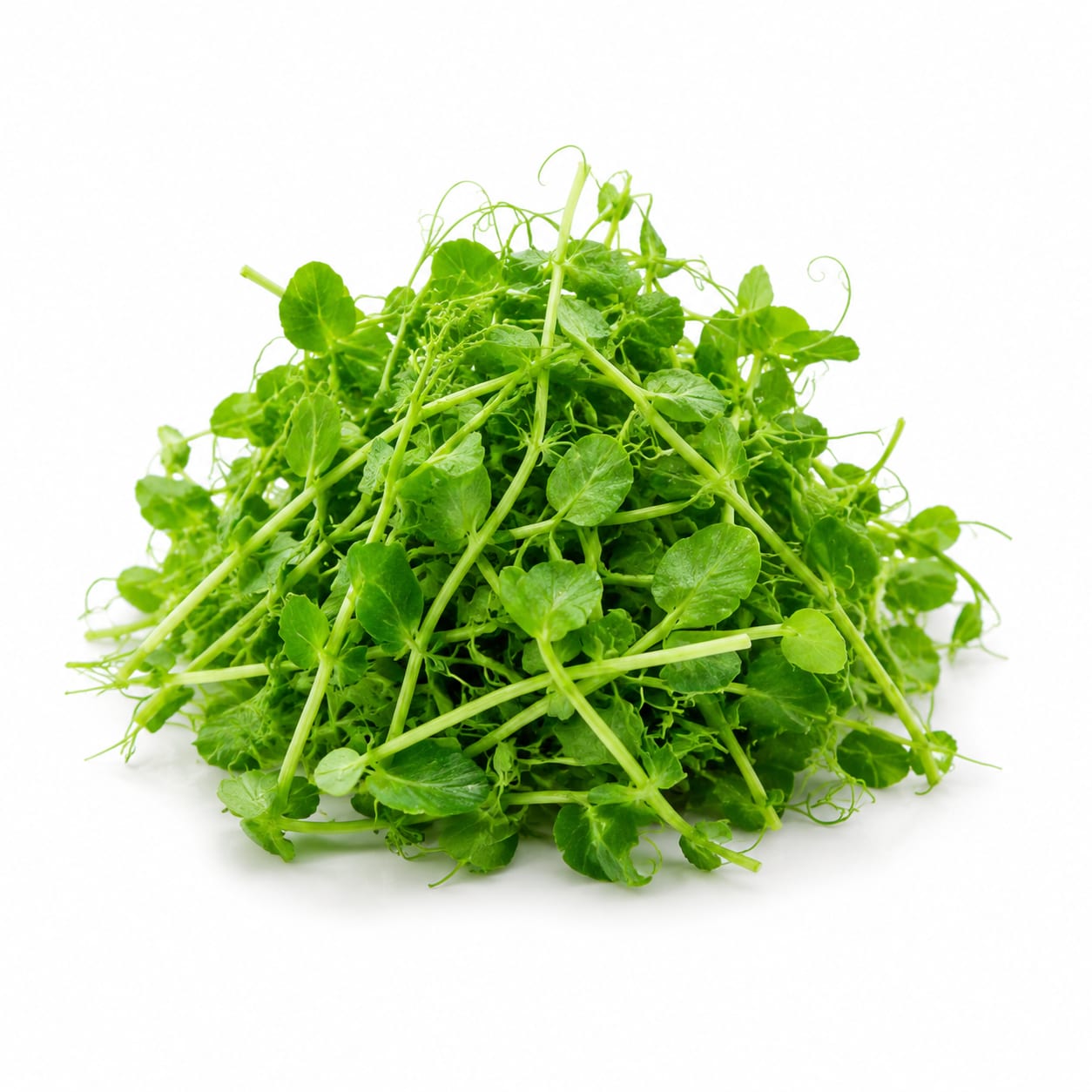
Pea Shoots
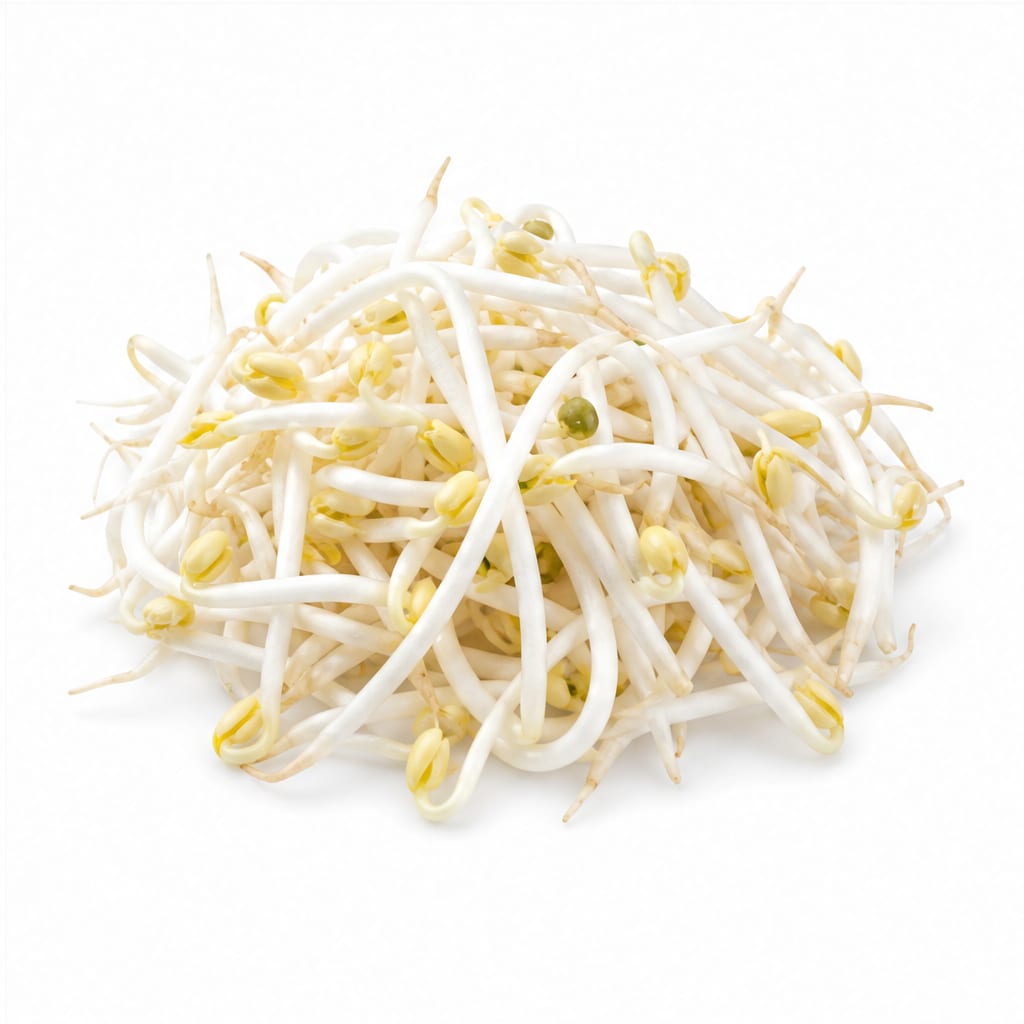
Bean Sprouts
Pea shoots win on safety, antioxidant content, and raw-eating convenience, while bean sprouts offer more protein and a satisfying crunch that works better in cooked dishes.
Pea shoots score notably higher due to superior safety, better raw consumption viability, and richer antioxidant content. Bean sprouts lose ground primarily on contamination risk and the practical limitation of needing thorough cooking.
Bean sprouts give you more protein and a classic stir-fry crunch, but carry significantly higher food safety risks. Pea shoots are safer raw and more nutrient-dense per leaf, but less filling.
At a glance
Executive summary
Overall
Pea Shoots
Healthier
Pea Shoots
More practical
Pea Shoots
Daily use
Pea Shoots
Key comparison lenses
food safety and contamination risk
Bean sprouts are notorious for bacterial contamination outbreaks, making safety the dominant concern for many consumers choosing between these two
nutrient density per calorie
Both foods are extremely low calorie, so the real question is which delivers more nutritional value per bite
raw vs cooked consumption
Bean sprouts carry safety risks when raw, while pea shoots are safer raw, affecting how people actually use them
protein and fiber comparison
Bean sprouts offer more protein from the sprouted legume, while pea shoots provide different fiber benefits from leafy greens
antioxidant and vitamin profile
Pea shoots are surprisingly rich in carotenoids and vitamin C, offering more antioxidant punch than most people expect
Best choice for
Pea Shoots
- Raw salad eaters who want safety and freshness
- People seeking maximum vitamins A and C per calorie
- Anyone immunocompromised or cooking for young children
- Home gardeners wanting a quick-growing green
Bean Sprouts
- Stir-fry and Asian cuisine enthusiasts
- Those wanting more plant protein from a low-calorie source
- Budget-conscious shoppers needing bulk for less money
- Anyone cooking the sprouts thoroughly before eating
Least suitable for
Pea Shoots
- People wanting substantial protein from their greens
- Those looking for a crunchy stir-fry ingredient that holds texture
- Very tight grocery budgets where cost per volume matters
Bean Sprouts
- Pregnant women, elderly, or immunocompromised individuals
- Anyone who prefers eating raw sprouts without cooking
- People concerned about recurring foodborne illness outbreaks
Deep comparison
Dimension by dimension
Each lens scores both foods and breaks down who each option suits.
- Dimension 1 · Priority 95Pea Shoots
Food Safety
Pea Shoots · 88Bean Sprouts · 42Bean sprouts are one of the most common sources of foodborne illness in produce. Pea shoots carry far less risk.
Tradeoff
Bean sprouts require thorough cooking to mitigate risk, which changes their culinary role. Pea shoots can be eaten raw with confidence.
Why it matters
Salmonella and E. coli outbreaks linked to bean sprouts are well-documented. For vulnerable populations, this is a serious concern, not a theoretical one.
Real-world impact
If you want a raw garnish or salad addition, pea shoots are the clearly safer choice. Eating raw bean sprouts is a calculated risk many experts advise against.
Pea Shoots
- Raw salads and garnishes
- Serving to children, elderly, or pregnant women
- Meal prep that sits in the fridge for days
Better for
Bean Sprouts
- Hot stir-fries where thorough cooking kills pathogens
Better for
- Any raw or lightly warmed application
- Packed lunches without refrigeration
- Smoothies or juices using raw produce
Worse for
- Dimension 2 · Priority 82Pea Shoots
Vitamin and Antioxidant Density
Pea Shoots · 84Bean Sprouts · 58Pea shoots deliver significantly more vitamin A, vitamin C, and carotenoids. Bean sprouts are decent but not standout.
Tradeoff
You get more immune-supporting and anti-inflammatory nutrients from pea shoots, but bean sprouts still contribute useful vitamin C from the sprouting process.
Why it matters
The carotenoids in pea shoots support eye health and cellular defense in ways bean sprouts simply cannot match.
Real-world impact
A handful of pea shoots in a salad gives you a meaningful antioxidant boost. Bean sprouts add volume and crunch but less nutritional punch per bite.
Pea Shoots
- Boosting daily vitamin A intake
- Adding carotenoid diversity to meals
- Supporting skin and eye health through food
Better for
Bean Sprouts
- Adding moderate vitamin C alongside other vegetables
Better for
- Situations where antioxidant density is the primary goal
Worse for
- Dimension 3 · Priority 75Bean Sprouts
Protein and Satiety
Pea Shoots · 48Bean Sprouts · 72Bean sprouts provide noticeably more protein per serving thanks to their legume origin. Pea shoots are very light and less filling.
Tradeoff
Bean sprouts make a light meal feel more substantial, but neither food is a protein powerhouse on its own.
Why it matters
If you are building a plant-forward meal and every gram of protein counts, bean sprouts contribute more toward that goal.
Real-world impact
A cup of bean sprouts in a stir-fry adds about 2-3g of protein and a satisfying bite. Pea shoots wilt down to almost nothing and leave you hungrier sooner.
Pea Shoots
- Light snacking where low calorie intake is the goal
Better for
- Meals where you need the greens to contribute meaningful protein
Worse for
Bean Sprouts
- Plant-based meals needing protein contributions from multiple sources
- Stir-fries where texture and substance matter
- Post-workout meals where every protein gram counts
Better for
- Dimension 4 · Priority 70It depends
Culinary Versatility
Pea Shoots · 70Bean Sprouts · 72Pea shoots excel raw in salads and as garnishes. Bean sprouts shine in cooked dishes, especially Asian stir-fries and soups.
Tradeoff
Pea shoots lose their delicate appeal when overcooked. Bean sprouts lose their safety advantage when undercooked. Each has a narrower ideal use than people assume.
Why it matters
Choosing the wrong one for your cooking method leads to either a food safety risk or a wilted, unappealing result.
Real-world impact
Tossing pea shoots into a hot wok at the last second works beautifully. Boiling bean sprouts into soup is safe and satisfying. But swapping them blindly leads to disappointment.
Pea Shoots
- Fresh salads and raw dishes
- Quick wilting as a finishing green
- Sandwich and wrap additions
- Fancy plating and garnish work
Better for
- Dishes requiring a crunchy texture that holds up to heat
Worse for
Bean Sprouts
- Stir-fries and noodle dishes
- Soups and hot pots
- Spring roll fillings when cooked first
- Any application where crunch matters
Better for
- Raw garnishes or uncooked salad bases
Worse for
- Dimension 5 · Priority 60Bean Sprouts
Cost and Accessibility
Pea Shoots · 52Bean Sprouts · 78Bean sprouts are one of the cheapest fresh vegetables available. Pea shoots are often sold as a specialty green at a premium.
Tradeoff
Bean sprouts give you far more volume per dollar. Pea shoots cost more but deliver more nutrients per ounce.
Why it matters
For budget-conscious households, bean sprouts are an accessible way to add fresh vegetables to meals. Pea shoots may feel like a luxury purchase.
Real-world impact
A bag of bean sprouts often costs under two dollars and fills a large bowl. Pea shoots can cost three to four times more for a small clamshell.
Pea Shoots
- Special meals where quality matters more than cost
Better for
- Tight grocery budgets
- Situations where you need a lot of greens for little money
Worse for
Bean Sprouts
- Weekly meal prep on a budget
- Bulk cooking where volume matters
- Families needing affordable vegetable options
Better for
- Dimension 6 · Priority 55Pea Shoots
Digestive Tolerance
Pea Shoots · 78Bean Sprouts · 62Pea shoots are gentle and easy to digest. Bean sprouts can cause bloating in sensitive individuals due to their legume nature.
Tradeoff
Bean sprouts retain some of the gas-producing compounds common in legumes, even after sprouting. Pea shoots are lighter on the digestive system.
Why it matters
For people with IBS or sensitive digestion, bean sprouts may trigger discomfort that pea shoots would not.
Real-world impact
Eating a large portion of bean sprouts can leave you feeling puffy and gassy. Pea shoots rarely cause that reaction even in generous amounts.
Pea Shoots
- People with IBS or sensitive digestion
- Light evening meals where bloating would disrupt sleep
- Post-illness recovery eating
Better for
Bean Sprouts
- Those with robust digestion who tolerate legumes well
Better for
- Anyone prone to bloating from beans and legumes
- Low-FODMAP diet followers
Worse for
Timeline
Health impact over time
Short-term
Hours to days
Pea Shoots
- Quick hydration and lightness after eating
- Mild blood sugar stabilization from low glycemic load
- Vitamin C boost supporting immediate immune function
- Very low risk of digestive discomfort
Bean Sprouts
- More immediate satiety from protein and fiber content
- Possible bloating or gas in sensitive individuals
- Vitamin C contribution from the sprouting process
- Risk of foodborne illness if consumed raw or undercooked
Long-term
Months to years
Pea Shoots
- Consistent carotenoid intake supporting eye and skin health
- Low-calorie habit that aids weight maintenance without feeling restrictive
- Minimal cumulative food safety risk over years of consumption
- Anti-inflammatory benefits from regular antioxidant consumption
Bean Sprouts
- Plant protein contribution supporting muscle maintenance over time
- Repeated exposure to low-level contamination risk if hygiene is inconsistent
- Fiber supporting gut microbiome diversity when well-tolerated
- Very low calorie density helping long-term portion control
Risk profile
Safety & processing
Both pea shoots and bean sprouts are whole, minimally processed foods. Neither typically contains additives or preservatives when sold fresh. The main concern is not processing but growing conditions, especially for bean sprouts where warm, humid sprouting environments favor bacterial growth.
Pea Shoots
Pesticide residue
lowPea shoots grow quickly and are often sold with minimal pesticide use, especially from local or organic sources. Washing is still recommended.
Minor bacterial contamination from handling
lowLike any fresh produce, pea shoots can pick up bacteria during harvest or transport, but outbreak associations are rare compared to sprouted seeds.
Bean Sprouts
Salmonella contamination
highBean sprouts are repeatedly linked to Salmonella outbreaks. The warm, moist conditions needed for sprouting are ideal for bacterial growth. Cooking thoroughly is the most reliable defense.
E. coli contamination
highMultiple E. coli outbreaks have been traced to bean sprouts. Seeds can harbor bacteria that multiply during sprouting even under clean conditions.
Listeria risk for vulnerable populations
mediumPregnant women and immunocompromised individuals face higher risk from Listeria, which can contaminate sprouts and is particularly dangerous during pregnancy.
Who wins for whom
Audience fit
Same foods, different winners depending on your goal.
children
Pea ShootsChildren are more vulnerable to foodborne illness, making raw bean sprouts an inappropriate choice. Pea shoots are safer and their mild sweetness appeals to young palates.
daily consumption
Pea ShootsDaily use demands a strong safety profile and good digestive tolerance. Pea shoots deliver both without requiring cooking, making them easier to incorporate consistently.
diabetes
Pea ShootsBoth have minimal impact on blood sugar, but pea shoots offer more antioxidants that may help with inflammation associated with diabetes, without the digestive discomfort bean sprouts can cause.
elderly
Pea ShootsOlder adults face higher risk from foodborne pathogens and often have more sensitive digestion. Pea shoots are safer and gentler on the stomach.
muscle gain
Bean SproutsBean sprouts contribute more protein per serving, which matters when every gram counts toward muscle recovery and growth.
weight loss
It dependsPea shoots are lower in calories and easier to eat raw, but bean sprouts provide more protein and satiety per serving, which may reduce overall eating. Choose pea shoots for volume eating and bean sprouts for staying power.
Your move
Decision guide
Choose Pea Shoots
- You want a raw salad green you can trust
- You are cooking for children, elderly, or pregnant women
- You prioritize antioxidant and vitamin density
- You have sensitive digestion or follow a low-FODMAP approach
- You want a versatile garnish that works on everything from soups to sandwiches
Choose Bean Sprouts
- You are making a stir-fry or Asian noodle dish and will cook them thoroughly
- You want more protein from your vegetable additions
- You are on a tight grocery budget and need affordable volume
- You tolerate legumes well and enjoy their crunch
- You are meal-prepping cooked dishes where safety is managed by heat
Either works if
- You are building a large salad with many other vegetables and either works as a minor component
- You plan to cook the vegetable regardless and enjoy both flavors
- You rotate produce frequently and want variety week to week
Avoid both if
- You need a substantial protein source and are relying too heavily on these low-calorie greens
- You have a severe oral allergy syndrome related to legumes or pea family plants
Final recommendation
For most people, pea shoots are the smarter default. They are safer raw, richer in key vitamins, and gentler on digestion. Bean sprouts are worth buying when you are specifically cooking a hot dish where their crunch and protein matter, and you can ensure thorough cooking. Keep both in rotation, but let pea shoots be your everyday green and save bean sprouts for intentional cooked meals.
Practical
Consumer tips
- 1
If you buy bean sprouts, use them within two days and keep them refrigerated. Do not eat them raw if you are in a high-risk group.
- 2
Rinse pea shoots gently before eating but avoid soaking, which damages their delicate texture.
- 3
Cook bean sprouts for at least two minutes at high heat to significantly reduce bacterial risk.
- 4
Grow pea shoots at home in a sunny window with just a tray and seeds. They are one of the easiest microgreens to cultivate.
- 5
Add pea shoots at the very end of cooking, just long enough to wilt slightly. Overcooking destroys their best qualities.
- 6
Bean sprouts labeled 'ready to eat' still carry risk. The safest approach is always cooking them.
- 7
If bean sprouts smell sour, feel slimy, or look discolored, discard them immediately. Spoilage is not the same risk as contamination, but both matter.