
Nutrition comparison
Pea Shoots vs Sunflower Shoots: Nutrition, Flavor, and Health Comparison
Pea shoots deliver more vitamin C and folate; sunflower shoots offer more protein, zinc, and vitamin E. Compare these nutrient-dense microgreens to find which fits your health goals.
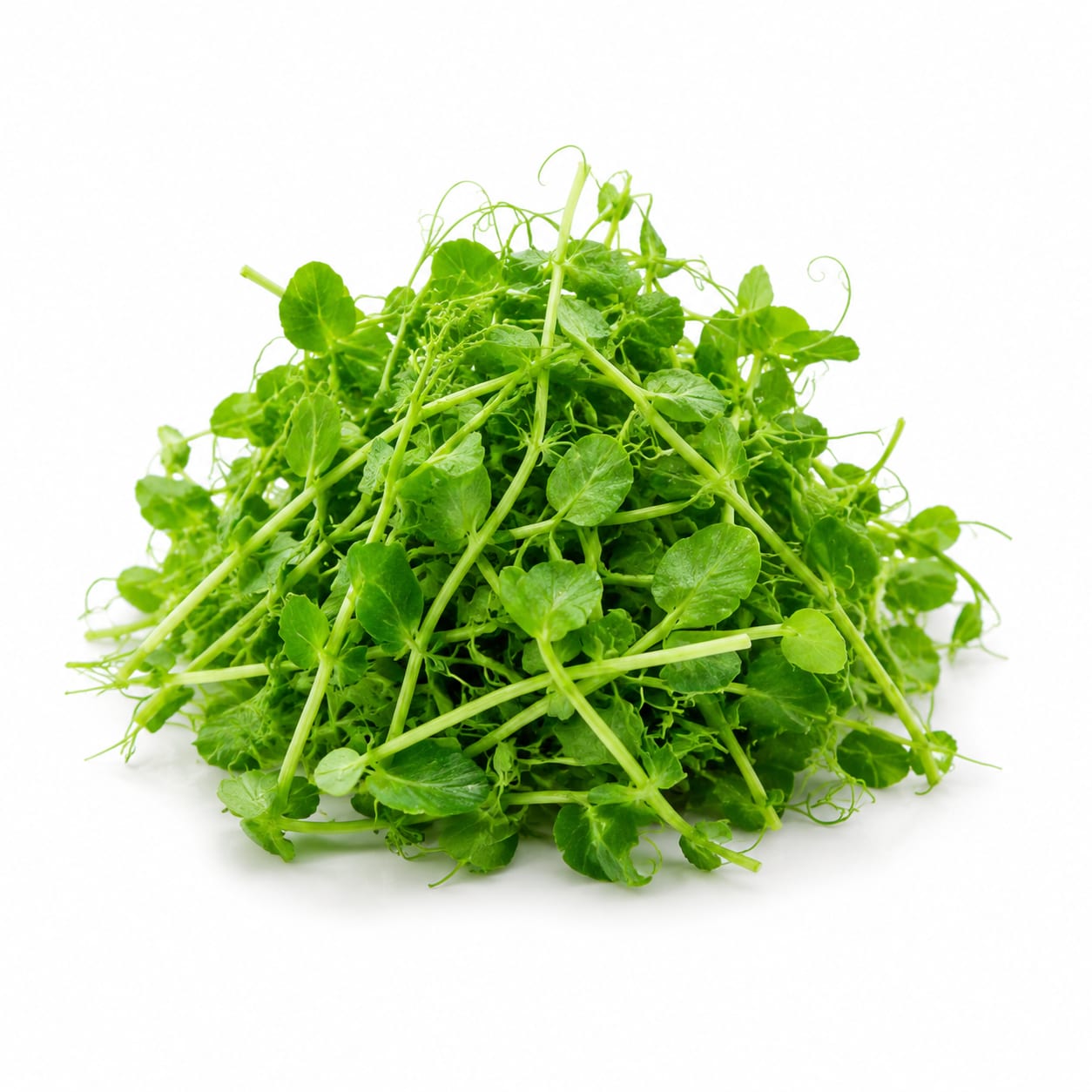
Pea Shoots
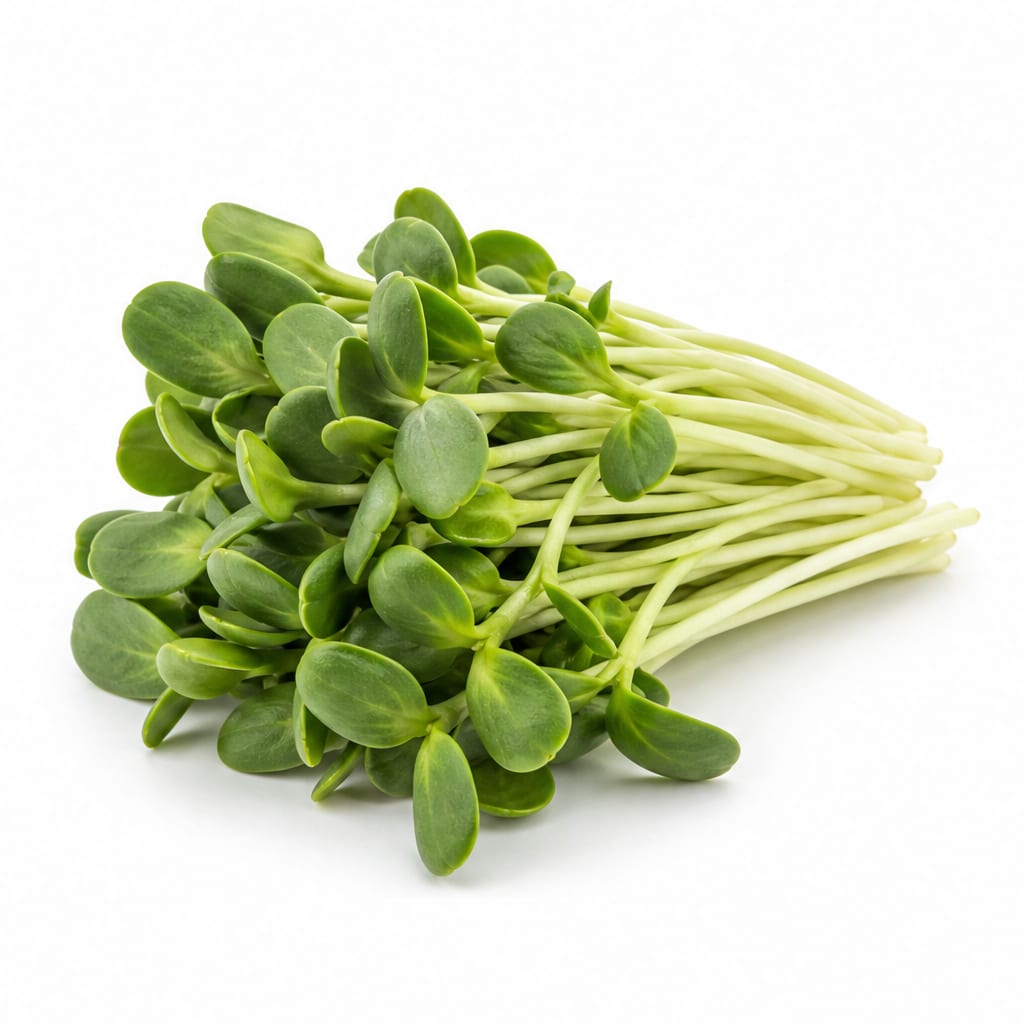
Sunflower Shoots
Pea shoots win on vitamin C and folate; sunflower shoots win on protein, zinc, and vitamin E. Both are nutritional powerhouses with different strengths.
Sunflower shoots edge ahead slightly due to higher protein, zinc, iron, and vitamin E content. Pea shoots remain excellent for vitamin C and folate. The gap is small because both are top-tier nutrient-dense foods.
Pea shoots deliver more immune-supporting vitamin C and folate, while sunflower shoots offer more protein, healthy fats, and minerals like zinc and iron.
At a glance
Executive summary
Overall
It depends
Healthier
It depends
More practical
Pea Shoots
Daily use
Sunflower Shoots
Key comparison lenses
nutrient density comparison
Both are microgreens prized for concentrated nutrients; users want to know which packs more per bite
protein and mineral content
Sunflower shoots carry more stored minerals and protein from the seed; pea shoots offer different phytonutrients
antioxidant and vitamin profile
Each shoot type emphasizes different vitamins—vitamin C and folate vs vitamin D and vitamin E
culinary versatility and flavor
Taste and texture differences affect how people actually use them in meals
safety and growing concerns
Microgreens carry contamination risks that differ by seed type and growing conditions
Best choice for
Pea Shoots
- Immune system support and vitamin C intake
- Pregnancy nutrition due to higher folate
- Light, fresh salads where tenderness matters
- Antioxidant variety with carotenoids
Sunflower Shoots
- Plant-based protein boosting
- Zinc and iron supplementation through food
- Vitamin E and healthy fat intake
- Heartier textures in sandwiches and wraps
Least suitable for
Pea Shoots
- Those needing significant protein from greens
- People seeking zinc-rich plant foods
Sunflower Shoots
- Those watching fat intake very strictly
- People wanting maximum vitamin C from microgreens
Deep comparison
Dimension by dimension
Each lens scores both foods and breaks down who each option suits.
- Dimension 1 · Priority 92Pea Shoots
Vitamin and Antioxidant Profile
Pea Shoots · 88Sunflower Shoots · 82Pea shoots deliver significantly more vitamin C and folate, plus carotenoids like lutein. Sunflower shoots counter with vitamin E and some vitamin D—rare in plants.
Tradeoff
Pea shoots excel at water-soluble vitamins; sunflower shoots excel at fat-soluble vitamins. You get different antioxidant coverage from each.
Why it matters
Vitamin C supports immunity and iron absorption. Folate is critical for cell repair and pregnancy. Vitamin E protects cell membranes. Both profiles are valuable but serve different body systems.
Real-world impact
If you feel run down or need immune support, pea shoots are the better daily addition. For skin health and cellular protection, sunflower shoots have the edge.
Pea Shoots
- Immune support during cold season
- Prenatal nutrition and folate needs
- Iron absorption enhancement from vitamin C
Better for
- Fat-soluble vitamin coverage
Worse for
Sunflower Shoots
- Skin and cellular protection via vitamin E
- Plant-based vitamin D source
- Long-term antioxidant defense
Better for
- Vitamin C and folate density
Worse for
- Dimension 2 · Priority 90Sunflower Shoots
Protein and Mineral Content
Pea Shoots · 72Sunflower Shoots · 89Sunflower shoots contain notably more protein, zinc, iron, and magnesium than pea shoots, thanks to the nutrient-dense sunflower seed they grow from.
Tradeoff
Sunflower shoots carry more stored minerals and protein from the seed. Pea shoots are lighter nutritionally but also lighter in texture and easier to eat in volume.
Why it matters
Zinc supports immunity and wound healing. Iron prevents fatigue. Protein from greens helps vegetarians close nutrient gaps. These minerals are often deficient in plant-based diets.
Real-world impact
A handful of sunflower shoots gives you more of the minerals that keep energy steady and immune function strong. Pea shoots still contribute but you would need to eat more volume.
Pea Shoots
- Light mineral supplementation without heaviness
Better for
- Significant protein contribution
- Zinc and iron density
Worse for
Sunflower Shoots
- Plant-based zinc and iron intake
- Protein boosting in salads and wraps
- Magnesium for muscle recovery
Better for
- Nothing major—mineral profile is a clear strength
Worse for
- Dimension 3 · Priority 75Sunflower Shoots
Healthy Fat Content
Pea Shoots · 55Sunflower Shoots · 82Sunflower shoots retain more healthy fats from the sunflower seed, including linoleic acid. Pea shoots are nearly fat-free.
Tradeoff
The fats in sunflower shoots help absorb fat-soluble vitamins but add slight caloric density. Pea shoots are lighter but you may need to pair them with a fat source for full vitamin absorption.
Why it matters
Fat-soluble vitamins need dietary fat for absorption. Sunflower shoots partially solve this by providing both the vitamins and the fat together.
Real-world impact
Eating sunflower shoots alone gives you a more self-contained nutrient package. With pea shoots, add olive oil or avocado to get the most from their fat-soluble nutrients.
Pea Shoots
- Very low-calorie garnishing
Better for
- Needs pairing with fat for full nutrient absorption
Worse for
Sunflower Shoots
- Self-contained fat-soluble vitamin absorption
- More satisfying mouthfeel from healthy fats
- Standalone snack nutrition
Better for
- Slightly higher calories per serving—negligible but real
Worse for
- Dimension 4 · Priority 78Pea Shoots
Culinary Versatility and Flavor
Pea Shoots · 86Sunflower Shoots · 79Pea shoots have a sweet, delicate pea flavor and tender stems that work in salads, stir-fries, and as garnishes. Sunflower shoots are nutty and heartier with a satisfying crunch but can feel heavier.
Tradeoff
Pea shoots blend into more dishes effortlessly. Sunflower shoots add distinct nutty character that shines in some contexts but dominates in others.
Why it matters
The best microgreen is the one you actually enjoy eating regularly. Flavor versatility determines how often it makes it onto your plate.
Real-world impact
Pea shoots disappear beautifully into salads, soups, and sandwiches. Sunflower shoots want to be the star—great on avocado toast or grain bowls, less ideal as a quiet garnish.
Pea Shoots
- Salads where you want light sweetness
- Stir-fries that benefit from quick wilting
- Garnishing without overwhelming other flavors
Better for
- Dishes where you want substantial crunch
Worse for
Sunflower Shoots
- Sandwiches and wraps needing crunch
- Grain bowls where nutty flavor complements
- Avocado toast topping
Better for
- Delicate dishes where nutty flavor overpowers
Worse for
- Dimension 5 · Priority 70Pea Shoots
Digestibility and Lightness
Pea Shoots · 87Sunflower Shoots · 76Pea shoots are lighter and easier to digest in large quantities. Sunflower shoots are denser and their fiber can be slightly more filling but also more work for sensitive stomachs.
Tradeoff
Lightness means you can eat more volume with pea shoots but get fewer calories and minerals. Density means sunflower shoots are more filling per bite.
Why it matters
For people with sensitive digestion or who want to eat large salads, lighter greens are more comfortable. For those wanting satiety from smaller portions, denser shoots help.
Real-world impact
A big bowl of pea shoots feels refreshing and easy. The same volume of sunflower shoots might feel heavy. Choose based on how your stomach handles volume.
Pea Shoots
- Large salad portions without bloating
- Sensitive digestion
- Light meals before exercise
Better for
- Feeling full from small amounts
Worse for
Sunflower Shoots
- Smaller portions that feel satisfying
- Appetite control between meals
Better for
- Eating large volumes comfortably
Worse for
- Dimension 6 · Priority 68Pea Shoots
Food Safety and Contamination Risk
Pea Shoots · 78Sunflower Shoots · 72Both carry typical microgreen contamination risks, but sunflower seeds are more prone to mold during sprouting due to their high fat content and seed structure.
Tradeoff
Pea seeds sprout more cleanly and resist mold better. Sunflower seeds require more careful growing conditions but are perfectly safe when properly handled.
Why it matters
Home growers and consumers of raw microgreens face real contamination risks. Mold and bacterial growth are the primary concerns with any sprout or microgreen.
Real-world impact
If growing at home, pea shoots are more forgiving and less likely to develop mold. Store-bought versions of both are generally safe when sourced from reputable suppliers.
Pea Shoots
- Home growing with less mold risk
- Beginner-friendly sprouting
Better for
- Still carries standard microgreen contamination risk
Worse for
Sunflower Shoots
- Nothing specific—slightly higher risk profile
Better for
- Higher mold risk during sprouting
- Fat content can go rancid if stored too long
Worse for
Timeline
Health impact over time
Short-term
Hours to days
Pea Shoots
- Quick vitamin C boost supporting immune function
- Light hydration from high water content
- Gentle fiber supporting digestion without heaviness
Sunflower Shoots
- More immediate mineral replenishment, especially zinc and iron
- Sustained energy from protein and healthy fats
- More filling per serving, reducing between-meal hunger
Long-term
Months to years
Pea Shoots
- Consistent folate intake supports cellular repair and heart health
- Carotenoid accumulation benefits eye health over time
- Low calorie density supports weight management when eaten regularly
Sunflower Shoots
- Zinc and iron accumulation supports immune resilience and energy
- Vitamin E provides ongoing cellular protection against oxidative stress
- Protein contribution aids muscle maintenance in plant-based diets
Risk profile
Safety & processing
Both pea shoots and sunflower shoots are whole, unprocessed microgreens. Neither contains additives, preservatives, or artificial ingredients. They are among the most natural foods you can eat.
Pea Shoots
Bacterial contamination from growing medium
mediumLike all microgreens, pea shoots can harbor Salmonella or E. coli if grown in contaminated conditions. Source from reputable suppliers or grow at home with clean practices.
Pesticide residue on non-organic seeds
lowSeeds treated with fungicides can transfer residues. Choose organic seeds for home growing.
Sunflower Shoots
Mold during sprouting
mediumSunflower seeds are more susceptible to mold due to high fat content and seed hull structure. Proper airflow and humidity control are essential during growing.
Rancidity from fat content
lowThe healthy fats in sunflower shoots can oxidize if stored too long. Use within a few days of harvest for best quality and safety.
Bacterial contamination from growing medium
mediumSame general microgreen risk as pea shoots. Clean growing conditions and reputable sourcing minimize this.
Who wins for whom
Audience fit
Same foods, different winners depending on your goal.
children
Pea ShootsMilder, sweeter flavor and softer texture make pea shoots more appealing to kids. The delicate taste is less likely to be rejected.
daily consumption
Sunflower ShootsBroader nutrient coverage including protein, minerals, healthy fats, and fat-soluble vitamins makes sunflower shoots a more complete daily addition.
diabetes
Pea ShootsLower carbohydrate and calorie density with higher fiber ratio makes pea shoots slightly more blood-sugar friendly, though both are excellent choices.
elderly
Sunflower ShootsHigher zinc, iron, and protein content addresses common deficiencies in older adults. Vitamin E supports cellular protection during aging.
muscle gain
Sunflower ShootsHigher protein and mineral content per serving supports muscle repair and recovery, especially valuable in plant-based diets.
weight loss
Pea ShootsLower calorie density and higher water content let you eat more volume with fewer calories, supporting satiety without overconsumption.
Your move
Decision guide
Choose Pea Shoots
- You want maximum vitamin C and folate from your greens
- You prefer delicate, sweet flavors that blend into any dish
- You have a sensitive stomach and want lighter greens
- You are growing microgreens at home and want easier, more reliable results
- You are pregnant or trying to conceive and prioritizing folate
Choose Sunflower Shoots
- You want more protein and minerals from your microgreens
- You are plant-based and need zinc, iron, and healthy fats
- You enjoy nutty flavors and satisfying crunch
- You want a more self-contained nutrient package without needing to add fat
- You are focused on skin health and cellular protection
Either works if
- You simply want to add nutrient-dense greens to your diet
- You rotate microgreens for diverse antioxidant coverage
- You use them as garnishes where nutrition matters more than type
- You are generally healthy and eat a varied diet
Avoid both if
- You have a confirmed allergy to peas or sunflower seeds
- You are immunocompromised and concerned about raw microgreen contamination—cook them first
- You cannot source them from reliable suppliers with safe growing practices
Final recommendation
Eat both. Pea shoots and sunflower shoots complement each other beautifully—pea shoots cover your water-soluble vitamin needs while sunflower shoots cover your minerals and fat-soluble vitamins. If you must choose one, sunflower shoots offer slightly more complete daily nutrition, but pea shoots are easier to grow, gentler on digestion, and more versatile in the kitchen. The best choice is whichever one you will actually eat consistently.
Practical
Consumer tips
- 1
Rotate between pea shoots and sunflower shoots weekly for the broadest nutrient coverage
- 2
Pair pea shoots with a healthy fat like olive oil or avocado to absorb their fat-soluble nutrients
- 3
Use sunflower shoots within 3-4 days of purchase—their fats can oxidize and turn rancid
- 4
If growing at home, use organic seeds and ensure good airflow to prevent mold, especially with sunflower shoots
- 5
Add pea shoots at the last second to stir-fries—they wilt beautifully but lose vitamin C with prolonged heat
- 6
Sunflower shoots hold up better as a sandwich layer because their crunch persists longer
- 7
Wash all microgreens thoroughly right before eating, not before storing—moisture accelerates spoilage
- 8
Store both in a breathable container in the refrigerator; sealed plastic bags trap moisture and promote rot