
Nutrition comparison
Pea Shoots vs Spinach: Which Leafy Green Is Healthier?
Compare Pea Shoots vs Spinach for nutrition, oxalates, and taste. Discover which green is better for kidney health, salads, and daily meals.
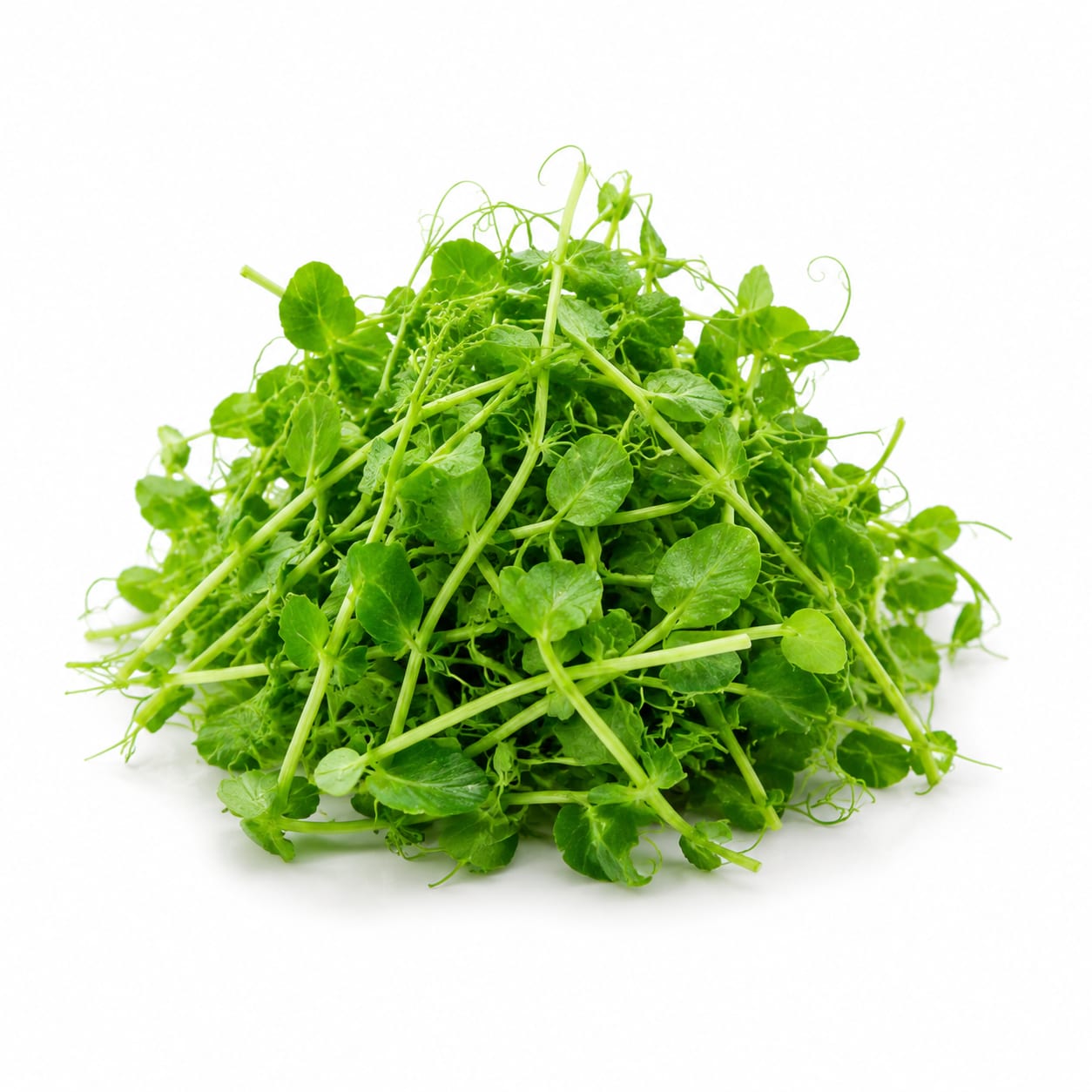
Pea Shoots
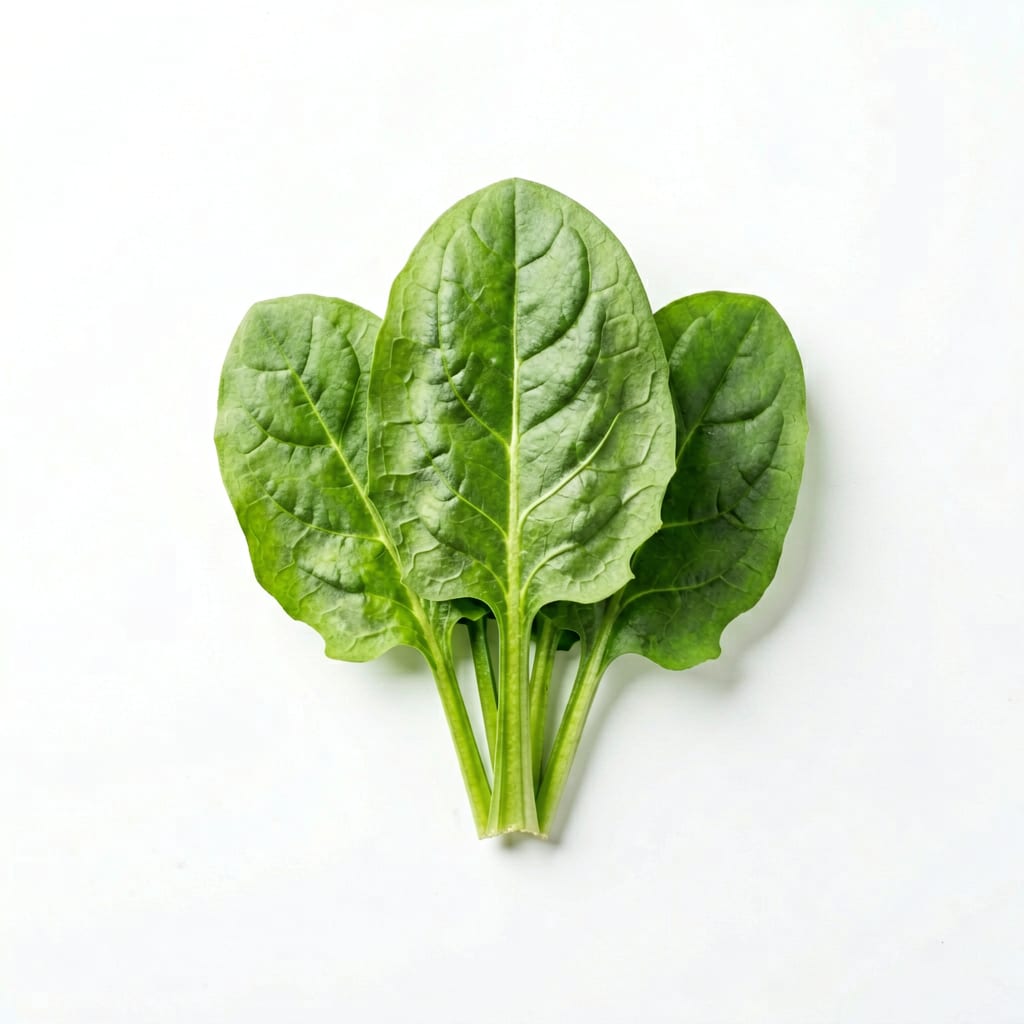
Spinach
Spinach is the nutrient powerhouse and kitchen staple, but Pea Shoots are the safer, sweeter alternative for those watching oxalates.
Spinach scores higher due to its exceptional nutrient density and everyday versatility, but Pea Shoots remain a strong contender for specific dietary needs like low-oxalate diets.
You trade Spinach's superior iron and vitamin K content for Pea Shoots' lower oxalate levels and sweeter, crisper bite.
At a glance
Executive summary
Overall
It depends
Healthier
Spinach
More practical
Spinach
Daily use
Spinach
Key comparison lenses
Nutrient density comparison
Users want to know which leafy green packs more vitamins and minerals per bite.
Kidney stone risk and oxalate content
Spinach is notoriously high in oxalates, making this a critical differentiator for sensitive individuals.
Culinary versatility and availability
Spinach is a kitchen staple available everywhere, while Pea Shoots are more seasonal and specialty.
Best choice for
Pea Shoots
- People prone to kidney stones
- Those seeking a sweet, tender salad green
- Anyone tired of standard leafy greens
Spinach
- Those needing an iron or folate boost
- Budget-conscious shoppers
- People who cook greens regularly
Least suitable for
Pea Shoots
- People on a tight grocery budget
- Those needing high iron intake from greens
Spinach
- People with a history of calcium oxalate kidney stones
- Those who dislike bitter or earthy flavors raw
Deep comparison
Dimension by dimension
Each lens scores both foods and breaks down who each option suits.
- Dimension 1 · Priority 95Spinach
Micronutrient Density
Pea Shoots · 70Spinach · 95Spinach is a nutritional heavyweight, delivering significantly more iron, folate, vitamin A, and vitamin K than Pea Shoots.
Tradeoff
Choosing Pea Shoots means missing out on the high iron and folate levels that make Spinach famous.
Why it matters
If you rely on greens for blood health and energy, Spinach gets the job done much more efficiently.
Real-world impact
A single cup of cooked Spinach covers most of your daily vitamin A and K needs, whereas Pea Shoots offer lighter, more modest support.
Pea Shoots
- Avoiding iron overload (if that is a specific medical concern)
Better for
- Correcting iron deficiency
Worse for
Spinach
- Boosting energy and fighting fatigue
- Supporting pregnancy with folate
- Building strong bones with vitamin K
Better for
- Those who struggle with iron-related digestive discomfort
Worse for
- Dimension 2 · Priority 88Pea Shoots
Oxalate & Kidney Safety
Pea Shoots · 90Spinach · 30Pea Shoots are very low in oxalates, while Spinach is one of the highest-oxalate foods you can eat.
Tradeoff
Spinach brings more calcium, but its oxalates bind to it, making that calcium harder to absorb and increasing kidney stone risk.
Why it matters
For anyone with a history of kidney stones, eating Spinach regularly is a major risk factor that is often overlooked.
Real-world impact
If you have ever passed a kidney stone, swapping Spinach for Pea Shoots in your salads and smoothies is a smart, pain-saving move.
Pea Shoots
- Preventing calcium oxalate kidney stones
- Easier mineral absorption
Better for
- None significant regarding oxalates
Worse for
Spinach
- Situations where oxalate sensitivity is not a concern
Better for
- People with a history of kidney stones
- Those prone to mineral absorption issues
Worse for
- Dimension 3 · Priority 80Spinach
Versatility & Value
Pea Shoots · 55Spinach · 90Spinach is cheap, available year-round, and works raw or cooked. Pea Shoots are pricier, harder to find, and best eaten raw.
Tradeoff
You pay a premium for Pea Shoots' delicate texture and get less cooking flexibility in return.
Why it matters
A green you can afford and find easily is one you will actually eat consistently.
Real-world impact
Spinach shrinks down beautifully into soups and stir-fries, while Pea Shoots wilt into nothing and are best as a fresh salad base or garnish.
Pea Shoots
- High-end restaurant-style plating
- Raw salad enthusiasts
Better for
- Bulk cooking on a budget
Worse for
Spinach
- Cooking and hot meals
- Budget meal prep
- Smoothies
Better for
- Raw dishes where a sweet, crisp texture is desired
Worse for
- Dimension 4 · Priority 72Pea Shoots
Taste & Raw Eating Experience
Pea Shoots · 88Spinach · 65Pea Shoots offer a sweet, crisp, and refreshing bite. Raw Spinach can be earthy, slightly bitter, and chewy.
Tradeoff
Spinach's earthy flavor works well with heavy dressings, but Pea Shoots are naturally snackable and pleasant on their own.
Why it matters
If a green tastes good raw, you are more likely to eat it fresh and preserve its heat-sensitive vitamins.
Real-world impact
Kids and picky eaters often prefer the sweet snap of Pea Shoots over the metallic chew of raw Spinach.
Pea Shoots
- Light, refreshing salads
- Snacking straight from the bag
Better for
- Recipes requiring a substantial cooked green
Worse for
Spinach
- Hearty salads with rich dressings
- Dishes where a mild earthiness is desired
Better for
- Delicate flavor profiles where bitterness stands out
Worse for
Timeline
Health impact over time
Short-term
Hours to days
Pea Shoots
- Provides a light, hydrating crunch
- Gentle on the stomach due to low oxalates
Spinach
- Delivers a quick hit of vitamins A and K
- Can feel heavy or astringent raw due to oxalates coating the teeth
Long-term
Months to years
Pea Shoots
- Supports a low-oxalate lifestyle for kidney health
- Contributes steady but moderate vitamin C and antioxidants
Spinach
- Excellent for cardiovascular and bone health via high vitamin K and folate
- Risk of kidney stones if consumed in large quantities daily over years
Risk profile
Safety & processing
Both are whole, natural leafy greens typically sold fresh without additives.
Pea Shoots
Bacterial contamination
mediumGrown in humid sprouting environments, Pea Shoots can harbor bacteria like E. coli or Salmonella if not properly washed.
Spinach
Bacterial contamination
mediumPre-washed bagged Spinach has a history of E. coli outbreaks; always wash thoroughly regardless of packaging claims.
High oxalate consumption
mediumRegular high intake can lead to calcium oxalate kidney stones in susceptible individuals.
Who wins for whom
Audience fit
Same foods, different winners depending on your goal.
children
Pea ShootsThe sweet, crisp texture of Pea Shoots is far more appealing to kids than the earthy, chewy leaves of raw Spinach.
daily consumption
SpinachSpinach is more affordable and versatile for everyday meals, though variety with Pea Shoots is encouraged to manage oxalate intake.
diabetes
SpinachSpinach has a proven track record of stabilizing blood sugar and offers more magnesium, which helps with insulin sensitivity.
elderly
SpinachThe high vitamin K in Spinach is vital for bone density and blood clotting in older adults, provided kidney function is healthy.
muscle gain
SpinachSpinach provides more iron to support oxygen transport in the blood, which is crucial during heavy training.
weight loss
SpinachSpinach is incredibly low in calories and more filling when cooked, making it easier to bulk out meals.
Your move
Decision guide
Choose Pea Shoots
- You have a history of kidney stones or are on a low-oxalate diet
- You want a sweeter, crisper green for raw salads
- You are trying to introduce more greens to picky eaters or children
Choose Spinach
- You need an affordable, nutrient-dense staple for cooking
- You are looking to boost your iron, folate, or vitamin K intake
- You are making smoothies, soups, or cooked side dishes
Either works if
- You just want a fresh salad base and have no oxalate concerns
- You are rotating your greens for broad-spectrum antioxidants
Avoid both if
- You are on a strict vitamin K-restricted diet due to blood thinners like Warfarin
Final recommendation
Keep Spinach as your daily driver for its unmatched nutrient density and value, but regularly swap it for Pea Shoots to give your kidneys a break from oxalates and your palate a sweet, fresh treat.
Practical
Consumer tips
- 1
Squeeze lemon juice over Spinach; the vitamin C helps your body absorb its plant-based iron much more effectively.
- 2
Boiling Spinach and discarding the water can reduce its oxalate content by up to 87%, making it safer for kidney health.
- 3
Store Pea Shoots like fresh flowers: upright in a jar with a little water in the fridge to keep them crisp longer.
- 4
Do not judge Spinach by its raw volume; it cooks down dramatically, so use far more than you think you need for cooked dishes.