
Nutrition comparison
Pea Shoots vs Broccoli Microgreens: Which Is Healthier?
Compare pea shoots and broccoli microgreens on sulforaphane content, taste, digestion, and growing ease. Find out which microgreen is better for your health goals.
Overall winner · Broccoli Microgreens
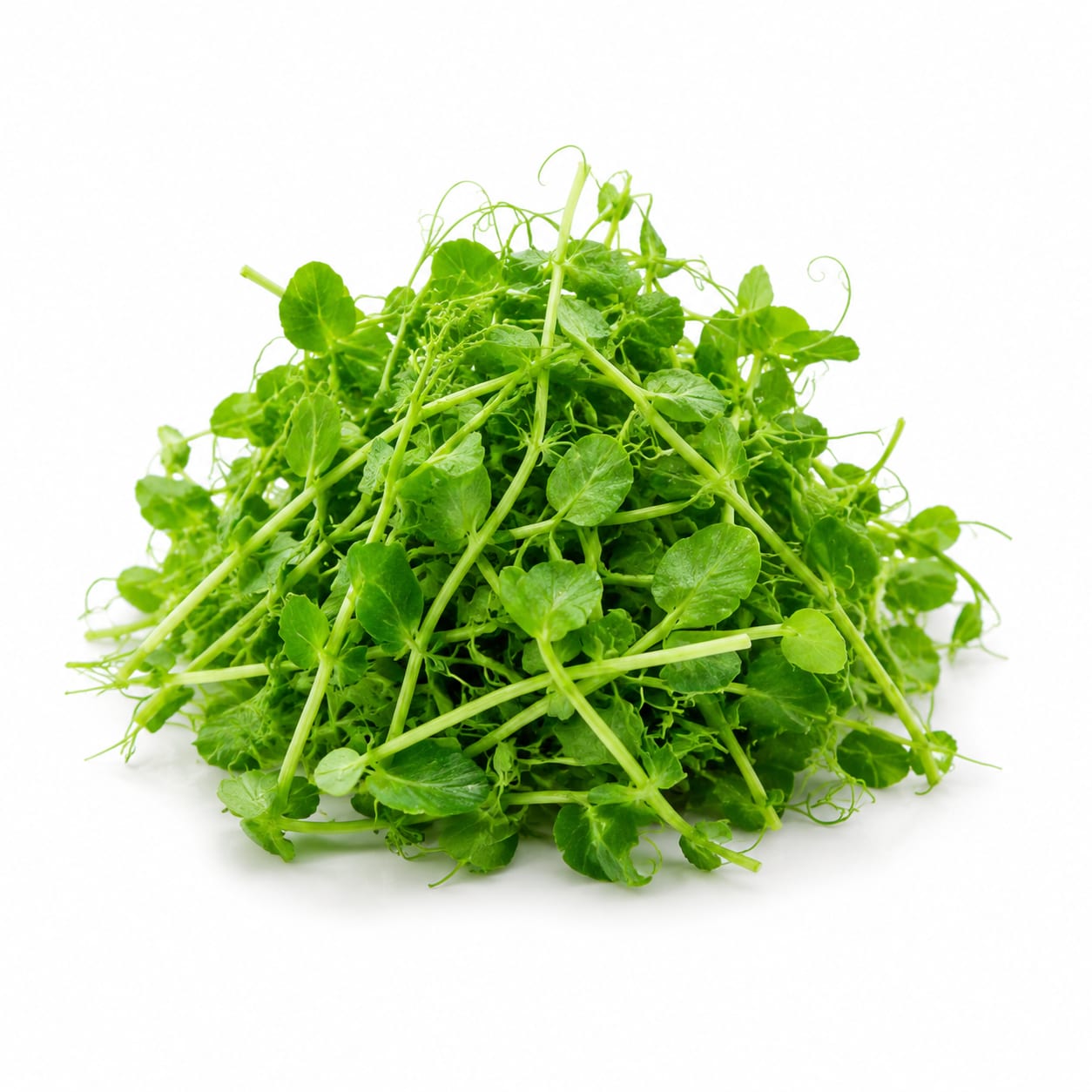
Pea Shoots
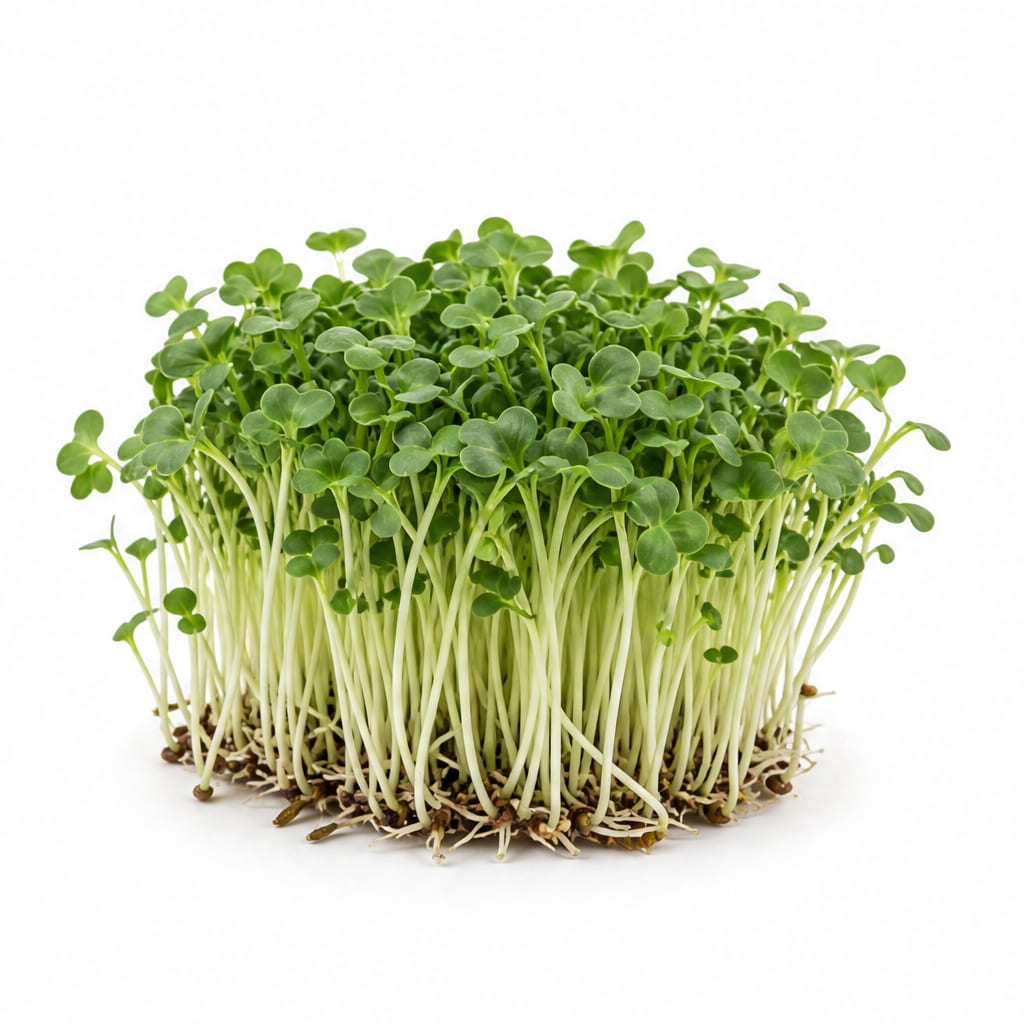
Broccoli Microgreens
Broccoli microgreens win on sheer nutritional firepower, especially sulforaphane, but pea shoots are the more enjoyable and digestible daily green.
Broccoli microgreens score higher due to dramatically higher sulforaphane and glucosinolate content, but pea shoots close the gap with better taste, easier digestion, and more practical daily usability. The 9-point gap reflects that nutritional edge matters more than convenience for most health-motivated users comparing these two.
Cancer-fighting potency versus taste and digestive comfort — broccoli microgreens deliver more per gram but pea shoots are easier to eat consistently.
At a glance
Executive summary
Overall
Broccoli Microgreens
Healthier
Broccoli Microgreens
More practical
Pea Shoots
Daily use
It depends
Key comparison lenses
antioxidant and cancer fighting potential
Broccoli microgreens are renowned for sulforaphane content, a compound with strong anticancer research backing, making this the most consequential difference between these two greens
nutrient density per calorie
Both foods are extremely low-calorie, so users want to know which delivers more nutritional value per bite
taste and culinary versatility
Pea shoots offer a sweet, mild flavor that appeals to more people, while broccoli microgreens are peppery and bitter, affecting daily enjoyment and sustainability
home growing practicality
Both are commonly grown at home, and users comparing them are likely interested in which is easier and more rewarding to cultivate
digestive tolerance
Cruciferous microgreens can cause gas or bloating in sensitive individuals, while pea shoots are gentler on digestion
Best choice for
Pea Shoots
- People with sensitive digestion who find cruciferous vegetables bloating
- Families wanting a mild green kids will actually eat
- Home growers seeking a fast, forgiving, high-yield crop
- Anyone who finds bitter greens unpleasant and wants sustainable daily intake
Broccoli Microgreens
- People prioritizing cancer prevention and long-term disease resistance
- Those seeking maximum antioxidant density in minimal calories
- Anyone already comfortable with strong-flavored greens
- Individuals with a family history of cancers where sulforaphane research is relevant
Least suitable for
Pea Shoots
- People specifically seeking sulforaphane or glucosinolate benefits
- Anyone wanting the most nutrient-dense option per gram
- Those who enjoy bold, peppery flavors and find mild greens boring
Broccoli Microgreens
- People with IBS or cruciferous sensitivity who experience gas and bloating
- Children or picky eaters who reject bitter flavors
- Anyone wanting a large-volume salad base — broccoli microgreens are too intense and expensive for that role
Deep comparison
Dimension by dimension
Each lens scores both foods and breaks down who each option suits.
- Dimension 1 · Priority 95Broccoli Microgreens
anticancer_and_antioxidant_potency
Pea Shoots · 45Broccoli Microgreens · 96Broccoli microgreens contain sulforaphane at levels 20-50 times higher than mature broccoli, while pea shoots lack glucosinolates entirely.
Tradeoff
You gain significant chemoprotective compounds with broccoli microgreens but sacrifice the mild, sweet eating experience of pea shoots.
Why it matters
Sulforaphane is one of the most studied natural compounds for cancer prevention, activating the Nrf2 pathway that supports cellular defense mechanisms.
Real-world impact
A small handful of broccoli microgreens delivers the sulforaphane equivalent of eating an entire head of mature broccoli — a practical shortcut for people who struggle with cruciferous vegetable volume.
Pea Shoots
- Anyone who cannot tolerate cruciferous compounds
- Those already eating ample broccoli and brassicas daily
Better for
- Relying on pea shoots as your primary disease-prevention green
Worse for
Broccoli Microgreens
- People seeking maximum cancer-fighting nutrition in minimal food volume
- Anyone with family history of hormone-related cancers
- Those who rarely eat cruciferous vegetables and need a concentrated source
Better for
- Overeating them raw if you have thyroid concerns — excess raw cruciferous intake can interfere with iodine uptake
Worse for
- Dimension 2 · Priority 85Broccoli Microgreens
vitamin_and_mineral_density
Pea Shoots · 68Broccoli Microgreens · 82Broccoli microgreens pack more vitamin C, vitamin K, and vitamin E per gram, while pea shoots offer respectable folate and vitamin A but less overall density.
Tradeoff
Broccoli microgreens are the more complete micronutrient package, but pea shoots still deliver solid nutrition with a more pleasant eating experience.
Why it matters
Vitamin K supports bone health and blood clotting, while vitamin C from broccoli microgreens exceeds many citrus fruits per calorie — valuable for immune support.
Real-world impact
Adding broccoli microgreens to a meal meaningfully boosts your vitamin K and C intake for the day, whereas pea shoots contribute more modestly but still outperform iceberg lettuce or spinach shoots.
Pea Shoots
- Those specifically wanting more folate for pregnancy support
- People who eat larger volumes and get their vitamins from quantity rather than concentration
Better for
- Anyone relying on pea shoots as a primary vitamin source — they are complementary, not sufficient
Worse for
Broccoli Microgreens
- Anyone eating small portions who needs maximum vitamin density per bite
- People with vitamin K deficiency concerns
- Those recovering from illness and needing concentrated immune support
Better for
- People on blood thinners who must monitor vitamin K intake closely
Worse for
- Dimension 3 · Priority 80Pea Shoots
taste_and_eating_enjoyment
Pea Shoots · 88Broccoli Microgreens · 55Pea shoots are sweet, tender, and universally appealing, while broccoli microgreens are peppery, bitter, and polarizing.
Tradeoff
You will actually want to eat pea shoots regularly, while broccoli microgreens often require masking in smoothies or mixing with other greens.
Why it matters
The healthiest food is the one you eat consistently. Bitterness is the top reason people abandon microgreens after the first purchase.
Real-world impact
Pea shoots work as a standalone salad or garnish that people look forward to. Broccoli microgreens often end up forgotten in the fridge because nobody in the household volunteers to eat them plain.
Pea Shoots
- Kids and picky eaters
- Anyone wanting a salad green they enjoy eating rather than tolerate
- People new to microgreens who need a positive first experience
Better for
- Experienced microgreen enthusiasts who find pea shoots too one-dimensional
Worse for
Broccoli Microgreens
- Fans of arugula, radish, and other peppery greens
- Anyone who finds mild greens boring and prefers bold flavors
Better for
- Anyone who has to force themselves to eat bitter greens — that habit rarely sticks
Worse for
- Dimension 4 · Priority 75Pea Shoots
digestive_comfort
Pea Shoots · 85Broccoli Microgreens · 58Pea shoots are gentle and well-tolerated, while broccoli microgreens contain goitrogens and fermentable fibers that can cause bloating in sensitive people.
Tradeoff
Broccoli microgreens deliver more active compounds but at the cost of potential digestive discomfort for a significant minority of people.
Why it matters
Cruciferous vegetables are the most common trigger for gas and bloating among health-conscious eaters, and the concentrated form in microgreens amplifies this effect.
Real-world impact
A large serving of broccoli microgreens on an empty stomach can leave you bloated for hours. Pea shoots rarely cause any digestive complaint even in generous portions.
Pea Shoots
- People with IBS, SIBO, or general bloating tendencies
- Anyone who has experienced discomfort from raw broccoli or kale
- Those wanting a gut-friendly salad base
Better for
- Those wanting the prebiotic and detoxification benefits that cruciferous fiber provides
Worse for
Broccoli Microgreens
- People with robust digestion who tolerate cruciferous vegetables well
- Anyone eating small enough portions that the fermentable fiber load stays manageable
Better for
- Anyone with thyroid conditions who should moderate raw cruciferous intake
- People prone to post-meal bloating or gas
Worse for
- Dimension 5 · Priority 72Pea Shoots
home_growing_ease_and_yield
Pea Shoots · 86Broccoli Microgreens · 72Pea shoots germinate reliably, grow quickly, and produce generous yields, while broccoli microgreens are fussier about humidity and more prone to mold issues.
Tradeoff
Pea shoots give beginners a rewarding, nearly foolproof experience, while broccoli microgreens require more attention to airflow and watering technique.
Why it matters
Home growing is where these two foods are most commonly compared, and failed batches discourage people from continuing with microgreens entirely.
Real-world impact
A tray of pea shoots reliably produces a full harvest in 10-14 days with minimal attention. Broccoli microgreens can fail from overwatering, poor airflow, or dense sowing, wasting seeds and motivation.
Pea Shoots
- First-time microgreen growers wanting a confidence-building experience
- Anyone growing in humid environments where mold is a recurring problem
- People who want maximum harvest per tray for the effort invested
Better for
- Growers specifically wanting the sulforaphane yield that only brassica microgreens provide
Worse for
Broccoli Microgreens
- Experienced growers who have mastered humidity and airflow management
- Those willing to invest in fans and proper ventilation for consistent results
Better for
- Beginners who will likely lose their first few trays to mold and feel discouraged
Worse for
- Dimension 6 · Priority 55Pea Shoots
protein_content
Pea Shoots · 72Broccoli Microgreens · 60Pea shoots contain modestly more protein per serving, reflecting their legume heritage, though neither food is a meaningful protein source on its own.
Tradeoff
The protein difference is real but small — neither green will move your daily protein needle significantly.
Why it matters
For people building meals around greens, every gram of protein helps with satiety, but the 1-2 gram difference here is nutritionally minor.
Real-world impact
If you eat a large bowl of pea shoots, you might get 3-4 grams of protein versus 2-3 grams from the same volume of broccoli microgreens — a difference that matters only if you eat enormous quantities.
Pea Shoots
- Vegans and vegetarians tracking every protein gram
- Anyone using shoots as a base for protein-light meals
Better for
- Anyone expecting pea shoots to be a significant protein source — they are not
Worse for
Broccoli Microgreens
- People who prioritize compound benefits over macronutrient content
Better for
- Those already low on daily protein who need every advantage they can get
Worse for
Timeline
Health impact over time
Short-term
Hours to days
Pea Shoots
- Quick energy from easily digested carbohydrates without blood sugar spikes
- Mild hydration benefit from high water content
- Comfortable digestion with minimal bloating risk
Broccoli Microgreens
- Noticeable antioxidant activity within hours of consumption
- Potential mild bloating or gas if eaten in large quantities on an empty stomach
- Slight detoxification-supporting effect from sulforaphane activating liver enzymes
Long-term
Months to years
Pea Shoots
- Consistent intake supports skin health through vitamin A and folate
- Gentle fiber contribution supports regular digestion without irritation
- Sustainable daily habit due to pleasant taste, leading to better long-term adherence
Broccoli Microgreens
- Strong evidence for reduced cancer risk from regular sulforaphane exposure
- Support for cardiovascular health through anti-inflammatory glucosinolate pathways
- Potential thyroid modulation with excessive raw intake — cooking or steaming reduces this concern
- Better cellular aging profiles linked to Nrf2 pathway activation
Risk profile
Safety & processing
Both foods are about as natural as it gets — seeds, water, and light. The only processing concern is how they are grown: some commercial operations use chemical fertilizers or treatments that home growers would not. Source from organic or trusted local growers when possible.
Pea Shoots
bacterial_contamination_from_improper_growing
mediumWarm, humid growing conditions can harbor E. coli or Salmonella if seeds are contaminated or water is unsanitary. Less prone than broccoli microgreens because pea shoots grow faster and are less densely seeded.
pesticide_residue_on_conventional_shoots
lowPea shoots grow quickly and are typically harvested before heavy pesticide application, but conventional sources may still carry residue.
Broccoli Microgreens
mold_and_fungal_growth
mediumBroccoli microgreens are notoriously prone to mold due to dense sowing and slow initial growth. Some mold is harmless, but certain species produce mycotoxins. Proper airflow and seed spacing are essential.
bacterial_contamination_from_seed_source
mediumBroccoli seeds intended for sprouting sometimes carry Salmonella. Always use seeds specifically labeled for microgreen growing and consider a brief food-grade hydrogen peroxide soak before planting.
goitrogen_exposure_with_excessive_raw_consumption
lowRaw cruciferous compounds can interfere with thyroid function in susceptible individuals. This is primarily a concern for people with existing thyroid conditions eating very large amounts daily.
Who wins for whom
Audience fit
Same foods, different winners depending on your goal.
children
Pea ShootsThe sweet, mild flavor of pea shoots is far more appealing to children. Broccoli microgreens taste like concentrated broccoli — a hard sell for most kids.
daily consumption
It dependsPea shoots are easier to eat daily due to taste and digestion, but broccoli microgreens deliver more health value per serving. The best choice depends on whether you prioritize consistency or potency.
diabetes
Broccoli MicrogreensSulforaphane has shown promise in improving insulin sensitivity and reducing fasting blood sugar in clinical studies, giving broccoli microgreens a specific metabolic advantage beyond their low carbohydrate content.
elderly
Broccoli MicrogreensOlder adults benefit most from the concentrated vitamin K for bone health and sulforaphane for cellular protection, and the smaller portions needed make the strong taste manageable.
muscle gain
Pea ShootsPea shoots offer slightly more protein per serving, though neither food moves the needle meaningfully. The real advantage is that pea shoots are more palatable in larger volumes alongside protein-rich meals.
weight loss
It dependsBoth are extremely low in calories and high in volume. Pea shoots are easier to eat in larger quantities, which helps with fullness, while broccoli microgreens deliver more satiating nutrients per gram. The difference is negligible for weight loss.
Your move
Decision guide
Choose Pea Shoots
- You find bitter greens unpleasant and know you will not eat broccoli microgreens consistently
- You have IBS, bloating, or thyroid concerns that make raw cruciferous vegetables risky
- You are growing microgreens for the first time and want a rewarding, low-failure experience
- You want a green that works as a salad base rather than a garnish
- You are feeding children or family members who reject strong flavors
Choose Broccoli Microgreens
- Cancer prevention and antioxidant potency are your top nutritional priorities
- You tolerate cruciferous vegetables well and enjoy peppery, bold flavors
- You want maximum health benefit from the smallest portion size
- You have a family history of cancers where sulforaphane research is most relevant
- You are an experienced home grower who can manage humidity and airflow properly
Either works if
- You simply want more fresh living greens in your diet and both are available
- You are rotating through different microgreens for nutrient diversity — both deserve a place
- You are adding a garnish to meals and the flavor difference is less important
Avoid both if
- You have a compromised immune system and cannot safely consume raw sprouts or microgreens from unverified sources
- You are looking for a significant protein or calorie source — neither food serves that role
Final recommendation
Eat both if you can. Use broccoli microgreens as a small daily garnish — even a tablespoon delivers meaningful sulforaphane — and pea shoots as your larger-volume salad green for enjoyment and bulk. This combination gives you the cancer-fighting compounds you want with the taste and digestion comfort you need to sustain the habit long-term.
Practical
Consumer tips
- 1
If broccoli microgreens taste too bitter, try mixing them with pea shoots at a 1:3 ratio — you get the health benefits without overwhelming your palate
- 2
Lightly steaming broccoli microgreens for 30 seconds reduces goitrogen concerns while preserving most sulforaphane content — chewing them raw with a pinch of mustard seed powder actually boosts sulforaphane absorption
- 3
For home growers, always use seeds labeled specifically for microgreen or sprouting use — garden seeds may be treated with fungicides unsafe for consumption
- 4
Store both greens between paper towels in a sealed container in the refrigerator — they last 5-7 days but are most nutritious in the first 3 days after harvest
- 5
If buying pre-grown microgreens, choose ones still growing on their mat at farmers markets rather than pre-cut trays at grocery stores — living greens retain more nutrients
- 6
Pea shoots regrow after cutting if you leave the lower stems and roots intact — you can get a second, smaller harvest from the same tray