
Nutrition comparison
Pea Shoots vs Watercress: Which Leafy Green Is Healthier?
Complete nutritional comparison of pea shoots and watercress. Discover which green offers more vitamins, better flavor versatility, and stronger disease-fighting evidence for your health goals.
Overall winner · Watercress
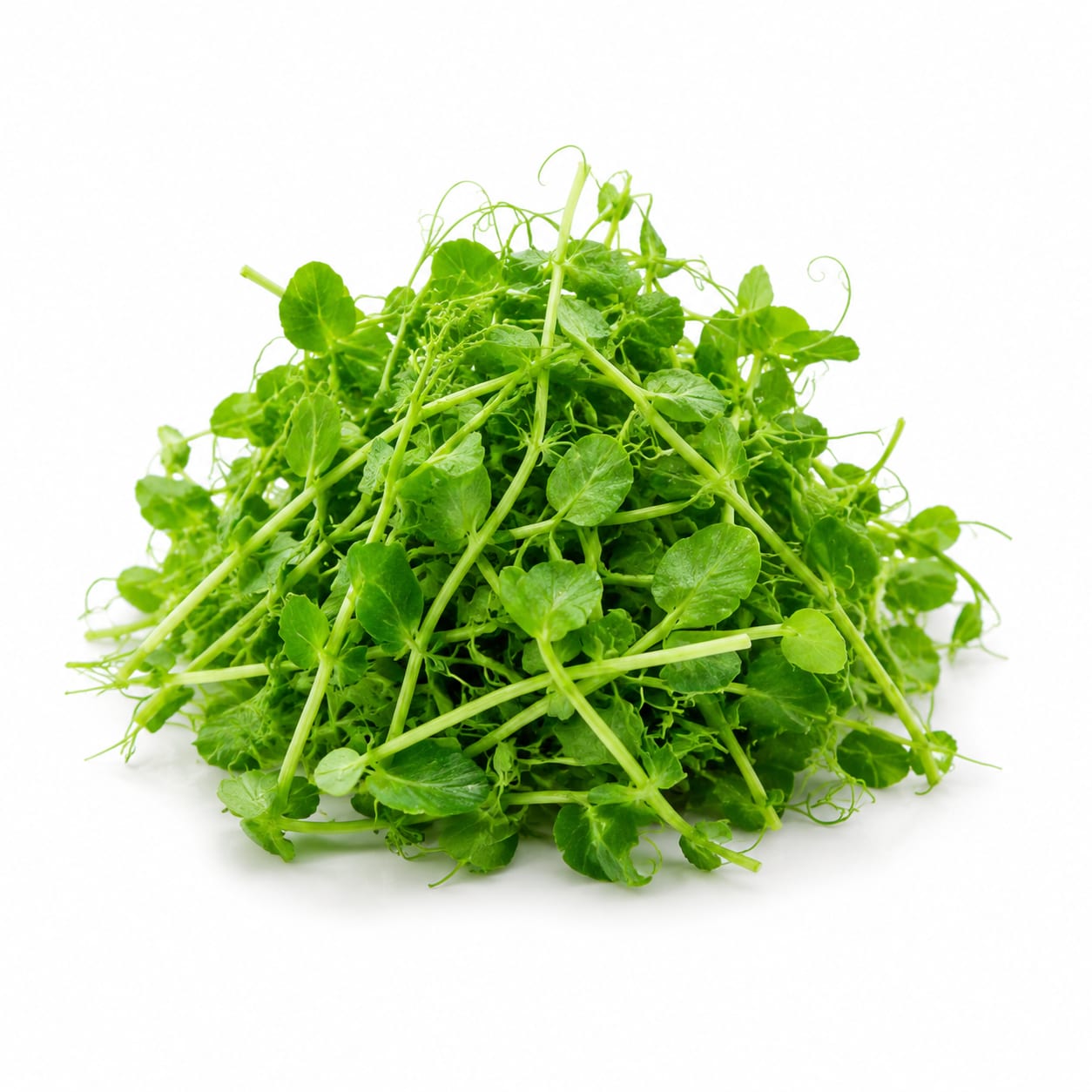
Pea Shoots
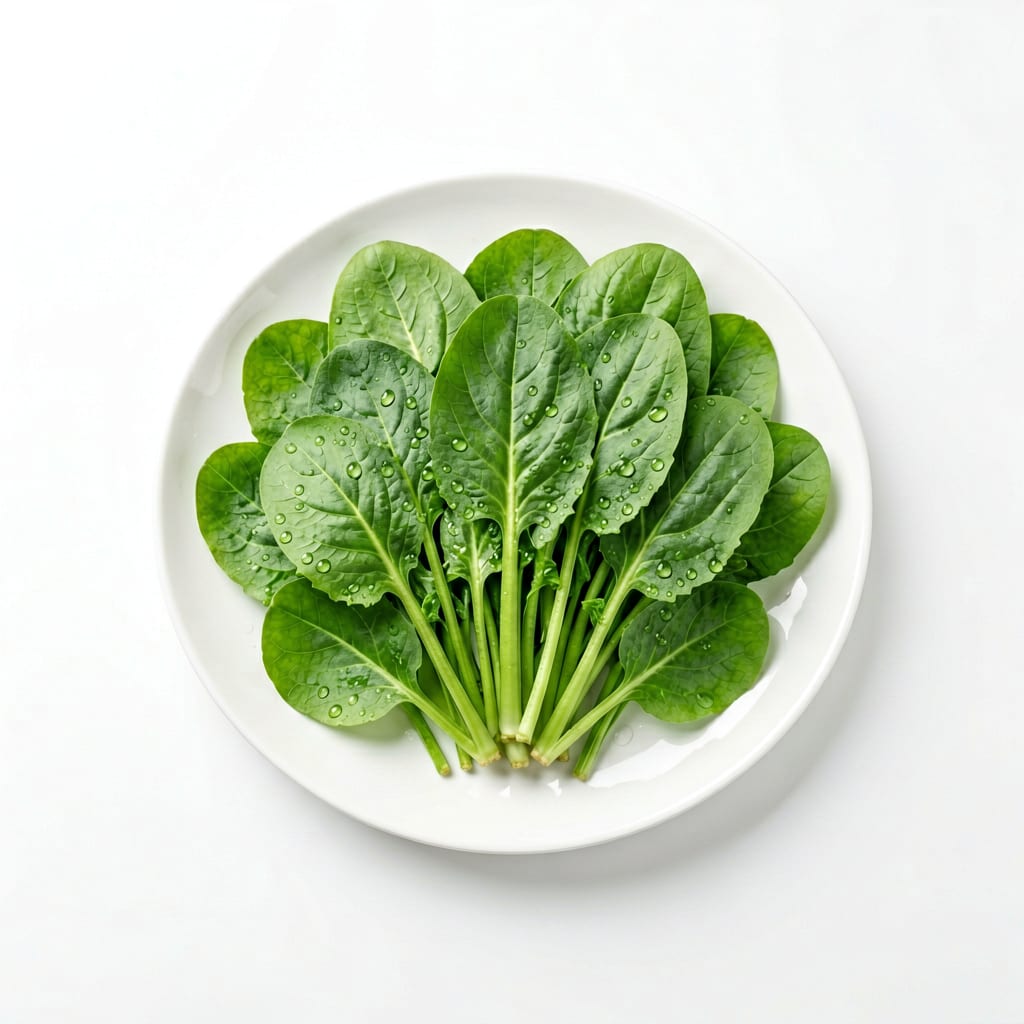
Watercress
Watercress is the nutritional heavyweight champion, but pea shoots win on versatility and approachability.
Watercress scores significantly higher due to its exceptional nutrient density and strong clinical evidence for disease prevention. Pea shoots remain a solid choice but cannot match the vitamin and mineral concentration of watercress.
You trade mild flavor and culinary flexibility for dramatically more vitamins and disease-fighting compounds when you choose watercress.
At a glance
Executive summary
Overall
Watercress
Healthier
Watercress
More practical
Pea Shoots
Daily use
It depends
Key comparison lenses
nutrient density comparison
Watercress is consistently ranked as the most nutrient-dense vegetable available, making this the central question for most users
flavor and culinary versatility
These greens have very different flavor profiles—mild sweetness vs peppery bite—which strongly affects how people actually use them
daily salad green selection
Both are premium salad greens, so users are likely choosing between them for everyday meals
antioxidant and disease prevention
Watercress has compelling cancer-fighting research behind it, which draws health-conscious consumers
accessibility and price
Availability differs significantly—pea shoots are easier to grow at home, watercress can be harder to find fresh
Best choice for
Pea Shoots
- People who find bitter greens unpleasant
- Home gardeners wanting quick, easy greens
- Cooking applications where a mild, sweet flavor is needed
- Families introducing more greens to picky eaters
- Stir-fry and warm dish preparations
Watercress
- Maximum nutrient density seekers
- People focused on cancer prevention research
- Vitamin K boost for bone health
- Those who enjoy peppery, bold flavors
- Blood pressure management through dietary nitrates
Least suitable for
Pea Shoots
- People needing high vitamin K intake for bone or blood health
- Those seeking the absolute most nutrient-dense option available
- Anyone looking for strong antioxidant clinical evidence
Watercress
- People on blood thinners who must limit vitamin K
- Those sensitive to bitter or peppery flavors
- Budget-conscious shoppers in areas where watercress is expensive
- Anyone wanting a neutral-flavored green for smoothies
Deep comparison
Dimension by dimension
Each lens scores both foods and breaks down who each option suits.
- Dimension 1 · Priority 95Watercress
nutrient_density
Pea Shoots · 55Watercress · 98Watercress is arguably the most nutrient-dense vegetable on the planet, scoring a perfect 100/100 on the CDC's powerhouse vegetables ranking. Pea shoots are nutritious but not in the same league.
Tradeoff
You get significantly more vitamins and minerals per bite with watercress, but pea shoots offer a more pleasant eating experience that may lead you to consume larger volumes.
Why it matters
If you eat small portions or have limited appetite, watercress delivers more nutrition per forkful. This matters enormously for elderly eaters or anyone with reduced food intake.
Real-world impact
A single cup of watercress provides over 100% of your daily vitamin K needs. Pea shoots would require several cups to approach similar levels.
Pea Shoots
- Getting children to eat greens willingly
- Building a base for nutrient-dense smoothies without overpowering flavor
Better for
- Situations where every bite must count nutritionally
- Recovery from deficiency-related conditions
Worse for
Watercress
- Maximizing nutrition when appetite is small
- Meeting vitamin K requirements efficiently
- Getting the most health benefit per calorie consumed
Better for
- Anyone who finds the taste so unpleasant they avoid eating greens altogether
Worse for
- Dimension 2 · Priority 85Watercress
vitamin_k_content
Pea Shoots · 35Watercress · 97Watercress is loaded with vitamin K—roughly 250% of daily value per 100g. Pea shoots contain modest amounts by comparison.
Tradeoff
This is either a huge advantage or a serious concern depending on whether you take blood-thinning medications.
Why it matters
Vitamin K is essential for bone health and blood clotting. But if you're on warfarin or similar drugs, watercress becomes a food to carefully monitor.
Real-world impact
Regular watercress consumption can meaningfully support bone density over time. For someone on blood thinners, it could interfere with medication dosing.
Pea Shoots
- People on anticoagulant medications who need stable, lower vitamin K intake
- Anyone transitioning off blood thinners who needs gradual vitamin K reintroduction
Better for
- Those specifically trying to boost vitamin K for bone health
Worse for
Watercress
- Post-menopausal women concerned about bone density
- Anyone healing from fractures or bone surgery
- People with vitamin K deficiency
Better for
- Patients on warfarin or similar anticoagulants without medical guidance
Worse for
- Dimension 3 · Priority 80Pea Shoots
flavor_versatility
Pea Shoots · 85Watercress · 55Pea shoots have a mild, sweet, slightly pea-like flavor that works in almost any dish. Watercress brings a distinctive peppery punch that dominates whatever it touches.
Tradeoff
Pea shoots blend seamlessly into meals; watercress demands attention and limits what it pairs well with.
Why it matters
The best green nutritionally is worthless if you avoid eating it because of taste. Flavor versatility determines whether a food actually becomes part of your routine.
Real-world impact
Pea shoots disappear into smoothies, stir-fries, sandwiches, and salads without complaint. Watercress can make a smoothie taste like a pepper factory if you're not careful.
Pea Shoots
- Green smoothies where you want sweetness, not spice
- Stir-fries where the green should complement, not compete
- Sandwiches and wraps needing a mild crunch
- Introducing greens to vegetable-averse eaters
Better for
- Dishes where you want the green to be the star flavor
Worse for
Watercress
- Soups where peppery heat is welcome
- Salads that need bold character
- Egg dishes where the bite cuts through richness
Better for
- Fruit-based smoothies
- Delicate flavor pairings
- Meal prep for mixed taste preferences
Worse for
- Dimension 4 · Priority 75Watercress
antioxidant_and_cancer_prevention_evidence
Pea Shoots · 45Watercress · 90Watercress contains glucosinolates and phenethyl isothiocyanate (PEITC), compounds with substantial research showing cancer-fighting potential. Pea shoots have antioxidants but far less clinical evidence.
Tradeoff
Watercress has real laboratory evidence behind its disease-fighting claims. Pea shoots are healthy but their benefits are more general and less documented.
Why it matters
If you're choosing greens specifically for long-term disease prevention, this evidence gap matters. Watercress isn't just healthy—it's been studied for its anti-cancer properties.
Real-world impact
Regular watercress consumption has been shown in studies to reduce DNA damage in white blood cells. This is a concrete, measurable outcome beyond generic 'antioxidant' claims.
Pea Shoots
- General healthy eating without specific disease concerns
- Those who find clinical evidence discussions overwhelming
Better for
- Specific cancer prevention dietary planning
Worse for
Watercress
- Anyone with family history of cancer seeking dietary interventions
- People who want evidence-based choices, not just marketing claims
- Smokers or former smokers looking to support cellular repair
Better for
- Those who interpret research cautiously and prefer not to overstate food-as-medicine claims
Worse for
- Dimension 5 · Priority 65Pea Shoots
digestive_tolerance_and_gentleness
Pea Shoots · 88Watercress · 70Pea shoots are exceptionally gentle on the digestive system—tender, mild, and easy to digest. Watercress can be slightly irritating for sensitive stomachs due to its peppery compounds.
Tradeoff
The same compounds that give watercress its health benefits can cause mild digestive discomfort in some people.
Why it matters
If you have IBS, acid reflux, or a sensitive stomach, the wrong green can cause bloating or discomfort that discourages you from eating vegetables at all.
Real-world impact
Pea shoots are unlikely to cause any digestive upset even in large quantities. Watercress may cause mild heartburn or stomach awareness in sensitive individuals.
Pea Shoots
- People with IBS or sensitive digestion
- Those new to eating greens regularly
- Anyone recovering from gastrointestinal illness
Better for
- Situations where digestive stimulation might be beneficial
Worse for
Watercress
- Robust digestions that handle cruciferous vegetables well
- People who tolerate mustard greens and arugula without issue
Better for
- Active IBS flares
- Acid reflux episodes
- Post-surgical digestive recovery
Worse for
- Dimension 6 · Priority 60Pea Shoots
home_growing_and_accessibility
Pea Shoots · 90Watercress · 40Pea shoots are among the easiest greens to grow at home—ready in 10-14 days with minimal equipment. Watercress requires flowing water or consistently wet conditions that most home gardeners cannot easily provide.
Tradeoff
Growing pea shoots at home is cheap and nearly foolproof. Watercress is almost always a store-bought item, which means higher cost and less freshness control.
Why it matters
Home-grown greens are fresher, cheaper, and more sustainable. If you want to grow your own, this is not a close contest.
Real-world impact
A $3 bag of pea seeds can produce weeks of fresh shoots on your windowsill. Watercress typically costs $3-5 per small pack at the store and wilts within days.
Pea Shoots
- Budget-conscious home growers
- Apartment dwellers wanting fresh greens year-round
- People who value maximum freshness and minimal food miles
Better for
- Situations where you need mature, robust greens for cooking
Worse for
Watercress
- Those with reliable access to quality watercress at reasonable prices
- People near farmers markets or specialty grocers
Better for
- Anyone wanting to grow their own greens affordably
- Rural areas without specialty produce access
Worse for
Timeline
Health impact over time
Short-term
Hours to days
Pea Shoots
- Mild energy support from B vitamins and iron
- Gentle hydration from high water content
- Easy digestion without bloating or discomfort
- Subtle blood sugar stabilization from fiber
Watercress
- Noticeable vitamin K boost affecting blood clotting within hours
- Potential mild blood pressure reduction from dietary nitrates
- Possible slight stomach warmth from peppery compounds
- Quick hydration and mineral replenishment
Long-term
Months to years
Pea Shoots
- Steady improvement in vegetable intake habits due to pleasant taste
- Moderate antioxidant benefits from regular consumption
- Gradual fiber improvement for digestive regularity
- Sustainable healthy eating pattern because enjoyment supports consistency
Watercress
- Meaningful bone density protection from consistent vitamin K intake
- Cellular DNA protection documented in clinical studies
- Potential reduction in cancer risk from glucosinolate compounds
- Cardiovascular benefits from dietary nitrates and antioxidants
- Risk of vitamin K interference if medications change without dietary adjustment
Risk profile
Safety & processing
Both pea shoots and watercress are whole, unprocessed foods typically sold fresh and raw. Neither carries meaningful processing concerns. The main difference is that pea shoots are more commonly available in packaged, pre-washed form, while watercress is often sold in bunches that need thorough washing.
Pea Shoots
pesticide_residue
mediumPea shoots are young and tender, meaning they absorb and retain pesticides more readily than mature plants. Organic is strongly preferred.
bacterial_contamination
lowPre-washed packaged pea shoots carry minimal risk, but bulk shoots should be washed thoroughly like any raw green.
Watercress
waterborne_contamination
mediumWatercress grows in water, which can harbor harmful bacteria if sourced from contaminated waterways. Always buy from reputable suppliers and wash thoroughly.
parasite_exposure
lowWild-harvested watercress can carry liver flukes in certain regions. Commercially grown watercress from regulated farms carries minimal risk.
vitamin_k_medication_interaction
highThe extremely high vitamin K content can interfere with blood-thinning medications. This is a clinically significant interaction requiring medical guidance.
Who wins for whom
Audience fit
Same foods, different winners depending on your goal.
children
Pea ShootsThe mild, sweet flavor of pea shoots is far more appealing to children than watercress's peppery bite. Getting kids to eat greens consistently matters more than maximizing nutrient density.
daily consumption
It dependsPea shoots are easier to eat daily due to taste and versatility, but watercress delivers more health benefit per serving. The best choice depends on whether you prioritize consistency or intensity.
diabetes
WatercressWatercress has a lower glycemic impact and more concentrated antioxidants that combat oxidative stress associated with diabetes complications.
elderly
WatercressOlder adults benefit enormously from watercress's vitamin K for bone density, and the concentrated nutrition helps when appetite and food intake decline.
muscle gain
It dependsNeither is a significant protein source. Pea shoots have slightly more protein per serving, but the difference is negligible for muscle-building purposes.
weight loss
WatercressBoth are extremely low calorie, but watercress provides more satiating nutrients per calorie and has mild appetite-suppressing effects from its peppery compounds.
Your move
Decision guide
Choose Pea Shoots
- You find bitter or peppery greens unpleasant
- You want a versatile green that works in smoothies, stir-fries, and salads
- You're on blood-thinning medication and need stable vitamin K intake
- You want to grow your own greens at home easily and cheaply
- You're introducing more vegetables to a reluctant eater
- You have a sensitive stomach or digestive issues
Choose Watercress
- Maximum nutrient density is your top priority
- You enjoy or tolerate peppery, bold flavors
- Bone health and vitamin K intake are specific concerns
- You have family history of cancer and want evidence-based dietary choices
- You're looking for cardiovascular benefits from dietary nitrates
- You have reliable access to fresh, affordable watercress
Either works if
- You simply want more leafy greens in your diet
- You're building a salad mix and can combine both
- You have no specific health conditions that favor one over the other
- You rotate greens regularly for nutrient diversity
Avoid both if
- You have a severe allergy to legumes (pea shoots) or cruciferous vegetables (watercress)
- You cannot access either fresh and are considering wilted or spoiled versions
Final recommendation
Eat watercress when you can—it's one of the most powerful foods you can put on your plate. But keep pea shoots as your reliable daily green that you actually enjoy and will eat consistently. The best approach is rotating both: watercress for targeted nutrition, pea shoots for effortless daily consumption. If you can only choose one, pick based on which you'll actually eat regularly. A green you enjoy daily beats a superior green that sits in your fridge going bad.
Practical
Consumer tips
- 1
Buy organic pea shoots when possible—young plants concentrate pesticides more than mature greens
- 2
Wash watercress extremely thoroughly, especially the stems where sediment collects
- 3
Try mixing both in one salad—pea shoots mellow watercress's bite while watercress adds nutritional punch
- 4
Grow pea shoots on your windowsill in 10 days using dried peas from the grocery store—no special equipment needed
- 5
Add watercress to hot soup at the very last second to preserve its vitamin C and glucosinolates
- 6
If watercress tastes too strong, chop it finely and mix with milder greens rather than eating it alone
- 7
Store both in damp paper towels in the fridge—watercress wilts faster and should be used within 2-3 days
- 8
Pea shoots last longer in the fridge and are more forgiving if you don't use them immediately