
Nutrition comparison
Pea Shoots vs Snow Peas: Which Is Healthier and When to Choose Each
Compare pea shoots and snow peas on nutrition, fiber, cooking versatility, and satiety. Learn which is better for weight loss, daily use, and different recipes.
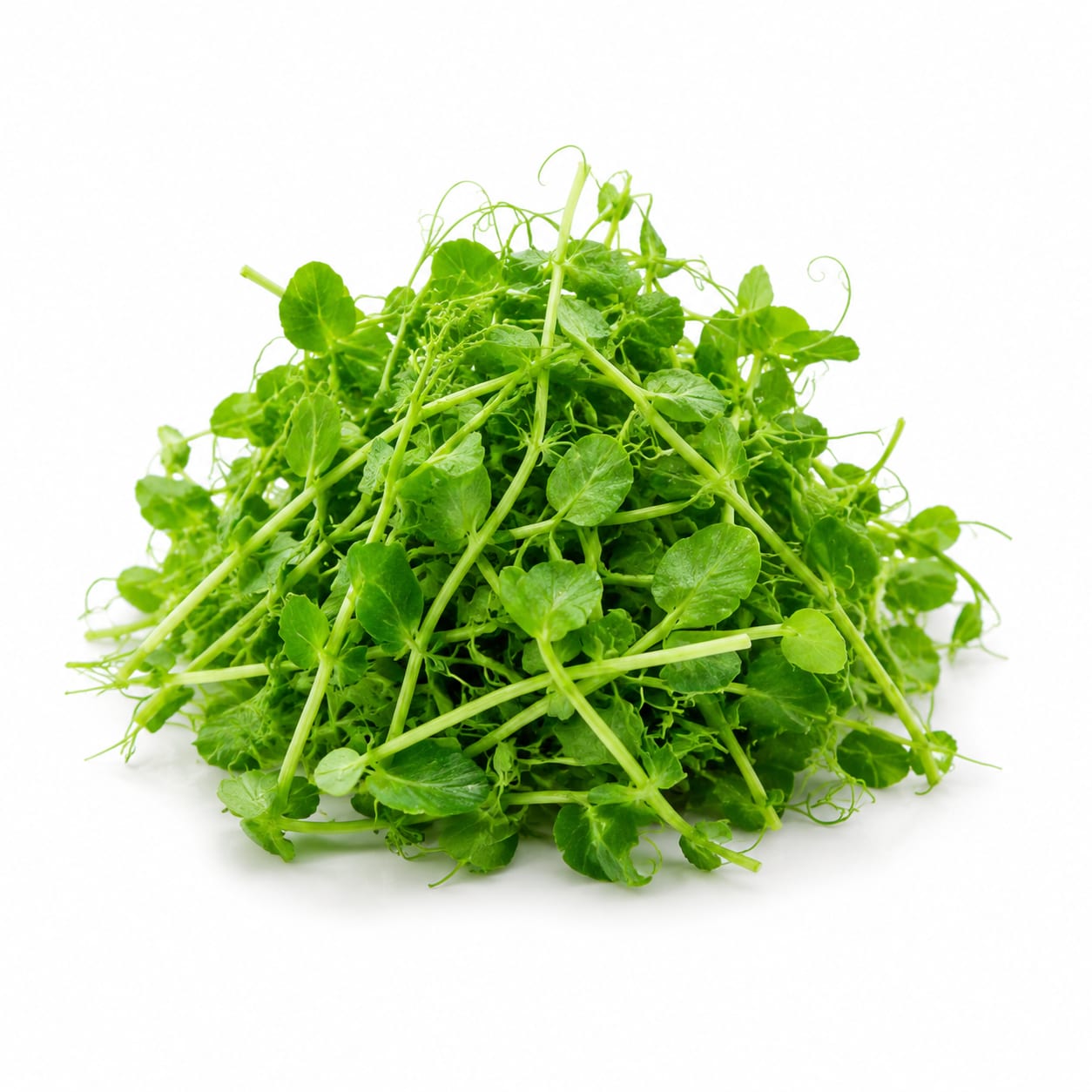
Pea Shoots
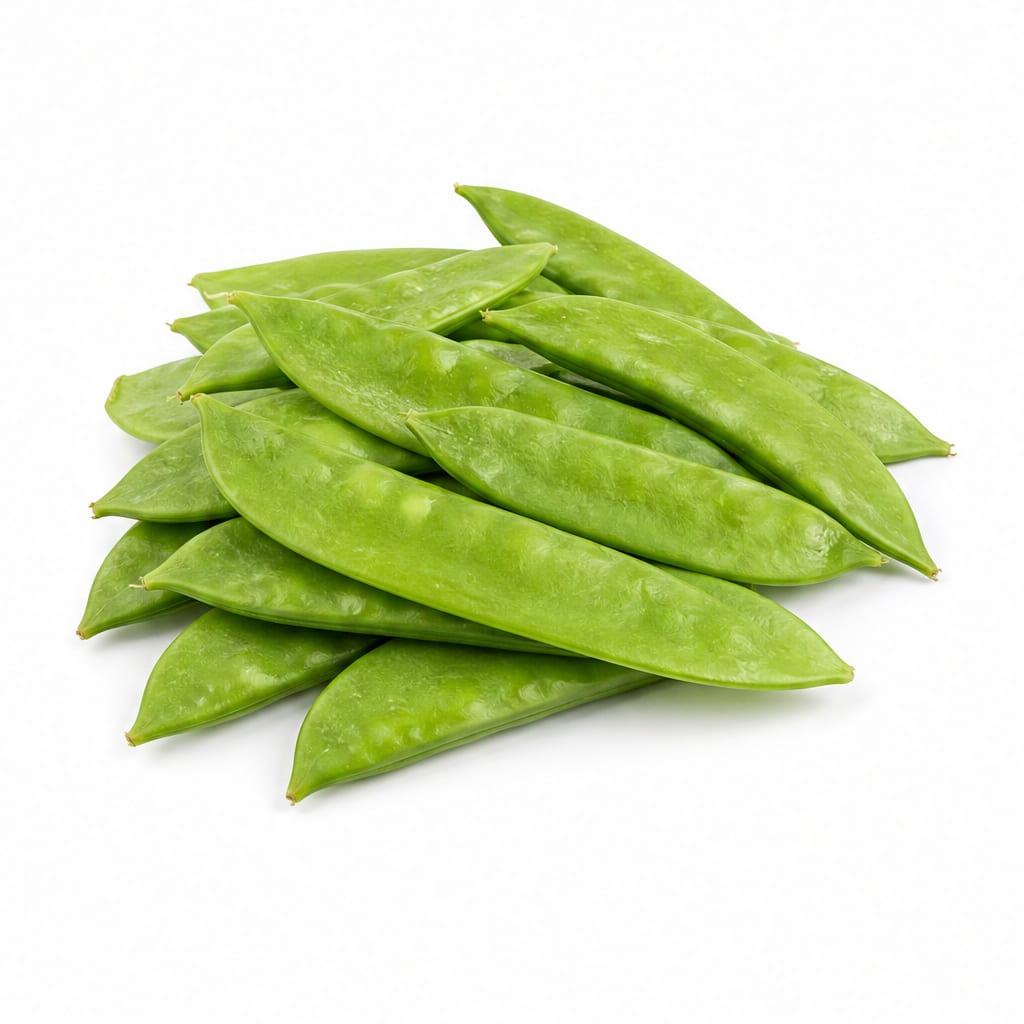
Snow Peas
Pea shoots deliver more vitamins per calorie and shine raw, while snow peas are more filling, more versatile in cooking, and easier to find year-round.
Snow peas score higher overall due to better satiety, cooking versatility, and availability, but pea shoots win on pure nutrient density per calorie. The gap is modest because both are genuinely healthy choices.
Peak nutrient concentration versus substance and staying power—pea shoots are the vitamin bomb, snow peas are the satisfying crunch.
At a glance
Executive summary
Overall
It depends
Healthier
It depends
More practical
Snow Peas
Daily use
Snow Peas
Key comparison lenses
nutrient density per calorie
Both are very low-calorie greens, so users want to know which packs more nutrition per bite
satiety and meal satisfaction
Light greens often leave people hungry; understanding which is more filling matters for real meals
cooking versatility and recipe fit
Pea shoots are delicate while snow peas are sturdy—this shapes how people actually use them
raw vs cooked usage
One shines raw in salads, the other excels in stir-fries, so preparation style drives the choice
daily eating sustainability
Users want to know which is easier to keep in rotation without getting bored or wasting food
Best choice for
Pea Shoots
- Salad lovers wanting maximum nutrients per bite
- Raw food enthusiasts seeking delicate flavor
- Anyone tracking calories closely who wants vitamin density
- Home gardeners wanting a quick-growing green
Snow Peas
- Stir-fry and hot dish cooks needing a sturdy vegetable
- People wanting a snack that actually feels like eating
- Meal preppers who need vegetables that hold up for days
- Families wanting a kid-friendly crunchy vegetable
Least suitable for
Pea Shoots
- Anyone wanting a filling side dish on its own
- Bulk meal prep—pea shoots wilt and spoil quickly
- Heavy cooking applications like roasting or grilling
Snow Peas
- Raw salad purists wanting ultra-tender greens
- Those seeking the absolute highest vitamin A and folate per calorie
- Dishes requiring a delicate, leafy texture
Deep comparison
Dimension by dimension
Each lens scores both foods and breaks down who each option suits.
- Dimension 1 · Priority 92Pea Shoots
Nutrient Density Per Calorie
Pea Shoots · 88Snow Peas · 74Pea shoots concentrate more vitamins and folate into fewer calories, making them one of the most nutrient-dense greens available.
Tradeoff
You get more vitamins per bite with pea shoots, but the serving size is tiny so total nutrient intake per meal may still favor snow peas.
Why it matters
If you eat small portions or watch calories closely, maximizing what each bite delivers is key.
Real-world impact
A handful of pea shoots in a salad gives you a noticeable vitamin boost without adding meaningful calories.
Pea Shoots
- Strict calorie counters
- Those eating small portions by choice or necessity
Better for
- Anyone expecting a full serving of vegetables to feel substantial
Worse for
Snow Peas
- People eating larger volumes who get enough vitamins from quantity
Better for
- Those prioritizing absolute maximum vitamin concentration per calorie
Worse for
- Dimension 2 · Priority 88Snow Peas
Satiety and Fullness
Pea Shoots · 45Snow Peas · 78Snow peas have significantly more fiber and physical bulk, making them far more satisfying to eat.
Tradeoff
Pea shoots are so light you can eat a large bowl and still feel hungry, while snow peas actually contribute to feeling fed.
Why it matters
A vegetable that leaves you hungry defeats the purpose of eating healthy—you just snack again in 30 minutes.
Real-world impact
A cup of snow peas as an afternoon snack takes the edge off hunger. A cup of pea shoots barely registers.
Pea Shoots
- Those wanting a light garnish rather than a filling component
Better for
- Anyone relying on vegetables for genuine fullness
Worse for
Snow Peas
- Snackers needing something that satisfies
- Anyone replacing higher-calorie snacks with vegetables
- People who feel hungry after eating salads
Better for
- Those who prefer lighter meals and find fibrous vegetables uncomfortable
Worse for
- Dimension 3 · Priority 85Snow Peas
Cooking Versatility
Pea Shoots · 50Snow Peas · 85Snow peas handle stir-frying, steaming, blanching, and roasting beautifully. Pea shoots wilt into near-nothing when cooked aggressively.
Tradeoff
Pea shoots are best raw or barely warmed, while snow peas work in dozens of hot dishes without losing their appeal.
Why it matters
A vegetable you can cook multiple ways stays interesting week after week instead of becoming a one-trick ingredient.
Real-world impact
Snow peas go into stir-fries on Monday, get steamed as a side on Wednesday, and fill out a soup on Friday. Pea shoots mostly go into salads.
Pea Shoots
- Raw food preparation
- Garnishing and plating
- Quick wilting into noodle soups at the last second
Better for
- Any high-heat or long-cooking method
Worse for
Snow Peas
- Stir-fries and sautés
- Steamed side dishes
- Blanched and chilled preparations
- Sheet pan meals
Better for
- Delicate raw presentations where crunch is unwanted
Worse for
- Dimension 4 · Priority 80Snow Peas
Fiber Content
Pea Shoots · 48Snow Peas · 82Snow peas deliver roughly double the fiber per serving, supporting digestion and blood sugar stability more effectively.
Tradeoff
More fiber means better gut health and steadier energy, but also means snow peas take slightly more digestive effort.
Why it matters
Fiber is the nutrient most people consistently under-eat, and the one with the broadest health impact over time.
Real-world impact
Regular snow pea consumption helps keep things moving digestively and prevents the blood sugar dips that trigger cravings.
Pea Shoots
- Those with sensitive digestion who need lower-fiber options
Better for
- People counting on their greens for meaningful fiber intake
Worse for
Snow Peas
- Anyone trying to hit daily fiber targets
- People managing blood sugar through diet
- Those wanting better digestive regularity
Better for
- Individuals with IBS or fiber sensitivity during flare-ups
Worse for
- Dimension 5 · Priority 75Snow Peas
Availability and Shelf Life
Pea Shoots · 42Snow Peas · 80Snow peas are available in nearly every grocery store year-round and last over a week refrigerated. Pea shoots are specialty items that spoil within days.
Tradeoff
Convenience and reliability matter more than most people admit—a vegetable you cannot find or cannot store gets replaced by something worse.
Why it matters
The healthiest vegetable is the one you actually buy and eat consistently, not the one you intend to eat but cannot find.
Real-world impact
Snow peas sit patiently in your crisper drawer for a week. Pea shoots demand immediate use or they turn to slime.
Pea Shoots
- Farmers market shoppers who eat produce the same day
- Home gardeners harvesting as needed
Better for
- People who shop once a week and expect produce to last
Worse for
Snow Peas
- Weekly grocery shoppers
- Meal preppers
- Anyone living far from specialty stores
Better for
- Those who prioritize rare or seasonal ingredients for culinary interest
Worse for
- Dimension 6 · Priority 72Pea Shoots
Vitamin C and Antioxidant Content
Pea Shoots · 84Snow Peas · 70Pea shoots are surprisingly rich in vitamin C and polyphenols, especially when eaten raw and fresh.
Tradeoff
Heat destroys much of the vitamin C in snow peas during cooking, while pea shoots are typically eaten raw, preserving their antioxidant content.
Why it matters
Vitamin C supports immunity and skin health, and many people do not get enough from their regular diet.
Real-world impact
Fresh pea shoots tossed into a salad give a meaningful vitamin C bump, especially in winter when fruit intake drops.
Pea Shoots
- Immune support during cold season
- Raw salad eaters wanting antioxidant variety
Better for
- Anyone cooking pea shoots and losing the vitamin C advantage
Worse for
Snow Peas
- Those who get vitamin C from other sources and want a cooking vegetable
Better for
- People relying on cooked snow peas as a primary vitamin C source
Worse for
Timeline
Health impact over time
Short-term
Hours to days
Pea Shoots
- Quick vitamin C boost when eaten raw
- Very light on the stomach—easy to digest
- Minimal satiety, may leave you reaching for more food within the hour
Snow Peas
- Noticeable fullness from fiber and water content
- Steadier blood sugar after meals due to fiber slowing absorption
- Mild digestive adjustment if you are not used to higher fiber intake
Long-term
Months to years
Pea Shoots
- Consistent vitamin A and folate intake supports skin and cellular health
- Low calorie density helps with weight maintenance when used as a salad base
- Risk of under-consuming fiber if pea shoots replace all other vegetables
Snow Peas
- Regular fiber intake supports gut microbiome diversity and digestive health
- Sustained vegetable consumption is easier to maintain because snow peas are satisfying
- Cumulative antioxidant intake from regular consumption supports cardiovascular health
Risk profile
Safety & processing
Both are whole, unprocessed vegetables with no additives. Pea shoots are sometimes sold pre-washed in plastic clamshells, which adds minor packaging concern but no food-level processing. Snow peas are typically sold loose or in simple bags. Neither raises ultra-processing flags.
Pea Shoots
Bacterial contamination from pre-washed packaging
mediumPre-washed pea shoots in sealed containers have been linked to occasional foodborne illness outbreaks. Always wash before eating, even if labeled pre-washed.
Rapid spoilage and mold
mediumPea shoots spoil quickly and can develop mold within days. Slimy or discolored shoots should be discarded entirely, not trimmed around.
Snow Peas
Pesticide residue on conventional snow peas
lowSnow peas are not on the high-pesticide lists, but as an edible-pod vegetable, residues can remain on the surface. A quick rinse under running water is sufficient.
Foodborne illness from raw consumption
lowLike any raw vegetable, snow peas can carry surface bacteria. Washing before eating raw is good practice, but risk is lower than with leafy greens.
Who wins for whom
Audience fit
Same foods, different winners depending on your goal.
children
Snow PeasSnow peas have a fun crunch and mild sweetness that kids often enjoy raw as a snack. Pea shoots are too delicate and unfamiliar for most children.
daily consumption
Snow PeasSnow peas are easier to find, store, cook, and incorporate into varied meals day after day without boredom or waste.
diabetes
Snow PeasHigher fiber in snow peas slows glucose absorption more effectively, leading to steadier blood sugar after meals.
elderly
It dependsPea shoots are easier to chew for those with dental issues, but snow peas provide more fiber which is important for older adults. Choose based on chewing ability and digestive tolerance.
muscle gain
It dependsNeither is a significant protein source. Both serve as nutrient-dense sides to protein-rich meals. Snow peas pair better with stir-fried proteins, while pea shoots work as a garnish on protein bowls.
weight loss
Snow PeasSnow peas provide more volume and fiber per serving, helping you feel full on fewer calories. Pea shoots are lower in calories but so light they rarely satisfy hunger on their own.
Your move
Decision guide
Choose Pea Shoots
- You eat mostly raw foods and want maximum vitamin density
- You have reliable access to fresh pea shoots and will use them quickly
- You want a delicate garnish that elevates a dish nutritionally and visually
- You grow your own and can harvest just what you need
Choose Snow Peas
- You cook regularly and want a vegetable that handles heat well
- You need snacks that actually fill you up between meals
- You shop weekly and need produce that survives the crisper drawer
- You want one versatile vegetable that works in stir-fries, salads, and sides
Either works if
- You simply want more green vegetables in your diet and enjoy both
- You are building a varied vegetable rotation and neither is exclusive
- You eat both raw and cooked meals throughout the week
Avoid both if
- You have a legume allergy—both are pea family members and may trigger reactions
- You need calorie-dense foods due to unintentional weight loss or high energy needs
Final recommendation
Keep snow peas as your everyday vegetable and treat pea shoots as a special addition when you find them fresh. Snow peas give you the reliability, fiber, and cooking flexibility that supports consistent healthy eating. Pea shoots are worth grabbing at farmers markets for their concentrated nutrients and delicate flavor, but they are not dependable enough to be your sole green. The best approach is using both—snow peas as the workhorse, pea shoots as the accent.
Practical
Consumer tips
- 1
Buy pea shoots only if you plan to eat them within two days—they deteriorate fast
- 2
Store snow peas in a perforated bag in the crisper; they last 7-10 days easily
- 3
Wash pea shoots right before eating, not before storing—moisture accelerates spoilage
- 4
Snap the stem end off snow peas and pull the string for the best texture
- 5
If pea shoots are unavailable, sunflower shoots offer a similar delicate profile
- 6
Blanch snow peas for 90 seconds to keep their crunch while making them slightly sweeter
- 7
Add pea shoots to a finished soup right before serving—the residual heat wilts them perfectly
- 8
Frozen snow peas are surprisingly good for stir-fries and retain most of their nutrients