
Nutrition comparison
Pea Shoots vs Arugula: Which Green Is Healthier for You?
Compare pea shoots and arugula nutrition, flavor, protein, and health benefits. Find out which leafy green fits your diet, cooking style, and health goals better.
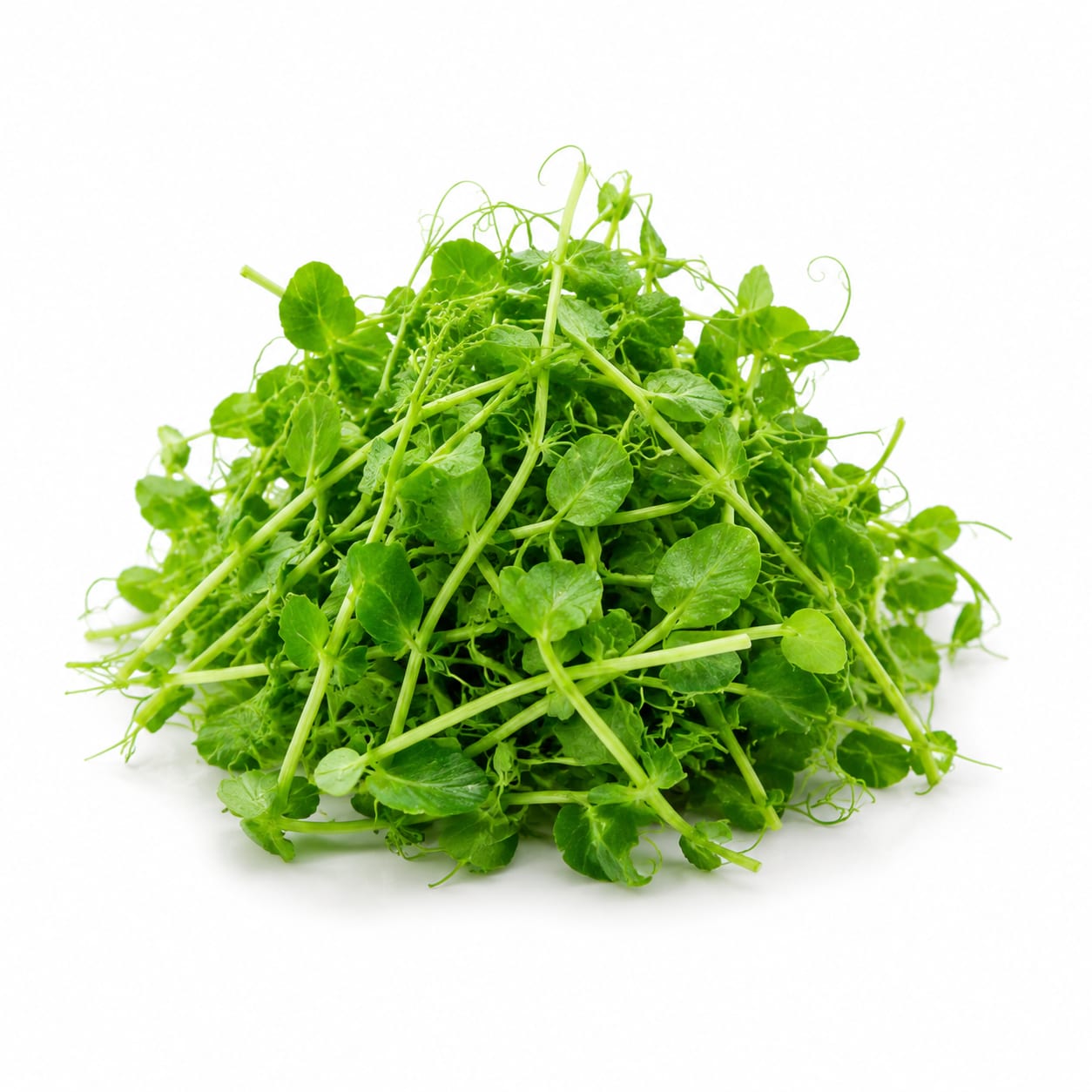
Pea Shoots
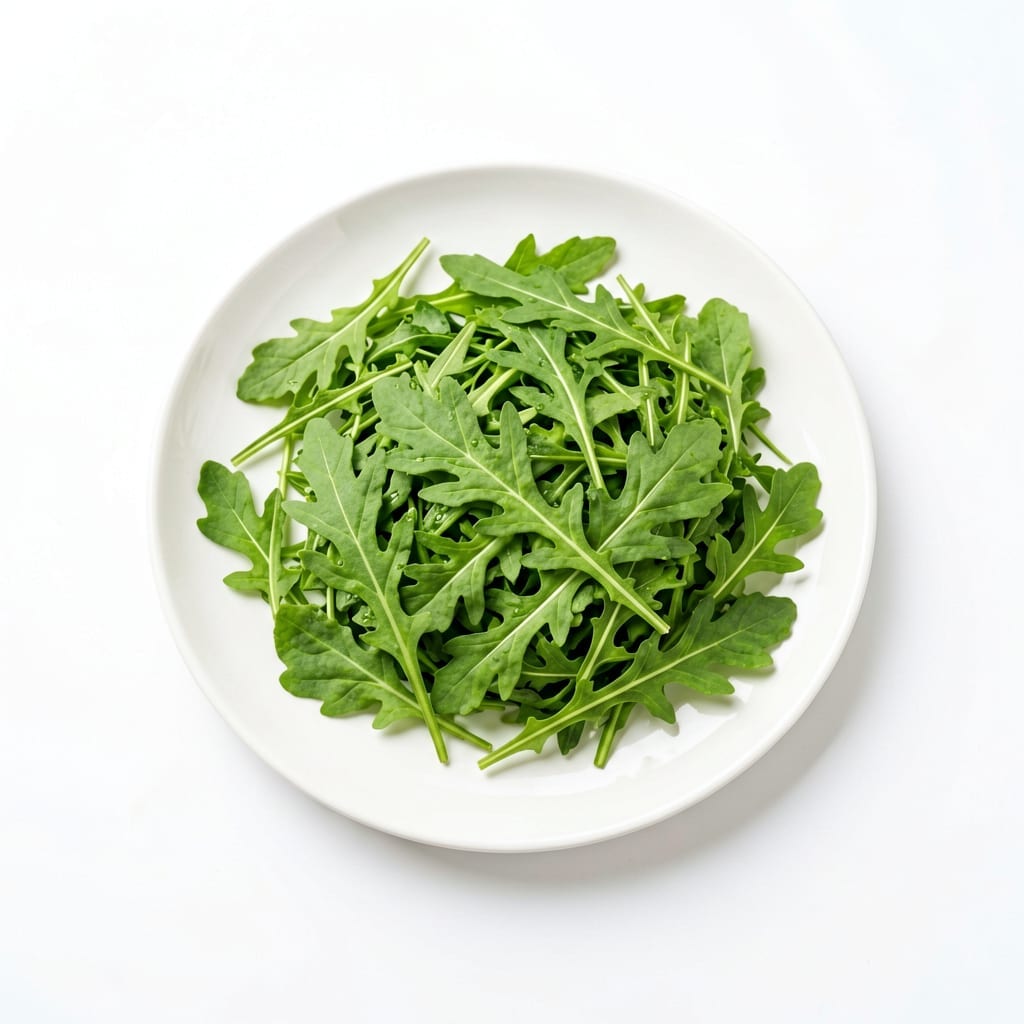
Arugula
Pea shoots win on protein and mild versatility; arugula wins on bold flavor, vitamin K, and cancer-fighting glucosinolates. Choose based on what your meal needs.
Arugula edges ahead due to wider availability, stronger research on glucosinolate benefits, and higher vitamin K. Pea shoots score well on protein and versatility but lose points for limited accessibility and less established health research.
Pea shoots offer more protein and a gentle sweetness that pairs with anything, while arugula delivers a peppery punch and brassica-specific compounds that pea shoots cannot match.
At a glance
Executive summary
Overall
It depends
Healthier
It depends
More practical
Arugula
Daily use
Arugula
Key comparison lenses
salad green selection for nutrient density
Both are leafy greens often used interchangeably in salads, so users want to know which delivers more nutrition per bite
flavor preference and culinary versatility
Pea shoots taste sweet and mild while arugula is peppery and bold, making flavor a major deciding factor
protein and satiety from greens
Pea shoots are unusually high in protein for a leafy green, which surprises many users and influences meal-building decisions
antioxidant and cancer-fighting compound comparison
Arugula contains glucosinolates from the brassica family, while pea shoots offer different phytonutrients, making this a key differentiator
accessibility and everyday practicality
Arugula is available in nearly every grocery store, while pea shoots can be harder to find and more expensive
Best choice for
Pea Shoots
- People wanting more protein from their greens
- Those who find bitter greens unpleasant
- Home cooks wanting a versatile cooking green
- Anyone building Asian-inspired dishes
- Smoothie drinkers who want greens without strong flavor
Arugula
- People seeking cancer-fighting cruciferous compounds
- Those who love bold, peppery flavors
- Anyone prioritizing vitamin K for bone health
- Mediterranean diet followers
- Salad lovers wanting a flavor-forward base
Least suitable for
Pea Shoots
- Those on a tight grocery budget in areas where pea shoots are specialty items
- People who want a strong-flavored salad base
- Anyone needing readily available greens at any store
Arugula
- People sensitive to bitter or peppery flavors
- Those with kidney stones who must limit oxalates
- Children who reject strong-tasting greens
Deep comparison
Dimension by dimension
Each lens scores both foods and breaks down who each option suits.
- Dimension 1 · Priority 88Pea Shoots
Protein and Satiety
Pea Shoots · 82Arugula · 55Pea shoots contain roughly 2-3 times more protein per serving than arugula, making them surprisingly filling for a leafy green.
Tradeoff
You get more protein from pea shoots, but neither green is a primary protein source, so this matters most when you are stacking small advantages across a meal.
Why it matters
If you are building a light meal around greens, the extra protein in pea shoots helps you stay full longer without adding other ingredients.
Real-world impact
A pea shoot salad keeps you satisfied an extra 30-60 minutes compared to arugula alone, though both still need a real protein source for a complete meal.
Pea Shoots
- Light lunches where every gram of protein counts
- Post-workout salads paired with lean protein
- Vegetarians trying to maximize protein from every food
Better for
- Situations where you need a full protein serving and expect the green to deliver it
Worse for
Arugula
- Meals where protein already comes from other sources
Better for
- Meals built entirely around greens with minimal other protein
Worse for
- Dimension 2 · Priority 90Arugula
Vitamin and Mineral Density
Pea Shoots · 72Arugula · 85Arugula delivers significantly more vitamin K and is a brassica vegetable with concentrated glucosinolates. Pea shoots offer good vitamin C and folate but lack the brassica advantage.
Tradeoff
Arugula gives you stronger bone-health support through vitamin K and cancer-fighting glucosinolates, while pea shoots provide more folate which matters for cell repair and pregnancy.
Why it matters
If you eat greens primarily for their micronutrient punch, arugula delivers a denser profile per calorie, especially for vitamin K which many people under-consume.
Real-world impact
A cup of arugula covers roughly 25% of your daily vitamin K needs, while pea shoots cover closer to 10%. Over time, this daily difference adds up for bone and blood health.
Pea Shoots
- Women planning pregnancy who need extra folate
- Anyone wanting more vitamin C from raw greens
Better for
- People relying on greens as their main vitamin K source
Worse for
Arugula
- People concerned about bone density and osteoporosis
- Anyone wanting cruciferous cancer-fighting compounds daily
- Those who do not eat other brassica vegetables regularly
Better for
- Those on blood thinners who must limit vitamin K intake
Worse for
- Dimension 3 · Priority 85Pea Shoots
Flavor Versatility
Pea Shoots · 84Arugula · 68Pea shoots have a mild, sweet flavor that works raw or cooked in almost any dish. Arugula's peppery bite limits where it fits comfortably.
Tradeoff
Pea shoots blend into anything but never steal the show. Arugula makes a statement but can clash with delicate flavors.
Why it matters
If you want one green that works in smoothies, stir-fries, soups, and salads without thinking, pea shoots are more forgiving.
Real-world impact
You can wilt pea shoots into soup, blend them into a smoothie, or toss them in a salad without any flavor adjustment. Arugula requires more thought about pairing.
Pea Shoots
- Cooking applications like stir-fries and soups
- Green smoothies where you want sweetness not spice
- Dishes for picky eaters or children
- Asian-inspired recipes
Better for
- When you want the green to be the flavor star
Worse for
Arugula
- Italian and Mediterranean dishes where pepperiness is desired
- Pizza toppings and flatbreads
- Pesto alternatives
- Dishes that benefit from a bold, bitter contrast
Better for
- Smoothies and mild soups where pepperiness feels wrong
- Feeding kids who dislike bitter greens
Worse for
- Dimension 4 · Priority 75Arugula
Availability and Cost
Pea Shoots · 50Arugula · 90Arugula is a supermarket staple available year-round at low cost. Pea shoots are often specialty items found at farmers markets or Asian grocers.
Tradeoff
You pay more and search harder for pea shoots, but they offer something arugula cannot. Arugula is always there when you need it.
Why it matters
The best green nutritionally is the one you actually eat consistently. If pea shoots are hard to find, arugula wins by default through reliability.
Real-world impact
Arugula costs $2-4 per container at any grocery store. Pea shoots often run $4-8 and require a specialty trip or farmers market visit.
Pea Shoots
- Home gardeners who can grow pea shoots easily on a windowsill
- People near Asian markets or farmers markets
Better for
- Rural areas with no specialty grocers
- Weeknight cooking when you need ingredients fast
Worse for
Arugula
- Busy shoppers who want one-stop grocery runs
- Budget-conscious consumers
- Anyone living in areas with limited specialty produce
Better for
- Situations where you want novelty and variety in your greens
Worse for
- Dimension 5 · Priority 82Arugula
Antioxidant and Anti-inflammatory Profile
Pea Shoots · 70Arugula · 83Arugula's glucosinolates break down into sulforaphane and other compounds with strong anti-cancer and anti-inflammatory evidence. Pea shoots have antioxidants but less research backing.
Tradeoff
Arugula belongs to the cruciferous family with decades of cancer-prevention research. Pea shoots offer carotenoids and vitamin C but lack the same depth of evidence.
Why it matters
If you eat greens partly for long-term disease protection, arugula carries more scientific weight for reducing cancer and inflammation risk.
Real-world impact
Eating arugula daily gives you the same class of protective compounds found in broccoli and kale. Pea shoots are healthy but sit in a less proven category.
Pea Shoots
- People already eating plenty of cruciferous vegetables
- Anyone wanting lutein and zeaxanthin for eye health
Better for
- People relying on one green for maximum cancer-fighting benefit
Worse for
Arugula
- People who do not eat broccoli or kale regularly
- Anyone with a family history of cancer wanting every advantage
- Those managing chronic inflammation
Better for
- Those already consuming high amounts of cruciferous vegetables who want diversity
Worse for
- Dimension 6 · Priority 70Pea Shoots
Digestive Tolerance
Pea Shoots · 82Arugula · 65Pea shoots are gentle on digestion with tender fibers. Arugula's bitterness and slightly higher fiber roughness can bother sensitive stomachs, especially raw.
Tradeoff
Pea shoots are easier on the gut but contain less fiber overall. Arugula provides more roughage which helps some people and irritates others.
Why it matters
If you have IBS or a sensitive stomach, pea shoots are less likely to cause bloating or discomfort than raw arugula.
Real-world impact
A large arugula salad can cause gas or stomach heaviness in sensitive people. Pea shoots rarely cause this issue even in generous portions.
Pea Shoots
- People with IBS or sensitive digestion
- Those new to eating large amounts of raw greens
- Post-meal salads where you want lightness
Better for
- People specifically seeking high fiber intake from greens
Worse for
Arugula
- People who need more fiber and have no digestive issues
- Those who benefit from bitter compounds stimulating digestion
Better for
- Anyone prone to bloating from raw cruciferous vegetables
- People with active GI flare-ups
Worse for
Timeline
Health impact over time
Short-term
Hours to days
Pea Shoots
- Light, comfortable fullness without bloating
- Mild energy lift from easily absorbed vitamin C
- Gentle hydration from high water content
Arugula
- Digestive stimulation from bitter compounds
- Quick vitamin K absorption supporting blood clotting
- Possible mild stomach awareness in sensitive people from raw brassica fiber
Long-term
Months to years
Pea Shoots
- Steady folate intake supports cell repair and cardiovascular health
- Consistent vitamin C intake aids immune resilience and skin health
- Low calorie density supports weight maintenance without conscious restriction
Arugula
- Regular glucosinolate intake associated with reduced cancer risk in epidemiological studies
- High vitamin K intake supports bone density and reduces fracture risk over decades
- Bitter compound consumption may improve overall digestive enzyme production and gut health
Risk profile
Safety & processing
Both pea shoots and arugula are typically sold fresh and unprocessed. Neither carries meaningful additive concerns. The main difference is that pre-washed arugula in plastic clamshells may have slightly more handling, while pea shoots are often sold in simpler bunches.
Pea Shoots
Bacterial contamination from sprouting conditions
mediumPea shoots are grown in warm, humid conditions similar to sprouts, which can harbor salmonella or E. coli. Always wash thoroughly and buy from reputable sources.
Pesticide residue
lowPea shoots grow quickly and are harvested young, limiting pesticide exposure. Organic options are widely available.
Arugula
Oxalate content
mediumArugula contains moderate oxalates which can contribute to kidney stone formation in susceptible individuals. Less concerning than spinach but worth noting for those with a history of stones.
Nitrate accumulation
lowLike many leafy greens, arugula can accumulate nitrates from soil. This is generally beneficial for blood pressure but may be a concern if combined with processed nitrate sources.
Who wins for whom
Audience fit
Same foods, different winners depending on your goal.
children
Pea ShootsPea shoots taste mild and slightly sweet, making them far more appealing to children. Arugula's pepperiness is a common rejection trigger for kids.
daily consumption
ArugulaArugula is easier to find, more affordable, and offers a deeper research-backed health profile for consistent daily intake. Pea shoots are better as a rotating addition than a daily staple.
diabetes
ArugulaArugula's glucosinolates and fiber support better blood sugar regulation. The bitter compounds may also improve insulin sensitivity. Both have negligible carbohydrate content.
elderly
ArugulaArugula's high vitamin K content is critical for bone health in older adults, and its bitter compounds stimulate digestion which often slows with age.
muscle gain
Pea ShootsPea shoots provide marginally more protein per serving, though neither is a significant protein source. The extra protein is a small bonus when combined with other protein-rich foods.
weight loss
ArugulaArugula's strong flavor means you eat it slowly and mindfully, and its bitter compounds may slightly suppress appetite. Both are extremely low calorie, but arugula's flavor intensity naturally limits overeating.
Your move
Decision guide
Choose Pea Shoots
- You want a mild green that works in smoothies, stir-fries, and salads without overpowering other ingredients
- You are trying to add more protein from every source possible
- You have a sensitive stomach and find raw brassicas uncomfortable
- You are cooking Asian dishes where pea shoots are traditional
- You can grow them at home on a windowsill for cheap, fresh greens
Choose Arugula
- You want maximum cancer-fighting compounds from the cruciferous family
- You love peppery, bold flavors that make salads exciting
- You need a reliable, affordable green available at any grocery store
- You are concerned about bone health and want more vitamin K
- You follow a Mediterranean diet and want authentic flavor profiles
Either works if
- You just need a low-calorie leafy green base and both are available
- You are rotating greens for nutritional diversity, which is ideal
- You are making a mixed salad and can use both together
Avoid both if
- You need a substantial calorie or protein source from your greens, since neither delivers meaningfully on their own
- You are on a strict low-oxalate diet and have not consulted your doctor about moderate-oxalate greens
Final recommendation
Eat both. Arugula makes an excellent daily base green with proven long-term benefits, while pea shoots add protein, mildness, and culinary versatility as a rotating complement. If you must pick one, arugula wins for daily reliability and depth of health evidence. If flavor sensitivity or digestive issues are your main concern, pea shoots are the gentler choice.
Practical
Consumer tips
- 1
Grow pea shoots at home in a tray on your windowsill — they are ready to harvest in 10-14 days and cost almost nothing
- 2
Mix arugula with milder greens like pea shoots if the pepperiness is too intense on its own
- 3
Add arugula at the very end of cooking or raw on top — heat destroys its beneficial glucosinolates quickly
- 4
Pea shoots wilt beautifully into soups and stir-fries in the last 30 seconds of cooking
- 5
Buy arugula with crisp, dark green leaves — yellowing means it is losing nutrients and flavor
- 6
Wash pea shoots thoroughly even if pre-washed, as their growing conditions carry higher contamination risk than field greens
- 7
If arugula tastes too bitter, try baby arugula which is milder and more tender