
Fungi / Vegetable
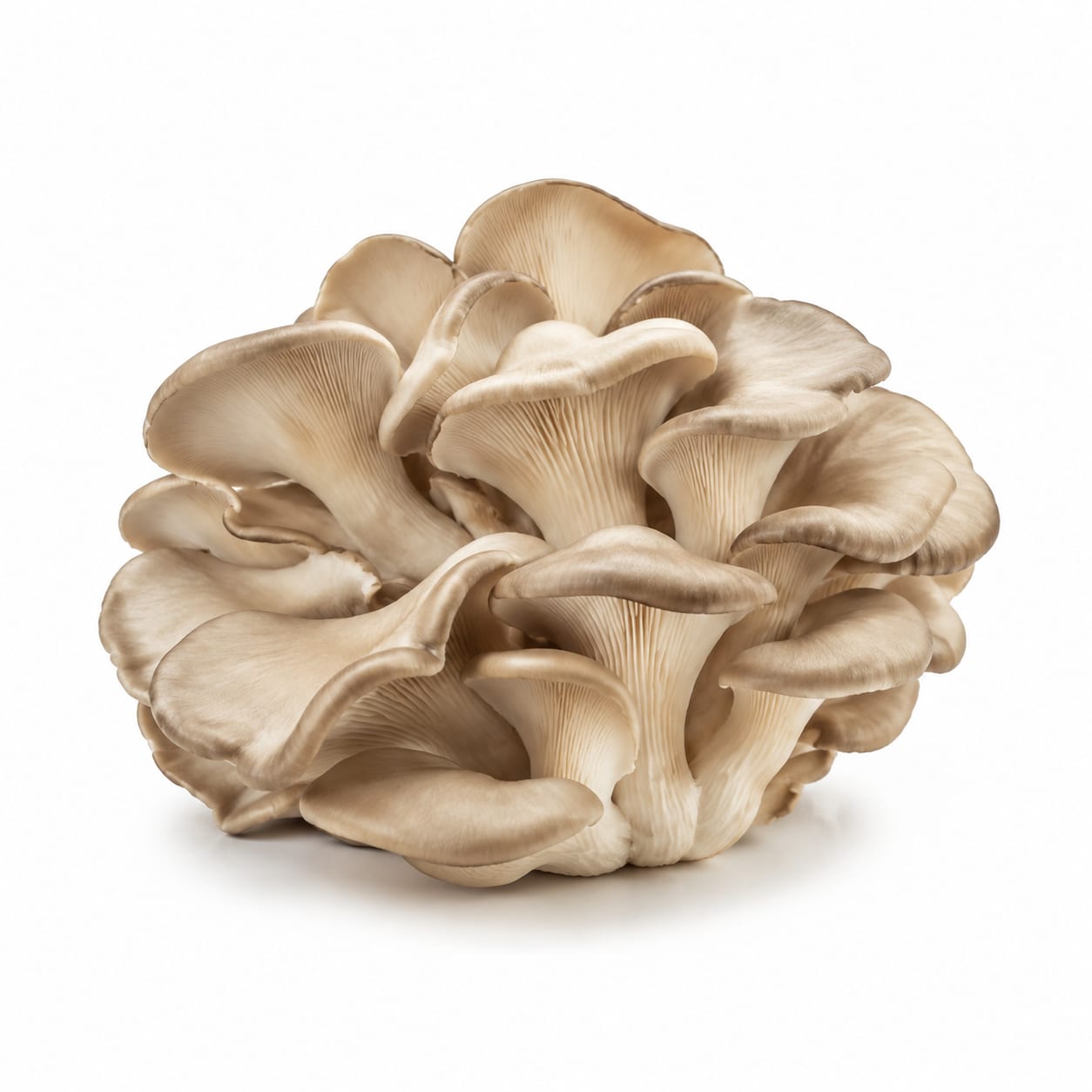
Oyster Mushroom
A low-calorie, nutrient-dense edible fungus known for its mild flavor and beneficial beta-glucan content.
Oyster mushrooms are a popular edible fungus recognized by their broad, fan-shaped caps and mild, savory flavor. They are low in calories and carbohydrates while providing beneficial fiber and beta-glucans.
high-volume low-calorie fungi
Typical serving · 100g
Common varieties · pearl oyster, king oyster, blue oyster, golden oyster, pink oyster
Overall context score across nutrition, safety, and diet fit
At a glance
Quick facts
Simple indicators based on nutrition, processing, and diet fit.
The story
What makes it unique
Oyster mushrooms are fast-digesting, low-energy fungi rich in chitin and beta-glucans, which promote satiety and modulate glycemic response. Their macronutrient profile is dominated by complex carbohydrates and fiber with minimal fat and protein. As a minimally processed whole food, they retain high bioavailability of micronutrients like potassium and B vitamins.
Varieties: pearl oyster · king oyster · blue oyster · golden oyster · pink oyster
Per 100g
Nutrition breakdown
Macro balance and key metrics at a glance.
Energy
Density 0.33 kcal/g
Protein
Carbs
Fat
Fiber
Sugar
0.6 g
Sodium
5 mg
Potassium
320 mg
Glycemic index
15
Glycemic load
1
Water content
89%
Standout compounds
Nutrient highlights
Beta-glucans
highSupports immune function and lowers cholesterol
Potassium
moderateRegulates fluid balance and blood pressure
Fiber
moderatePromotes digestive regularity and gut health
Niacin (Vitamin B3)
moderateSupports energy metabolism and nervous system function
Wellness map
Health scores & processing
NOVA processing scale
unprocessed · Whole food
Fresh oyster mushrooms are whole, unprocessed agricultural products requiring only washing and cooking.
Diet compatibility
- Weight loss
- Muscle gain
- Diabetes
- Gut health
- Low carb
- High protein
- Heart health
Relative standing
Food rankings
Qualitative ranks compared to similar whole foods.
- Satietygood
- Blood sugarexcellent
- Nutrient densitygood
- Fitness fuelmoderate
- Processing qualityexcellent
Eat with confidence
Food safety profile
Oyster mushrooms are generally very safe due to controlled indoor cultivation. Cooking is recommended to break down chitin and eliminate potential mild gastrointestinal irritants present in raw mushrooms.
Evidence confidence 90%
- Pesticideslow
- Antibioticslow
- Heavy metalslow
- Contaminationlow
Watch for
- soil-borne bacteria
- spores
Safer choices
Organically grown varieties ensure substrate purity and lack of pesticide residue.
Prep tips
Rinse briefly or wipe with a damp cloth; avoid soaking as they act like sponges. Always cook before eating to ensure digestibility.
Minimal; typically grown in controlled indoor environments on sterilized substrates.
Deep dive
Health analysis
How this food may fit different goals and preparation choices.
Weight loss
Extremely low energy density allows for high volume eating without excess calories, promoting fullness.
Blood sugar
Very low glycemic index and load; fiber and beta-glucans slow glucose absorption, preventing spikes.
Fitness & energy
Not a primary fuel source due to low calories and carbs, but useful for adding volume and micronutrients to meals.
Gut health
Fiber and chitin support healthy bowel movements and act as prebiotics for beneficial gut bacteria.
Processing quality
Whole, unprocessed food with no additives or hidden ingredients when purchased fresh.
Food safety
Safe when cooked; indoor farming methods minimize heavy metal and pesticide exposure risks.
Common mistakes
Eating them raw, which can cause digestive upset due to chitin, or overcooking them to a rubbery texture.
Best preparation
Sautéing, roasting, or stir-frying to enhance umami flavor and tenderize the flesh.
Practical guide
Best use cases
When and how this food fits real eating patterns.
High-volume low-calorie eating
Add bulk to meals without adding significant calories to stay full longer.
Low-carb recipe base
Substitute for pasta or rice in keto dishes to reduce carbohydrate intake.
Umami flavor enhancer
Boost savory depth in soups, stews, and stir-fries without extra sodium or fat.
Balance sheet
Pros & cons
Upsides
- Very low in calories and carbohydrates
- Rich in immune-supporting beta-glucans
- Adds significant volume and texture to meals
- Contains antioxidants like ergothioneine
- Easy and fast to cook
Trade-offs
- Not a significant source of protein or fat
- Must be cooked to ensure digestibility
- Highly perishable with a short shelf life
- Can become rubbery if overcooked
Fit check
Who is it for?
Great match
- weight loss diets
- diabetic meal plans
- keto and low-carb diets
- gut health improvement
Consider alternatives
- high-protein diets
- raw food diets
- calorie-dense bulking phases
Side by side
How it compares
Open the full head-to-head analysis for nutrition, safety, and practical tradeoffs.
This food
Oyster Mushroom
VS95% alike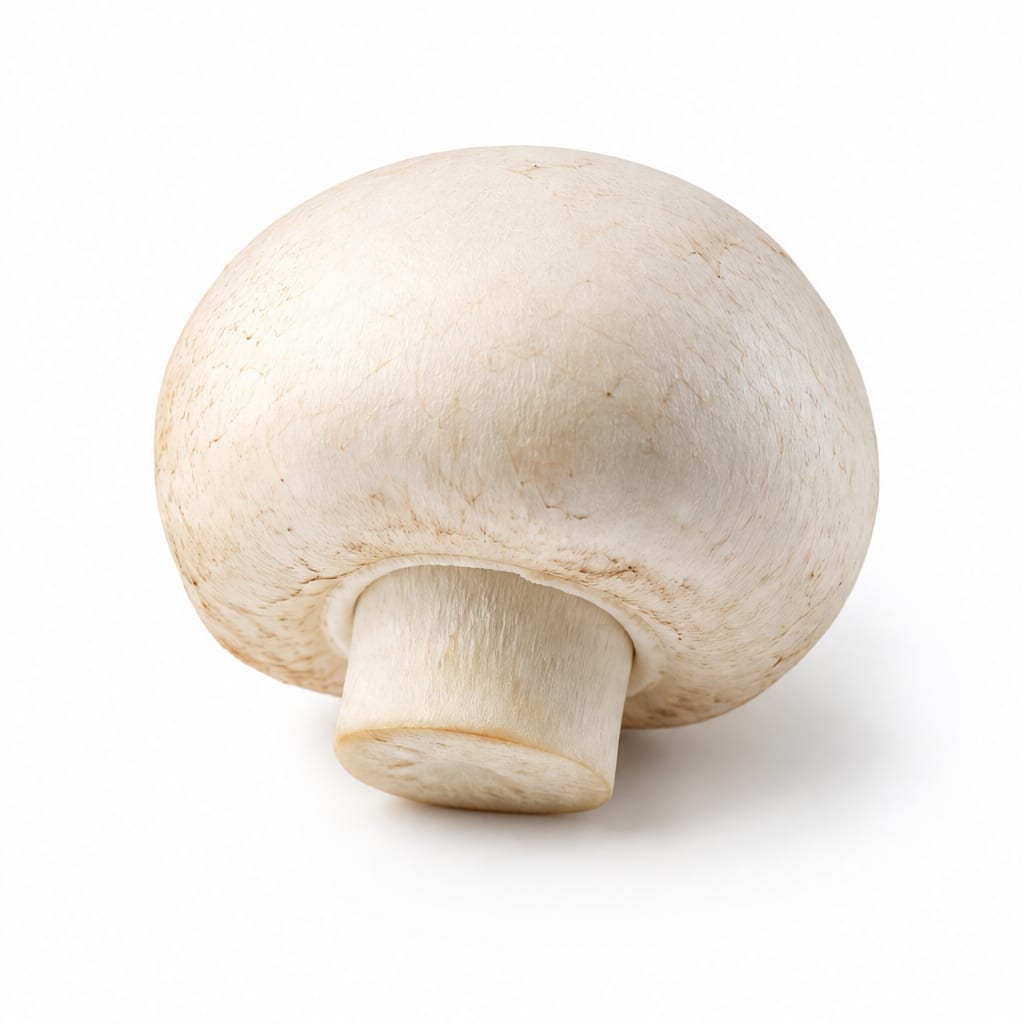
Compare with
Button Mushroom
Oyster mushrooms offer slightly more protein and fiber than button mushrooms, but both are excellent low-calorie choices.
Oyster mushrooms provide slightly more protein and fiber than button mushrooms, but both are excellent low-calorie choices.
This food
Oyster Mushroom
VS90% alike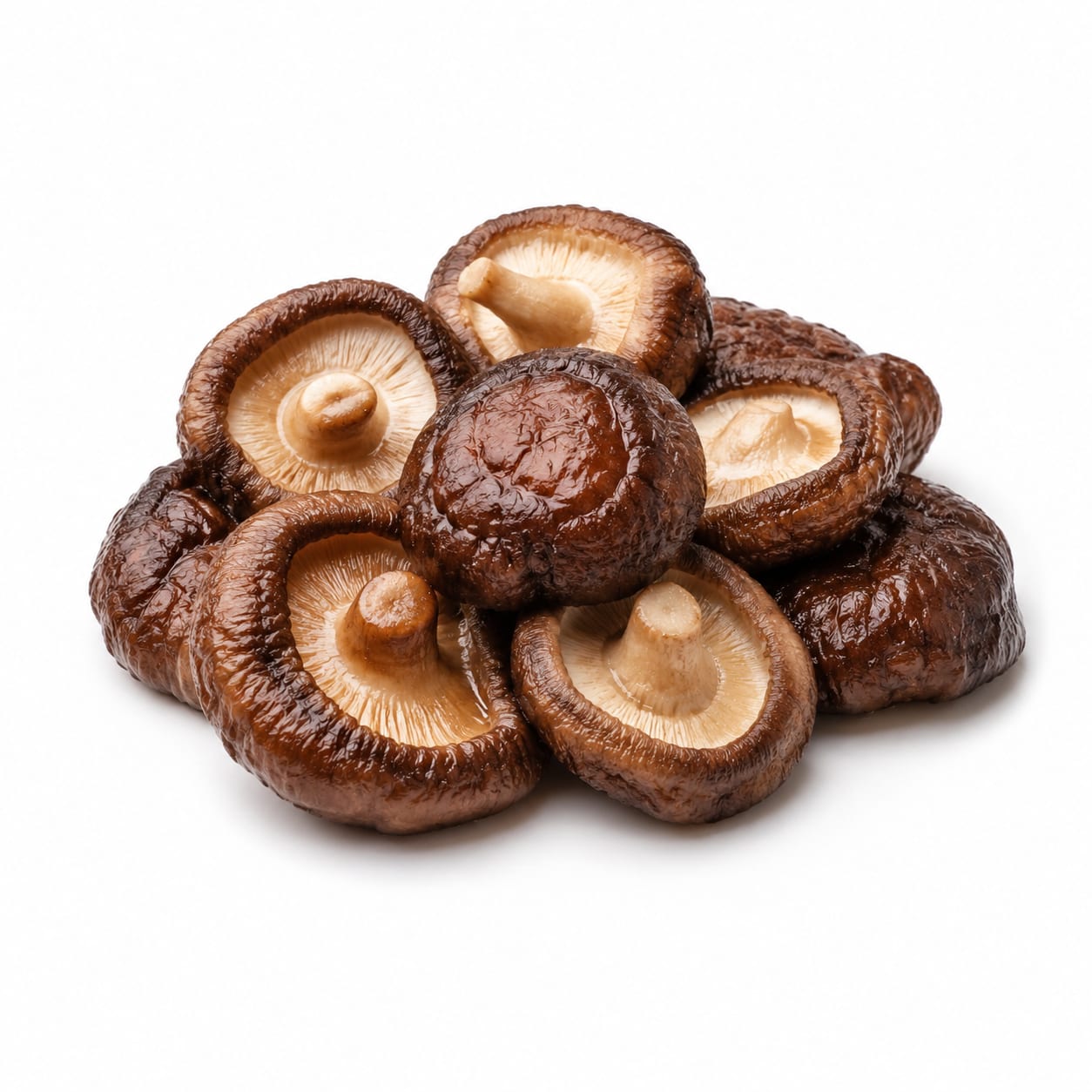
Compare with
Shiitake Mushroom
Shiitake mushrooms provide stronger umami flavor and slightly more fiber, while oyster mushrooms are marginally lower in calories.
Shiitake mushrooms provide stronger umami flavor and slightly more fiber, while oyster mushrooms are marginally lower in calories.
This food
Oyster Mushroom
VS85% alike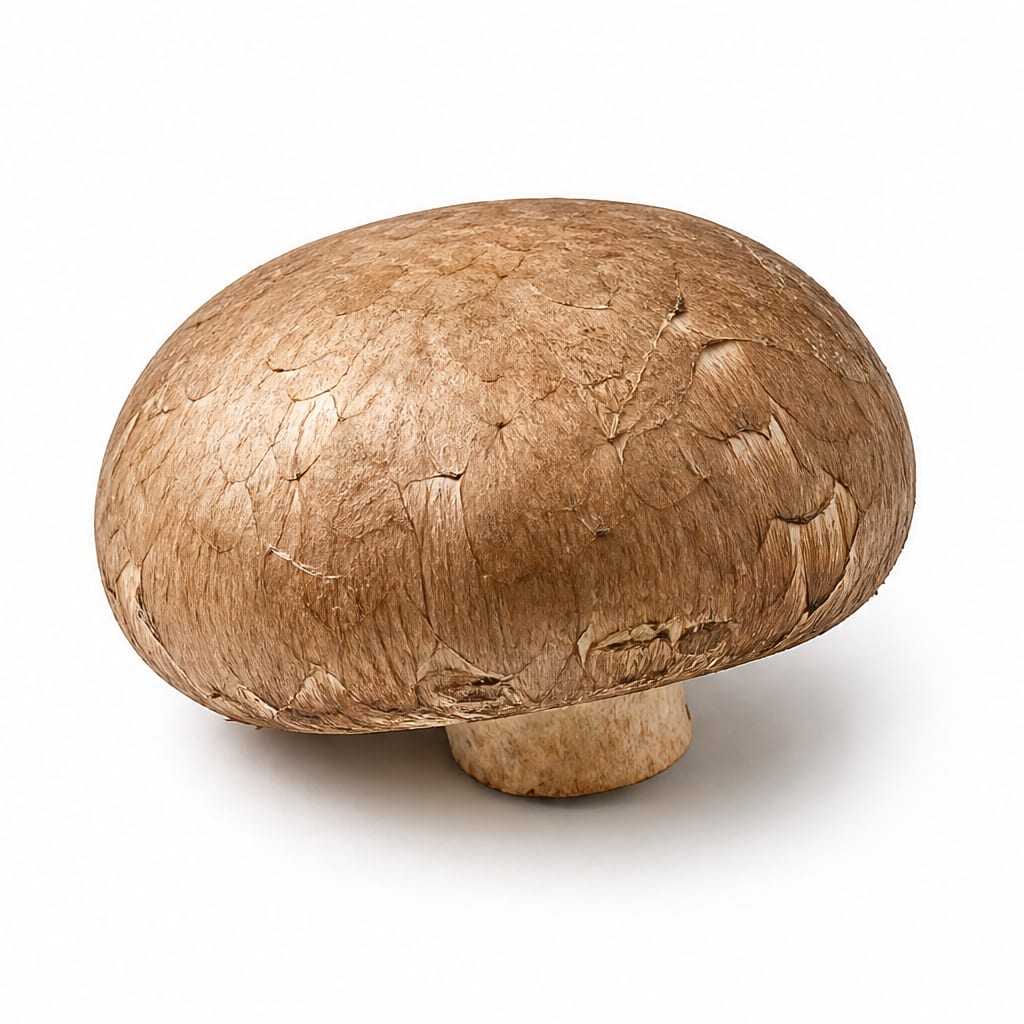
Compare with
Portobello Mushroom
Oyster mushrooms are lower in calories and better for volume eating, whereas portobellos offer a meatier texture for satiety.
Oyster mushrooms are lower in calories and better for volume eating, whereas portobellos offer a meatier texture for satiety.
This food
Oyster Mushroom
VS95% alike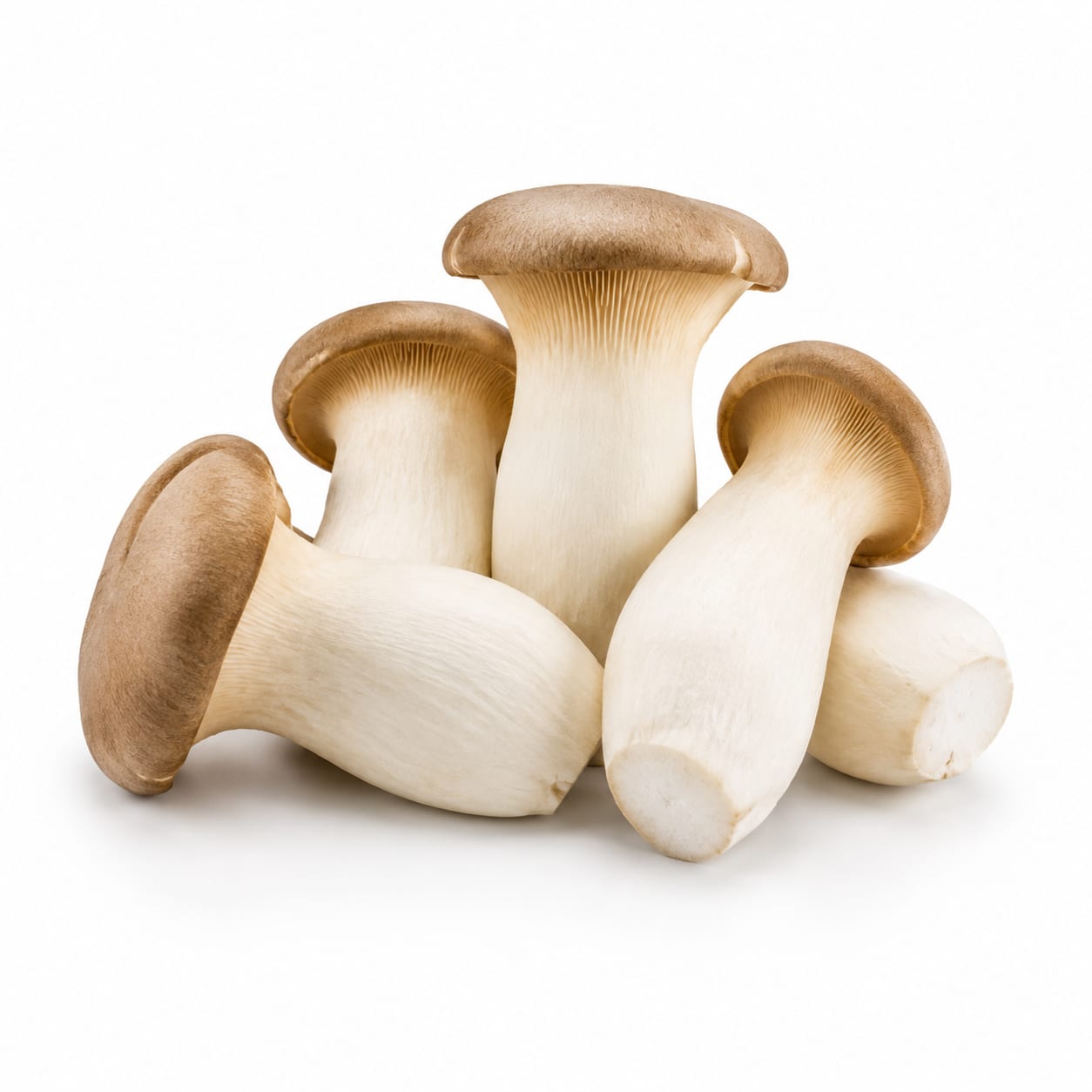
Compare with
King Oyster Mushroom
King oyster mushrooms provide a meatier bite and similar low-calorie nutrition to regular oyster mushrooms.
King oyster mushrooms provide a meatier bite and similar low-calorie nutrition to regular oyster mushrooms.
This food
Oyster Mushroom
VS70% alike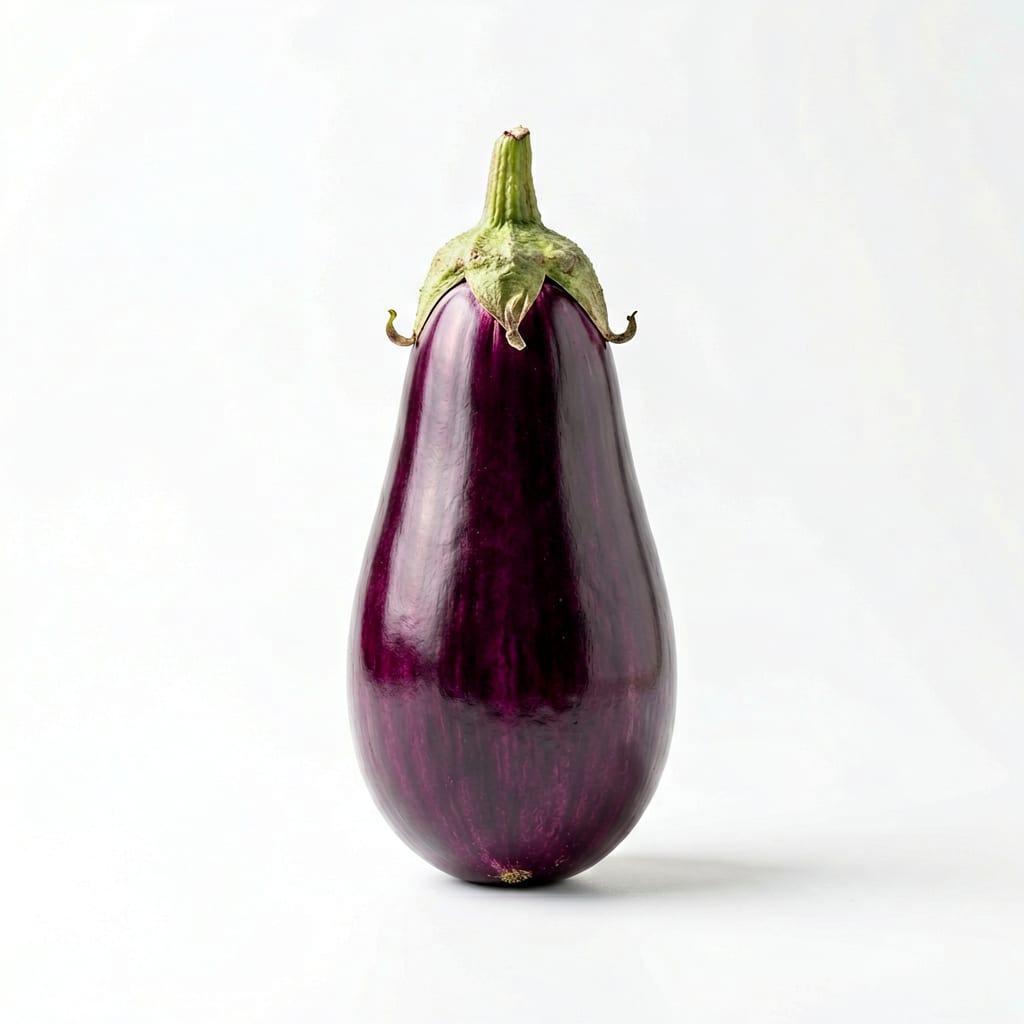
Compare with
Eggplant
Oyster mushrooms are lower in carbohydrates and sugar than eggplant, making them better for blood sugar control.
Oyster mushrooms are lower in carbohydrates and sugar than eggplant, making them better for blood sugar control.
This food
Oyster Mushroom
VS65% alike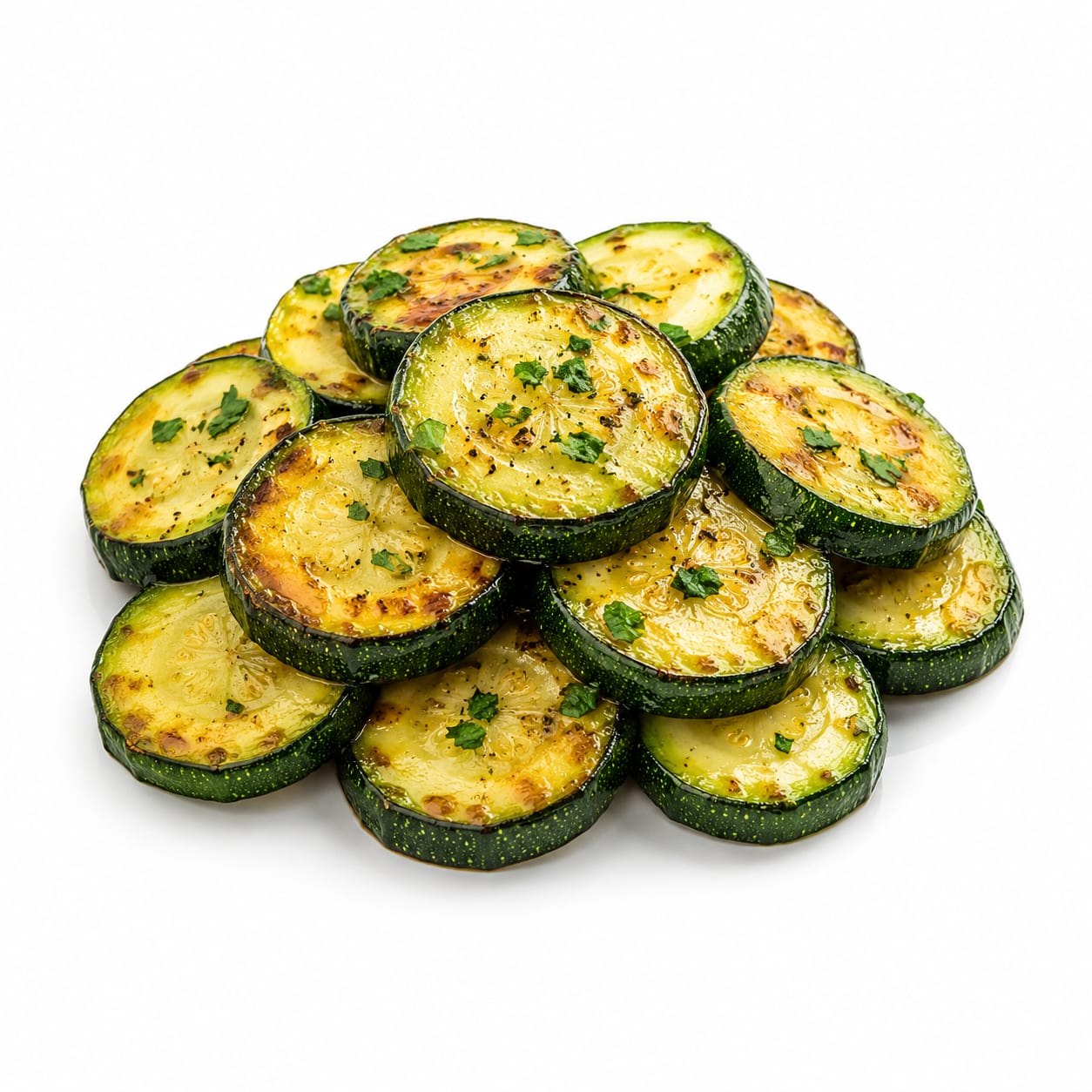
Compare with
Zucchini
Zucchini is lower in calories, but oyster mushrooms provide more fiber and beta-glucans for gut health and satiety.
Zucchini is lower in calories, but oyster mushrooms provide more fiber and beta-glucans for gut health and satiety.
This food
Oyster Mushroom
VS50% alike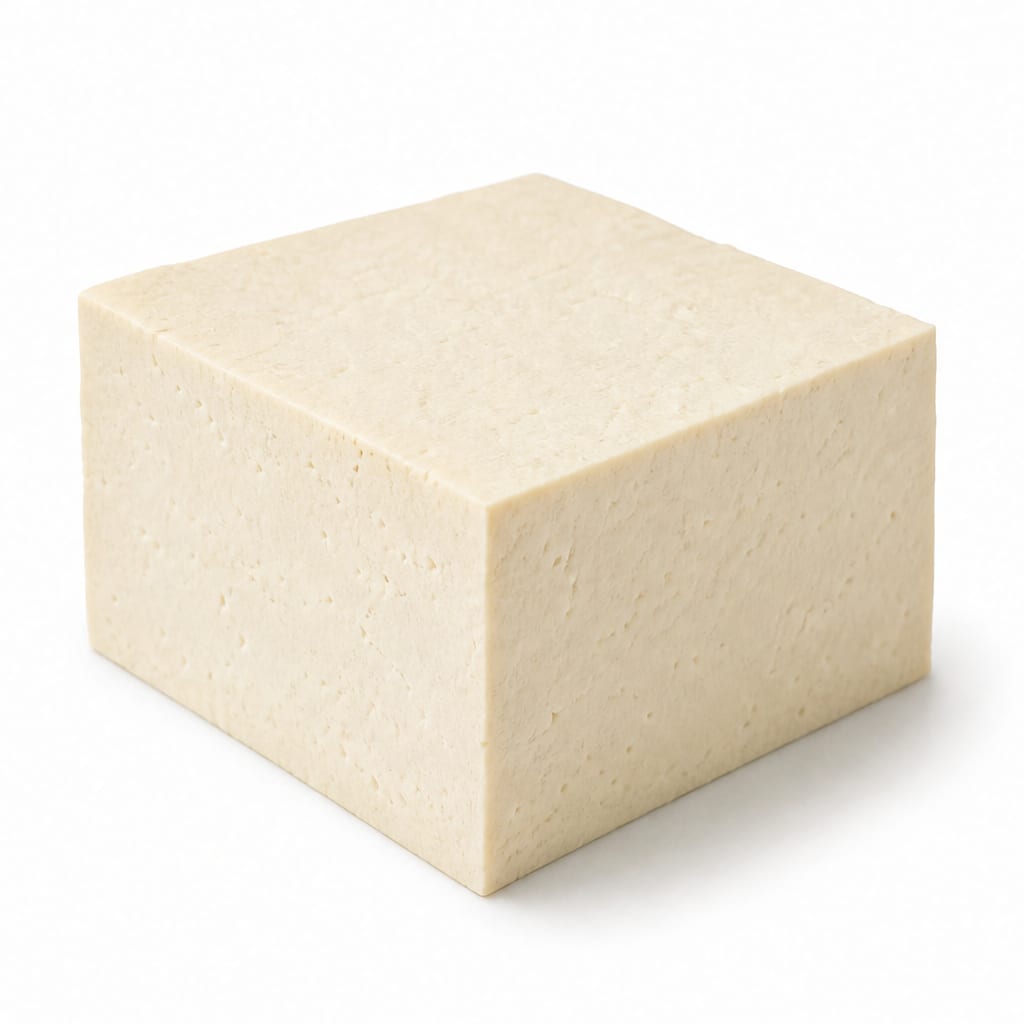
Compare with
Tofu
Tofu is far superior for protein and muscle building, while oyster mushrooms are better for low-calorie volume eating.
Tofu is far superior for protein and muscle building, while oyster mushrooms are better for low-calorie volume eating.
This food
Oyster Mushroom
VS30% alike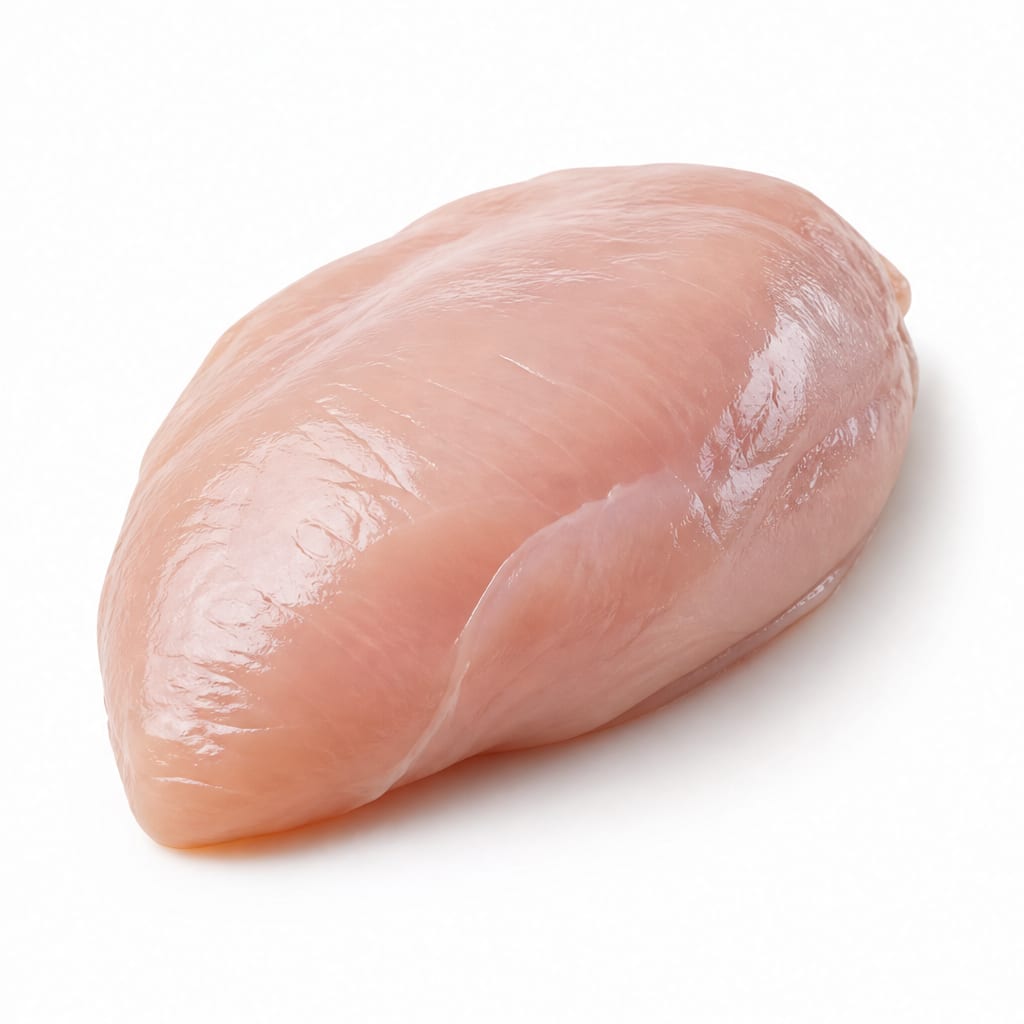
Compare with
Chicken Breast
Chicken breast provides high protein for fitness, whereas oyster mushrooms offer high volume and minimal calories for weight loss.
Chicken breast provides high protein for fitness, whereas oyster mushrooms offer high volume and minimal calories for weight loss.
This food
Oyster Mushroom
VS40% alike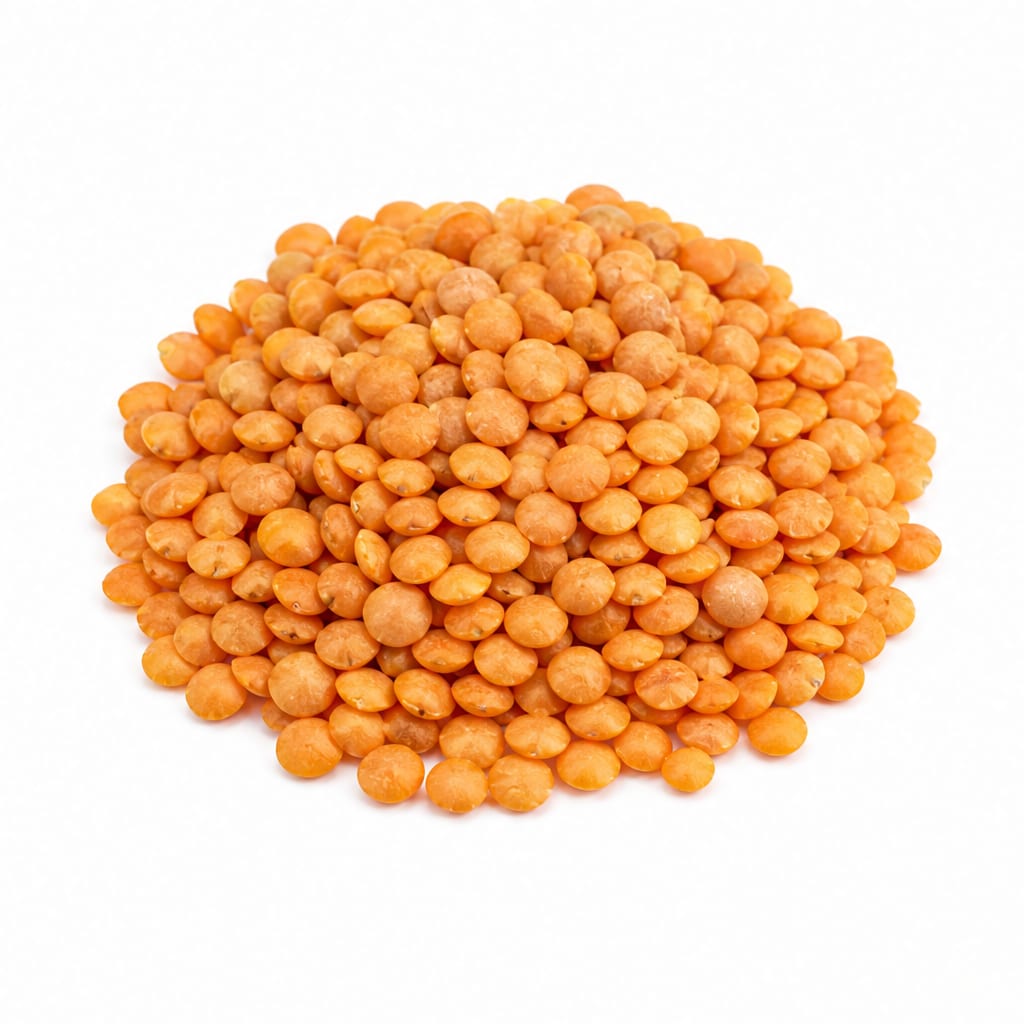
Compare with
Lentils
Lentils provide more protein and sustained energy, but oyster mushrooms are significantly lower in calories and carbohydrates.
Lentils provide more protein and sustained energy, but oyster mushrooms are significantly lower in calories and carbohydrates.
This food
Oyster Mushroom
VS55% alike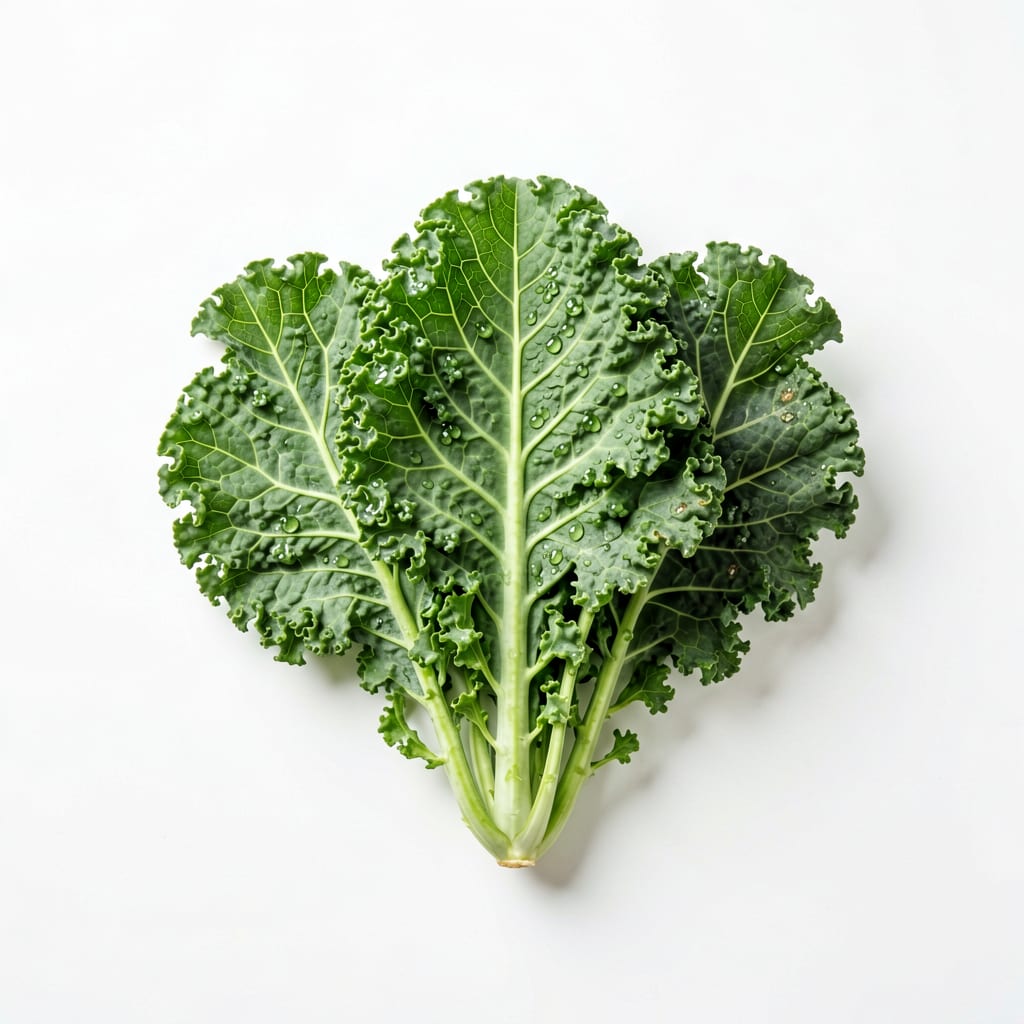
Compare with
Kale
Kale offers more vitamins K and A, while oyster mushrooms provide unique beta-glucans; both are excellent low-calorie choices.
Kale offers more vitamins K and A, while oyster mushrooms provide unique beta-glucans; both are excellent low-calorie choices.
Common questions
FAQ
Answers aligned with how people search for this food.
Are oyster mushrooms good for weight loss?
Yes, they are very low in calories and carbohydrates while providing dietary fiber that increases satiety, making them ideal for weight loss.
Can diabetics eat oyster mushrooms?
Yes, they have a very low glycemic index and contain beta-glucans that help regulate blood sugar levels, making them excellent for diabetic diets.
Do oyster mushrooms have protein?
They contain a small amount of protein (about 3.3g per 100g), but are not considered a high-protein food and should be paired with other protein sources.
Can you eat oyster mushrooms raw?
It is not recommended; raw oyster mushrooms contain chitin which is hard to digest and may cause gastrointestinal upset. Always cook them.
What are the health benefits of oyster mushrooms?
They support immune health, help regulate blood sugar, provide antioxidants, and promote gut health due to their fiber and beta-glucan content.
Are oyster mushrooms keto-friendly?
Yes, they are low in net carbs (about 3.8g per 100g), making them suitable for ketogenic and low-carb diets.
How do oyster mushrooms compare to button mushrooms?
Oyster mushrooms are slightly higher in calories and protein than button mushrooms and offer a more tender texture and milder, sweeter flavor.
Transparency
Data confidence
Estimated confidence for nutrition data, interpretation, safety notes, and comparisons.
Nutrition data
Health analysis
Food safety
Comparisons