
Nutrition comparison
Oyster Mushroom vs Button Mushroom: Nutrition, Safety, and Taste
Compare oyster mushrooms vs button mushrooms to see which is healthier, safer, and better for your budget. Learn about agaritine, beta-glucans, and cooking tips.
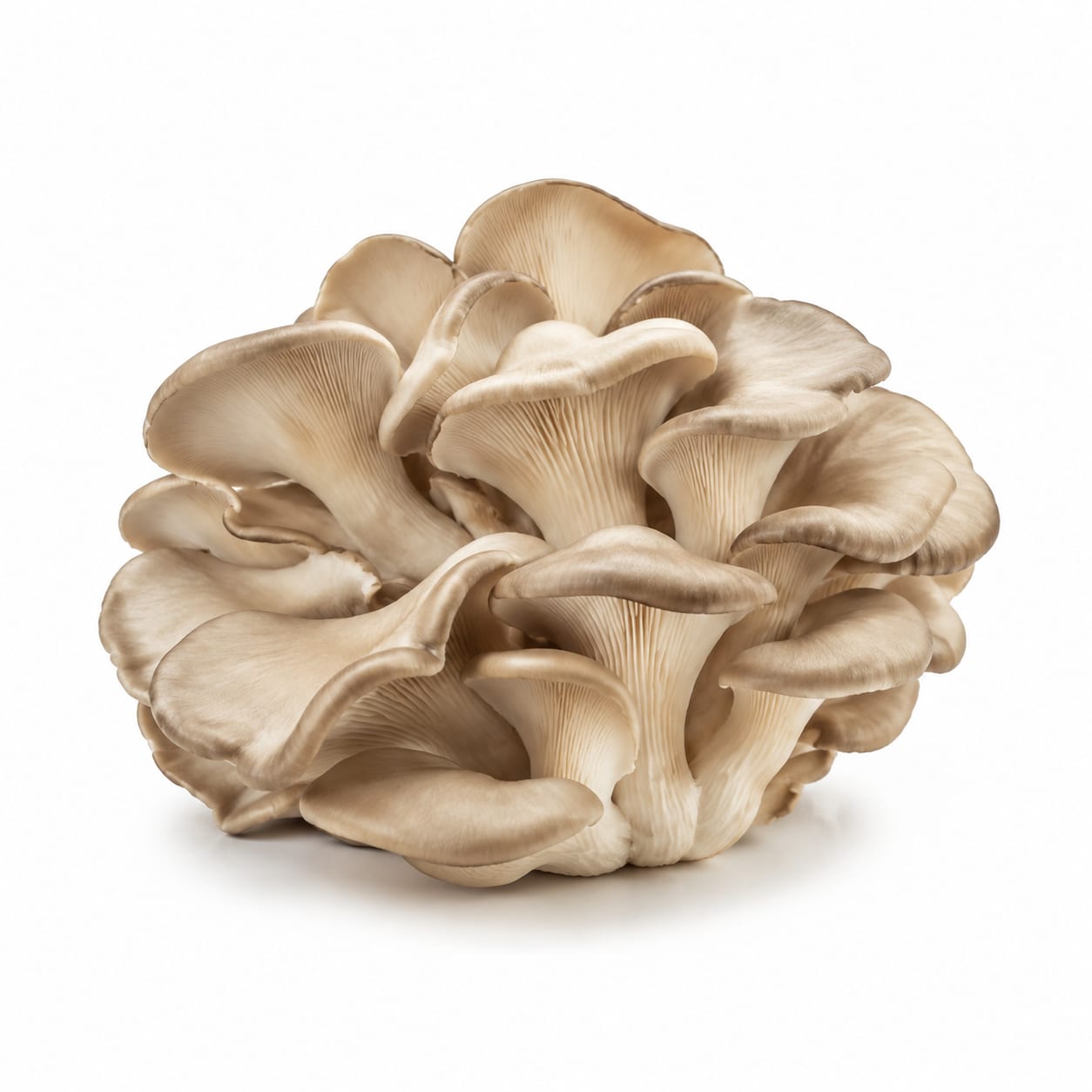
Oyster Mushroom
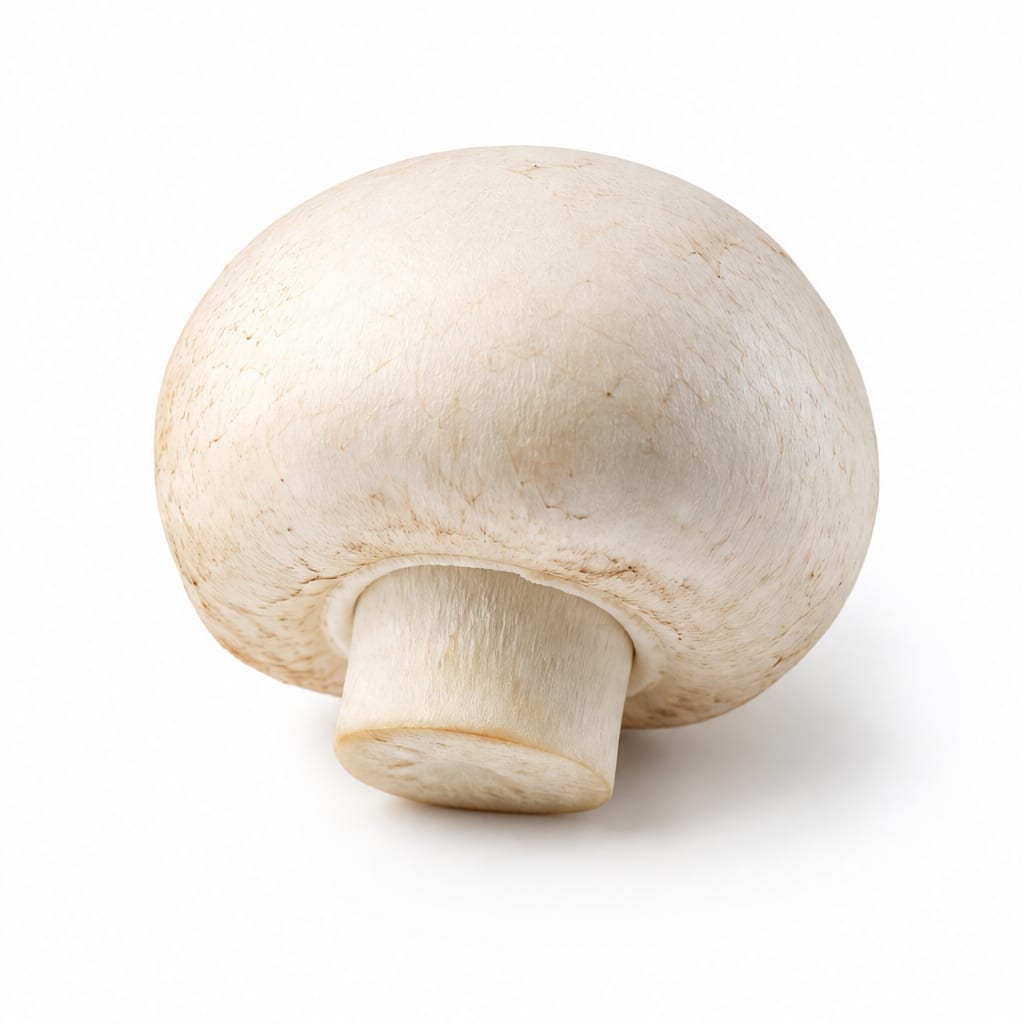
Button Mushroom
Oyster mushrooms deliver stronger medicinal benefits and a delicate texture, while button mushrooms win on everyday affordability, availability, and culinary versatility.
Oyster mushrooms take a slight lead due to higher beta-glucan content and natural cholesterol-lowering compounds, but button mushrooms remain an excellent, accessible staple.
Targeted health perks and quick cooking versus budget-friendly convenience and structural firmness.
At a glance
Executive summary
Overall
It depends
Healthier
Oyster Mushroom
More practical
Button Mushroom
Daily use
Button Mushroom
Key comparison lenses
Medicinal and therapeutic benefits
Oyster mushrooms are renowned for specific compounds like lovastatin and unique beta-glucans, making therapeutic potential a key differentiator.
Everyday practicality and cost
Button mushrooms are a ubiquitous budget staple, while oyster mushrooms are often pricier and harder to find, impacting daily usability.
Culinary application and texture
The delicate, quick-cooking nature of oyster mushrooms contrasts sharply with the firm, slow-roasting suitability of button mushrooms.
Food safety and preparation requirements
Button mushrooms contain agaritine, which requires cooking to neutralize, whereas oyster mushrooms do not carry this specific concern.
Best choice for
Oyster Mushroom
- Targeted cholesterol management
- Quick weeknight stir-fries
- Immune system support
Button Mushroom
- Budget-friendly meal prep
- Stuffing and roasting recipes
- Readily available everyday cooking
Least suitable for
Oyster Mushroom
- Tight grocery budgets
- Rural areas with limited produce selection
Button Mushroom
- Those specifically seeking high beta-glucan intake for therapeutic purposes
- Dishes requiring a delicate, seafood-like texture
Deep comparison
Dimension by dimension
Each lens scores both foods and breaks down who each option suits.
- Dimension 1 · Priority 90Oyster Mushroom
Antioxidant & Immune Profile
Oyster Mushroom · 88Button Mushroom · 75Oyster mushrooms are richer in specific beta-glucans and contain lovastatin, giving them a stronger medicinal edge.
Tradeoff
You get more targeted immune and heart benefits with oyster mushrooms, but button mushrooms still provide solid baseline antioxidants like ergothioneine.
Why it matters
Beta-glucans actively modulate the immune system, while lovastatin helps lower cholesterol naturally.
Real-world impact
Eating oyster mushrooms regularly may lead to better blood work over time, especially for cholesterol management.
Oyster Mushroom
- Cholesterol management
- Immune support during cold season
Better for
- Those who cannot find or afford them regularly
Worse for
Button Mushroom
- General daily antioxidant intake
- Reducing oxidative stress from aging
Better for
- People looking for strong therapeutic mushroom benefits from food alone
Worse for
- Dimension 2 · Priority 85Button Mushroom
Everyday Practicality & Cost
Oyster Mushroom · 65Button Mushroom · 92Button mushrooms are significantly cheaper and available in almost every grocery store year-round.
Tradeoff
You sacrifice some unique medicinal compounds, but you gain a budget-friendly staple that is always easy to find.
Why it matters
Consistency in diet relies heavily on convenience and cost. If a food is hard to find, you simply will not eat it as often.
Real-world impact
Grabbing a carton of button mushrooms is effortless and cheap, making them an easy addition to weekly meal prep.
Oyster Mushroom
- Specialty recipes calling for a delicate texture
Better for
- Tight food budgets
- One-stop shopping trips
Worse for
Button Mushroom
- Budget meal prep
- Quick grocery runs
- Bulk cooking
Better for
- Gourmet culinary presentations
Worse for
- Dimension 3 · Priority 80It depends
Culinary Texture & Cooking Speed
Oyster Mushroom · 85Button Mushroom · 80Oyster mushrooms cook incredibly fast and have a tender, meat-like tear, while button mushrooms are firmer and hold up better to longer cooking.
Tradeoff
Oyster mushrooms are delicate and can easily overcook, whereas button mushrooms need more time to release their water and brown properly.
Why it matters
Texture dictates how you use the mushroom. Delicate oyster mushrooms shine in quick sautés, while firm button mushrooms are better for roasting or stuffing.
Real-world impact
Oyster mushrooms can be ready in 3 minutes in a hot pan, perfect for busy nights. Button mushrooms take 10 minutes to properly caramelize.
Oyster Mushroom
- Quick weeknight meals
- Seafood-like dishes
- Tender stir-fries
Better for
- Recipes requiring structural integrity like stuffed mushrooms
- Long slow cooks where they might dissolve
Worse for
Button Mushroom
- Stuffing with cheese or grains
- Long-simmered stews
- Grilling and roasting
Better for
- Rushed weeknight cooking where you need veggies done fast
Worse for
- Dimension 4 · Priority 75Oyster Mushroom
Food Safety & Preparation
Oyster Mushroom · 85Button Mushroom · 70Button mushrooms contain agaritine, a naturally occurring compound that can be a mild concern when eaten raw, whereas oyster mushrooms do not.
Tradeoff
Button mushrooms require thorough cooking to neutralize agaritine, while oyster mushrooms are safer even with very light cooking.
Why it matters
Agaritine is a potential carcinogen in large raw doses. Cooking destroys it, but it requires an extra step of caution.
Real-world impact
You should never eat raw button mushrooms, always cook them. Oyster mushrooms carry less risk if lightly sautéed.
Oyster Mushroom
- Those who prefer lightly cooked mushrooms
- Minimizing raw food safety risks
Better for
- People who leave them in the fridge too long, as they spoil faster than button mushrooms
Worse for
Button Mushroom
- Those who always thoroughly cook their mushrooms anyway
Better for
- Habitual raw mushroom snackers
- Salad bars
Worse for
Timeline
Health impact over time
Short-term
Hours to days
Oyster Mushroom
- Quick, light satiety from low-calorie volume
- Rapid umami flavor enhancement for meals
Button Mushroom
- Filling addition to meals due to denser texture
- Must be cooked to avoid mild digestive or safety issues from agaritine
Long-term
Months to years
Oyster Mushroom
- Better cholesterol management from natural lovastatin
- Stronger immune modulation from high beta-glucans
Button Mushroom
- Consistent intake of baseline antioxidants like selenium and ergothioneine
- Affordable long-term vegetable variety
Risk profile
Safety & processing
Both oyster mushrooms and button mushrooms are whole, unprocessed foods when bought fresh, carrying virtually no additive concerns.
Oyster Mushroom
Rapid spoilage
lowOyster mushrooms are delicate and can become slimy or spoil faster than button mushrooms if not used within a few days.
Button Mushroom
Agaritine content
mediumRaw button mushrooms contain agaritine, a natural toxin that is potentially carcinogenic in high doses. Cooking thoroughly neutralizes it.
Who wins for whom
Audience fit
Same foods, different winners depending on your goal.
children
Button MushroomButton mushrooms have a milder flavor and firmer texture that can be easily hidden in sauces or served in kid-friendly recipes.
daily consumption
Button MushroomButton mushrooms are far cheaper and easier to find, making daily consumption much more realistic.
diabetes
Oyster MushroomOyster mushrooms have slightly more potent beta-glucans, which help regulate blood sugar more effectively.
elderly
Oyster MushroomThe natural lovastatin and immune-boosting beta-glucans in oyster mushrooms offer targeted benefits for aging bodies.
muscle gain
It dependsNeither is a significant protein source, though both add satisfying bulk to high-protein meals.
weight loss
It dependsBoth are extremely low in calories and high in volume, making them equally great for filling up without overeating.
Your move
Decision guide
Choose Oyster Mushroom
- You want targeted heart health and cholesterol benefits
- You find them fresh at a good price
- You need a fast-cooking, tender mushroom for stir-fries
Choose Button Mushroom
- You need an affordable, everyday vegetable staple
- You want a firm mushroom for stuffing, roasting, or grilling
- You are shopping at a standard grocery store with limited specialty produce
Either works if
- You just need a low-calorie flavor booster for a soup or pasta
- You want to increase your daily vegetable intake affordably
Avoid both if
- You have a known mushroom allergy
- You are foraging wild mushrooms without expert identification skills
Final recommendation
Keep button mushrooms in your regular rotation for budget-friendly everyday meals, but splurge on oyster mushrooms when you want a therapeutic boost or a quick-cooking delicacy.
Practical
Consumer tips
- 1
Always cook button mushrooms thoroughly to neutralize agaritine and unlock their nutrients.
- 2
Tear oyster mushrooms by hand instead of cutting them to preserve their delicate texture and prevent bruising.
- 3
Do not wash oyster mushrooms under running water; they act like sponges. Just wipe them with a damp cloth.
- 4
Store both types in a paper bag in the fridge to absorb moisture and prevent sliminess.