
Nutrition comparison
Oyster Mushroom vs Eggplant: Nutrition, Health & Cooking Comparison
Oyster mushroom vs eggplant: which is healthier? Compare calories, nutrients, cooking behavior, and digestion to find the best fit for your diet.
Overall winner · Oyster Mushroom
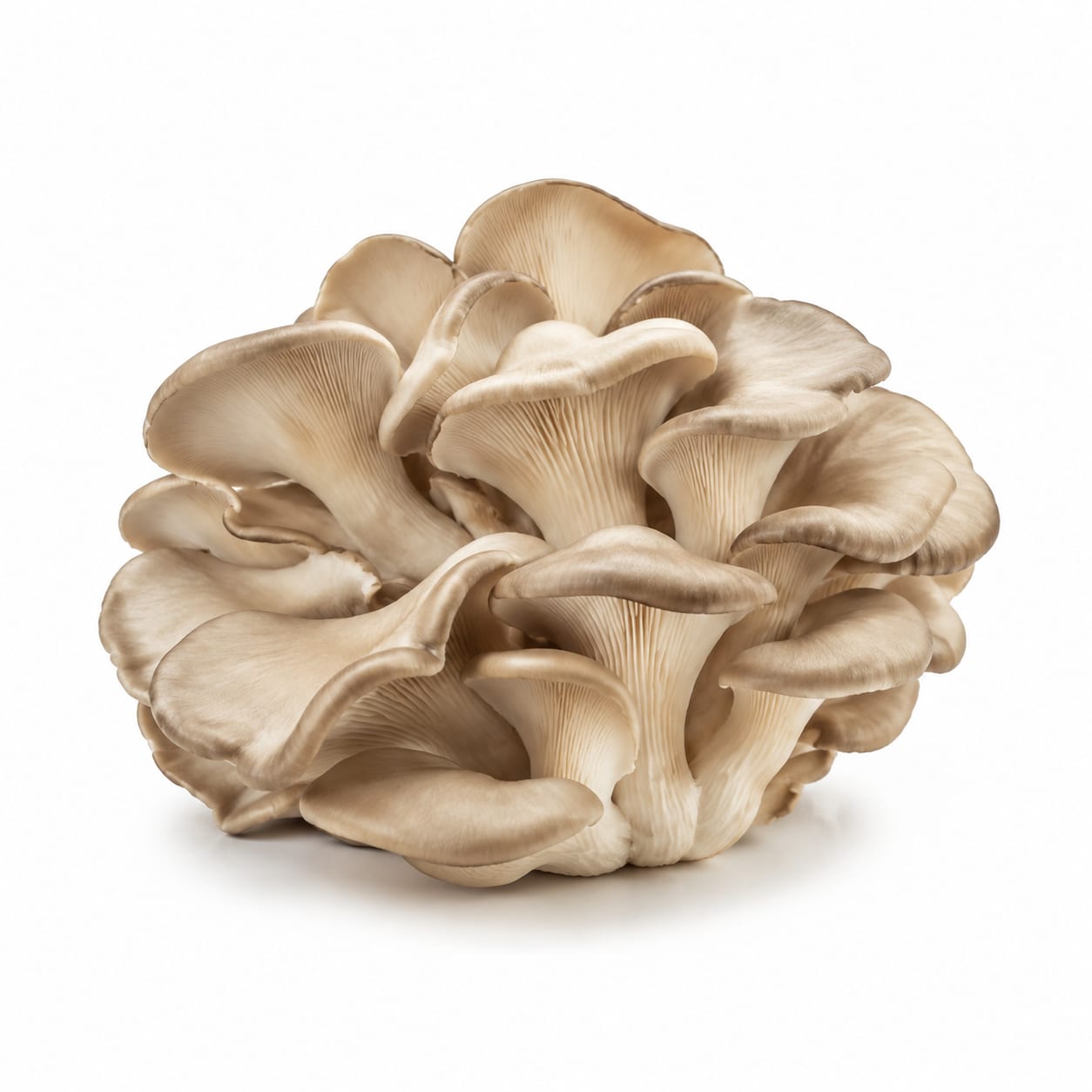
Oyster Mushroom
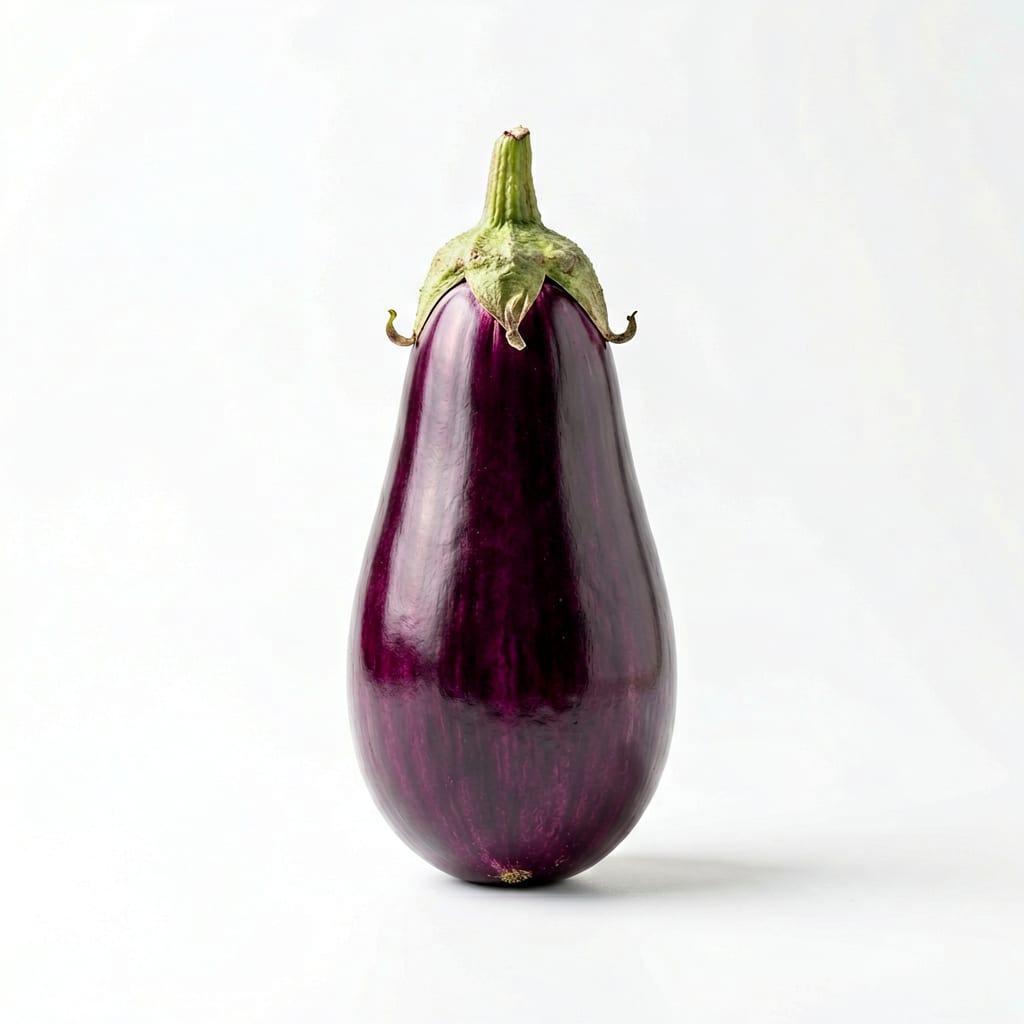
Eggplant
Oyster mushrooms offer more protein, immune-supporting compounds, and reliable low-calorie cooking, while eggplant provides satisfying bulk and unique antioxidants but acts like an oil sponge.
Oyster mushrooms score higher due to better protein content, beneficial beta-glucans, and a cooking behavior that keeps calories predictable. Eggplant loses ground because of its tendency to absorb massive amounts of oil and its potential to trigger inflammation in nightshade-sensitive individuals.
Meaty nutrition and low oil absorption versus comforting bulk and rich flavor that often comes with hidden calories.
At a glance
Executive summary
Overall
Oyster Mushroom
Healthier
Oyster Mushroom
More practical
It depends
Daily use
Oyster Mushroom
Key comparison lenses
Weight management and calorie control
Both are low-calorie vegetables, but their cooking behavior drastically changes final calorie counts.
Functional health compounds
Oyster mushrooms offer beta-glucans, while eggplant provides unique antioxidants like nasunin.
Culinary behavior and oil absorption
Eggplant is notorious for soaking up oil, while oyster mushrooms do not, impacting real-world calorie intake.
Digestive and inflammatory tolerability
Eggplant is a nightshade which triggers issues for some, whereas oyster mushrooms are generally well-tolerated.
Best choice for
Oyster Mushroom
- Immune system support
- Cholesterol management
- Reliable low-calorie cooking
Eggplant
- Hearty vegetarian meals
- Mediterranean diet recipes
- Antioxidant variety
Least suitable for
Oyster Mushroom
- People with mushroom allergies
- Those seeking sweet flavor profiles
Eggplant
- People with nightshade sensitivities
- Those strictly monitoring cooking oil intake
Deep comparison
Dimension by dimension
Each lens scores both foods and breaks down who each option suits.
- Dimension 1 · Priority 90Oyster Mushroom
Nutrient Density & Functional Compounds
Oyster Mushroom · 88Eggplant · 75Oyster mushrooms deliver beta-glucans for immune and cholesterol benefits, plus more protein. Eggplant brings nasunin and chlorogenic acid, but less overall protein.
Tradeoff
You get more immune and metabolic support from Oyster mushrooms, but miss out on the specific brain-protecting antioxidants found in Eggplant skin.
Why it matters
Beta-glucans actively help lower cholesterol and modulate the immune system, offering benefits beyond basic nutrition.
Real-world impact
Eating Oyster mushrooms regularly can help keep blood lipids in check, while Eggplant helps protect cells from oxidative stress.
Oyster Mushroom
- Immune support
- Cholesterol management
- Plant-based protein intake
Better for
- Those seeking high vitamin C
- People wanting sweet flavor
Worse for
Eggplant
- Brain health
- Cellular protection
- Antioxidant variety
Better for
- Those needing protein
- People avoiding nightshades
Worse for
- Dimension 2 · Priority 85It depends
Satiety & Weight Management
Oyster Mushroom · 84Eggplant · 72Eggplant offers more physical bulk per serving, but Oyster mushrooms are more protein-dense, keeping you full with fewer calories.
Tradeoff
Eggplant fills your stomach with volume, but Oyster mushrooms satisfy hunger more efficiently without the risk of hidden oil calories.
Why it matters
Volume eating works for some, but protein and predictable calories are usually more sustainable for long-term weight management.
Real-world impact
A stir-fry with Oyster mushrooms will be lighter and more filling per calorie than an Eggplant dish that secretly absorbed half a cup of cooking oil.
Oyster Mushroom
- Low-calorie cooking
- Oil-free roasting
- Lean diets
Better for
- Those wanting large physical portions
Worse for
Eggplant
- Volume eating
- Hearty stews
- Comfort food cravings
Better for
- Strict calorie counters
- Low-fat diets
Worse for
- Dimension 3 · Priority 80Oyster Mushroom
Culinary Versatility & Cooking Behavior
Oyster Mushroom · 86Eggplant · 70Oyster mushrooms cook quickly and absorb flavors without soaking up oil. Eggplant provides a meaty bite but notoriously absorbs cooking oil, increasing calories.
Tradeoff
Oyster mushrooms are faster and leaner to cook, while Eggplant requires more technique to prevent it from becoming a greasy sponge.
Why it matters
If you are not careful with Eggplant, a healthy vegetable turns into a high-calorie meal that leaves you feeling sluggish.
Real-world impact
Sautéing Oyster mushrooms takes minutes and stays light. Sautéing Eggplant often requires generous oil additions to prevent sticking.
Oyster Mushroom
- Quick weeknight meals
- Stir-fries
- Low-oil cooking
Better for
- Recipes needing structural bulk like lasagna
Worse for
Eggplant
- Grilling
- Baba ganoush
- Pasta dishes
Better for
- Fat-restricted diets
- Quick cooking needs
Worse for
- Dimension 4 · Priority 75Oyster Mushroom
Digestive Tolerance & Sensitivities
Oyster Mushroom · 85Eggplant · 60Oyster mushrooms are generally easy on the gut. Eggplant is a nightshade, which can trigger inflammation or digestive issues for sensitive individuals.
Tradeoff
Oyster mushrooms are safer for sensitive digestive systems, while Eggplant carries a higher risk of triggering joint pain or bloating in some people.
Why it matters
Nightshade sensitivities are common and often overlooked, potentially causing unexplained inflammation or digestive distress.
Real-world impact
If you often feel bloated or achy after dinner, swapping Eggplant for Oyster mushrooms might be a game-changer.
Oyster Mushroom
- Sensitive stomachs
- Anti-inflammatory diets
- Nightshade-free diets
Better for
- Mushroom allergies
Worse for
Eggplant
- Robust digestion
- High-fiber needs
Better for
- Arthritis flare-ups
- IBS triggers
- Nightshade sensitivities
Worse for
Timeline
Health impact over time
Short-term
Hours to days
Oyster Mushroom
- Light, energized feeling after eating
- Quick satiety from protein and fiber
Eggplant
- Very full feeling from water and fiber bulk
- Potential for sluggishness if cooked in heavy oil
Long-term
Months to years
Oyster Mushroom
- Improved cholesterol levels from beta-glucans
- Better immune resilience
Eggplant
- Enhanced cellular defense from antioxidants
- Possible joint pain if sensitive to nightshades
Risk profile
Safety & processing
Both Oyster mushrooms and Eggplant are whole, minimally processed foods when purchased fresh, making them excellent natural choices.
Oyster Mushroom
Mushroom allergy or spore inhalation
lowRare, but some individuals react to mushroom spores or develop contact dermatitis when handling them.
Misidentification if foraging
highForaging wild Oyster mushrooms carries the risk of confusing them with toxic lookalikes like the jack-o'-lantern mushroom. Always buy from reputable sources.
Eggplant
Nightshade sensitivity
mediumContains solanine, which can trigger inflammation, joint pain, or digestive discomfort in sensitive individuals.
Hidden calorie absorption
mediumEggplant acts like a sponge, absorbing cooking oil and drastically increasing calorie content without you realizing it.
Who wins for whom
Audience fit
Same foods, different winners depending on your goal.
children
It dependsKids might enjoy the softer texture of cooked Eggplant, but Oyster mushrooms can be a fun, mild introduction to fungi.
daily consumption
Oyster MushroomLess likely to cause inflammation or digestive upset, making Oyster mushrooms a safer everyday staple.
diabetes
Oyster MushroomOyster mushrooms have a lower glycemic load and contain beta-glucans, which help regulate blood sugar more effectively.
elderly
Oyster MushroomEasier to digest and rich in B vitamins and immune-supporting compounds that aging bodies benefit from.
muscle gain
Oyster MushroomOyster mushrooms contain slightly more protein per calorie, though both need to be paired with higher protein foods for real muscle building.
weight loss
Oyster MushroomOyster mushrooms provide a meaty texture without the oil-absorbing pitfalls of Eggplant, keeping calories reliably low.
Your move
Decision guide
Choose Oyster Mushroom
- You want reliable low-calorie cooking
- You are managing cholesterol or immune health
- You have joint pain or nightshade sensitivity
Choose Eggplant
- You love Mediterranean or Middle Eastern cuisine
- You want a vegetable that adds substantial bulk to meals
- You are cooking with healthy fats and want rich flavor
Either works if
- You need a low-calorie plant-based side dish
- You are building a hearty vegetable stir-fry or stew
Avoid both if
- You need a primary protein source for a meal
- You are on a very low-fiber diet
Final recommendation
For everyday health and cooking ease, Oyster mushrooms are the more practical and nutrient-dense choice. Save Eggplant for when you specifically crave its unique texture and flavor, but be mindful of how much oil you use in the pan.
Practical
Consumer tips
- 1
Salt sliced Eggplant and let it sit for 30 minutes to draw out water; this drastically reduces the amount of oil it absorbs during cooking.
- 2
Cook Oyster mushrooms quickly over high heat to maintain their tender texture and avoid making them rubbery.
- 3
Pair both vegetables with a source of healthy fat like olive oil to help absorb their fat-soluble vitamins and antioxidants.