
Nutrition comparison
Oyster Mushroom vs Kale: Nutritional Showdown & Health Benefits
Compare Oyster Mushroom vs Kale to see which is healthier. Learn about vitamins, fiber, safety, and the best uses for each superfood.
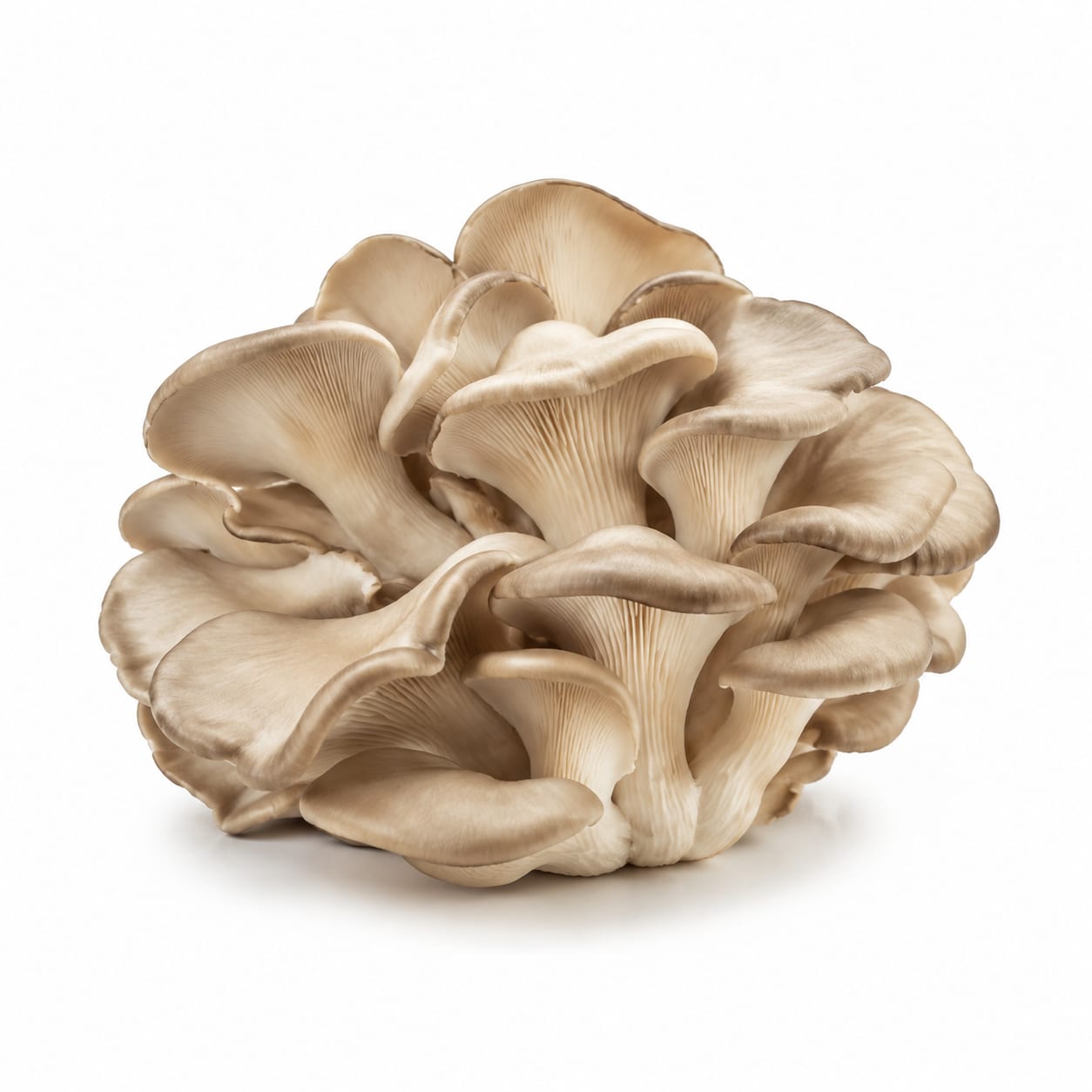
Oyster Mushroom
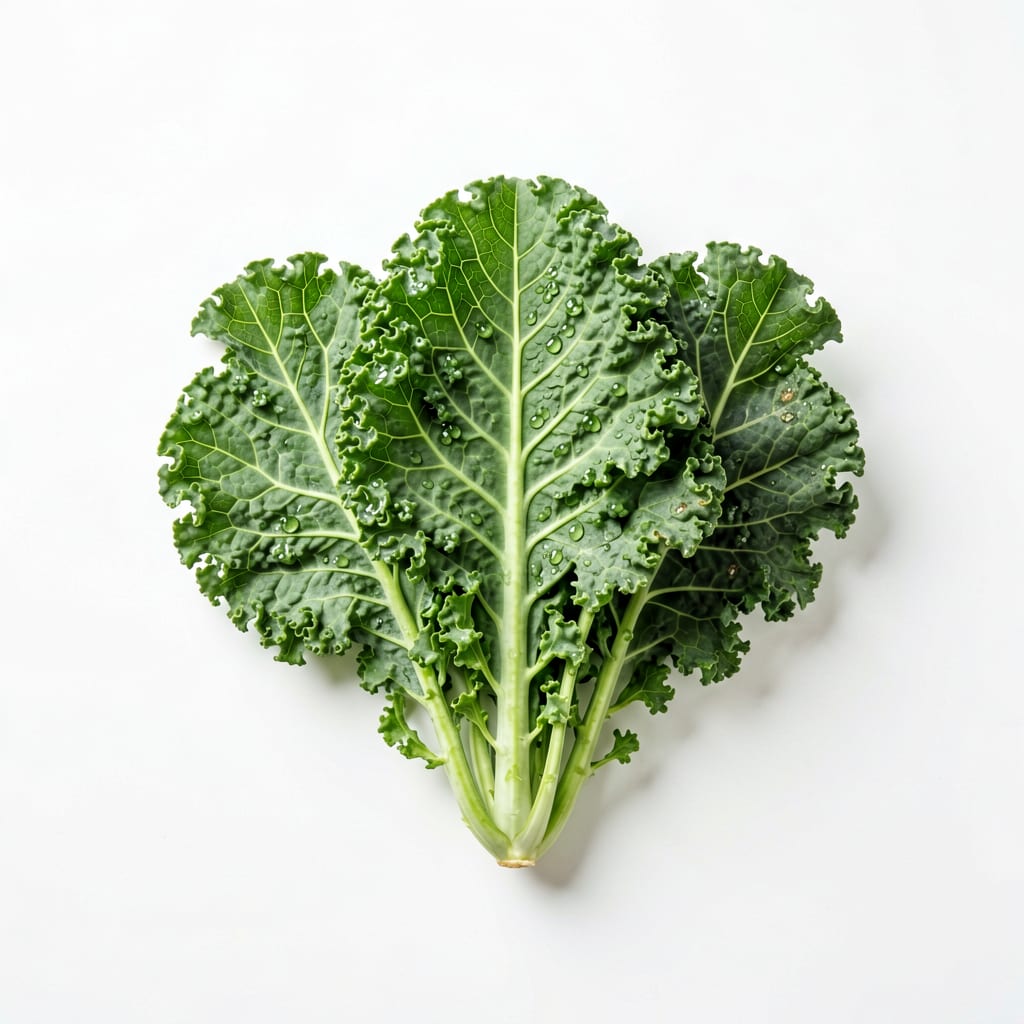
Kale
Kale dominates in vitamins and classic nutrient density, while Oyster Mushrooms offer unique immune-supporting compounds and a satisfying meaty texture.
Kale scores higher due to its exceptional vitamin and mineral density, but Oyster Mushrooms remain a strong functional food with unique beta-glucan benefits.
Vitamin-packed leafy green crunch versus savory, gut-friendly fungi.
At a glance
Executive summary
Overall
It depends
Healthier
Kale
More practical
It depends
Daily use
Kale
Key comparison lenses
Nutrient Density & Vitamin Profile
Kale is famous for its extreme vitamin content, which is the primary reason most people seek it out.
Functional Compounds & Immunity
Oyster mushrooms offer unique beta-glucans and ergothioneine that kale completely lacks.
Safety & Anti-nutrients
Kale's oxalates, goitrogens, and pesticide residues contrast sharply with the cleaner profile of cooked mushrooms.
Culinary Role & Satiety
Comparing a meaty umami ingredient to a fibrous leafy green highlights very different dinner plate utilities.
Best choice for
Oyster Mushroom
- Plant-based meat alternatives
- Immune system support
- Cholesterol management
Kale
- Vitamin K and A boosting
- Bone health
- Eye health
Least suitable for
Oyster Mushroom
- Raw food diets
- Those with severe mold or fungus allergies
Kale
- People on blood thinners like Warfarin
- Those prone to kidney stones from oxalates
Deep comparison
Dimension by dimension
Each lens scores both foods and breaks down who each option suits.
- Dimension 1 · Priority 95Kale
Nutrient Density & Vitamins
Oyster Mushroom · 60Kale · 95Kale is a vitamin powerhouse, especially for Vitamins K, A, and C, while Oyster Mushrooms provide B vitamins but lack the sheer vitamin volume of kale.
Tradeoff
You trade massive vitamin levels for a different set of functional compounds.
Why it matters
Vitamin K is critical for bone and blood health, and kale delivers it in extreme amounts.
Real-world impact
Eating kale regularly can easily meet your daily vitamin K and C needs, whereas mushrooms will not move the needle much on those.
Oyster Mushroom
- B-vitamin support
Better for
- Correcting vitamin K deficiency
Worse for
Kale
- Meeting daily vitamin needs
- Boosting immunity with Vitamin C
Better for
- Those avoiding high Vitamin K due to medication
Worse for
- Dimension 2 · Priority 85Kale
Fiber & Gut Health
Oyster Mushroom · 75Kale · 85Kale offers more fiber per calorie, but Oyster Mushrooms provide beta-glucans, a unique soluble fiber that feeds gut bacteria and lowers cholesterol.
Tradeoff
Kale gives you more overall bulk and roughage, while Oyster Mushrooms offer targeted cholesterol-lowering fiber.
Why it matters
Different fiber types do different things; roughage keeps you regular, while beta-glucans actively improve blood lipids.
Real-world impact
A kale salad keeps you full and regular; oyster mushrooms actively help lower your cholesterol over time.
Oyster Mushroom
- Lowering cholesterol
- Feeding beneficial gut bacteria
Better for
- Managing constipation with roughage
Worse for
Kale
- Improving stool bulk
- Feeling physically full
Better for
- Targeting lipid reduction
Worse for
- Dimension 3 · Priority 80It depends
Antioxidant & Immune Profile
Oyster Mushroom · 85Kale · 85Kale brings flavonoids and carotenoids for eye health, while Oyster Mushrooms bring ergothioneine and beta-glucans for immune defense.
Tradeoff
Eye and cellular protection versus immune system activation and anti-inflammatory fungi compounds.
Why it matters
Both offer distinct protective mechanisms against chronic disease.
Real-world impact
Kale helps protect your vision and cells from oxidative stress; oyster mushrooms train your immune system to respond better.
Oyster Mushroom
- Immune modulation
- Reducing systemic inflammation
Better for
- Macular degeneration defense
Worse for
Kale
- Eye health
- Skin protection from oxidative damage
Better for
- Immune priming during cold season
Worse for
- Dimension 4 · Priority 75It depends
Culinary Versatility & Satiety
Oyster Mushroom · 80Kale · 80Oyster Mushrooms shine as a savory, meaty substitute, while Kale works as a sturdy green that holds up to cooking or adds crunch when massaged.
Tradeoff
Hearty, umami-rich texture versus leafy, structural crunch.
Why it matters
How a food feels to eat determines how often you will actually cook it.
Real-world impact
Oyster mushrooms make a satisfying plant-based stir-fry base; kale makes a robust salad or soup green that does not wilt instantly.
Oyster Mushroom
- Replacing meat in dishes
- Adding umami flavor
Better for
- Raw salad applications
Worse for
Kale
- Making hearty salads
- Adding greens to smoothies
Better for
- Mimicking meat textures
Worse for
- Dimension 5 · Priority 70Oyster Mushroom
Safety & Anti-nutrients
Oyster Mushroom · 85Kale · 65Kale contains oxalates and goitrogens, and often carries high pesticide residues. Oyster Mushrooms are cleaner but must be cooked to avoid digestive upset.
Tradeoff
Thyroid and kidney risks from raw kale versus the simple requirement to cook mushrooms.
Why it matters
Hidden compounds can undermine the benefits of healthy foods for sensitive people.
Real-world impact
Eating raw kale daily might affect your thyroid or kidneys; oyster mushrooms just need a quick sauté to be perfectly safe.
Oyster Mushroom
- Thyroid health
- Avoiding oxalates
Better for
- People who want to eat raw
Worse for
Kale
- Those with mold or fungus sensitivities
Better for
- People prone to kidney stones
- Those avoiding pesticides
Worse for
Timeline
Health impact over time
Short-term
Hours to days
Oyster Mushroom
- Quick satiety from savory umami
- Gentle on blood sugar
Kale
- Immediate boost in Vitamin C
- Filling fiber bulk
Long-term
Months to years
Oyster Mushroom
- Improved cholesterol levels
- Better immune resilience
Kale
- Stronger bones from Vitamin K
- Protected vision from lutein
Risk profile
Safety & processing
Both are whole, unprocessed foods straight from nature, making them excellent foundational ingredients for clean eating.
Oyster Mushroom
Digestive upset from raw consumption
mediumRaw oyster mushrooms contain chitin that is hard to digest and can cause stomach cramps; always cook them.
Kale
Pesticide residue
highKale is consistently on the EWG's Dirty Dozen list for high pesticide residues; buy organic if possible.
Oxalate and goitrogen exposure
mediumRaw kale contains compounds that can interfere with thyroid function and contribute to kidney stones in susceptible individuals.
Who wins for whom
Audience fit
Same foods, different winners depending on your goal.
children
Oyster MushroomOyster mushrooms have a milder, more pleasant texture when cooked, making them easier for kids to accept than bitter kale.
daily consumption
KaleKale's unmatched vitamin profile makes it a better daily staple, provided it is rotated with other greens to avoid oxalate buildup.
diabetes
KaleKale's extremely low carb count and high fiber make it virtually impact-free on blood sugar.
elderly
KaleKale's high Vitamin K is crucial for bone density and cardiovascular health in older adults.
muscle gain
It dependsNeither is a significant protein source, but oyster mushrooms offer slightly more protein per calorie.
weight loss
KaleKale provides more fiber and volume per calorie, keeping you fuller on fewer calories.
Your move
Decision guide
Choose Oyster Mushroom
- You want a satisfying, meaty texture in plant-based meals
- You are focused on lowering cholesterol naturally
- You have thyroid concerns and want to avoid goitrogens
Choose Kale
- You need a massive boost in Vitamins K, A, and C
- You want a sturdy green for salads or smoothies
- You are focused on bone and eye health
Either works if
- You want low-calorie, high-fiber whole foods
- You are trying to eat more diverse plant foods
Avoid both if
- You are on a strict low-fiber diet for digestive rest
Final recommendation
Use both for different purposes: Kale as your daily vitamin powerhouse, and Oyster Mushrooms as your savory, cholesterol-lowering meat alternative.
Practical
Consumer tips
- 1
Always cook Oyster Mushrooms to break down chitin and avoid stomach upset.
- 2
Buy organic Kale whenever possible to avoid high pesticide residues.
- 3
If you eat Kale daily, rotate it with other greens to prevent oxalate buildup.
- 4
Shred Oyster Mushrooms to mimic the texture of pulled pork or chicken in recipes.