
Nutrition comparison
Oyster Mushroom vs Lentils: Protein, Satiety, and Digestion Compared
Oyster Mushrooms are ultra-low calorie and gut-friendly, but Lentils dominate in protein, fiber, and lasting fullness. Learn which fits your goals and how to use both together.
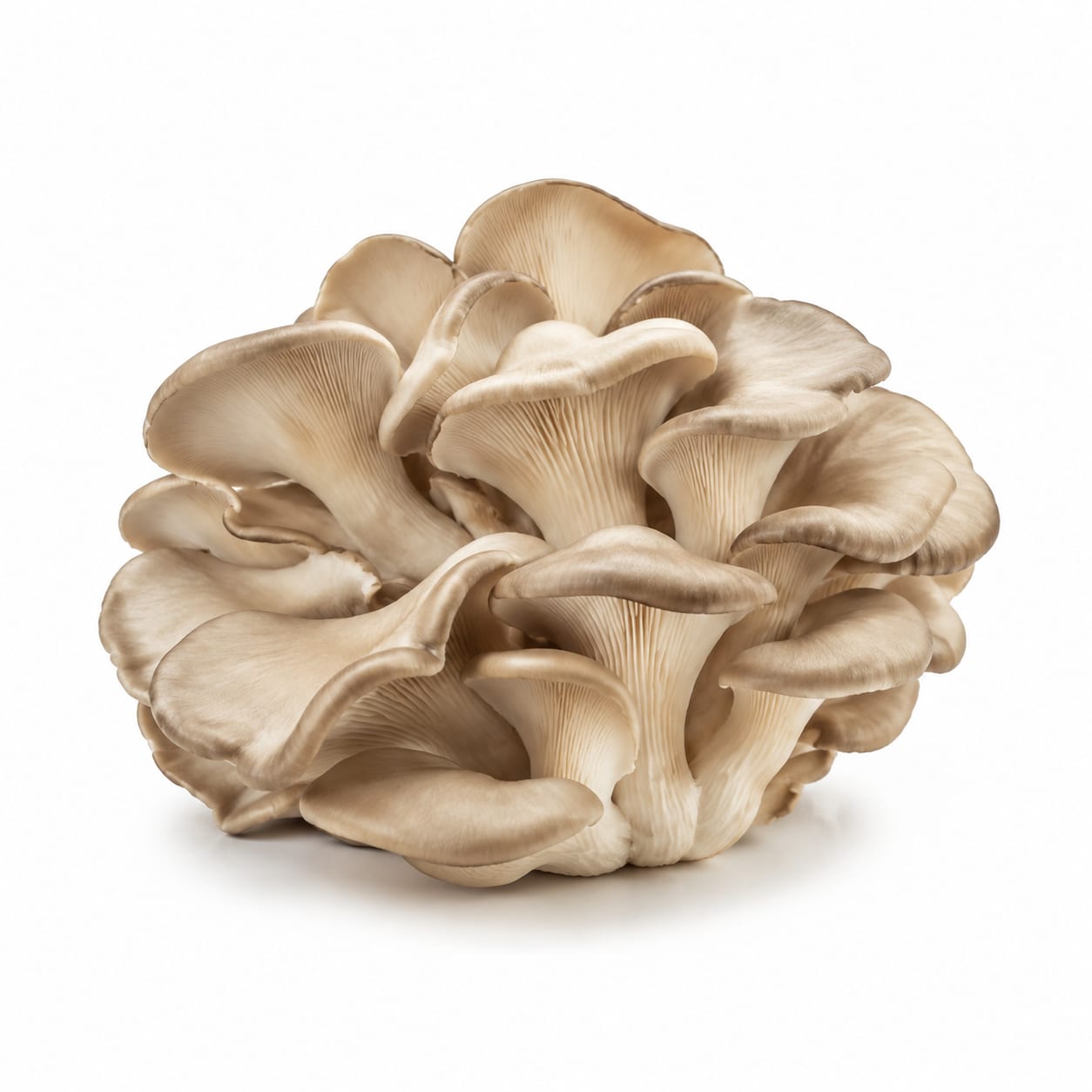
Oyster Mushroom
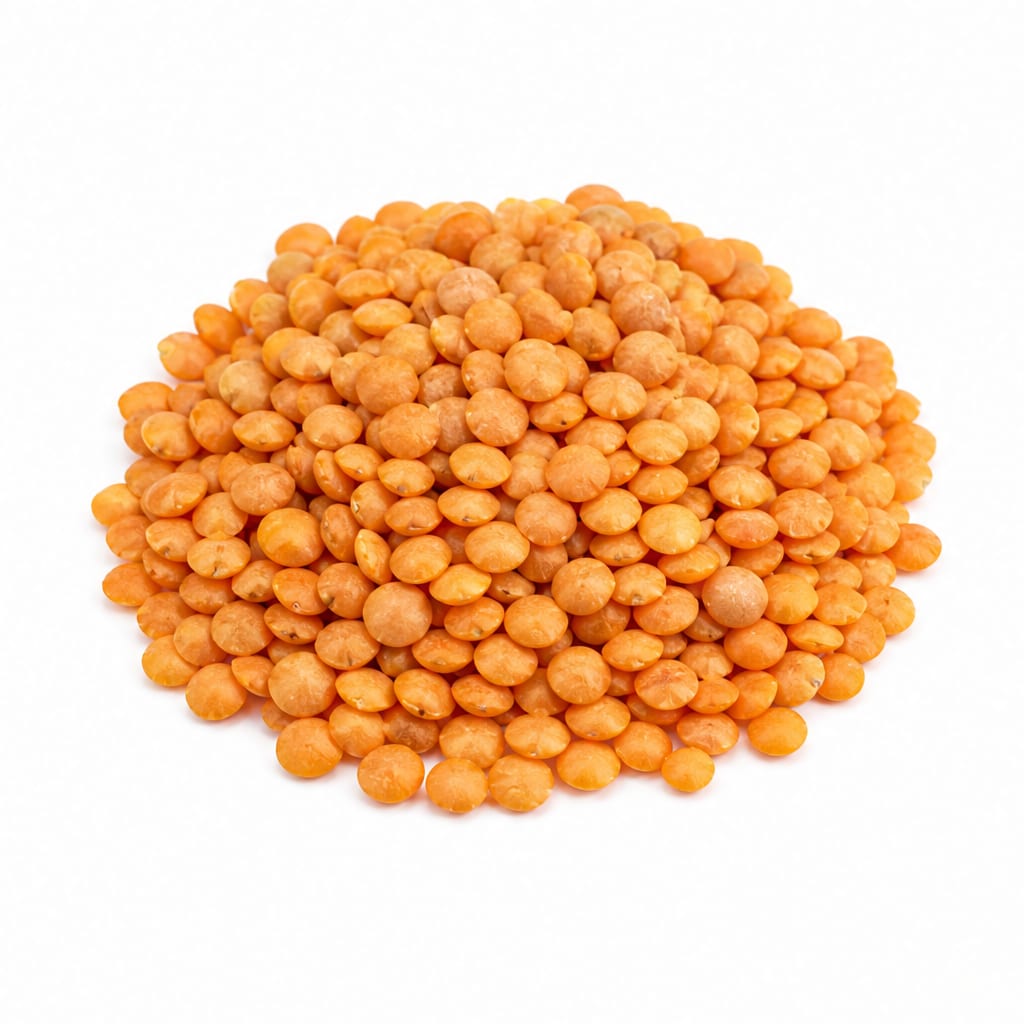
Lentils
Lentils are the nutritional workhorse with protein and fiber that actually fuel you; Oyster Mushrooms are the light, gut-friendly volume food that lets you eat more for less calories.
Lentils score significantly higher due to superior protein, fiber, mineral content, and satiety. Oyster Mushrooms excel in specific niches like low-calorie volume and digestive comfort but cannot match Lentils as a nutritional foundation.
Substance versus lightness — Lentils deliver lasting energy and fullness but require digestive tolerance, while Oyster Mushrooms are effortless on the stomach but will not keep you satisfied alone.
At a glance
Executive summary
Overall
It depends
Healthier
Lentils
More practical
Lentils
Daily use
Lentils
Key comparison lenses
plant-based protein comparison
Lentils are a protein staple while Oyster Mushrooms are often mistakenly assumed to be high-protein; clarifying this gap is critical
satiety and meal satisfaction
These foods serve very different roles in keeping you full — Lentils are dense and filling, Oyster Mushrooms are light and volume-friendly
digestive tolerance and gut comfort
Lentils cause bloating for many people while Oyster Mushrooms are gentle on the stomach, making this a key daily-use concern
weight management strategy
One is ultra-low calorie for volume eating, the other is calorie-dense but highly satiating — different approaches to the same goal
blood sugar stability
Lentils are a low-glycemic powerhouse while Oyster Mushrooms have minimal impact, both useful but in different ways
Best choice for
Oyster Mushroom
- Volume eaters who want large portions with minimal calories
- People with sensitive digestion or IBS triggers
- Anyone adding umami flavor without heaviness
- Light dinner preferences when you want to sleep comfortably
Lentils
- Plant-based eaters needing reliable protein
- Anyone wanting long-lasting energy between meals
- Meal preppers building filling weekly staples
- Athletes or active people needing sustained fuel
Least suitable for
Oyster Mushroom
- Anyone relying on it as a protein source
- People needing sustained energy for long workdays
- Those wanting a single-item satisfying meal
Lentils
- People with severe legume intolerance or gas sensitivity
- Those wanting ultra-light meals before bed
- Anyone short on cooking time without meal prep
Deep comparison
Dimension by dimension
Each lens scores both foods and breaks down who each option suits.
- Dimension 1 · Priority 95Lentils
Protein Content & Quality
Oyster Mushroom · 20Lentils · 88Lentils provide roughly 9g of protein per cooked cup versus about 3g in Oyster Mushrooms — this is not a close comparison.
Tradeoff
Oyster Mushrooms are not a protein source no matter how meaty they taste; Lentils are one of the best plant proteins available.
Why it matters
If you are eating plant-based, protein is the nutrient most likely to fall short. Relying on mushrooms for protein will leave you underfed.
Real-world impact
A lentil-based lunch keeps you full until dinner. A mushroom-only lunch leaves you hunting for snacks by 3pm.
Oyster Mushroom
- Light meals where protein is coming from elsewhere
Better for
- Anyone expecting meat-like protein content
Worse for
Lentils
- Plant-based meal builders
- Post-workout recovery plates
- Any meal where the food is the main protein source
Better for
- Very low-calorie diet phases where even 9g protein adds too many calories
Worse for
- Dimension 2 · Priority 90Lentils
Satiety & Fullness
Oyster Mushroom · 35Lentils · 90Lentils are among the most filling foods you can eat. Oyster Mushrooms are light and watery — pleasant but not satisfying alone.
Tradeoff
You eat Oyster Mushrooms to feel light; you eat Lentils to feel fueled. Different needs, different tools.
Why it matters
Satiety determines whether you stick with your eating plan or end up overeating later. Lentils prevent the cascade; mushrooms rarely do.
Real-world impact
A bowl of lentil soup at noon means no afternoon crash. A mushroom stir-fry means you are back in the kitchen in two hours.
Oyster Mushroom
- Times you intentionally want a light stomach
- Late meals before sleep
Better for
- Anyone prone to overeating when underfed
Worse for
Lentils
- Main meals that need to carry you 4-5 hours
- Busy days with no time for snacking
Better for
- Hot days when heavy food feels unappealing
Worse for
- Dimension 3 · Priority 80Oyster Mushroom
Calorie Density & Volume Eating
Oyster Mushroom · 92Lentils · 55Oyster Mushrooms let you eat a mountain of food for roughly 30 calories per cup. Lentils are moderate at about 230 calories per cooked cup.
Tradeoff
Maximum volume for minimum calories goes to mushrooms, but you sacrifice the staying power that makes those calories worthwhile.
Why it matters
If you are cutting calories and need visual and physical fullness, mushrooms are a cheat code. But empty volume can trigger hunger rebound.
Real-world impact
You can eat an entire pan of sautéed Oyster Mushrooms guilt-free. A giant bowl of lentils is a full meal — and that is the point.
Oyster Mushroom
- Aggressive calorie-cutting phases
- Emotional eaters needing large portions
Better for
- Anyone already struggling to eat enough
Worse for
Lentils
- Maintaining weight without counting calories
- Active people who cannot afford to under-eat
Better for
- Strict calorie restriction diets
Worse for
- Dimension 4 · Priority 85Lentils
Fiber & Gut Health
Oyster Mushroom · 40Lentils · 92Lentils deliver around 8g fiber per cooked cup — a gut microbiome feast. Oyster Mushrooms offer modest fiber at roughly 1-2g per cup.
Tradeoff
More fiber means better gut health but also more gas. Lentils are potent medicine; mushrooms are gentle comfort.
Why it matters
Fiber is the single most underconsumed nutrient in most diets. Lentils close that gap dramatically. Mushrooms barely move the needle.
Real-world impact
Regular lentil consumption means better digestion over weeks. Mushroom fiber is a nice bonus but not a strategy.
Oyster Mushroom
- People whose guts are already irritated and need gentle food
Better for
- Those counting on it for daily fiber needs
Worse for
Lentils
- Anyone needing to dramatically boost fiber intake
- Microbiome health optimization
Better for
- New consumers unaccustomed to high fiber — ramp up slowly
Worse for
- Dimension 5 · Priority 85Oyster Mushroom
Digestive Tolerance
Oyster Mushroom · 90Lentils · 50Oyster Mushrooms are easy on nearly every digestive system. Lentils are notorious for causing gas, bloating, and discomfort in unaccustomed eaters.
Tradeoff
Comfort now versus gut adaptation later — Lentils get easier with regular consumption, but the transition can be rough.
Why it matters
If you avoid a food because of digestive fallout, you lose all its benefits. Tolerance determines whether a healthy food stays in your rotation.
Real-world impact
Mushrooms after dinner mean no bloating before bed. A big lentil meal on an unadapted gut means an uncomfortable evening.
Oyster Mushroom
- IBS or sensitive digestion
- Evening meals
- Reintroducing food after illness
Better for
- Rarely a concern — very well tolerated
Worse for
Lentils
- Guts already adapted to legumes
- People willing to build tolerance gradually
Better for
- Legume-sensitive individuals
- Important social events where bloating is unwelcome
Worse for
- Dimension 6 · Priority 75Lentils
Mineral & Micronutrient Density
Oyster Mushroom · 45Lentils · 88Lentils are loaded with iron, folate, magnesium, and zinc. Oyster Mushrooms have some B vitamins and unique antioxidants but are not mineral-dense.
Tradeoff
Lentils are a multivitamin in a bowl; mushrooms offer niche compounds like ergothioneine that lentils cannot match.
Why it matters
Iron and folate deficiencies are common, especially for women and plant-based eaters. Lentils directly address this.
Real-world impact
Regular lentil intake shows up in bloodwork within months. Mushroom benefits are more about long-term antioxidant protection.
Oyster Mushroom
- Targeted antioxidant and immune support
Better for
- Anyone anemic or mineral-deficient
Worse for
Lentils
- Correcting iron or folate gaps
- Comprehensive mineral nutrition
Better for
- Those taking iron supplements who need to avoid excess iron
Worse for
- Dimension 7 · Priority 70Oyster Mushroom
Immune & Antioxidant Support
Oyster Mushroom · 82Lentils · 65Oyster Mushrooms contain beta-glucans and ergothioneine — specialized compounds with real immune and longevity research behind them.
Tradeoff
Mushrooms offer targeted immune bioactives; Lentils offer broad nutrition that supports immunity indirectly through mineral sufficiency.
Why it matters
Beta-glucans from mushrooms have clinical evidence for immune modulation. This is a rare case where the lighter food has a specific pharmacological edge.
Real-world impact
Adding Oyster Mushrooms during cold season gives your immune system a measurable extra layer. Lentils help more through general nourishment.
Oyster Mushroom
- Immune support during illness-prone seasons
- Longevity-focused eating patterns
Better for
- Anyone expecting broad nutritional coverage from one food
Worse for
Lentils
- Overall health maintenance through nutrient adequacy
Better for
- Targeted immune support beyond general nutrition
Worse for
- Dimension 8 · Priority 70It depends
Cooking Convenience & Versatility
Oyster Mushroom · 72Lentils · 68Oyster Mushrooms cook in 5 minutes but spoil fast. Lentils take 20-30 minutes to cook from dry but last months in the pantry.
Tradeoff
Mushrooms are quick but demand immediate use. Lentils require planning but reward you with shelf stability and batch cooking.
Why it matters
The food you actually cook matters more than the food that is theoretically superior. Convenience determines real-world consistency.
Real-world impact
Canned lentils solve the time problem entirely. Pre-sliced mushrooms solve the prep problem. Both can be weeknight-friendly with the right strategy.
Oyster Mushroom
- Quick stir-fries and sautés
- Adding umami to dishes in minutes
Better for
- Meal prepping days in advance
Worse for
Lentils
- Meal prep and batch cooking
- Pantry-stable emergency meals
Better for
- Spontaneous quick cooking without canned options
Worse for
Timeline
Health impact over time
Short-term
Hours to days
Oyster Mushroom
- Very light feeling after eating — minimal digestive burden
- Quick umami satisfaction without heaviness
- Unlikely to cause energy dips or food coma
Lentils
- Strong and lasting fullness within 30 minutes of eating
- Possible gas and bloating if gut is unadapted
- Steady energy without blood sugar spikes
Long-term
Months to years
Oyster Mushroom
- Consistent antioxidant and immune support from beta-glucans
- Minimal caloric contribution — helpful for weight maintenance but risky if over-relied upon
- Gentle on the digestive system with regular consumption
Lentils
- Improved gut microbiome diversity from high resistant starch and fiber
- Better blood sugar regulation and reduced diabetes risk with regular intake
- Possible iron and folate sufficiency without supplementation
- Adapted digestion becomes comfortable over weeks of consistent consumption
Risk profile
Safety & processing
Both foods are whole and minimally processed in their natural form. Canned lentils may contain added sodium, and pre-packaged mushrooms may have moisture-retaining treatments, but both are clean choices when bought fresh or dried.
Oyster Mushroom
Spoilage and bacterial growth
mediumOyster Mushrooms have high water content and spoil quickly — typically within 3-5 days refrigerated. Slimy or discolored mushrooms should be discarded immediately.
Allergic or sensitivity reactions
lowRare but possible, especially for people with mold allergies who may cross-react with fungal proteins.
Lentils
Lectin content in undercooked lentils
mediumRaw or undercooked lentils contain lectins that can cause nausea and gastrointestinal distress. Always cook lentils fully — canned lentils are already safe.
Phytic acid reducing mineral absorption
lowLentils contain phytic acid which can reduce iron and zinc absorption. Soaking or sprouting mitigates this significantly.
Who wins for whom
Audience fit
Same foods, different winners depending on your goal.
children
LentilsGrowing children need protein, iron, and folate — Lentils deliver all three. Oyster Mushrooms are safe but nutritionally too light as a staple for kids.
daily consumption
LentilsLentils are a nutritional foundation food that rewards daily use with better digestion over time. Oyster Mushrooms are better as a few-times-per-week addition rather than a daily staple.
diabetes
LentilsLentils have a very low glycemic index and their resistant starch improves insulin sensitivity over time. Oyster Mushrooms have minimal impact but also minimal benefit.
elderly
It dependsLentils provide critical nutrients for aging bodies but can challenge sensitive digestion. Oyster Mushrooms are gentler and still offer immune support, which matters for older immune systems.
muscle gain
LentilsLentils provide meaningful protein per serving and the calories needed to support muscle building. Oyster Mushrooms simply do not deliver enough protein or energy.
weight loss
It dependsOyster Mushrooms win for aggressive calorie restriction and volume eating. Lentils win for sustainable weight loss because their satiety prevents rebound overeating.
Your move
Decision guide
Choose Oyster Mushroom
- You want maximum food volume with minimal calories
- Your digestion is sensitive and legumes cause discomfort
- You need a quick-cooking umami addition to meals
- You are eating late and want something light before bed
- You are already getting protein from other sources
Choose Lentils
- You need a reliable plant-based protein source
- You want one food that provides lasting energy for hours
- You are meal prepping for the week
- You are anemic or concerned about iron intake
- You want to improve your gut microbiome over time
Either works if
- You are building a balanced plant-based bowl — use both
- You want immune support from mushrooms and mineral support from lentils
- You are cooking a stew or soup where both ingredients complement each other
Avoid both if
- You have a specific fungal allergy or legume allergy
- You are on a very low-fiber diet for medical reasons
- You are in an acute IBS flare and need a low-residue diet temporarily
Final recommendation
Use Lentils as your nutritional anchor and Oyster Mushrooms as your flavor and immune booster. A lentil stew with Oyster Mushrooms gives you the protein, fiber, and minerals of lentils plus the beta-glucans and umami depth of mushrooms. Together they are far better than either alone.
Practical
Consumer tips
- 1
Cook lentils with a piece of kombu seaweed to reduce gas-causing compounds and add minerals
- 2
Start with small lentil portions — a quarter cup — and increase gradually over two weeks to build gut tolerance
- 3
Buy canned lentils for convenience but rinse thoroughly to remove about 40% of the added sodium
- 4
Sauté Oyster Mushrooms with garlic and olive oil for a 5-minute side that makes any meal more satisfying
- 5
Store Oyster Mushrooms in a paper bag in the fridge — plastic traps moisture and speeds spoilage
- 6
Freeze cooked lentils in portioned bags for instant meal starters that last months
- 7
Pair lentils with vitamin C sources like bell peppers or tomatoes to dramatically boost iron absorption