
Nutrition comparison
Oyster Mushroom vs Zucchini: Nutrition, Health Benefits & Which to Choose
Compare oyster mushrooms and zucchini side by side. Discover which is better for weight loss, immunity, digestion, and daily nutrition with practical tradeoff analysis.
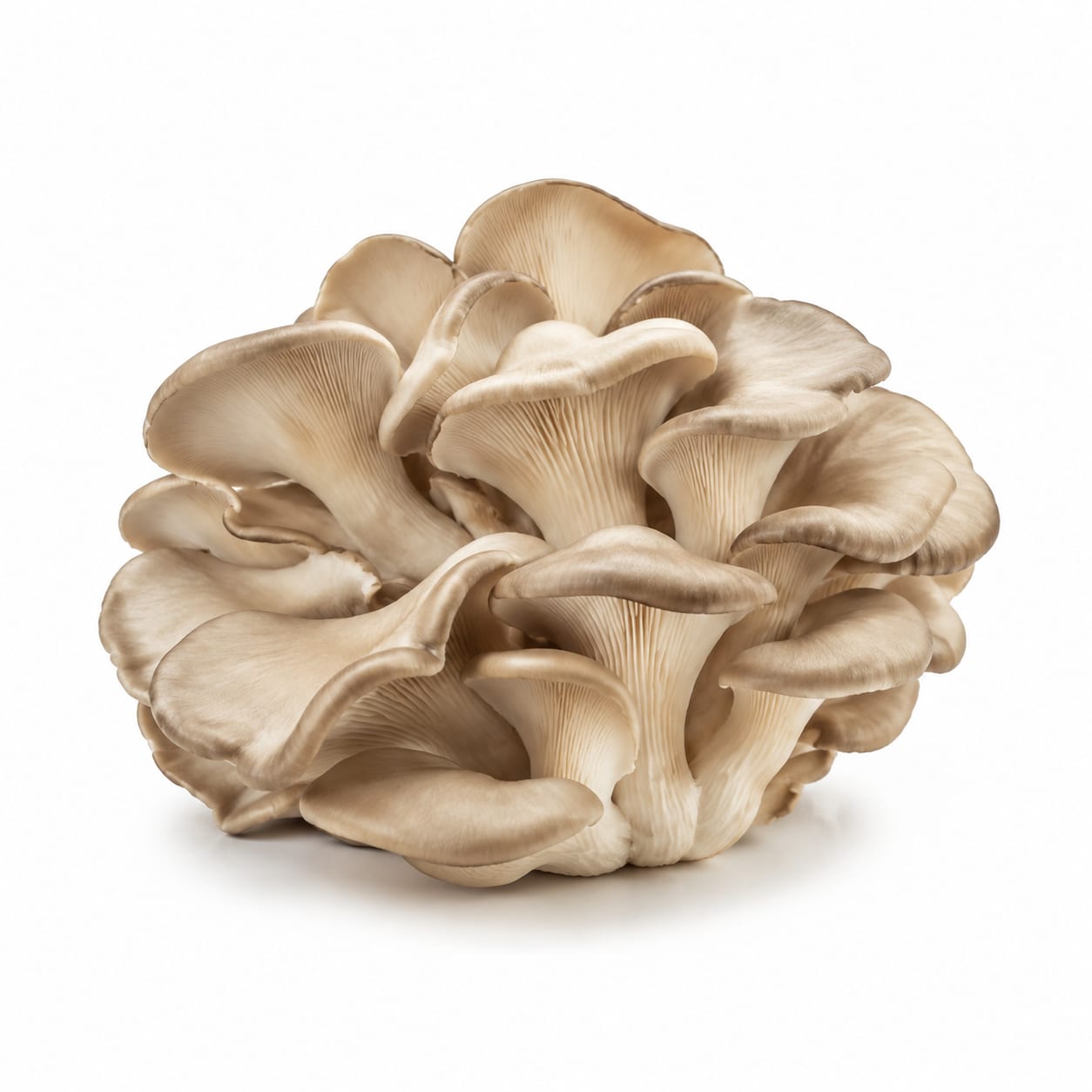
Oyster Mushroom
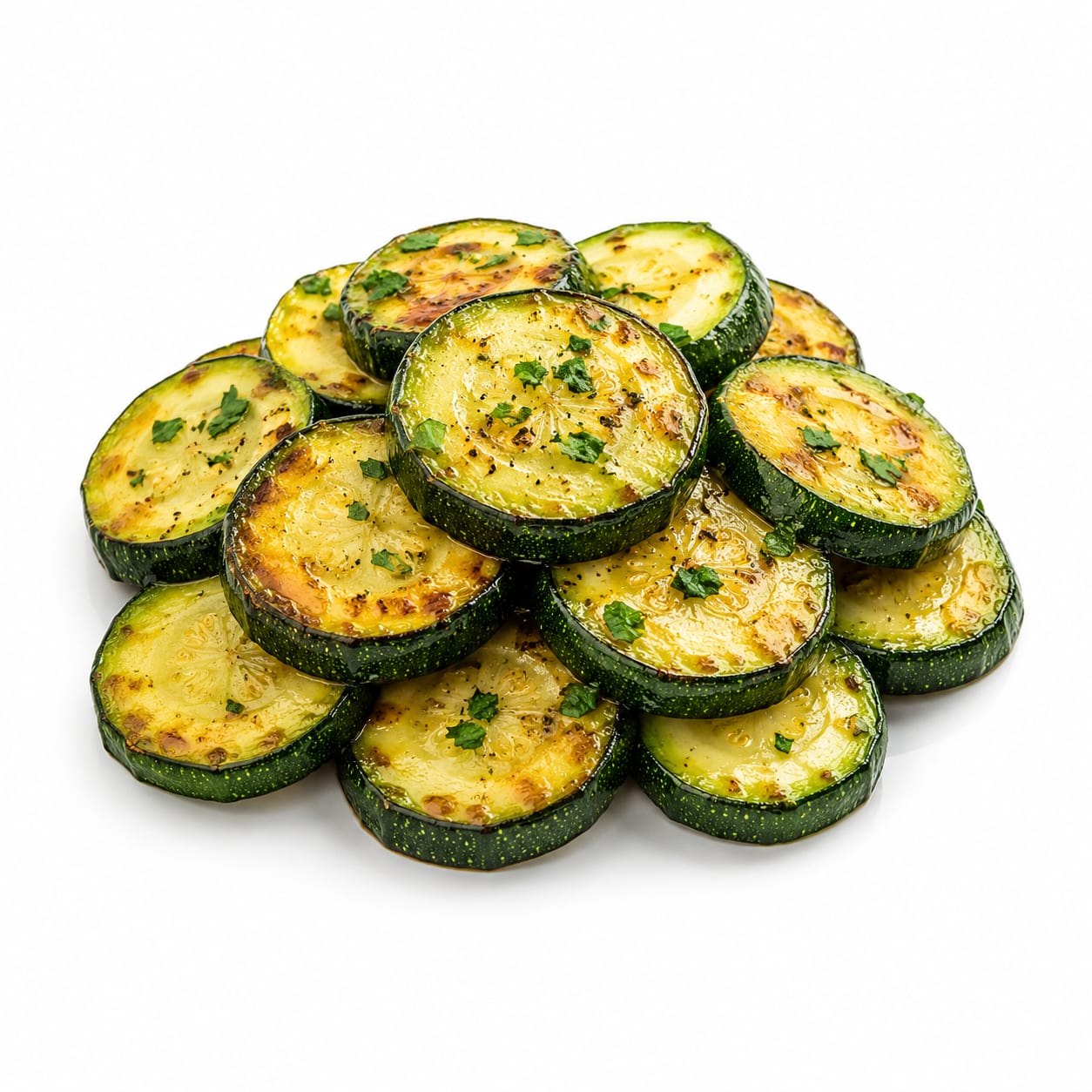
Zucchini
Oyster mushrooms win on nutrient density and immune benefits; zucchini wins on calorie efficiency and everyday versatility
Oyster mushrooms score higher due to superior protein, beta-glucans, and unique bioactive compounds. Zucchini stays competitive through exceptional calorie efficiency, digestive ease, and broader culinary flexibility. The gap is moderate because both are genuinely healthy whole foods serving different needs.
Deeper functional nutrition versus lighter, more flexible daily use
At a glance
Executive summary
Overall
It depends
Healthier
Oyster Mushroom
More practical
Zucchini
Daily use
Zucchini
Key comparison lenses
nutrient density comparison
Oyster mushrooms deliver significantly more protein and unique bioactive compounds per calorie, while zucchini offers hydration and vitamin C at a lower calorie cost
immune and longevity benefits
Beta-glucans and ergothioneine in oyster mushrooms provide immune and cellular protection that zucchini cannot match
weight loss and satiety tradeoff
Zucchini is lower in calories but oyster mushrooms are more filling due to protein and umami satisfaction
digestive tolerance and convenience
Zucchini is gentler on digestion and can be eaten raw, while mushrooms require cooking and may cause bloating in sensitive people
culinary versatility
Zucchini works in more dishes raw or cooked, while oyster mushrooms shine in specific savory applications
Best choice for
Oyster Mushroom
- People wanting immune support and longevity compounds
- Anyone seeking plant-based protein with umami satisfaction
- Those managing cholesterol or blood sugar
- Home cooks wanting a meaty texture without meat
Zucchini
- People prioritizing lowest possible calorie intake
- Anyone needing gentle, easily digested food
- Meal preppers wanting raw and cooked versatility
- Families wanting kid-friendly vegetable options
Least suitable for
Oyster Mushroom
- People with mushroom allergies or sensitivities
- Anyone seeking raw vegetable options for salads
- Those who dislike earthy or umami flavors
Zucchini
- People looking for significant protein from vegetables
- Anyone wanting deep immune or adaptogenic benefits
- Those seeking strong satiety from low-calorie foods alone
Deep comparison
Dimension by dimension
Each lens scores both foods and breaks down who each option suits.
- Dimension 1 · Priority 94Oyster Mushroom
nutrient_density
Oyster Mushroom · 82Zucchini · 58Oyster mushrooms deliver more protein, B vitamins, and unique bioactive compounds per calorie than zucchini
Tradeoff
Zucchini offers more vitamin C and carotenoids that mushrooms lack entirely
Why it matters
Nutrient density determines how much your body gets from each bite, especially important when eating less
Real-world impact
A serving of oyster mushrooms provides about 3g of protein versus zucchini's 1g, making mushrooms more substantively nourishing
Oyster Mushroom
- Plant-based eaters needing protein from vegetables
- Anyone eating fewer calories who still needs nourishment
Better for
- Anyone avoiding fungi due to allergy or intolerance
Worse for
Zucchini
- Those specifically seeking vitamin C from whole foods
- People wanting carotenoids for eye health
Better for
- Those relying on vegetables as a meaningful protein source
Worse for
- Dimension 2 · Priority 90Oyster Mushroom
immune_and_longevity_benefits
Oyster Mushroom · 88Zucchini · 42Beta-glucans and ergothioneine give oyster mushrooms powerful immune and cellular protection properties that zucchini simply does not offer
Tradeoff
These compounds require consistent intake over weeks to show meaningful effects, not a single meal
Why it matters
Long-term immune resilience and cellular aging are influenced by regularly consuming functional compounds like beta-glucans
Real-world impact
People eating mushrooms several times per week may experience fewer colds and better inflammatory markers over months
Oyster Mushroom
- Older adults wanting immune resilience
- Anyone under chronic stress depleting immune function
- People interested in longevity-oriented eating patterns
Better for
- People expecting immediate immune boosts from a single serving
Worse for
Zucchini
- Those who prioritize simple hydration and light eating over targeted functional benefits
Better for
- Anyone specifically seeking adaptogenic or immune-modulating compounds
Worse for
- Dimension 3 · Priority 86Zucchini
calorie_efficiency_and_weight_management
Oyster Mushroom · 70Zucchini · 90Zucchini provides roughly half the calories per 100g compared to oyster mushrooms, making it easier to eat large volumes without overconsuming
Tradeoff
Lower calories mean less satiety per serving, potentially leading to sooner hunger return
Why it matters
Volume eating with very low-calorie foods helps people feel full while staying in a deficit
Real-world impact
You can eat nearly double the volume of zucchini for the same calories as oyster mushrooms, which matters for large-plate satisfaction
Oyster Mushroom
- People who find protein and umami more satiating than food volume
Better for
- Those who track calories closely and find mushrooms moderately caloric for a vegetable
Worse for
Zucchini
- Volume eaters who need large portions to feel satisfied
- Anyone on a strict calorie deficit wanting maximum plate size
Better for
- People who feel hungry soon after low-protein, water-rich meals
Worse for
- Dimension 4 · Priority 82Oyster Mushroom
satiety_and_fullness
Oyster Mushroom · 78Zucchini · 55Oyster mushrooms keep you fuller longer thanks to more protein and a denser, meatier chewing experience
Tradeoff
Zucchini fills your stomach with water weight that passes quickly, offering temporary but not lasting fullness
Why it matters
Lasting satiety prevents snacking between meals and helps maintain consistent energy
Real-world impact
A mushroom-based meal tends to delay hunger by 1-2 hours compared to a zucchini-heavy meal of equal calories
Oyster Mushroom
- People prone to between-meal snacking
- Anyone replacing meat who needs satisfying plant alternatives
Better for
- People who find mushrooms too filling before they have eaten enough calories
Worse for
Zucchini
- Those preferring light meals that do not feel heavy
Better for
- Anyone who feels hungry again within an hour of vegetable-heavy meals
Worse for
- Dimension 5 · Priority 76Zucchini
digestive_tolerance
Oyster Mushroom · 58Zucchini · 88Zucchini is gentle on nearly every digestive system and can be eaten raw, while mushrooms require cooking and may cause gas or bloating in sensitive people
Tradeoff
Cooking mushrooms reduces some heat-sensitive nutrients but improves digestibility and releases more beta-glucan availability
Why it matters
Digestive comfort determines whether you can actually eat a food regularly, regardless of its theoretical nutrition
Real-world impact
People with IBS or sensitive digestion often tolerate zucchini effortlessly but may experience bloating from mushrooms
Oyster Mushroom
- People with healthy digestion who cook mushrooms properly
Better for
- Those with fungal intolerances or chitin sensitivity
Worse for
Zucchini
- Anyone with IBS, bloating tendencies, or sensitive digestion
- People recovering from gastrointestinal illness
Better for
- People who want their vegetables to provide more digestive substance
Worse for
- Dimension 6 · Priority 74Zucchini
culinary_versatility_and_convenience
Oyster Mushroom · 62Zucchini · 84Zucchini works raw in salads, spiralized as pasta, grilled, roasted, or baked into breads, while oyster mushrooms are more limited to cooked savory dishes
Tradeoff
Mushrooms bring a unique umami depth that zucchini cannot replicate, but they demand cooking and careful storage
Why it matters
Foods that fit into more meals get eaten more often, which matters more than theoretical nutrition you never actually consume
Real-world impact
Zucchini can appear in breakfast, lunch, dinner, and snacks with minimal prep; mushrooms mostly shine in lunch and dinner cooked dishes
Oyster Mushroom
- Cooks wanting deep savory flavor without adding salt or MSG
- Anyone making stir-fries, soups, or grain bowls
Better for
- Anyone wanting quick no-cook meal components
Worse for
Zucchini
- Meal preppers needing one vegetable for multiple applications
- People who want raw vegetable snack options
Better for
- Those seeking bold, satisfying flavor without heavy seasoning
Worse for
- Dimension 7 · Priority 80Oyster Mushroom
heart_health_and_cholesterol
Oyster Mushroom · 85Zucchini · 60Beta-glucans in oyster mushrooms actively help lower LDL cholesterol, and they naturally contain lovastatin compounds, while zucchini offers passive heart benefits through low calories and potassium
Tradeoff
The cholesterol-lowering effect of mushrooms is real but modest compared to medication, and requires regular consumption
Why it matters
Dietary cholesterol management through whole foods is one of the most sustainable long-term heart health strategies
Real-world impact
Regular mushroom consumption may reduce LDL cholesterol by 5-10% over several months, a meaningful but not dramatic effect
Oyster Mushroom
- People with borderline high cholesterol wanting dietary intervention
- Anyone with family history of heart disease seeking preventive foods
Better for
- People expecting mushrooms to replace cholesterol medication
Worse for
Zucchini
- Those whose heart health strategy focuses on weight loss and calorie control
Better for
- Anyone wanting active cholesterol-lowering compounds from food
Worse for
Timeline
Health impact over time
Short-term
Hours to days
Oyster Mushroom
- Provides satisfying umami flavor that reduces cravings for salty or savory processed foods
- Can cause mild bloating or gas in people unaccustomed to mushroom fiber
- Offers noticeable fullness from relatively few calories
Zucchini
- Delivers quick hydration and very light energy without digestive burden
- Leaves you feeling light rather than full, which may trigger sooner hunger
- Vitamin C supports immediate immune cell function
Long-term
Months to years
Oyster Mushroom
- Beta-glucans may strengthen immune surveillance and reduce infection frequency
- Consistent intake supports healthier cholesterol patterns over months and years
- Ergothioneine provides cellular protection linked to reduced oxidative damage with aging
Zucchini
- Very low calorie intake supports sustainable weight management when eaten regularly
- Lutein and zeaxanthin contribute to long-term eye health and macular protection
- High water and potassium intake supports healthy blood pressure patterns
Risk profile
Safety & processing
Both oyster mushrooms and zucchini are whole, minimally processed foods typically sold fresh without additives. Neither carries meaningful processing concerns when purchased as fresh produce.
Oyster Mushroom
allergic_or_sensitivity_reactions
mediumSome people experience oral allergy syndrome, skin rashes, or gastrointestinal distress from mushrooms, particularly if they have mold sensitivities
improper_cooking_risks
mediumRaw or undercooked mushrooms contain chitin that is difficult to digest and may harbor natural toxins that heat neutralizes
spoilage_and_contamination
lowMushrooms spoil quickly and can harbor bacteria if stored improperly; always cook before eating and discard any with slimy texture or off smells
Zucchini
pesticide_residue
lowZucchini is generally low on pesticide concern lists but conventional farming may use some pesticides; washing thoroughly or choosing organic reduces this further
bitter_compounds
lowOccasionally zucchini contains cucurbitacins causing extreme bitterness; this is rare but can cause gastrointestinal illness, so discard any unusually bitter zucchini
Who wins for whom
Audience fit
Same foods, different winners depending on your goal.
children
ZucchiniZucchini's mild flavor and soft texture when cooked are far more kid-friendly than the earthy taste and chewier texture of oyster mushrooms
daily consumption
ZucchiniZucchini's digestive ease, raw option, and culinary flexibility make it simpler to eat every single day without fatigue or intolerance
diabetes
Oyster MushroomBoth have minimal impact on blood sugar, but oyster mushrooms offer slightly more fiber and protein for steadier glucose, plus beta-glucans that may improve insulin sensitivity
elderly
Oyster MushroomOlder adults benefit more from the immune-supporting beta-glucans, cholesterol management, and higher B-vitamin content in oyster mushrooms
muscle gain
Oyster MushroomOyster mushrooms provide nearly triple the protein per serving compared to zucchini, though neither is a primary protein source
weight loss
ZucchiniZucchini's extremely low calorie density allows larger portions and more volume eating, though oyster mushrooms provide better satiety per calorie
Your move
Decision guide
Choose Oyster Mushroom
- You want deeper functional nutrition beyond basic vitamins and minerals
- Immune support and cholesterol management are personal health priorities
- You enjoy umami flavor and want satisfying plant-based meal components
- You are eating for longevity and cellular protection
Choose Zucchini
- You prioritize lowest possible calorie intake for weight management
- You need a gentle, easily digested vegetable for sensitive digestion
- You want maximum culinary versatility from a single vegetable
- You prefer raw vegetable options for salads and quick snacks
Either works if
- You simply want more whole vegetables in your diet regardless of specific benefits
- Both are affordable and accessible in your area
- You enjoy variety and want to rotate different vegetables across the week
Avoid both if
- You have specific allergies to either food group
- You are seeking a significant protein source and need legumes, tofu, or animal products instead
Final recommendation
Eat both. Oyster mushrooms and zucchini complement each other beautifully: mushrooms provide the depth, protein, and functional compounds while zucchini provides the volume, hydration, and lightness. A stir-fry combining both gives you the best of each with no real downside.
Practical
Consumer tips
- 1
Always cook oyster mushrooms thoroughly to neutralize natural compounds and improve digestibility
- 2
Store mushrooms in a paper bag in the refrigerator to prevent sliminess; use within 3-5 days
- 3
Zucchini can be spiralized, diced, or ribboned for different textures in the same meal
- 4
If zucchini tastes unusually bitter, discard it immediately as this indicates potentially harmful cucurbitacins
- 5
Pair oyster mushrooms with a fat source like olive oil to improve absorption of fat-soluble compounds
- 6
Zucchini releases a lot of water when cooked; salt it first and pat dry for better texture in cooked dishes
- 7
For maximum immune benefit, eat oyster mushrooms at least 3-4 times per week rather than occasionally
- 8
Both freeze reasonably well: slice before freezing and use in cooked dishes later