
Nutrition comparison
Oyster Mushroom vs Tofu: Nutrition, Protein, and Health Comparison
Comparing Oyster Mushroom vs Tofu? Discover which is better for protein, weight loss, and gut health, plus how to choose the right plant-based staple for your diet.
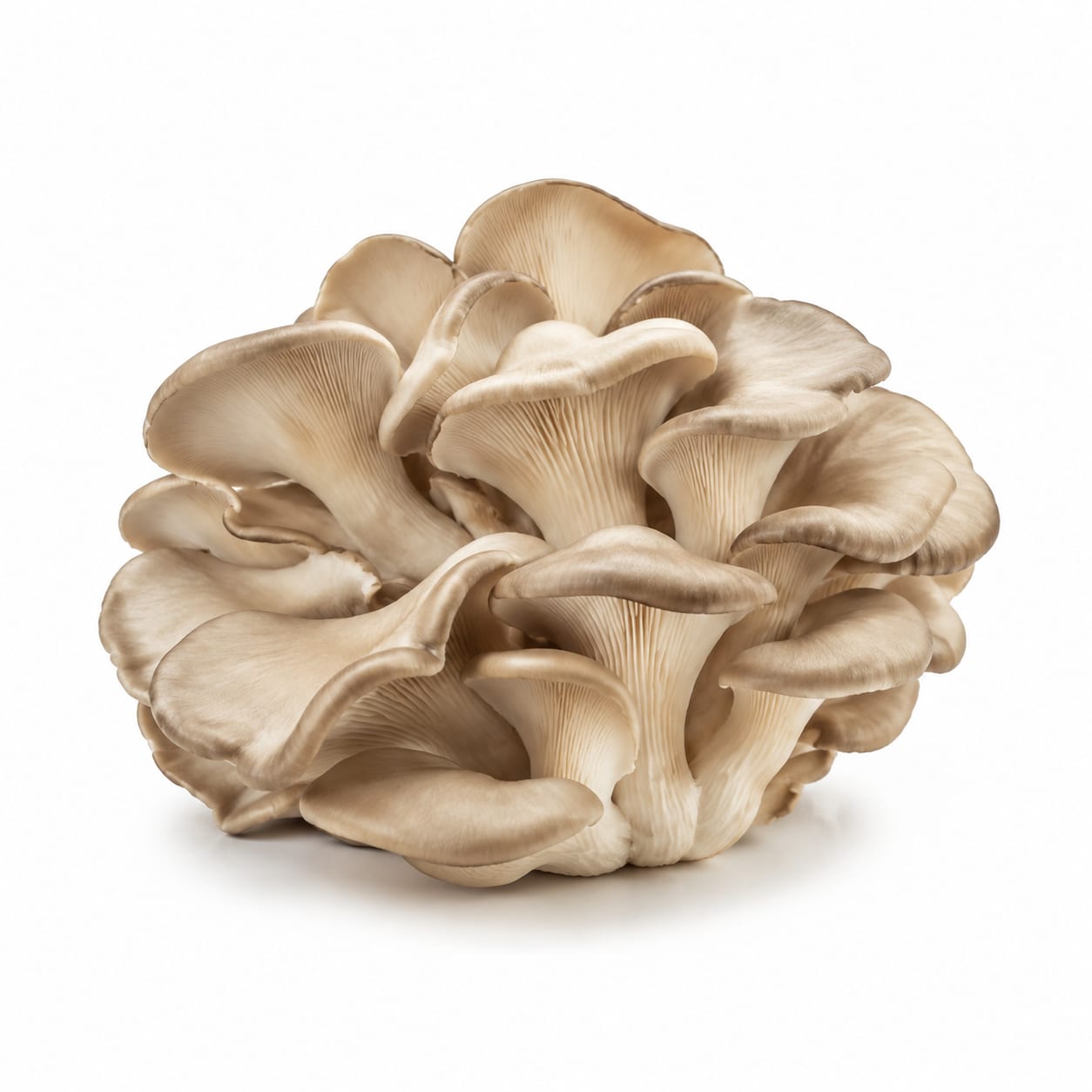
Oyster Mushroom
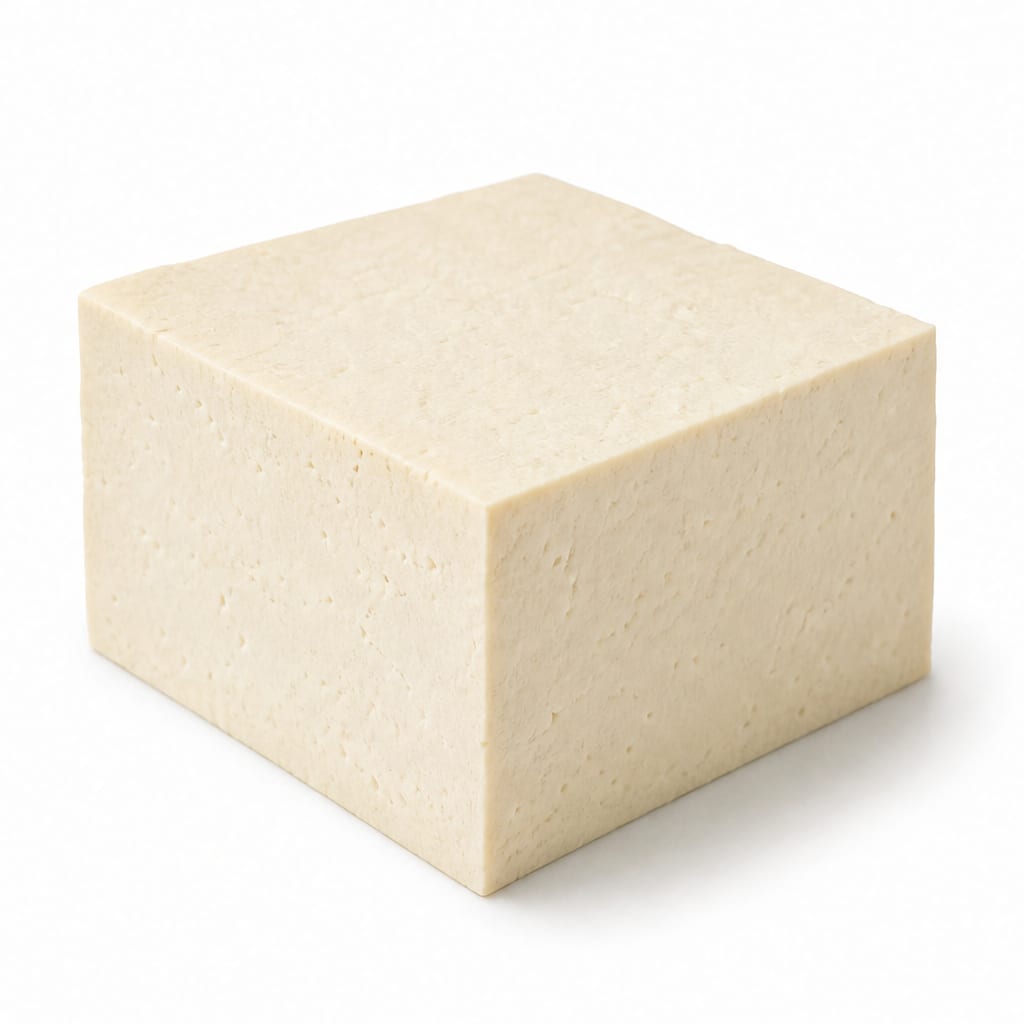
Tofu
Tofu delivers the protein and staying power, while Oyster Mushrooms offer massive volume and gut-friendly fiber for almost zero calories.
Tofu scores higher overall due to its superior protein content and versatility as a dietary staple, but Oyster Mushrooms excel in specific areas like low-calorie volume and unique fiber.
Substantial, filling protein from Tofu versus light, fiber-rich bulk from Oyster Mushrooms.
At a glance
Executive summary
Overall
It depends
Healthier
It depends
More practical
Tofu
Daily use
Tofu
Key comparison lenses
Plant-based protein comparison
Tofu is a primary protein staple for vegetarians, while Oyster Mushrooms are often mistakenly assumed to be high in protein.
Low-calorie volume eating
Oyster Mushrooms provide massive food volume for minimal calories, which is a key strategy for weight management.
Gut health and fiber diversity
Mushrooms offer unique prebiotic fibers like beta-glucans that are absent in Tofu.
Soy-free diet alternatives
Oyster Mushrooms provide a meaty texture and umami flavor without the soy allergens or phytoestrogens found in Tofu.
Best choice for
Oyster Mushroom
- Volume eaters watching calories
- People avoiding soy
- Those focusing on gut microbiome diversity
Tofu
- Plant-based dieters needing reliable protein
- Meal prep and batch cooking
- Anyone needing a dairy-free calcium source
Least suitable for
Oyster Mushroom
- Those needing high protein in a small serving
- People wanting quick no-cook options
Tofu
- People with soy allergies
- Those on extremely low-calorie diets seeking maximum volume
Deep comparison
Dimension by dimension
Each lens scores both foods and breaks down who each option suits.
- Dimension 1 · Priority 95Tofu
Protein & Satiety
Oyster Mushroom · 25Tofu · 90Tofu is a protein powerhouse, while Oyster Mushrooms provide very little protein.
Tradeoff
You get long-lasting fullness from Tofu's protein, but Oyster Mushrooms fill you up through physical volume and fiber instead.
Why it matters
Protein is crucial for maintaining muscle and staying full between meals.
Real-world impact
A Tofu stir-fry keeps you full for hours; an Oyster Mushroom dish might leave you hunting for a snack an hour later.
Oyster Mushroom
- Light eaters who prefer small frequent meals
Better for
- Bodybuilders
- People trying to lose weight without feeling hungry
Worse for
Tofu
- Athletes
- Anyone needing lasting fullness from one meal
Better for
- Those who prefer eating large portions of food
Worse for
- Dimension 2 · Priority 85Oyster Mushroom
Calorie Density & Volume
Oyster Mushroom · 95Tofu · 55Oyster Mushrooms let you eat a massive volume of food for very few calories.
Tradeoff
You can eat piles of Oyster Mushrooms without breaking your calorie budget, whereas Tofu's calories add up quickly due to its fat and protein content.
Why it matters
Low-calorie volume helps with weight management and satisfying the psychological need to eat a large portion.
Real-world impact
You can eat an entire pan of roasted Oyster Mushrooms for under 100 calories, but the same weight in Tofu is a full meal.
Oyster Mushroom
- Volume eaters
- Strict calorie counters
Better for
- Those needing to gain weight
Worse for
Tofu
- Hikers needing calorie-dense fuel
- People struggling to get enough calories
Better for
- People who snack mindlessly on high-calorie foods
Worse for
- Dimension 3 · Priority 80Oyster Mushroom
Gut Health & Fiber
Oyster Mushroom · 88Tofu · 60Oyster Mushrooms are rich in unique fibers like beta-glucans that feed gut bacteria.
Tradeoff
Mushrooms offer specialized prebiotic fiber, while Tofu provides minimal fiber but is easy to digest for most.
Why it matters
A diverse gut microbiome depends on different types of fiber, and mushrooms offer types you won't find in soy.
Real-world impact
Regularly eating Oyster Mushrooms can improve digestion and reduce bloating over time, while Tofu mainly just digests quietly without adding much fiber.
Oyster Mushroom
- People with sluggish digestion
- Those looking to diversify gut flora
Better for
- People sensitive to high fiber or FODMAPs
Worse for
Tofu
- People with severe IBS who struggle with high fiber
Better for
- Those relying on one food for all their nutritional needs
Worse for
- Dimension 4 · Priority 75Tofu
Versatility & Convenience
Oyster Mushroom · 65Tofu · 90Tofu is a culinary chameleon that absorbs flavors and can be cooked in dozens of ways.
Tradeoff
Tofu requires pressing and marinating for best results but can be eaten raw; Oyster Mushrooms cook down significantly and have a shorter shelf life.
Why it matters
A food you can easily prep and flavor in many ways is more likely to become a reliable kitchen staple.
Real-world impact
Tofu can be scrambled, baked, or blended into sauces, while Oyster Mushrooms are mostly limited to sautés, soups, and roasts.
Oyster Mushroom
- Quick sautés and stir-fries where you want a meaty texture immediately
Better for
- People who hate prep work since mushrooms spoil fast
Worse for
Tofu
- Meal prepping
- Creating dairy-free sauces and desserts
Better for
- Those who dislike the texture of soft tofu
Worse for
- Dimension 5 · Priority 70It depends
Micronutrients & Special Compounds
Oyster Mushroom · 80Tofu · 82Oyster Mushrooms offer immune-supporting beta-glucans, while Tofu provides calcium and iron.
Tradeoff
You get structural bone support from Tofu's calcium, but immune and cholesterol benefits from the compounds in Oyster Mushrooms.
Why it matters
Both foods bring unique health benefits beyond basic macronutrients.
Real-world impact
Eating Tofu helps meet daily calcium needs easily, while Oyster Mushrooms might help fend off colds and lower cholesterol.
Oyster Mushroom
- People looking to lower cholesterol naturally
- Immune support during winter
Better for
- Those needing a reliable calcium source
Worse for
Tofu
- Vegans needing calcium
- Women needing iron supplementation
Better for
- People already taking calcium supplements who want other benefits
Worse for
Timeline
Health impact over time
Short-term
Hours to days
Oyster Mushroom
- Immediate feeling of fullness from volume
- Quick digestion due to low fat content
Tofu
- Sustained energy for hours
- Stable blood sugar from protein and fat
Long-term
Months to years
Oyster Mushroom
- Improved gut microbiome diversity
- Potential cholesterol reduction from beta-glucans
Tofu
- Better bone density from calcium
- Maintained muscle mass from consistent protein intake
Risk profile
Safety & processing
Oyster Mushrooms are essentially just picked and packaged. Tofu is processed from soybeans, but the process is ancient and simple, typically using just soybeans, water, and a coagulant like calcium sulfate.
Oyster Mushroom
Spoilage and bacterial growth
mediumMushrooms spoil quickly and can harbor bacteria if left unrefrigerated or consumed past their prime.
Allergic reactions
lowThough rare, some people are allergic to specific mushroom spores or proteins.
Tofu
Soy allergy
highSoy is a common allergen, making Tofu completely off-limits for a significant portion of the population.
GMO exposure
mediumUnless organic, most soy in the US is genetically modified, which some consumers prefer to avoid.
Who wins for whom
Audience fit
Same foods, different winners depending on your goal.
children
TofuChildren need concentrated protein and calcium for growth, which Tofu provides efficiently.
daily consumption
TofuTofu serves as a reliable daily protein foundation, whereas Oyster Mushrooms are better used as a complementary vegetable.
diabetes
TofuTofu's high protein and fat content stabilizes blood sugar far better than the carbohydrates in Oyster Mushrooms.
elderly
It dependsTofu is better for preserving muscle and bone density, but Oyster Mushrooms are easier to chew and better for sluggish digestion.
muscle gain
TofuTofu provides the essential amino acids and protein density required to repair and build muscle tissue.
weight loss
Oyster MushroomOyster Mushrooms allow for massive portion sizes with minimal calories, making it easier to stick to a deficit without feeling deprived.
Your move
Decision guide
Choose Oyster Mushroom
- You want to eat large portions while cutting calories
- You are avoiding soy due to allergy or preference
- You want to boost your fiber and gut health
Choose Tofu
- You need a filling, protein-rich plant-based staple
- You are meal-prepping for the week
- You need a dairy-free source of calcium
Either works if
- You are making a stir-fry and want a mix of textures
- You are cooking a vegan meal and need plant-based ingredients
Avoid both if
- You are on a strict carnivore diet
- You have severe digestive issues that trigger on both soy and high-fiber fungi
Final recommendation
Use both together for the best results: Tofu provides the staying power and protein, while Oyster Mushrooms add satisfying volume and gut-healthy fiber to your plate.
Practical
Consumer tips
- 1
Pair them in a stir-fry with a savory sauce for a meal that is both filling and voluminous.
- 2
Always cook Oyster Mushrooms thoroughly to break down tough chitin and improve digestibility.
- 3
Press your Tofu before cooking to get a crispier texture and better flavor absorption.
- 4
Store Oyster Mushrooms in a paper bag in the fridge to prevent them from getting slimy.
- 5
Choose firm Tofu for stir-fries and silken Tofu for creamy sauces or desserts.