
Poultry Eggs
Ostrich Egg
A massive, protein-rich egg from the ostrich, equivalent to about two dozen chicken eggs.
The largest of all bird eggs, a single ostrich egg weighs approximately 1.4 kilograms (3 pounds) and is equivalent to about 24 large chicken eggs. It features a thick, creamy yolk and a milder flavor compared to chicken eggs.
high-protein whole food animal product
Typical serving · 100g
Common varieties · whole ostrich egg, liquid pasteurized ostrich egg, freeze-dried ostrich egg powder
Overall context score across nutrition, safety, and diet fit
At a glance
Quick facts
Simple indicators based on nutrition, processing, and diet fit.
The story
What makes it unique
Ostrich eggs digest at a moderate rate due to their high protein and fat content with virtually zero carbohydrates. They provide strong satiety through macronutrient density and are a completely unprocessed whole food. The lipid profile contains a mix of saturated and monounsaturated fats.
Varieties: whole ostrich egg · liquid pasteurized ostrich egg · freeze-dried ostrich egg powder
Per 100g
Nutrition breakdown
Macro balance and key metrics at a glance.
Energy
Density 1.43 kcal/g
Protein
Carbs
Fat
Fiber
Sugar
0 g
Sodium
140 mg
Potassium
132 mg
Glycemic index
0
Glycemic load
0
Water content
75%
Standout compounds
Nutrient highlights
Protein
highsupports muscle synthesis and cellular repair
Vitamin B12
highessential for nerve function and red blood cell formation
Selenium
moderateacts as an antioxidant and supports thyroid health
Iron
moderatecrucial for oxygen transport in the blood
Choline
highvital for brain health and cell membrane integrity
Wellness map
Health scores & processing
NOVA processing scale
unprocessed · Whole food
Whole ostrich eggs are a minimally processed, natural agricultural product requiring no alteration from their natural state.
Diet compatibility
- Weight loss
- Muscle gain
- Diabetes
- Gut health
- Low carb
- High protein
- Heart health
Relative standing
Food rankings
Qualitative ranks compared to similar whole foods.
- Satietyexcellent
- Blood sugarexcellent
- Nutrient densitygood
- Fitness fuelgood
- Processing qualityexcellent
Eat with confidence
Food safety profile
Like all raw eggs, ostrich eggs carry a moderate risk of Salmonella contamination. Ostriches are generally raised with fewer antibiotics than commercial chickens, reducing that specific risk. Proper refrigeration and thorough cooking are essential.
Evidence confidence 75%
- Pesticideslow
- Antibioticslow
- Heavy metalslow
- Contaminationmoderate
Watch for
- salmonella
- campylobacter
Safer choices
Pasteurized liquid ostrich egg products eliminate the risk of raw egg contamination while maintaining nutritional value.
Prep tips
Wash the thick shell thoroughly under running water before cracking to remove surface debris. Cook until both the yolk and white are firm to eliminate harmful bacteria.
Less regulated than standard poultry; ensure sourcing from reputable farms with proper handling protocols.
Deep dive
Health analysis
How this food may fit different goals and preparation choices.
Weight loss
High protein and fat promote fullness, but the extreme calorie density of a whole egg makes portion control critical. Per 100g, it is moderately caloric.
Blood sugar
Virtually zero carbohydrates result in no glycemic impact, making it safe for blood sugar management.
Fitness & energy
Provides a robust amino acid profile for muscle repair and sustained energy, ideal for post-workout recovery when portioned correctly.
Gut health
Lacks dietary fiber, so it does not directly support gut motility or microbiome diversity, though it is highly digestible.
Processing quality
A completely unprocessed whole food with maximum nutrient retention and no artificial additives.
Food safety
The main risk is microbial contamination from the shell or raw egg interior. Thorough cooking mitigates this risk.
Common mistakes
Assuming one egg is a single serving. Consuming an entire ostrich egg in one meal provides an excessive amount of calories, fat, and cholesterol.
Best preparation
Hard boiling, scrambling with vegetables, or baking into a large frittata shared among several people.
Practical guide
Best use cases
When and how this food fits real eating patterns.
large group brunch
One scrambled ostrich egg can easily feed 8 to 10 people, making it a practical and novel centerpiece for a shared meal.
keto meal prep
Provides a zero-carb, high-fat, high-protein base that can be cooked and portioned out for several low-carb meals.
post-workout recovery
Delivers a dense source of complete amino acids necessary for muscle tissue repair and growth.
Balance sheet
Pros & cons
Upsides
- Extremely high in complete protein
- Zero carbohydrates with no glycemic impact
- Rich in B vitamins and choline
- Completely unprocessed whole food
- Highly satiating per serving
Trade-offs
- Very high in cholesterol if consuming large portions
- Calorie-dense, making overconsumption easy
- Difficult to find and expensive
- Impractical for single-person meals
- Requires long cooking times
Fit check
Who is it for?
Great match
- large family meals
- ketogenic diets
- high-protein diets
- culinary experimentation
Consider alternatives
- low-cholesterol diets
- low-calorie diets
- solo quick meals
- vegan lifestyles
Side by side
How it compares
Open the full head-to-head analysis for nutrition, safety, and practical tradeoffs.
This food
Ostrich Egg
VS95% alike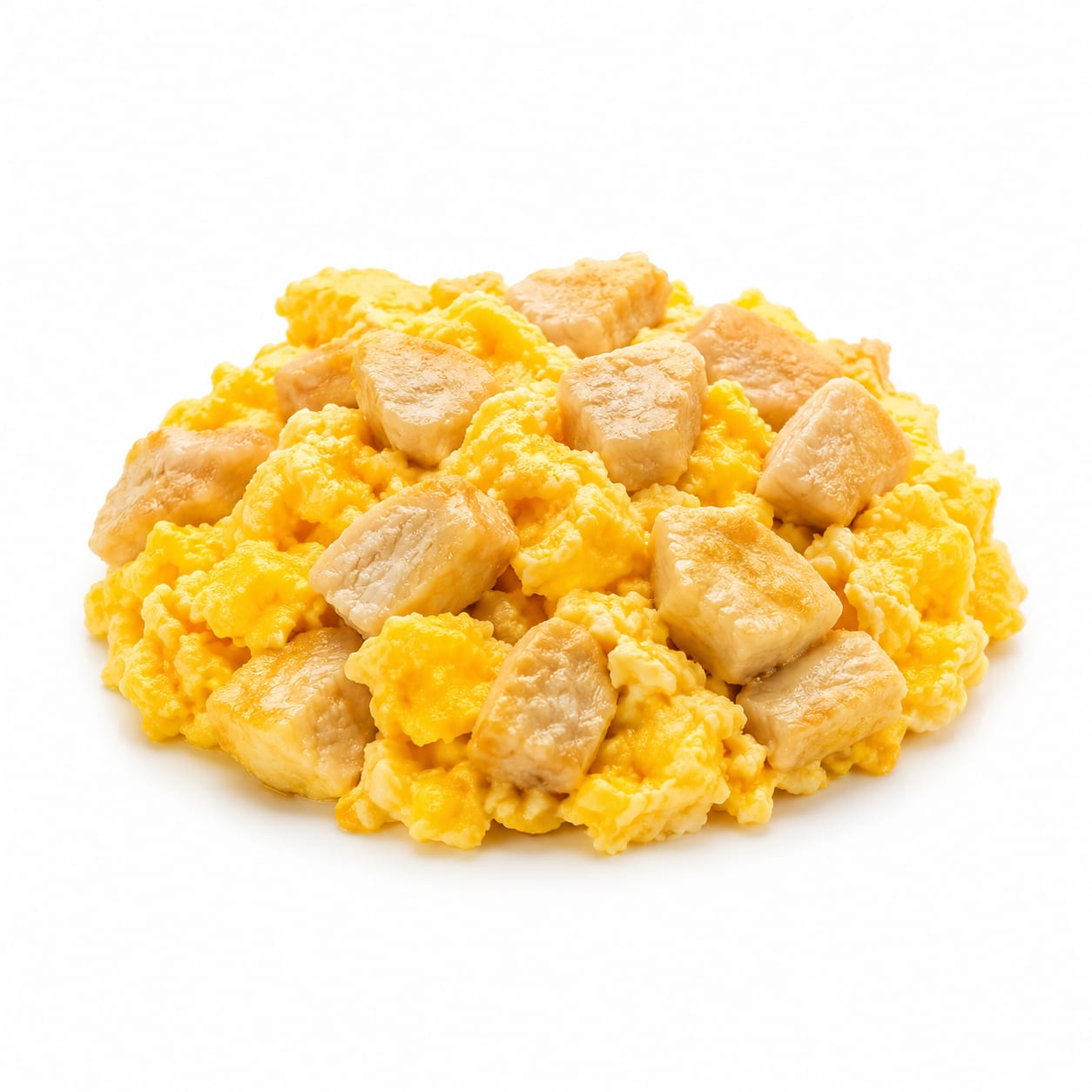
Compare with
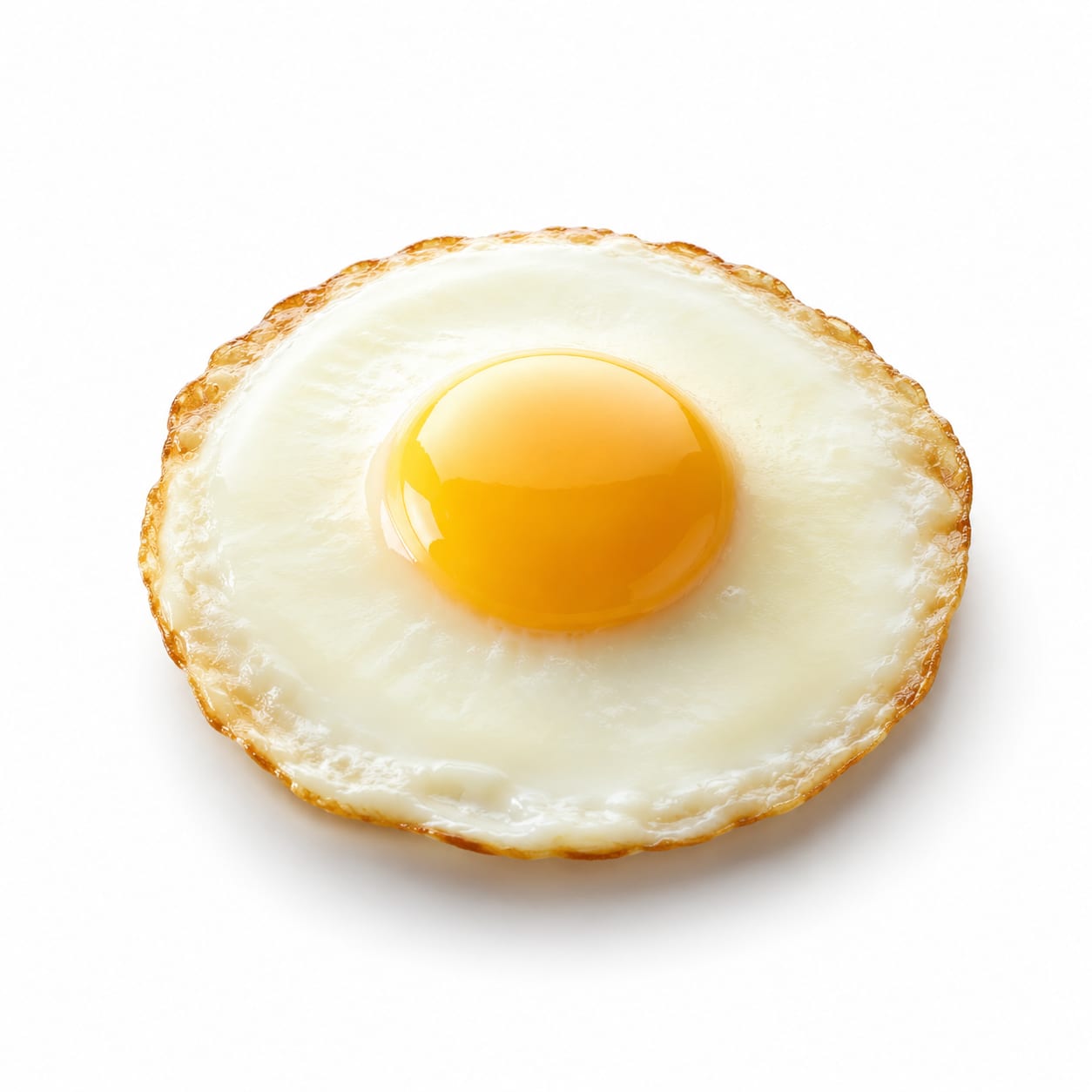
Chicken Egg
Ostrich eggs are nutritionally similar per gram but vastly larger, making chicken eggs far more practical for daily individual consumption.
Chicken eggs are more practical for portion control and weight loss, while ostrich eggs offer the same macros in a massive, highly satiating format.
This food
Ostrich Egg
VS90% alike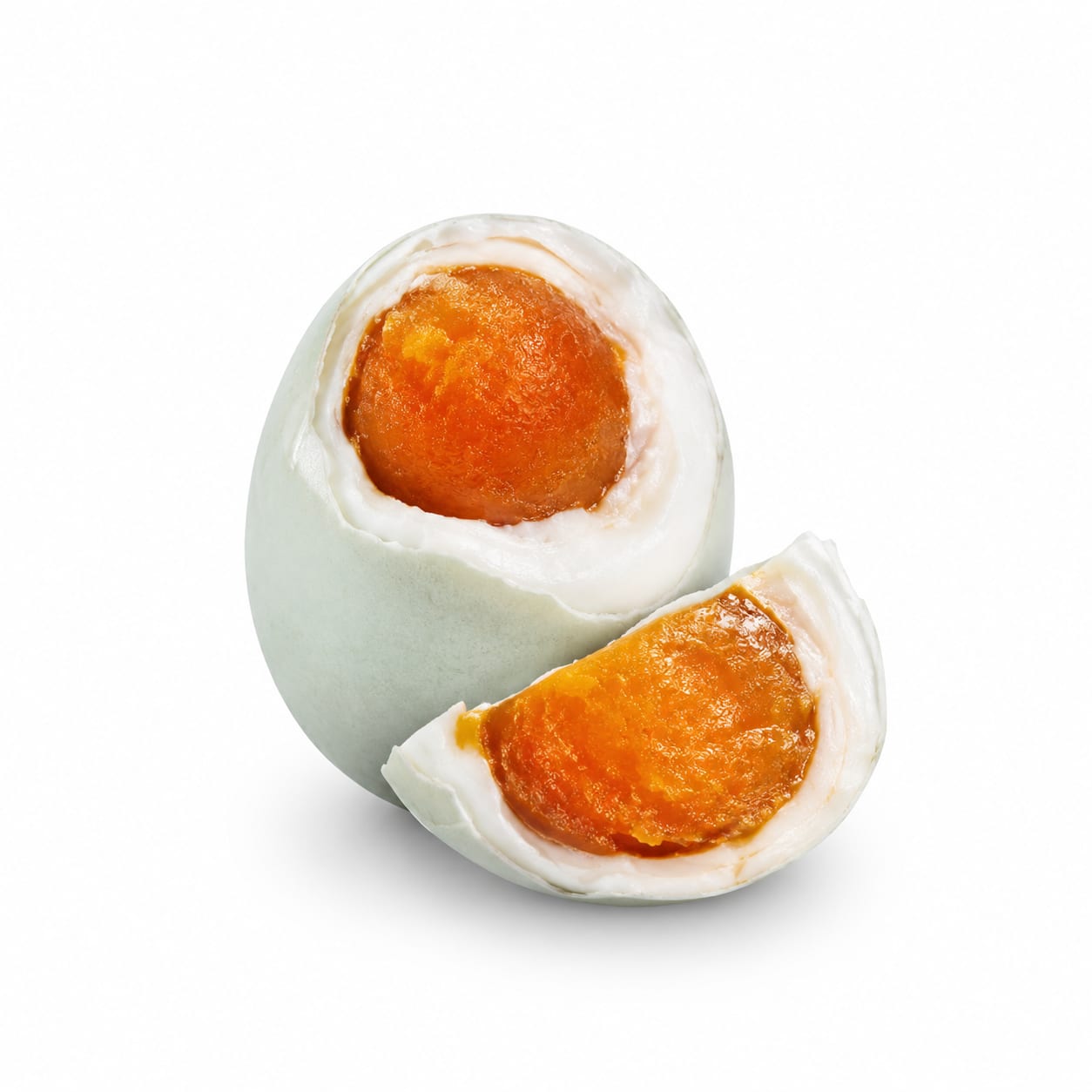
Compare with
Duck Egg
Duck eggs have a higher fat and calorie content per gram than ostrich eggs, making ostrich eggs the slightly leaner option.
Ostrich eggs are leaner per gram than duck eggs, providing more protein for fewer calories, while both offer zero carbs.
This food
Ostrich Egg
VS85% alike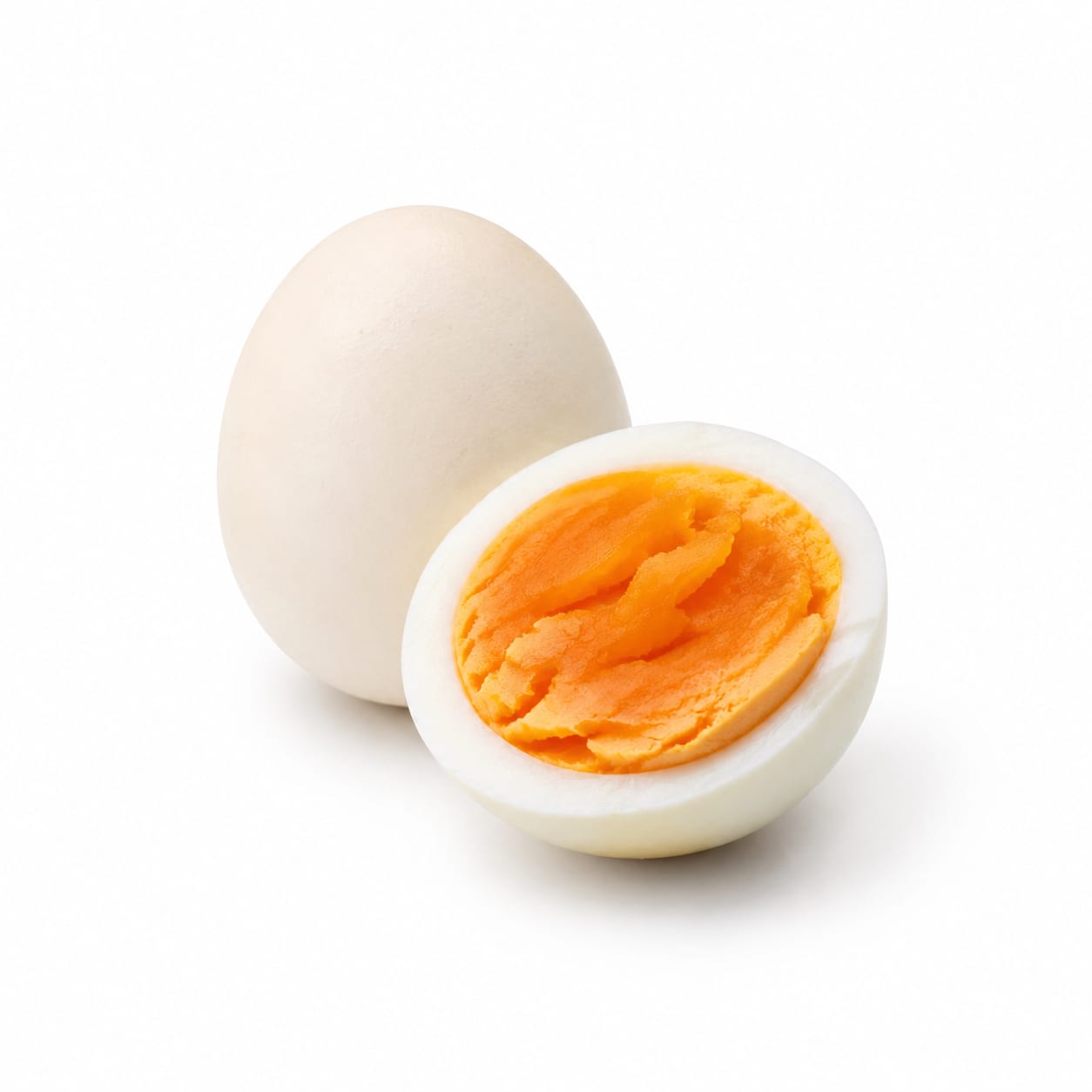
Compare with
Goose Egg
Goose eggs are larger than chicken eggs but much smaller than ostrich eggs, with a higher fat concentration per gram.
Ostrich eggs provide better portion control per gram than goose eggs, which are significantly higher in fat and calories.
This food
Ostrich Egg
VS80% alike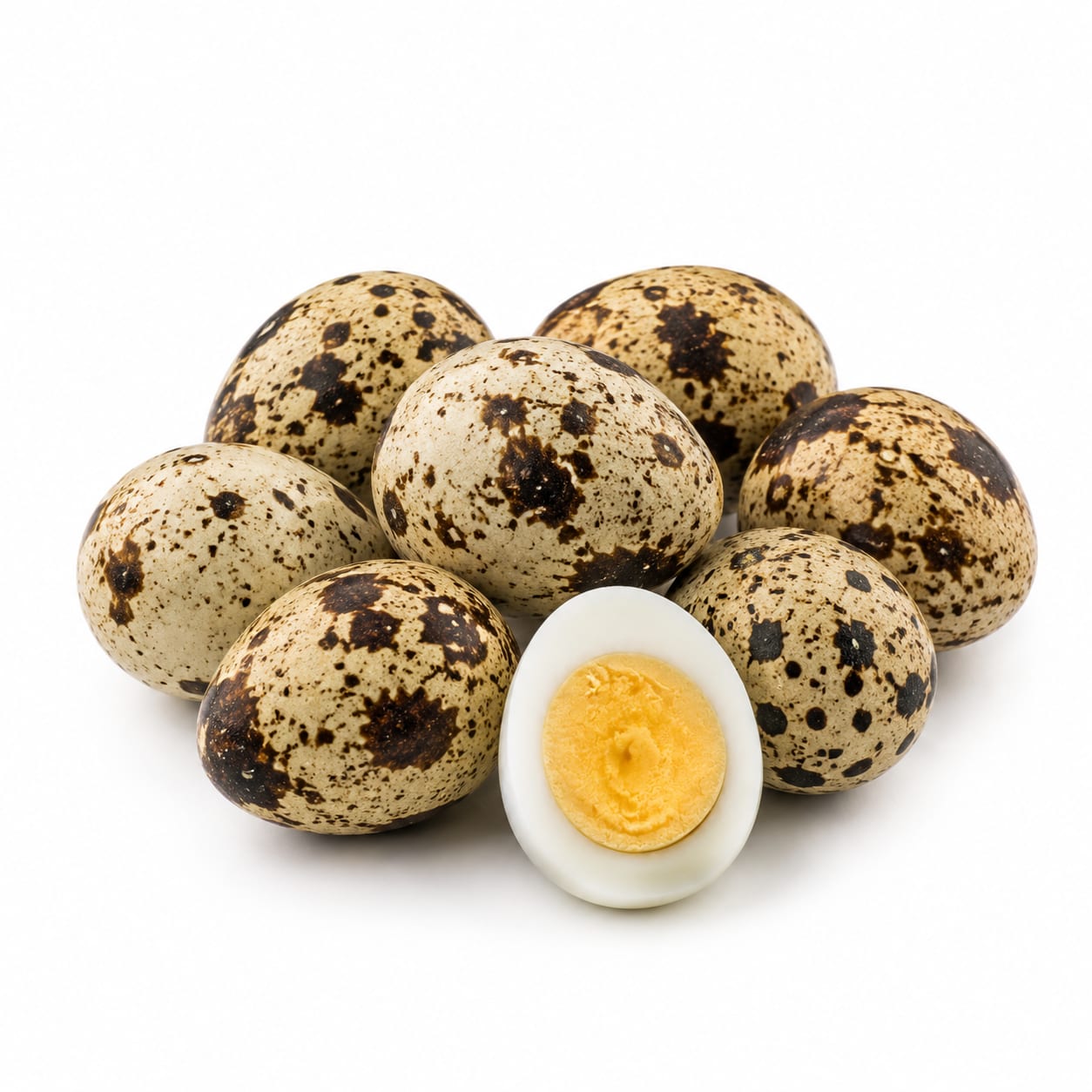
Compare with
Quail Egg
Quail eggs are nutritionally similar per gram but are served in tiny portions, making ostrich eggs far superior for muscle-building volume.
Quail eggs are better for light, low-calorie snacking, while ostrich eggs deliver massive protein volume for fitness recovery.
This food
Ostrich Egg
VS85% alike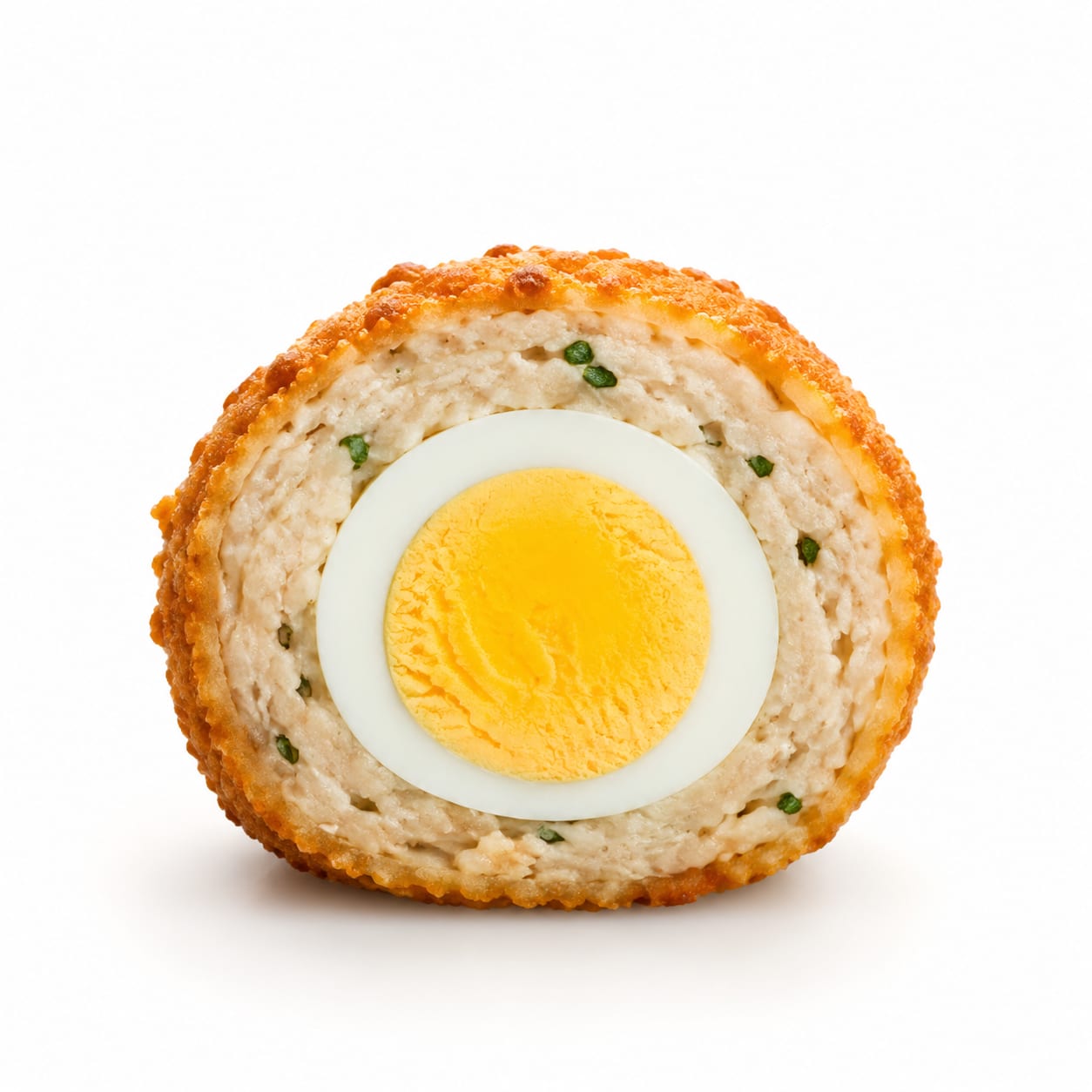
Compare with
Turkey Egg
Turkey eggs are slightly richer than chicken eggs but share the same macro profile as ostrich eggs per gram, just in a smaller package.
Turkey eggs offer better portion control for individual meals, whereas ostrich eggs provide a massive single-source protein hit.
This food
Ostrich Egg
VS60% alike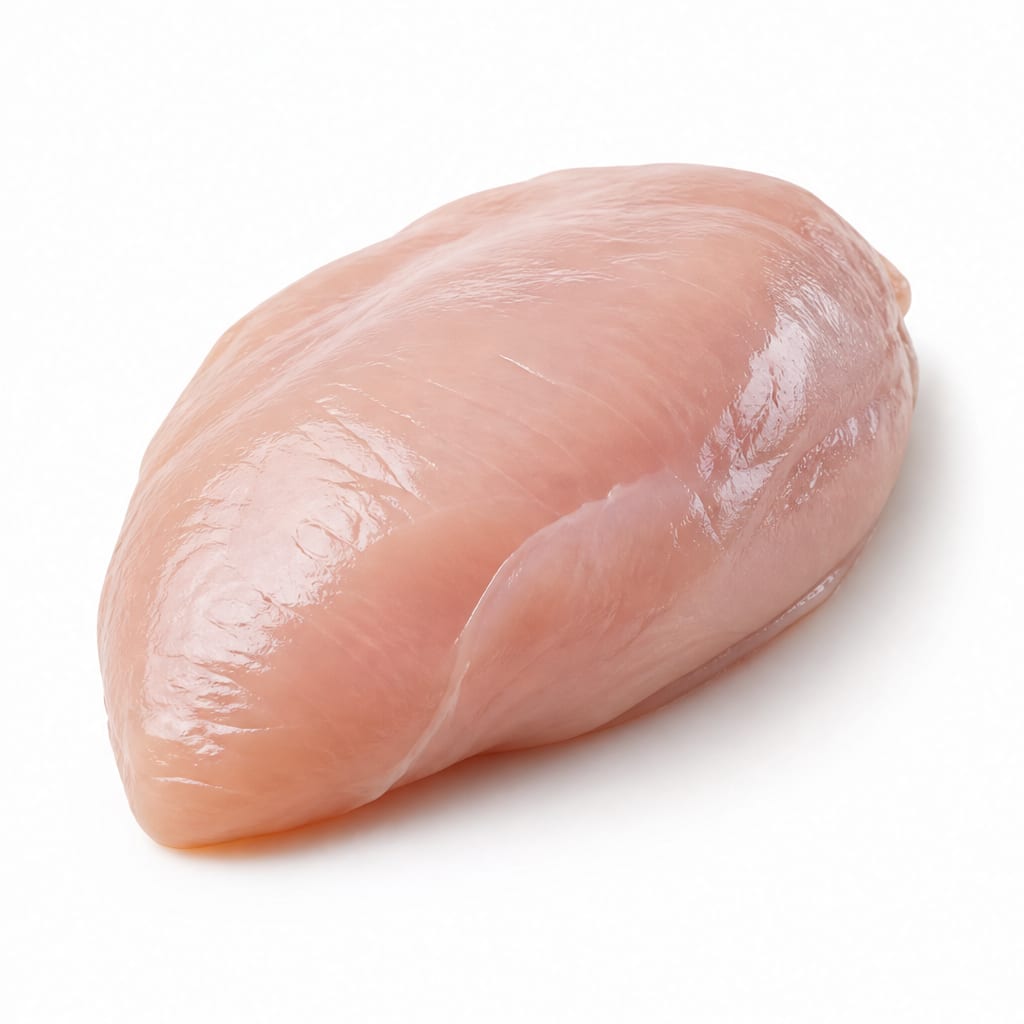
Compare with
Chicken Breast
Chicken breast provides much more protein with fewer calories and no cholesterol compared to the ostrich egg.
Chicken breast wins for lean weight loss and fitness fuel, while ostrich eggs provide more fat for keto diets.
This food
Ostrich Egg
VS55% alike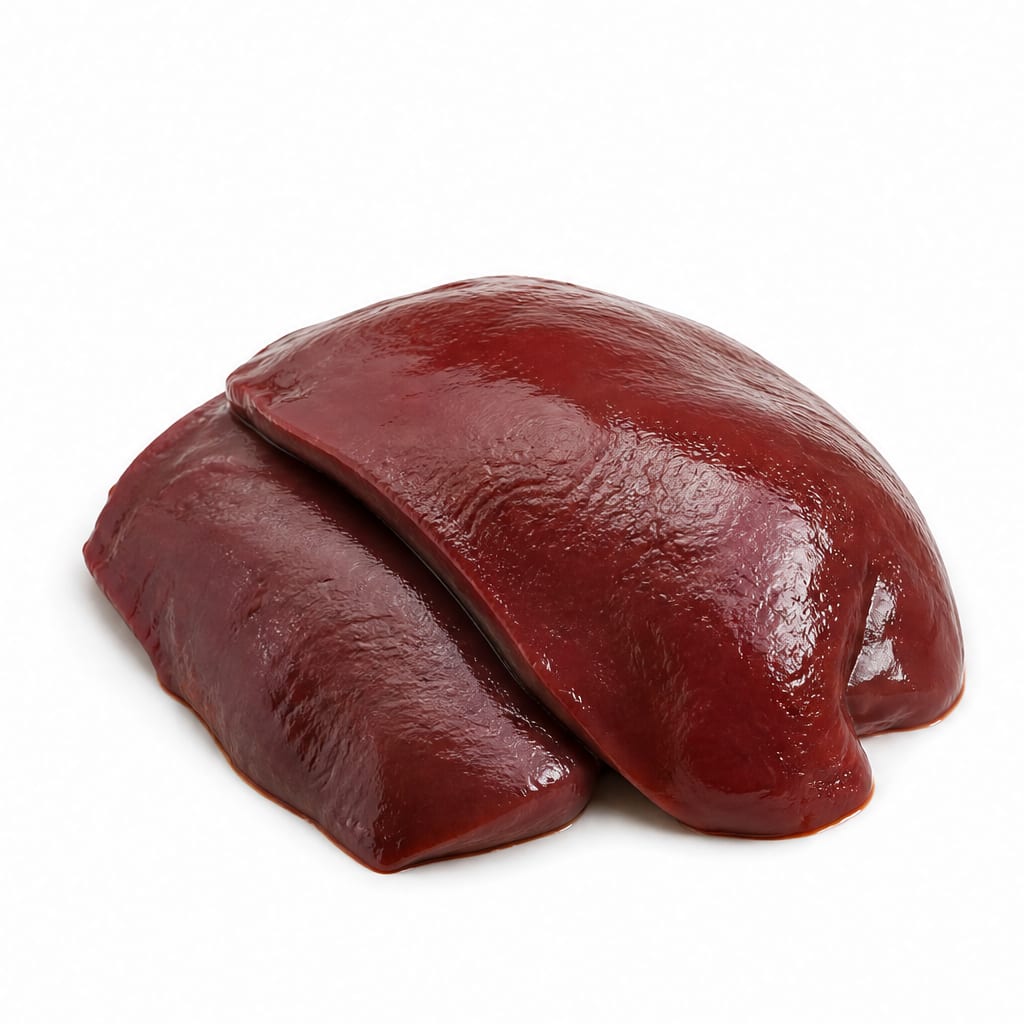
Compare with
Beef Liver
Beef liver offers vastly more micronutrients like Vitamin A and B12 per calorie, while ostrich egg provides more dietary fat.
Beef liver is superior for micronutrient density and weight loss, while ostrich eggs offer better satiety through fat content.
This food
Ostrich Egg
VS50% alike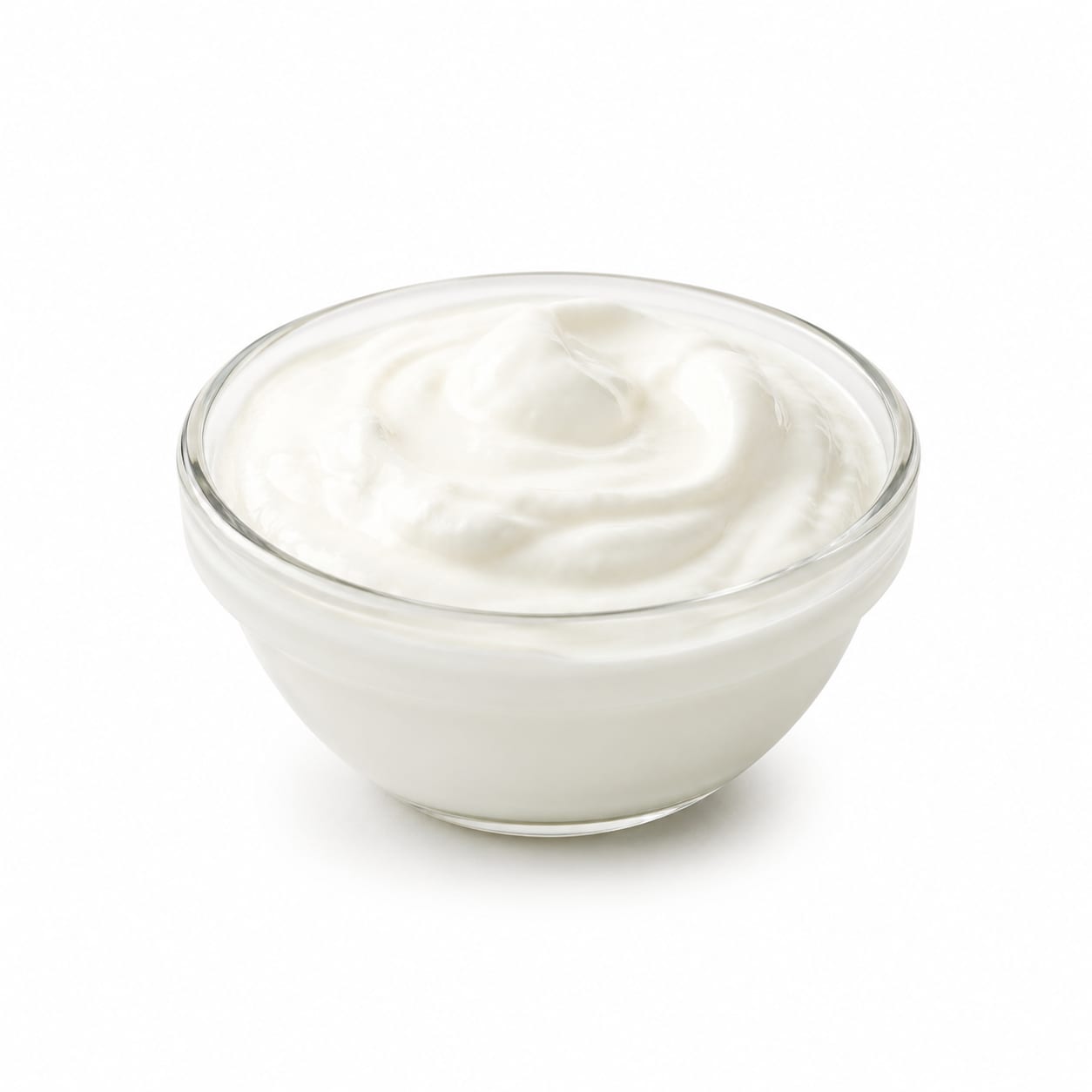
Compare with
Greek Yogurt
Greek yogurt provides probiotics for gut health and fewer calories, while ostrich egg offers zero carbs and more fat.
Greek yogurt is better for gut health and low-calorie diets, while ostrich eggs are strictly zero-carb and more satiating.
This food
Ostrich Egg
VS50% alike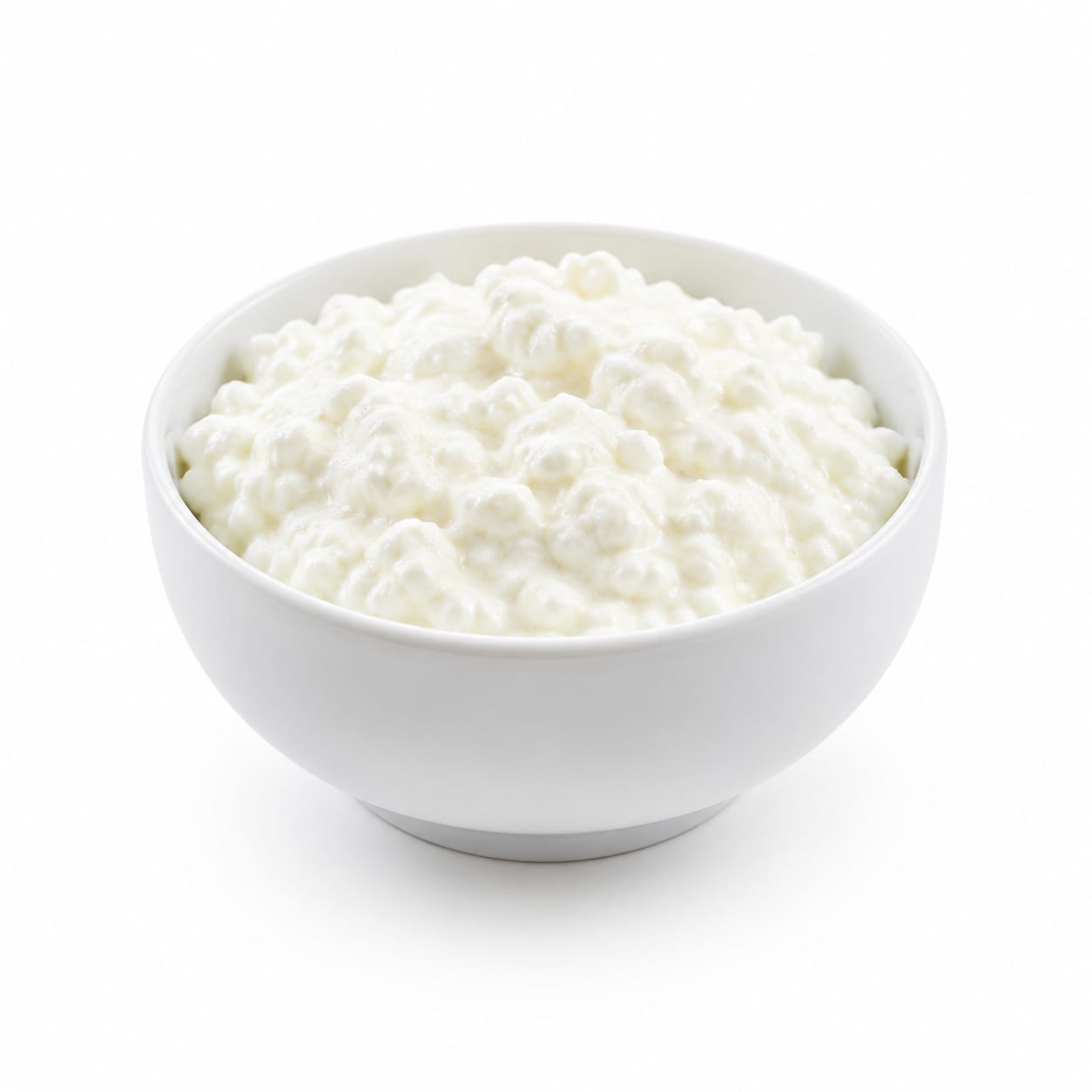
Compare with
Cottage Cheese
Cottage cheese provides sustained casein protein with fewer calories, while ostrich egg delivers whole-food fats and zero carbs.
Cottage cheese is lower in calories for weight loss, while ostrich eggs provide a zero-carb, high-fat energy source.
This food
Ostrich Egg
VS40% alike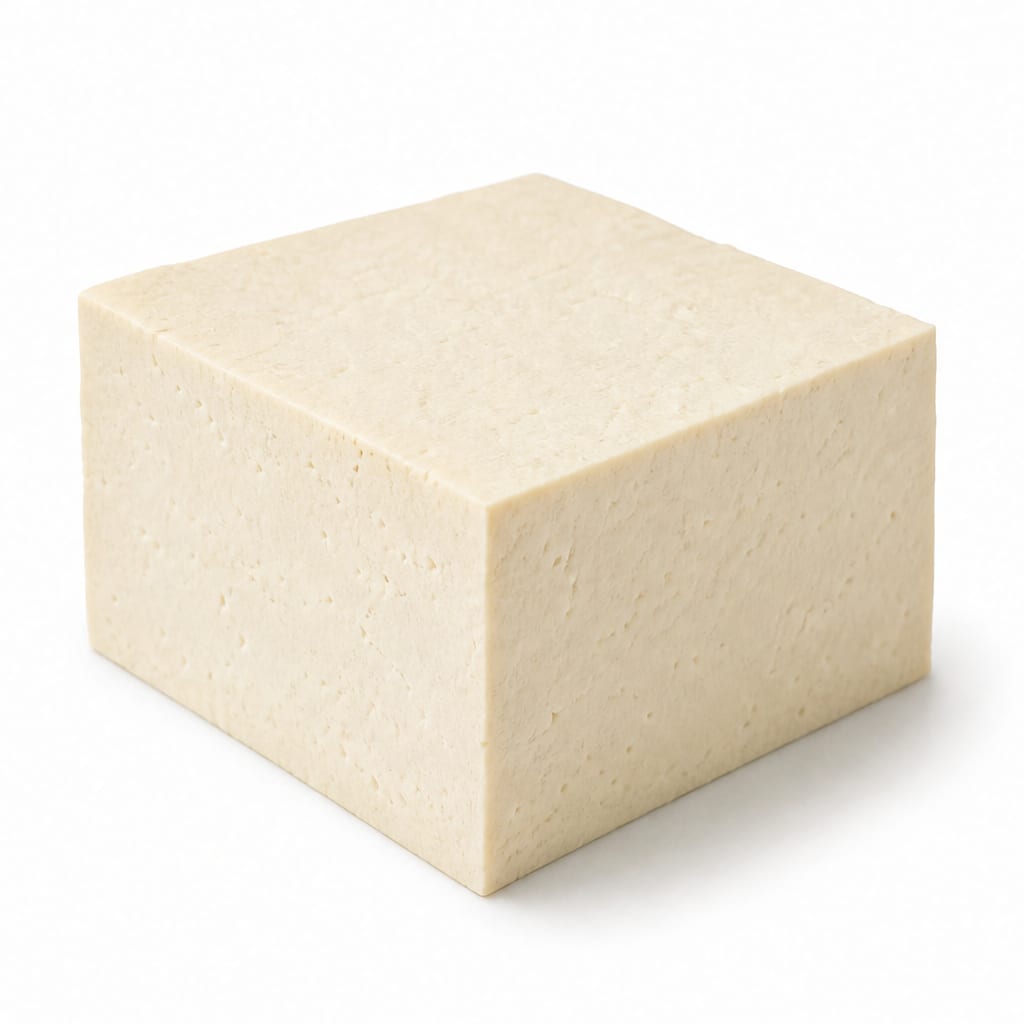
Compare with
Tofu
Tofu is lower in calories and contains fiber, while ostrich egg provides a complete animal protein profile with zero carbs.
Tofu is lighter for weight loss and plant-based, while ostrich eggs offer denser protein and satiety for low-carb dieters.
Common questions
FAQ
Answers aligned with how people search for this food.
Are ostrich eggs good for you?
Yes, in moderation. Ostrich eggs are highly nutritious, offering dense protein, healthy fats, and essential vitamins like B12 and iron. However, they are high in cholesterol and calories if you eat too much at once.
How many chicken eggs equal one ostrich egg?
One ostrich egg is equivalent to about 24 large chicken eggs in volume and weight, making it suitable for feeding a large group.
Can you eat ostrich eggs everyday?
While nutritionally dense, eating ostrich egg daily is not recommended due to the high cholesterol and calorie content. It is best enjoyed occasionally or portioned out over several meals.
What does an ostrich egg taste like?
Ostrich eggs taste very similar to chicken eggs but are often described as slightly milder and sweeter. The texture is a bit richer due to the higher yolk-to-white ratio.
Is an ostrich egg keto friendly?
Yes, ostrich eggs are keto-friendly because they contain virtually zero carbohydrates while providing high amounts of protein and fat.
How much protein is in an ostrich egg?
There are about 12.5 grams of protein per 100 grams of ostrich egg. A whole ostrich egg contains approximately 180 grams of protein.
Do ostrich eggs have more cholesterol than chicken eggs?
Per 100 grams, the cholesterol content is similar to chicken eggs. However, because an ostrich egg is 24 times larger, a whole ostrich egg contains a massive amount of cholesterol overall.
How long do you boil an ostrich egg?
To hard boil an ostrich egg, you need to boil it for about 45 to 60 minutes due to its massive size and thick shell.
Transparency
Data confidence
Estimated confidence for nutrition data, interpretation, safety notes, and comparisons.
Nutrition data
Health analysis
Food safety
Comparisons