
Nutrition comparison
Ostrich Egg vs Cottage Cheese: Which Protein Source Is Actually Better?
Compare ostrich egg and cottage cheese for protein, calories, heart health, and daily practicality. Discover why cottage cheese wins for everyday nutrition and when an ostrich egg might be worth trying.
Overall winner · Cottage Cheese
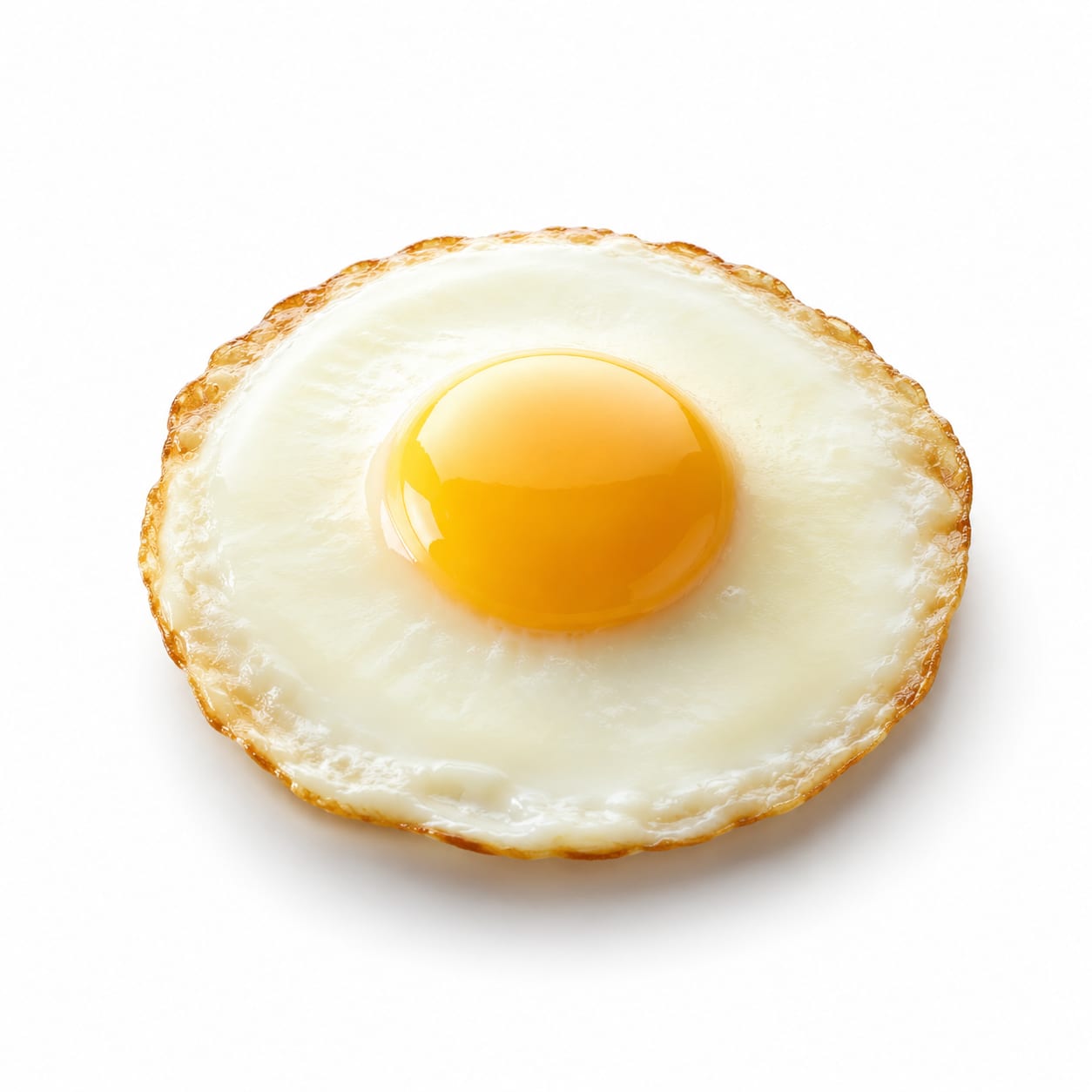
Ostrich Egg
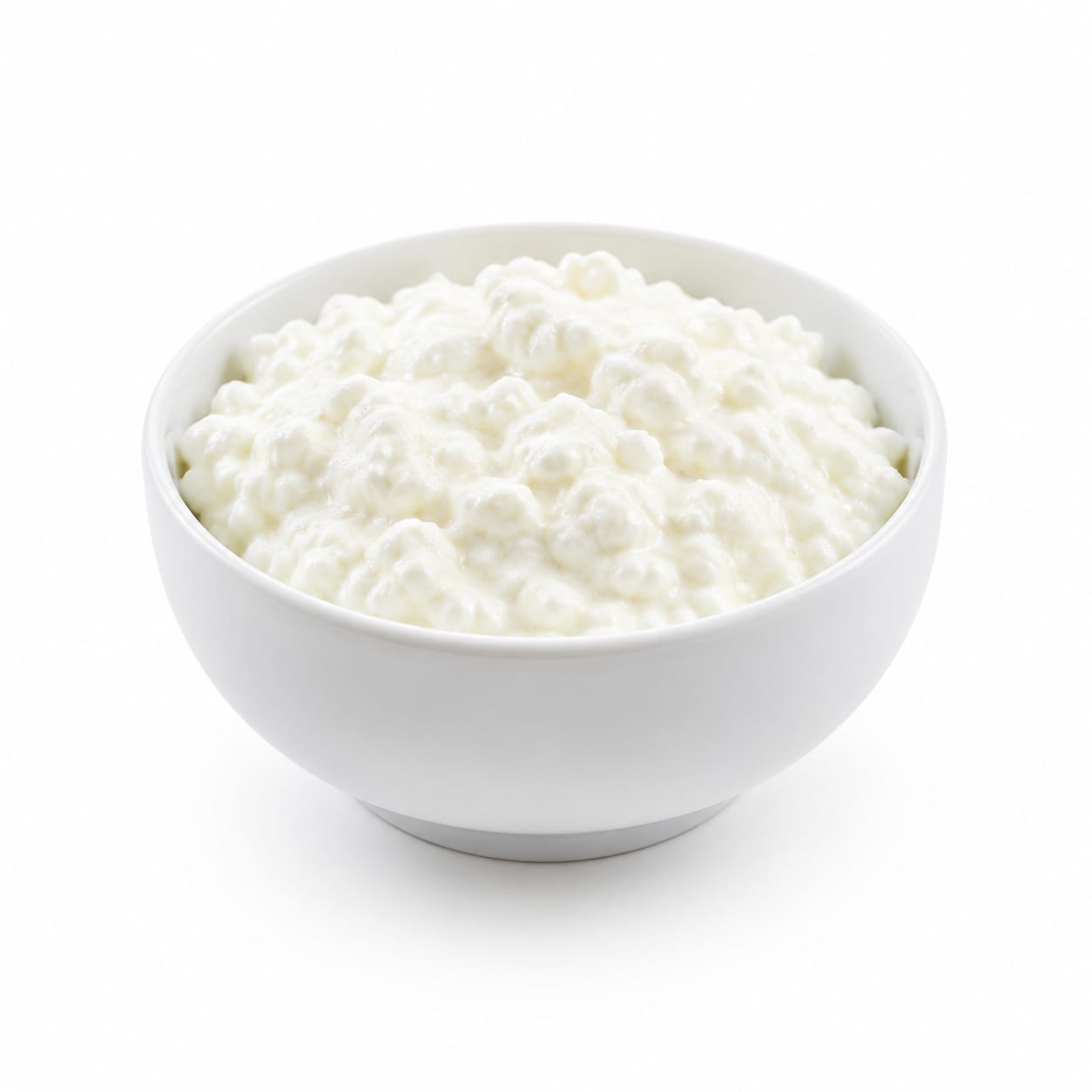
Cottage Cheese
Cottage Cheese wins for daily practicality, heart health, and portion control. Ostrich Egg is a novelty protein bomb best shared among many people.
Cottage Cheese scores nearly double due to everyday usability, heart-health profile, and portion control. Ostrich Egg earns points for protein density and minimal processing but loses heavily on practicality, cholesterol load, and accessibility.
Ostrich Egg delivers unmatched protein per egg but comes with extreme calories, cholesterol, and zero convenience. Cottage Cheese gives you controllable, heart-friendlier protein you can actually eat every day.
At a glance
Executive summary
Overall
Cottage Cheese
Healthier
Cottage Cheese
More practical
Cottage Cheese
Daily use
Cottage Cheese
Key comparison lenses
protein source efficiency
Both are high-protein foods but differ dramatically in calorie-to-protein ratio and serving practicality
everyday usability
An ostrich egg feeds a crowd while cottage cheese is a single-serve staple — this shapes real-world decisions
heart health cholesterol concerns
Ostrich egg contains massive cholesterol load; cottage cheese offers low-fat options with minimal cholesterol
satiety and portion control
Cottage cheese provides built-in portion control; an ostrich egg is an all-day commitment
cost and accessibility
Cottage cheese is available everywhere; ostrich eggs are specialty items with limited availability
Best choice for
Ostrich Egg
- Feeding a large group with a single ingredient
- Novelty culinary experiences and adventurous eaters
- Situations requiring massive protein in one sitting
- Anyone curious about exotic foods with budget to spare
Cottage Cheese
- Daily high-protein breakfasts or snacks
- Weight management with built-in portion control
- Late-night filling snacks that won't overload calories
- Anyone monitoring cholesterol or heart health
Least suitable for
Ostrich Egg
- Solo diners — one egg is roughly 2,000 calories
- Anyone with high cholesterol concerns
- Busy mornings requiring quick preparation
- Budget-conscious shoppers
Cottage Cheese
- Severe dairy allergy or lactose intolerance sufferers
- People avoiding sodium-heavy foods
- Those wanting a hot cooked meal experience
Deep comparison
Dimension by dimension
Each lens scores both foods and breaks down who each option suits.
- Dimension 1 · Priority 95It depends
protein_efficiency
Ostrich Egg · 72Cottage Cheese · 85Ostrich Egg has more total protein per unit, but Cottage Cheese delivers more protein per calorie, making it far more efficient for most goals.
Tradeoff
One ostrich egg packs ~130g protein alongside ~2,000 calories. A cup of low-fat cottage cheese gives ~28g protein for only ~160 calories. If you want protein without the calorie avalanche, cottage cheese wins easily.
Why it matters
Most people seeking protein want lean gains or satiety without overeating. Calorie-dense protein sources can sabotage weight goals fast.
Real-world impact
After a workout, a bowl of cottage cheese refuels you without putting you in a food coma. An ostrich egg would require sharing with four friends or eating way past fullness.
Ostrich Egg
- Group meals where total protein matters more than per-calorie efficiency
- Extreme bulk-up phases requiring massive caloric surplus
Better for
- Cutting phases — the calorie load is counterproductive
- Anyone tracking macros precisely per meal
Worse for
Cottage Cheese
- Lean muscle gain without excess calories
- Weight loss diets needing high satiety per calorie
- Post-workout recovery with moderate portions
Better for
- Situations requiring enormous protein in a single sitting
Worse for
- Dimension 2 · Priority 88Cottage Cheese
heart_health_and_cholesterol
Ostrich Egg · 25Cottage Cheese · 78Ostrich Egg contains an extraordinary amount of dietary cholesterol — roughly 1,600mg in one egg. Cottage Cheese, especially low-fat versions, is far gentler on your cardiovascular system.
Tradeoff
Even if dietary cholesterol doesn't affect everyone equally, consuming over five times the daily recommended limit in one sitting is a legitimate concern. Cottage Cheese keeps you well within safe ranges.
Why it matters
Heart disease remains the leading cause of death globally. Repeatedly hammering your system with massive cholesterol loads is an unnecessary gamble when alternatives exist.
Real-world impact
If you have a family history of heart issues, eating an entire ostrich egg could spike your LDL noticeably. Cottage Cheese lets you hit protein goals without that worry.
Ostrich Egg
- People with confirmed low cholesterol sensitivity who process dietary cholesterol efficiently
Better for
- Regular consumers would face compounding cardiovascular risk
- Anyone already on cholesterol medication
Worse for
Cottage Cheese
- Anyone with borderline or high cholesterol
- People with family history of heart disease
- Older adults more vulnerable to cardiovascular strain
Better for
- Full-fat versions still carry saturated fat worth monitoring
Worse for
- Dimension 3 · Priority 92Cottage Cheese
convenience_and_practicality
Ostrich Egg · 15Cottage Cheese · 90Cottage Cheese is ready to eat from the container in seconds. Ostrich Egg requires significant cooking time, planning, and usually multiple people to consume.
Tradeoff
An ostrich egg takes 45-60 minutes to hard-boil and needs a large pot. Cottage Cheese needs a spoon and five seconds. For daily life, this gap is enormous.
Why it matters
The best protein source is the one you'll actually eat consistently. Convenience drives adherence more than nutrition facts.
Real-world impact
At 7am before work, cottage cheese is grab-and-go. An ostrich egg is a weekend project requiring planning and cleanup.
Ostrich Egg
- Special occasion cooking experiences
- Meal prep for large families
Better for
- Busy professionals
- Anyone cooking for one
- Small kitchens without large cookware
Worse for
Cottage Cheese
- Quick breakfasts
- Office snacks
- Post-gym fuel
- Travel-friendly protein
Better for
- Off-grid situations without refrigeration
Worse for
- Dimension 4 · Priority 85Cottage Cheese
satiety_and_portion_control
Ostrich Egg · 40Cottage Cheese · 82Cottage Cheese provides excellent satiety in a controllable portion. Ostrich Egg is so large that portion control becomes nearly impossible for a single person.
Tradeoff
Cottage Cheese naturally caps your intake at a cup or two. An ostrich egg tempts you to eat far past comfortable fullness because it's a single item.
Why it matters
Overeating, even healthy food, undermines health goals. Built-in portion boundaries are an underrated advantage.
Real-world impact
A cup of cottage cheese leaves you satisfied for hours. Half an ostrich egg leaves you uncomfortably full; the whole thing leaves you regretful.
Ostrich Egg
- Sharing scenarios where the portion naturally divides among people
Better for
- Emotional eaters who struggle to stop
- Anyone prone to post-meal discomfort
Worse for
Cottage Cheese
- Weight management
- Mindful eating practices
- Consistent meal planning
Better for
- Very active people needing massive caloric intake
Worse for
- Dimension 5 · Priority 75Ostrich Egg
micronutrient_density
Ostrich Egg · 80Cottage Cheese · 68Ostrich Egg delivers exceptional amounts of B12, iron, selenium, and choline in a single package. Cottage Cheese is strong in calcium and B12 but less nutrient-diverse.
Tradeoff
You get more micronutrient variety from ostrich egg, but you also get them alongside an extreme calorie and cholesterol payload. Cottage Cheese offers fewer micronutrients per serving but in a balanced package.
Why it matters
Nutrient density matters most when calories are limited. If you're already eating enough, micronutrient spread becomes the differentiator.
Real-world impact
For someone with low iron or B12, ostrich egg could be therapeutic. For most people, cottage cheese covers daily calcium needs without overdoing anything.
Ostrich Egg
- Addressing B12 or iron deficiency with food-based sources
- Nutrient-dense meals for underweight individuals
Better for
- The micronutrient benefit gets buried under caloric cost for most eaters
Worse for
Cottage Cheese
- Meeting daily calcium needs consistently
- Balanced nutrition without excess
Better for
- Not a significant iron source
- Lower choline content
Worse for
- Dimension 6 · Priority 80Cottage Cheese
cost_and_accessibility
Ostrich Egg · 20Cottage Cheese · 85Cottage Cheese is available at any grocery store for a few dollars. Ostrich Eggs are specialty items costing $20-50+ and requiring specialty suppliers or online orders.
Tradeoff
You could buy weeks of cottage cheese for the price of one ostrich egg. Nutrition only works if you can access and afford it consistently.
Why it matters
Sustainability depends on accessibility. The healthiest food in the world is useless if you can't buy it regularly.
Real-world impact
Cottage Cheese is a $3-5 weekly staple. An ostrich egg is a $30 novelty that requires hunting down a specialty source.
Ostrich Egg
- One-time culinary adventures
- Specialty food enthusiasts with budget flexibility
Better for
- Anyone on a tight food budget
- People without access to specialty grocers or online ordering
Worse for
Cottage Cheese
- Weekly grocery budgets
- Rural areas with limited specialty food access
- Students and budget-conscious eaters
Better for
- Regions where dairy is expensive or scarce
Worse for
Timeline
Health impact over time
Short-term
Hours to days
Ostrich Egg
- Extreme fullness after eating even a portion — can cause sluggishness and discomfort
- Potential digestive upset from consuming such a large, rich food in one sitting
- Significant blood lipid spike shortly after consumption due to massive fat and cholesterol intake
Cottage Cheese
- Quick satiety with light, comfortable fullness
- Steady energy without crashes due to slow-digesting casein protein
- Some people experience mild bloating from lactose, especially with larger portions
Long-term
Months to years
Ostrich Egg
- Regular consumption would likely elevate LDL cholesterol meaningfully
- High caloric load could contribute to weight gain if eaten frequently
- Iron and B12 levels would benefit, but at too high a cardiovascular cost for most people
Cottage Cheese
- Consistent intake supports lean muscle maintenance and bone density from calcium
- Low-fat versions contribute to heart-healthy eating patterns when sodium is managed
- Long-term satiety support helps with sustainable weight management
Risk profile
Safety & processing
Both foods score well on naturalness. Ostrich Egg is essentially unprocessed — just collected and sold. Cottage Cheese involves curdling and draining but contains minimal ingredients in quality brands. Watch for added gums or sodium in some cottage cheese brands.
Ostrich Egg
Salmonella contamination
mediumLike all eggs, raw ostrich eggs carry salmonella risk. Thorough cooking eliminates this, but the large size means ensuring even cooking throughout is trickier than with chicken eggs.
Improper storage and freshness
mediumOstrich eggs are less commonly sold, meaning longer supply chains and potential freshness issues. Always check sourcing and expiration carefully.
Cottage Cheese
Listeria contamination
lowSoft dairy products carry a small listeria risk, particularly for pregnant women. Pasteurized cottage cheese minimizes this significantly.
High sodium content
mediumSome cottage cheese brands contain 400-900mg sodium per cup. This adds up quickly for sodium-sensitive individuals or those with hypertension.
Who wins for whom
Audience fit
Same foods, different winners depending on your goal.
children
Cottage CheeseCottage Cheese is kid-friendly, easy to portion, and provides growing bodies with calcium and protein. An ostrich egg is a choking-level portion for a child and contains cholesterol amounts inappropriate for developing cardiovascular systems.
daily consumption
Cottage CheeseCottage Cheese is designed for daily eating — affordable, available, easy to prepare, and nutritionally balanced. Ostrich Egg is a rare occasion food at best.
diabetes
Cottage CheeseCottage Cheese has minimal impact on blood sugar with its low carbohydrate content. Ostrich Egg is also low-carb but the enormous fat and calorie load can impair insulin sensitivity over time if consumed regularly.
elderly
Cottage CheeseOlder adults benefit from cottage cheese's calcium for bone density and easy digestibility. Ostrich Egg's cholesterol load and heavy satiety make it a poor fit for aging cardiovascular systems and smaller appetites.
muscle gain
It dependsCottage Cheese is superior for lean gains with controlled calories. Ostrich Egg works for extreme bulk phases where massive caloric surplus is intentional, but most lifters prefer the control cottage cheese offers.
weight loss
Cottage CheeseLow-fat cottage cheese provides high satiety per calorie with built-in portion control. An ostrich egg is a 2,000-calorie commitment that makes deficit eating nearly impossible.
Your move
Decision guide
Choose Ostrich Egg
- You're hosting a brunch for 6-8 people and want a conversation-starting centerpiece
- You're an adventurous eater seeking a one-time culinary experience
- You need enormous caloric and protein intake and have no cholesterol concerns
- You have access to a reliable ostrich egg supplier and want to try something extraordinary
Choose Cottage Cheese
- You want a reliable daily protein source that fits your life
- You're managing weight, cholesterol, or heart health
- You need quick, no-cook meals for busy schedules
- You want satiety without feeling stuffed or sluggish
- You're feeding yourself, not a crowd
Either works if
- You want minimally processed protein with no artificial additives
- You're focused on whole-food nutrition over supplements
- You value real food satiety over protein shakes
Avoid both if
- You have severe egg and dairy allergies simultaneously
- You need a portable, shelf-stable protein source for travel or hiking
Final recommendation
Cottage Cheese is the clear winner for everyday life. It delivers consistent, controllable, heart-friendly protein that fits into virtually any routine. Ostrich Egg is a fascinating novelty — worth trying once for the experience — but treating it as a regular protein source would compromise your health goals, your wallet, and your schedule. Eat cottage cheese on Tuesday. Try ostrich egg on vacation.
Practical
Consumer tips
- 1
Choose low-fat or 2% cottage cheese for the best protein-to-calorie ratio — full-fat versions double the calories for modestly more protein
- 2
If you do try an ostrich egg, hard-boil it and share with at least four people to keep portions reasonable
- 3
Watch sodium on cottage cheese labels — some brands pack 800mg+ per cup; look for no-salt-added or low-sodium options
- 4
Ostrich eggs can be found at specialty butchers, farmers markets, or online — always verify the source practices safe handling
- 5
Pair cottage cheese with fruit or nuts for a more complete snack that adds fiber and healthy fats
- 6
Never eat an ostrich egg raw or undercooked — the density makes even cooking harder to verify than chicken eggs
- 7
If cholesterol is a concern, even one ostrich egg yolk exceeds five days of recommended intake — consider this carefully