
Nutrition comparison
Ostrich Egg vs Turkey Egg: Nutrition, Taste, and Which Is Worth Trying
Comparing ostrich eggs and turkey eggs on protein, cholesterol, taste, cost, and practicality. Find out which specialty egg is better for your goals.
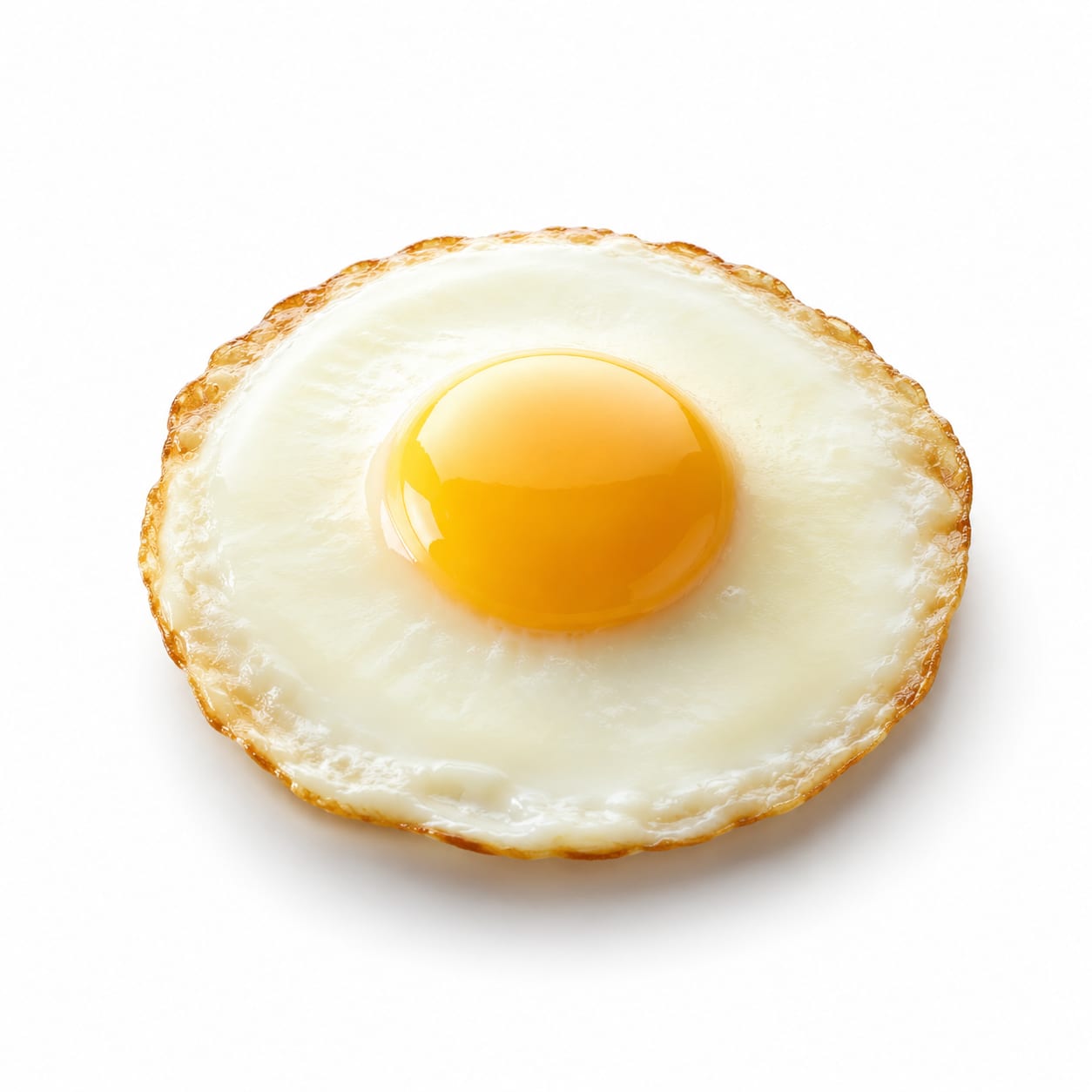
Ostrich Egg
Turkey Egg
Turkey eggs win on practicality and portion control; ostrich eggs deliver unmatched protein volume but are impractical for solo meals.
Turkey eggs score higher mainly due to realistic portion sizes and everyday usability. Ostrich eggs are nutritionally impressive but impractical for most single-person meals, dragging down their real-world score.
Ostrich eggs offer a spectacular protein payload in a single package, but one egg feeds a crowd. Turkey eggs are a realistic single-serving alternative with a richer yolk than chicken eggs.
At a glance
Executive summary
Overall
It depends
Healthier
Turkey Egg
More practical
Turkey Egg
Daily use
Turkey Egg
Key comparison lenses
protein source comparison
Both are high-protein egg alternatives, but portion sizes and protein density differ dramatically
practical everyday use
Ostrich eggs are massive and hard to use in normal cooking; turkey eggs are closer to familiar portion sizes
cholesterol and heart health
Both eggs carry significant cholesterol loads that matter for cardiovascular-conscious users
novelty vs sustainability
These are specialty eggs most people try out of curiosity rather than routine
cost and accessibility
Neither is easy to find at a regular grocery store, but availability gaps differ substantially
Best choice for
Ostrich Egg
- Large families or group breakfasts
- Adventurous eaters wanting a novelty experience
- Catering or restaurant portion prep
- Those needing massive protein in one sitting
Turkey Egg
- Individuals wanting a single-serving specialty egg
- People seeking richer flavor than chicken eggs without waste
- Those who want portion control built in
- Bakers experimenting with denser, richer recipes
Least suitable for
Ostrich Egg
- Solo diners who hate leftovers
- Cholesterol-sensitive individuals eating alone
- Anyone on a tight grocery budget
- People with limited refrigerator storage
Turkey Egg
- Those who need large protein volume efficiently
- Budget-conscious shoppers wanting cheap protein
- People unfamiliar with cooking specialty eggs
Deep comparison
Dimension by dimension
Each lens scores both foods and breaks down who each option suits.
- Dimension 1 · Priority 93Ostrich Egg
protein_volume_and_density
Ostrich Egg · 95Turkey Egg · 62A single ostrich egg delivers roughly 130g of protein — equivalent to 4-5 chicken eggs. One turkey egg provides about 9g, similar to a large chicken egg.
Tradeoff
Ostrich egg protein comes in an all-or-nothing package. You cannot easily portion it for a single meal without cooking the entire thing or separating it raw.
Why it matters
If you need serious protein volume for muscle recovery or feeding several people, ostrich eggs are remarkably efficient. For individual meals, turkey eggs are far more manageable.
Real-world impact
After an ostrich egg breakfast, you are done with protein for half the day. A turkey egg fits neatly into a normal meal plan without recalculating everything.
Ostrich Egg
- Post-workout recovery for large athletes
- Feeding a family of four with one ingredient
- Meal prep batching
Better for
- Anyone tracking precise per-meal protein
- Light eaters who will waste most of it
Worse for
Turkey Egg
- Standard single-serving breakfasts
- Controlled protein intake per meal
- Adding to recipes without overshooting macros
Better for
- Situations requiring high protein volume efficiently
Worse for
- Dimension 2 · Priority 90Turkey Egg
portion_control_and_practicality
Ostrich Egg · 25Turkey Egg · 78One ostrich egg weighs about 1.4 kg and equals roughly two dozen chicken eggs. A turkey egg is slightly larger than a chicken egg and works as a single serving.
Tradeoff
Ostrich eggs demand commitment: once opened, you are cooking for a crowd or dealing with storage. Turkey eggs behave like familiar eggs with minimal adjustment.
Why it matters
Most people cook for one or two. An ingredient that forces you to prepare 2000+ calories at once creates waste, overconsumption, or logistical headaches.
Real-world impact
Cracking an ostrich egg feels like a project. Cracking a turkey egg feels like making breakfast.
Ostrich Egg
- Special events and dinner parties
- Restaurant kitchens serving many people
Better for
- Quick solo meals
- Small households
- Anyone who dislikes leftovers
Worse for
Turkey Egg
- Weekday mornings
- Cooking for one or two
- Recipes calling for a single egg
Better for
- Situations where you need to feed many people from one ingredient
Worse for
- Dimension 3 · Priority 85Turkey Egg
cholesterol_and_cardiovascular_load
Ostrich Egg · 30Turkey Egg · 55One ostrich egg contains roughly 1600mg of cholesterol — over five times the daily limit recommended for at-risk individuals. A turkey egg has about 737mg, still high but more manageable in context.
Tradeoff
Neither egg is cholesterol-light, but the ostrich egg concentrates an extraordinary amount into one serving that is very easy to overconsume.
Why it matters
For anyone watching heart health, the sheer volume of cholesterol in a single ostrich egg portion is a serious concern. Turkey eggs are easier to moderate.
Real-world impact
Eating a whole ostrich egg means consuming over a week's worth of cholesterol for heart-sensitive individuals in one sitting.
Ostrich Egg
- Active, healthy individuals with no cholesterol concerns
- People sharing the egg across many servings
Better for
- People with high LDL cholesterol
- Anyone with a family history of heart disease
Worse for
Turkey Egg
- Anyone monitoring cholesterol intake
- People who eat eggs daily and need to pace intake
Better for
- Daily consumers who already eat multiple eggs per day
Worse for
- Dimension 4 · Priority 72Ostrich Egg
micronutrient_density
Ostrich Egg · 82Turkey Egg · 74Ostrich eggs are rich in iron, selenium, B12, and vitamin A due to sheer volume. Turkey eggs also offer strong B12 and selenium but in smaller absolute amounts per egg.
Tradeoff
Ostrich eggs provide more total micronutrients, but you would need to eat the whole egg to get them all at once. Turkey eggs deliver a balanced micronutrient profile per reasonable serving.
Why it matters
Total micronutrient content favors ostrich eggs, but per-serving density matters more for how people actually eat.
Real-world impact
If you share one ostrich egg among four people, each person gets micronutrients comparable to a large chicken egg serving.
Ostrich Egg
- Situations where total nutrient volume matters more than per-serving
- Shared meals distributing the load
Better for
- Solo eaters who cannot finish it
Worse for
Turkey Egg
- Consistent daily micronutrient intake
- Single-serving meals
Better for
- Scenarios needing maximum nutrient volume from one item
Worse for
- Dimension 5 · Priority 70Turkey Egg
cost_and_accessibility
Ostrich Egg · 20Turkey Egg · 40Ostrich eggs can cost $25-50 each and are available mainly from specialty farms or online. Turkey eggs cost $3-6 each and are somewhat easier to find at farmers markets.
Tradeoff
Both are luxury items compared to chicken eggs. Ostrich eggs are dramatically more expensive and harder to source; turkey eggs are pricey but closer to accessible.
Why it matters
If you cannot find or afford an ingredient regularly, it cannot be a staple regardless of nutritional merit.
Real-world impact
Most people will try these once or twice. Turkey eggs are more likely to become an occasional treat; ostrich eggs are usually a one-time experience.
Ostrich Egg
- Special occasion splurges
- People near ostrich farms with direct access
Better for
- Regular grocery shoppers
- Budget-conscious households
Worse for
Turkey Egg
- Occasional specialty purchases
- Farmers market shoppers
Better for
- Anyone expecting supermarket availability
Worse for
- Dimension 6 · Priority 65It depends
flavor_and_culinary_experience
Ostrich Egg · 68Turkey Egg · 72Ostrich eggs taste similar to chicken eggs but slightly sweeter and milder. Turkey eggs have a richer, creamier yolk with a more pronounced savory depth.
Tradeoff
Ostrich eggs are a conversation piece; turkey eggs are a genuinely enjoyable flavor upgrade from chicken eggs.
Why it matters
If you are spending premium prices, the eating experience should deliver. Turkey eggs feel more like an upgrade; ostrich eggs feel more like an event.
Real-world impact
You will remember eating an ostrich egg because of the size. You will remember a turkey egg because of the taste.
Ostrich Egg
- Creating a memorable dining experience
- Impressing guests with something unusual
Better for
- Those expecting a dramatically different taste
Worse for
Turkey Egg
- People who prioritize flavor over novelty
- Culinary enthusiasts wanting richer egg dishes
Better for
- Situations where visual spectacle matters more than subtle flavor
Worse for
Timeline
Health impact over time
Short-term
Hours to days
Ostrich Egg
- Extreme fullness after consuming a full egg — likely uncomfortable satiety
- High calorie intake in one sitting may cause sluggishness
- Very high protein dose could cause digestive discomfort if unused
Turkey Egg
- Comfortable satiety similar to a hearty breakfast
- Manageable calorie and protein load per serving
- Rich yolk may feel heavier than a chicken egg but not overwhelming
Long-term
Months to years
Ostrich Egg
- Frequent full-ostrich-egg consumption would likely raise LDL cholesterol significantly
- Impractical for consistent long-term dietary inclusion
- If shared appropriately, micronutrient benefits are comparable to regular eggs
Turkey Egg
- Occasional turkey egg consumption fits into a balanced diet without major concern
- Cholesterol load is high but manageable if not eaten daily
- B12 and selenium support long-term energy and immune function
Risk profile
Safety & processing
Both ostrich and turkey eggs are whole, unprocessed foods straight from the bird. Neither contains additives, preservatives, or artificial ingredients. The main concern is sourcing quality, not processing.
Ostrich Egg
Salmonella from undercooking
mediumLike all eggs, raw or undercooked ostrich eggs carry salmonella risk. The large volume means longer cooking times are needed to ensure safety throughout.
Storage and freshness challenges
mediumOnce opened, the massive volume of an ostrich egg creates storage challenges. Leftovers must be refrigerated promptly and consumed quickly.
Sourcing and farm hygiene variability
lowOstrich eggs often come from small specialty farms with variable oversight. Verify sourcing practices.
Turkey Egg
Salmonella from undercooking
mediumStandard egg safety applies. Cook thoroughly, especially for vulnerable populations.
Limited regulatory oversight for specialty eggs
lowTurkey eggs are not as heavily regulated as chicken eggs in some regions. Buy from reputable sources.
Who wins for whom
Audience fit
Same foods, different winners depending on your goal.
children
Turkey EggTurkey eggs are closer to a child-appropriate serving size. An ostrich egg would be overwhelming and wasteful for most kids.
daily consumption
Turkey EggTurkey eggs can realistically be eaten a few times per week. Ostrich eggs are a rare event food due to cost, size, and cholesterol load.
diabetes
Turkey EggBoth eggs have minimal impact on blood sugar, but turkey eggs allow for reasonable portion control without overeating.
elderly
Turkey EggOlder adults often need portion control and cholesterol management. Turkey eggs are easier to moderate and digest in a single sitting.
muscle gain
Ostrich EggFor athletes needing massive protein volume, one ostrich egg delivers an extraordinary dose. However, it is best split across multiple meals.
weight loss
Turkey EggTurkey eggs provide a satisfying single-serving option with controlled calories. Ostrich eggs are too calorie-dense for one person trying to manage intake.
Your move
Decision guide
Choose Ostrich Egg
- You are cooking for a group and want a showstopper ingredient
- You need enormous protein volume and are not cholesterol-sensitive
- You live near an ostrich farm and have affordable access
- You want a once-in-a-lifetime culinary experience
Choose Turkey Egg
- You want a richer alternative to chicken eggs for everyday cooking
- You are cooking for yourself or one other person
- You care about portion control and cholesterol management
- You want a specialty egg that is actually practical to use
Either works if
- You are curious about non-chicken eggs and want to explore
- You have no cholesterol concerns and enjoy rich, whole-food protein
- You value minimally processed, natural protein sources
Avoid both if
- You have severe egg allergies
- You are on a strict low-cholesterol diet prescribed by a doctor
- You cannot verify the sourcing or freshness of specialty eggs
- Budget is a primary concern and chicken eggs are already stretching it
Final recommendation
For most people, turkey eggs are the smarter specialty egg choice. They deliver a richer flavor than chicken eggs, fit normal portion sizes, and do not force you into cooking for a crowd. Ostrich eggs are an unforgettable experience, but they are a novelty — not a staple. Try one for the story, but keep turkey eggs in your rotation if you want something special more often.
Practical
Consumer tips
- 1
If cooking an ostrich egg, plan to share it with at least 3-4 people or use it across multiple meals to avoid excessive cholesterol and calorie intake.
- 2
Turkey eggs can be used 1:1 in most recipes calling for large chicken eggs, though the yolk is proportionally larger and richer.
- 3
Store both eggs the same way you would chicken eggs — refrigerated and used within a few weeks for best freshness.
- 4
When scrambling an ostrich egg, use a very large pan and be patient — it takes significantly longer to cook through than a chicken egg.
- 5
Check local farmers markets and specialty butchers for turkey eggs; they are more available seasonally than most people realize.
- 6
If you have high cholesterol, treat both of these as occasional foods rather than daily staples.