
Nutrition comparison
Duck Egg vs Ostrich Egg: Nutrition, Taste, and Practicality Compared
Comparing duck eggs and ostrich eggs? Discover the key differences in nutrition, portion control, and culinary use to decide which giant egg is right for you.
Overall winner · Duck Egg
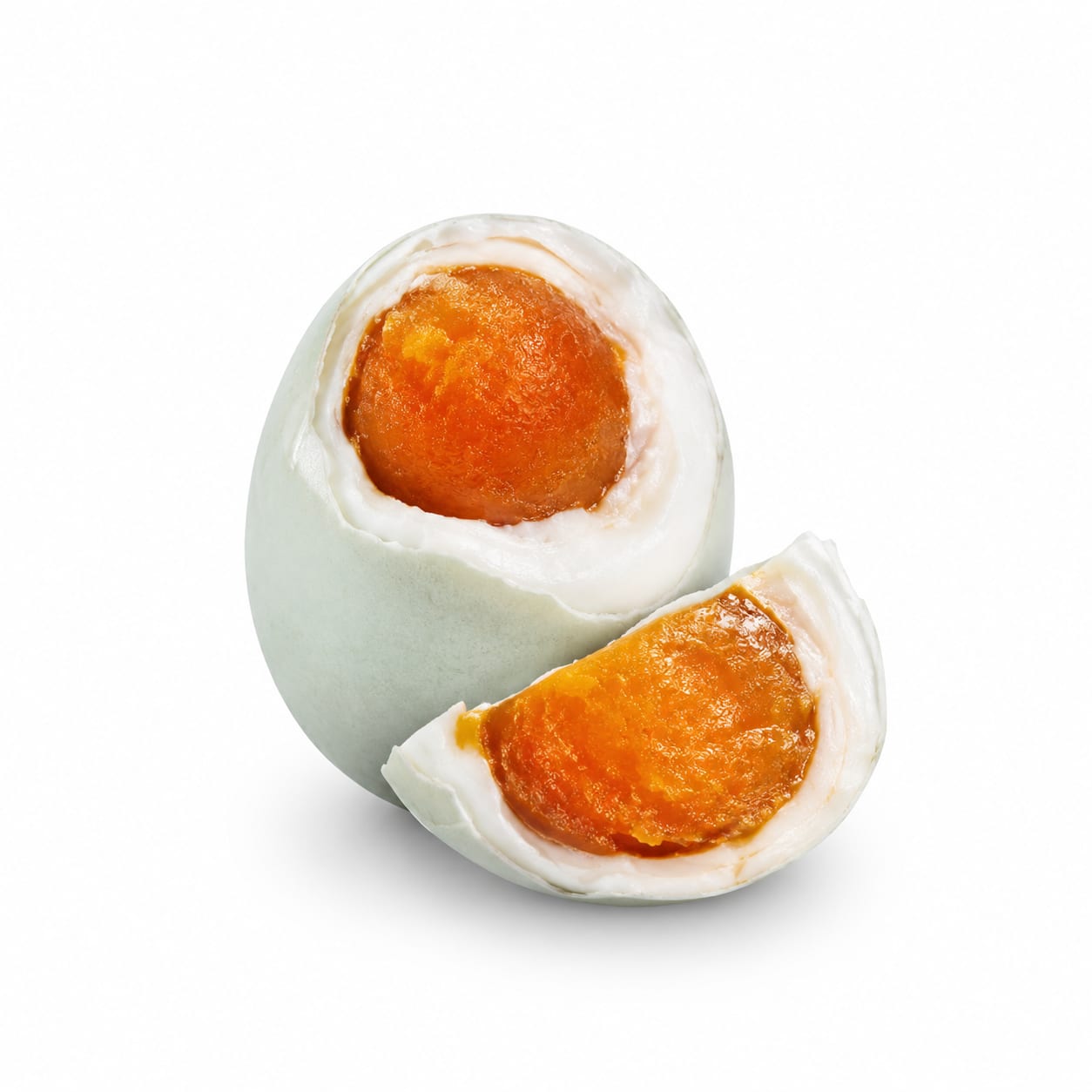
Duck Egg
Ostrich Egg
Duck eggs offer a rich, single-serving nutritional boost, while ostrich eggs are a massive novelty best shared among a crowd.
Duck Egg scores significantly higher due to everyday practicality and built-in portion control. Ostrich Egg loses points because consuming one alone is nutritionally excessive and impractical for daily life.
Convenient portion control and richer fat profile versus an extreme group-size portion with slightly leaner per-ounce stats.
At a glance
Executive summary
Overall
Duck Egg
Healthier
Duck Egg
More practical
Duck Egg
Daily use
Duck Egg
Key comparison lenses
Portion control and practicality
An ostrich egg is massive and feeds up to a dozen people, while a duck egg is a single-serving food, making everyday practicality the biggest differentiator.
Cholesterol and fat management
Both eggs are richer than chicken eggs, but eating a whole ostrich egg delivers an extreme dose of calories and cholesterol that a duck egg avoids through natural portioning.
Culinary application
Duck eggs are prized for baking richness, whereas ostrich eggs are mostly a novelty or group feast item.
Best choice for
Duck Egg
- Baking rich pastries
- Single-serving high-protein breakfasts
- Keto dieters wanting portion control
Ostrich Egg
- Large group breakfasts
- Novel culinary experiences
- Catering events
Least suitable for
Duck Egg
- People strictly limiting cholesterol
- Those avoiding rich, heavy foods
Ostrich Egg
- Solo diners
- Anyone tracking calories or cholesterol per meal
- Quick weeknight cooking
Deep comparison
Dimension by dimension
Each lens scores both foods and breaks down who each option suits.
- Dimension 1 · Priority 95Duck Egg
Portion Control & Practicality
Duck Egg · 95Ostrich Egg · 20A duck egg is a perfect single serving; an ostrich egg weighs up to 3 pounds and feeds up to a dozen people.
Tradeoff
You get massive volume with an ostrich egg, but zero portion flexibility for a solo meal.
Why it matters
Overconsuming calories and cholesterol is easy when your single food item contains 2,000 calories.
Real-world impact
Frying a duck egg takes 5 minutes; cracking and cooking an ostrich egg requires tools and planning for a group.
Duck Egg
- Solo meals
- Quick breakfasts
- Calorie tracking
Better for
- Feeding a crowd affordably
Worse for
Ostrich Egg
- Catering large events
- Novelty dining experiences
Better for
- Dieting
- Everyday convenience
- Solo dining
Worse for
- Dimension 2 · Priority 80It depends
Macronutrient Density
Duck Egg · 85Ostrich Egg · 80Duck eggs are richer in fat and protein per ounce, while ostrich eggs are slightly leaner but still highly nutritious.
Tradeoff
Duck eggs give you more satiating fat and protein per bite, but ostrich eggs offer a lighter macronutrient profile if you only eat a standard serving size.
Why it matters
Higher fat content makes duck eggs creamier and more filling, while ostrich eggs feel slightly lighter.
Real-world impact
Duck eggs make incredibly rich scrambled eggs or baked goods; ostrich eggs taste similar to chicken eggs but with a slightly lighter texture.
Duck Egg
- Keto diets
- Baking rich textures
- Maximizing satiety per bite
Better for
- Low-fat diets
Worse for
Ostrich Egg
- Lighter meals when properly portioned
Better for
- Getting rich, creamy textures
Worse for
- Dimension 3 · Priority 75It depends
Cholesterol & Heart Health
Duck Egg · 60Ostrich Egg · 55Both are high-cholesterol foods, but eating a whole ostrich egg delivers an extreme dose, whereas a duck egg is manageable.
Tradeoff
A single duck egg has about 620mg of cholesterol, which is high but standard for a rich diet. A whole ostrich egg has over 15,000mg.
Why it matters
For cholesterol-sensitive individuals, the sheer scale of an ostrich egg makes it a rare treat at best.
Real-world impact
Eating one duck egg fits into most moderate diets; eating even a quarter of an ostrich egg hits your cholesterol limit for the day.
Duck Egg
- Predictable cholesterol intake per meal
Better for
- Strict low-cholesterol diets
Worse for
Ostrich Egg
- Sharing a low-cholesterol-per-ounce meal with a group
Better for
- Anyone prone to overeating
- Heart health if eaten alone
Worse for
- Dimension 4 · Priority 70Duck Egg
Culinary Versatility
Duck Egg · 90Ostrich Egg · 50Duck eggs are prized by bakers for their high fat and protein, creating superior texture. Ostrich eggs are mostly a novelty.
Tradeoff
Duck eggs elevate recipes naturally, while ostrich eggs require special handling and are usually just scrambled or fried for show.
Why it matters
If you want to actually cook, duck eggs integrate seamlessly into recipes. Ostrich eggs are a fun challenge.
Real-world impact
Duck eggs make the fluffiest cakes and richest custards. Ostrich eggs make a great Instagram post.
Duck Egg
- Baking cakes and pastries
- Making custards
- Everyday cooking
Better for
- Making a massive amount of food at once
Worse for
Ostrich Egg
- Spectacle cooking
- Large-scale scrambling
Better for
- Delicate baking recipes
- Quick meal prep
Worse for
Timeline
Health impact over time
Short-term
Hours to days
Duck Egg
- High satiety from rich fat content
- Sustained energy without a sugar crash
Ostrich Egg
- Extreme fullness if eaten in large amounts
- Potential digestive heaviness due to sheer volume
Long-term
Months to years
Duck Egg
- Supports hormone production with ample dietary fat and choline
- Risk of elevated cholesterol if eaten excessively
Ostrich Egg
- Similar micronutrient benefits to other eggs when portioned
- High risk of calorie and cholesterol excess if treated as a single serving
Risk profile
Safety & processing
Both duck eggs and ostrich eggs are whole, unprocessed foods straight from the farm with no added ingredients.
Duck Egg
Salmonella
mediumLike all raw eggs, duck eggs carry a salmonella risk and should be cooked thoroughly.
Ostrich Egg
Salmonella
mediumOstrich eggs also carry standard poultry bacteria risks and must be cooked thoroughly.
Physical injury from shell
lowOstrich eggshells are incredibly thick and require heavy tools to crack, posing a minor risk of cuts or flying shell fragments.
Who wins for whom
Audience fit
Same foods, different winners depending on your goal.
children
Duck EggA duck egg is the right size for a child's meal, while an ostrich egg is overwhelming and impractical.
daily consumption
Duck EggDuck eggs are practical for daily use; ostrich eggs are a rare occasion food due to their size.
diabetes
Duck EggBoth are low-carb, but duck eggs are easier to portion without accidentally overconsuming calories.
elderly
Duck EggA single duck egg is easier to digest and portion, avoiding the cholesterol overload risk of a massive ostrich egg.
muscle gain
Duck EggDuck eggs provide a highly bioavailable protein punch in a single serving, making it easy to fit into a daily macro plan.
weight loss
Duck EggDuck eggs offer natural portion control and high satiety, whereas an ostrich egg is too calorie-dense to manage easily.
Your move
Decision guide
Choose Duck Egg
- You want a nutrient-dense, single-serving breakfast
- You are baking and need rich, high-fat eggs
- You want portion control for weight management
Choose Ostrich Egg
- You are feeding a large brunch crowd
- You want a fun, novel culinary experience
- You are curious about exotic foods and have people to share with
Either works if
- You just want high-quality protein and are willing to portion the ostrich egg
- You have no cholesterol concerns and want a satisfying meal
Avoid both if
- You are on a strict low-cholesterol diet
- You are vegan or avoiding animal products
Final recommendation
For 99% of your meals, reach for a duck egg. It delivers a rich, satisfying, and perfectly portioned nutritional boost. Save the ostrich egg for a weekend gathering when you want to impress a crowd.
Practical
Consumer tips
- 1
Treat an ostrich egg like a dozen chicken eggs—only cook it when you have people to share it with.
- 2
Use duck eggs in baking for richer, taller cakes thanks to their higher fat and protein content.
- 3
If cooking an ostrich egg, use a drill or hammer and chisel to crack the thick shell safely.
- 4
Refrigerate leftover ostrich egg in an airtight container; it will last a few days like any raw egg.