
Nutrition comparison
Ostrich Egg vs Greek Yogurt: Which High-Protein Food Actually Fits Your Life?
Compare ostrich egg and Greek yogurt on protein, calories, convenience, and health impact. Find out which high-protein food is better for daily eating, weight loss, and muscle gain.
Overall winner · Greek Yogurt

Ostrich Egg
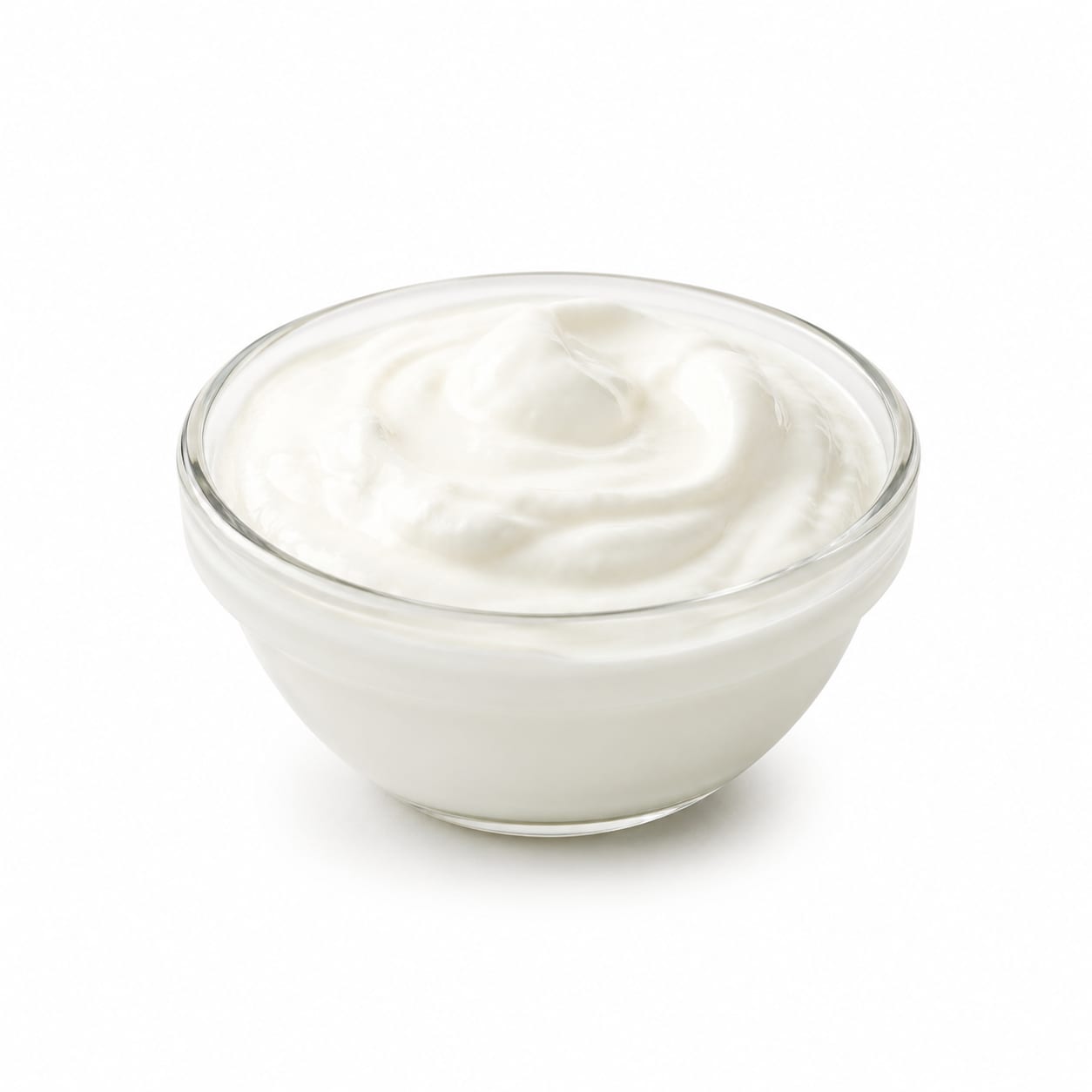
Greek Yogurt
Greek yogurt wins for daily life: portable, probiotic-rich, and portion-friendly. Ostrich egg is a protein spectacle best reserved for sharing or novelty.
Greek yogurt scores far higher due to daily practicality, gut health benefits, and realistic portioning. Ostrich egg is nutritionally impressive per egg but functionally impractical for most real-world eating scenarios.
Ostrich egg delivers unmatched protein scale but demands commitment to a 2000-calorie single item. Greek yogurt trades sheer protein volume for everyday usability and gut benefits.
At a glance
Executive summary
Overall
Greek Yogurt
Healthier
Greek Yogurt
More practical
Greek Yogurt
Daily use
Greek Yogurt
Key comparison lenses
protein source comparison
Both are high-protein foods but differ dramatically in serving practicality and protein density per meal
everyday versus novelty eating
Ostrich egg is a novelty ingredient equal to two dozen chicken eggs, while Greek yogurt is a daily staple for millions
cholesterol and heart health
A single ostrich egg contains massive cholesterol load that dwarfs Greek yogurt's modest amounts
gut health and digestion
Greek yogurt offers probiotics and easy digestion; ostrich egg is dense and lacks fermented benefits
portion control and calorie management
One ostrich egg is roughly 2000 calories making portion control nearly impossible for solo consumption
Best choice for
Ostrich Egg
- Feeding a large group with one ingredient
- Extreme bulk protein needs on a budget per gram
- Culinary adventure and novelty experiences
- Meal prep for multiple people at once
Greek Yogurt
- Daily high-protein breakfast or snack
- Gut health support and digestion comfort
- Weight management and portion control
- Post-workout recovery without overeating
Least suitable for
Ostrich Egg
- Solo diners watching calories
- People managing high cholesterol
- Anyone needing quick portable snacks
- Daily repeated consumption
Greek Yogurt
- Lactose-intolerant individuals without tolerance
- Vegan or dairy-free lifestyles
- Anyone needing massive protein in a single sitting
Deep comparison
Dimension by dimension
Each lens scores both foods and breaks down who each option suits.
- Dimension 1 · Priority 94It depends
protein_power_and_quality
Ostrich Egg · 88Greek Yogurt · 72Ostrich egg delivers roughly 235g of complete protein in one shell, dwarfing Greek yogurt's 15-20g per serving. But almost no one needs that much protein at once.
Tradeoff
Raw protein quantity favors ostrich egg massively, but usable protein per realistic meal favors Greek yogurt since you can actually finish a portion without overeating.
Why it matters
More protein than your body can use in one sitting doesn't build more muscle. Spreading protein across meals works better for most people.
Real-world impact
Eating a whole ostrich egg means consuming 2-3 days worth of protein at once. Greek yogurt lets you hit protein targets meal by meal without waste.
Ostrich Egg
- Group meals where protein gets shared
- Bodybuilders doing rare high-protein loading days
- Situations requiring maximum protein from minimal ingredients
Better for
- Solo eaters who would overconsume protein
- Anyone needing measured portions
Worse for
Greek Yogurt
- Consistent daily protein intake spread across meals
- Post-workout protein without digestive overload
- Anyone tracking macros precisely per meal
Better for
- Scenarios demanding massive single-sitting protein
Worse for
- Dimension 2 · Priority 90Greek Yogurt
convenience_and_portability
Ostrich Egg · 15Greek Yogurt · 92Greek yogurt is grab-and-go from the fridge. An ostrich egg weighs 1.4 kg, requires significant cooking time, and feeds a crowd.
Tradeoff
Ostrich egg demands planning, cooking equipment, and multiple eaters. Greek yogurt is ready in seconds with zero prep.
Why it matters
The food you can actually eat consistently beats the food that's theoretically superior but rarely convenient.
Real-world impact
You can pack Greek yogurt for work, eat it after the gym, or grab it at midnight. An ostrich egg is a weekend project.
Ostrich Egg
- Planned group brunches or dinner parties
- Camping or off-grid cooking for many people with one ingredient
Better for
- Commuting or on-the-go eating
- Anyone with limited cooking facilities
Worse for
Greek Yogurt
- Busy mornings with no cooking time
- Office snacks and travel food
- Quick post-workout fuel
Better for
- Off-grid situations needing shelf-stable food
Worse for
- Dimension 3 · Priority 87Greek Yogurt
calorie_and_portion_control
Ostrich Egg · 12Greek Yogurt · 85One ostrich egg is roughly 2000 calories. A Greek yogurt cup is 100-150 calories. Portion control is effortless with yogurt and nearly impossible with the egg.
Tradeoff
Ostrich egg forces you into either massive calorie consumption or complex meal planning to split it. Greek yogurt naturally fits calorie budgets.
Why it matters
Most people underestimate how easily calorie-dense foods derail weight management. Built-in portion control matters more than willpower.
Real-world impact
Eating a whole ostrich egg alone covers nearly an entire day's calories. Greek yogurt fits comfortably into any meal plan without mental math.
Ostrich Egg
- Endurance athletes needing massive calorie intake
- Shared meals splitting calories across people
Better for
- Solo diners watching their weight
- Anyone prone to overeating
Worse for
Greek Yogurt
- Weight loss or maintenance diets
- Anyone counting calories
- Intuitive eaters who want natural portion boundaries
Better for
- Underweight individuals needing calorie density
Worse for
- Dimension 4 · Priority 83Greek Yogurt
gut_health_and_digestion
Ostrich Egg · 30Greek Yogurt · 90Greek yogurt contains live probiotics that support gut flora and is generally easy to digest. Ostrich egg is dense, rich, and can sit heavy without fermented benefits.
Tradeoff
Eggs are nutritious but inert on gut microbiome. Fermented dairy actively improves digestion over time.
Why it matters
Gut health affects everything from immunity to mood. A food that actively supports your microbiome has compounding benefits.
Real-world impact
Regular Greek yogurt eaters often notice less bloating and more regular digestion. Ostrich egg offers no such ongoing benefits.
Ostrich Egg
- People with dairy intolerance who need non-dairy protein
- Anyone avoiding fermented foods for specific health reasons
Better for
- People prone to sluggish digestion after heavy meals
Worse for
Greek Yogurt
- Anyone building a healthy gut microbiome
- People with mild digestive issues seeking improvement
- Daily eaters wanting cumulative gut benefits
Better for
- Lactose-intolerant individuals
- Casein-sensitive people
Worse for
- Dimension 5 · Priority 82Greek Yogurt
cholesterol_and_heart_health
Ostrich Egg · 20Greek Yogurt · 78A single ostrich egg contains enormous cholesterol—roughly equivalent to 24 chicken eggs. Greek yogurt has minimal cholesterol, especially in low-fat versions.
Tradeoff
Even if dietary cholesterol affects people differently, the sheer scale in an ostrich egg is a legitimate concern for anyone monitoring heart health.
Why it matters
Heart disease remains the leading killer. Repeated massive cholesterol loads are a risk most people should not ignore.
Real-world impact
One ostrich egg could exceed a week's worth of recommended cholesterol intake. Greek yogurt fits comfortably into heart-healthy eating patterns.
Ostrich Egg
- Healthy active people sharing the egg across many servings
- People without cholesterol concerns eating it occasionally
Better for
- People with elevated LDL cholesterol
- Anyone on heart-healthy diets
Worse for
Greek Yogurt
- Anyone with family history of heart disease
- People managing high cholesterol
- Daily eaters needing heart-safe protein
Better for
- Full-fat versions still carry saturated fat concerns for some
Worse for
- Dimension 6 · Priority 70It depends
versatility_and_culinary_use
Ostrich Egg · 65Greek Yogurt · 70Ostrich egg can be scrambled, fried, baked, or used in massive omelets and baked goods. Greek yogurt works as breakfast, snack, marinade, dip base, or dessert.
Tradeoff
Ostrich egg is versatile in cooking but always tastes like egg. Greek yogurt spans sweet and savory applications across more meal occasions.
Why it matters
A food that fits more moments in your day gets eaten more often and wasted less.
Real-world impact
Greek yogurt can replace sour cream, mayo, or cream in recipes while also being a standalone meal. Ostrich egg is always a big egg dish.
Ostrich Egg
- Large-format cooking like frittatas for crowds
- Baking projects needing many eggs at once
Better for
- Quick snacks or light meals
- Dessert applications
Worse for
Greek Yogurt
- Sweet and savory recipe substitution
- Multiple meal occasions throughout the day
Better for
- Any recipe specifically requiring eggs
Worse for
Timeline
Health impact over time
Short-term
Hours to days
Ostrich Egg
- Extreme fullness after eating due to massive protein and fat load
- Potential digestive sluggishness from density
- Energy crash possible after processing such a large meal
- Risk of nausea if attempting to eat too much at once
Greek Yogurt
- Quick satisfying protein hit without heaviness
- Gentle on the stomach for most people
- Steady energy without spikes or crashes
- Immediate probiotic benefit to gut lining
Long-term
Months to years
Ostrich Egg
- Cholesterol concerns if consumed regularly even in portions
- Potential cardiovascular strain from repeated high-fat high-cholesterol intake
- Nutrient density is excellent but comes with caloric baggage
- Rare consumption means minimal long-term risk for most people
Greek Yogurt
- Improved gut microbiome diversity with regular consumption
- Better calcium intake supporting bone density
- Consistent high-quality protein supporting muscle maintenance
- Possible saturated fat concerns if always choosing full-fat versions
Risk profile
Safety & processing
Ostrich egg is about as unprocessed as food gets—straight from the bird. Greek yogurt undergoes fermentation and straining, and some brands add thickeners, sweeteners, or flavorings. Choose plain Greek yogurt to minimize additive exposure.
Ostrich Egg
Salmonella from raw or undercooked egg
mediumLike all eggs, ostrich eggs can carry Salmonella. The large volume means more surface area and longer cooking times to reach safe temperatures throughout.
Improper storage due to unfamiliarity
mediumMost people don't know how long an ostrich egg stays fresh or how to store it properly once cracked, increasing spoilage risk.
Foodborne illness from incomplete cooking
mediumThe sheer thickness of an ostrich egg means the center may remain undercooked even when the exterior looks done, unlike chicken eggs.
Greek Yogurt
Lactose intolerance reactions
lowGreek yogurt has less lactose than milk but can still cause discomfort for sensitive individuals.
Added sugars in flavored varieties
mediumMany commercial Greek yogurts contain 15-20g of added sugar per serving, undermining health benefits significantly.
Dairy allergy exposure
highFor those with true dairy allergies, Greek yogurt poses serious risk including anaphylaxis.
Who wins for whom
Audience fit
Same foods, different winners depending on your goal.
children
Greek YogurtGreek yogurt is kid-friendly, easy to digest, and provides calcium for growing bones. Ostrich egg is a choking hazard in terms of portion size and overwhelming for small appetites.
daily consumption
Greek YogurtGreek yogurt is designed for daily eating with balanced nutrition and practical portions. Ostrich egg is a specialty item that would create nutritional imbalance if eaten daily.
diabetes
Greek YogurtGreek yogurt has minimal impact on blood sugar, especially plain varieties. Ostrich egg is also low-carb but the massive calorie and fat load can affect insulin sensitivity if consumed regularly.
elderly
Greek YogurtGreek yogurt is gentle on aging digestive systems, provides probiotics, and is easy to eat without dental concerns. Ostrich egg is too heavy and calorie-dense for most older adults' needs.
muscle gain
It dependsOstrich egg offers massive protein but in an unusable single dose. Greek yogurt provides muscle-supporting protein in practical meal-sized portions. For consistent daily muscle support, Greek yogurt wins. For rare protein-loading events shared among athletes, ostrich egg has a niche.
weight loss
Greek YogurtGreek yogurt provides satisfying protein in a low-calorie package with built-in portion control. Ostrich egg makes calorie management nearly impossible.
Your move
Decision guide
Choose Ostrich Egg
- You are cooking for 6-8 people and want one ingredient to anchor the meal
- You are a culinary adventurer seeking a novel experience
- You need maximum protein per dollar and have a large group to feed
- You are an endurance athlete in extreme calorie-burning scenarios and sharing with others
Choose Greek Yogurt
- You want a reliable daily protein source that fits your life
- Gut health is a priority for you
- You are managing your weight or cholesterol
- You need quick portable nutrition without cooking
- You want something satisfying that won't make you sluggish
Either works if
- You need high-quality complete protein and have no dairy or egg restrictions
- You are comfortable cooking and want protein-rich options in your rotation
Avoid both if
- You have both egg and dairy allergies
- You are following a strict vegan diet
- You need low-protein foods for kidney disease management
Final recommendation
Make Greek yogurt your daily protein staple. It's practical, gut-friendly, and fits real life. Save ostrich egg for the rare occasion when you want to impress a crowd—think of it as a culinary event, not a dietary strategy. The best food for your health is the one you can eat consistently without stress, and that is almost always going to be Greek yogurt.
Practical
Consumer tips
- 1
Always choose plain Greek yogurt and add your own fruit or honey to control sugar intake
- 2
If you try an ostrich egg, plan to share it with at least 4-6 people and treat it like cooking a roast, not making breakfast
- 3
Store ostrich egg in the refrigerator and use within 2-3 days of cracking since most people lack guidance on its shelf life
- 4
Full-fat Greek yogurt is more satisfying and still reasonable in calories; non-fat versions often add thickeners to compensate for texture
- 5
When cooking ostrich egg, use a food thermometer to ensure the center reaches 160°F / 71°C for safety
- 6
Freeze leftover ostrich egg in portioned containers if you cannot finish it in one cooking session