
Nutrition comparison
Ostrich Egg vs Beef Liver: Nutrient Density, Safety, and Practicality
Compare Ostrich Egg vs Beef Liver to see which packs more nutrition, which is safer for regular consumption, and how to choose between these two whole-food powerhouses.
Overall winner · Beef Liver
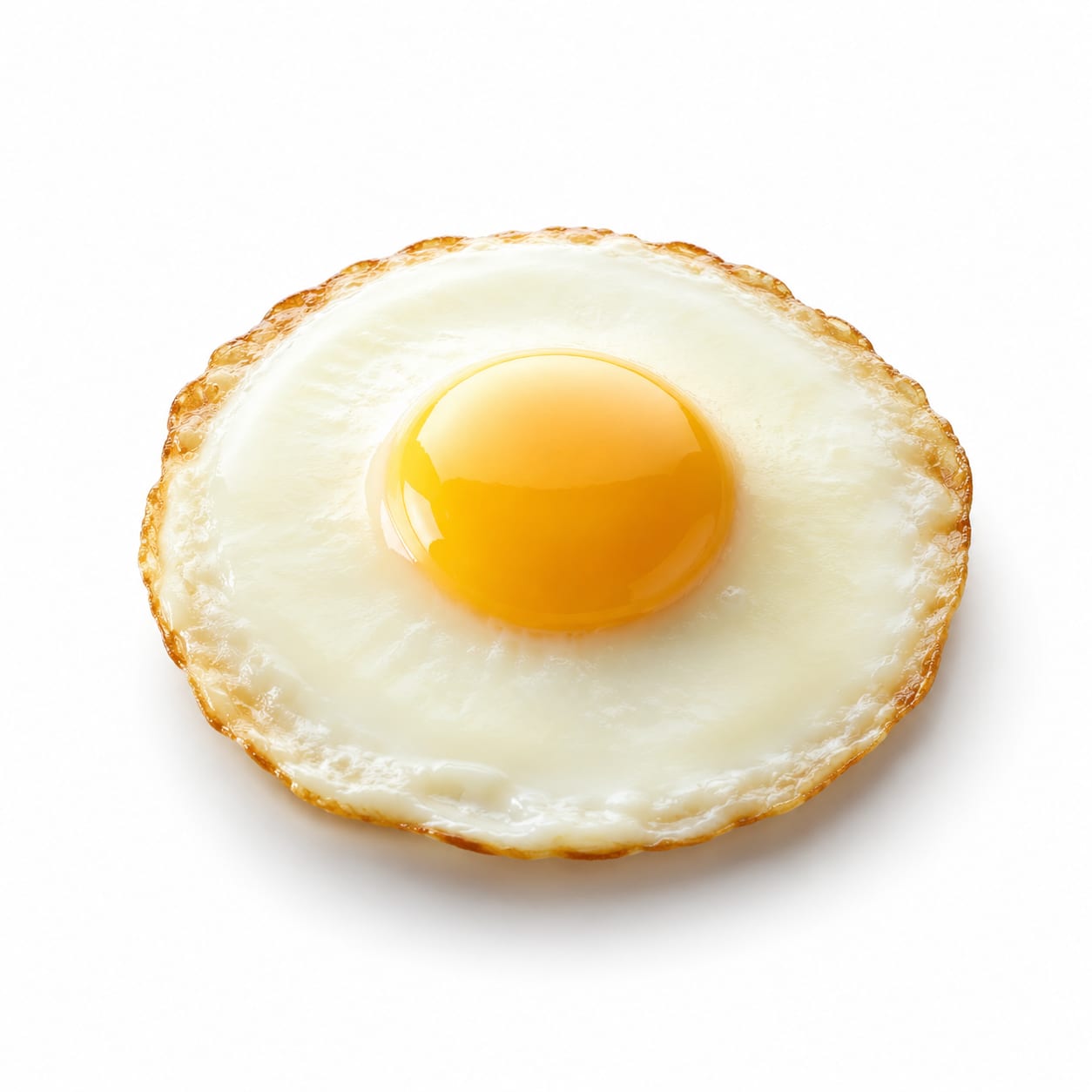
Ostrich Egg
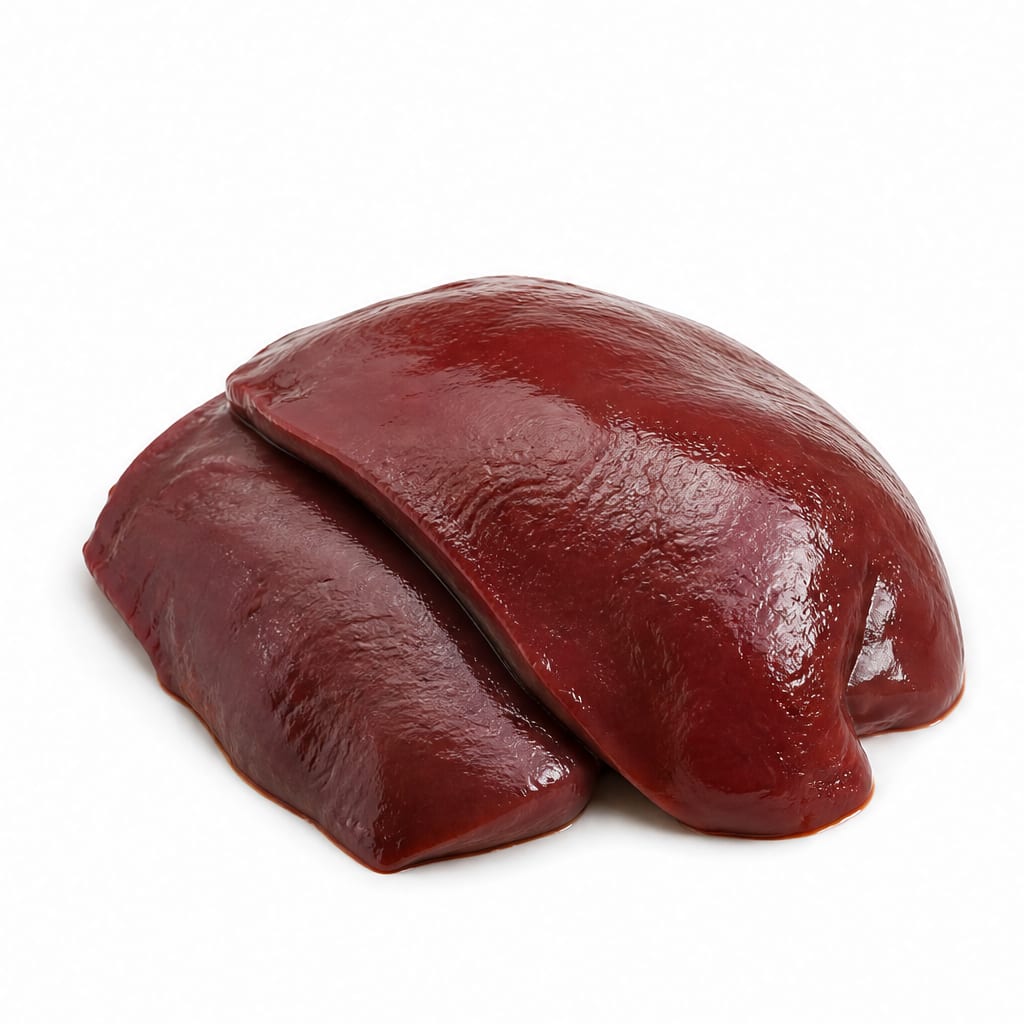
Beef Liver
Beef Liver is a micronutrient powerhouse in a practical portion, while an Ostrich Egg is a massive caloric load better suited for sharing or novelty.
Beef Liver scores higher due to its unmatched micronutrient density and practical portion size, whereas an Ostrich Egg's extreme caloric and cholesterol load makes it impractical for regular solo consumption.
Unmatched vitamin density and lean protein in Beef Liver versus the sheer size, fat, and cholesterol of an Ostrich Egg.
At a glance
Executive summary
Overall
Beef Liver
Healthier
Beef Liver
More practical
Beef Liver
Daily use
Beef Liver
Key comparison lenses
Nutrient density and micronutrient supremacy
Both foods are nutritional powerhouses, but Beef Liver offers extreme vitamin concentrations per calorie compared to the more balanced but massive Ostrich Egg.
Vitamin toxicity and safety risks
Beef Liver poses a real risk of Vitamin A toxicity if overconsumed, while an Ostrich Egg presents cholesterol and caloric overload risks in a single serving.
Portion control and practicality
An Ostrich Egg is equivalent to about two dozen chicken eggs, making it highly impractical for a solo meal, whereas Beef Liver is a standard single-serving food.
Protein quality and satiety
Both provide excellent complete protein, but the fat-to-protein ratio and total volume drastically change how they fit into a diet.
Best choice for
Ostrich Egg
- Sharing a high-protein breakfast with a large group
- Novel culinary experiences
- Those needing a massive caloric and fat surplus
Beef Liver
- Correcting nutrient deficiencies like B12 or iron
- Lean muscle gain without excess calories
- Low-carb or keto diets in normal portions
Least suitable for
Ostrich Egg
- Solo diners
- People managing cholesterol
- Calorie-restricted diets
Beef Liver
- People with gout or iron overload
- Pregnant women due to excess Vitamin A
- Those sensitive to strong organ meat flavors
Deep comparison
Dimension by dimension
Each lens scores both foods and breaks down who each option suits.
- Dimension 1 · Priority 95Beef Liver
Micronutrient Density
Ostrich Egg · 70Beef Liver · 98Beef Liver is arguably the most nutrient-dense food on the planet, packed with bioavailable Vitamin A, B12, and iron. Ostrich Eggs are nutritious but cannot compete with Liver's vitamin concentration per calorie.
Tradeoff
You get far more vitamins per bite with Beef Liver, but Ostrich Eggs offer a safer profile for fat-soluble vitamins since you will not overdose on Vitamin A.
Why it matters
If you are eating for maximum nutritional impact, Liver delivers significantly more in a smaller package.
Real-world impact
A single serving of Liver can cover your weekly B12 needs, whereas an Ostrich Egg provides a solid but less extreme vitamin boost.
Ostrich Egg
- Avoiding Vitamin A toxicity
- Getting more choline and selenium
Better for
- Correcting iron deficiency anemia
- Maximizing vitamins per calorie
Worse for
Beef Liver
- Boosting iron levels
- Eliminating B12 deficiency
- Getting retinol
Better for
- Those who need to limit Vitamin A
- Pregnant women
Worse for
- Dimension 2 · Priority 85Beef Liver
Portion Control and Caloric Load
Ostrich Egg · 20Beef Liver · 85A single Ostrich Egg contains around 2,000 calories and huge amounts of fat, making it a meal for a whole family. Beef Liver is naturally portioned and very lean.
Tradeoff
Eating an entire Ostrich Egg solo is a massive caloric and cholesterol overload, while Beef Liver is easy to portion for a single, low-calorie meal.
Why it matters
Overconsumption is easy with an Ostrich Egg if you do not share it, leading to unintended weight gain and sluggishness.
Real-world impact
Frying up an Ostrich Egg for breakfast alone will wipe out your daily calorie budget, whereas a Liver dish stays light and lean.
Ostrich Egg
- Feeding a large group with one ingredient
- Extreme bulking diets
Better for
- Solo meals
- Cutting calories
Worse for
Beef Liver
- Weight management
- Normal meal prep
- Lean diets
Better for
- Feeding a crowd on a single item
Worse for
- Dimension 3 · Priority 75It depends
Protein Quality and Satiety
Ostrich Egg · 80Beef Liver · 85Both offer excellent complete protein. Liver is very lean and highly satiating per calorie, while Ostrich Egg provides high fat and protein, leading to long-lasting fullness but with a heavy feeling.
Tradeoff
Ostrich Egg keeps you full for hours due to its massive fat content, but Beef Liver provides high protein without the food coma.
Why it matters
Choosing between lean energy and heavy, long-lasting satiety depends on your daily activity level and macro goals.
Real-world impact
A Beef Liver meal fuels you without weighing you down; an Ostrich Egg might make you want a nap due to the sheer volume of fat and calories.
Ostrich Egg
- Sustained energy for long gaps between meals
- Keto macros
Better for
- Pre-workout or light lunches
Worse for
Beef Liver
- Post-workout recovery
- Lean muscle building
Better for
- Those needing high fat intake
Worse for
- Dimension 4 · Priority 90Ostrich Egg
Safety and Toxicity Risks
Ostrich Egg · 75Beef Liver · 60Beef Liver carries a real risk of Vitamin A and copper toxicity if eaten too frequently. Ostrich Egg is high in cholesterol but poses less risk of acute vitamin toxicity.
Tradeoff
Liver can make you sick if you overdo it due to hypervitaminosis A, while Ostrich Egg's main risk is cardiovascular if you eat the whole thing regularly.
Why it matters
You can eat Ostrich Eggs occasionally without precise tracking, but Liver requires strict portion and frequency control to avoid toxicity.
Real-world impact
Eating Liver multiple days in a row can cause acute Vitamin A poisoning; an Ostrich Egg once in a while is just a big breakfast.
Ostrich Egg
- Casual, infrequent consumption without toxicity risk
- Avoiding heavy metal buildup
Better for
- People with severe hypercholesterolemia
Worse for
Beef Liver
- Those who strictly limit portion sizes
- People who track their micronutrient intake
Better for
- Frequent consumers
- Pregnant women
- Those with liver conditions
Worse for
Timeline
Health impact over time
Short-term
Hours to days
Ostrich Egg
- Extreme fullness if eaten alone
- Potential sluggishness from high fat intake
- Large cholesterol spike post-meal
Beef Liver
- Quick energy from B-vitamins
- High satiety without heaviness
- Possible strong aftertaste
Long-term
Months to years
Ostrich Egg
- Risk of elevated cholesterol if consumed frequently
- Solid protein intake but high saturated fat load
Beef Liver
- Risk of Vitamin A or copper toxicity if overconsumed
- Excellent iron and B12 status
- Improved energy metabolism
Risk profile
Safety & processing
Both Ostrich Egg and Beef Liver are whole, unprocessed animal foods with no artificial additives, making them exceptionally clean from a processing standpoint.
Ostrich Egg
Bacterial contamination (Salmonella)
mediumLike all eggs, raw or undercooked Ostrich Eggs carry a Salmonella risk, requiring thorough cooking due to the large mass taking longer to heat through.
Cholesterol overload
mediumA single egg contains a massive dose of cholesterol, which is a concern for sensitive individuals if consumed frequently.
Beef Liver
Vitamin A toxicity
highBeef Liver contains massive amounts of preformed Vitamin A. Eating it more than once a week can lead to hypervitaminosis A and liver damage.
Heavy metal and toxin accumulation
mediumThe liver filters toxins, meaning it can concentrate heavy metals, pesticides, and antibiotics if sourced from poorly raised animals.
Who wins for whom
Audience fit
Same foods, different winners depending on your goal.
children
Ostrich EggWhile portion size is an issue, Ostrich Egg is safer for kids than Beef Liver, which can easily cause Vitamin A toxicity in small bodies.
daily consumption
It dependsNeither should be eaten daily. Beef Liver risks Vitamin A toxicity, and Ostrich Egg is too large and calorically dense for daily consumption.
diabetes
Beef LiverBeef Liver has virtually no carbs and is very low in fat, preventing insulin resistance issues. The massive fat content in an Ostrich Egg can induce insulin resistance over time if overconsumed.
elderly
Beef LiverBeef Liver provides highly bioavailable B12 and iron, which are critical for older adults, as long as portion frequency is controlled to avoid toxicity.
muscle gain
Beef LiverBeef Liver provides lean, high-quality protein without the excessive fat, making it easier to fit into a macro plan for muscle gain.
weight loss
Beef LiverBeef Liver is extremely low in calories and fat while being highly satiating, making it perfect for weight loss. An Ostrich Egg is a calorie bomb.
Your move
Decision guide
Choose Ostrich Egg
- You are feeding a family or a group and want a fun, shared protein dish
- You are on a keto or carnivore diet and need a massive fat and protein infusion
- You want the novelty of cooking an exotic egg without worrying about Vitamin A toxicity
Choose Beef Liver
- You need to correct a B12 or iron deficiency quickly
- You want the most nutrient-dense food possible in a small, low-calorie portion
- You are focused on lean muscle gain and weight management
Either works if
- You are looking for whole-food, zero-carb sources of complete protein
- You want to avoid ultra-processed foods and artificial additives
Avoid both if
- You have severe gout due to high purine content
- You are vegan or vegetarian
- You have high cholesterol and eat a standard Western diet
Final recommendation
Choose Beef Liver for an unmatched hit of lean protein and micronutrients in a practical portion, but limit it to once a week. Save the Ostrich Egg for a fun group breakfast, as eating one solo is a caloric and cholesterol overload.
Practical
Consumer tips
- 1
Source Beef Liver from grass-fed, organic farms to minimize toxin and antibiotic accumulation.
- 2
If cooking an Ostrich Egg, treat it like a giant chicken egg but expect a slightly fluffier texture and much longer cooking time.
- 3
Limit Beef Liver to 3-4 ounces once a week to avoid Vitamin A toxicity.
- 4
Share an Ostrich Egg with at least 3-4 people to keep portions and cholesterol reasonable.
- 5
Soak Beef Liver in milk or lemon juice before cooking to mellow out its strong, metallic flavor.