
Nutrition comparison
Ostrich Egg vs Chicken Egg: Nutrition, Calories, and Which is Better
Compare ostrich eggs vs chicken eggs. Discover the massive differences in calories, protein, and practicality to see which egg belongs on your plate.
Overall winner · Chicken Egg
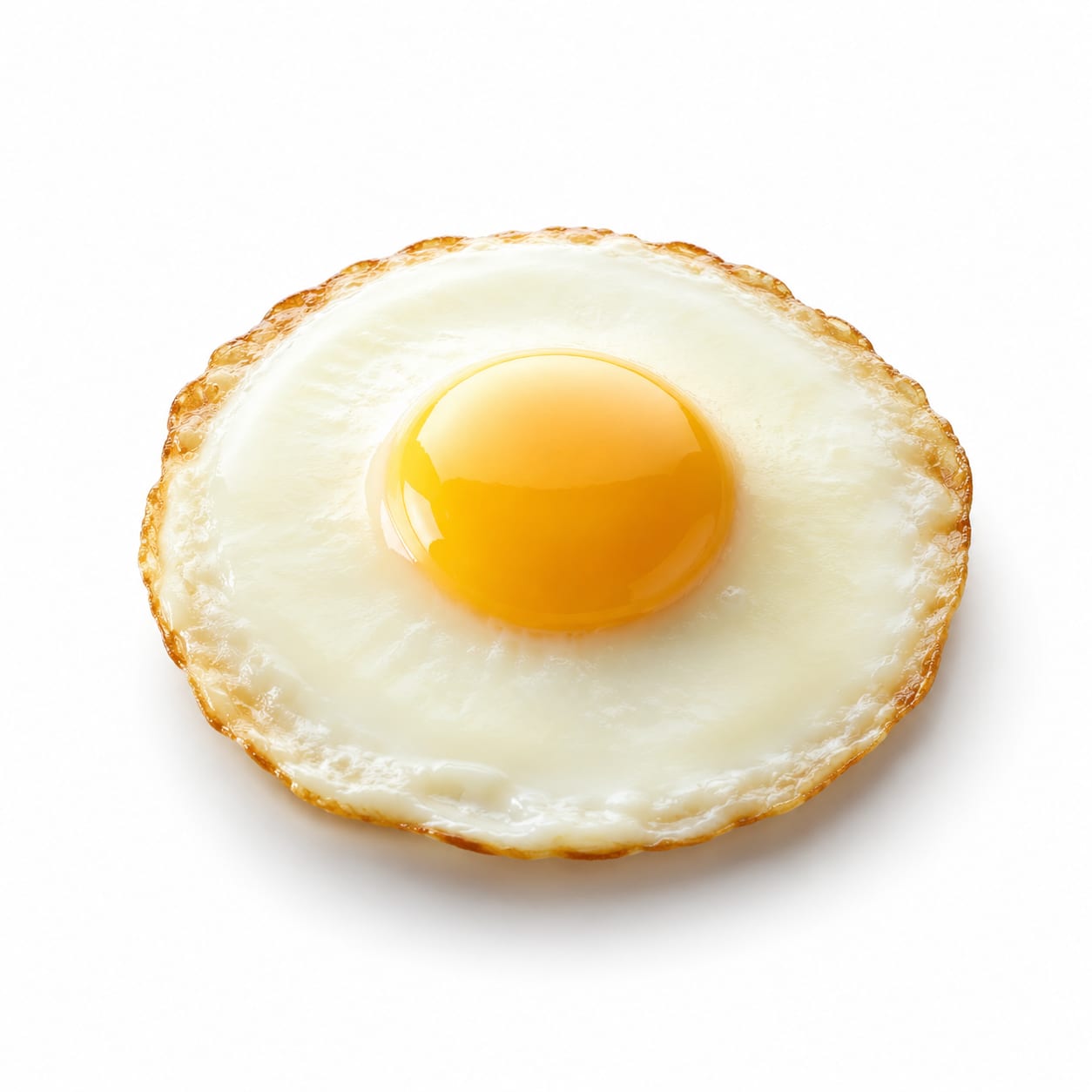
Ostrich Egg
Chicken Egg
Chicken eggs win on everyday practicality and portion control, while ostrich eggs are a massive novelty best shared among many people.
Chicken eggs score significantly higher due to unmatched convenience, portion control, and daily usability. Ostrich eggs lose major points for being highly impractical and nutritionally overwhelming for standard single-serving consumption.
An ostrich egg offers a huge protein payload but packs an entire day's worth of calories and cholesterol in a single shell, whereas a chicken egg provides perfectly portioned nutrition.
At a glance
Executive summary
Overall
Chicken Egg
Healthier
Chicken Egg
More practical
Chicken Egg
Daily use
Chicken Egg
Key comparison lenses
Portion control and caloric density
An ostrich egg is massive, equivalent to about 24 chicken eggs, making overconsumption a major risk.
Practicality and everyday usability
Chicken eggs are a daily staple, while ostrich eggs are a rare novelty requiring special preparation.
Nutritional scaling and cholesterol load
The sheer size of an ostrich egg brings cholesterol and fat levels that exceed daily limits in a single serving.
Cost and accessibility
Ostrich eggs are expensive and hard to find, whereas chicken eggs are cheap and universally available.
Best choice for
Ostrich Egg
- Large family breakfasts
- Culinary novelty experiences
- Extreme caloric surplus diets
Chicken Egg
- Daily balanced meals
- Precise macro tracking
- Quick and easy cooking
Least suitable for
Ostrich Egg
- Solo diners
- Cholesterol-conscious individuals
- Busy mornings
Chicken Egg
- Feeding a large group with a single item
- Seeking a theatrical dining experience
Deep comparison
Dimension by dimension
Each lens scores both foods and breaks down who each option suits.
- Dimension 1 · Priority 95Chicken Egg
Portion Control & Caloric Load
Ostrich Egg · 15Chicken Egg · 95A single ostrich egg contains around 2,000 calories, making it a massive meal, while a chicken egg is a tidy 70-calorie package.
Tradeoff
You get a banquet's worth of nutrition in one ostrich egg, but consuming it alone means eating far too many calories at once.
Why it matters
Overconsumption is easy when a single food item exceeds your daily calorie needs.
Real-world impact
Eating a whole ostrich egg alone will likely leave you sluggish and way over your calorie budget, whereas a chicken egg fits seamlessly into any meal.
Ostrich Egg
- A family breakfast where one egg feeds everyone
Better for
- Weight management
- Solo dining
Worse for
Chicken Egg
- Managing daily calorie intake
- Eating solo
Better for
- Cooking for a crowd on a single pan
Worse for
- Dimension 2 · Priority 90Chicken Egg
Practicality & Convenience
Ostrich Egg · 20Chicken Egg · 98Chicken eggs are cheap, easy to find, and cook in minutes. Ostrich eggs are rare, expensive, and take nearly an hour to boil.
Tradeoff
Ostrich eggs offer a fun culinary adventure but require special effort and planning to cook and consume.
Why it matters
Foods you can easily prepare are far more likely to be eaten regularly and fit into a busy lifestyle.
Real-world impact
You can scramble a chicken egg in 3 minutes before work; an ostrich egg requires a serious time commitment and a very large pan.
Ostrich Egg
- Weekend project cooking
- Impressing guests with a showstopper
Better for
- Busy mornings
- Last-minute meals
Worse for
Chicken Egg
- Quick weekday breakfasts
- Meal prep
Better for
- Creating a memorable, theatrical dining experience
Worse for
- Dimension 3 · Priority 80It depends
Protein Quantity & Quality
Ostrich Egg · 85Chicken Egg · 85Both offer high-quality complete protein, but an ostrich egg provides around 130 grams versus a chicken egg's 6 grams.
Tradeoff
An ostrich egg delivers a massive protein hit, but it is too much for one sitting, while chicken eggs offer a perfectly dosed amount per meal.
Why it matters
Your body can only utilize so much protein at once for muscle building; excess is burned for energy or stored.
Real-world impact
Eating a whole ostrich egg gives you two days' worth of protein at once, whereas chicken eggs let you space protein out across the day for better absorption.
Ostrich Egg
- Feeding protein to a large group at once
Better for
- Avoiding protein waste from excess intake
Worse for
Chicken Egg
- Distributing protein intake evenly across meals
Better for
- Recovering from extreme caloric deficits in a single sitting
Worse for
- Dimension 4 · Priority 75Chicken Egg
Cholesterol & Fat Content
Ostrich Egg · 25Chicken Egg · 80An ostrich egg packs over 1,600mg of cholesterol and 130g of fat, compared to 186mg and 5g in a chicken egg.
Tradeoff
The sheer scale of an ostrich egg makes its fat and cholesterol levels overwhelming for a single serving.
Why it matters
High cholesterol intake in one sitting can spike blood lipid levels, which is a concern for heart health.
Real-world impact
A single ostrich egg contains over five times the recommended daily cholesterol limit, while a chicken egg stays within a manageable range.
Ostrich Egg
- Those needing massive caloric surplus without volume
Better for
- People monitoring cholesterol
- Those with heart conditions
Worse for
Chicken Egg
- Heart-conscious eaters
- Keeping daily fat intake balanced
Better for
- Extremely underweight individuals needing dense calories fast
Worse for
Timeline
Health impact over time
Short-term
Hours to days
Ostrich Egg
- Extreme fullness and potential sluggishness due to massive caloric load
- Long digestion time leaving you feeling heavy for hours
Chicken Egg
- Quick, satisfying energy without feeling weighed down
- Easy on digestion and fast to absorb
Long-term
Months to years
Ostrich Egg
- Potential weight gain if consumed frequently without sharing
- High cholesterol intake if eaten solo regularly
Chicken Egg
- Sustained muscle maintenance from regular, portioned protein
- Steady nutrient intake without overloading fats
Risk profile
Safety & processing
Both are whole, natural foods straight from the bird with no additives, making them equally clean choices.
Ostrich Egg
Undercooking due to density
mediumBecause of its massive size, ensuring the center of an ostrich egg reaches a safe temperature is much trickier than a chicken egg.
Shell contamination
mediumThe thick shell requires forceful cracking, increasing the risk of shell fragments and surface bacteria entering the egg.
Chicken Egg
Salmonella
lowStandard risk easily mitigated by proper cooking and refrigeration.
Allergic reactions
mediumChicken egg allergies are among the most common food allergies, especially in children.
Who wins for whom
Audience fit
Same foods, different winners depending on your goal.
children
Chicken EggChicken eggs are the perfect size for a child's meal; an ostrich egg is overwhelming and poses a choking hazard if not prepared properly.
daily consumption
Chicken EggChicken eggs are affordable, accessible, and perfectly portioned for daily eating.
diabetes
Chicken EggChicken eggs have minimal impact on blood sugar and are easy to portion, whereas an ostrich egg's massive fat content can delay gastric emptying and cause unpredictable digestion patterns.
elderly
Chicken EggChicken eggs are easy to cook, chew, and digest, providing just the right amount of nutrition without overloading the system.
muscle gain
Chicken EggWhile ostrich eggs have more total protein, chicken eggs allow for optimal protein distribution across the day, which is better for muscle synthesis.
weight loss
Chicken EggChicken eggs offer strict portion control and low calories, making them easy to fit into a deficit.
Your move
Decision guide
Choose Ostrich Egg
- You are hosting a large brunch and want a show-stopping centerpiece
- You are on an extreme bulking diet and need thousands of calories in one sitting
- You are curious about exotic foods and have time to cook it properly
Choose Chicken Egg
- You want a quick, healthy breakfast before work
- You are tracking your macros and calories
- You are cooking for one or two people
Either works if
- You want high-quality complete protein
- You enjoy cooking whole, natural foods
Avoid both if
- You have a severe egg allergy
- You are strictly vegan
Final recommendation
Stick with chicken eggs for your daily nutrition—they are perfectly portioned and incredibly versatile. Save the ostrich egg for a rare, fun culinary experiment when you have a crowd to share it with.
Practical
Consumer tips
- 1
If you cook an ostrich egg, plan to share it with at least 6 to 8 people to keep portions reasonable.
- 2
Boiling an ostrich egg takes about 45 to 90 minutes due to its size; frying requires a very large spatula and patience.
- 3
Store chicken eggs in the carton in the fridge to keep them fresh longer.
- 4
Do not try to crack an ostrich egg like a chicken egg; you will need a solid whack with a sturdy knife or a hammer.