
Dairy
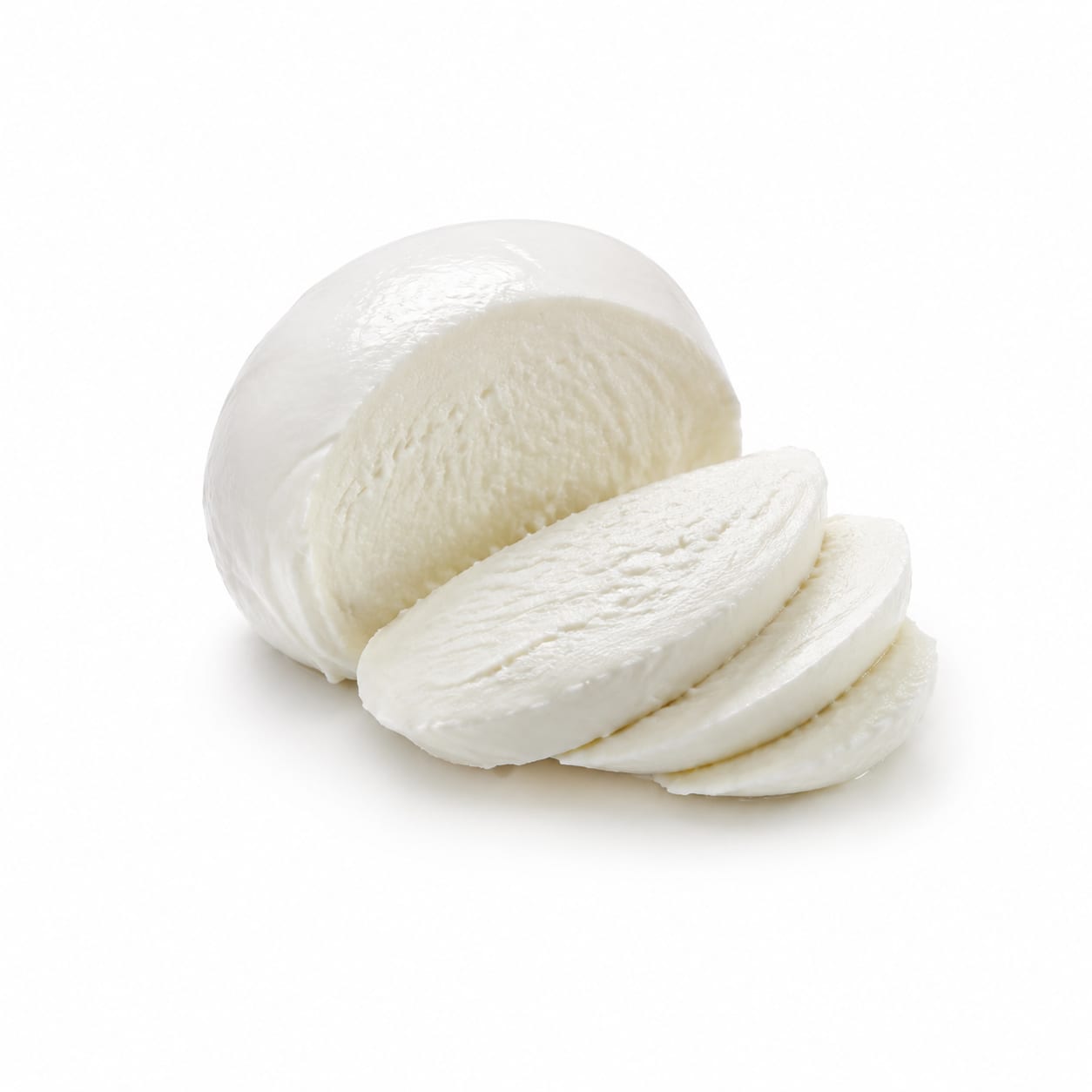
Mozzarella Cheese
A soft, mild-flavored Italian cheese known for its excellent melting quality and high moisture content.
A soft, white, unaged cheese traditionally made from Italian buffalo or cow's milk, known for its mild flavor, high moisture content, and excellent melting properties.
protein-dense low-carb dairy
Typical serving · 30g
Common varieties · fresh mozzarella, low-moisture mozzarella, part-skim mozzarella, buffalo mozzarella, string cheese +2 more
Overall context score across nutrition, safety, and diet fit
At a glance
Quick facts
Simple indicators based on nutrition, processing, and diet fit.
The story
What makes it unique
Mozzarella is a pasta filata cheese where curds are heated and stretched. It digests moderately fast due to its soft texture. The high protein and fat content provides strong satiety, though the saturated fat can slow gastric emptying. It contains minimal carbohydrates, resulting in negligible glycemic impact. As a minimally processed fermented dairy, it retains bioavailable calcium and beneficial bacteria, though fresh varieties have shorter shelf lives.
Varieties: fresh mozzarella · low-moisture mozzarella · part-skim mozzarella · buffalo mozzarella · string cheese · smoked mozzarella · bocconcini
Per 100g
Nutrition breakdown
Macro balance and key metrics at a glance.
Energy
Density 2.80 kcal/g
Protein
Carbs
Fat
Fiber
Sugar
1 g
Sodium
500 mg
Potassium
75 mg
Glycemic index
23
Glycemic load
0.5
Water content
50%
Standout compounds
Nutrient highlights
Calcium
highessential for bone density and muscle contraction
Protein
highsupports muscle synthesis and satiety
Phosphorus
highworks with calcium for bone health and energy production
Vitamin B12
moderatecrucial for nerve function and red blood cell formation
Sodium
highelectrolyte balance but excessive intake raises blood pressure
Wellness map
Health scores & processing
NOVA processing scale
moderate · Whole food
Traditional mozzarella is a processed culinary food made by fermenting milk, heating, and stretching the curds. Low-moisture pre-shredded varieties may include anti-caking agents, pushing them slightly further along the processing spectrum.
Diet compatibility
- Weight loss
- Muscle gain
- Diabetes
- Gut health
- Low carb
- High protein
- Heart health
Relative standing
Food rankings
Qualitative ranks compared to similar whole foods.
- Satietygood
- Blood sugarexcellent
- Nutrient densitygood
- Fitness fuelgood
- Processing qualitygood
Eat with confidence
Food safety profile
Fresh mozzarella has a higher moisture content and shorter shelf life, increasing spoilage and bacterial contamination risks compared to low-moisture varieties. Pasteurized versions are widely available and significantly reduce pathogen risk.
Evidence confidence 85%
- Pesticideslow
- Antibioticsmoderate
- Heavy metalslow
- Contaminationmoderate
Watch for
- Listeria monocytogenes
- Salmonella
- Escherichia coli
Safer choices
Pasteurized low-moisture mozzarella or commercially sealed fresh mozzarella
Prep tips
Always refrigerate fresh mozzarella and consume within a few days of opening. Avoid consuming raw milk mozzarella during pregnancy.
Unpasteurized fresh mozzarella poses a notable Listeria risk, especially for pregnant women, the elderly, and immunocompromised individuals.
Deep dive
Health analysis
How this food may fit different goals and preparation choices.
Weight loss
High protein increases satiety, but an energy density of 2.8 kcal/g means portions must be strictly controlled to avoid a calorie surplus.
Blood sugar
With nearly zero carbohydrates, mozzarella has minimal impact on blood glucose and insulin levels, making it highly suitable for glycemic control.
Fitness & energy
Provides a slow-digesting protein source ideal for muscle repair, but lacks fast carbohydrates, making it a poor standalone pre-workout fuel.
Gut health
Contains some beneficial fermentation byproducts, but the absence of fiber and potential lactose content may trigger bloating in sensitive individuals.
Processing quality
Traditional fresh mozzarella contains only milk, salt, and rennet. Pre-shredded bags often add cellulose or anti-caking agents.
Food safety
Fresh, high-moisture versions are susceptible to Listeria if unpasteurized or improperly stored. Low-moisture versions are inherently safer.
Common mistakes
Assuming all mozzarella is equal; low-moisture shredded cheese has different melting properties, higher sodium, and often contains fillers compared to fresh blocks.
Best preparation
Consumed fresh in salads for maximum nutrient retention, or melted over dishes. Avoid deep-frying mozzarella sticks as this drastically increases calorie density and trans fat risk.
Practical guide
Best use cases
When and how this food fits real eating patterns.
Low-carb pizza topping
Provides the classic melt and stretch without adding carbs, ideal for keto or low-glycemic pizza crusts.
High-protein salad addition
Fresh mozzarella balls add substantial protein and calcium to light salads without heavy caloric excess if portioned properly.
Post-workout muscle recovery
The concentrated casein and whey protein supply a steady stream of amino acids for muscle repair after exercise.
Diabetic-friendly snacking
String cheese or small fresh portions offer a convenient, zero-carb snack that stabilizes blood sugar between meals.
Balance sheet
Pros & cons
Upsides
- Excellent source of high-quality complete protein
- Virtually zero carbohydrates, preventing blood sugar spikes
- Rich in bioavailable calcium for bone health
- Highly versatile for cooking and melting
- Lower in calories and fat compared to hard aged cheeses like cheddar
Trade-offs
- High in saturated fat which can impact heart health in excess
- Significant sodium content, especially in low-moisture and shredded varieties
- Fresh varieties have a short shelf life and higher spoilage risk
- Contains lactose, which may irritate sensitive individuals
- Pre-shredded versions often contain anti-caking additives like cellulose
Fit check
Who is it for?
Great match
- low-carb diets
- keto diets
- blood sugar control
- muscle gain
- high-protein snacking
Consider alternatives
- strict low-fat diets
- low-sodium diets
- severe lactose intolerance
- vegan diets
Side by side
How it compares
Open the full head-to-head analysis for nutrition, safety, and practical tradeoffs.
This food
Mozzarella Cheese
VS85% alike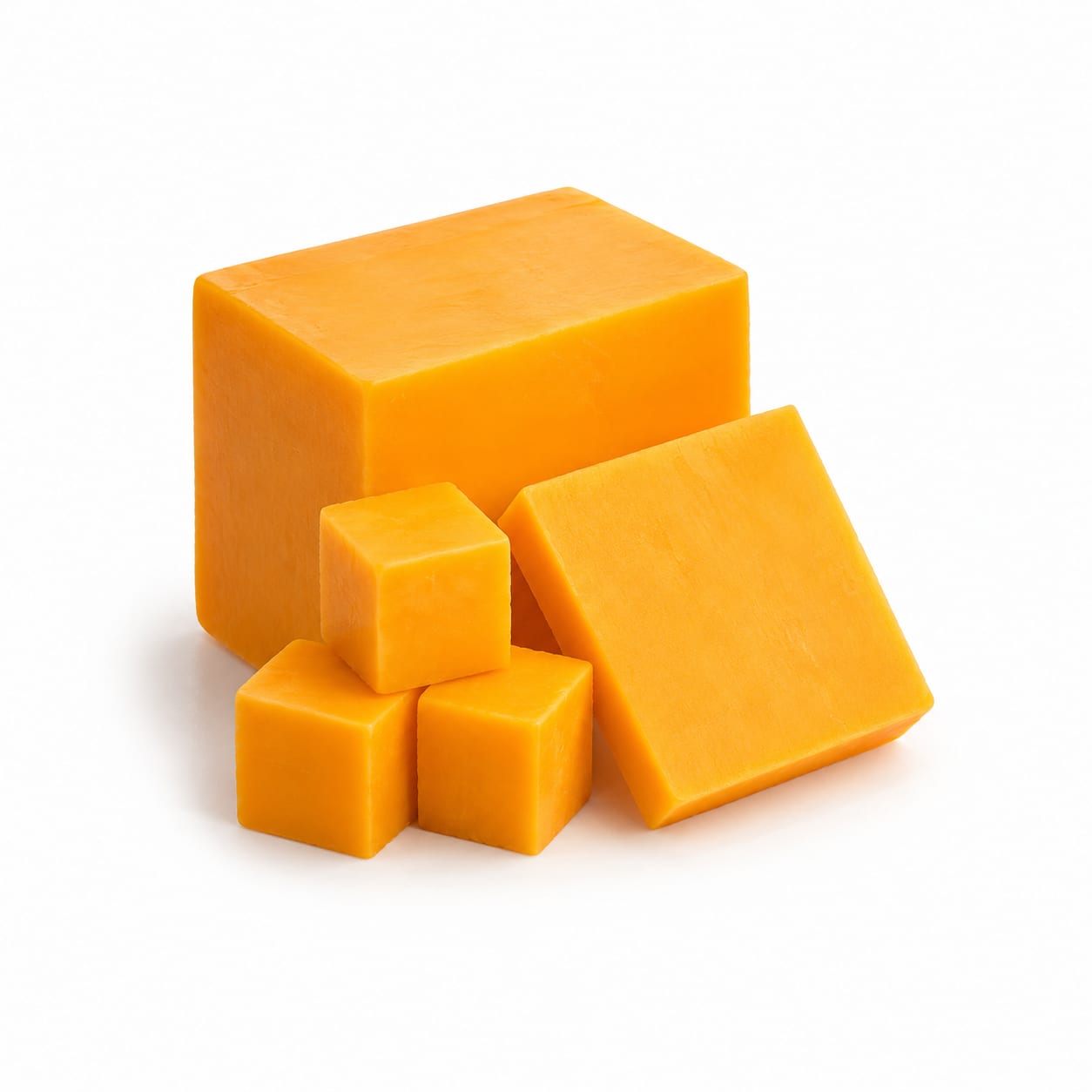
Compare with
Cheddar Cheese
Cheddar is aged and denser, while mozzarella is fresh and higher in moisture. Mozzarella is lower in calories and fat.
Mozzarella is lower in calories and fat than cheddar, making it better for weight loss, while both offer similar low-carb benefits for blood sugar control.
This food
Mozzarella Cheese
VS70% alike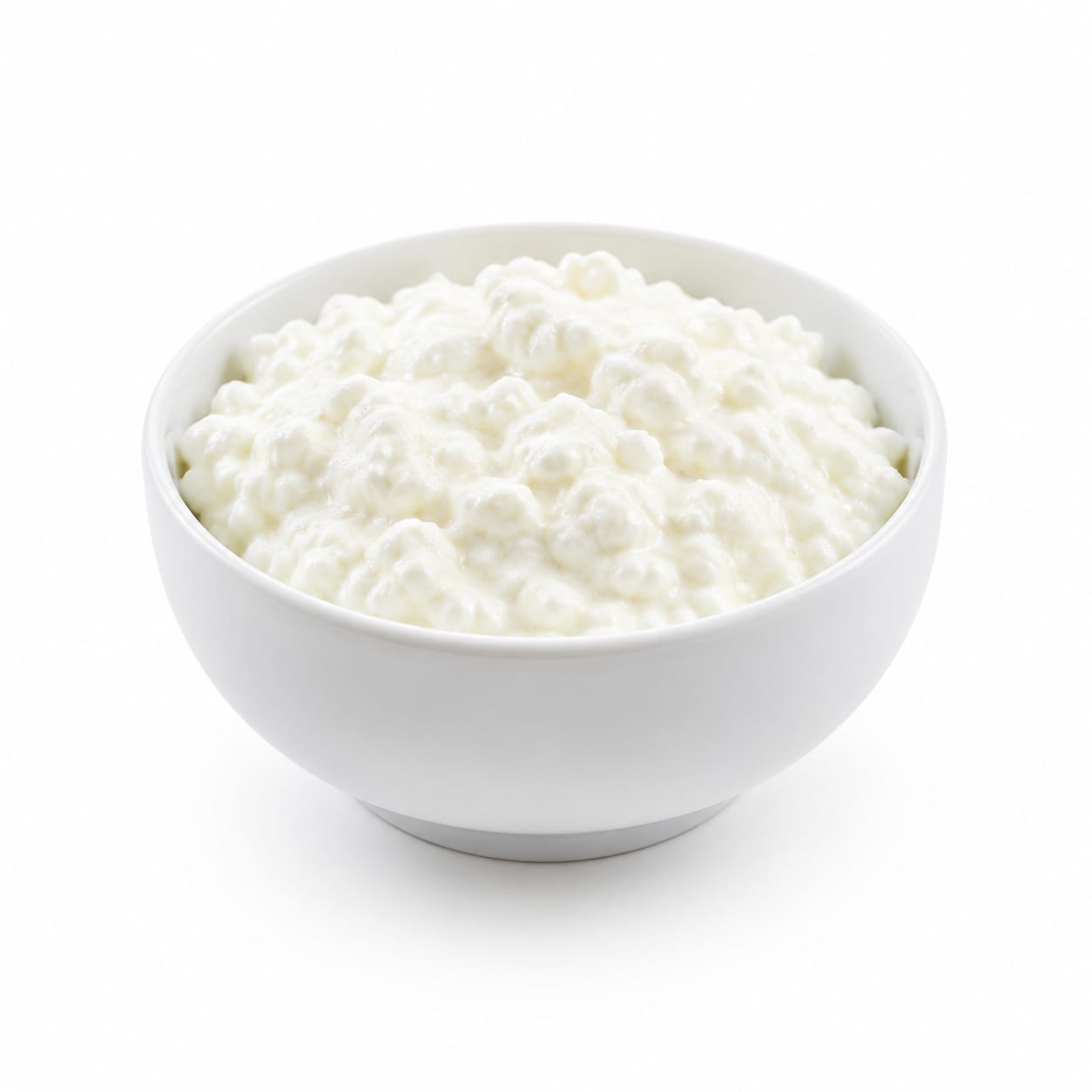
Compare with
Cottage Cheese
Cottage cheese is lower in fat and calories but higher in protein per calorie. Mozzarella is denser and melts better.
Cottage cheese beats mozzarella for weight loss and protein-to-calorie ratio, but mozzarella provides a better texture for cooking and melting.
This food
Mozzarella Cheese
VS75% alike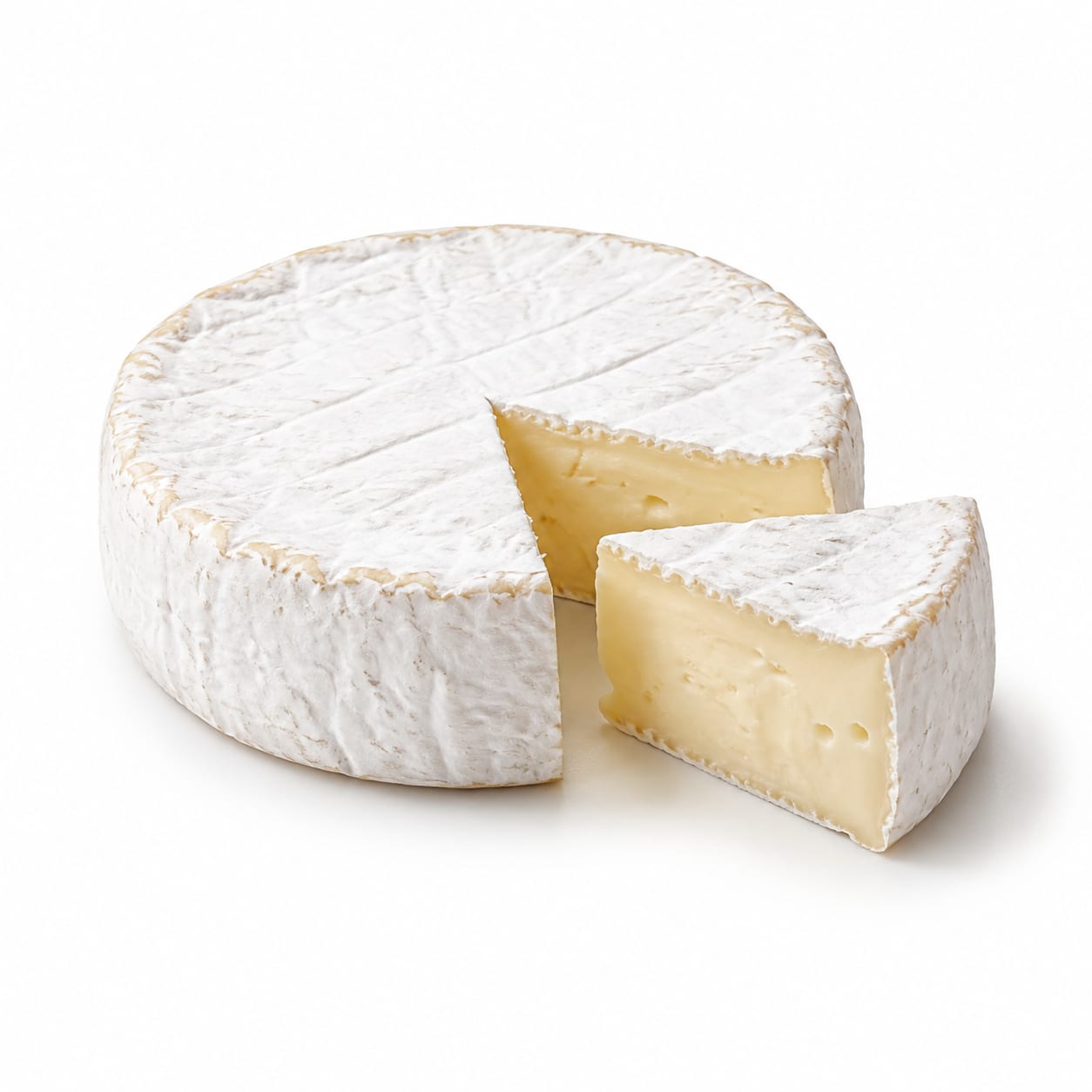
Compare with
Brie Cheese
Brie has a softer rind and slightly higher fat content. Mozzarella is higher in protein and lower in calories.
Mozzarella is higher in protein and lower in fat than brie, making it more suitable for fitness goals, while both are low in carbs.
This food
Mozzarella Cheese
VS65% alike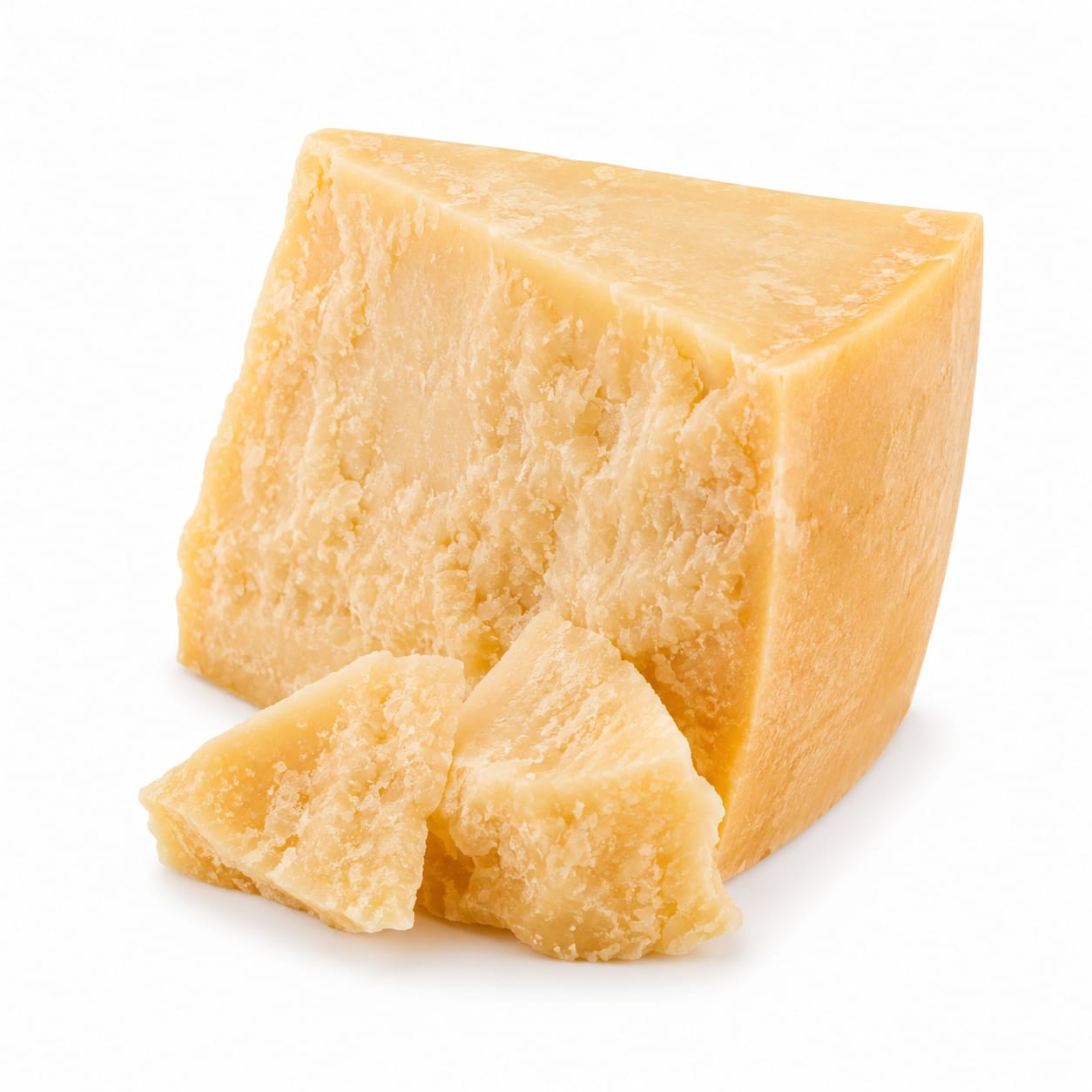
Compare with
Parmesan Cheese
Parmesan is much denser in calories, sodium, and calcium. Mozzarella is lighter and better for bulk melting.
Mozzarella is lower in calories and sodium than parmesan, making it better for weight loss, while parmesan offers more flavor per gram for garnishing.
This food
Mozzarella Cheese
VS90% alike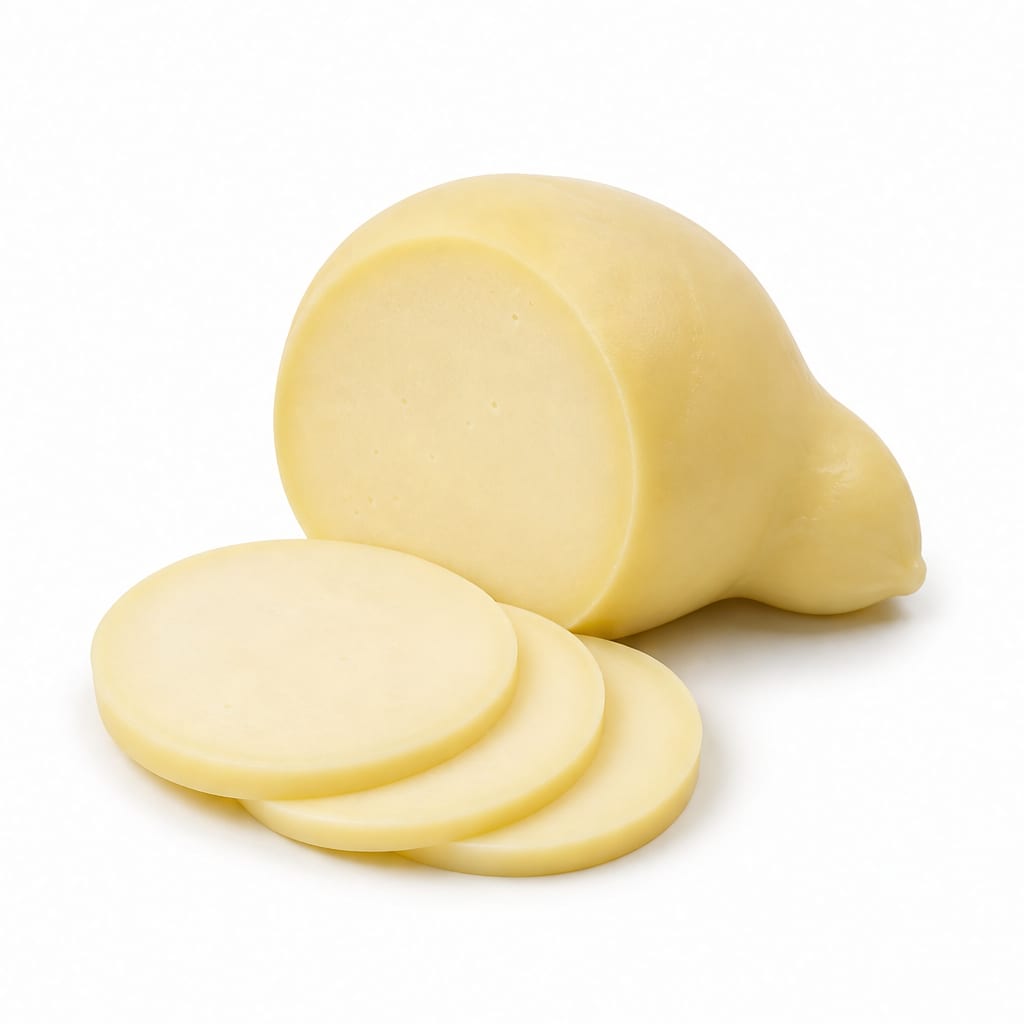
Compare with
Provolone Cheese
Provolone has a sharper flavor and firmer texture due to aging. Mozzarella is milder, softer, and lower in sodium.
Mozzarella is milder and lower in sodium than provolone, making it a leaner choice for melting, while provolone provides a stronger flavor for sandwiches.
This food
Mozzarella Cheese
VS75% alike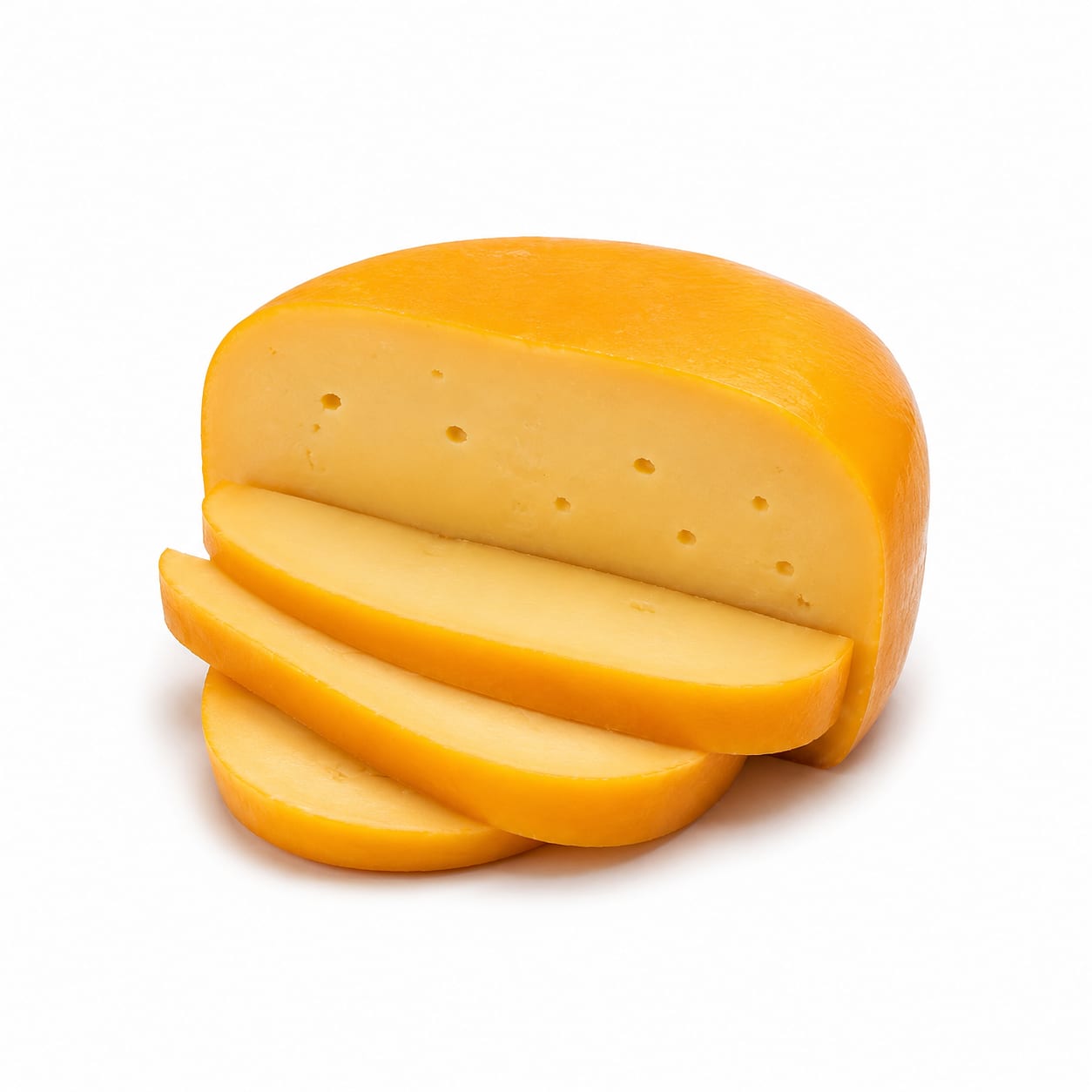
Compare with
Gouda Cheese
Gouda is slightly higher in fat and calories. Mozzarella is lower in carbs and higher in moisture.
Mozzarella is lower in calories and fat than gouda, making it the better option for weight management, while both melt exceptionally well.
This food
Mozzarella Cheese
VS60% alike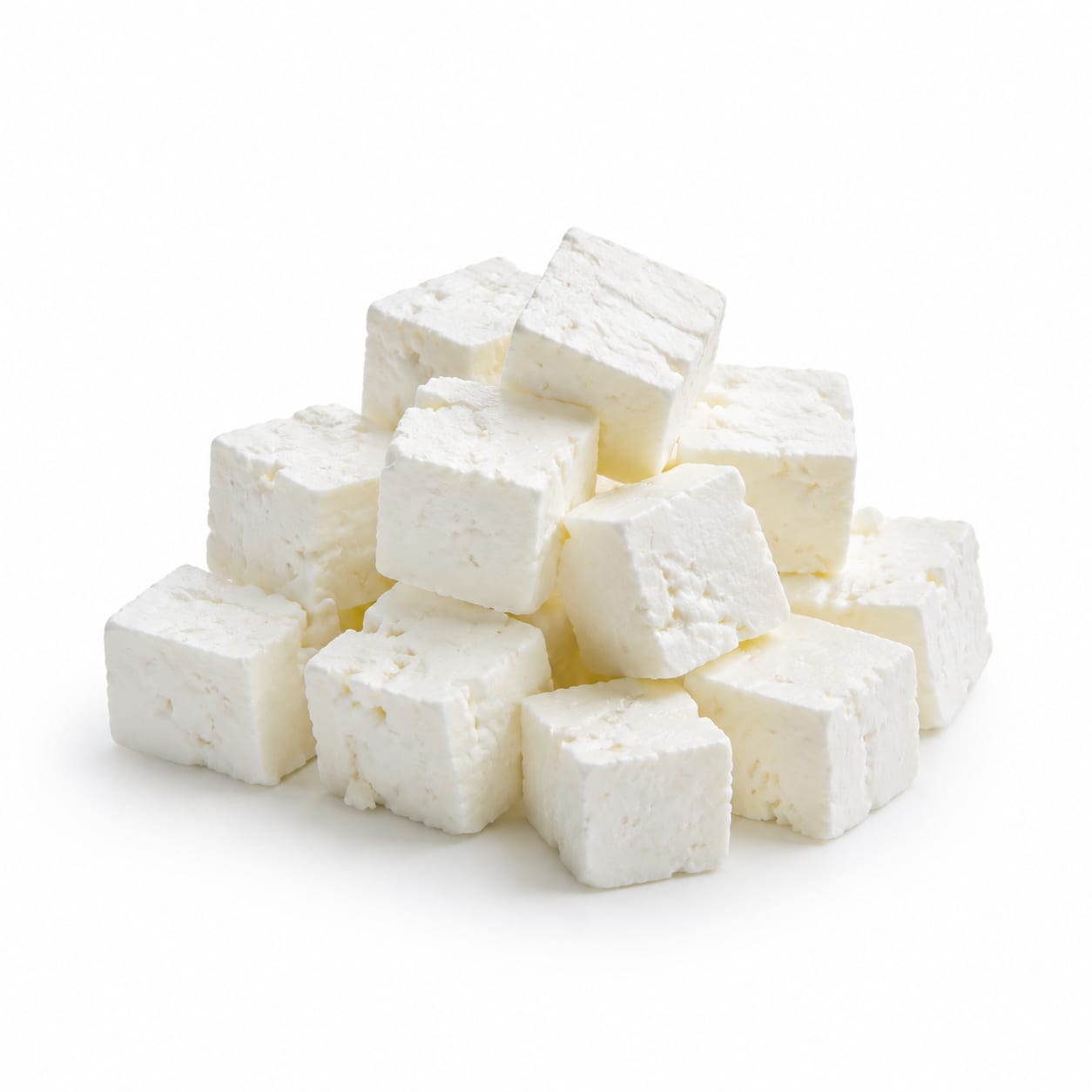
Compare with
Feta Cheese
Feta is significantly higher in sodium but lower in calories and fat. Mozzarella is milder and creamier.
Feta is lower in calories than mozzarella, but much higher in sodium; mozzarella provides more protein and a creamier texture for cooking.
This food
Mozzarella Cheese
VS95% alike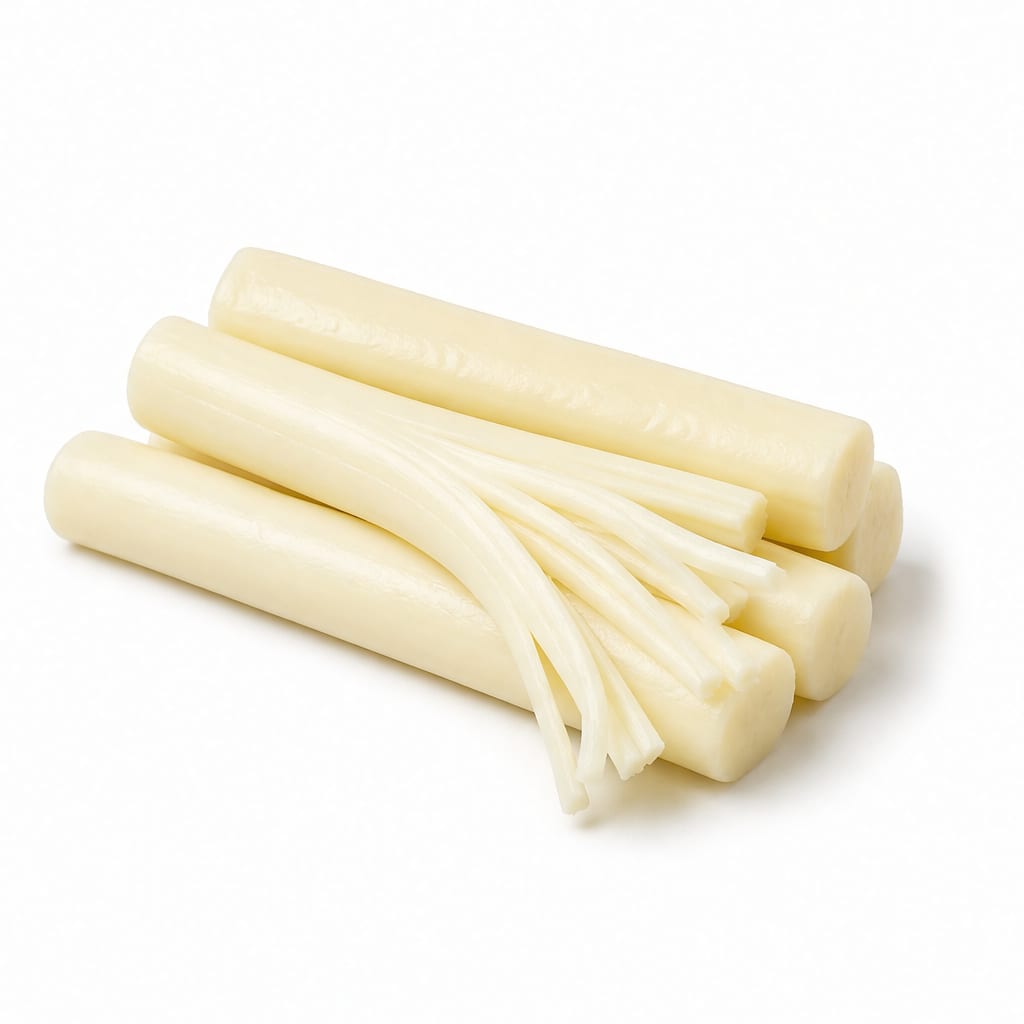
Compare with
String Cheese
Nutritionally nearly identical, string cheese is portion-controlled and lower in moisture, making it more concentrated per gram.
String cheese is just portion-controlled, low-moisture mozzarella; they share the same nutritional profile, but string cheese is better for on-the-go snacking.
This food
Mozzarella Cheese
VS70% alike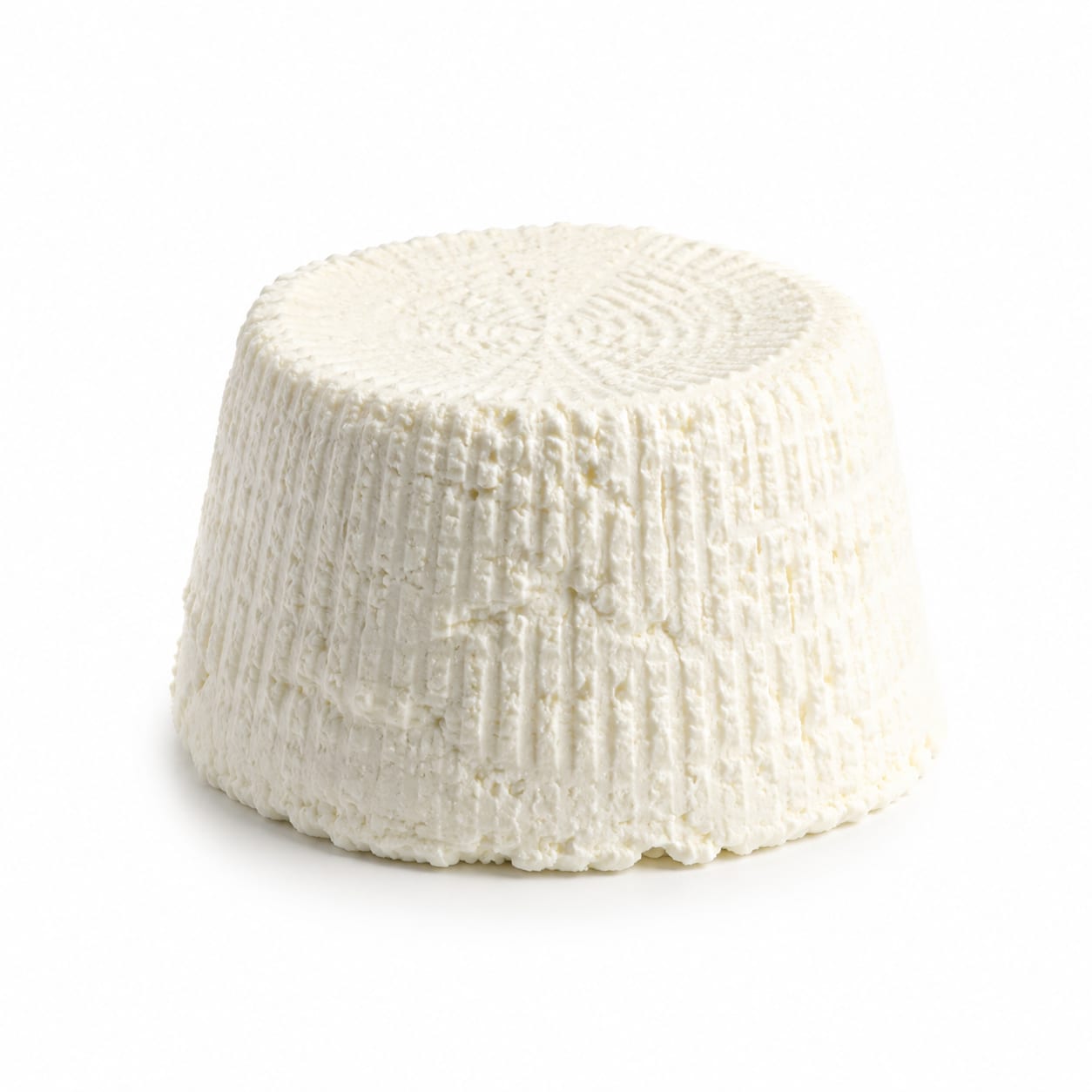
Compare with
Ricotta Cheese
Ricotta is lower in fat and higher in moisture, while mozzarella is higher in protein and melts into strings.
Ricotta is lower in calories and fat than mozzarella, but mozzarella packs significantly more protein per serving for muscle support.
This food
Mozzarella Cheese
VS50% alike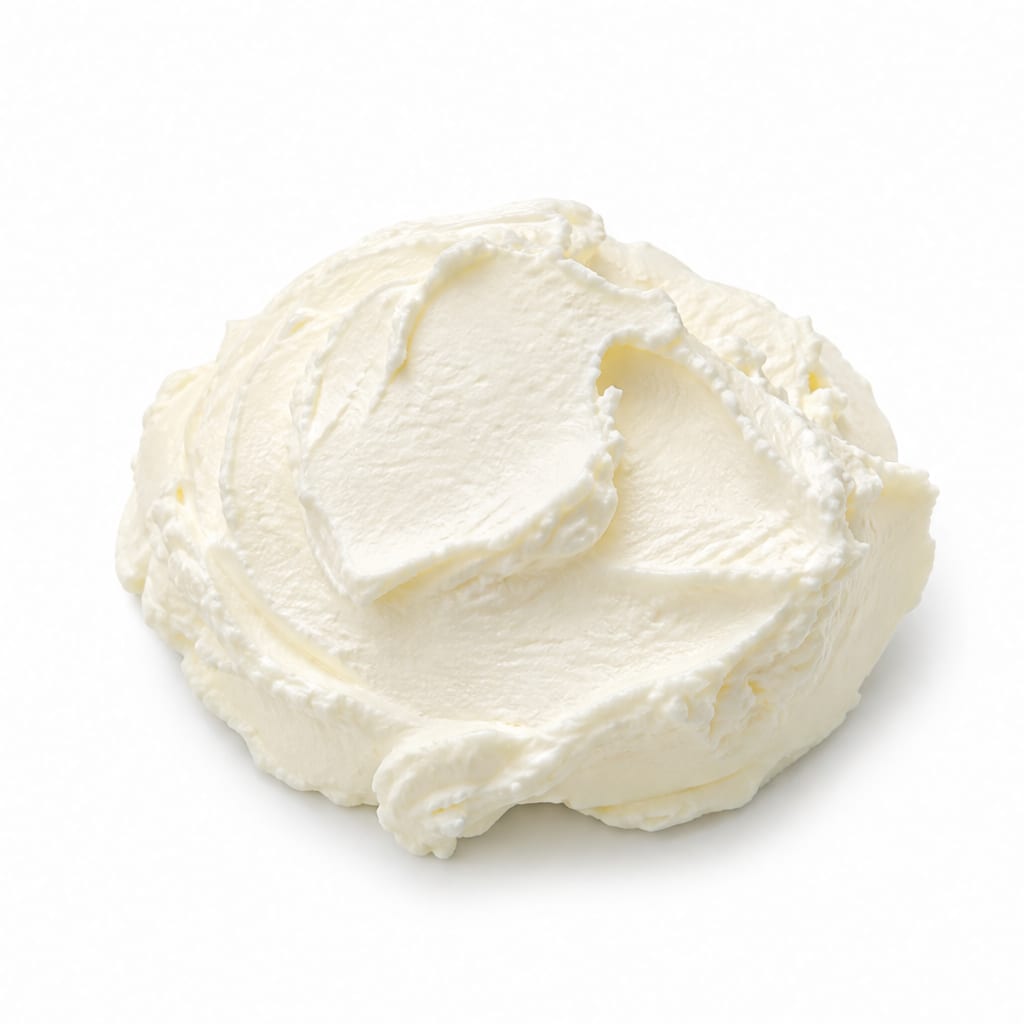
Compare with
Cream Cheese
Cream cheese is primarily fat with minimal protein. Mozzarella is a balanced source of protein and fat.
Mozzarella is far superior to cream cheese for protein and weight loss, as cream cheese is mostly fat with minimal protein content.
Common questions
FAQ
Answers aligned with how people search for this food.
Is mozzarella cheese good for weight loss?
Mozzarella can support weight loss in moderation due to its high protein content which increases satiety. However, it is calorie-dense, so portion control is essential.
Can diabetics eat mozzarella cheese?
Yes, mozzarella is very low in carbohydrates and has a negligible impact on blood sugar levels, making it a safe and satisfying choice for diabetics.
Is fresh mozzarella healthier than low-moisture mozzarella?
Fresh mozzarella is lower in calories and sodium, but low-moisture mozzarella is higher in protein and calcium per gram due to its concentrated nature.
Can I eat mozzarella on a keto diet?
Absolutely. Mozzarella is naturally low in carbs and high in fat, making it one of the most popular cheese choices for ketogenic diets.
Is mozzarella a good source of protein?
Yes, mozzarella provides about 22 grams of protein per 100 grams, making it an excellent high-protein dairy option for muscle maintenance and satiety.
Is mozzarella safe during pregnancy?
Pasteurized mozzarella is safe during pregnancy. However, pregnant women should avoid fresh mozzarella made from unpasteurized milk due to the risk of Listeria.
Does mozzarella cheese have a lot of lactose?
Mozzarella is relatively low in lactose compared to milk or soft cheeses like ricotta. Aged or low-moisture mozzarella contains almost none, while fresh has trace amounts.
Is mozzarella healthier than cheddar?
Mozzarella is generally lower in calories, fat, and sodium than cheddar, making it the leaner choice. Cheddar, however, is slightly higher in protein and lower in lactose.
Transparency
Data confidence
Estimated confidence for nutrition data, interpretation, safety notes, and comparisons.
Nutrition data
Health analysis
Food safety
Comparisons