
Nutrition comparison
Mozzarella vs Brie Cheese: Which Is Healthier for Daily Eating?
Compare Mozzarella and Brie cheese on calories, protein, fat, and everyday practicality. Find out which cheese fits your health goals and when to choose each.
Overall winner · Mozzarella Cheese
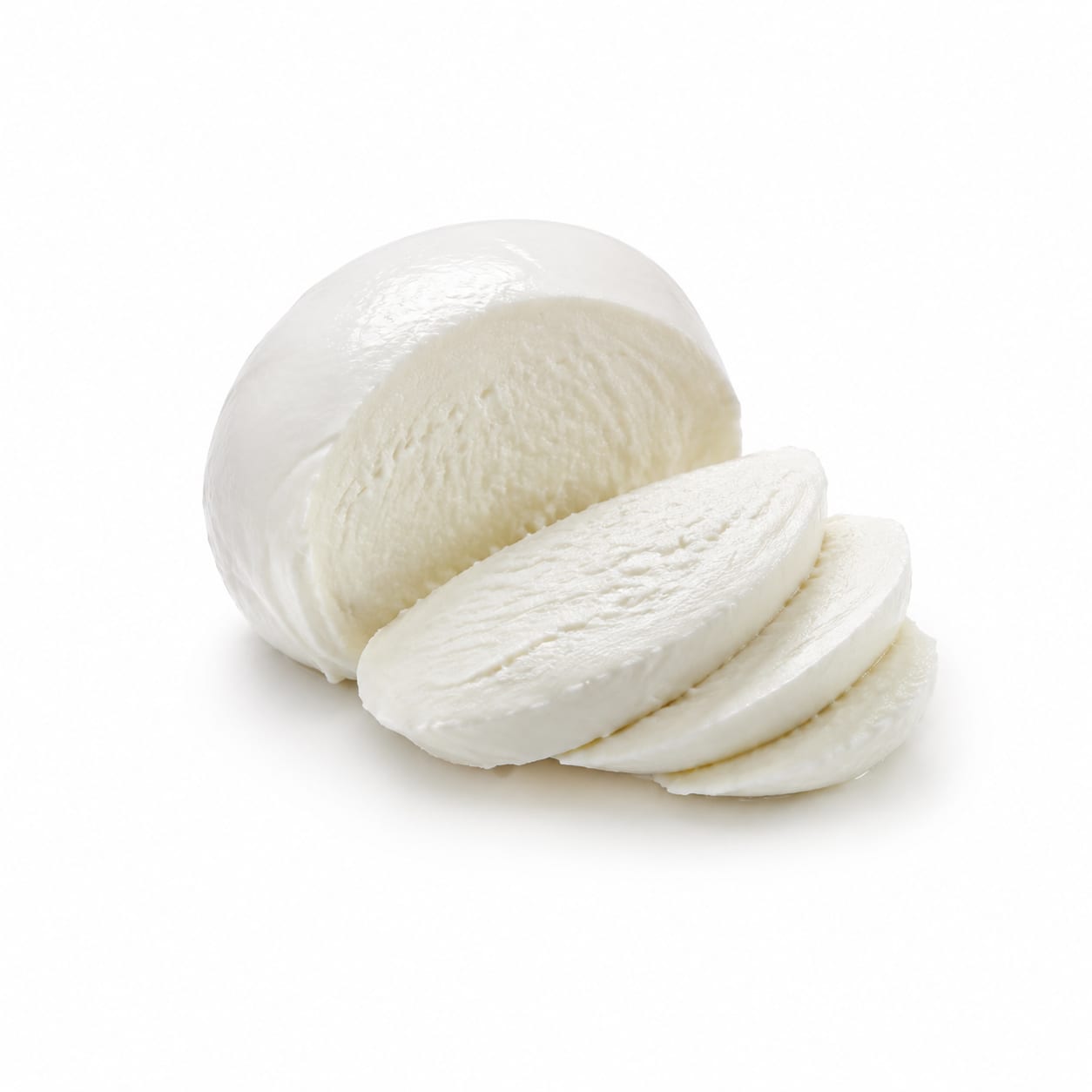
Mozzarella Cheese
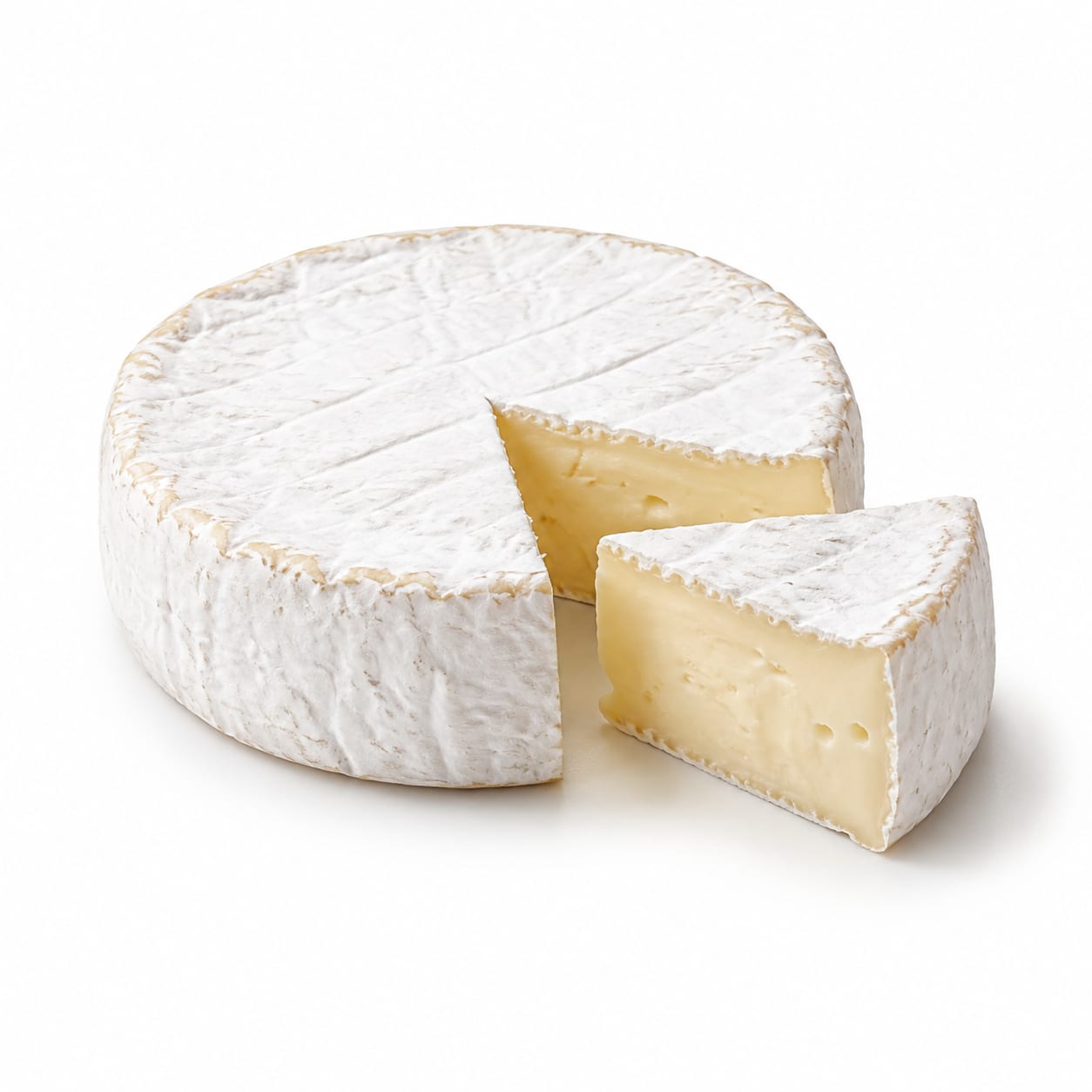
Brie Cheese
Mozzarella wins for everyday eating thanks to higher protein, lower calories, and broader versatility. Brie is a richer indulgence best enjoyed in moderation.
Mozzarella scores notably higher due to its stronger protein content, lower calorie density, and everyday practicality. Brie is not unhealthy but its high fat and calorie load per serving makes it harder to recommend for regular use.
You trade protein and calorie control for Brie's luxurious creaminess and more complex flavor.
At a glance
Executive summary
Overall
Mozzarella Cheese
Healthier
Mozzarella Cheese
More practical
Mozzarella Cheese
Daily use
Mozzarella Cheese
Key comparison lenses
calorie and fat tradeoff for weight management
Brie has significantly more fat and calories per serving, making this the top concern for most users comparing these cheeses
protein content for satiety and muscle maintenance
Mozzarella delivers substantially more protein, which matters for fullness and daily nutrition goals
saturated fat and heart health impact
Both are dairy cheeses with saturated fat, but Brie packs more per bite, raising cardiovascular considerations
versatility and everyday meal integration
Mozzarella melts cleanly into many dishes while Brie has a narrower culinary role
portion control and overeating risk
Brie's rich creamy texture makes it easier to overconsume, while Mozzarella is more self-limiting
Best choice for
Mozzarella Cheese
- People tracking calories or macros
- Anyone wanting higher protein from dairy
- Meal preppers needing versatile cheese
- Families making pizza, sandwiches, or salads
- Those watching saturated fat intake
Brie Cheese
- Entertaining guests with a cheese board
- Special occasions calling for indulgence
- Cooking gourmet appetizers or baked dishes
- People seeking probiotic benefits from the rind
- Those who prefer smaller portions of richer flavor
Least suitable for
Mozzarella Cheese
- Elegant entertaining where presentation matters
- Those wanting a bold, complex cheese experience
- Baked dishes that rely on creamy melting texture
Brie Cheese
- Daily snacking if watching calories
- High-protein diet followers
- People limiting saturated fat strictly
- Anyone prone to overeating rich foods
Deep comparison
Dimension by dimension
Each lens scores both foods and breaks down who each option suits.
- Dimension 1 · Priority 92Mozzarella Cheese
Calorie Density and Weight Management
Mozzarella Cheese · 82Brie Cheese · 48Mozzarella delivers significantly fewer calories per serving, making it far easier to fit into a calorie-conscious routine.
Tradeoff
Brie's richness comes at roughly double the calorie cost per ounce compared to part-skim Mozzarella.
Why it matters
If you eat cheese daily, the calorie gap compounds quickly and can quietly undermine weight goals.
Real-world impact
A 2-ounce Mozzarella snack costs you about 160 calories. The same amount of Brie runs closer to 200, and most people eat more because it is so creamy.
Mozzarella Cheese
- Steady weight management
- Flexible meal planning
- Feeling less guilty about cheese portions
Better for
- May feel less satisfying if you crave richness
Worse for
Brie Cheese
- Smaller portions feeling deeply satisfying
- Richness that reduces need for other indulgences
Better for
- Easy to overshoot daily calories without noticing
Worse for
- Dimension 2 · Priority 85Mozzarella Cheese
Protein and Satiety
Mozzarella Cheese · 88Brie Cheese · 52Mozzarella provides roughly double the protein per serving, keeping you fuller for longer.
Tradeoff
Brie's lower protein means it is less filling on its own, so you may eat more to feel satisfied.
Why it matters
Protein from cheese helps stabilize hunger between meals and supports muscle maintenance, especially important as you age.
Real-world impact
Mozzarella as an afternoon snack can hold you over until dinner. Brie might leave you reaching for crackers or another snack within an hour.
Mozzarella Cheese
- Post-workout recovery
- Bridging long gaps between meals
- Maintaining muscle on a calorie deficit
Better for
- Not relevant — higher protein is universally beneficial here
Worse for
Brie Cheese
- Light appetizer situations where you do not want to fill up
Better for
- Less effective at controlling hunger on its own
Worse for
- Dimension 3 · Priority 80Mozzarella Cheese
Saturated Fat and Heart Health
Mozzarella Cheese · 62Brie Cheese · 38Both cheeses contain saturated fat, but Brie packs considerably more per ounce, raising heart health concerns if consumed frequently.
Tradeoff
Mozzarella still has saturated fat but at a level that is easier to manage within daily limits.
Why it matters
Regular high saturated fat intake raises LDL cholesterol over time, a key risk factor for heart disease.
Real-world impact
If you eat cheese most days, Mozzarella keeps your saturated fat budget more manageable. Daily Brie could push you over recommended limits without much effort.
Mozzarella Cheese
- People with family history of heart disease
- Those monitoring cholesterol levels
- Anyone eating cheese multiple times per day
Better for
- Still a significant saturated fat source if overconsumed
Worse for
Brie Cheese
- Occasional indulgence has minimal health impact
Better for
- Higher saturated fat per bite adds up fast with regular use
Worse for
- Dimension 4 · Priority 72Mozzarella Cheese
Calcium and Bone Support
Mozzarella Cheese · 80Brie Cheese · 65Mozzarella edges out Brie on calcium content, making it a slightly better bone-support choice.
Tradeoff
The difference is moderate — both contribute meaningfully to daily calcium needs.
Why it matters
Calcium from dairy is well-absorbed and critical for bone density, especially for women and older adults.
Real-world impact
A serving of Mozzarella covers about 20% of daily calcium needs. Brie covers roughly 15%. Both are solid, but Mozzarella gives you more per calorie spent.
Mozzarella Cheese
- Older adults prioritizing bone density
- Teens still building peak bone mass
Better for
- Advantage is modest, not dramatic
Worse for
Brie Cheese
- Still a meaningful calcium source when eaten
Better for
- Less calcium per calorie means lower efficiency for bone health
Worse for
- Dimension 5 · Priority 75Mozzarella Cheese
Versatility and Everyday Use
Mozzarella Cheese · 90Brie Cheese · 55Mozzarella works in far more meals — from salads to sandwiches to pizza — while Brie has a narrower role.
Tradeoff
Brie shines in specific gourmet moments but is not the cheese you reach for on a Tuesday lunch.
Why it matters
A versatile cheese reduces food waste and makes healthy eating simpler because you always have a use for it.
Real-world impact
Mozzarella goes into a caprese salad, a wrap, a homemade pizza, or a simple snack. Brie mostly sits until you plan a cheese board or baked appetizer.
Mozzarella Cheese
- Meal preppers
- Busy households needing one reliable cheese
- Anyone cooking for picky eaters
Better for
- Can feel boring if you crave variety
Worse for
Brie Cheese
- Hosts wanting to impress guests
- Gourmet home cooks experimenting with flavor
Better for
- Limited everyday utility leads to waste if not planned around
Worse for
- Dimension 6 · Priority 68Brie Cheese
Flavor Satisfaction and Emotional Eating
Mozzarella Cheese · 55Brie Cheese · 82Brie delivers a richer, more complex eating experience that feels more indulgent and emotionally rewarding.
Tradeoff
That satisfaction comes with higher calories and fat, so it requires more discipline to portion.
Why it matters
Emotional satisfaction from food matters for sustainability. If you feel deprived, you eventually overeat.
Real-world impact
A small wedge of Brie with fruit can feel like a proper treat. Mozzarella is pleasant but rarely feels celebratory.
Mozzarella Cheese
- People who prefer mild, clean flavors
- Those who find rich foods trigger overeating
Better for
- May not scratch the indulgence itch
Worse for
Brie Cheese
- Special occasions and celebrations
- Mindful eating practices with small portions
- Breaking out of food monotony
Better for
- Richness can trigger overconsumption if you are stressed or distracted
Worse for
Timeline
Health impact over time
Short-term
Hours to days
Mozzarella Cheese
- Provides steady energy without heavy sluggishness
- Good post-workout protein source
- Easy to digest for most people
Brie Cheese
- Can feel heavy if eaten in large amounts
- Richness may cause mild digestive discomfort if you are sensitive to high-fat foods
- More satisfying in small portions
Long-term
Months to years
Mozzarella Cheese
- Supports muscle maintenance with consistent protein intake
- Lower saturated fat reduces long-term cardiovascular strain
- Calcium supports sustained bone density
Brie Cheese
- Regular large portions may raise LDL cholesterol over time
- Higher calorie density can contribute to gradual weight gain if not portioned carefully
- Contains small amounts of beneficial probiotics from the rind
Risk profile
Safety & processing
Both Mozzarella and Brie are traditional cheeses made with minimal ingredients — milk, cultures, rennet, and salt. Neither raises significant processing concerns when you choose quality brands.
Mozzarella Cheese
Listeria in fresh varieties
mediumFresh Mozzarella has higher moisture content, which can support bacterial growth if not stored properly. Keep refrigerated and consume within a few days of opening.
Dairy allergy or lactose intolerance
lowMozzarella is relatively low in lactose compared to other dairy, but still problematic for those with dairy allergies.
Brie Cheese
Listeria on the rind
highBrie's soft rind is an ideal environment for Listeria monocytogenes. Pregnant women, elderly, and immunocompromised individuals should avoid unpasteurized Brie entirely.
Histamine content
mediumAged and ripened cheeses like Brie contain higher histamine levels, which can trigger headaches or reactions in sensitive individuals.
Who wins for whom
Audience fit
Same foods, different winners depending on your goal.
children
Mozzarella CheeseMilder flavor, higher protein for growth, and lower sodium make Mozzarella more kid-friendly and nutritionally appropriate.
daily consumption
Mozzarella CheeseLower saturated fat and calorie load make Mozzarella a more sustainable daily choice without accumulating cardiovascular risk.
diabetes
Mozzarella CheeseBoth are low in carbs, but Mozzarella's higher protein helps stabilize blood sugar more reliably between meals.
elderly
Mozzarella CheeseMore protein and calcium per calorie supports bone density and muscle preservation, both critical concerns with aging.
muscle gain
Mozzarella CheeseNearly double the protein per serving supports muscle repair and growth more effectively.
weight loss
Mozzarella CheeseLower calories and higher protein make Mozzarella easier to fit into a deficit without feeling deprived.
Your move
Decision guide
Choose Mozzarella Cheese
- You eat cheese most days and want to keep calories and fat in check
- You need a protein boost from dairy
- You want one versatile cheese for cooking and snacking
- You are managing cholesterol or heart disease risk
- You are meal prepping for the week
Choose Brie Cheese
- You are hosting a dinner party or building a cheese board
- You want a rich treat and can keep portions small
- You are cooking a specific recipe that calls for Brie's creamy melt
- You find mild cheese boring and need more flavor satisfaction
- You eat cheese occasionally and want it to feel special
Either works if
- You tolerate dairy well and just want a calcium source
- You are eating cheese as part of a balanced meal with vegetables
- You are not strictly tracking calories or macros
Avoid both if
- You have a dairy allergy
- You are strictly vegan
- You have severe lactose intolerance that does not tolerate any cheese
- Your doctor has advised eliminating all high-saturated-fat foods
Final recommendation
Keep Mozzarella as your everyday cheese for its protein, lower calories, and cooking flexibility. Save Brie for moments when richness and flavor matter more than nutritional efficiency. If you love Brie, enjoy it weekly rather than daily, and pair it with fruit or nuts so a small portion feels complete.
Practical
Consumer tips
- 1
Part-skim Mozzarella cuts calories and fat further without sacrificing much protein — it is the smartest everyday choice.
- 2
Look for Brie made from pasteurized milk to reduce Listeria risk, especially if you are pregnant or immunocompromised.
- 3
Pre-portion Brie into 1-ounce slices when you bring it home so you are not tempted to cut larger wedges in the moment.
- 4
Fresh Mozzarella spoils faster than low-moisture varieties — buy only what you will eat within a few days.
- 5
If you find Mozzarella too bland, try the fresh variety with a drizzle of olive oil and salt rather than switching to a higher-fat cheese.
- 6
Freeze Mozzarella for up to three months if you buy in bulk. Brie does not freeze well — its texture becomes grainy.