
Nutrition comparison
Mozzarella Cheese vs Parmesan Cheese: Nutrition, Sodium & Uses
Compare Mozzarella Cheese vs Parmesan Cheese. Discover which is better for sodium, protein, lactose intolerance, and daily use in this expert nutritional breakdown.
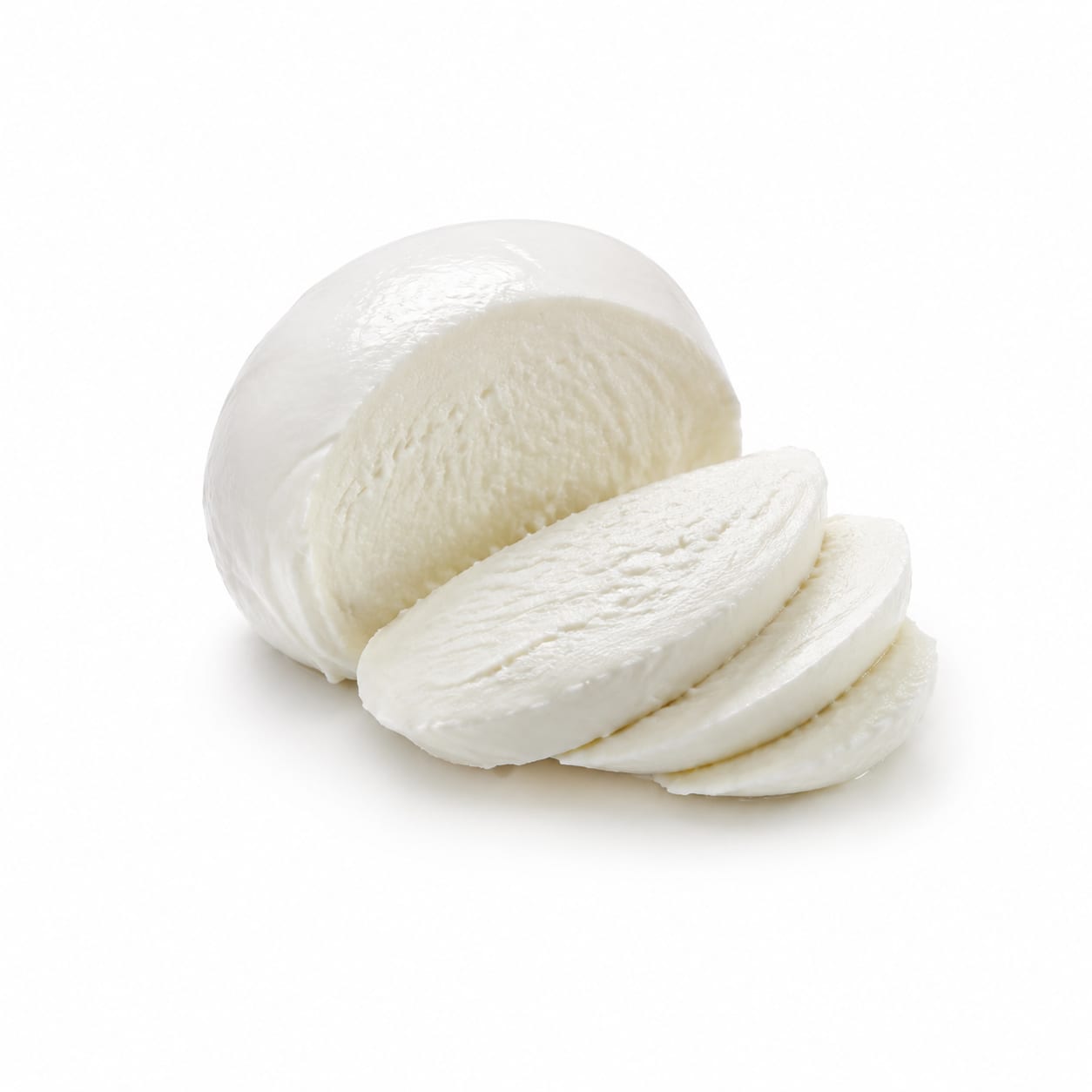
Mozzarella Cheese
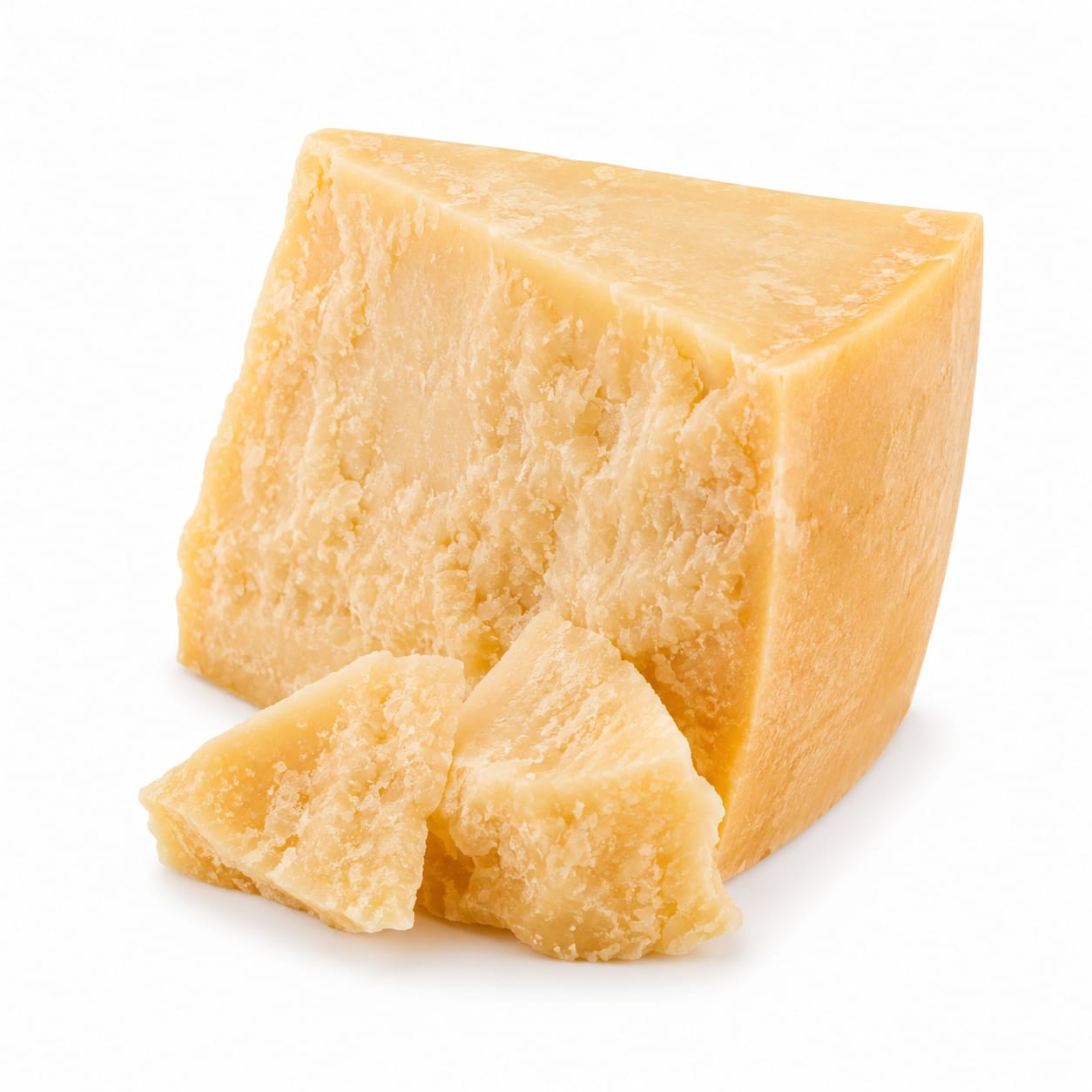
Parmesan Cheese
Mozzarella Cheese is better for melting and lower sodium meals, while Parmesan Cheese delivers intense flavor and higher protein per gram but with a heavy sodium hit.
Mozzarella Cheese scores slightly higher for daily use due to lower sodium, but Parmesan Cheese wins on nutrient density when portioned correctly.
Flavor and nutrient density versus sodium content and culinary role.
At a glance
Executive summary
Overall
It depends
Healthier
It depends
More practical
Mozzarella Cheese
Daily use
Mozzarella Cheese
Key comparison lenses
Sodium load and blood pressure impact
Parmesan is extremely high in sodium compared to Mozzarella, which is a major deciding factor for daily consumption.
Protein and calcium density
Parmesan's low moisture content concentrates its protein and calcium, making it a nutrient powerhouse per gram.
Lactose tolerance and digestibility
The aging process of Parmesan breaks down lactose, making it suitable for intolerant individuals, unlike fresh Mozzarella.
Culinary role and portion control
Mozzarella is eaten in large melty portions, while Parmesan is used as a concentrated flavor accent, drastically affecting calorie intake.
Best choice for
Mozzarella Cheese
- Low-sodium diets
- Sandwiches and salads needing bulk
- Melting over dishes
Parmesan Cheese
- Lactose-intolerant individuals
- Adding umami flavor without bulk
- Boosting protein and calcium in small amounts
Least suitable for
Mozzarella Cheese
- Severe lactose intolerance
- Those needing high-protein, low-volume foods
Parmesan Cheese
- Low-sodium diets
- Dishes requiring mild, melty cheese
Deep comparison
Dimension by dimension
Each lens scores both foods and breaks down who each option suits.
- Dimension 1 · Priority 95Mozzarella Cheese
Sodium & Heart Health
Mozzarella Cheese · 85Parmesan Cheese · 35Mozzarella Cheese has significantly less sodium than Parmesan Cheese.
Tradeoff
Parmesan's intense flavor comes with a high sodium burden that limits portion sizes.
Why it matters
High sodium intake raises blood pressure and increases heart disease risk.
Real-world impact
Eating a few shavings of Parmesan is fine, but melting a cup of it will easily push you past your daily sodium limit.
Mozzarella Cheese
- Managing blood pressure
- Eating cheese in larger quantities
Better for
Parmesan Cheese
- Salt-sensitive individuals
- Heart health
Worse for
- Dimension 2 · Priority 85Parmesan Cheese
Protein & Nutrient Density
Mozzarella Cheese · 65Parmesan Cheese · 90Parmesan Cheese packs far more protein and calcium per gram due to its low moisture content.
Tradeoff
You get more nutrients per bite with Parmesan, but you also get more calories and sodium per bite.
Why it matters
Nutrient density helps meet daily needs without eating large volumes.
Real-world impact
A tablespoon of grated Parmesan adds a quick protein and calcium boost to a salad, whereas you'd need a thick slice of Mozzarella to match it.
Mozzarella Cheese
- Maximizing protein per calorie
Worse for
Parmesan Cheese
- High-protein diets
- Bone health support
Better for
- Dimension 3 · Priority 80Parmesan Cheese
Digestibility & Lactose
Mozzarella Cheese · 50Parmesan Cheese · 95The aging process of Parmesan Cheese breaks down virtually all lactose, making it highly digestible.
Tradeoff
Mozzarella Cheese retains more lactose, which can cause bloating for sensitive individuals.
Why it matters
Lactose intolerance affects a large portion of the population and impacts daily comfort.
Real-world impact
If dairy usually upsets your stomach, a sprinkle of Parmesan is usually safe, while Mozzarella might cause bloating.
Mozzarella Cheese
- Sensitive stomachs
Worse for
Parmesan Cheese
- Lactose-sensitive individuals
- Easier digestion
Better for
- Dimension 4 · Priority 75It depends
Calorie Density & Portion Control
Mozzarella Cheese · 70Parmesan Cheese · 75Mozzarella is lower in calories per gram, but Parmesan is typically eaten in much smaller amounts.
Tradeoff
Mozzarella is easy to overeat because of its mild flavor and meltability, while Parmesan's strong taste naturally limits portions.
Why it matters
Unintended overconsumption of calories can derail weight management.
Real-world impact
It is easy to eat 200 calories of Mozzarella on a pizza slice, but a satisfying dusting of Parmesan on pasta might only be 40 calories.
Mozzarella Cheese
- Lower calorie density per gram
Better for
- Overeating risk
Worse for
Parmesan Cheese
- Built-in portion control
- Weight management
Better for
- Calorie-dense if over-portioned
Worse for
- Dimension 5 · Priority 70Mozzarella Cheese
Culinary Versatility & Satiety
Mozzarella Cheese · 90Parmesan Cheese · 70Mozzarella Cheese is incredibly versatile for melting, snacking, and adding bulk to meals.
Tradeoff
Parmesan adds unmatched umami but cannot provide the satisfying stretch and bulk of Mozzarella.
Why it matters
Enjoyment and satiety from food are crucial for sticking to healthy eating habits.
Real-world impact
Mozzarella makes a caprese salad or grilled cheese satisfying and filling, while Parmesan is just a flavor accent.
Mozzarella Cheese
- Melting applications
- Creating filling meals
Better for
Parmesan Cheese
- Flavor enhancement
- Umami cravings
Better for
- Providing physical fullness
Worse for
Timeline
Health impact over time
Short-term
Hours to days
Mozzarella Cheese
- Quick energy from fat and protein
- Potential bloating if lactose intolerant
- Satisfying mouthfeel from melting
Parmesan Cheese
- Strong umami satisfaction
- Low digestive discomfort
- Thirst from high sodium
Long-term
Months to years
Mozzarella Cheese
- Supports bone health with moderate calcium
- Manageable sodium for heart health
- Consistent calorie intake if portioned
Parmesan Cheese
- Excellent bone density support from high calcium
- Risk of elevated blood pressure if overconsumed
- Very low lactose-related inflammation
Risk profile
Safety & processing
Both are traditional cheeses made from natural ingredients. Parmesan undergoes a much longer aging process, but neither relies on artificial additives in their authentic forms.
Mozzarella Cheese
Listeria contamination
mediumFresh Mozzarella has high moisture content, making it more susceptible to bacterial growth if not stored properly.
Parmesan Cheese
Histamine intolerance
mediumAged cheeses like Parmesan contain high levels of histamine, which can trigger headaches or reactions in sensitive individuals.
Who wins for whom
Audience fit
Same foods, different winners depending on your goal.
children
Mozzarella CheeseMozzarella is milder, lower in sodium, and has a kid-friendly melt, making it a better everyday choice for developing palates.
daily consumption
Mozzarella CheeseMozzarella's lower sodium profile makes it safer and more practical to eat on a daily basis.
diabetes
Parmesan CheeseBoth are low in carbs, but Parmesan has virtually zero lactose, offering slightly steadier blood sugar.
elderly
It dependsParmesan is great for bone density and easy digestion, but its high sodium is a concern for aging hearts; Mozzarella is safer for blood pressure.
muscle gain
Parmesan CheeseParmesan offers more protein per gram, making it easier to hit protein targets without excessive volume.
weight loss
Parmesan CheeseParmesan's intense flavor means a little goes a long way, naturally keeping calories in check compared to the easy-to-overeat Mozzarella.
Your move
Decision guide
Choose Mozzarella Cheese
- You are watching your blood pressure or sodium intake
- You want a melty, satisfying cheese for sandwiches or pizzas
- You are cooking for kids who prefer mild flavors
Choose Parmesan Cheese
- You are lactose intolerant but still want to enjoy cheese
- You want maximum flavor and protein with minimal volume
- You are looking for a finishing cheese to elevate a dish
Either works if
- You need a low-carb, high-fat addition to a keto meal
- You want to boost your calcium intake
Avoid both if
- You are following a strict vegan diet
- You have a severe dairy allergy
Final recommendation
Use Mozzarella Cheese as your everyday eating cheese for meals and melting, and keep Parmesan Cheese as your flavor booster to avoid overloading on sodium while still getting that satisfying umami kick.
Practical
Consumer tips
- 1
Grate Parmesan yourself from a block; pre-grated versions contain anti-caking agents and lack flavor.
- 2
Opt for low-moisture Mozzarella for cooking and fresh Mozzarella for cold salads.
- 3
Rinse fresh Mozzarella before eating to remove some surface brine and lower the sodium slightly.
- 4
Store Parmesan in the fridge wrapped in parchment paper, then foil, to prevent it from drying out.