
Nutrition comparison
Mozzarella vs Provolone Cheese: Which Is Healthier?
Compare Mozzarella and Provolone cheese on sodium, calories, calcium, and flavor. Find out which Italian cheese is better for weight loss, heart health, and daily eating.
Overall winner · Mozzarella Cheese
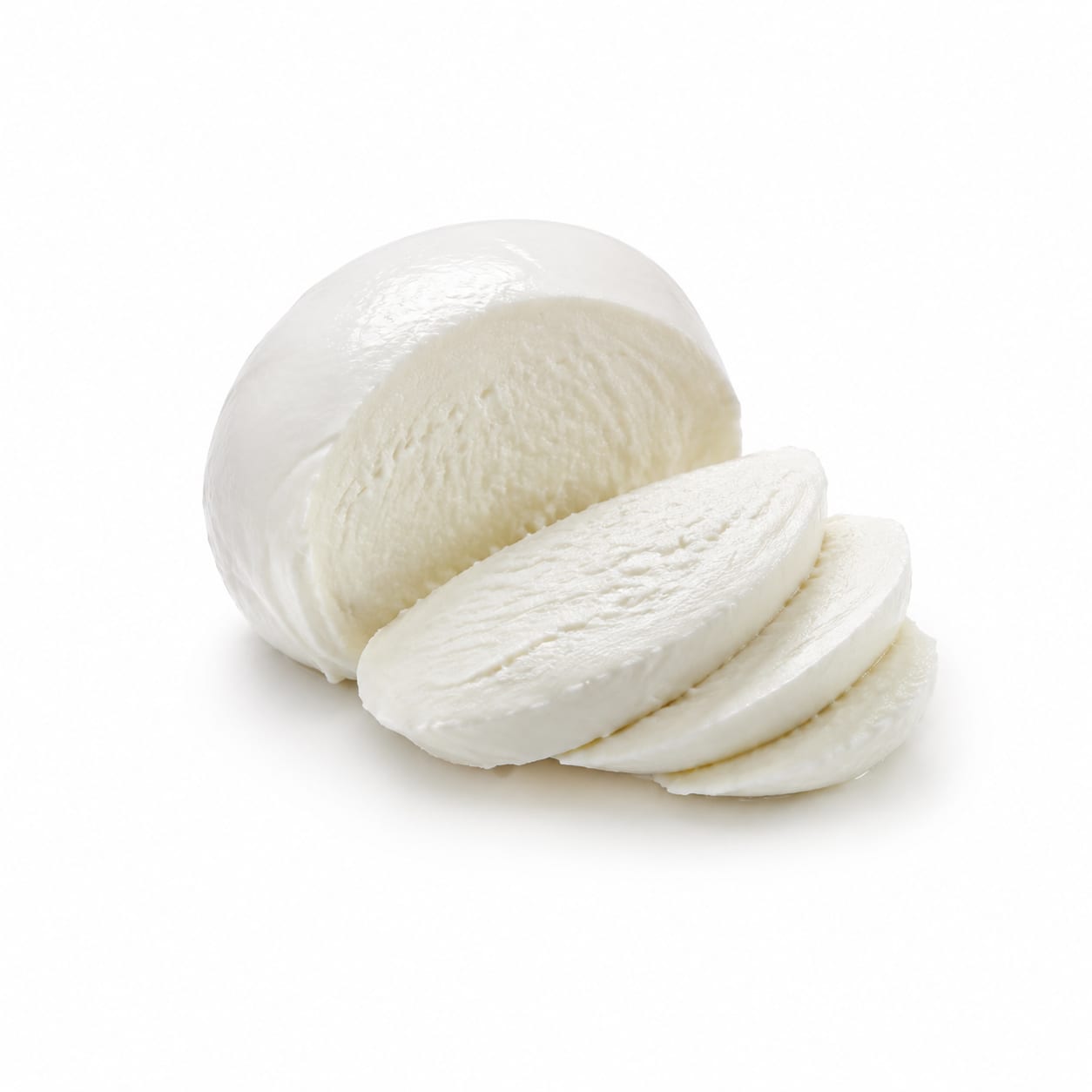
Mozzarella Cheese
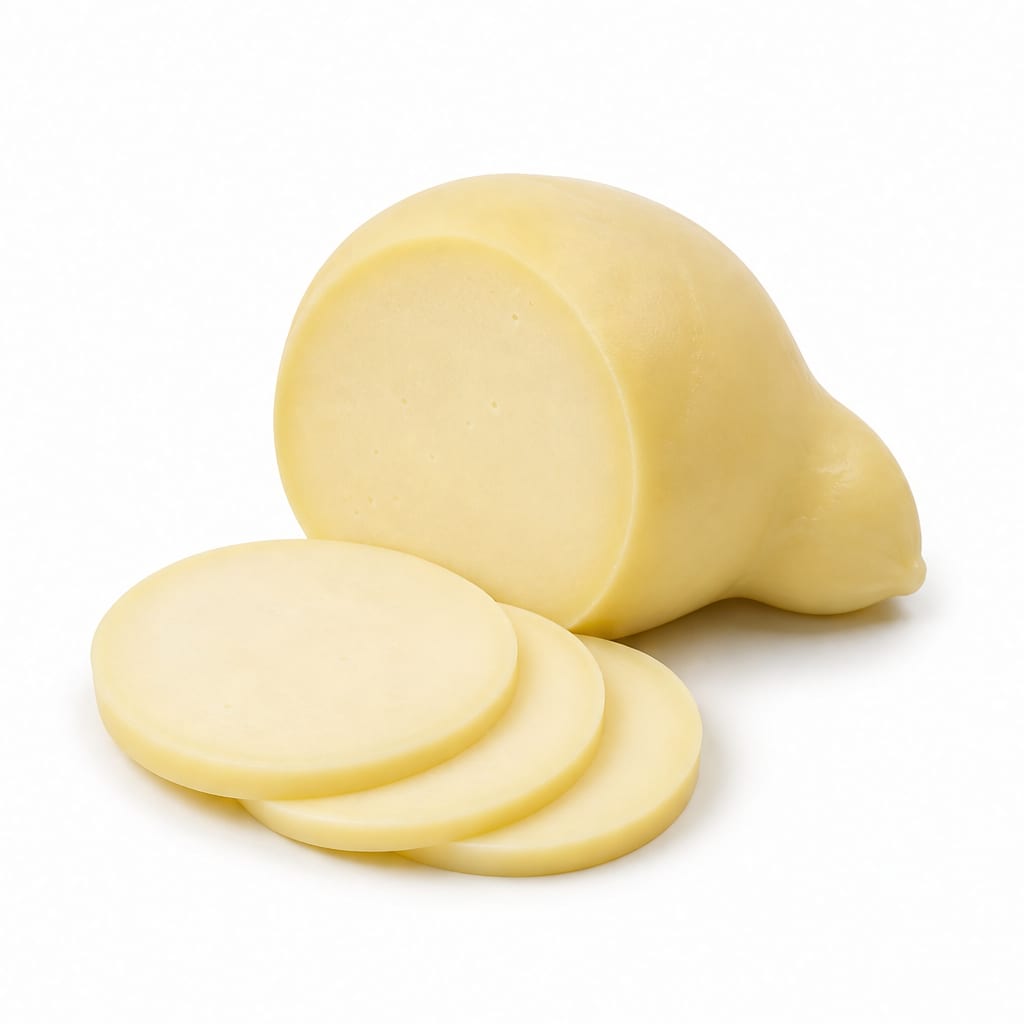
Provolone Cheese
Mozzarella wins for everyday health due to lower sodium and fewer calories, but Provolone delivers more flavor per bite and more calcium per ounce.
Mozzarella scores higher primarily due to its lower sodium, fewer calories, and lighter processing. Provolone remains a solid choice but its higher salt and fat content drag down its everyday health score.
Mozzarella is lighter and easier on blood pressure, while Provolone is more nutrient-dense and flavorful but saltier and higher in fat.
At a glance
Executive summary
Overall
Mozzarella Cheese
Healthier
Mozzarella Cheese
More practical
It depends
Daily use
Mozzarella Cheese
Key comparison lenses
Which cheese is healthier for daily eating?
Both are common Italian cheeses used in similar dishes, so health-conscious consumers want to know which to choose for regular use
Sodium and heart health comparison
Cheese is a major sodium source, and the sodium difference between fresh and aged cheeses is significant for blood pressure management
Calorie and fat tradeoffs for weight management
Both cheeses are calorie-dense, but the differences matter for people tracking intake
Flavor intensity and portion control
Stronger-flavored cheese may lead to using less, which affects overall calorie and sodium intake
Processing and naturalness concerns
Fresh mozzarella is less processed than aged provolone, which matters to clean-eating consumers
Best choice for
Mozzarella Cheese
- People watching their sodium intake
- Those managing blood pressure
- Anyone counting calories or tracking macros
- Light lunch and salad eaters
- Families wanting a milder cheese for kids
Provolone Cheese
- Those wanting maximum flavor in small portions
- People seeking higher calcium per ounce
- Sandwich and hoagie lovers wanting bold taste
- Anyone who prefers aged, sharper cheese profiles
Least suitable for
Mozzarella Cheese
- People wanting strong, bold cheese flavor
- Those seeking the highest calcium concentration per serving
- Dishes where a sharp cheese is essential
Provolone Cheese
- People on low-sodium diets
- Those strictly managing calorie intake
- Anyone sensitive to strong flavors
Deep comparison
Dimension by dimension
Each lens scores both foods and breaks down who each option suits.
- Dimension 1 · Priority 95Mozzarella Cheese
Sodium & Heart Health
Mozzarella Cheese · 82Provolone Cheese · 45Mozzarella has roughly half the sodium of Provolone, making it far gentler on blood pressure.
Tradeoff
Provolone's aging process concentrates salt, which enhances flavor but raises cardiovascular risk with regular consumption.
Why it matters
High sodium intake is the leading dietary risk factor for hypertension, and cheese is a top sodium source in most diets.
Real-world impact
Choosing Mozzarella over Provolone daily could save you 150-200mg of sodium per serving, which adds up significantly over a week.
Mozzarella Cheese
- Blood pressure management
- Reduced bloating and water retention
- Long-term heart health
Better for
Provolone Cheese
- Daily sodium budgets
- Hypertension risk with frequent consumption
- Fluid retention and puffiness
Worse for
- Dimension 2 · Priority 88Mozzarella Cheese
Calorie & Fat Density
Mozzarella Cheese · 75Provolone Cheese · 55Mozzarella is lower in both calories and fat per ounce, especially the fresh variety.
Tradeoff
Provolone's richer taste comes from higher fat content, which makes it more satisfying but harder to fit into calorie-controlled eating.
Why it matters
For people who eat cheese daily, even a 30-40 calorie difference per serving compounds into meaningful weekly intake changes.
Real-world impact
A Mozzarella caprese salad feels light and refreshing; a Provolone sandwich feels hearty and filling. Both have a place, but Mozzarella is easier to eat without overdoing calories.
Mozzarella Cheese
- Weight management
- Lighter meals and snacks
- Flexible portion control
Better for
- May feel less satisfying alone
Worse for
Provolone Cheese
- Higher satiety per serving
- More satisfying in small amounts
Better for
- Easy to exceed calorie targets
- Higher saturated fat per serving
Worse for
- Dimension 3 · Priority 80Provolone Cheese
Flavor Intensity & Portion Control
Mozzarella Cheese · 55Provolone Cheese · 82Provolone's sharp, aged flavor means you can use less cheese while still getting a big taste impact.
Tradeoff
Mozzarella's mildness is versatile but may lead to using more to achieve desired flavor, potentially offsetting its calorie advantage.
Why it matters
Stronger flavor can naturally regulate portions, while bland cheese invites piling on more.
Real-world impact
One thin slice of Provolone can carry a sandwich's flavor, while Mozzarella often requires two or three slices to feel like it's there.
Mozzarella Cheese
- Mild flavor suits kids and picky eaters
- Won't overpower other ingredients
Better for
- May need larger portions for flavor impact
- Can feel bland in strongly seasoned dishes
Worse for
Provolone Cheese
- Flavor satisfaction with less quantity
- Better value per bite in sandwiches
- More interesting snacking experience
Better for
- Overpowers delicate flavors
- Too intense for some palates
Worse for
- Dimension 4 · Priority 75Provolone Cheese
Calcium & Nutrient Density
Mozzarella Cheese · 65Provolone Cheese · 80Provolone packs more calcium and slightly more protein per ounce due to its lower moisture content.
Tradeoff
The nutrient concentration comes from aging, which also concentrates sodium and fat.
Why it matters
For people relying on cheese as a calcium source, Provolone delivers more per serving.
Real-world impact
An ounce of Provolone provides about 20% of daily calcium needs versus roughly 14% from fresh Mozzarella.
Mozzarella Cheese
- Still a solid calcium source
- More hydrating due to higher water content
Better for
- Lower nutrient density per ounce
Worse for
Provolone Cheese
- Higher calcium per ounce
- More protein per serving
- More concentrated nutrition overall
Better for
- Nutrient concentration includes more sodium and fat too
Worse for
- Dimension 5 · Priority 70Mozzarella Cheese
Processing & Naturalness
Mozzarella Cheese · 85Provolone Cheese · 60Fresh Mozzarella is minimally processed, while Provolone undergoes aging and sometimes smoking.
Tradeoff
Provolone's aging is a traditional method, not an industrial process, but it still involves more manipulation and often more additives.
Why it matters
People avoiding highly processed foods will find fresh Mozzarella closer to its natural state.
Real-world impact
Fresh Mozzarella has three to four ingredients. Provolone often includes additional cultures, enzymes, and sometimes colorants or smoke flavoring.
Mozzarella Cheese
- Simpler ingredient list
- Closer to whole food status
- Fewer additives and preservatives
Better for
- Shorter shelf life
- More perishable
Worse for
Provolone Cheese
- Aging is traditional, not ultra-processing
Better for
- More processing steps
- Potential for added colorants or smoke flavoring
Worse for
- Dimension 6 · Priority 65Mozzarella Cheese
Digestive Tolerance
Mozzarella Cheese · 78Provolone Cheese · 60Fresh Mozzarella's higher moisture and lower fat make it easier to digest for most people.
Tradeoff
Provolone's density and fat content can feel heavy, especially in larger portions.
Why it matters
People with sensitive digestion or lactose intolerance may notice a real difference between these two.
Real-world impact
A Mozzarella salad feels light after eating. A Provolone-heavy sandwich can sit heavy and cause bloating in sensitive individuals.
Mozzarella Cheese
- Easier on sensitive stomachs
- Less likely to cause post-meal heaviness
- Better for warm-weather eating
Better for
Provolone Cheese
- Can feel heavy in large amounts
- More likely to trigger bloating
- Harder to digest before physical activity
Worse for
Timeline
Health impact over time
Short-term
Hours to days
Mozzarella Cheese
- Lighter feeling after meals
- Less post-meal thirst from lower sodium
- Quick energy from easily digestible protein and fat
Provolone Cheese
- More sustained fullness from higher fat content
- Increased thirst from higher sodium
- Possibly heavier feeling after eating
Long-term
Months to years
Mozzarella Cheese
- Better blood pressure outcomes with regular consumption
- Easier weight maintenance due to lower calorie density
- Lower cardiovascular risk profile
Provolone Cheese
- Higher sodium intake may contribute to hypertension risk
- Greater calcium intake supports bone density
- Higher saturated fat may impact cholesterol over time
Risk profile
Safety & processing
Fresh Mozzarella is about as close to whole milk as cheese gets, with minimal ingredients. Provolone involves aging, cultures, and sometimes colorants or smoke flavoring, placing it a step further from natural.
Mozzarella Cheese
Listeria contamination in fresh varieties
mediumFresh Mozzarella's high moisture content creates a more hospitable environment for bacterial growth if not stored properly. Keep refrigerated and consume within a few days of opening.
Short shelf life and spoilage
lowPerishability means you must use fresh Mozzarella quickly, but this also means fewer preservatives are needed.
Provolone Cheese
Histamine content from aging
mediumAged cheeses like Provolone contain higher histamine levels, which can trigger headaches or reactions in sensitive individuals.
Sodium-related health effects
mediumConsistently high sodium intake from aged cheese contributes to hypertension risk over time, especially when combined with other salty foods.
Who wins for whom
Audience fit
Same foods, different winners depending on your goal.
children
Mozzarella CheeseMilder flavor, lower sodium, and softer texture make Mozzarella more kid-friendly and appropriate for developing palates.
daily consumption
Mozzarella CheeseMozzarella's lighter sodium and calorie load makes it more sustainable as an everyday cheese without health compromises.
diabetes
Mozzarella CheeseBoth are low-carb and won't spike blood sugar, but Mozzarella's lower sodium reduces cardiovascular risk, which is critical for diabetics.
elderly
Mozzarella CheeseLower sodium supports blood pressure management, and softer texture is easier to chew and digest for older adults.
muscle gain
It dependsBoth provide quality protein. Provolone offers slightly more per ounce, but Mozzarella's lower fat makes it easier to pair with other protein sources without excess calories.
weight loss
Mozzarella CheeseLower calories and fat per serving make Mozzarella easier to fit into a calorie deficit without feeling deprived.
Your move
Decision guide
Choose Mozzarella Cheese
- You eat cheese daily and want the healthier default
- You are watching your blood pressure or sodium intake
- You prefer lighter, fresher meals like salads and caprese
- You want a cheese that won't dominate the dish
- You are feeding children who prefer milder flavors
Choose Provolone Cheese
- You want bold flavor and are willing to use less
- You need maximum calcium per ounce
- You are making a sandwich or dish where sharp cheese shines
- You eat cheese occasionally and want it to count
- You prefer aged, complex flavors over mild freshness
Either works if
- You are melting cheese on a dish and both work fine
- You are not sodium-sensitive and eat cheese in moderation
- You want variety and enjoy both flavor profiles
Avoid both if
- You are on a strict low-fat diet
- You have severe lactose intolerance or dairy allergy
- You are following a vegan eating pattern
- You need to eliminate all high-cholesterol foods per medical advice
Final recommendation
Make Mozzarella your everyday cheese and save Provolone for when flavor really matters. Mozzarella gives you more room in your sodium and calorie budgets, while Provolone rewards you with bigger taste when you choose to spend those budgets. If you eat cheese multiple times a week, Mozzarella is the safer long-term default.
Practical
Consumer tips
- 1
Fresh Mozzarella stored in water lasts longer and tastes better than pre-shredded varieties
- 2
Use Provolone where one strong slice does the job of three mild ones to save calories and sodium
- 3
Part-skim Mozzarella is a great middle ground, offering even fewer calories while keeping the mild flavor
- 4
Let Provolone come to room temperature before eating to maximize flavor with less quantity
- 5
If sodium is a concern, rinse fresh Mozzarella briefly before eating to remove surface brine
- 6
Pair Mozzarella with tomatoes and olive oil for a heart-healthy meal that feels indulgent
- 7
Aged Provolone (piccante) is sharper and more flavorful than young (dolce), so you can use even less