
Nutrition comparison
Mozzarella Cheese vs Feta Cheese: Which is Healthier?
Compare Mozzarella Cheese and Feta Cheese on protein, sodium, calories, and best uses. Find out which cheese is better for weight loss, heart health, and daily eating.
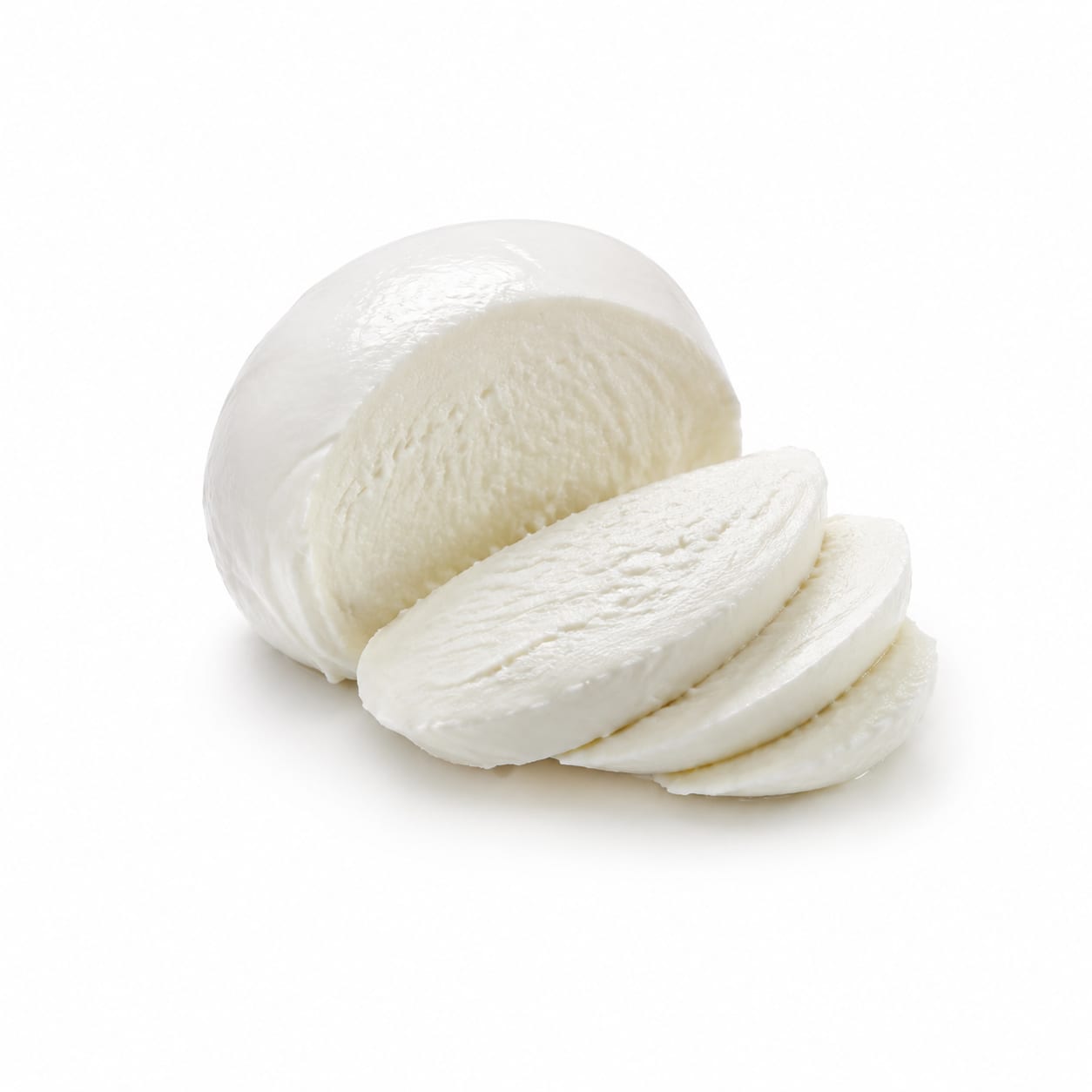
Mozzarella Cheese
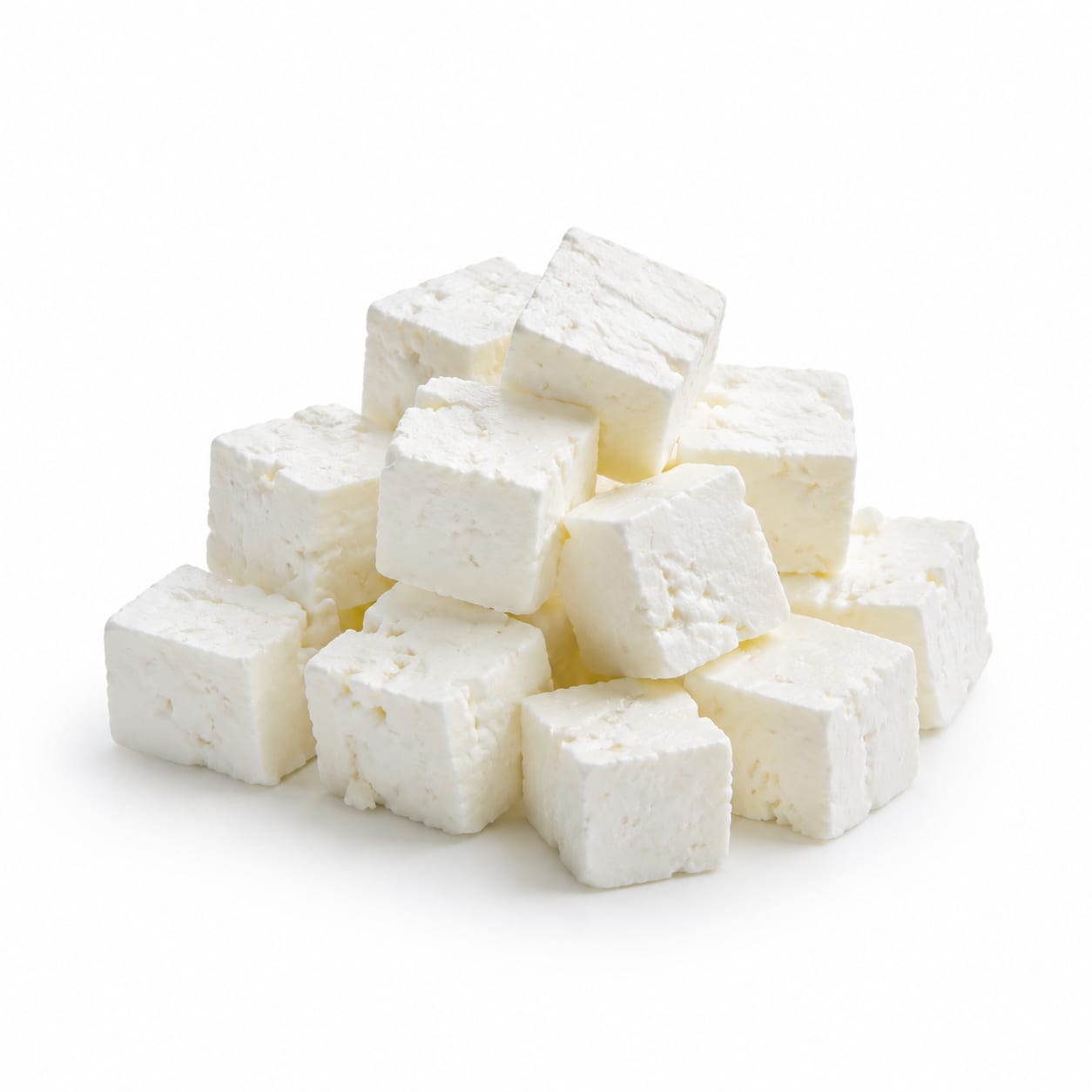
Feta Cheese
Mozzarella Cheese is the safer daily driver with more protein and less sodium, while Feta Cheese is a high-impact flavor accent that requires strict portion control.
Mozzarella Cheese scores higher due to its superior protein content, lower sodium, and broader everyday usability. Feta Cheese loses ground because its extreme sodium load makes daily consumption risky for many people, despite its flavor advantages.
You trade Mozzarella's protein and heart-friendly sodium levels for Feta's intense tanginess and culinary punch.
At a glance
Executive summary
Overall
It depends
Healthier
Mozzarella Cheese
More practical
Mozzarella Cheese
Daily use
Mozzarella Cheese
Key comparison lenses
Sodium intake and blood pressure management
Feta is brined and extremely high in sodium, while Mozzarella is comparatively low, making this the most critical health difference.
Protein content and satiety
Mozzarella provides significantly more protein per serving, impacting fullness and muscle maintenance differently than Feta.
Calorie density and weight management
Part-skim Mozzarella offers a leaner profile, whereas Feta is typically made from whole milk and is more calorie-dense per bite.
Culinary role and portion control
Feta acts as a bold flavor accent requiring small amounts, while Mozzarella is often used as a bulky base ingredient.
Best choice for
Mozzarella Cheese
- People monitoring their blood pressure
- Anyone wanting a high-protein, filling snack
- Meal preppers looking for a versatile, meltable cheese
- Kids who prefer mild flavors
Feta Cheese
- Salad lovers needing a bold flavor boost
- Mediterranean diet followers
- Those who prefer strong cheese flavor in tiny portions
- Lactose-sensitive individuals seeking a lower-lactose option
Least suitable for
Mozzarella Cheese
- Strict low-fat diets if using whole milk varieties
- Those seeking strong, salty flavor with minimal quantity
Feta Cheese
- People with hypertension or sodium restrictions
- Anyone prone to overeating cheese
- Low-calorie or strict weight loss diets
Deep comparison
Dimension by dimension
Each lens scores both foods and breaks down who each option suits.
- Dimension 1 · Priority 95Mozzarella Cheese
Sodium & Blood Pressure
Mozzarella Cheese · 85Feta Cheese · 25Mozzarella Cheese is remarkably low in sodium, whereas Feta Cheese is steeped in brine and packs a massive sodium hit.
Tradeoff
Choosing Feta means accepting a heavy sodium load that can easily push you over daily limits if you aren't careful with portions.
Why it matters
High sodium intake directly raises blood pressure and increases cardiovascular risk, making Feta a challenging choice for daily eating.
Real-world impact
Eating a large Greek salad with Feta can deliver half your daily sodium allowance before you even touch the dressing.
Mozzarella Cheese
- Heart health
- Daily snacking without bloating
- Blood pressure management
Better for
Feta Cheese
- Hypertension
- Fluid retention
- Post-meal thirst
Worse for
- Dimension 2 · Priority 85Mozzarella Cheese
Protein & Satiety
Mozzarella Cheese · 90Feta Cheese · 55Mozzarella Cheese delivers nearly double the protein of Feta, making it far more filling and useful for muscle maintenance.
Tradeoff
Feta will not keep you full for long, increasing the chance you will reach for more food shortly after eating.
Why it matters
Protein is key for staying satisfied between meals and maintaining lean muscle, especially as you age.
Real-world impact
A Mozzarella stick makes a solid afternoon snack that kills hunger; a Feta crumble snack leaves you searching the fridge an hour later.
Mozzarella Cheese
- Post-workout recovery
- Steady energy levels
- Appetite control
Better for
Feta Cheese
- Overeating later in the day
- Muscle maintenance in older adults
Worse for
- Dimension 3 · Priority 75Feta Cheese
Flavor Efficiency & Portion Control
Mozzarella Cheese · 60Feta Cheese · 88Feta Cheese has a bold, salty tang that easily dominates a dish, meaning you need far less of it to feel satisfied.
Tradeoff
Mozzarella's mild flavor often requires thicker slices or larger handfuls to achieve the same cheese satisfaction.
Why it matters
If you can get immense flavor from a small crumble, you naturally consume fewer calories and less fat.
Real-world impact
A single ounce of Feta transforms a bland bowl of greens into a flavorful meal, while Mozzarella might require several ounces to make the same impact.
Mozzarella Cheese
- Overconsumption due to mild taste
Worse for
Feta Cheese
- Flavor satisfaction with minimal calories
- Preventing meal boredom
- Enhancing plain vegetables
Better for
- Dimension 4 · Priority 80Mozzarella Cheese
Fat & Calorie Density
Mozzarella Cheese · 80Feta Cheese · 50Part-skim Mozzarella is a leaner option that shaves off significant calories and saturated fat compared to Feta.
Tradeoff
Feta is typically made from whole sheep or goat milk, making it naturally richer and more calorie-dense per ounce.
Why it matters
Saturated fat and calorie density directly impact weight management and heart health over time.
Real-world impact
Choosing part-skim Mozzarella over Feta on your lunch wrap saves you saturated fat and calories without sacrificing protein.
Mozzarella Cheese
- Weight management
- Lowering saturated fat intake
Better for
Feta Cheese
- Calorie creep in salads
- Higher saturated fat load
Worse for
- Dimension 5 · Priority 70It depends
Culinary Versatility
Mozzarella Cheese · 85Feta Cheese · 75Mozzarella melts beautifully for hot dishes, while Feta crumbles perfectly for cold dishes and savory baking.
Tradeoff
They serve entirely different kitchen roles; Mozzarella is a structural base, Feta is a finishing garnish.
Why it matters
Using the wrong cheese can ruin a dish's texture, like trying to melt Feta on a pizza or slicing Mozzarella over a Mediterranean salad.
Real-world impact
Mozzarella is your go-to for pizzas and paninis; Feta is your go-to for grain bowls and watermelon salads.
Mozzarella Cheese
- Melting applications
- Caprese salads
- Stuffed dishes
Better for
- Dishes requiring a salty punch
Worse for
Feta Cheese
- Cold salads
- Roasted vegetable toppings
- Mediterranean wraps
Better for
- Anything that needs a stretchy melt
Worse for
Timeline
Health impact over time
Short-term
Hours to days
Mozzarella Cheese
- Provides steady, filling energy from high protein
- Easy on the stomach with lower sodium, avoiding immediate bloating
Feta Cheese
- Can trigger thirst and mild bloating due to high salt content
- Adds quick savory satisfaction but less sustained fullness
Long-term
Months to years
Mozzarella Cheese
- Supports muscle maintenance and bone density with high protein and calcium
- Better cardiovascular profile if part-skim is chosen regularly
Feta Cheese
- Risk of elevated blood pressure if consumed frequently without strict portioning
- Contributes beneficial calcium and gut-friendly cultures if traditionally fermented
Risk profile
Safety & processing
Both are traditional fermented dairy products with minimal processing. Feta's brining is a natural preservation method, though it drastically increases sodium. Mozzarella, especially fresh, is one of the least processed cheeses available.
Mozzarella Cheese
Listeria contamination
mediumFresh Mozzarella has higher moisture content, creating a slightly more hospitable environment for bacteria if not stored properly or made from unpasteurized milk.
Feta Cheese
Unpasteurized milk exposure
mediumTraditional Feta is made from raw sheep or goat milk; unpasteurized versions carry a risk of foodborne illness, especially for pregnant women.
Who wins for whom
Audience fit
Same foods, different winners depending on your goal.
children
Mozzarella CheeseKids love the mild flavor and meltability, and parents benefit from the lower sodium and higher protein for growing bodies.
daily consumption
Mozzarella CheeseMozzarella's lower sodium and higher protein make it a much safer and more beneficial cheese to eat every day.
diabetes
Mozzarella CheeseBoth are low in carbs, but Mozzarella's lower sodium and higher protein make it a safer, more satiating choice for metabolic health.
elderly
Mozzarella CheeseThe high protein helps prevent age-related muscle loss, and the lower sodium protects against prevalent hypertension.
muscle gain
Mozzarella CheeseMozzarella's high protein content directly supports muscle repair and growth more effectively than Feta.
weight loss
Mozzarella CheesePart-skim Mozzarella provides more protein and fewer calories per serving, making it easier to stay full while in a deficit.
Your move
Decision guide
Choose Mozzarella Cheese
- You want a high-protein snack that actually keeps you full
- You are watching your blood pressure or sodium intake
- You are making pizza, paninis, or caprese salads
- You need a daily cheese that won't sabotage a heart-healthy diet
Choose Feta Cheese
- You are meal-prepping Mediterranean bowls or Greek salads
- You want massive flavor from a very small amount of cheese
- You are craving a salty, tangy accent for roasted vegetables
- You tolerate lactose poorly and need a lower-lactose option
Either works if
- You just want to add calcium and fat to a balanced meal
- You are eating a strictly low-carb or ketogenic diet
Avoid both if
- You have a severe dairy allergy
- You are on a strict cardiac diet limiting all saturated fats
Final recommendation
Keep Mozzarella Cheese as your everyday fridge staple for its protein and heart-friendly sodium, but treat Feta Cheese as your flavor powerhouse—use it sparingly to elevate a dish without elevating your blood pressure.
Practical
Consumer tips
- 1
Rinse Feta under cold water before serving to wash away some of the surface brine and reduce sodium.
- 2
Always opt for part-skim Mozzarella to get the protein and calcium without the extra saturated fat.
- 3
Buy Feta in blocks rather than pre-crumbled; it retains more moisture and flavor, and often contains less added salt.
- 4
If you love Feta's tang but hate the sodium, try mixing a small amount of Feta with a larger amount of Mozzarella in salads.