
Nutrition comparison
Mozzarella vs Ricotta Cheese: Which Is Healthier for You?
Compare mozzarella and ricotta cheese on protein, calories, sodium, and digestibility. Find out which cheese fits your diet, cooking style, and health goals better.
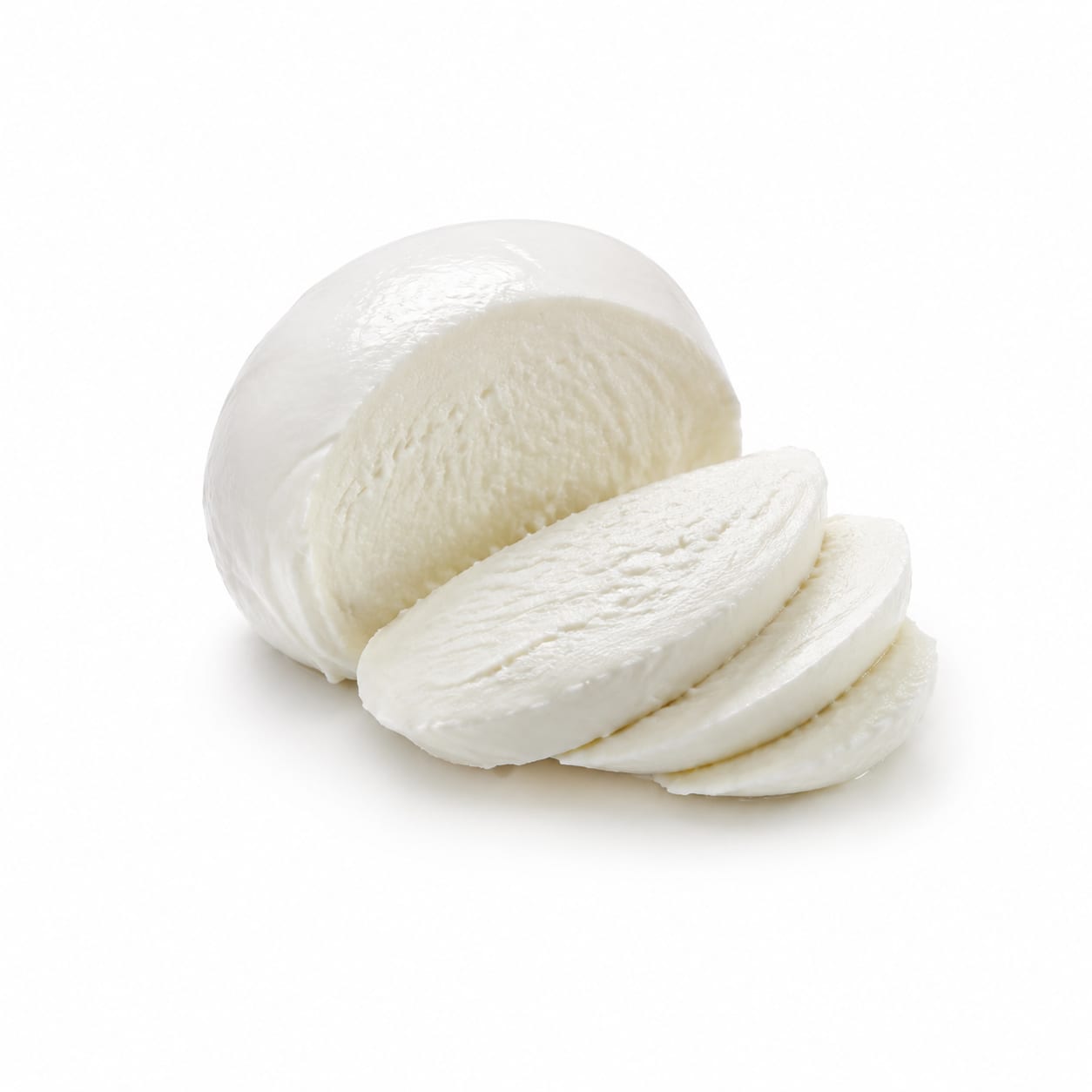
Mozzarella Cheese
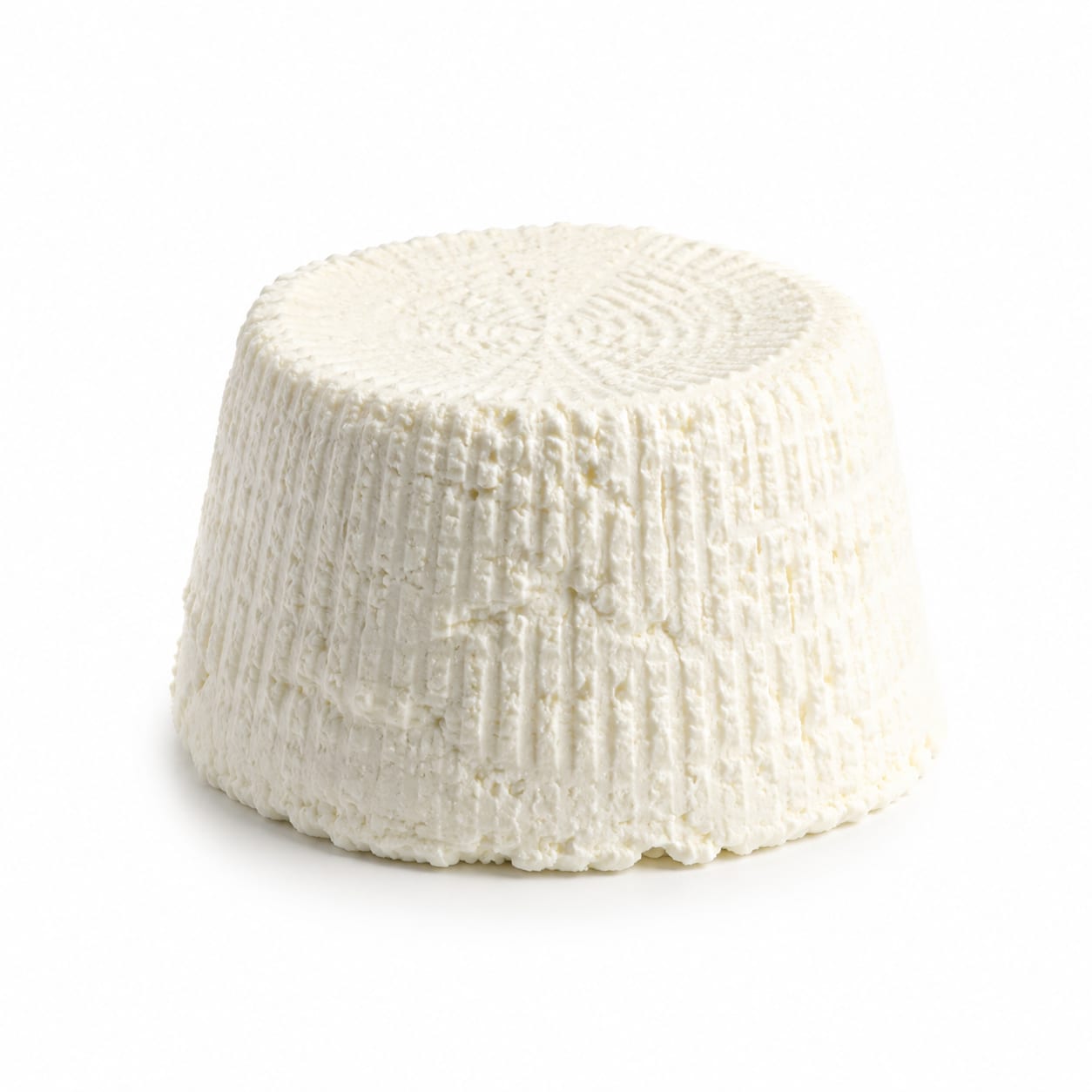
Ricotta Cheese
Mozzarella wins on protein and satiety; ricotta wins on lightness and lower sodium. Pick based on what your meal needs.
Nearly tied because each cheese excels in different contexts. Mozzarella edges ahead on protein and satiety, while ricotta pulls ahead on sodium and calorie lightness. Your specific health goals determine the real winner.
Dense satisfying protein versus lighter fewer-calories-per-bite creaminess
At a glance
Executive summary
Overall
It depends
Healthier
It depends
More practical
Mozzarella Cheese
Daily use
Ricotta Cheese
Key comparison lenses
protein density for meals and snacks
Mozzarella delivers significantly more protein per calorie, making it the go-to for satiety-focused eaters
calorie and fat management
Ricotta's higher water content makes it lighter per serving, which matters for portion-conscious diets
sodium awareness
Mozzarella can be surprisingly salty, especially the low-moisture variety, while ricotta is gentler on sodium
cooking versatility and meal role
Each cheese shines in completely different dishes, so the choice often comes down to what you are making
digestive comfort and lightness
Ricotta feels lighter and easier on the stomach, while mozzarella can feel heavier especially in large amounts
Best choice for
Mozzarella Cheese
- High-protein snackers
- Pizza and sandwich lovers
- People wanting longer-lasting fullness
- Keto and low-carb eaters
Ricotta Cheese
- Calorie-conscious cooks
- People watching sodium intake
- Anyone wanting a lighter cheese experience
- Breakfast and dessert recipes
Least suitable for
Mozzarella Cheese
- Sodium-sensitive individuals
- People who find heavy cheeses hard to digest
- Sweet recipe needs
Ricotta Cheese
- High-protein dieters needing dense protein sources
- Those wanting firm sliceable cheese
- Low-lactose diets since ricotta retains more whey sugars
Deep comparison
Dimension by dimension
Each lens scores both foods and breaks down who each option suits.
- Dimension 1 · Priority 92Mozzarella Cheese
Protein Density and Satiety
Mozzarella Cheese · 88Ricotta Cheese · 62Mozzarella packs roughly double the protein per calorie compared to ricotta, keeping you fuller for longer.
Tradeoff
That protein density comes with more calories per bite and a heavier feeling in your stomach.
Why it matters
If you rely on cheese as a protein source rather than just a flavor, mozzarella does significantly more work per serving.
Real-world impact
A mozzarella stick at 3pm holds you until dinner. Ricotta at 3pm leaves you hunting for a snack an hour later.
Mozzarella Cheese
- Post-workout recovery meals
- High-protein lunch additions
- Anyone trying to stay full between meals
Better for
- Late-night eating when you want something light
- Hot summer meals where heavy cheese feels oppressive
Worse for
Ricotta Cheese
- Light breakfast bowls where you want creaminess without heaviness
- Recipes where cheese is a配角 not the protein star
Better for
- Meals where cheese is your primary protein source
- Athletes needing efficient protein intake
Worse for
- Dimension 2 · Priority 86Ricotta Cheese
Calorie Density and Weight Management
Mozzarella Cheese · 65Ricotta Cheese · 82Ricotta's high water content means fewer calories per spoonful, making portion control feel easier.
Tradeoff
Lower calorie density also means less satisfaction per bite, which can lead to eating more volume to feel full.
Why it matters
For people who eat by volume rather than weighing food, ricotta naturally keeps calories lower without measuring.
Real-world impact
You can spread a generous scoop of ricotta on toast and stay under 150 calories. The same visual amount of mozzarella doubles that.
Mozzarella Cheese
- People who prefer eating smaller portions of rich satisfying food
- Low-carb dieters who count carbs not calories
Better for
- Grazers who eat cheese by the block
- Anyone tracking calories strictly
Worse for
Ricotta Cheese
- Volume eaters who like big portions
- Calorie-counters who want cheese without the guilt
- People transitioning away from heavier cheeses
Better for
- People who feel unsatisfied without dense foods
- Those who end up overeating because the lighter food did not hit the spot
Worse for
- Dimension 3 · Priority 82Ricotta Cheese
Sodium Load
Mozzarella Cheese · 52Ricotta Cheese · 78Ricotta contains significantly less sodium than mozzarella, especially the low-moisture shredded variety.
Tradeoff
Lower sodium means less preservation and shorter shelf life for ricotta, plus milder flavor.
Why it matters
For anyone with blood pressure concerns or who eats cheese daily, sodium adds up fast without you tasting it.
Real-world impact
Two slices of mozzarella on a sandwich can deliver 350mg of sodium. The same amount of ricotta gives you roughly half that.
Mozzarella Cheese
- People who want bolder saltier cheese flavor without adding extra salt
- Those who only eat cheese occasionally so sodium is less concerning
Better for
- Sodium-sensitive individuals
- People eating cheese alongside cured meats or salty sauces
Worse for
Ricotta Cheese
- Anyone monitoring blood pressure
- People who eat cheese multiple times daily
- Home cooks combining cheese with already-salty ingredients
Better for
- Recipes where salt from cheese helps season the dish
- People who find low-sodium cheese bland
Worse for
- Dimension 4 · Priority 75Mozzarella Cheese
Calcium and Bone Support
Mozzarella Cheese · 85Ricotta Cheese · 70Mozzarella delivers more calcium per serving because it is more concentrated with less water diluting the nutrients.
Tradeoff
You also get more saturated fat and calories alongside that calcium in mozzarella.
Why it matters
If cheese is one of your main calcium sources, the denser option gives you more bone-building mineral per bite.
Real-world impact
One ounce of mozzarella covers about 20% of daily calcium needs. Ricotta covers closer to 12-15% for the same weight.
Mozzarella Cheese
- Teenagers building bone density
- Older adults prioritizing calcium intake
- People who do not consume other dairy products
Better for
- People avoiding saturated fat who cannot separate calcium from the fat package
Worse for
Ricotta Cheese
- Those getting calcium from other sources who want cheese for enjoyment not supplementation
Better for
- Anyone relying on cheese as a primary calcium source
Worse for
- Dimension 5 · Priority 78It depends
Cooking Versatility
Mozzarella Cheese · 80Ricotta Cheese · 80Mozzarella dominates savory melting applications. Ricotta owns creamy fillings and sweet dishes. They barely overlap.
Tradeoff
Neither cheese substitutes well for the other in their signature dishes without changing the entire character of the meal.
Why it matters
Choosing between these is usually a recipe-driven decision, not a nutrition-driven one.
Real-world impact
Pizza without mozzarella feels wrong. Lasagna without ricotta feels incomplete. You need both in your fridge for different moods.
Mozzarella Cheese
- Pizza and flatbreads
- Grilled cheese and paninis
- Caprese salads
- Baked pasta toppings where you want that golden stretch
Better for
- Any dessert application
- Dishes requiring a fluffy creamy filling
Worse for
Ricotta Cheese
- Lasagna and stuffed shells fillings
- Cheesecake and cannoli
- Pancake and waffle toppings
- Creamy dips and spreads
Better for
- Anything requiring melting and stretching
- Dishes where you need firm sliceable cheese
Worse for
- Dimension 6 · Priority 72Ricotta Cheese
Digestive Comfort
Mozzarella Cheese · 60Ricotta Cheese · 78Ricotta's softer texture and higher moisture make it gentler on the digestive system for most people.
Tradeoff
Ricotta retains more lactose from the whey, which can bother highly lactose-sensitive individuals despite its softness.
Why it matters
If rich heavy foods leave you sluggish or bloated, the lighter cheese is the safer bet for everyday eating.
Real-world impact
A ricotta breakfast bowl feels easy and comfortable. A mozzarella-heavy meal can sit heavy and make you want a nap.
Mozzarella Cheese
- People with lactose sensitivity who tolerate aged lower-lactose cheeses better
- Those who eat cheese in small enough amounts that heaviness is not an issue
Better for
- People who feel sluggish after heavy meals
- Those with mild dairy sensitivity who notice dense cheese more
Worse for
Ricotta Cheese
- People prone to bloating after heavy dairy meals
- Morning eaters who want something gentle
- Anyone recovering from stomach illness who needs soft easy food
Better for
- Highly lactose-intolerant individuals who react to whey sugars
- Anyone who finds wet creamy textures unappealing
Worse for
Timeline
Health impact over time
Short-term
Hours to days
Mozzarella Cheese
- Strong satiety that reduces between-meal snacking
- Potential thirst from higher sodium content
- Heavy fullness that can cause post-meal sluggishness if overeaten
Ricotta Cheese
- Light comfortable feeling after eating
- Less thirst and bloating compared to denser cheeses
- Faster return of hunger due to lower protein and calorie density
Long-term
Months to years
Mozzarella Cheese
- Better muscle maintenance from higher protein intake if eaten regularly
- Higher sodium exposure could contribute to blood pressure concerns over years
- Stronger calcium intake supporting bone density
Ricotta Cheese
- Easier long-term calorie management from lower energy density
- Lower sodium burden supports cardiovascular health over decades
- Possible insufficient protein if relied on as a primary protein source
Risk profile
Safety & processing
Fresh ricotta is essentially just whey cooked with a little acid, making it one of the simplest cheeses. Mozzarella, especially the pre-shredded low-moisture kind, often contains anti-caking agents and more processing steps. Fresh mozzarella balls are closer to ricotta in naturalness, but the everyday shredded version most people buy is more processed.
Mozzarella Cheese
Listeria in fresh varieties
mediumFresh mozzarella stored in liquid has a shorter shelf life and higher listeria risk than aged cheeses. Pregnant women should avoid fresh unpasteurized versions.
Sodium-related health effects
mediumRegular consumption of higher-sodium mozzarella contributes to cumulative daily sodium intake, especially concerning for people eating multiple salty foods daily.
Ricotta Cheese
Short shelf life and spoilage
mediumRicotta's high moisture content makes it spoil faster than most cheeses. Use within a few days of opening and trust your nose.
Lactose content from whey
lowSince ricotta is made from whey, it retains more lactose than pressed cheeses. Mildly lactose-intolerant people may notice symptoms.
Who wins for whom
Audience fit
Same foods, different winners depending on your goal.
children
Ricotta CheeseRicotta's mild flavor and soft texture are more kid-friendly, and the lower sodium is better for developing bodies.
daily consumption
Ricotta CheeseLower sodium and calorie density make ricotta easier to eat every day without cumulative health concerns.
diabetes
Mozzarella CheeseHigher protein and fat with slightly lower carbohydrate content gives mozzarella a gentler impact on blood sugar.
elderly
It dependsMozzarella for calcium and protein to prevent muscle loss. Ricotta for easier chewing and lower sodium for heart health. Priorities vary by individual.
muscle gain
Mozzarella CheeseMozzarella delivers more protein per calorie and per gram, making it more efficient for muscle-building diets.
weight loss
Ricotta CheeseRicotta's lower calorie density lets you eat satisfying portions without overshooting your daily target.
Your move
Decision guide
Choose Mozzarella Cheese
- You want a high-protein cheese that keeps you full for hours
- You are making pizza, grilled cheese, or caprese salad
- You are on a low-carb or keto diet and need efficient protein
- You struggle to get enough protein and want cheese to help
Choose Ricotta Cheese
- You want a lighter cheese that does not weigh you down
- You are watching sodium for blood pressure or heart health
- You are making lasagna, stuffed shells, or a sweet ricotta dessert
- You prefer eating larger portions without high calorie counts
Either works if
- You are making a cheese board and want variety
- You are mixing cheeses into a baked pasta dish
- You just want some dairy calcium and either will do the job
Avoid both if
- You are strictly avoiding dairy or saturated fat
- You have severe lactose intolerance and cannot tolerate any cheese
- Your doctor has advised a very low-sodium and low-fat diet simultaneously
Final recommendation
Keep both in your kitchen. Use mozzarella when protein and satisfaction matter most. Use ricotta when you want something lighter, lower in sodium, or creamier. If you must pick one for daily eating, ricotta is gentler on your body long-term. If you must pick one for fitness goals, mozzarella does more nutritional work per bite.
Practical
Consumer tips
- 1
Buy fresh mozzarella in ball form rather than pre-shredded to avoid anti-caking additives like cellulose
- 2
Part-skim mozzarella gives you most of the protein with noticeably less fat and fewer calories
- 3
Drain ricotta in a fine mesh strainer for 30 minutes before using in recipes to avoid watery lasagna or cannoli filling
- 4
Check sodium labels carefully across brands because mozzarella sodium content varies wildly
- 5
Ricotta made from sheep or goat milk is easier to digest for some people and has a richer flavor
- 6
Freeze extra ricotta in ice cube trays if you cannot finish the container before it spoils