
Nutrition comparison
Mozzarella vs Gouda Cheese: Which Is Healthier for Daily Eating?
Compare Mozzarella and Gouda cheese on calories, sodium, vitamin K2, lactose, and bone health. Find out which cheese fits your diet and lifestyle better.
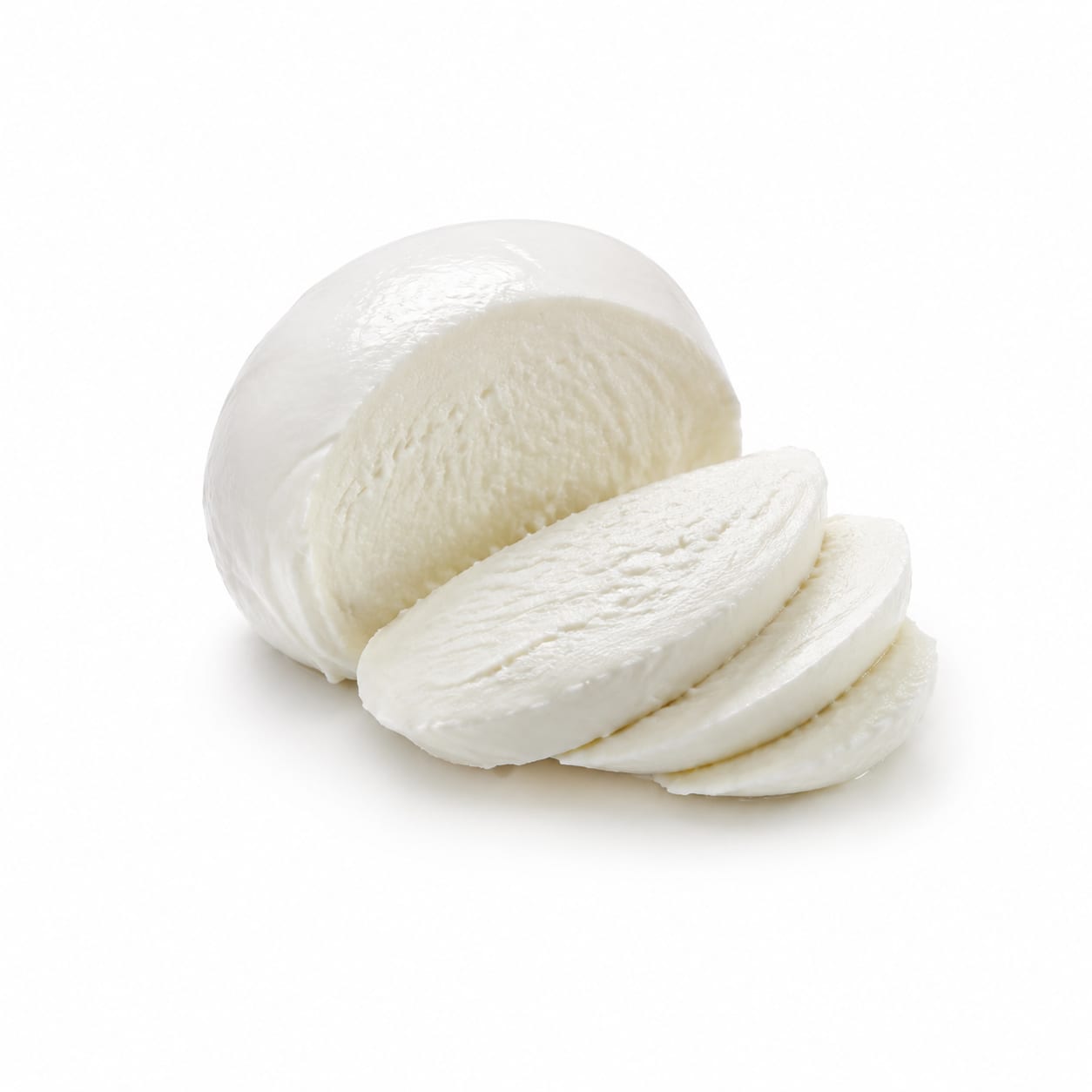
Mozzarella Cheese
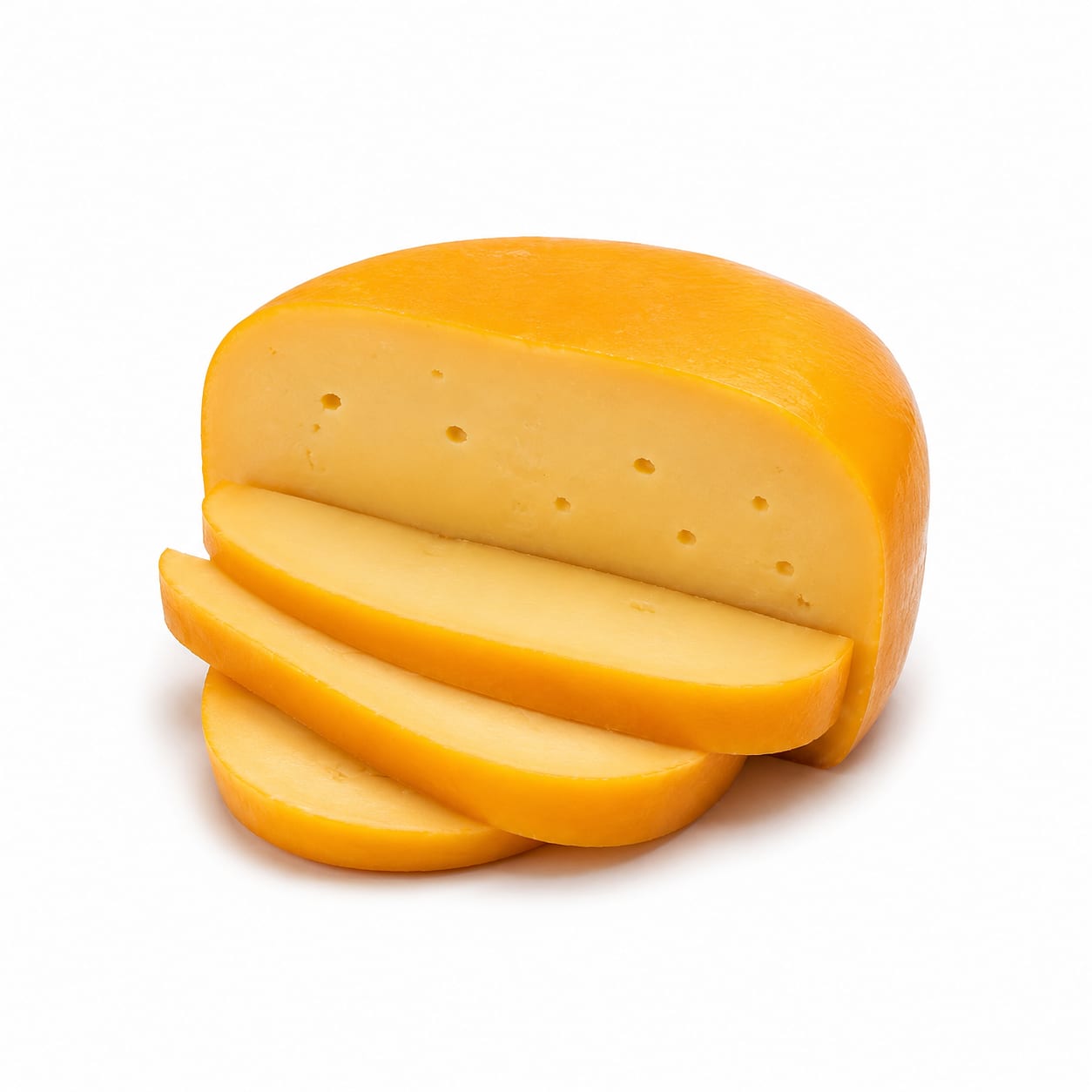
Gouda Cheese
Mozzarella is lighter and lower in sodium, while Gouda is more nutrient-dense and easier on lactose-sensitive stomachs.
Mozzarella edges ahead slightly due to lower sodium and calories, making it easier to eat regularly without health tradeoffs. Gouda wins on nutrient density but carries a higher sodium and calorie burden that requires more mindful portioning.
Mozzarella gives you fewer calories and less sodium, but Gouda rewards you with more calcium, vitamin K2, and deeper flavor per bite.
At a glance
Executive summary
Overall
It depends
Healthier
It depends
More practical
Mozzarella Cheese
Daily use
Mozzarella Cheese
Key comparison lenses
Which cheese is healthier for daily eating?
Both are popular everyday cheeses, so users want to know which one to keep in the fridge long-term
Sodium and heart health tradeoffs
Cheese is a major sodium source, and the difference between these two is significant for blood pressure management
Bone health and nutrient density
Both cheeses deliver calcium and vitamin K2, but Gouda's aging process concentrates bone-supporting nutrients
Weight management and calorie control
Mozzarella is leaner, making it more appealing for portion-conscious eaters
Lactose tolerance and digestibility
Aged Gouda is nearly lactose-free, which matters for sensitive individuals
Best choice for
Mozzarella Cheese
- People watching their sodium intake
- Weight-conscious snackers who want a lighter cheese
- Anyone meal-prepping salads or light lunches
- Families wanting a kid-friendly, mild-tasting cheese
Gouda Cheese
- Those with lactose sensitivity who still want cheese
- People prioritizing bone health and vitamin K2 intake
- Flavor seekers who eat smaller portions of richer cheese
- Anyone wanting a satisfying cheese that pairs well with fruit or nuts as a snack
Least suitable for
Mozzarella Cheese
- Lactose-intolerant individuals who react to fresh dairy
- People seeking bold, complex cheese flavor
- Anyone looking for concentrated vitamin K2 from food
Gouda Cheese
- People on strict low-sodium diets
- Calorie counters who struggle with portion control on rich foods
- Those who prefer mild, neutral-flavored cheese
Deep comparison
Dimension by dimension
Each lens scores both foods and breaks down who each option suits.
- Dimension 1 · Priority 88Mozzarella Cheese
Calorie Density and Weight Management
Mozzarella Cheese · 78Gouda Cheese · 58Mozzarella is significantly lower in calories and fat, making it easier to enjoy without overdoing daily intake.
Tradeoff
Gouda's richer flavor can satisfy with smaller amounts, but it's easier to accidentally overeat calorie-dense portions.
Why it matters
If you eat cheese daily, even a 50-80 calorie difference per serving adds up over weeks and months.
Real-world impact
A mozzarella caprese salad feels light after eating. A Gouda-heavy sandwich can leave you feeling heavier and more sluggish.
Mozzarella Cheese
- Weight loss diets
- Light meal builders
- People who eat larger cheese portions
Better for
- Very low-carb diets needing higher fat intake
Worse for
Gouda Cheese
- Keto or low-carb eaters who want calorie-dense fat sources
- Those who naturally eat small cheese portions
Better for
- Consistent calorie surplus risk
- Mindless snacking scenarios
Worse for
- Dimension 2 · Priority 90Mozzarella Cheese
Sodium and Heart Health
Mozzarella Cheese · 72Gouda Cheese · 48Mozzarella contains roughly half the sodium of Gouda, making it the clearly better choice for blood pressure management.
Tradeoff
Gouda's salt is part of what makes it taste so good, but that same salt makes it a risk for daily heavy consumption.
Why it matters
High sodium intake is the leading dietary risk factor for hypertension, and cheese is a top contributor in Western diets.
Real-world impact
Two slices of Gouda can deliver 400-500mg of sodium — nearly a quarter of your daily limit. Mozzarella keeps you well under that.
Mozzarella Cheese
- People with high blood pressure
- Anyone eating cheese multiple times per day
- Older adults monitoring sodium
Better for
- Those who need extra electrolytes after heavy sweating
Worse for
Gouda Cheese
- Endurance athletes who need sodium replenishment
Better for
- Salt-sensitive individuals
- People with kidney disease
- Anyone already eating processed foods high in sodium
Worse for
- Dimension 3 · Priority 85Gouda Cheese
Bone Health and Nutrient Density
Mozzarella Cheese · 65Gouda Cheese · 82Gouda is one of the best dietary sources of vitamin K2 and delivers more calcium per serving than Mozzarella.
Tradeoff
You get more bone-building nutrients in Gouda, but you also get more sodium and calories alongside them.
Why it matters
Vitamin K2 directs calcium into bones rather than arteries. Most people get far too little of it, and aged Gouda is a rare excellent source.
Real-world impact
A small serving of aged Gouda with dinner a few times a week can meaningfully boost K2 intake in a way Mozzarella simply cannot match.
Mozzarella Cheese
- Those already taking K2 supplements
- People who get calcium from other dairy sources
Better for
- Those relying on cheese as a primary calcium/K2 source
Worse for
Gouda Cheese
- Postmenopausal women concerned about bone density
- Anyone not supplementing vitamin K2
- Older adults needing concentrated nutrition in small portions
Better for
- People who cannot tolerate the sodium that comes with the nutrient density
Worse for
- Dimension 4 · Priority 78Gouda Cheese
Lactose Tolerance and Digestibility
Mozzarella Cheese · 50Gouda Cheese · 82Aged Gouda is essentially lactose-free, while fresh Mozzarella still contains noticeable amounts that can trigger symptoms.
Tradeoff
If lactose bothers you, aged Gouda opens up cheese-eating possibilities that Mozzarella cannot safely offer.
Why it matters
Roughly 65% of the global population has some degree of lactose malabsorption, making this a widespread concern.
Real-world impact
Someone who feels bloated after a mozzarella salad might handle aged Gouda with zero digestive issues.
Mozzarella Cheese
- People with no lactose sensitivity
- Those who prefer the texture of fresh cheese
Better for
- Lactose-sensitive eaters
- Those prone to bloating from dairy
Worse for
Gouda Cheese
- Lactose-intolerant individuals
- People with IBS triggered by lactose
- Anyone who has avoided cheese due to digestive discomfort
Better for
- Very young children who may prefer milder cheese regardless
Worse for
- Dimension 5 · Priority 75Gouda Cheese
Satiety and Eating Satisfaction
Mozzarella Cheese · 62Gouda Cheese · 78Gouda's richer flavor and higher fat content make it more satisfying per bite, reducing the urge to keep eating.
Tradeoff
Mozzarella is lighter and you can eat more of it, but you may feel hungry sooner afterward.
Why it matters
Satisfaction per calorie matters. A small piece of Gouda can end a craving that mozzarella barely dents.
Real-world impact
Two small cubes of aged Gouda alongside some almonds feels like a complete snack. Mozzarella often needs crackers or bread to feel equally satisfying.
Mozzarella Cheese
- Meals where cheese is a complement, not the star
- Hot dishes where cheese melts into other ingredients
Better for
- Situations where cheese alone needs to satisfy hunger
Worse for
Gouda Cheese
- Standalone cheese snacking
- Charcuterie boards and appetizer spreads
- Evening snacking where you want a small amount to feel done
Better for
- Meals where rich cheese would overpower other flavors
Worse for
- Dimension 6 · Priority 70Mozzarella Cheese
Culinary Versatility
Mozzarella Cheese · 85Gouda Cheese · 68Mozzarella melts beautifully, works in salads, sandwiches, pizzas, and baked dishes with equal ease.
Tradeoff
Gouda excels in specific applications like grilled cheese and cheese boards but is less universally adaptable.
Why it matters
A cheese you can use in more meals is easier to keep stocked without waste.
Real-world impact
Mozzarella goes from a caprese salad at lunch to a melted pizza topping at dinner. Gouda is best in its comfort zone.
Mozzarella Cheese
- Cooking families who need one cheese for everything
- Pizza and pasta lovers
- Meal preppers who want a neutral cheese base
Better for
- Snacking cheese occasions where flavor should shine alone
Worse for
Gouda Cheese
- Grilled cheese enthusiasts
- Cheese board entertainers
- Those who enjoy cheese as a standalone experience
Better for
- Light cooking where Gouda's strong flavor would dominate
Worse for
Timeline
Health impact over time
Short-term
Hours to days
Mozzarella Cheese
- Lighter post-meal feeling due to lower fat content
- Less bloating risk than heavier cheeses, though lactose-sensitive individuals may still notice discomfort
- Lower sodium means less immediate thirst or water retention
Gouda Cheese
- More immediate satiety from higher fat and protein density
- Possible thirst after eating due to higher sodium content
- Lactose-sensitive individuals may notice aged Gouda is surprisingly well-tolerated
Long-term
Months to years
Mozzarella Cheese
- Easier to maintain as a daily cheese habit without sodium-related blood pressure concerns
- Lower calorie load supports sustainable weight management when eaten regularly
- Less vitamin K2 intake means missing a key bone and cardiovascular nutrient if cheese is your main dairy source
Gouda Cheese
- Consistent vitamin K2 intake supports bone density and may help keep calcium out of arteries
- Higher sodium intake from daily Gouda consumption could contribute to elevated blood pressure over time
- Rich flavor encourages smaller, more mindful portions, which can naturally limit overconsumption
Risk profile
Safety & processing
Both cheeses are traditional fermented dairy products with minimal additives. Fresh mozzarella is essentially just milk, cultures, rennet, and salt. Gouda adds an aging step but remains a whole food. Neither typically contains preservatives, emulsifiers, or artificial colors. The main difference is that Gouda's longer aging and salt content place it slightly further from its raw milk origins.
Mozzarella Cheese
Listeria contamination in fresh varieties
mediumFresh mozzarella has high moisture content, which creates a more hospitable environment for bacterial growth if not stored properly. Pregnant women should be particularly cautious with fresh mozzarella.
Spoilage from short shelf life
lowFresh mozzarella spoils faster than aged cheeses. Always check expiration dates and consume within a few days of opening.
Gouda Cheese
Histamine content in aged varieties
mediumAged Gouda contains higher levels of biogenic amines like histamine, which can trigger headaches or digestive issues in sensitive individuals.
Sodium-related health effects with regular consumption
mediumThe higher salt content is not an acute safety risk but contributes to chronic blood pressure concerns when Gouda is eaten frequently.
Who wins for whom
Audience fit
Same foods, different winners depending on your goal.
children
Mozzarella CheeseMilder flavor, softer texture, and lower sodium make Mozzarella more kid-friendly and appropriate for developing palates.
daily consumption
Mozzarella CheeseLower sodium and calories make Mozzarella the safer everyday choice, while Gouda is better reserved for a few times per week.
diabetes
Mozzarella CheeseBoth cheeses are low in carbs, but Mozzarella's lower sodium reduces cardiovascular risk, which is critical for diabetics.
elderly
Gouda CheeseGouda's concentrated calcium and vitamin K2 directly address the bone density concerns that increase with age, and its near-zero lactose is easier on aging digestive systems.
muscle gain
Gouda CheeseGouda provides slightly more protein per serving along with more calories to support a surplus, and its vitamin K2 supports bone strength under training stress.
weight loss
Mozzarella CheeseLower calories and fat make Mozzarella easier to fit into a calorie deficit without feeling deprived.
Your move
Decision guide
Choose Mozzarella Cheese
- You eat cheese daily and need to watch sodium or calories
- You cook a lot of Italian dishes, pizzas, or salads
- You prefer a lighter, milder cheese that blends into meals
- You are feeding kids who need lower-sodium options
Choose Gouda Cheese
- You are lactose-sensitive but still want to enjoy cheese
- You care about maximizing vitamin K2 and calcium from food
- You eat cheese as a standalone snack and want deep satisfaction from small portions
- You are building a charcuterie board or cheese-focused appetizer
Either works if
- You just need a cheese for a sandwich and both are available
- You are not sodium-sensitive and eat cheese in moderation
- You want protein and fat to round out a meal
Avoid both if
- You have a dairy allergy (not just lactose intolerance)
- You are on a strict vegan diet
- You have severe sodium restrictions from your doctor
- You are trying to eliminate saturated fat from your diet entirely
Final recommendation
Keep Mozzarella as your everyday cheese for its lighter profile and lower sodium. Add aged Gouda a few times a week as a nutrient-dense, deeply satisfying complement. This combination gives you the best of both: daily flexibility from Mozzarella and targeted bone-supporting K2 from Gouda, without overloading on sodium or calories from either one alone.
Practical
Consumer tips
- 1
Look for low-moisture Mozzarella if you want better melting on pizzas and longer shelf life than fresh varieties
- 2
Aged Gouda (12+ months) has the most vitamin K2 and the least lactose — the longer it's aged, the better for both
- 3
Pre-portion Gouda into small cubes or slices to avoid accidentally eating too much of its calorie-dense richness
- 4
If sodium is a concern, rinse fresh Mozzarella briefly before eating to remove surface brine
- 5
Smoked Gouda is delicious but often higher in sodium and contains smoke-derived compounds — stick to regular aged Gouda for health benefits
- 6
Buffalo Mozzarella is richer and more flavorful than standard cow's milk Mozzarella, but also higher in calories and cost