
Nutrition comparison
Mozzarella Cheese vs Cottage Cheese: Which is Healthier?
Compare Mozzarella Cheese vs Cottage Cheese for protein, weight loss, sodium, and more. Find out which cheese is better for your diet and health goals.
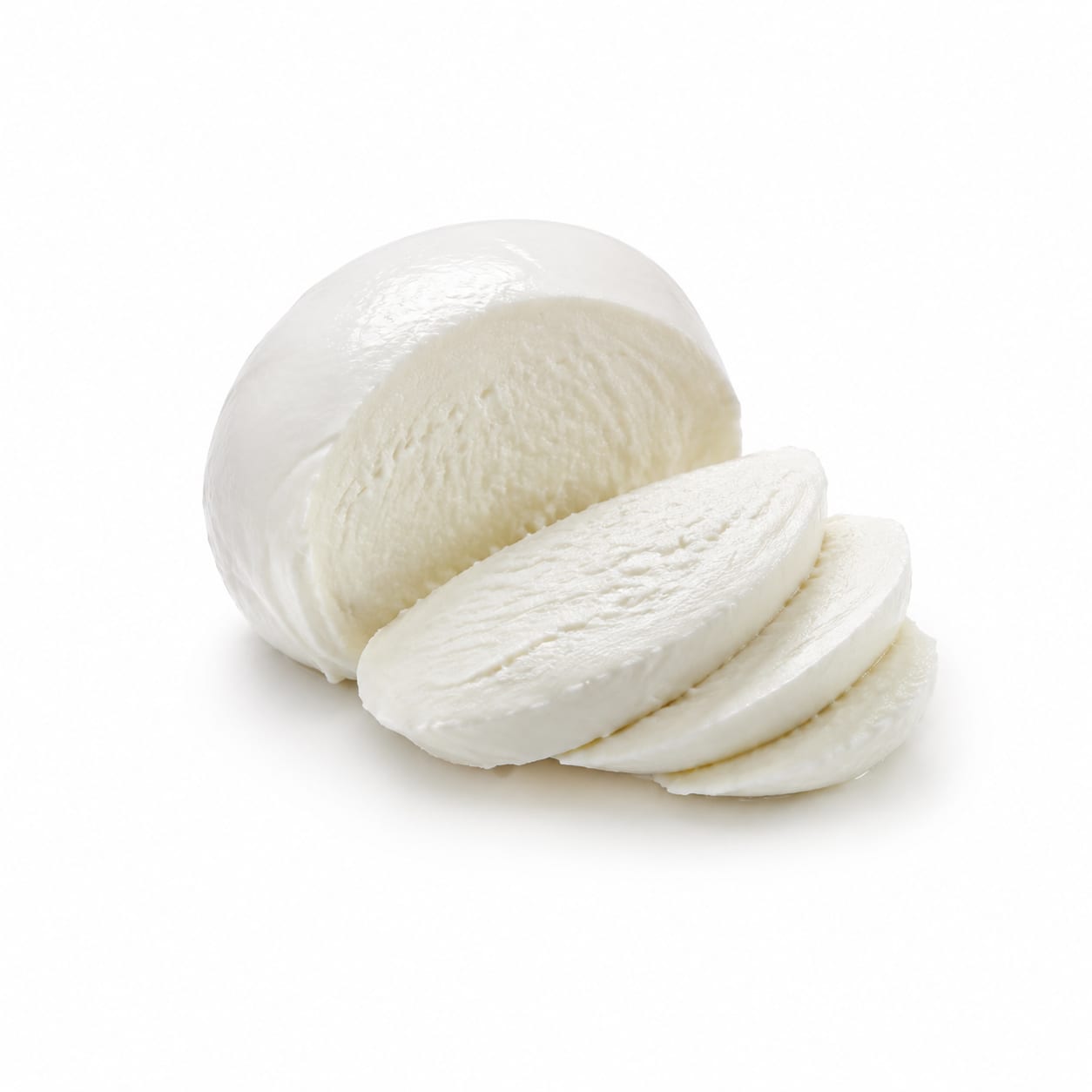
Mozzarella Cheese
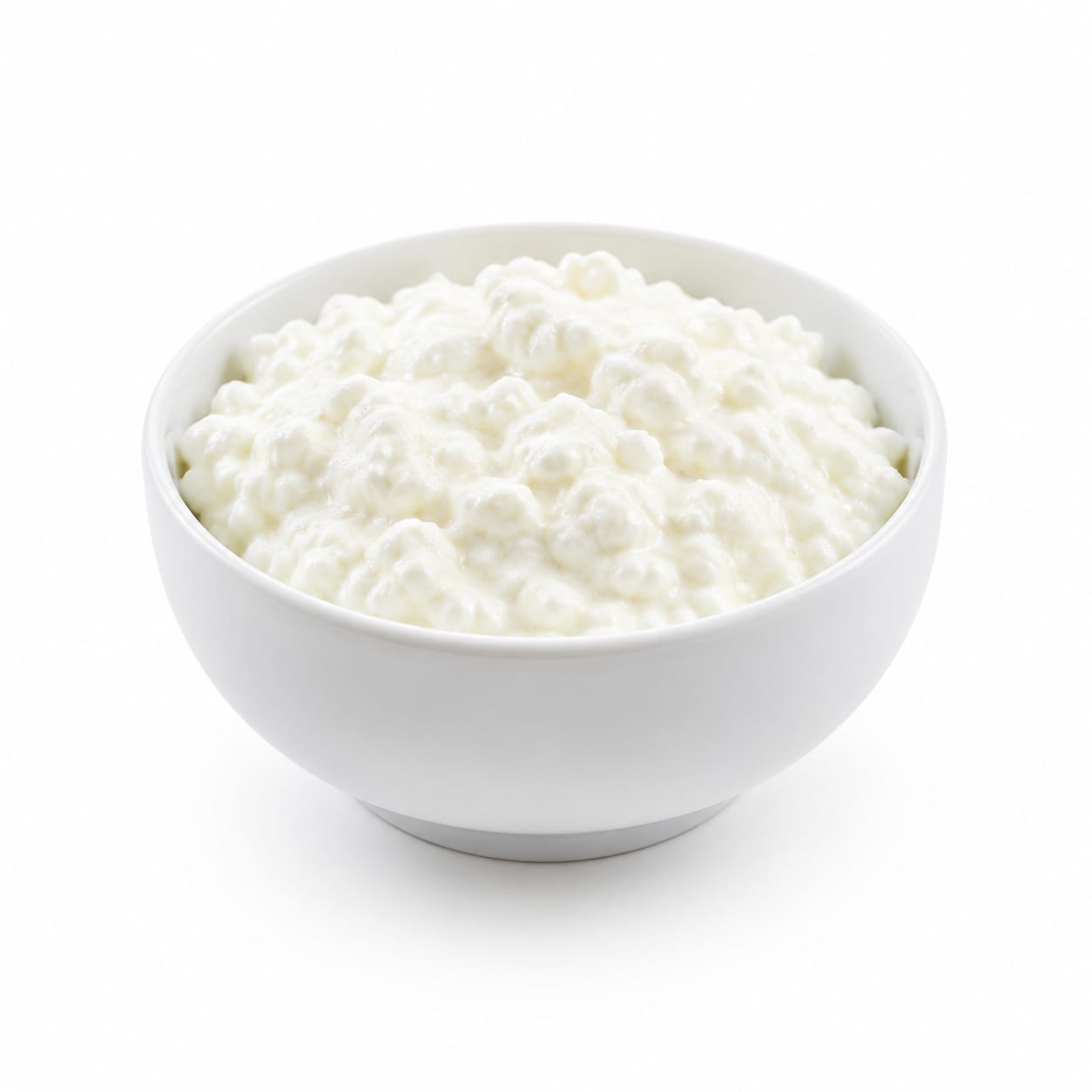
Cottage Cheese
Cottage Cheese dominates for protein and weight loss, while Mozzarella Cheese wins for flavor, melting, and lower sodium.
Cottage Cheese scores slightly higher due to its exceptional protein-to-calorie ratio, though Mozzarella Cheese remains competitive thanks to lower sodium and broader culinary appeal.
You trade the high protein and low calories of Cottage Cheese for the superior taste, meltability, and lower sodium of Mozzarella Cheese.
At a glance
Executive summary
Overall
It depends
Healthier
Cottage Cheese
More practical
Mozzarella Cheese
Daily use
Cottage Cheese
Key comparison lenses
Weight loss and body composition
Cottage Cheese is a classic diet food due to its high volume and low calorie density, while Mozzarella Cheese is more calorie-dense.
Protein intake and muscle building
Both are dairy proteins, but Cottage Cheese is heavily favored for its slow-digesting casein and high protein-per-calorie ratio.
Sodium and blood pressure concerns
Cottage Cheese is notoriously high in sodium, which often surprises health-conscious consumers, whereas Mozzarella Cheese is comparatively moderate.
Culinary use and versatility
Mozzarella Cheese is a kitchen staple for melting and cooking, while Cottage Cheese is mostly eaten as a standalone snack or breakfast.
Best choice for
Mozzarella Cheese
- Pizza and pasta lovers
- People watching their sodium intake
- Those wanting a satisfying melting cheese
Cottage Cheese
- Weight loss diets
- Late-night slow-digesting protein
- High-protein low-calorie snackers
Least suitable for
Mozzarella Cheese
- Strict calorie counters
- Large portion eaters
- People avoiding high-fat dairy
Cottage Cheese
- Sodium-sensitive individuals
- Those who dislike lumpy textures
- Dishes requiring melted cheese
Deep comparison
Dimension by dimension
Each lens scores both foods and breaks down who each option suits.
- Dimension 1 · Priority 95Cottage Cheese
Satiety & Fullness
Mozzarella Cheese · 65Cottage Cheese · 92Cottage Cheese keeps you full much longer due to its massive protein content and high water volume.
Tradeoff
Mozzarella Cheese is more calorie-dense, so you get less volume per serving, making it easier to overeat.
Why it matters
Staying full between meals prevents snacking and helps maintain a calorie deficit effortlessly.
Real-world impact
A bowl of Cottage Cheese at lunch can easily keep you satisfied until dinner, while a Mozzarella stick might leave you hunting for snacks an hour later.
Mozzarella Cheese
- Quick energy before a workout
- Smaller, calorie-dense portions
Better for
- Large portion control
- Mindless snacking
Worse for
Cottage Cheese
- Curbing afternoon cravings
- Staying full on a diet
Better for
- Feeling too heavy before intense exercise
Worse for
- Dimension 2 · Priority 90Cottage Cheese
Calorie Density & Fat Profile
Mozzarella Cheese · 55Cottage Cheese · 88Cottage Cheese delivers far more food volume and protein for far fewer calories, especially if you choose low-fat versions.
Tradeoff
Mozzarella Cheese relies heavily on saturated fat for its calories, which is fine in moderation but adds up quickly in pizzas or caprese salads.
Why it matters
Managing calorie density is the single most effective lever for sustainable weight management.
Real-world impact
You can eat a full cup of low-fat Cottage Cheese for roughly the same calories as a single ounce of Mozzarella Cheese.
Mozzarella Cheese
- Keto or low-carb diets
- Adding richness to bland meals
Better for
- Heart health if overconsumed
- Weight gain risk
Worse for
Cottage Cheese
- Cutting calories without starving
- Lean bulking
Better for
- Feeling deprived of rich flavors
Worse for
- Dimension 3 · Priority 85Mozzarella Cheese
Sodium Load
Mozzarella Cheese · 75Cottage Cheese · 40Mozzarella Cheese is surprisingly moderate in sodium, while Cottage Cheese is a hidden sodium bomb.
Tradeoff
Choosing Cottage Cheese for protein means you must watch your sodium intake from other meals throughout the day.
Why it matters
High sodium intake drives up blood pressure and causes bloating, undermining the health benefits of a high-protein diet.
Real-world impact
A single cup of Cottage Cheese can pack nearly half your daily sodium limit, leaving you puffy and thirsty.
Mozzarella Cheese
- Blood pressure management
- Reducing morning bloating
Better for
- Those needing high sodium after heavy sweating
Worse for
Cottage Cheese
- Post-workout rehydration (sodium helps retain water)
Better for
- Salt-sensitive individuals
- People with hypertension
Worse for
- Dimension 4 · Priority 80Mozzarella Cheese
Culinary Versatility & Enjoyment
Mozzarella Cheese · 95Cottage Cheese · 50Mozzarella Cheese is a kitchen superstar that melts beautifully, while Cottage Cheese remains a niche ingredient mostly eaten alone.
Tradeoff
You sacrifice the melt and stretch of Mozzarella Cheese if you rely solely on Cottage Cheese for protein.
Why it matters
Food has to taste good and fit your recipes, or you won't stick to your diet long-term.
Real-world impact
Mozzarella Cheese makes homemade pizza and lasagna possible; Cottage Cheese often gets choked down plain or blended into hiding.
Mozzarella Cheese
- Family meals
- Comfort food cravings
- Entertaining guests
Better for
- Raw vegan or dairy-free diets
Worse for
Cottage Cheese
- Quick no-cook breakfasts
- Blending into smoothies for protein
Better for
- Gourmet cooking
- Hot sandwiches
Worse for
Timeline
Health impact over time
Short-term
Hours to days
Mozzarella Cheese
- Quick energy from fat
- Satisfying mouthfeel
- Possible constipation if eaten without fiber
Cottage Cheese
- High satiety from casein protein
- Possible bloating from sodium
- Steady energy without a sugar crash
Long-term
Months to years
Mozzarella Cheese
- Increased saturated fat intake if overconsumed
- Good calcium for bone density
- Potential cardiovascular risk if diet is unbalanced
Cottage Cheese
- Excellent muscle preservation into old age
- Risk of elevated blood pressure from sodium
- Strong bone health from high calcium and protein
Risk profile
Safety & processing
Both are relatively simple dairy products made from milk, cultures, and salt, though low-moisture Mozzarella Cheese may contain stabilizers.
Mozzarella Cheese
Listeria (fresh varieties)
mediumFresh Mozzarella Cheese has higher water activity, making it slightly more susceptible to bacterial growth if not kept cold.
Cottage Cheese
Sodium overload
mediumNot a pathogen, but the extreme sodium levels in Cottage Cheese pose a functional health risk to blood pressure.
Who wins for whom
Audience fit
Same foods, different winners depending on your goal.
children
Mozzarella CheeseKids overwhelmingly prefer the mild, melty texture of Mozzarella Cheese over the lumpy texture of Cottage Cheese.
daily consumption
Cottage CheeseFor a daily protein staple, Cottage Cheese is hard to beat, provided your sodium budget can handle it.
diabetes
Cottage CheeseCottage Cheese has nearly zero carbs and high protein, stabilizing blood sugar better than the higher-fat Mozzarella Cheese.
elderly
It dependsCottage Cheese helps prevent age-related muscle loss, but its high sodium is risky for blood pressure; Mozzarella Cheese is easier to chew and lower in salt.
muscle gain
Cottage CheeseThe high casein protein content in Cottage Cheese provides a slow, steady drip of amino acids, perfect for overnight muscle repair.
weight loss
Cottage CheeseCottage Cheese offers massive volume and protein for very few calories, making dieting far more tolerable.
Your move
Decision guide
Choose Mozzarella Cheese
- You are making pizza, lasagna, or a caprese salad
- You are sensitive to sodium or have high blood pressure
- You want a delicious, meltable cheese for family meals
- You follow a keto diet and need higher fat
Choose Cottage Cheese
- You want to lose weight without feeling starved
- You need a high-protein, late-night snack
- You are bodybuilding and need slow-digesting casein
- You want a quick, no-cook breakfast
Either works if
- You need a low-carb, high-protein snack
- You want to boost your calcium intake
- You are looking for a meatless protein source
Avoid both if
- You are lactose intolerant (though some tolerate these well)
- You are strictly vegan
- You have a dairy allergy
Final recommendation
Keep both in your fridge: use Mozzarella Cheese for cooking and flavor, and Cottage Cheese for filling, high-protein snacks. If you must pick one for overall health and body composition, Cottage Cheese wins, but choose a low-sodium brand if possible.
Practical
Consumer tips
- 1
Rinse Cottage Cheese under cold water to remove up to 30% of the sodium if you are watching your blood pressure.
- 2
Buy low-moisture, part-skim Mozzarella Cheese to get the melt you love with less saturated fat.
- 3
Blend Cottage Cheese into smoothies or pancake batter—it disappears completely and adds a massive protein boost without altering the taste.
- 4
Opt for fresh Mozzarella Cheese for caprese, but stick to low-moisture blocks for pizza to avoid a soggy crust.