
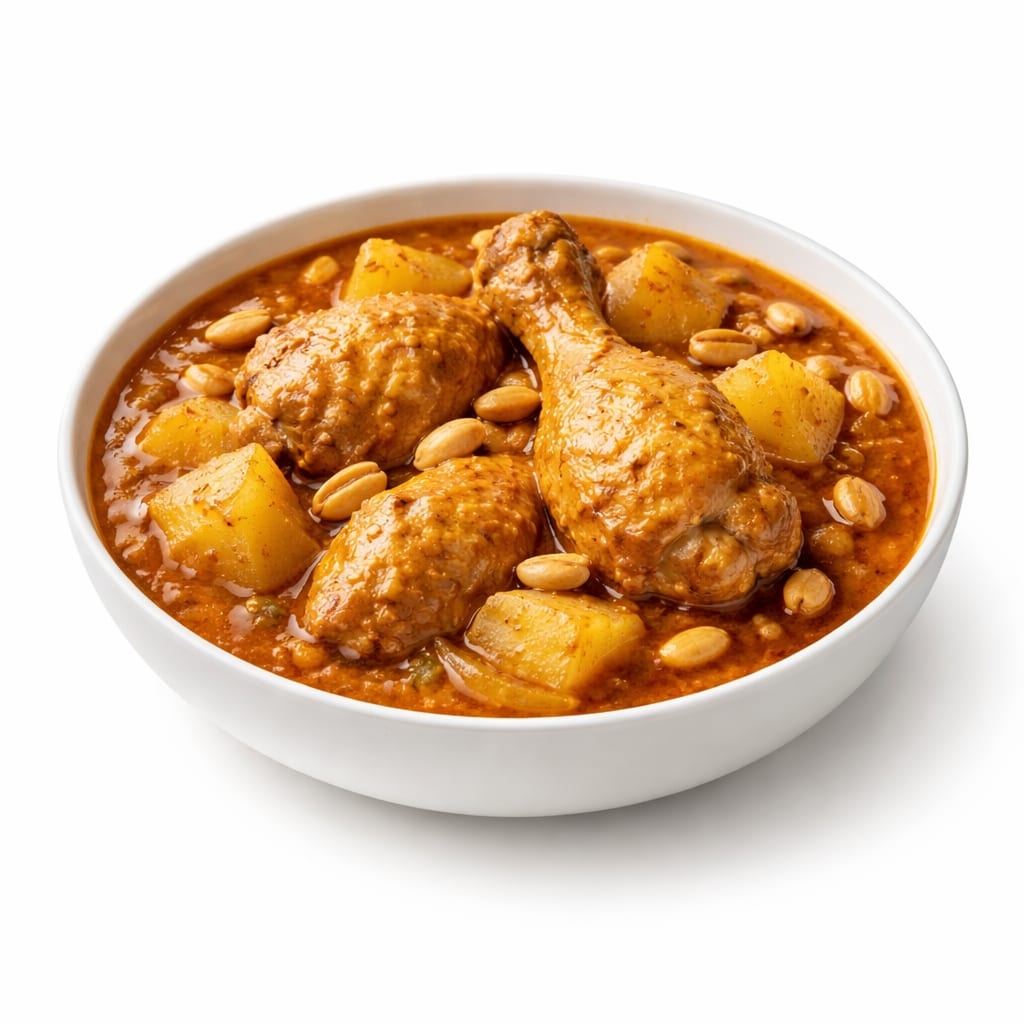
Curry / Thai Cuisine
Massaman Curry
A rich, peanut-and-potato-based Thai curry with a mild, warming spice profile and high fat content.
A rich, mild Thai curry influenced by Indian and Malay cuisines, made with coconut milk, roasted spices, potatoes, peanuts, and typically beef or chicken.
fat-dense protein-rich composite dish
Typical serving · 250g
Common varieties · chicken massaman, beef massaman, tofu massaman, pork massaman, duck massaman
Overall context score across nutrition, safety, and diet fit
At a glance
Quick facts
Simple indicators based on nutrition, processing, and diet fit.
The story
What makes it unique
High fat content from coconut milk slows gastric emptying, resulting in a moderate glycemic response despite the presence of potatoes. Protein content supports muscle maintenance, while saturated fat contributes to high energy density and prolonged satiety.
Varieties: chicken massaman · beef massaman · tofu massaman · pork massaman · duck massaman
Per 100g
Nutrition breakdown
Macro balance and key metrics at a glance.
Energy
Density 1.40 kcal/g
Protein
Carbs
Fat
Fiber
Sugar
2.5 g
Sodium
350 mg
Potassium
250 mg
Glycemic index
50
Glycemic load
4
Water content
70%
Standout compounds
Nutrient highlights
Saturated Fat
highProvides dense, long-lasting energy and slows digestion for extended satiety
Manganese
moderateSupports bone health and metabolic function from spices and peanuts
Protein
moderateEssential for muscle repair and maintenance
Potassium
moderateHelps regulate fluid balance and blood pressure
Wellness map
Health scores & processing
NOVA processing scale
moderate · Whole food
Traditional preparation uses whole spices and coconut milk, but commercial pastes often contain added sugars, preservatives, and flavor enhancers.
Diet compatibility
- Weight loss
- Muscle gain
- Diabetes
- Gut health
- Low carb
- High protein
- Heart health
Relative standing
Food rankings
Qualitative ranks compared to similar whole foods.
- Satietygood
- Blood sugarmoderate
- Nutrient densitymoderate
- Fitness fuelgood
- Processing qualitymoderate
Eat with confidence
Food safety profile
Primary safety concerns relate to the sourcing of spices and the use of BPA-lined cans for coconut milk rather than microbial risks.
Evidence confidence 80%
- Pesticidesmoderate
- Antibioticsmoderate
- Heavy metalsmoderate
- Contaminationlow
Watch for
- lead in spice blends
- BPA in canned coconut milk
Safer choices
Organic spice blends, BPA-free canned or carton coconut milk, and sustainably raised animal proteins.
Prep tips
Making curry paste from scratch using fresh spices eliminates the risk of adulterated commercial spice blends.
Spice supply chains occasionally face scrutiny for heavy metal adulteration, particularly in turmeric and chili powders.
Deep dive
Health analysis
How this food may fit different goals and preparation choices.
Weight loss
Challenging for weight loss due to high energy density from coconut milk; portion control is essential.
Blood sugar
Fat content blunts the glycemic impact of potatoes, but total carbohydrate load still requires monitoring for diabetics.
Fitness & energy
Good post-workout protein source if made with chicken or beef, but high fat may slow digestion if eaten too close to exercise.
Gut health
Spices like cardamom and cinnamon may aid digestion, but high fat content can trigger reflux in sensitive individuals.
Processing quality
Highly variable; homemade with fresh spices is superior to jarred pastes with hidden sugars and excess sodium.
Food safety
Heavy metals in spice supply chains and BPA exposure from canned coconut milk are the primary risks.
Common mistakes
Assuming it is a low-calorie health food because it is a stew, or consuming large portions paired with white rice.
Best preparation
Use light coconut milk, lean chicken breast, and homemade spice paste to reduce calories and sodium while retaining flavor.
Practical guide
Best use cases
When and how this food fits real eating patterns.
post-workout recovery meal
Provides a robust mix of protein for muscle repair and carbohydrates to replenish glycogen stores.
high-calorie bulking phase
The high energy density from coconut milk and peanuts makes it easy to consume surplus calories for muscle gain.
cold-weather comfort food
The rich, warming spices and high fat content provide a highly satisfying and warming meal experience.
Balance sheet
Pros & cons
Upsides
- Highly filling due to fat and protein content
- Provides a good source of dietary protein
- Rich in warming, anti-inflammatory spices
- Mild flavor makes it accessible to those sensitive to spice
Trade-offs
- Very high in saturated fat from coconut milk
- Calorie-dense, making portion control difficult
- Often contains hidden sugars in commercial pastes
- Potatoes add refined-style carbohydrates without much fiber
Fit check
Who is it for?
Great match
- bulking phases
- post-workout recovery
- cold-weather meals
Consider alternatives
- strict low-fat diets
- weight loss phases
- keto diets (due to potatoes)
- heart-healthy diets limiting saturated fat
Side by side
How it compares
Open the full head-to-head analysis for nutrition, safety, and practical tradeoffs.
This food
Massaman Curry
VS85% alike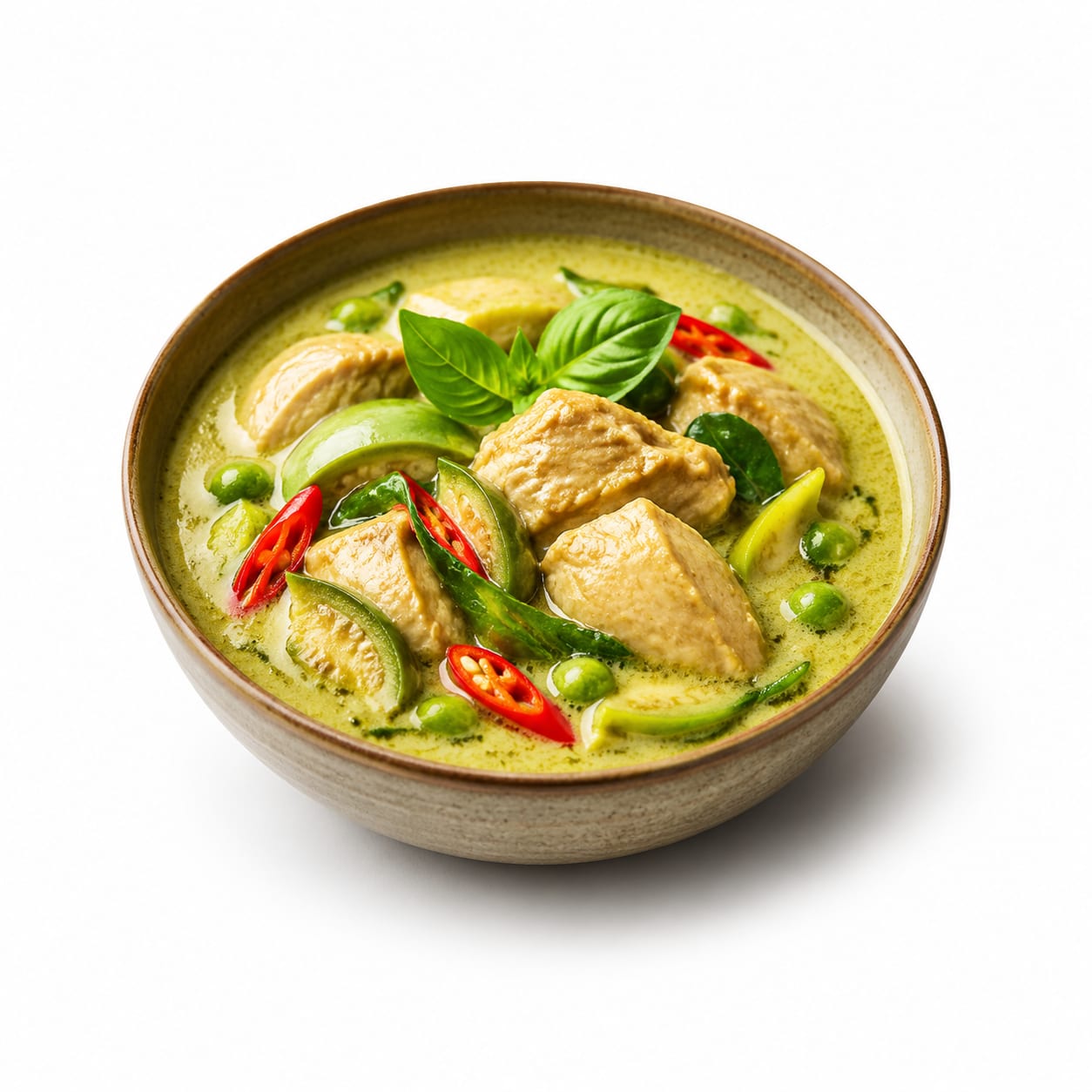
Compare with
Green Curry
Green curry is lighter and herb-focused, while Massaman is heavier with peanuts and potatoes.
Green curry is lower in calories and better for weight loss, while Massaman curry provides more sustained energy and satiety from its fat and potato content.
This food
Massaman Curry
VS85% alike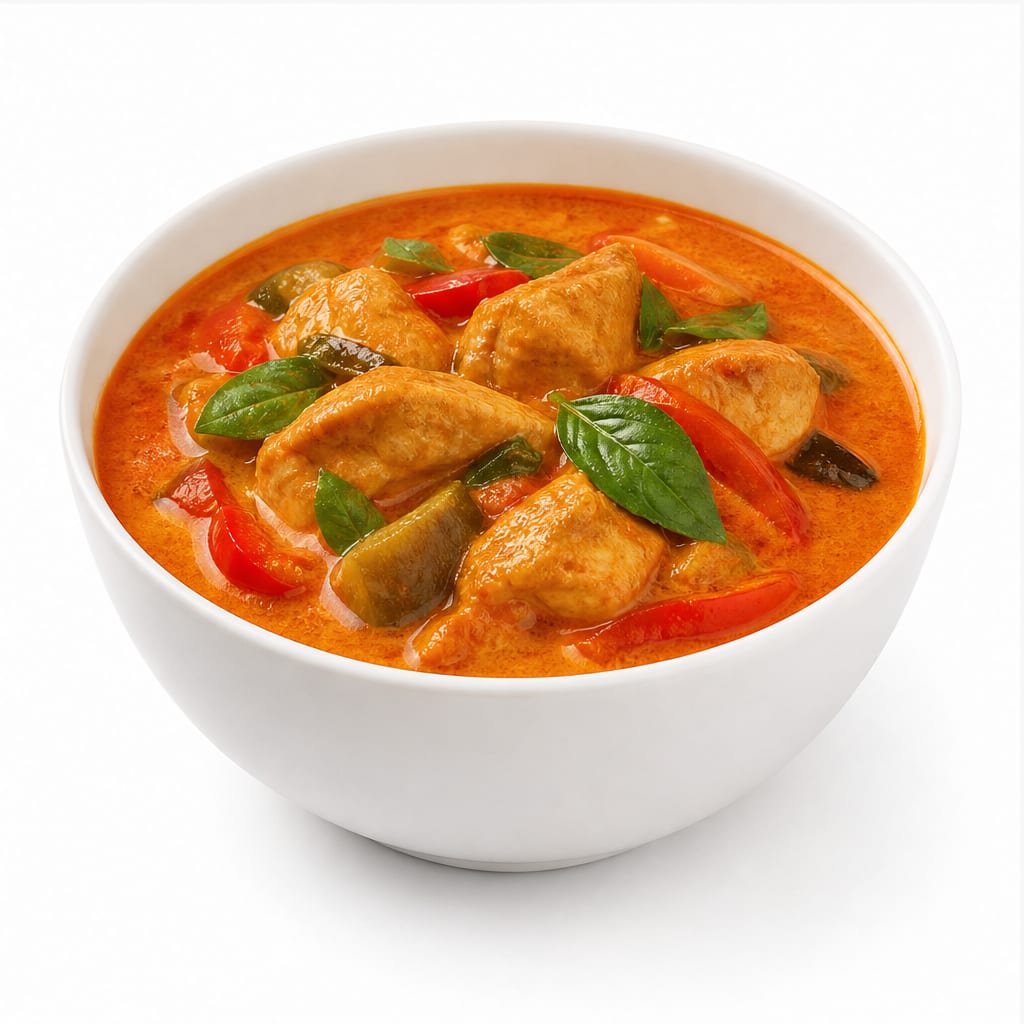
Compare with
Red Curry
Red curry is spicier and slightly lower in calories and fat, whereas Massaman is milder and richer.
Red curry is lower in calories and carbs, making it better for weight loss, while Massaman is more filling due to added peanuts and potatoes.
This food
Massaman Curry
VS90% alike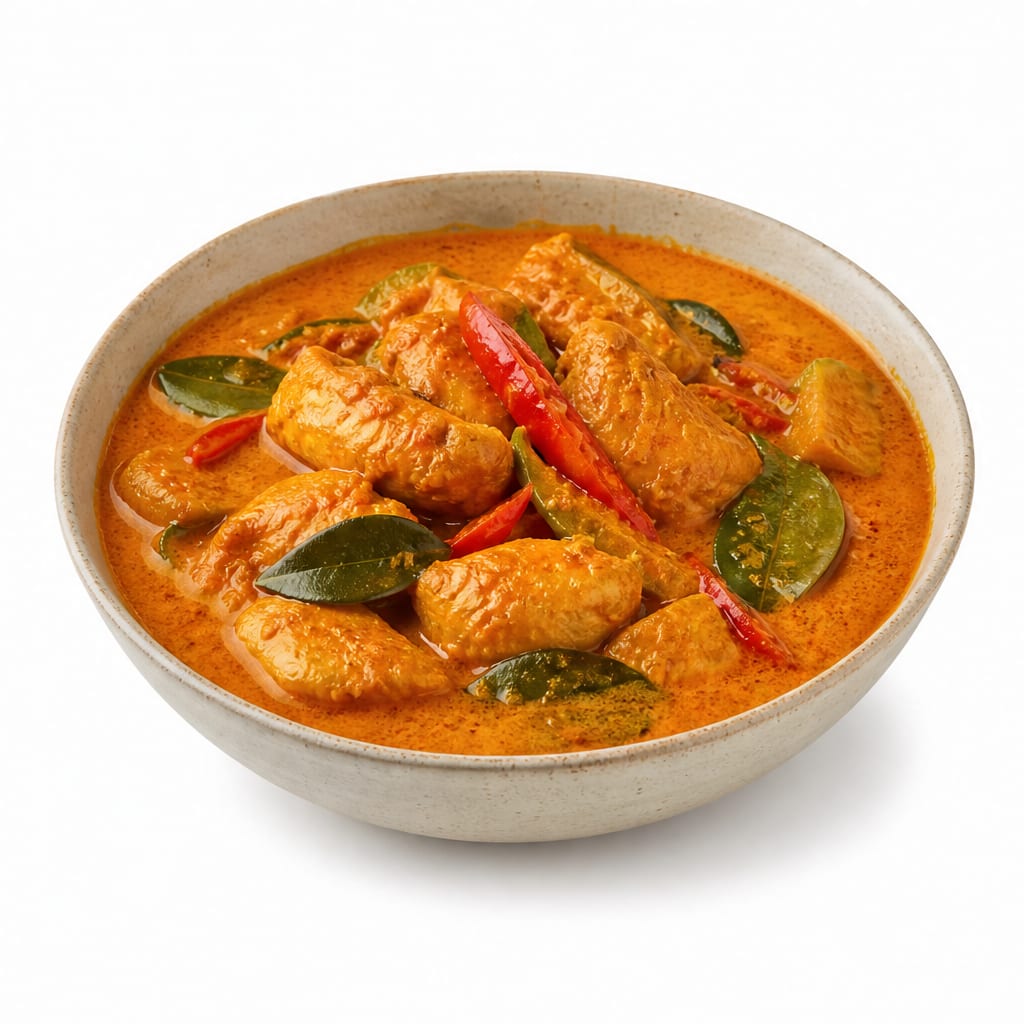
Compare with
Panang Curry
Panang is thicker, sweeter, and usually served with less liquid than Massaman, which is more of a stew.
Panang curry is slightly lower in carbs since it lacks potatoes, making it better for blood sugar, while Massaman offers more volume for satiety.
This food
Massaman Curry
VS80% alike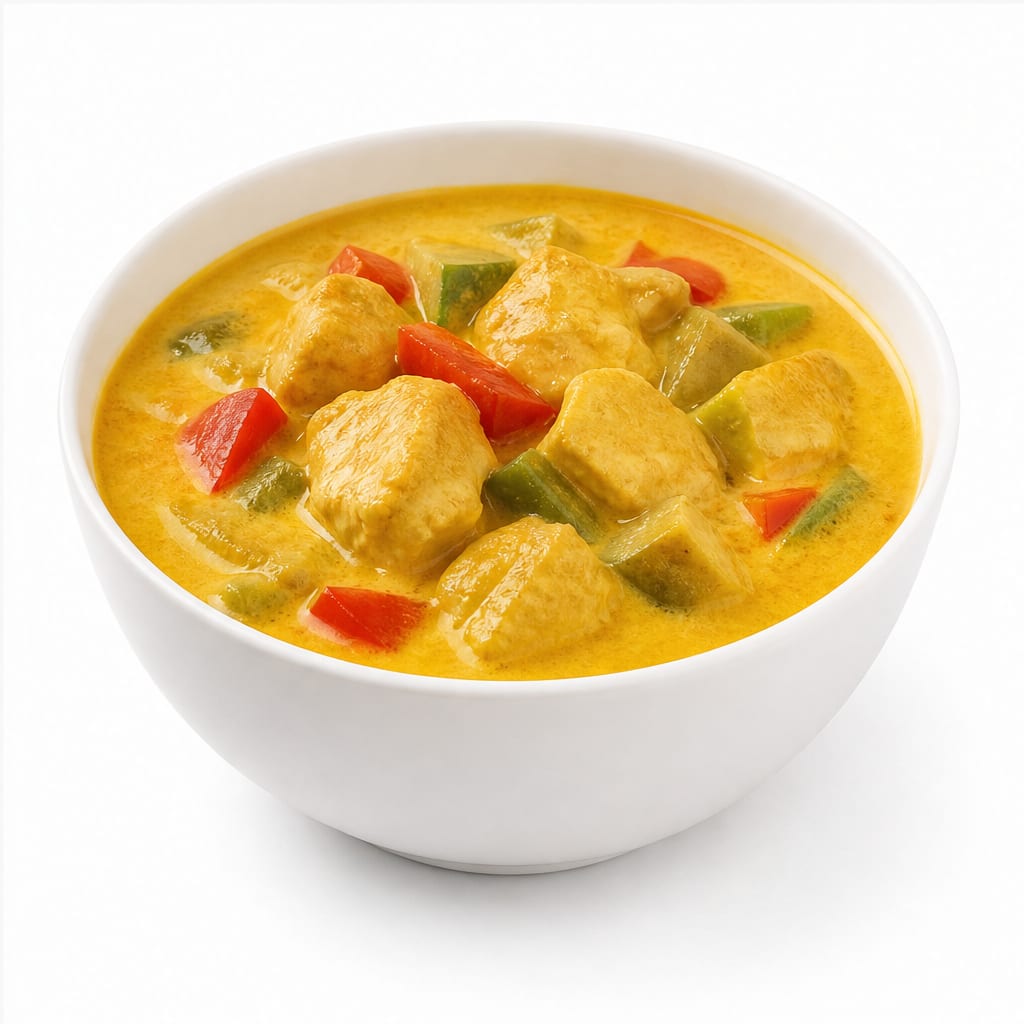
Compare with
Yellow Curry
Yellow curry is turmeric-forward and slightly lighter, while Massaman is heavier on peanuts and coconut cream.
Yellow curry is milder and slightly lower in fat, whereas Massaman is richer and more filling due to the peanut base.
This food
Massaman Curry
VS75% alike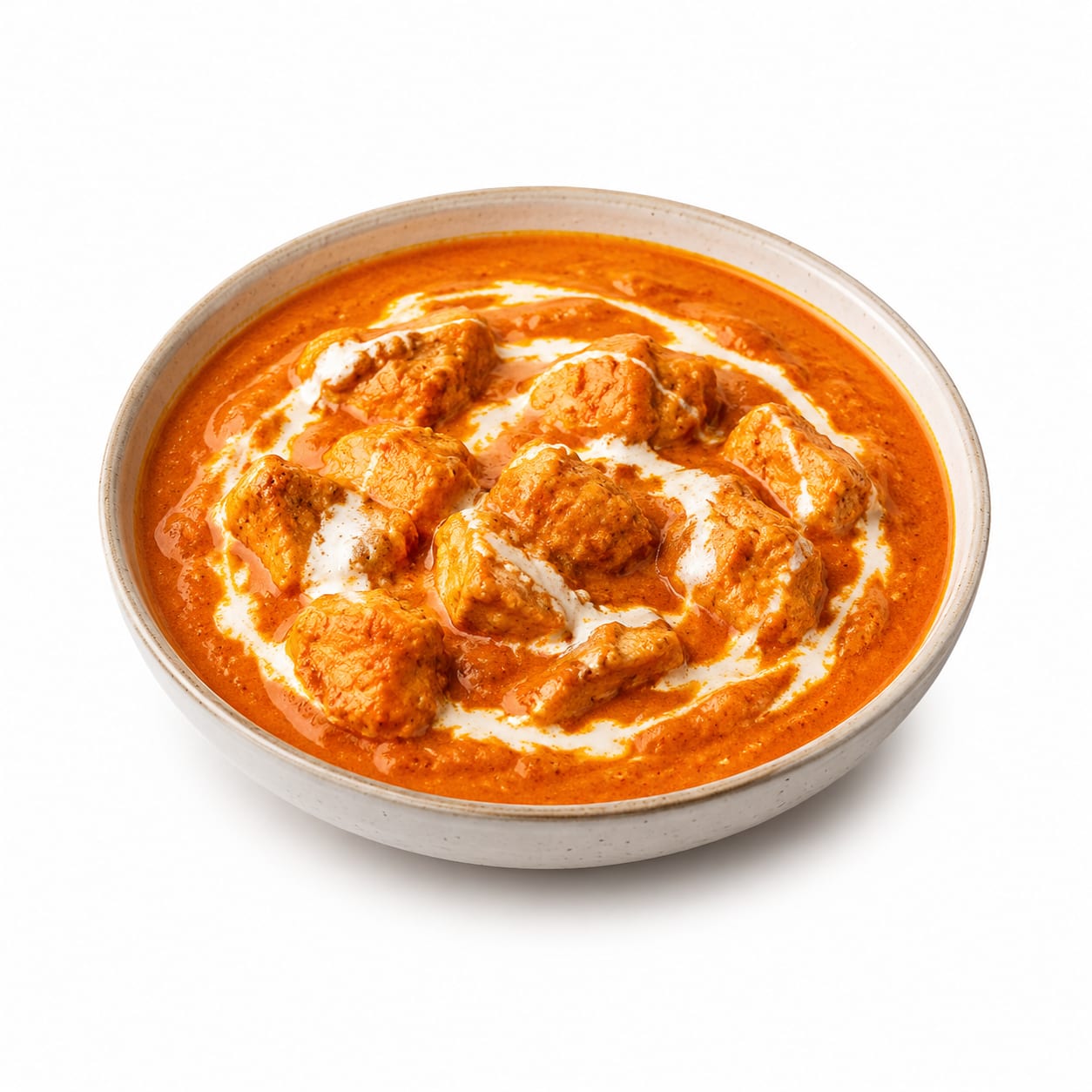
Compare with
Butter Chicken
Butter chicken relies on butter and cream, while Massaman uses coconut milk and peanuts.
Massaman curry offers slightly better satiety and blood sugar control due to its fiber from peanuts, whereas butter chicken is higher in saturated fat from dairy.
This food
Massaman Curry
VS70% alike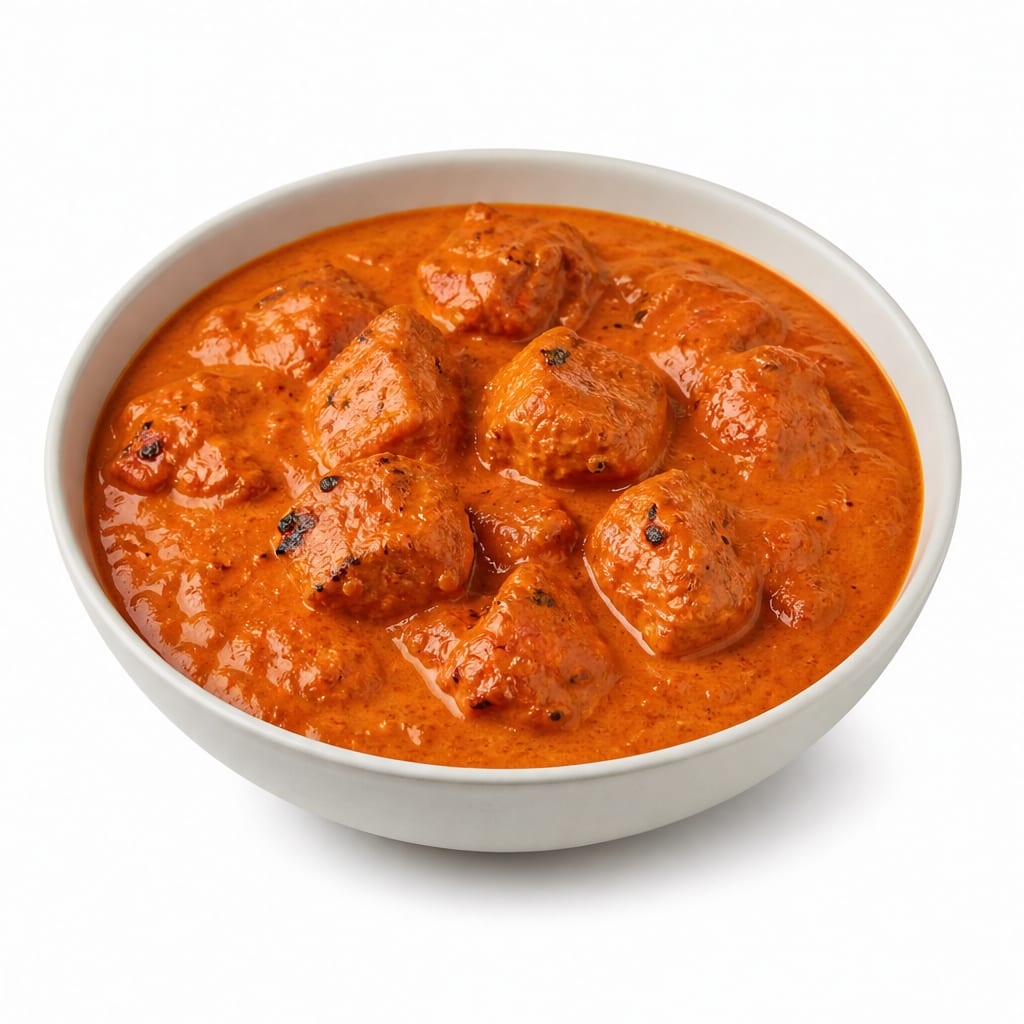
Compare with
Chicken Tikka Masala
Tikka masala uses yogurt and cream, while Massaman uses coconut milk and root vegetables.
Massaman curry provides more sustained energy from complex carbs and healthy fats, while chicken tikka masala is lower in carbs but higher in saturated dairy fat.
This food
Massaman Curry
VS65% alike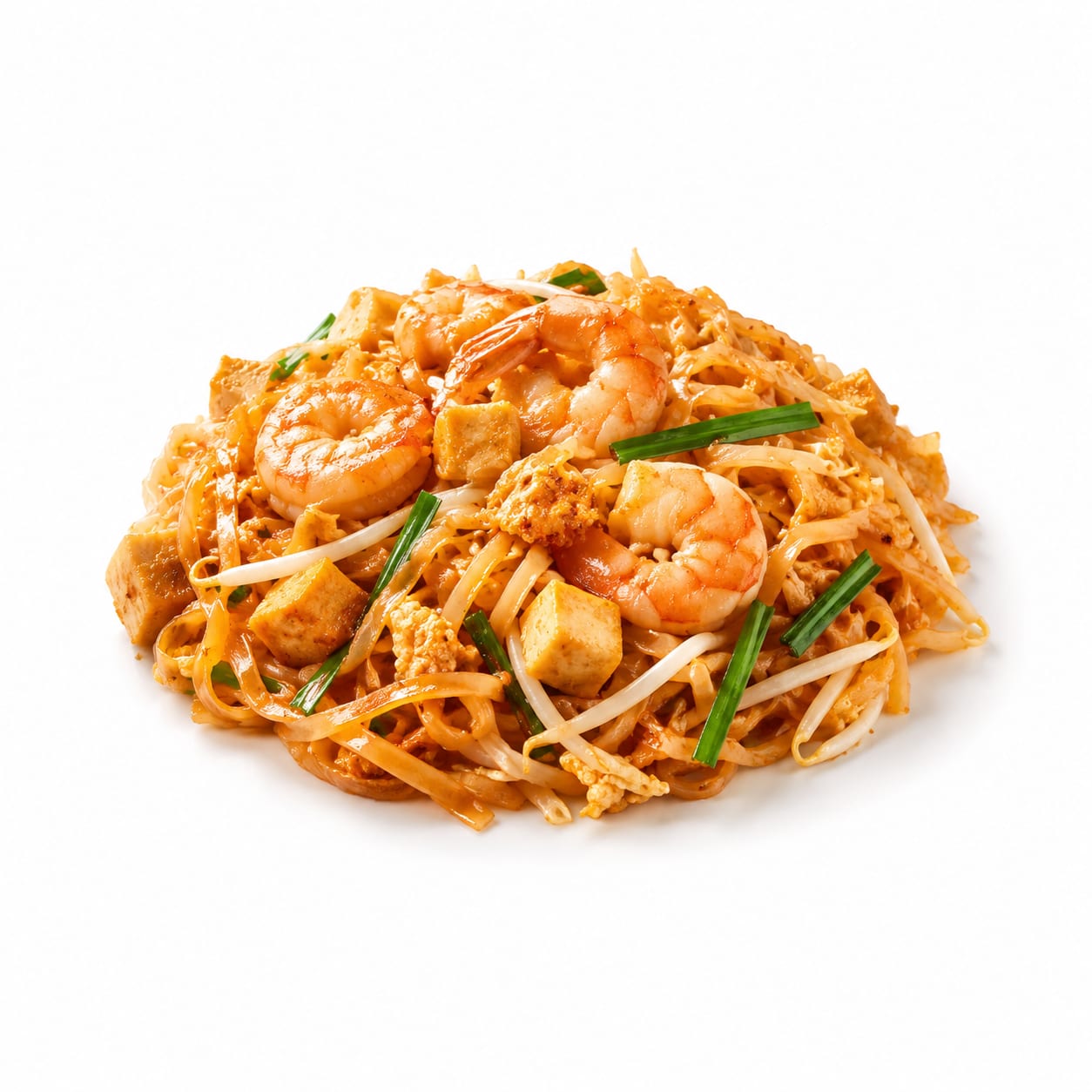
Compare with
Pad Thai
Pad Thai is a noodle dish high in refined carbs, while Massaman is a stew high in fat.
Massaman curry is better for blood sugar and satiety than Pad Thai, which is heavily based on refined rice noodles and sugary tamarind sauce.
This food
Massaman Curry
VS80% alike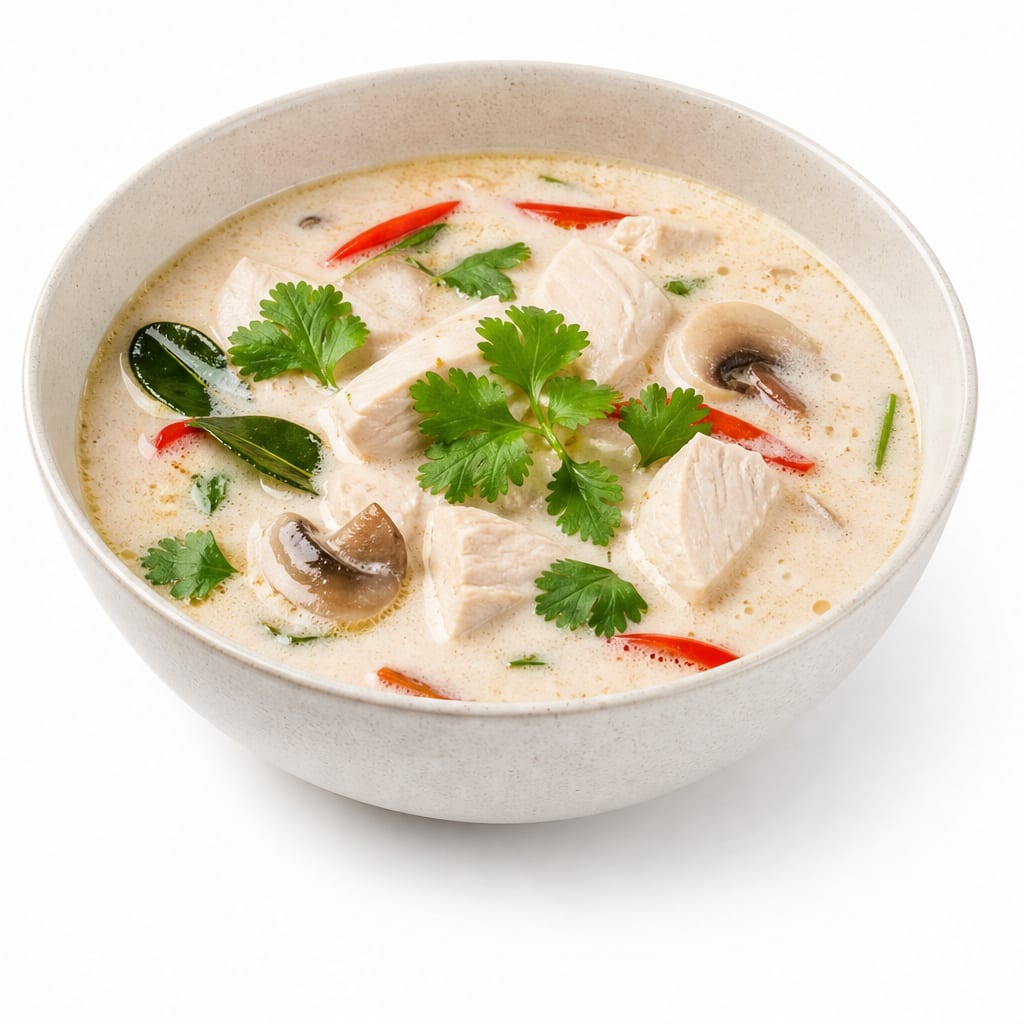
Compare with
Tom Kha Gai
Tom Kha is a light, sour soup, while Massaman is a thick, rich stew.
Tom Kha soup is much lower in calories and better for weight loss, while Massaman provides more calories and protein for fitness recovery.
This food
Massaman Curry
VS60% alike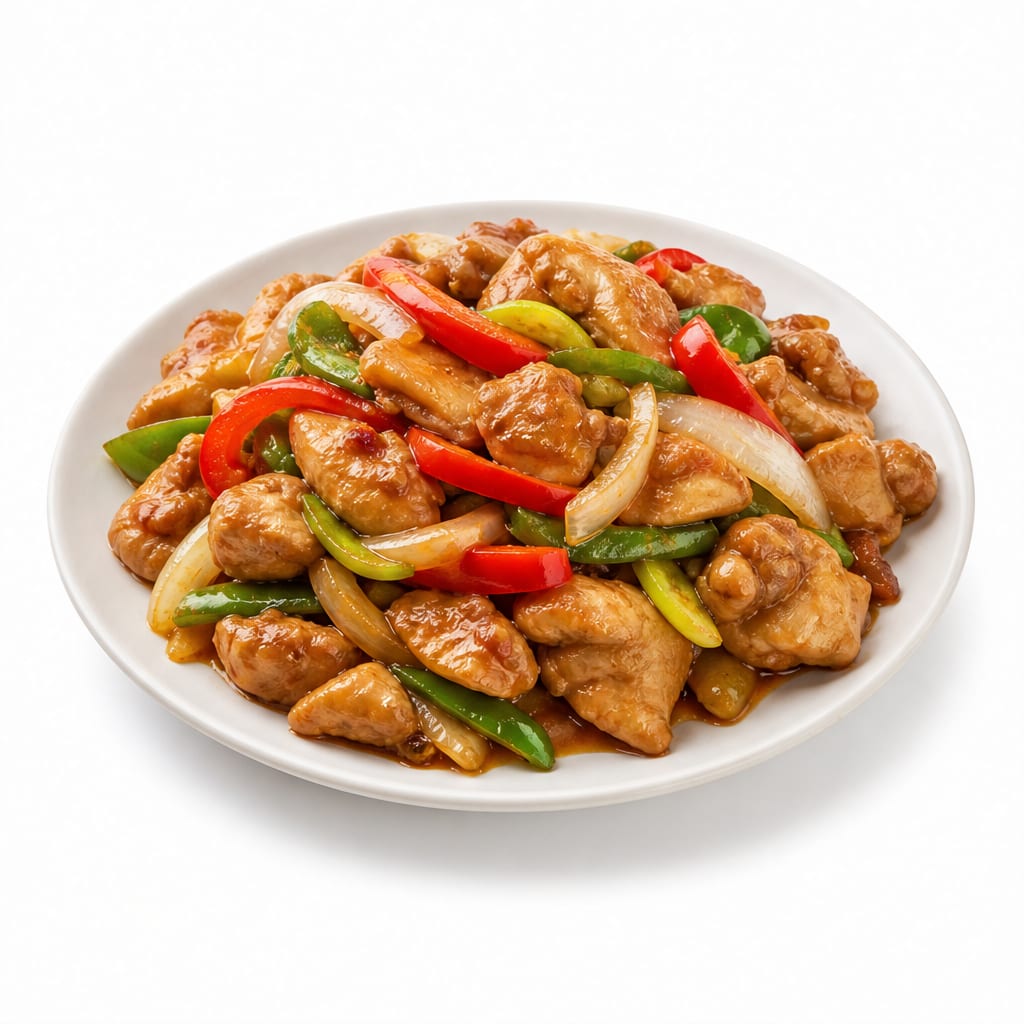
Compare with
Chicken Stir Fry
Stir fry is leaner and vegetable-heavy, while Massaman is calorie-dense and fat-heavy.
Chicken stir fry is significantly lower in calories and fat, making it better for weight loss, whereas Massaman is much higher in energy density.
This food
Massaman Curry
VS55% alike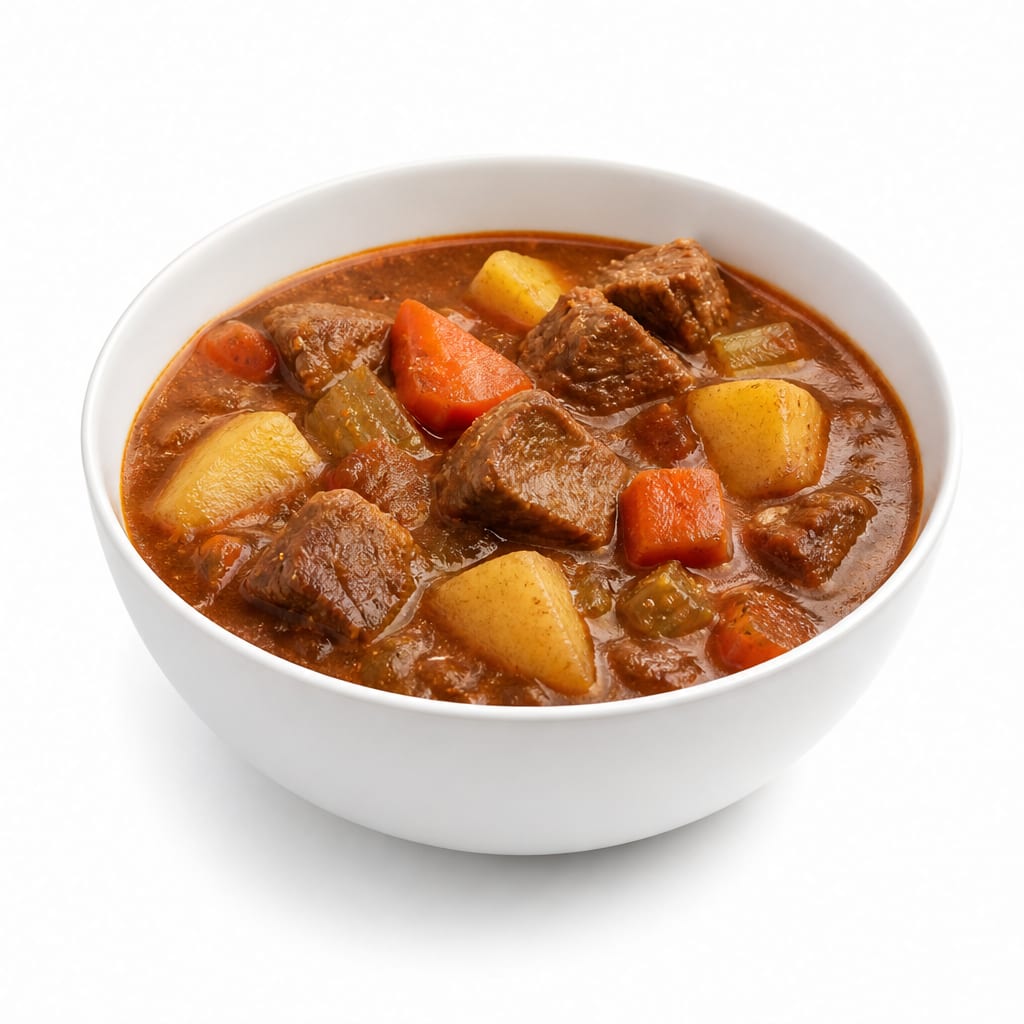
Compare with
Beef Stew
Beef stew uses a broth base, while Massaman uses a coconut milk base.
Beef stew is lower in calories and fat since it lacks coconut milk, making it better for weight loss, while Massaman offers a richer, more calorie-dense profile.
Common questions
FAQ
Answers aligned with how people search for this food.
Is Massaman curry good for weight loss?
Massaman curry is not ideal for weight loss due to its high calorie and fat content from coconut milk. However, modifying the recipe with light coconut milk and lean protein can make it more weight-loss friendly.
How many calories are in a bowl of Massaman curry?
A typical restaurant bowl of Massaman curry contains between 400 and 600 calories, largely depending on the amount of coconut milk and the type of meat used.
Is Massaman curry keto friendly?
Traditional Massaman curry is not keto-friendly because it contains potatoes and sometimes sugar in the curry paste. However, omitting the potatoes and using a sugar-free paste makes it suitable for a ketogenic diet.
What is the healthiest Thai curry?
Green curry is generally considered the healthiest Thai curry because it uses more fresh herbs and fewer heavy peanuts or potatoes compared to Massaman, and often has a lower calorie density.
Can diabetics eat Massaman curry?
Diabetics can eat Massaman curry in moderation. The high fat content slows the absorption of carbohydrates from the potatoes, but the total carb count still requires careful insulin management.
Why is Massaman curry so high in calories?
The high calorie count comes primarily from full-fat coconut milk and peanuts, both of which are energy-dense foods high in dietary fat.
Is Massaman curry spicy?
Massaman is typically the mildest Thai curry. It focuses on warm, sweet spices like cinnamon and cardamom rather than fiery chili heat.
Does Massaman curry have a lot of protein?
Yes, when prepared with chicken, beef, or tofu, Massaman curry provides a solid amount of protein, usually around 15-25 grams per serving.
Transparency
Data confidence
Estimated confidence for nutrition data, interpretation, safety notes, and comparisons.
Nutrition data
Health analysis
Food safety
Comparisons