
Nutrition comparison
Massaman Curry vs Red Curry: Which Is Healthier?
Compare Massaman Curry and Red Curry on calories, fat, spice, satiety, and health impact. Find out which Thai curry fits your diet and lifestyle better.
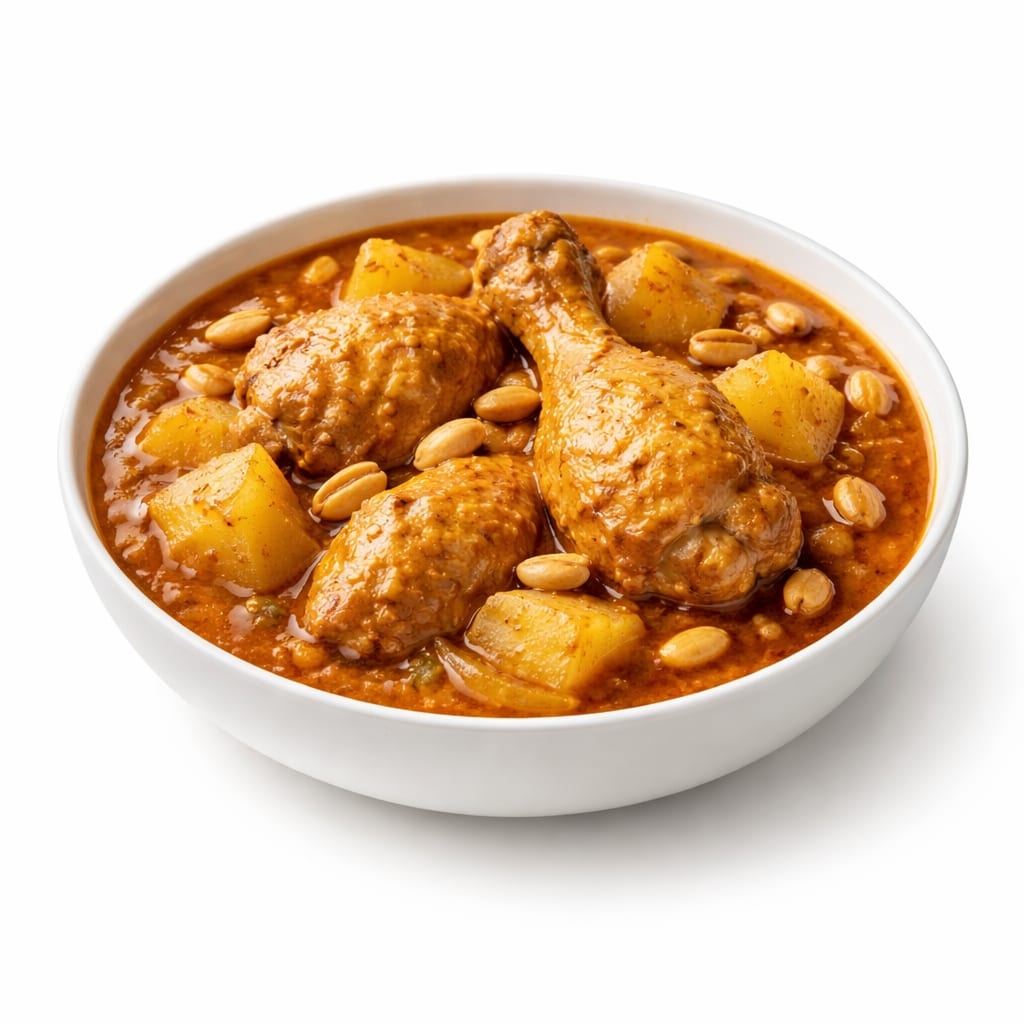
Massaman Curry
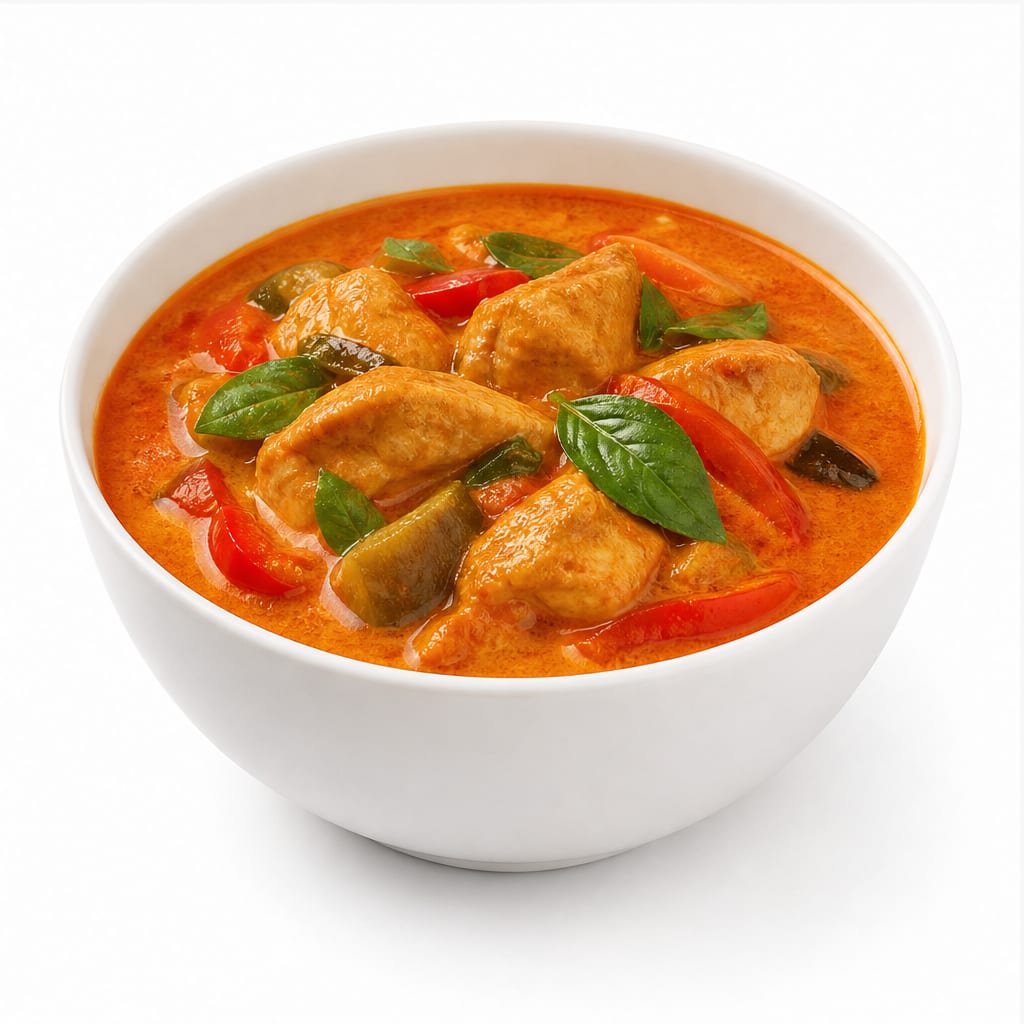
Red Curry
Massaman Curry is richer and more filling but heavier on calories; Red Curry is lighter and spicier with more metabolic kick but tougher on sensitive stomachs.
Red Curry scores moderately higher due to lower calorie density and stronger metabolic benefits, but Massaman Curry remains competitive because of superior satiety and broader tolerance. The gap is modest because both share similar sodium and coconut milk concerns.
Comforting satisfaction versus lighter, more metabolically active eating — Massaman fills you up at a caloric cost, while Red Curry keeps things lighter but demands spice tolerance.
At a glance
Executive summary
Overall
It depends
Healthier
Red Curry
More practical
It depends
Daily use
Red Curry
Key comparison lenses
Calorie and fat comparison for weight management
Massaman Curry is significantly richer due to peanuts and potatoes, making calorie density the most impactful difference for everyday eaters
Spice tolerance and digestive comfort
Red Curry is notably spicier, which affects who can enjoy it comfortably and how it sits in the stomach
Satiety and meal satisfaction
Massaman Curry's combination of fat, protein from peanuts, and starch from potatoes makes it far more filling per serving
Anti-inflammatory and metabolic benefits
Both curries feature thermogenic and anti-inflammatory spices, but Red Curry's chili content offers more metabolic activation
Sodium and heart health considerations
Both dishes rely on curry pastes that can be very high in sodium, an important factor for blood pressure management
Best choice for
Massaman Curry
- People wanting a deeply satisfying, filling meal
- Those with low spice tolerance who still want bold flavor
- Anyone needing sustained energy from a single dish
- Comfort food seekers on a cold evening
Red Curry
- People managing calorie intake more carefully
- Those who enjoy or benefit from spicy food
- Anyone wanting a lighter dinner that won't sit heavy
- Metabolic health optimizers leveraging chili's thermogenic effect
Least suitable for
Massaman Curry
- People strictly monitoring calories or fat intake
- Anyone with peanut allergies
- Those wanting a light, refreshing meal
Red Curry
- People with acid reflux or sensitive stomachs
- Anyone who cannot tolerate spicy food
- Children unaccustomed to heat
Deep comparison
Dimension by dimension
Each lens scores both foods and breaks down who each option suits.
- Dimension 1 · Priority 92Red Curry
Calorie Density and Weight Management
Massaman Curry · 45Red Curry · 68Massaman Curry packs significantly more calories per bowl due to peanuts, potatoes, and often richer coconut cream. Red Curry is lighter by comparison.
Tradeoff
You get more staying power with Massaman Curry, but at nearly double the caloric cost of a comparable Red Curry serving.
Why it matters
For anyone tracking intake, this difference compounds quickly. Eating Massaman Curry twice a week instead of Red Curry could mean an extra 600-800 calories weekly.
Real-world impact
A typical restaurant Massaman Curry can run 700-900 calories versus 500-650 for Red Curry. That difference is similar to adding a small sandwich to your meal.
Massaman Curry
- Active individuals needing calorie surplus
- People who skip meals and need one dish to carry them
Better for
- Consistent weight loss efforts
- Those who feel sluggish after heavy meals
Worse for
Red Curry
- Anyone cutting calories without cutting flavor
- People who prefer eating larger portions for fewer calories
Better for
- Underweight individuals needing energy density
- Endurance athletes needing concentrated fuel
Worse for
- Dimension 2 · Priority 85Massaman Curry
Satiety and Fullness
Massaman Curry · 82Red Curry · 60Massaman Curry keeps you full longer thanks to its peanut protein, potato starch, and higher fat content working together.
Tradeoff
That fullness comes with a heavier feeling that can reduce energy levels afterward, whereas Red Curry leaves you lighter but hungrier sooner.
Why it matters
If you eat one meal and need to go four to five hours without snacking, Massaman Curry is more reliable for preventing the mid-afternoon crash.
Real-world impact
After Massaman Curry, you are less likely to raid the snack cabinet. After Red Curry, you may want something within two to three hours.
Massaman Curry
- Long work shifts without meal breaks
- Anyone prone to between-meal snacking
- One-meal-a-day eaters
Better for
- Late dinners close to bedtime
- People who feel sleepy after heavy meals
Worse for
Red Curry
- People who prefer smaller, more frequent meals
- Anyone who dislikes feeling overly full
Better for
- Situations where you cannot eat again for hours
- People trying to reduce snacking urges
Worse for
- Dimension 3 · Priority 88Massaman Curry
Spice Tolerance and Digestive Comfort
Massaman Curry · 78Red Curry · 48Massaman Curry is mild and gentle on the digestive tract. Red Curry brings genuine heat that can irritate sensitive stomachs.
Tradeoff
Red Curry's capsaicin offers metabolic and anti-inflammatory benefits, but at the cost of potential digestive discomfort for many people.
Why it matters
Roughly 20-30% of adults experience some reflux or GI sensitivity to spicy food. For them, Red Curry is not just uncomfortable — it can disrupt sleep and focus.
Real-world impact
If you have Red Curry for dinner and are prone to heartburn, you may regret it at 11 PM. Massaman Curry rarely causes that problem.
Massaman Curry
- People with acid reflux or GERD
- Anyone with IBS or sensitive digestion
- Children and spice-averse eaters
Better for
- Anyone wanting the metabolic boost from capsaicin
- Spice lovers who find mild food unsatisfying
Worse for
Red Curry
- Those with robust digestion who enjoy heat
- People seeking capsaicin's metabolism and circulation benefits
Better for
- Evening meals for reflux sufferers
- Post-workout meals when the stomach is already sensitive
Worse for
- Dimension 4 · Priority 78Red Curry
Anti-Inflammatory and Metabolic Benefits
Massaman Curry · 62Red Curry · 76Red Curry's higher chili content delivers more capsaicin, which boosts metabolism and reduces inflammation. Massaman Curry offers warm spices like cinnamon and cardamom but less thermogenic punch.
Tradeoff
Massaman Curry provides gentler, more broadly tolerable anti-inflammatory spices, while Red Curry delivers stronger but harder-to-tolerate benefits.
Why it matters
Capsaicin has been shown to modestly increase calorie burning and reduce inflammatory markers. These effects are real but require regular consumption.
Real-world impact
Eating Red Curry a few times monthly could contribute to slightly better metabolic markers, but only if your stomach tolerates it. Massaman Curry's benefits are milder but more accessible.
Massaman Curry
- People who want gentle anti-inflammatory support without heat
- Those who cannot consume capsaicin regularly
Better for
- Those specifically seeking thermogenic food effects
- Anyone wanting maximum anti-inflammatory impact from meals
Worse for
Red Curry
- Metabolic syndrome management alongside other interventions
- People who regularly enjoy and tolerate spicy food
Better for
- Chronic heartburn sufferers
- People on anticoagulant medications who should moderate capsaicin
Worse for
- Dimension 5 · Priority 75It depends
Sodium and Heart Health
Massaman Curry · 38Red Curry · 40Both curries are sodium-heavy due to curry paste, fish sauce, and seasoning. Neither is heart-friendly in typical restaurant portions.
Tradeoff
Massaman Curry sometimes uses slightly less fish sauce due to its sweeter profile, but the difference is negligible. Both are equally concerning for sodium-sensitive individuals.
Why it matters
A single restaurant serving of either curry can contain 1000-2000 mg of sodium, which is half or more of the daily recommended limit.
Real-world impact
If blood pressure is a concern, neither curry should be a regular choice unless you prepare it at home with reduced-sodium paste and less fish sauce.
Massaman Curry
- Home-cooked versions where you control the salt
- Situations where the sweeter profile means less added fish sauce
Better for
- Restaurant or takeout versions for hypertensive individuals
- Pairing with salty sides like fish cakes
Worse for
Red Curry
- Home-cooked versions with low-sodium paste
- Meals where you skip additional salty sides
Better for
- Restaurant versions that layer on fish sauce liberally
- Anyone on a strict low-sodium diet
Worse for
- Dimension 6 · Priority 72Red Curry
Allergen and Sensitivity Risk
Massaman Curry · 35Red Curry · 62Massaman Curry almost always contains peanuts and often tree nuts, making it risky for allergy sufferers. Red Curry is typically peanut-free.
Tradeoff
Massaman Curry's peanuts add protein and richness but introduce a serious allergen. Red Curry avoids this but offers less nutritional substance per bite.
Why it matters
Peanut allergy affects roughly 1-2% of adults and can be life-threatening. Even cross-contamination in Thai kitchens is a real concern.
Real-world impact
If you have any peanut sensitivity, Massaman Curry is off the table at most restaurants. Red Curry is the safer bet, though you should always confirm ingredients.
Massaman Curry
- People with no peanut allergy who benefit from peanut protein
Better for
- Peanut allergy sufferers — this dish is high-risk
- School or shared dining settings where allergies are a concern
Worse for
Red Curry
- Anyone with peanut or tree nut allergies
- Households with mixed allergy statuses
Better for
- People wanting the satiety and protein that peanuts provide
Worse for
Timeline
Health impact over time
Short-term
Hours to days
Massaman Curry
- Strong satiety that reduces snacking for 4-5 hours
- Possible sluggishness or food coma due to high fat and carbohydrate load
- Gentle on the digestive tract with minimal reflux risk
- Blood sugar spike from potatoes and sweet flavor, followed by moderate crash
Red Curry
- Thermogenic warming effect and mild metabolism boost from capsaicin
- Potential heartburn or stomach irritation within 1-2 hours
- Lighter post-meal energy with less sluggishness
- Possible sweating or flushing from spice intensity
Long-term
Months to years
Massaman Curry
- Higher calorie intake if eaten frequently, potentially contributing to gradual weight gain
- Consistent peanut consumption may support heart health through unsaturated fats
- Sodium load from regular consumption could raise blood pressure over time
- Low spice exposure means missing regular capsaicin benefits
Red Curry
- Regular capsaicin intake may support cardiovascular and metabolic health
- Lower calorie density supports easier weight maintenance when eaten regularly
- Chronic high sodium intake from curry paste remains a concern
- Possible GI irritation if consumed too frequently by sensitive individuals
Risk profile
Safety & processing
Both curries rely on processed curry pastes that often contain preservatives, added sodium, and sometimes MSG or food coloring. Restaurant versions are more processed than homemade. Massaman Curry paste sometimes includes additional fillers for its sweeter, more complex profile. Neither is a whole food, but both can be made more naturally at home with fresh paste.
Massaman Curry
Peanut allergen contamination
highMassaman Curry almost universally contains peanuts. In restaurant settings, cross-contamination with other allergens is common in Thai kitchens.
Coconut milk spoilage
mediumCoconut milk-based dishes spoil quickly at room temperature. Improperly stored leftovers can cause foodborne illness within hours.
Sodium-related health effects
mediumConsistently high sodium intake from curry paste and fish sauce contributes to hypertension risk over time.
Red Curry
Capsaicin-related GI irritation
mediumHigh spice levels can trigger reflux, gastritis flares, or IBS symptoms in susceptible individuals.
Coconut milk spoilage
mediumSame spoilage concern as Massaman Curry — both are coconut milk-based and require prompt refrigeration.
Sodium-related health effects
mediumRed Curry paste and fish sauce contribute comparable sodium levels to Massaman Curry.
Who wins for whom
Audience fit
Same foods, different winners depending on your goal.
children
Massaman CurryMassaman Curry's mild flavor is far more approachable for children, while Red Curry's heat is often rejected by kids.
daily consumption
Red CurryRed Curry's lighter profile makes it more sustainable as a regular meal, though both should be limited due to sodium content.
diabetes
Red CurryRed Curry typically has fewer carbohydrates and less sugar than the sweeter, potato-containing Massaman Curry, resulting in less blood sugar impact.
elderly
Massaman CurryOlder adults often have more sensitive digestion and lower spice tolerance, making Massaman Curry's gentleness more appropriate.
muscle gain
Massaman CurryMassaman Curry provides more calories and peanut protein, supporting the surplus needed for muscle building.
weight loss
Red CurryRed Curry's lower calorie density and capsaicin's modest metabolism boost make it the better choice for calorie-conscious eating.
Your move
Decision guide
Choose Massaman Curry
- You want one satisfying meal that holds you for hours
- Spicy food causes you heartburn or discomfort
- You are trying to gain weight or need calorie-dense meals
- You are feeding a family with children who dislike heat
- It is a cold day and you want something deeply comforting
Choose Red Curry
- You are watching your calorie intake more closely
- You enjoy spicy food and have no digestive issues with it
- You want a lighter dinner that will not sit heavy before bed
- You are interested in the metabolic benefits of capsaicin
- You prefer brighter, sharper flavors over sweet richness
Either works if
- You are eating at a quality Thai restaurant and want curry either way
- You plan to control portions and pair with steamed vegetables
- You have no peanut allergy, spice sensitivity, or sodium restriction
- You are cooking at home and can adjust both recipes to be healthier
Avoid both if
- You are on a strict low-sodium diet and cannot control the preparation
- You have severe coconut allergy
- You are eating at a restaurant with questionable food hygiene
- You need a low-fat diet for gallbladder or pancreatic conditions
Final recommendation
For most people eating Thai curry occasionally, Red Curry is the slightly better default — it is lighter, more metabolically beneficial, and avoids the peanut allergy risk. But Massaman Curry earns its place when you need a filling, comforting meal that sits gently. The real upgrade for either dish is making it at home with reduced-sodium paste, more vegetables, and controlled coconut milk, which eliminates most of the health downsides while keeping all the flavor.
Practical
Consumer tips
- 1
Ask for less coconut milk in either curry to cut 150-250 calories per serving without losing much flavor
- 2
Request your curry with extra vegetables and less potato in Massaman Curry to lower the glycemic impact
- 3
If ordering Red Curry, ask for medium spice if you are unsure — you can always add chili flakes but cannot remove them
- 4
Always confirm peanut absence in Red Curry at restaurants, as some kitchens add ground peanuts for thickness
- 5
Make curry at home using low-sodium paste and light coconut milk to reduce sodium by 40% and calories by 30%
- 6
Pair either curry with a large portion of steamed broccoli or bok choy instead of white rice to improve the nutritional profile dramatically
- 7
Refrigerate leftovers within two hours — coconut milk curries are particularly prone to bacterial growth at room temperature
- 8
If you have acid reflux, eat Red Curry at lunch rather than dinner to give your stomach time to settle before lying down