
Nutrition comparison
Massaman Curry vs Chicken Tikka Masala: Which Is Healthier?
Compare Massaman Curry and Chicken Tikka Masala on protein, saturated fat, digestion, and weight management. Find out which creamy curry fits your health goals better.
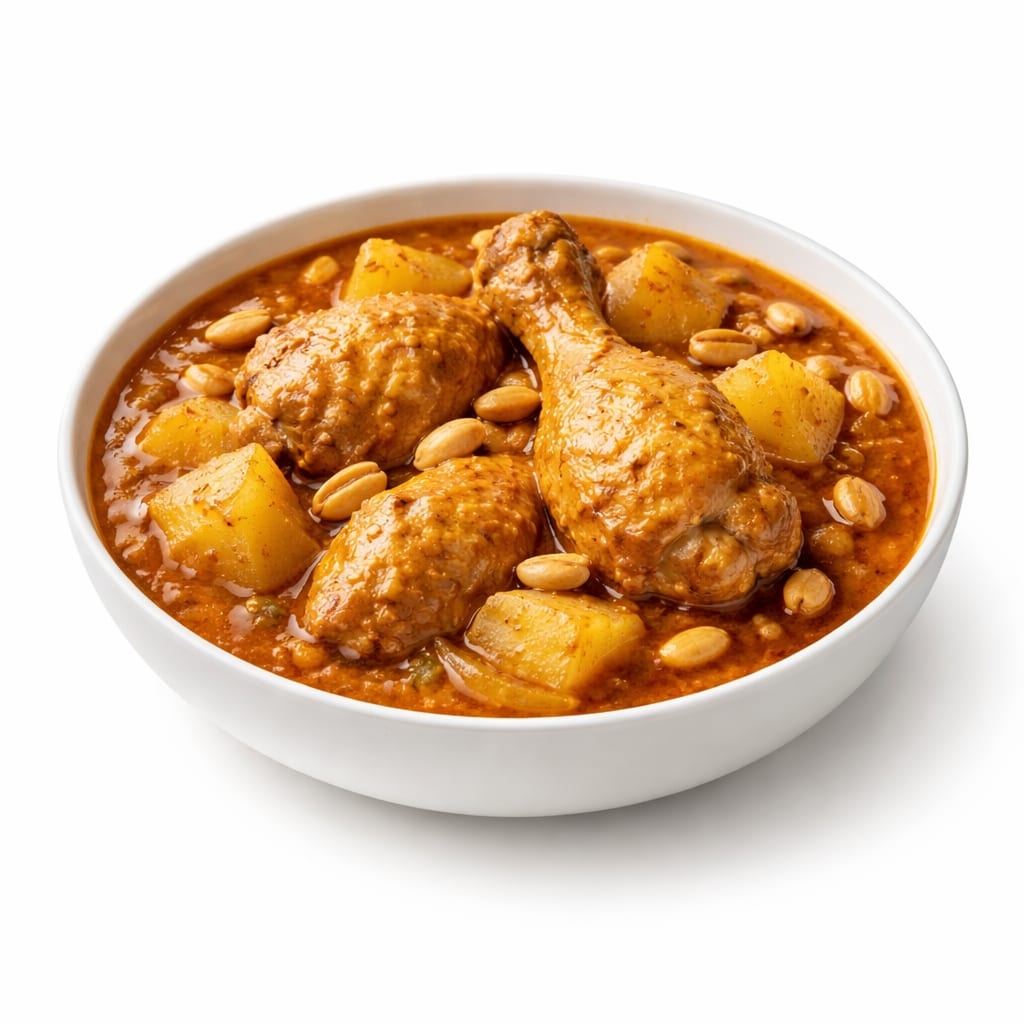
Massaman Curry
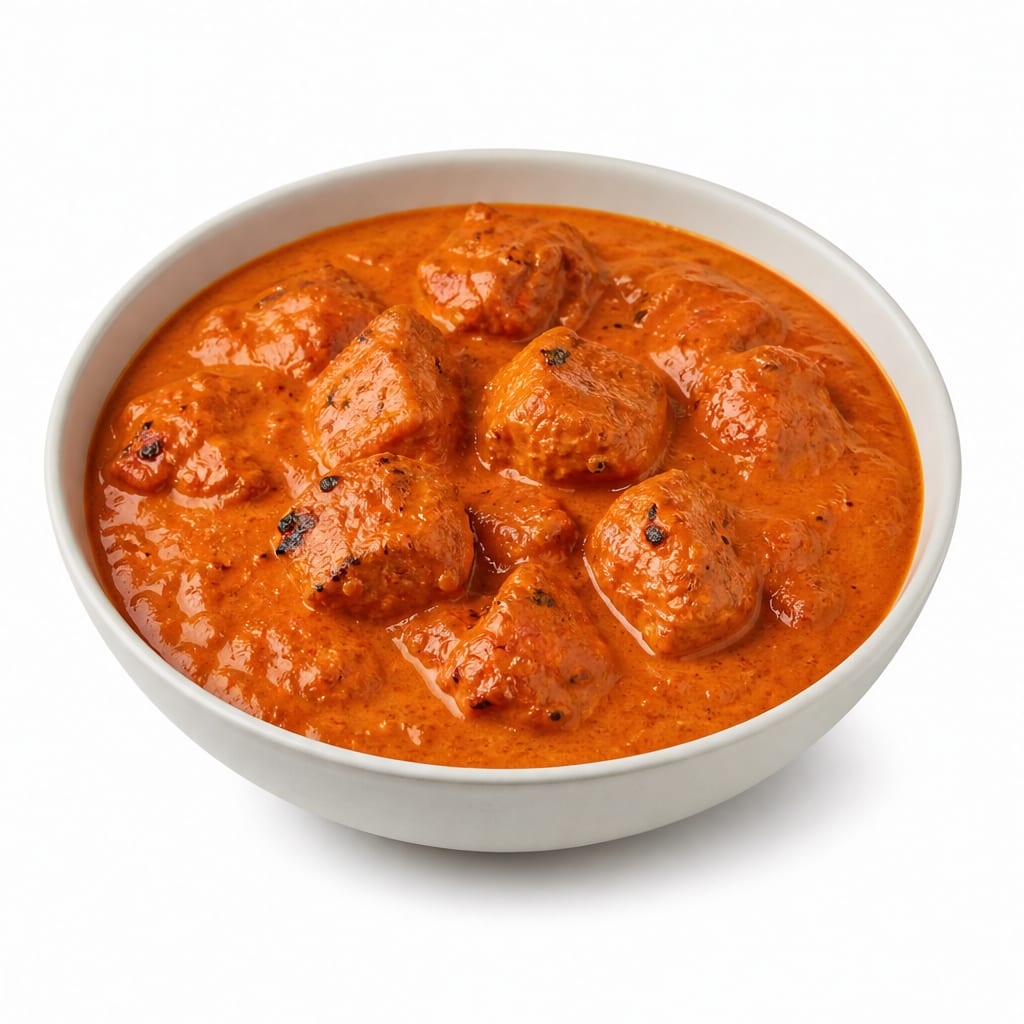
Chicken Tikka Masala
Massaman Curry offers steadier energy and more mineral diversity from peanuts and potatoes, while Chicken Tikka Masala delivers more protein and antioxidant lycopene from its tomato base.
Chicken Tikka Masala edges ahead slightly due to higher protein and antioxidant content, but Massaman Curry stays competitive with better mineral diversity and gentler digestion. Both lose points for high saturated fat and calorie density.
Peanut-rich complexity and gentler digestion versus higher protein and more antioxidants but greater acidity and cream burden.
At a glance
Executive summary
Overall
It depends
Healthier
It depends
More practical
Chicken Tikka Masala
Daily use
Massaman Curry
Key comparison lenses
calorie and weight management
Both dishes are rich, creamy curries often ordered at restaurants where portions are large and calorie counts are hidden
heart health and saturated fat
Coconut milk and cream-based sauces make saturated fat the dominant concern for both dishes
protein quality and satiety
Users choosing between these want to know which keeps them fuller longer and supports muscle better
anti inflammatory and antioxidant value
Spice profiles and tomato content create meaningful differences in inflammatory potential
digestive comfort and tolerance
Acidity from tomatoes versus richness from peanuts and coconut affects how each dish sits after eating
Best choice for
Massaman Curry
- People avoiding acidic or tomato-heavy meals
- Those wanting steadier blood sugar from complex carbs like potatoes
- Anyone seeking mineral diversity from peanuts and root vegetables
- Sensitive stomachs that struggle with tangy or highly spiced food
Chicken Tikka Masala
- Athletes and active people needing more protein per calorie
- Anyone wanting lycopene and antioxidant benefits from tomatoes
- People who find creamy tomato sauces more satisfying and filling
- Those prioritizing muscle maintenance alongside flavor
Least suitable for
Massaman Curry
- People with peanut or tree nut allergies
- Anyone strictly limiting saturated fat from coconut milk
- Those watching calorie density who struggle with portion control on rich dishes
Chicken Tikka Masala
- People with acid reflux or GERD triggered by tomatoes
- Anyone avoiding dairy or lactose-heavy cream sauces
- Those sensitive to high sodium in restaurant-style preparations
Deep comparison
Dimension by dimension
Each lens scores both foods and breaks down who each option suits.
- Dimension 1 · Priority 92Massaman Curry
calorie_density_and_weight_management
Massaman Curry · 42Chicken Tikka Masala · 38Both are calorie-heavy restaurant curries, but Massaman's potatoes and peanuts create more satiety per calorie than Chicken Tikka Masala's cream-thickened sauce.
Tradeoff
Massaman fills you faster but its peanut content makes overeating easy if you love the flavor. Chicken Tikka Masala's cream sauce is less filling per calorie.
Why it matters
When eating rich curries, satiety per calorie determines whether you stop at one plate or go back for seconds.
Real-world impact
A typical restaurant portion of either dish can exceed 800 calories before rice. Massaman's fiber and fat combo may help you feel done sooner.
Massaman Curry
- Feeling full on smaller portions
- Getting more fiber per serving from potatoes and peanuts
Better for
- Peanuts are easy to overeat mindlessly
- Coconut milk adds hidden calories quickly
Worse for
Chicken Tikka Masala
- Slightly leaner protein from chicken breast if prepared traditionally
Better for
- Cream sauce is less satiating than peanut-based richness
- Restaurant versions often add extra butter and oil
Worse for
- Dimension 2 · Priority 85Chicken Tikka Masala
protein_quality_and_muscle_support
Massaman Curry · 55Chicken Tikka Masala · 74Chicken Tikka Masala delivers substantially more complete protein from chicken breast and yogurt marinade, while Massaman relies more on peanuts which have less protein per serving.
Tradeoff
You get more muscle-supporting protein from Chicken Tikka Masala, but Massaman offers a broader amino acid mix when you combine its peanuts and meat.
Why it matters
For active people or anyone preserving muscle, protein density per meal matters more than total calorie count.
Real-world impact
A standard serving of Chicken Tikka Masala can provide 35-45g protein versus 20-30g for Massaman, a meaningful gap for post-workout recovery.
Massaman Curry
- More mineral cofactors like magnesium and zinc that support protein utilization
Better for
- Lower total protein per typical serving
- Peanut protein is less complete than animal protein
Worse for
Chicken Tikka Masala
- Significantly more complete protein per serving
- Yogurt marinade adds additional protein and some calcium
- Better leucine content for muscle protein synthesis
Better for
- High cream content dilutes protein density per calorie
Worse for
- Dimension 3 · Priority 88It depends
heart_health_and_fat_profile
Massaman Curry · 45Chicken Tikka Masala · 43Both dishes are saturated fat bombs from coconut milk or cream, making neither heart-ideal. Massaman's peanuts add some healthier monounsaturated fats, while Chicken Tikka Masala's cream is mostly saturated.
Tradeoff
Massaman gives you a slightly better fat mix from peanuts alongside the coconut saturated fat, but both remain high-risk for daily saturated fat limits.
Why it matters
A single restaurant portion of either can exceed your daily saturated fat budget, which matters enormously for cardiovascular risk over time.
Real-world impact
Eating either curry twice a week as a restaurant meal could push saturated fat intake well above heart-healthy guidelines without careful portioning.
Massaman Curry
- Peanuts contribute heart-protective monounsaturated fats and resveratrol
- MCTs from coconut milk may be metabolized differently than long-chain saturated fats
Better for
- Coconut milk is very high in saturated fat per serving
- Combined peanut and coconut fat creates a heavy total fat load
Worse for
Chicken Tikka Masala
- Tomato base provides potassium that supports blood pressure regulation
Better for
- Cream and butter add concentrated saturated fat with no offsetting healthy fat profile
- Restaurant versions often double the cream for richness
Worse for
- Dimension 4 · Priority 78Chicken Tikka Masala
anti_inflammatory_and_antioxidant_value
Massaman Curry · 58Chicken Tikka Masala · 70Chicken Tikka Masala's tomato base delivers significant lycopene and vitamin C, while Massaman's spice profile is milder with fewer antioxidant-rich ingredients.
Tradeoff
You gain more measurable antioxidants from the tomato-rich Tikka Masala, but Massaman's tamarind and turmeric still contribute anti-inflammatory compounds.
Why it matters
Chronic inflammation drives most lifestyle diseases, and food-based antioxidants are the most sustainable way to combat it.
Real-world impact
The lycopene in Chicken Tikka Masala is better absorbed when cooked with fat, which the cream sauce actually helps with despite its other drawbacks.
Massaman Curry
- Turmeric in massaman paste provides curcumin with anti-inflammatory benefits
- Tamarind adds some antioxidant polyphenols
Better for
- Milder spice profile means lower overall antioxidant concentration
- Fewer brightly colored ingredients reduces polyphenol diversity
Worse for
Chicken Tikka Masala
- Lycopene from cooked tomatoes is a powerful, well-studied antioxidant
- Higher vitamin C content from the tomato base
- Spice marinade with ginger and garlic adds anti-inflammatory compounds
Better for
- High saturated fat from cream can promote inflammation, partially offsetting antioxidant gains
Worse for
- Dimension 5 · Priority 72Massaman Curry
digestive_comfort_and_tolerance
Massaman Curry · 68Chicken Tikka Masala · 48Massaman Curry is typically milder and less acidic, making it gentler on sensitive stomachs. Chicken Tikka Masala's tomato acidity and spice heat can trigger reflux or discomfort.
Tradeoff
Massaman trades bold tangy flavor for easier digestion, while Chicken Tikka Masala's richness and acidity can cause post-meal heaviness or heartburn.
Why it matters
If a meal leaves you uncomfortable for hours, its nutritional advantages become irrelevant to your quality of life.
Real-world impact
People with GERD or acid sensitivity often find Chicken Tikka Masala triggers symptoms within an hour, while Massaman sits more comfortably.
Massaman Curry
- Lower acidity is gentler on the esophagus and stomach lining
- Milder spice reduces gastric irritation
- Potatoes are easy to digest and soothing for most people
Better for
- High fat content from coconut milk can slow gastric emptying and cause bloating in some people
Worse for
Chicken Tikka Masala
- Yogurt marinade may provide some digestive enzymes that help break down the chicken
Better for
- Tomato acidity is a common reflux trigger
- Heavier cream sauce can feel like it sits in the stomach longer
- Spice level in restaurant versions is often higher than expected
Worse for
- Dimension 6 · Priority 70Massaman Curry
micronutrient_diversity
Massaman Curry · 67Chicken Tikka Masala · 60Massaman's peanuts, potatoes, and tamarind create a broader mineral profile including magnesium, manganese, and potassium, while Chicken Tikka Masala relies more on tomatoes for its micronutrient contribution.
Tradeoff
Massaman offers wider mineral coverage from its diverse ingredients, but Chicken Tikka Masala concentrates more of specific vitamins like vitamin C and folate from tomatoes.
Why it matters
Mineral diversity supports everything from bone health to nerve function, and most people fall short on multiple minerals simultaneously.
Real-world impact
A serving of Massaman can provide meaningful amounts of magnesium and manganese that many diets lack, alongside decent potassium from potatoes.
Massaman Curry
- Peanuts deliver magnesium, manganese, copper, and folate
- Potatoes provide potassium and vitamin B6
- Tamarind contributes iron and thiamine
- More ingredient diversity means broader nutrient coverage
Better for
- Vitamin C content is lower without a tomato base
Worse for
Chicken Tikka Masala
- Tomatoes provide vitamin C, folate, and vitamin K
- Yogurt adds calcium and B vitamins
- Higher lycopene availability from cooked tomatoes with fat
Better for
- Fewer mineral sources beyond the chicken and tomatoes
- Less ingredient variety limits nutrient spectrum
Worse for
Timeline
Health impact over time
Short-term
Hours to days
Massaman Curry
- Steady, slow-burning energy from potatoes and peanut fat
- Mild satisfaction without sharp blood sugar spikes
- Comfortable digestion for most people
- Possible heaviness or bloating from high fat content if overeaten
Chicken Tikka Masala
- Higher protein creates stronger immediate satiety
- Possible heartburn or acid reflux from tomato acidity
- More pronounced post-meal fullness from cream density
- Warmer body sensation from higher spice content
Long-term
Months to years
Massaman Curry
- Regular consumption without portion control raises cardiovascular risk from saturated fat
- Peanut consumption may support heart health when portions are managed
- Mineral diversity supports bone and metabolic health long-term
- Lower inflammatory load compared to more acidic dishes
Chicken Tikka Masala
- Lycopene intake may reduce certain cancer risks and support prostate health
- Frequent cream-based meals increase saturated fat burden on cholesterol
- Higher protein supports muscle preservation with aging
- Tomato acidity may worsen chronic GERD if eaten regularly
Risk profile
Safety & processing
Both curries use paste-based flavor systems that often contain preservatives and stabilizers, especially in restaurant or jarred versions. Homemade preparations of either can reduce additive exposure significantly, but most people encounter these as prepared dishes.
Massaman Curry
Peanut allergen cross-contamination
highMassaman always contains peanuts, making it completely unsafe for anyone with peanut allergies. Restaurant kitchens may also cross-contaminate even if peanuts are not in every dish.
Coconut milk spoilage
mediumCoconut milk can spoil quickly at room temperature, and buffet-style Massaman may sit in the danger zone longer than is safe.
Aflatoxin exposure from peanuts
lowPoorly stored peanuts can harbor aflatoxins, though reputable restaurants and commercial paste producers generally source safe products.
Chicken Tikka Masala
Dairy spoilage and foodborne illness
mediumCream and yogurt-based sauces are highly perishable. Improper holding temperatures at restaurants create real food safety risk.
High sodium from commercial preparations
mediumRestaurant and jarred versions often contain 1000-2000mg sodium per serving, which is a cardiovascular risk factor rather than an acute safety issue.
Histamine sensitivity from tomato and fermented elements
lowSome people with histamine intolerance react to tomato-based sauces and yogurt marinades, causing headaches or skin reactions.
Who wins for whom
Audience fit
Same foods, different winners depending on your goal.
children
Massaman CurryMassaman's milder flavor and softer potato pieces are more kid-friendly, and the peanut content provides growth-supporting minerals. Just ensure no peanut allergy exists.
daily consumption
Massaman CurryMassaman's lower acidity and milder spice make it more sustainable as a regular meal, though both should be eaten in moderation due to saturated fat content.
diabetes
Massaman CurryMassaman's potatoes provide slower-digesting carbohydrates with fat and fiber that blunt glucose spikes, while Chicken Tikka Masala's tomato-based sauce can have added sugars in restaurant versions.
elderly
Massaman CurryGentler digestion, milder spice, and softer textures make Massaman more appropriate for aging digestive systems. The mineral diversity also supports bone health.
muscle gain
Chicken Tikka MasalaChicken Tikka Masala provides significantly more complete protein per serving, which is the primary driver of muscle growth and recovery.
weight loss
It dependsNeither is ideal for weight loss due to calorie density. Massaman's higher satiety per calorie helps some people eat less, while Chicken Tikka Masala's higher protein helps others stay full longer. It depends on which satiety mechanism works better for you.
Your move
Decision guide
Choose Massaman Curry
- You have acid reflux or sensitive digestion and want a curry that will not trigger discomfort
- You want broader mineral intake from peanuts, potatoes, and tamarind in a single meal
- You prefer milder, sweeter curry flavors that do not overwhelm your palate
- You are feeding children or elderly family members who need gentler flavors
- You are avoiding tomatoes or nightshades for inflammatory reasons
Choose Chicken Tikka Masala
- Protein intake is your priority, especially after workouts or for muscle maintenance
- You want the antioxidant benefits of lycopene from cooked tomatoes
- You find creamy tomato sauces more satisfying and crave that tangy richness
- You are not sensitive to dairy or acidic foods and want bolder flavor
- You are cooking at home and can control the cream and butter amounts
Either works if
- You are eating out occasionally and simply want the one that sounds most appealing
- You have no specific dietary restrictions and can handle both spice and richness
- You plan to share with others who have different preferences
Avoid both if
- You are strictly limiting saturated fat for heart health reasons
- You are on a calorie-restricted diet and cannot control portion sizes at a restaurant
- You have both peanut allergy and dairy sensitivity simultaneously
- You are managing severe hypertension and need to minimize sodium intake
Final recommendation
Let your body guide the choice. If rich, tangy flavors sit well with you and you want more protein, go with Chicken Tikka Masala. If you prefer something gentler that will not leave you reaching for antacids, Massaman Curry is the wiser pick. For either dish, eating a smaller portion with extra vegetables on the side transforms it from an indulgence into a balanced meal.
Practical
Consumer tips
- 1
Ask for light coconut milk or half the cream when ordering at restaurants to cut saturated fat by 30-40%
- 2
Always pair either curry with a large side of vegetables rather than extra rice to improve the nutrient-to-calorie ratio
- 3
Refrigerate leftover curry within two hours since both coconut milk and cream spoil quickly at room temperature
- 4
Make either dish at home using light coconut milk or Greek yogurt instead of cream to retain flavor while dramatically reducing saturated fat
- 5
Order brown rice instead of white rice to add fiber that slows the absorption of the meal's fat and carbohydrates
- 6
If you have GERD, ask for Massaman instead of Tikka Masala and avoid lying down for three hours after eating
- 7
Check restaurant menus online in advance to find places that offer lighter curry preparations or smaller portion sizes