
Nutrition comparison
Massaman Curry vs Chicken Stir Fry: Which Is Healthier?
Compare Massaman Curry and Chicken Stir Fry on calories, fat, sodium, and practicality. Find out which dish fits your health goals and when to choose each one.
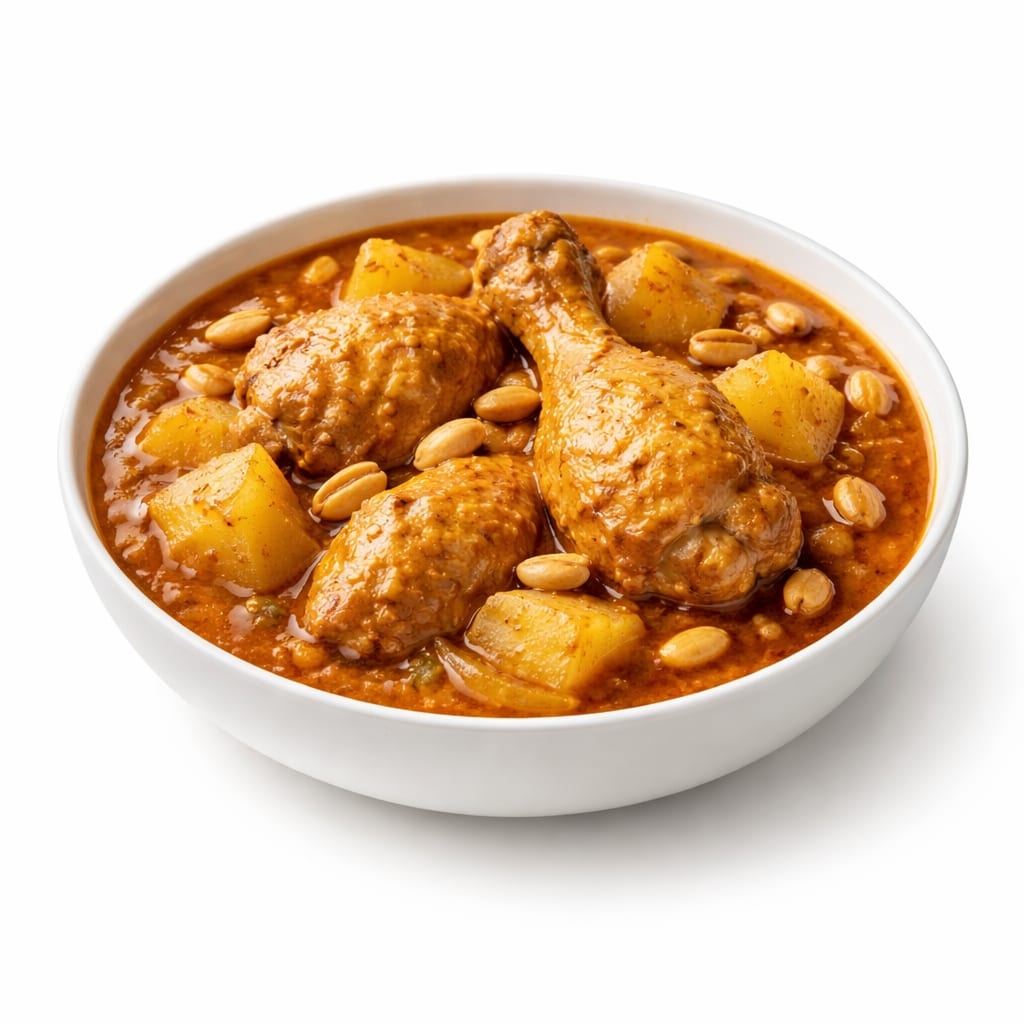
Massaman Curry
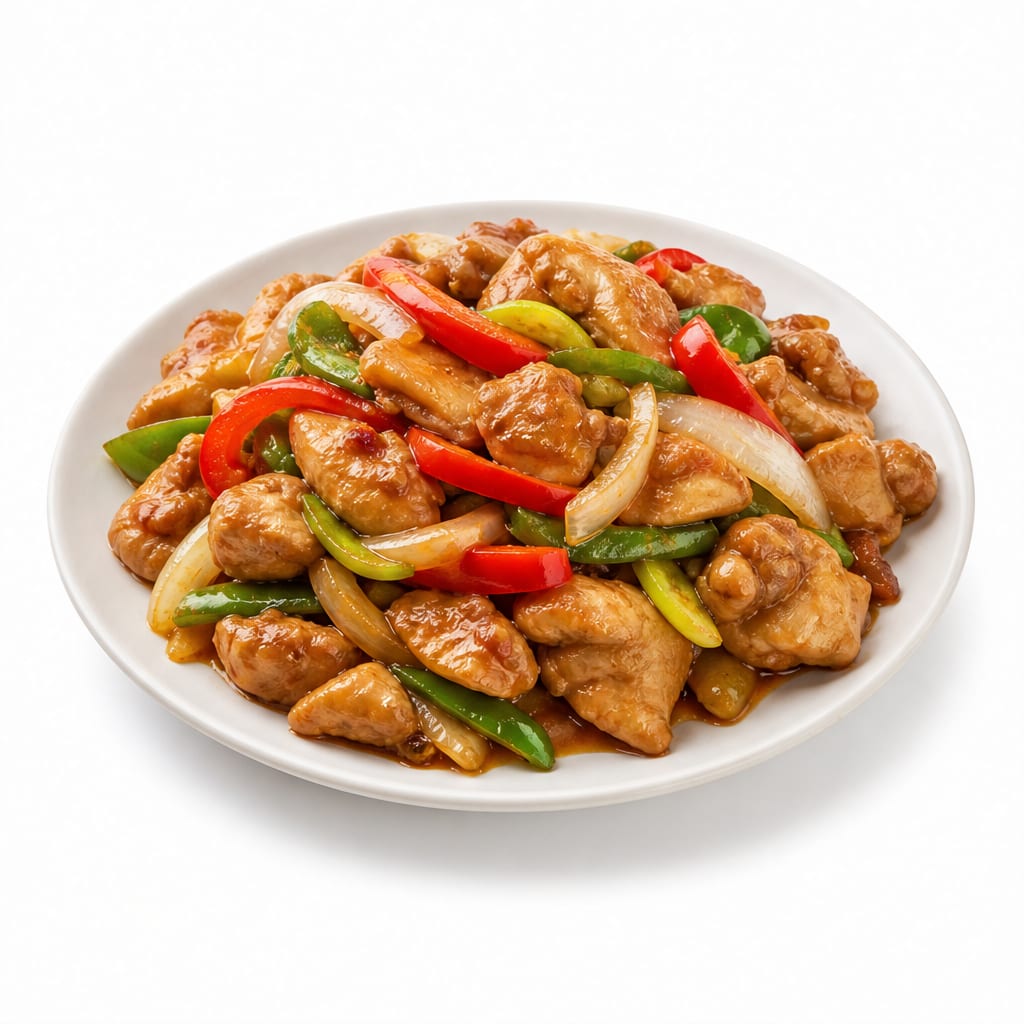
Chicken Stir Fry
Chicken Stir Fry wins for daily eating and weight management; Massaman Curry delivers deeper comfort and anti-inflammatory benefits at a calorie cost.
Chicken Stir Fry scores higher due to better calorie-to-nutrient ratio, lower saturated fat, and everyday practicality. Massaman Curry remains valuable for specific contexts like comfort, anti-inflammatory benefits, and higher calorie needs.
Flavor richness and satiety versus calorie control and heart health
At a glance
Executive summary
Overall
It depends
Healthier
Chicken Stir Fry
More practical
Chicken Stir Fry
Daily use
Chicken Stir Fry
Key comparison lenses
weight management
Massaman Curry's coconut milk base makes it significantly more calorie-dense, which is the primary tradeoff users need to understand
heart health
Saturated fat from coconut milk versus leaner stir fry profile creates a meaningful cardiovascular consideration
everyday practicality
Stir fry is quicker and easier for weeknights; Massaman is more of a comfort or restaurant meal
satiety and satisfaction
The richness of Massaman Curry provides heavier fullness while stir fry offers lighter satisfaction
nutrient density
Stir fry typically packs more vegetables per calorie, while Massaman offers anti-inflammatory spices
Best choice for
Massaman Curry
- Comfort-seeking eaters wanting a satisfying, warming meal
- Those needing higher calorie intake or struggling to eat enough
- People benefiting from anti-inflammatory spices like turmeric and cinnamon
- Anyone wanting a meal that staves off hunger for hours
Chicken Stir Fry
- Weight-conscious eaters tracking calories
- People prioritizing heart health and low saturated fat
- Busy weeknight cooks needing a 20-minute meal
- Anyone wanting to increase vegetable intake easily
Least suitable for
Massaman Curry
- People watching their weight or calorie intake closely
- Those with peanut allergies
- Anyone on a low-sodium or heart-healthy diet
- People who want a light meal before physical activity
Chicken Stir Fry
- Those needing high-calorie meals to maintain weight
- People who find low-fat meals unsatisfying or triggering for overeating
- Anyone seeking the deep comfort of a rich, creamy dish
Deep comparison
Dimension by dimension
Each lens scores both foods and breaks down who each option suits.
- Dimension 1 · Priority 95Chicken Stir Fry
Calorie Density and Weight Management
Massaman Curry · 35Chicken Stir Fry · 82Massaman Curry can easily hit 600-900 calories per serving due to coconut milk and peanuts; Chicken Stir Fry typically lands between 300-450 calories.
Tradeoff
You get richer flavor and longer fullness with Massaman, but at nearly double the calories of a vegetable-heavy stir fry.
Why it matters
If you eat curry regularly, the calorie surplus adds up fast. A weekly Massaman habit could mean an extra pound per month if portions aren't managed.
Real-world impact
A single Massaman Curry serving can use up half your daily calories on a 1500-calorie plan, leaving little room for other meals.
Massaman Curry
- Athletes needing calorie surplus for training
- Underweight individuals trying to gain
Better for
- Sedentary individuals with low calorie needs
- Emotional eaters who struggle with portion control
Worse for
Chicken Stir Fry
- Anyone tracking calories for weight loss
- People who prefer eating larger volumes of food
Better for
- Very active people who need calorie density
Worse for
- Dimension 2 · Priority 90Chicken Stir Fry
Heart Health and Fat Profile
Massaman Curry · 40Chicken Stir Fry · 78Coconut milk delivers 15-20g saturated fat per serving in Massaman Curry, while Chicken Stir Fry with minimal oil stays under 5g saturated fat.
Tradeoff
Massaman's creamy texture comes from saturated fat that raises LDL cholesterol; stir fry's leaner profile is easier on your heart long-term.
Why it matters
Regular saturated fat intake above 10% of calories is linked to higher cardiovascular risk. One Massaman serving can exceed that threshold alone.
Real-world impact
Eating Massaman Curry twice weekly could meaningfully shift your cholesterol numbers over a few months, especially if other meals aren't very lean.
Massaman Curry
- People on keto or high-fat diets who tolerate saturated fat well
Better for
- Those with existing cardiovascular conditions
Worse for
Chicken Stir Fry
- Anyone with family history of heart disease
- People managing high cholesterol
Better for
- People who feel unsatisfied without dietary fat and overeat later
Worse for
- Dimension 3 · Priority 82Massaman Curry
Satiety and Meal Satisfaction
Massaman Curry · 88Chicken Stir Fry · 68Massaman Curry's fat and protein combination keeps you full for 4-5 hours; Chicken Stir Fry satisfies for about 2-3 hours before hunger returns.
Tradeoff
Longer lasting fullness comes with the calorie cost; lighter meals require smarter snacking between meals.
Why it matters
If a meal doesn't keep you full, you're more likely to grab snacks that might be worse than either option.
Real-world impact
After a stir fry lunch, you might be hunting for snacks by 3pm. After Massaman, you could skip afternoon eating entirely.
Massaman Curry
- People who hate feeling hungry between meals
- Those doing intermittent fasting who need one meal to last
Better for
- People who feel sluggish after heavy meals
Worse for
Chicken Stir Fry
- Grazers who prefer eating smaller amounts more frequently
- Athletes who need lighter pre-workout meals
Better for
- Anyone prone to late-afternoon vending machine visits
Worse for
- Dimension 4 · Priority 72Massaman Curry
Anti-Inflammatory and Spice Benefits
Massaman Curry · 80Chicken Stir Fry · 55Massaman Curry contains turmeric, cinnamon, cardamom, and cumin, all with documented anti-inflammatory properties. Stir fry relies more on ginger and garlic.
Tradeoff
You get more therapeutic spice diversity from Massaman, but the saturated fat may counter some anti-inflammatory gains.
Why it matters
Chronic inflammation drives many diseases. Consistently eating anti-inflammatory spices matters more than any single meal.
Real-world impact
Regular Massaman consumption could contribute to lower inflammatory markers, but only if the rest of your diet isn't also high in saturated fat.
Massaman Curry
- People with inflammatory conditions like arthritis
- Those who don't eat many spices otherwise
Better for
- Those whose overall fat intake already promotes inflammation
Worse for
Chicken Stir Fry
- People already eating a varied spice-rich diet
Better for
- People eating bland diets who miss spice benefits entirely
Worse for
- Dimension 5 · Priority 70It depends
Sodium Load
Massaman Curry · 42Chicken Stir Fry · 45Both dishes can be sodium bombs. Massaman uses curry paste and fish sauce; stir fry relies on soy sauce and oyster sauce. Restaurant versions of both easily exceed 1500mg sodium.
Tradeoff
Neither wins here. Home-cooked versions of both can be controlled, but restaurant or packaged versions are equally problematic.
Why it matters
High sodium intake directly raises blood pressure and contributes to bloating. Most people already consume too much.
Real-world impact
Either dish at a restaurant could deliver a full day's sodium in one meal, leaving you bloated and thirsty.
Massaman Curry
- Home cooks who can control curry paste amounts
Better for
- Those eating at Thai restaurants where sodium is very high
Worse for
Chicken Stir Fry
- People using low-sodium soy sauce at home
Better for
- Those eating at Chinese restaurants with heavy sauce usage
Worse for
- Dimension 6 · Priority 78Chicken Stir Fry
Convenience and Weeknight Practicality
Massaman Curry · 45Chicken Stir Fry · 85Chicken Stir Fry is a 15-20 minute one-pan meal. Massaman Curry needs curry paste preparation, longer simmering, and more ingredient coordination.
Tradeoff
Stir fry gets dinner on the table fast with minimal cleanup; Massaman rewards patience with deeper flavor development.
Why it matters
When cooking feels like a chore, people order takeout. The easier meal to cook is the one you'll actually make.
Real-world impact
On a Tuesday at 6:30pm, stir fry is realistic. Massaman usually becomes a weekend project or takeout order.
Massaman Curry
- Weekend cooks who enjoy the process
- Meal preppers making large batches
Better for
- Anyone exhausted after work
Worse for
Chicken Stir Fry
- Busy parents needing dinner in 20 minutes
- Beginner cooks wanting reliable results
Better for
- People who find quick cooking less meditative and enjoyable
Worse for
- Dimension 7 · Priority 75Chicken Stir Fry
Vegetable and Fiber Content
Massaman Curry · 45Chicken Stir Fry · 82Stir fry typically loads up on broccoli, bell peppers, snap peas, and bok choy. Massaman relies more on potatoes with fewer vegetable varieties.
Tradeoff
More vegetables means more fiber, vitamins, and gut health benefits per calorie in the stir fry.
Why it matters
Most people don't eat enough vegetables. The dish that naturally incorporates more of them is doing real work for your health.
Real-world impact
A good stir fry can deliver 3-4 vegetable servings in one meal. Massaman might give you 1-2 at best.
Massaman Curry
- People who dislike vegetables and need them hidden in sauce
Better for
- Those relying on this meal for their daily vegetable intake
Worse for
Chicken Stir Fry
- Anyone trying to hit daily vegetable targets
- People managing digestion with fiber
Better for
- People with IBS who are sensitive to certain vegetables
Worse for
- Dimension 8 · Priority 65Chicken Stir Fry
Allergen and Sensitivity Concerns
Massaman Curry · 30Chicken Stir Fry · 70Massaman Curry contains peanuts and often shrimp paste, triggering common allergies. Chicken Stir Fry is more easily adapted for dietary restrictions.
Tradeoff
Peanuts add protein and flavor to Massaman but exclude a significant portion of the population from safely eating it.
Why it matters
Peanut allergies can be severe and are increasingly common. Even cross-contamination in restaurants is risky.
Real-world impact
Massaman Curry is off-limits for anyone with peanut or tree nut allergies, and hidden shrimp paste makes it unsuitable for shellfish allergies too.
Massaman Curry
- Those without any food allergies who enjoy peanuts
Better for
- Anyone with peanut allergies
- People with shellfish sensitivity
Worse for
Chicken Stir Fry
- People with peanut or tree nut allergies
- Vegetarians who need to avoid hidden shrimp paste
Better for
- Those with soy allergies who cannot use soy sauce
Worse for
Timeline
Health impact over time
Short-term
Hours to days
Massaman Curry
- Heavy fullness that may cause afternoon sluggishness
- Possible bloating from high fat and coconut milk
- Longer-lasting satiety reducing between-meal snacking
- Warming, comforting effect that can improve mood
Chicken Stir Fry
- Lighter post-meal energy suitable for activity
- Faster return of hunger requiring planned snacks
- Better hydration balance with less sodium retention
- Quick energy from easily digested lean protein and vegetables
Long-term
Months to years
Massaman Curry
- Regular consumption may raise LDL cholesterol from saturated fat
- Anti-inflammatory spices could support joint and immune health
- Higher calorie intake may contribute to gradual weight gain if not managed
- Potentially beneficial gut microbiome effects from spice diversity
Chicken Stir Fry
- Consistent vegetable intake supports digestive health and disease prevention
- Lean protein pattern helps maintain healthy weight and muscle mass
- Lower saturated fat intake supports cardiovascular health long-term
- Sodium from sauces may become an issue if not managed
Risk profile
Safety & processing
Both dishes are whole-food based when homemade, but Massaman Curry relies on curry paste which often contains preservatives and added sodium. Store-bought curry pastes can include MSG and artificial flavors. Stir fry sauces can also be processed, but the core ingredients are closer to their natural state. Homemade versions of both reduce processing concerns significantly.
Massaman Curry
Peanut allergen contamination
highMassaman Curry always contains peanuts, making it dangerous for those with allergies. Restaurant cross-contamination is common.
Coconut milk spoilage
mediumCanned coconut milk is shelf-stable, but fresh coconut milk spoils quickly if not refrigerated properly.
Hidden shellfish in curry paste
mediumMany traditional curry pastes contain shrimp paste or fish sauce, problematic for shellfish allergies and vegetarians.
Chicken Stir Fry
Undercooked chicken
highStir fry's quick cooking time means chicken must be properly prepared to avoid foodborne illness. Cut pieces small and verify internal temperature.
Soy sauce sodium and gluten
lowStandard soy sauce contains gluten and high sodium. Tamari is a safer alternative for gluten-sensitive individuals.
Oil smoke point concerns
lowHigh-heat stir frying with low smoke point oils can create harmful compounds. Use oils rated for high heat like avocado or peanut oil.
Who wins for whom
Audience fit
Same foods, different winners depending on your goal.
children
It dependsStir fry is safer for kids with peanut allergies and offers more vegetables. Massaman's milder, sweeter flavor may appeal more to picky eaters who reject vegetables.
daily consumption
Chicken Stir FryLower calorie density, better heart health profile, and faster preparation make Chicken Stir Fry sustainable as a regular meal without health tradeoffs.
diabetes
Chicken Stir FryLower carbohydrate density and higher fiber from vegetables creates steadier blood sugar. Massaman's potatoes and sugar in curry paste can spike glucose more.
elderly
Chicken Stir FryEasier digestion, lower saturated fat for heart health, and softer vegetables in stir fry suit older adults better. Massaman's heaviness can cause discomfort.
muscle gain
Chicken Stir FryLean chicken protein with less fat means better protein-to-calorie ratio for building muscle without excess calorie intake.
weight loss
Chicken Stir FryChicken Stir Fry delivers more food volume and vegetables per calorie, making it easier to stay in a deficit without feeling deprived.
Your move
Decision guide
Choose Massaman Curry
- You're craving deep comfort and satisfaction that lighter meals can't provide
- You've had a physically exhausting day and need a meal that truly fills you up
- You're at a healthy weight and can afford the calorie density without concern
- You want anti-inflammatory spice benefits and don't regularly eat turmeric or cinnamon
- You're meal prepping for high-calorie needs like endurance training
Choose Chicken Stir Fry
- You want a healthy dinner that doesn't require calorie counting or guilt
- You're managing your weight, cholesterol, or blood pressure
- You need dinner on the table in under 25 minutes on a weeknight
- You're trying to eat more vegetables without feeling like you're sacrificing flavor
- You have peanut allergies or cook for someone who does
Either works if
- You're eating out and both options are available as restaurant-quality dishes
- You're cooking for a group with diverse preferences and can make both
- You rotate meals weekly and want variety in your diet
Avoid both if
- You're on a strict low-sodium diet and can't control the sauce amounts
- You have severe sensitivities to both peanuts and soy
- You're looking for a raw or fully plant-based meal
Final recommendation
Make Chicken Stir Fry your everyday default for its lighter calorie load, heart-friendly profile, and weeknight speed. Save Massaman Curry for when you genuinely need comfort or a more indulgent meal, and consider using light coconut milk to cut calories by 40% while keeping most of the flavor. Both can be part of a healthy diet when you match the choice to what your body actually needs that day.
Practical
Consumer tips
- 1
Use light coconut milk in Massaman Curry to cut calories and saturated fat by roughly 40% with minimal flavor loss
- 2
Add extra vegetables like cauliflower or green beans to Massaman to improve its nutrient-to-calorie ratio
- 3
Choose low-sodium soy sauce for stir fry and reduce oyster sauce to keep salt manageable
- 4
Meal prep Massaman Curry in large batches on weekends since it reheats well and the flavor improves overnight
- 5
Cut chicken into smaller pieces for stir fry to ensure thorough cooking in the quick cooking time
- 6
Make your own curry paste to control sodium and avoid hidden allergens like shrimp paste
- 7
Pair stir fry with cauliflower rice instead of white rice to keep the entire meal under 400 calories
- 8
Freeze individual portions of Massaman Curry for emergency comfort meals that beat takeout nutritionally