
Nutrition comparison
Massaman Curry vs Butter Chicken: Which Is Healthier?
Compare Massaman Curry and Butter Chicken on nutrition, calories, fat, protein, and health impact. Find out which curry is the smarter choice for your goals.
Overall winner · Massaman Curry
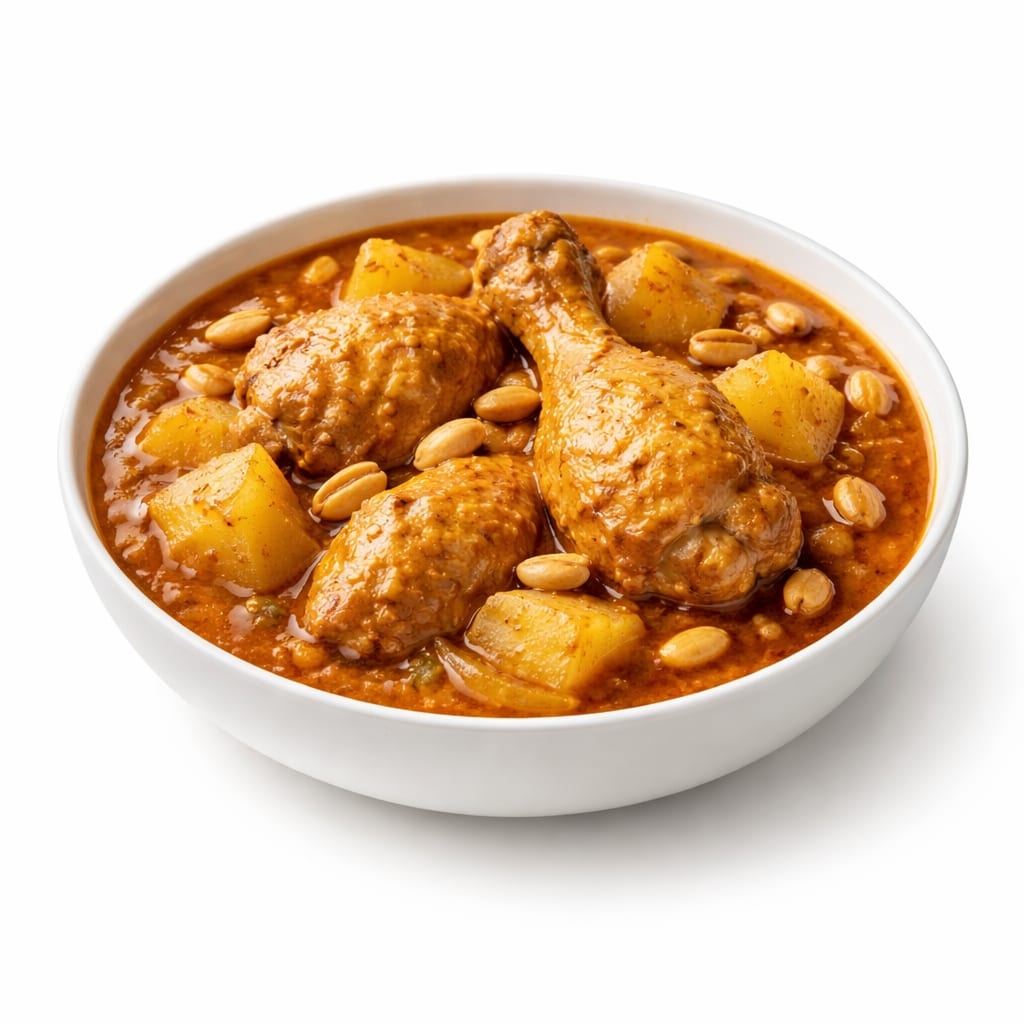
Massaman Curry
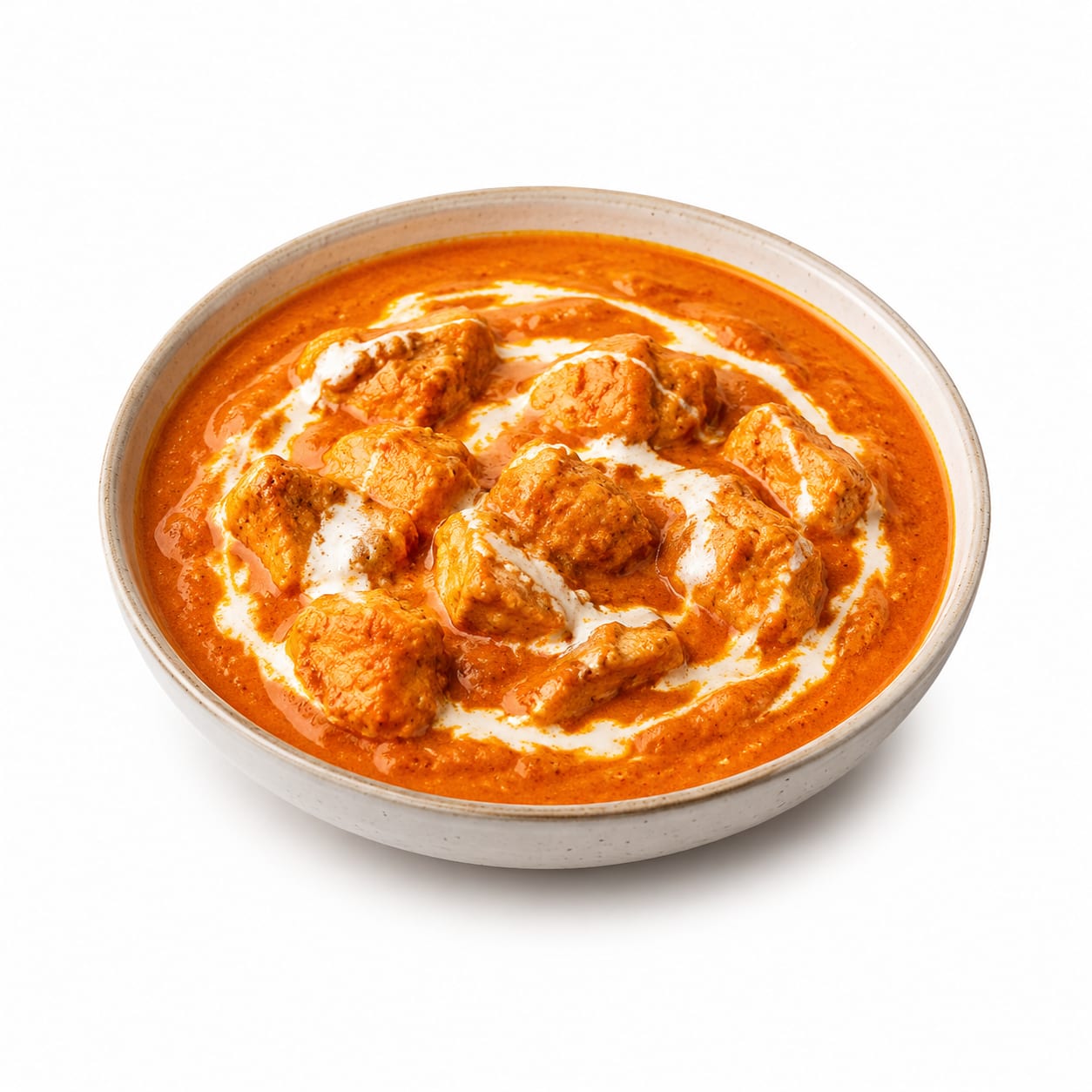
Butter Chicken
Massaman Curry edges out Butter Chicken thanks to more vegetable content, peanut-based nutrients, and less saturated fat from dairy. But both are heavy restaurant dishes best enjoyed moderately.
Massaman Curry scores moderately above Butter Chicken due to better nutrient diversity, more fiber from potatoes and peanuts, and less saturated fat from dairy. Both lose points for high calorie density and sodium levels typical of restaurant preparations. The gap is meaningful but not dramatic — neither is a health food.
Massaman offers more fiber, minerals, and varied nutrients from peanuts and potatoes, while Butter Chicken delivers more protein density but comes with significantly more saturated fat from butter and cream.
At a glance
Executive summary
Overall
Massaman Curry
Healthier
Massaman Curry
More practical
It depends
Daily use
Massaman Curry
Key comparison lenses
Which curry is healthier for regular consumption?
Both are popular restaurant curries people choose between, and health differences are significant enough to drive decisions
Saturated fat and heart health tradeoffs
Butter Chicken relies heavily on butter and cream, while Massaman uses coconut milk with more vegetable content
Calorie density and weight management
Both are calorie-dense restaurant dishes, but the sources of those calories differ meaningfully
Allergen and dietary restriction compatibility
Massaman contains peanuts and is Thai-based, Butter Chicken is dairy-heavy and Indian-based, creating different restriction conflicts
Nutrient diversity and satiety value
Massaman typically includes potatoes, peanuts, and more vegetables, offering broader nutrition per calorie
Best choice for
Massaman Curry
- People watching heart health who still want a comforting curry
- Those seeking more fiber and micronutrients from a restaurant meal
- Anyone avoiding heavy dairy
- People who prefer milder, slightly sweet flavor profiles
Butter Chicken
- Those prioritizing higher protein intake per serving
- People avoiding tree nuts and peanuts
- Anyone craving rich, tomato-based comfort food
- Those who find dairy-based sauces more satisfying and filling
Least suitable for
Massaman Curry
- People with peanut or tree nut allergies
- Those on strict low-calorie or low-fat diets
- Anyone avoiding coconut milk due to saturated fat concerns
Butter Chicken
- People with lactose intolerance or dairy avoidance
- Those managing high cholesterol or heart disease risk
- Anyone on a calorie-restricted diet who struggles with portion control
Deep comparison
Dimension by dimension
Each lens scores both foods and breaks down who each option suits.
- Dimension 1 · Priority 92Massaman Curry
Saturated Fat & Heart Health
Massaman Curry · 55Butter Chicken · 30Massaman relies on coconut milk, which has saturated fat but in a different form than the butter and cream dominating Butter Chicken.
Tradeoff
Coconut milk fat may have a more neutral effect on heart health than butter's dairy saturated fat, but both dishes are high in total saturated fat compared to home-cooked meals.
Why it matters
Regular high saturated fat intake from dairy sources is more strongly linked to elevated LDL cholesterol than plant-based saturated fat sources.
Real-world impact
Eating Butter Chicken frequently could meaningfully raise cholesterol over time, while Massaman is somewhat less concerning for heart health if portions are controlled.
Massaman Curry
- People with family history of heart disease
- Those monitoring LDL cholesterol
- Anyone eating curry weekly who wants the less risky option
Better for
- Anyone on a physician-ordered low saturated fat diet
Worse for
Butter Chicken
- People who tolerate dairy fat well genetically
- Those eating curry only occasionally as a treat
Better for
- People with existing high cholesterol
- Those recovering from cardiac events
- Anyone eating restaurant curries multiple times per week
Worse for
- Dimension 2 · Priority 85Massaman Curry
Nutrient Diversity & Micronutrients
Massaman Curry · 72Butter Chicken · 45Massaman delivers more minerals, fiber, and phytonutrients thanks to peanuts, potatoes, tamarind, and typically more vegetables.
Tradeoff
Butter Chicken provides more concentrated protein and some lycopene from tomatoes, but lacks the fiber and mineral breadth of Massaman's varied ingredients.
Why it matters
Meals with diverse nutrient sources support better long-term health than calorie-dense meals with narrow nutritional profiles.
Real-world impact
A Massaman meal leaves you with more manganese, magnesium, and fiber on your daily intake tally — nutrients many people consistently undershoot.
Massaman Curry
- People relying on restaurant meals for a significant portion of their nutrition
- Those who struggle to get enough fiber
- Anyone wanting more minerals like magnesium and manganese
Better for
- People with peanut allergies who cannot access the main nutrient advantage
Worse for
Butter Chicken
- People who get plenty of fiber and minerals from other meals
- Those specifically seeking higher protein per calorie
Better for
- Those eating Indian restaurant food as a dietary staple without other fiber sources
Worse for
- Dimension 3 · Priority 78Butter Chicken
Protein Quality & Density
Massaman Curry · 58Butter Chicken · 75Butter Chicken is more protein-dense per serving since it centers on chicken in a protein-light sauce, while Massaman dilutes protein across potatoes, peanuts, and sauce.
Tradeoff
Butter Chicken gives you more complete protein from chicken per bite, but Massaman offers complementary protein from both chicken and peanuts with a broader amino acid profile.
Why it matters
Higher protein density helps with satiety, muscle maintenance, and blood sugar stability after meals.
Real-world impact
After Butter Chicken, you may stay full slightly longer from protein alone, but the lack of fiber means the satiety fades faster than Massaman's protein-plus-fiber combination.
Massaman Curry
- People who value sustained fullness from fiber alongside protein
- Those eating smaller portions who still want some protein
Better for
- Those needing maximum protein per calorie on a cutting diet
Worse for
Butter Chicken
- Athletes and active people needing more complete protein per meal
- Anyone recovering from illness or surgery with higher protein needs
- People doing strength training who eat curry as a post-workout meal
Better for
- People who find high-protein low-fiber meals less satisfying overall
Worse for
- Dimension 4 · Priority 82Massaman Curry
Calorie Density & Portion Control
Massaman Curry · 48Butter Chicken · 38Both are calorie bombs by home-cooking standards, but Massaman's potatoes and peanuts create more volume per calorie, making portion control slightly easier.
Tradeoff
Massaman feels more filling per calorie because of fiber and texture variety, while Butter Chicken's creamy richness can trigger overeating faster.
Why it matters
Calorie-dense restaurant meals are a primary driver of unintended weight gain, and satiety per calorie matters more than absolute calorie counts.
Real-world impact
You are more likely to stop after a reasonable portion of Massaman because the potatoes and peanuts create physical fullness. Butter Chicken's smooth richness often leads to eating past comfortable fullness.
Massaman Curry
- People who struggle with portion control at restaurants
- Those who want to feel full on less total calories
- Anyone tracking calories who values higher volume meals
Better for
- Anyone assuming curry is automatically a light meal
Worse for
Butter Chicken
- People who naturally stop eating when satisfied regardless of texture
- Those eating small defined portions as part of a meal plan
Better for
- Emotional eaters who find creamy rich foods harder to stop eating
- People who regularly overeat at Indian restaurants
Worse for
- Dimension 5 · Priority 70Massaman Curry
Digestive Tolerance & Comfort
Massaman Curry · 68Butter Chicken · 50Massaman is typically milder and gentler on the stomach, while Butter Chicken's dairy-heavy sauce can cause issues for lactose-sensitive people.
Tradeoff
Massaman's peanuts can trigger reflux in some people, and coconut milk may cause bloating in sensitive individuals, but dairy-free generally means fewer digestive complaints.
Why it matters
Post-meal digestive discomfort affects quality of life and can disrupt sleep when these dishes are eaten for dinner.
Real-world impact
After Massaman, most people feel comfortably full. After Butter Chicken, lactose-intolerant individuals may experience bloating, gas, or discomfort within hours.
Massaman Curry
- People with lactose intolerance or dairy sensitivity
- Those prone to acid reflux who need milder spice levels
- Anyone with sensitive digestion who still wants flavorful food
Better for
- People with peanut allergies or sensitivities
- Those who get bloated from coconut milk
Worse for
Butter Chicken
- People who digest dairy perfectly well
- Those who find tomato-based sauces soothing rather than irritating
Better for
- Anyone with even mild lactose intolerance
- People taking the meal close to bedtime
Worse for
- Dimension 6 · Priority 75It depends
Sodium Load
Massaman Curry · 40Butter Chicken · 42Both dishes are typically very high in sodium from restaurant preparation, with neither being meaningfully better.
Tradeoff
Massaman's curry paste and fish sauce contribute high sodium, while Butter Chicken's seasoning and restaurant butter sauce are equally salty. Home preparation can reduce sodium in both.
Why it matters
Regular high-sodium restaurant meals are a major contributor to hypertension and bloating, and neither curry offers an advantage here.
Real-world impact
After either dish at a restaurant, you may notice bloating and thirst. This is essentially a tie — both are high-sodium meals that should be balanced with lower-sodium choices the rest of the day.
Massaman Curry
- People who make curry at home with reduced-sodium paste
Better for
- Anyone with hypertension eating restaurant Massaman frequently
Worse for
Butter Chicken
- People who make Butter Chicken at home controlling salt and butter amounts
Better for
- Anyone with hypertension eating restaurant Butter Chicken frequently
Worse for
Timeline
Health impact over time
Short-term
Hours to days
Massaman Curry
- Comfortable fullness from fiber-rich potatoes and peanuts
- Mild blood sugar rise from potatoes and rice, partially offset by fat and protein
- Possible bloating if sensitive to coconut milk
- Satisfying flavor without overwhelming spice
Butter Chicken
- Heavy fullness from dense dairy fat and cream
- More pronounced blood sugar spike when eaten with naan due to low fiber content
- Bloating and gas in lactose-intolerant individuals
- Strong comfort food satisfaction that may trigger wanting larger portions
Long-term
Months to years
Massaman Curry
- Better micronutrient intake from peanuts, tamarind, and vegetables if eaten regularly
- Moderate cardiovascular risk from coconut milk saturated fat if consumed frequently
- More stable weight management due to higher fiber and satiety per calorie
- Potential allergen exposure risk if peanut sensitivity develops over time
Butter Chicken
- Higher cardiovascular risk from frequent butter and cream consumption
- Possible LDL cholesterol elevation with regular intake
- Lower fiber intake if Butter Chicken replaces more vegetable-rich meals consistently
- Greater risk of gradual weight gain from calorie density and low satiety per calorie
Risk profile
Safety & processing
Both dishes use processed curry pastes or spice blends. Restaurant versions of both may contain added colors, preservatives, and stabilizers. Massaman curry paste often includes shrimp paste and fish sauce, while Butter Chicken restaurant preparations sometimes use food coloring and cream stabilizers. Home-cooked versions of both can be significantly cleaner.
Massaman Curry
Peanut allergen cross-contamination
highMassaman always contains peanuts, making it completely unsafe for those with peanut allergies. Restaurant kitchens may also cross-contaminate even if peanuts are requested to be removed.
Coconut milk spoilage
lowCoconut milk can spoil if not stored properly, but restaurant preparation typically uses canned coconut milk which is shelf-stable until opened.
Butter Chicken
Dairy-related foodborne illness
mediumCream and butter in Butter Chicken can harbor bacteria if not kept at proper temperatures. Buffet-style Butter Chicken is particularly risky.
Food coloring additives
lowSome restaurants use artificial orange food coloring to achieve the signature Butter Chicken appearance, which may cause reactions in sensitive individuals.
Who wins for whom
Audience fit
Same foods, different winners depending on your goal.
children
It dependsMassaman is milder and often more kid-friendly in spice level, but peanut allergy risk is a serious concern for children. Butter Chicken is creamier and familiar but dairy intolerance is also common in children.
daily consumption
Massaman CurryNeither should be eaten daily, but Massaman's broader nutrient profile and lower dairy saturated fat make it the less harmful option if someone insisted on frequent curry consumption.
diabetes
Massaman CurryMassaman's fiber from potatoes and peanuts slows glucose absorption, while Butter Chicken's low-fiber high-fat profile paired with naan creates sharper blood sugar spikes.
elderly
Massaman CurryMassaman's softer texture, milder spice, and better nutrient diversity support aging bodies, while Butter Chicken's high saturated fat is more concerning for cardiovascular health in older adults.
muscle gain
Butter ChickenButter Chicken delivers more complete protein per serving from its chicken-heavy, sauce-lighter ratio, supporting muscle protein synthesis better.
weight loss
Massaman CurryMassaman's higher fiber and volume per calorie make it easier to eat a satisfying portion without overconsuming, though neither is ideal for weight loss.
Your move
Decision guide
Choose Massaman Curry
- You want more nutrients per calorie and better fiber intake
- Heart health is a priority and you want the lower dairy saturated fat option
- You have lactose intolerance but still want a rich, satisfying curry
- You prefer milder, slightly sweet and nutty flavors over creamy tomato richness
- You struggle with portion control and want a meal that fills you up sooner
Choose Butter Chicken
- You need more protein per meal for athletic or recovery goals
- You have a peanut or tree nut allergy
- You are eating curry as an occasional treat and want maximum comfort food satisfaction
- You digest dairy well and prefer creamy tomato-based flavors
- You are sharing with others who specifically crave North Indian cuisine
Either works if
- You are eating at a restaurant and both options are available as occasional meals
- You plan to balance the meal with a large side of vegetables and skip the naan
- You have no specific dietary restrictions and just want a satisfying dinner
Avoid both if
- You are on a strict low-sodium diet for blood pressure management
- You are following a calorie-restricted diet and cannot afford a 600-900+ calorie meal
- You have both peanut allergy and lactose intolerance
- You need a light meal before physical activity or before bed
Final recommendation
For most people choosing between these two restaurant favorites, Massaman Curry is the slightly smarter regular order — more fiber, more minerals, less concerning saturated fat, and better satiety per calorie. Save Butter Chicken for when you specifically crave that creamy tomato comfort or need higher protein, and treat it as an occasional indulgence rather than a go-to. If you order either, pair it with steamed vegetables instead of naan to improve the nutritional profile significantly.
Practical
Consumer tips
- 1
Ask for Massaman Curry with extra vegetables and less coconut milk to reduce calories while boosting nutrients
- 2
Order Butter Chicken with tandoori chicken on the side instead of naan to add protein and reduce refined carbs
- 3
Request half-portion rice with either curry — most restaurants serve far more rice than needed
- 4
Make either curry at home to control sodium, fat, and portion sizes — the difference is dramatic
- 5
If eating Butter Chicken, skip other high-saturated-fat foods that day to balance your intake
- 6
For Massaman, ask about peanut content if you have any tree nut sensitivity, even if not a peanut allergy
- 7
Both curries freeze well — make a large batch at home with controlled ingredients and freeze individual portions
- 8
Drink plenty of water after either dish to help manage the high sodium load