
Nutrition comparison
Massaman Curry vs Pad Thai: Which Thai Dish Is Healthier?
Compare Massaman Curry and Pad Thai nutrition, calories, protein, and health impact. Discover which Thai dish is better for weight loss, blood sugar, and daily eating.
Overall winner · Massaman Curry
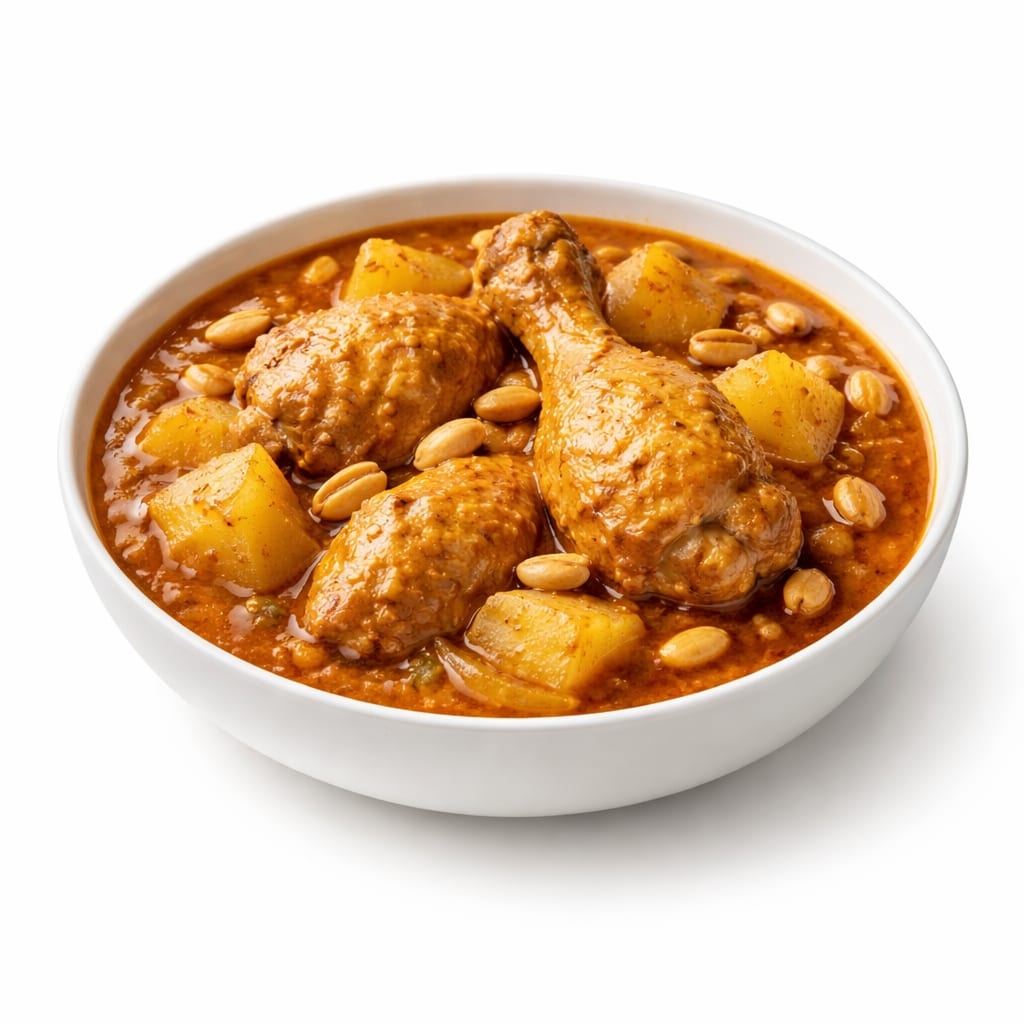
Massaman Curry
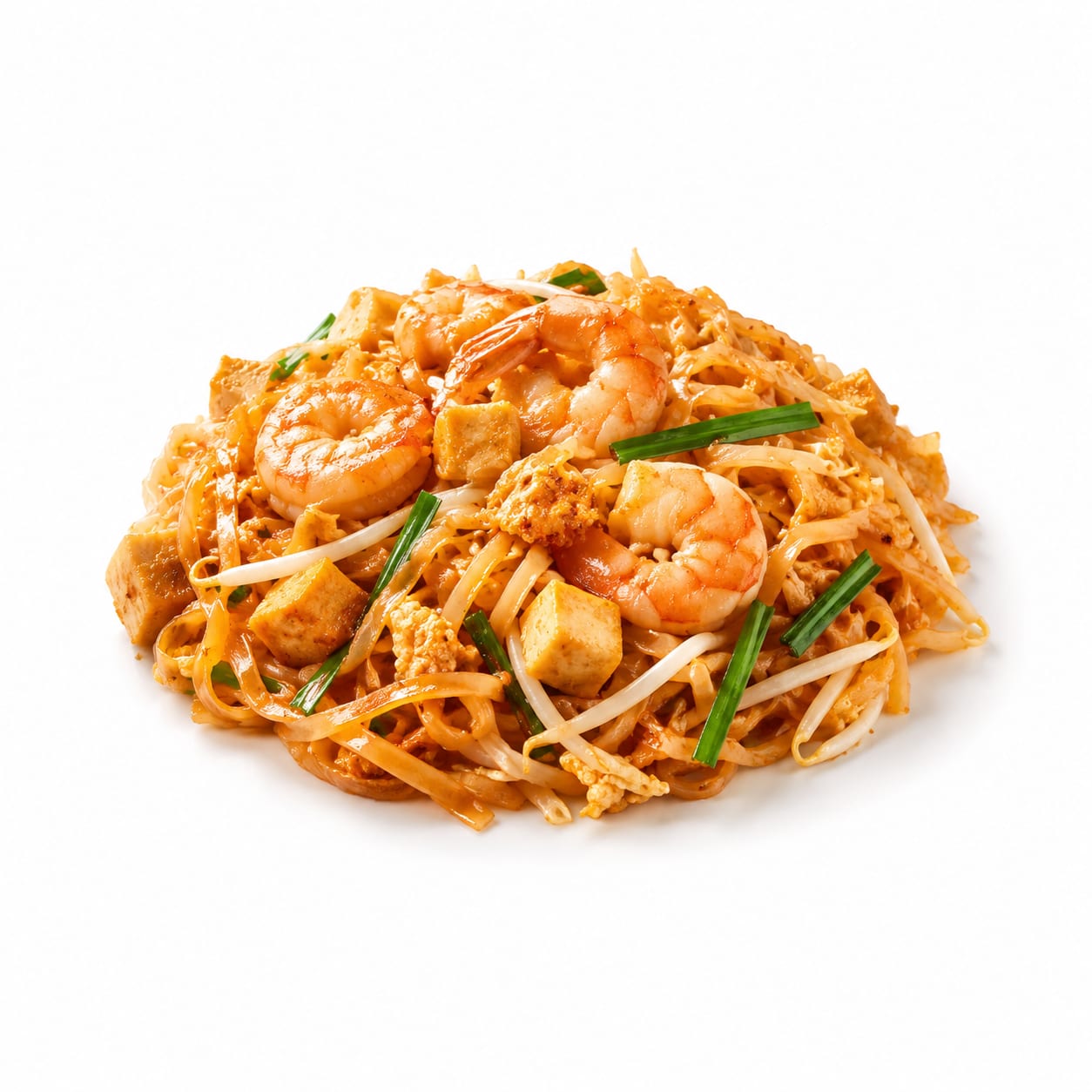
Pad Thai
Massaman Curry edges out Pad Thai for health-conscious diners thanks to more protein, steadier energy, and anti-inflammatory spices, but it comes with a heavier calorie load.
Massaman Curry scores notably higher due to superior protein content, steadier blood sugar impact, and beneficial spices. Pad Thai loses ground on refined carbs, added sugar, and lower satiety. Both lose points for high sodium and restaurant-level calorie density.
Massaman delivers more satiety and stable blood sugar at the cost of higher calories and fat, while Pad Thai feels lighter but risks energy crashes and overeating due to refined carbs and sugar.
At a glance
Executive summary
Overall
Massaman Curry
Healthier
Massaman Curry
More practical
Pad Thai
Daily use
It depends
Key comparison lenses
Which Thai dish is healthier for regular consumption?
Both are popular restaurant choices, but their nutritional profiles differ dramatically for weekly ordering decisions
Blood sugar and energy stability comparison
Pad Thai's rice noodles create very different glycemic responses than Massaman's potato and coconut base
Weight management and satiety tradeoffs
Massaman fills you faster but carries more calories; Pad Thai feels lighter but may trigger overeating
Sodium and heart health concerns
Both dishes are restaurant-level salty, but the sources and implications differ
Inflammatory and metabolic impact
Massaman's spice blend has anti-inflammatory properties; Pad Thai's sugar content may promote inflammation
Best choice for
Massaman Curry
- People managing blood sugar or diabetes
- Anyone seeking a filling meal that prevents snacking later
- Those wanting anti-inflammatory spice benefits
- Active individuals needing sustained energy
- People prioritizing protein intake at dinner
Pad Thai
- Those wanting a lighter meal that won't feel heavy
- Post-workout carb refueling
- People with lower calorie needs who find Massaman too dense
- Anyone craving a quick energy boost before activity
- Lighter lunch scenarios where heaviness would slow you down
Least suitable for
Massaman Curry
- People strictly limiting calories or fat
- Anyone with coconut allergy
- Those watching sodium closely for blood pressure
- People wanting a light meal before physical activity
- Individuals sensitive to rich, heavy foods at dinner
Pad Thai
- People with diabetes or insulin resistance
- Anyone prone to afternoon energy crashes
- Those trying to reduce refined carbohydrate intake
- People managing sugar consumption
- Individuals who find noodles unsatisfying and overeat
Deep comparison
Dimension by dimension
Each lens scores both foods and breaks down who each option suits.
- Dimension 1 · Priority 95Massaman Curry
Blood Sugar Stability
Massaman Curry · 72Pad Thai · 35Massaman's combination of fat, protein, and complex carbs from potatoes creates a much gentler blood sugar curve than Pad Thai's refined rice noodles and added sugar.
Tradeoff
You trade quick energy availability for metabolic steadiness — Pad Thai gives faster fuel but crashes harder.
Why it matters
Blood sugar spikes from Pad Thai can trigger hunger returning within 1-2 hours, while Massaman's steadier release keeps you satisfied longer.
Real-world impact
After Pad Thai, you may crave a snack by mid-afternoon. After Massaman, you likely feel full until your next meal.
Massaman Curry
- Diabetics and pre-diabetics
- People avoiding energy crashes
- Those who get hangry between meals
Better for
- Anyone needing fast-digesting fuel before exercise
Worse for
Pad Thai
- Athletes needing quick glycogen replenishment
- Endurance activities within 2 hours
Better for
- Office workers sitting all afternoon
- Anyone prone to post-lunch food comas
- People with insulin sensitivity concerns
Worse for
- Dimension 2 · Priority 90Massaman Curry
Satiety and Fullness
Massaman Curry · 82Pad Thai · 48Massaman's protein from meat, fat from coconut milk, and potatoes make it substantially more filling than Pad Thai's noodle-dominant composition.
Tradeoff
Fullness comes with heaviness — Massaman can feel too dense for some occasions, while Pad Thai's lighter feel risks leaving you hungry sooner.
Why it matters
Meals that actually satisfy you prevent compensatory snacking, which often undermines healthy eating more than the meal itself.
Real-world impact
One plate of Massaman often feels like a complete meal. Pad Thai may leave you eyeing appetizers or dessert within an hour.
Massaman Curry
- People who skip meals and need one to last
- Anyone trying to reduce between-meal snacking
- Those who find noodle dishes unsatisfying
Better for
- Date nights where you want to feel light afterward
- Late dinners close to bedtime
Worse for
Pad Thai
- Hot weather eating when heavy food sounds unappealing
- Multi-course meals where you want room for other dishes
Better for
- Anyone prone to late-night fridge raids
- People who feel hungry again quickly after noodles
Worse for
- Dimension 3 · Priority 85Pad Thai
Calorie Density and Weight Management
Massaman Curry · 38Pad Thai · 52Pad Thai is typically lower in calories per serving than Massaman, mainly because coconut milk is extremely calorie-dense. However, Pad Thai's lower satiety can lead to eating more overall.
Tradeoff
Massaman packs more calories but satisfies more deeply; Pad Thai appears lighter but may not actually reduce your total daily intake.
Why it matters
Calorie counting alone misses the satiety factor — a 700-calorie meal that prevents snacking may beat a 500-calorie meal that leaves you grazing.
Real-world impact
If you order Pad Thai and then eat spring rolls and mango sticky rice because you are still hungry, you have consumed far more than the Massaman would have cost.
Massaman Curry
- People who eat one plate and stop
- Those who value meal satisfaction over calorie math
Better for
- Very sedentary days with minimal calorie budget
- Anyone tracking calories strictly
Worse for
Pad Thai
- Careful portion controllers who eat slowly
- People who genuinely feel full from smaller amounts
Better for
- Emotional eaters who keep eating past fullness
- People who always order appetizers and dessert
Worse for
- Dimension 4 · Priority 75Massaman Curry
Inflammatory Potential
Massaman Curry · 68Pad Thai · 40Massaman's spice blend contains turmeric, cardamom, cinnamon, and cumin — all with documented anti-inflammatory properties. Pad Thai's added sugar and refined carbs promote low-grade inflammation.
Tradeoff
Massaman's anti-inflammatory spices compete with its high saturated fat from coconut milk; Pad Thai avoids the saturated fat load but brings sugar-driven inflammation.
Why it matters
Chronic low-grade inflammation underlies many long-term health issues, and food choices compound over years of regular restaurant ordering.
Real-world impact
Regularly choosing Massaman over Pad Thai may subtly reduce joint stiffness and inflammatory markers over months, though both are occasional indulgences rather than daily staples.
Massaman Curry
- People with inflammatory conditions like arthritis
- Those following anti-inflammatory eating patterns
- Anyone concerned about long-term metabolic health
Better for
- People strictly limiting saturated fat for heart conditions
Worse for
Pad Thai
- People specifically avoiding saturated fat
- Those with coconut sensitivity
Better for
- Anyone with sugar-driven inflammation
- People with metabolic syndrome
Worse for
- Dimension 5 · Priority 80Massaman Curry
Protein Quality and Quantity
Massaman Curry · 78Pad Thai · 42Massaman typically contains substantial meat portions with complete amino acid profiles. Pad Thai's protein comes mainly from small amounts of egg, tofu, or shrimp — often insufficient for a full meal.
Tradeoff
Massaman delivers muscle-supporting protein but from sources higher in saturated fat; Pad Thai offers leaner protein but not enough of it.
Why it matters
Adequate protein per meal supports muscle maintenance, metabolic health, and satiety hormones that signal fullness to your brain.
Real-world impact
Massaman often provides 25-40g protein per serving. Pad Thai typically delivers 10-20g — barely enough to trigger strong satiety signals.
Massaman Curry
- Active people needing muscle recovery
- Older adults preserving lean mass
- Anyone trying to hit protein targets at dinner
Better for
- Vegetarians unless made with tofu
- People avoiding red meat if beef version is served
Worse for
Pad Thai
- Vegetarians who add extra tofu
- People who get protein from other meals that day
Better for
- Athletes with high protein needs
- Anyone relying on this as their main protein source
Worse for
- Dimension 6 · Priority 70It depends
Sodium Load
Massaman Curry · 32Pad Thai · 35Both dishes are sodium bombs at restaurants. Massaman gets salt from curry paste and fish sauce; Pad Thai from fish sauce and soy sauce. Neither is a good choice for sodium-sensitive individuals.
Tradeoff
Massaman's slightly higher sodium comes with more potassium from potatoes, which partially offsets blood pressure impact. Pad Thai's sodium has less mitigation.
Why it matters
A single restaurant serving of either dish can contain 1500-3000mg sodium — your entire daily recommended intake in one plate.
Real-world impact
If you have blood pressure concerns, ordering either dish means you should plan low-sodium meals for the rest of the day.
Massaman Curry
- People who also consume potassium-rich foods that day
Better for
- Anyone on a strict low-sodium diet
- People with hypertension
Worse for
Pad Thai
- Slightly lower sodium in some preparations
Better for
- Same concerns — both are high-sodium choices
Worse for
- Dimension 7 · Priority 65It depends
Digestive Comfort
Massaman Curry · 55Pad Thai · 58Pad Thai is easier on the stomach for most people due to lighter ingredients. Massaman's rich coconut milk and spice complexity can trigger reflux or bloating in sensitive individuals.
Tradeoff
Pad Thai digests more comfortably but may cause gas from bean sprouts and noodles; Massaman's richness lingers longer and may cause heartburn.
Why it matters
Post-meal comfort affects productivity, sleep quality, and whether you actually enjoy the rest of your evening.
Real-world impact
If you have a meeting after lunch, Pad Thai is less likely to make you feel sluggish. If you are eating at 9pm, Massaman might keep you uncomfortable at bedtime.
Massaman Curry
- People with strong digestion who enjoy rich foods
- Those eating early enough to digest before bed
Better for
- GERD sufferers
- People who get bloated from coconut milk
Worse for
Pad Thai
- People prone to acid reflux or heartburn
- Anyone eating close to bedtime
- Those with sensitive stomachs
Better for
- People sensitive to bean sprouts or soy
- Those who experience gas from rice noodles
Worse for
Timeline
Health impact over time
Short-term
Hours to days
Massaman Curry
- Strong satiety that reduces snacking for 4-6 hours
- Stable energy without the crash that follows noodle-heavy meals
- Possible heaviness or drowsiness from high fat content
- Potential heartburn if eaten close to lying down
- Feeling comfortably full rather than stuffed if portions are reasonable
Pad Thai
- Quick energy surge followed by hunger returning within 1-2 hours
- Lighter initial feeling that may not last
- Possible blood sugar dip causing afternoon fatigue or cravings
- Less digestive discomfort for most people
- Higher likelihood of wanting dessert or a snack afterward
Long-term
Months to years
Massaman Curry
- Anti-inflammatory spice compounds may reduce chronic inflammation markers
- Higher saturated fat intake from coconut milk could impact cardiovascular risk if eaten frequently
- Better blood sugar control patterns with regular consumption versus refined carb alternatives
- Potentially higher calorie intake if portions are not managed
- Potassium from potatoes supports blood pressure regulation alongside the sodium concern
Pad Thai
- Regular refined carbohydrate exposure may worsen insulin sensitivity over time
- Added sugar contributes to metabolic stress and potential weight gain
- Lower protein intake at meals may reduce muscle maintenance capacity
- Less inflammatory spice benefit compared to curry-based dishes
- Consistent blood sugar spikes may increase diabetes risk with frequent consumption
Risk profile
Safety & processing
Both dishes use processed components — curry paste and fish sauce for Massaman, rice noodles and fish sauce for Pad Thai. Restaurant versions of both often contain added sugar and MSG. Massaman's spice blend is closer to whole-food ingredients, while Pad Thai's rice noodles are more refined. Neither is a whole food, but Massaman edges slightly closer to recognizable ingredients.
Massaman Curry
Coconut milk spoilage
mediumCoconut milk can spoil quickly if not stored properly. Reputable restaurants handle this well, but buffet-style or low-turnover venues may pose risk.
Peanut allergen exposure
highMassaman often contains peanuts. Cross-contamination in Thai kitchens is nearly guaranteed — avoid entirely if you have peanut allergy.
Sodium-related blood pressure spikes
mediumA single serving can contain multiple days' worth of sodium for sensitive individuals, causing acute blood pressure elevation.
Pad Thai
Peanut allergen exposure
highPad Thai is garnished with crushed peanuts and often cooked with peanut oil. Thai kitchens are high-risk for peanut cross-contamination.
Shellfish allergy from shrimp or fish sauce
highFish sauce is in nearly every Pad Thai, and many include shrimp. Shellfish allergies require extreme caution with Thai cuisine generally.
Rice noodle cross-contamination with gluten
lowRice noodles are naturally gluten-free, but shared cooking surfaces and soy sauce may introduce trace gluten.
Who wins for whom
Audience fit
Same foods, different winners depending on your goal.
children
Pad ThaiPad Thai's milder flavor, familiar noodle format, and lighter texture appeal more to kids. Massaman's complex spice profile and heat level often discourage young eaters.
daily consumption
It dependsNeither Thai restaurant dish is ideal for daily consumption due to sodium levels. If making at home with controlled ingredients, Massaman offers better nutritional density for regular rotation.
diabetes
Massaman CurryMassaman's fat and protein slow carbohydrate absorption, creating a gentler glycemic response. Pad Thai's refined rice noodles and added sugar pose significant blood sugar management challenges.
elderly
Massaman CurryMassaman's higher protein supports muscle preservation, and its softer texture from slow-cooked meat and potatoes is easy to chew. The anti-inflammatory spices may also benefit aging joints.
muscle gain
Massaman CurryMassaman provides substantially more complete protein from meat, which directly supports muscle repair and growth. Pad Thai's protein content is typically insufficient for muscle-building needs.
weight loss
It dependsPad Thai has fewer calories per plate, but Massaman's superior satiety may prevent compensatory eating. Choose Pad Thai if you control portions strictly; choose Massaman if you tend to snack after light meals.
Your move
Decision guide
Choose Massaman Curry
- You want a meal that keeps you full for hours without snacking
- Blood sugar stability matters more to you than calorie count
- You crave anti-inflammatory spice benefits and rich, satisfying flavors
- You are active and need sustained energy rather than quick fuel
- You are eating one meal and want it to actually count nutritionally
Choose Pad Thai
- You want something that feels light and won't make you drowsy
- You need quick energy before or after physical activity
- Rich, heavy meals make you uncomfortable or sluggish
- You are eating multiple courses and want room for other dishes
- You prefer milder flavors and familiar noodle textures
Either works if
- You are eating Thai food as an occasional treat, not a health strategy
- Sodium intake is not a personal health concern
- You have no blood sugar issues or digestive sensitivities
- You are sharing dishes and will eat small portions of both
Avoid both if
- You have a peanut allergy — both dishes commonly contain peanuts and Thai kitchens have cross-contamination
- You are on a strict low-sodium diet for blood pressure or kidney health
- You have shellfish or fish allergies since fish sauce is ubiquitous in Thai cooking
- You are following a strict calorie-controlled diet and cannot estimate restaurant portions
Final recommendation
For most health-conscious diners, Massaman Curry is the better regular choice — its protein, satiety, and anti-inflammatory spices outweigh the higher calorie count. Save Pad Thai for when you specifically want something lighter or need quick carbs before activity. At home, either dish can be made healthier by reducing sugar, controlling sodium, and increasing vegetables.
Practical
Consumer tips
- 1
Ask for Massaman with extra vegetables and less potato to reduce calorie density while boosting nutrients
- 2
Request Pad Thai with less sugar — restaurants often add 2-3 tablespoons per serving
- 3
Order brown rice on the side with Massaman instead of eating it with white rice to improve fiber intake
- 4
Ask for extra tofu or shrimp in Pad Thai to boost its protein content closer to Massaman levels
- 5
Share one order of either dish with a friend and add a Thai salad to balance the meal
- 6
Drink plenty of water with both dishes to help manage the sodium load
- 7
Ask for curry paste on the side when ordering Massaman to control sodium and spice levels
- 8
Avoid adding extra fish sauce at the table — both dishes already contain plenty
- 9
If ordering Pad Thai, ask for extra bean sprouts and lime to increase volume and vitamin C without adding calories
- 10
Consider making either dish at home where you can control sugar, sodium, and oil quantities — restaurant versions of both are significantly heavier than homemade