
Nutrition comparison
Massaman Curry vs Tom Kha Gai: Which Thai Dish Is Healthier?
Compare Massaman Curry and Tom Kha Gai side by side — calories, fat, anti-inflammatory benefits, and which one fits your health goals better. Expert nutritional breakdown.
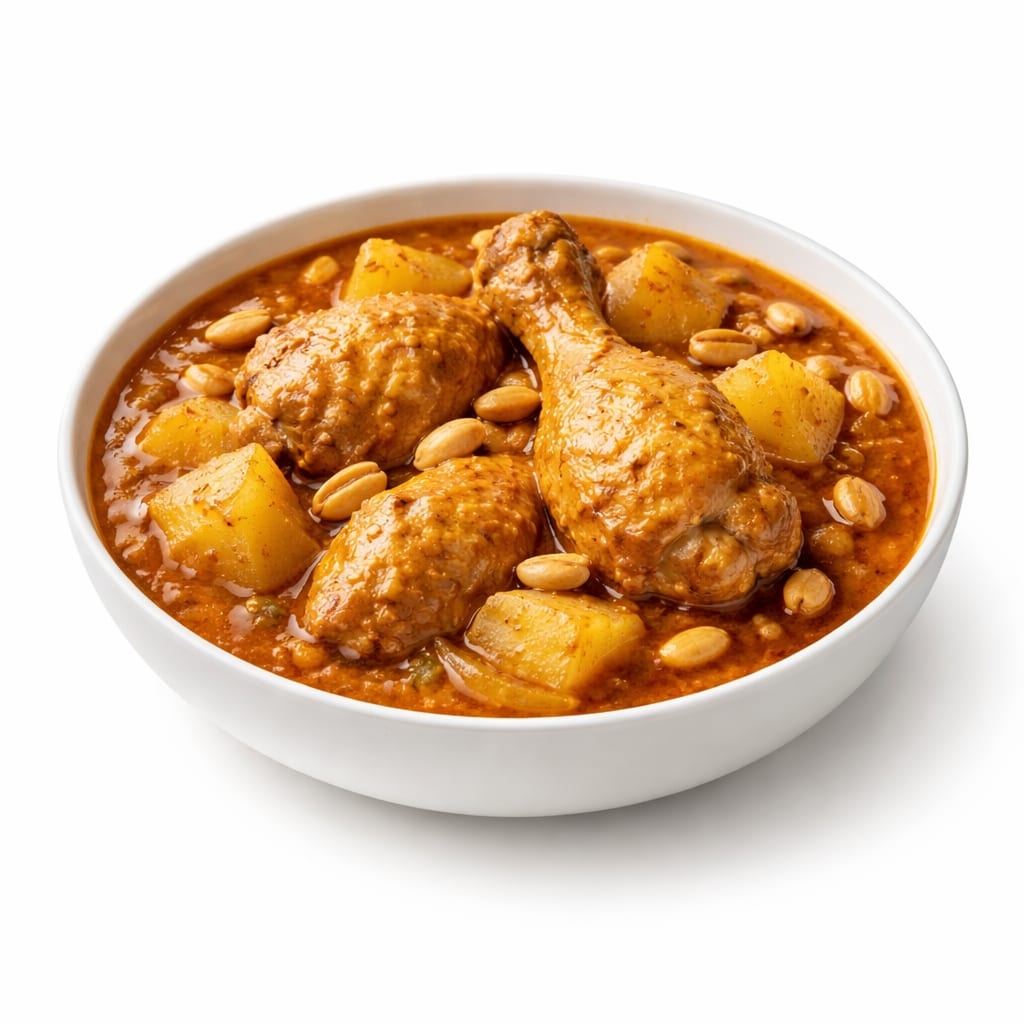
Massaman Curry
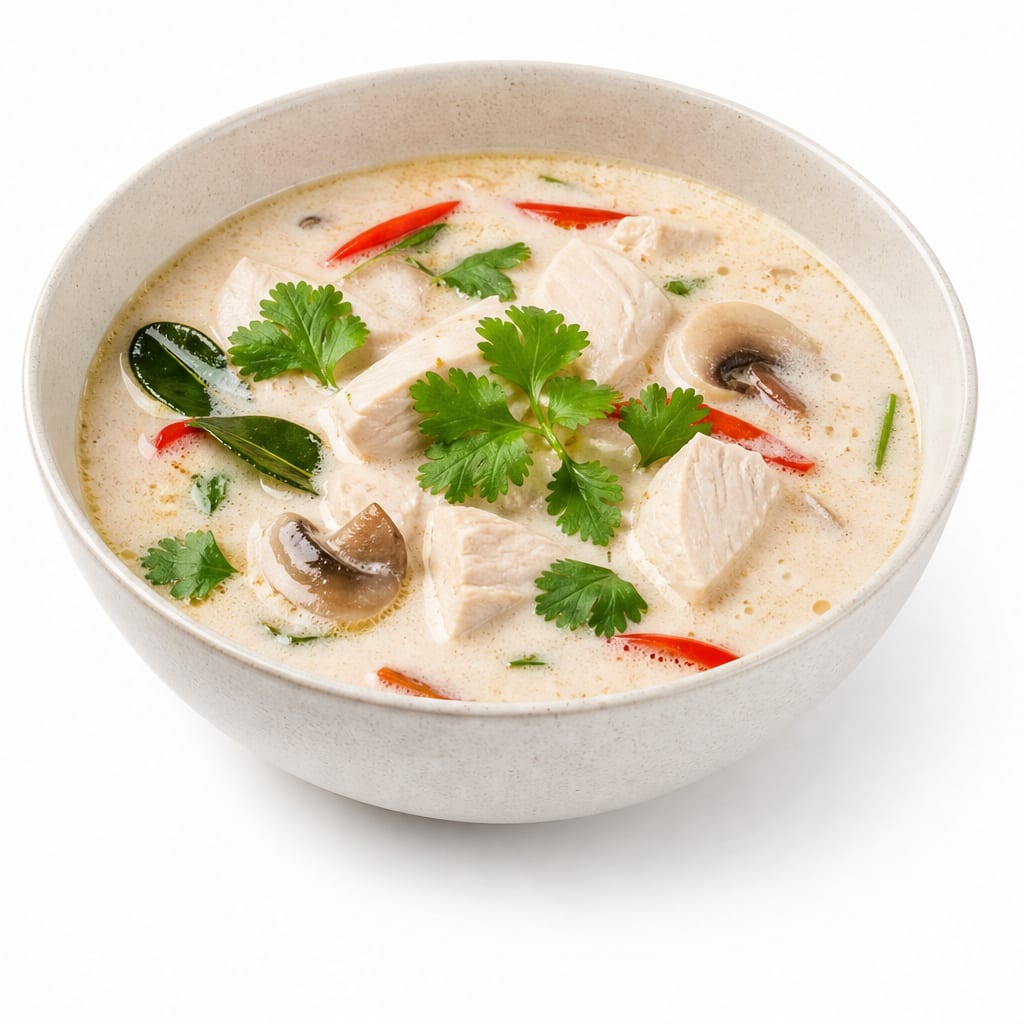
Tom Kha Gai
Tom Kha Gai wins for lighter eating and anti-inflammatory benefits, while Massaman Curry dominates when you need a hearty, satisfying meal that sticks with you.
Tom Kha Gai scores higher overall due to its lighter calorie load, stronger anti-inflammatory herb profile, and better suitability for regular consumption. Massaman Curry remains valuable for specific situations requiring calorie density and deep satiety, but its heavier fat and calorie profile makes it less ideal as a frequent choice.
Comforting density versus light nourishment — Massaman fills you up at a caloric cost, while Tom Kha Gai delivers more therapeutic herbs with fewer calories but less staying power.
At a glance
Executive summary
Overall
It depends
Healthier
Tom Kha Gai
More practical
It depends
Daily use
Tom Kha Gai
Key comparison lenses
calorie density and weight management
Massaman Curry is significantly heavier with peanuts and potatoes, while Tom Kha Gai is a lighter broth-based soup — a major factor for anyone watching intake
anti inflammatory and immune benefits
Tom Kha Gai is loaded with galangal, lemongrass, and kaffir lime which are potent anti-inflammatory ingredients; Massaman's spice profile is milder and more comfort-food oriented
satiety and meal satisfaction
Massaman Curry is famously filling due to its thick sauce, potatoes, and nuts, while Tom Kha Gai feels lighter and may leave you hungry sooner
heart health and fat profile
Both use coconut milk, but Massaman adds peanut fat and is typically made with beef, increasing saturated fat concerns
digestive comfort
Tom Kha Gai's broth and herbs are gentler on digestion, while Massaman's density and peanut content can be heavier on the stomach
Best choice for
Massaman Curry
- People needing high-calorie meals after intense physical labor
- Those wanting a single-dish meal that eliminates the need for sides
- Anyone craving deep comfort food satisfaction on a cold day
- Individuals struggling to get enough calories or protein
Tom Kha Gai
- People managing their weight who want flavor without heaviness
- Those seeking anti-inflammatory and immune-supportive meals
- Anyone with sensitive digestion who finds heavy curries uncomfortable
- People who prefer lighter dinners that will not disrupt sleep
Least suitable for
Massaman Curry
- People strictly limiting calories or saturated fat
- Anyone with peanut or tree nut allergies
- Those prone to reflux or heavy-feeling digestion after rich meals
- Individuals monitoring sodium intake closely
Tom Kha Gai
- Athletes or laborers needing calorie-dense recovery meals
- People who find soup-only meals unsatisfying
- Anyone allergic to shellfish since some versions contain shrimp paste
- Those seeking a complete meal without adding sides
Deep comparison
Dimension by dimension
Each lens scores both foods and breaks down who each option suits.
- Dimension 1 · Priority 92Tom Kha Gai
calorie_density_and_weight_management
Massaman Curry · 35Tom Kha Gai · 75Tom Kha Gai is significantly lighter, typically delivering 300-400 calories per bowl versus Massaman's 500-800+ calories per serving.
Tradeoff
Massaman's calories come with genuine satiety, while Tom Kha Gai's lighter profile may leave you reaching for snacks later.
Why it matters
If you eat Thai food weekly, the calorie difference between these two dishes compounds into real weight impact over months.
Real-world impact
Choosing Tom Kha Gai instead of Massaman Curry once a week could save you roughly 200-400 calories per meal — that is potentially 10,000-20,000 calories over a year.
Massaman Curry
- Underweight individuals needing calorie surplus
- Post-hike or post-workout recovery meals
- Bulking phases where calorie density is desired
Better for
- Sedentary office workers eating out frequently
- Anyone trying to lose weight without feeling deprived
- Late dinners where excess calories store more easily
Worse for
Tom Kha Gai
- Steady weight maintenance without tracking
- Cutting phases where volume eating helps
- People who feel sluggish after heavy lunches
Better for
- Growing teenagers who need calorie-dense meals
- Endurance athletes refueling after long training sessions
- Anyone who feels unsatisfied after soup-based meals
Worse for
- Dimension 2 · Priority 88Tom Kha Gai
anti_inflammatory_and_immune_benefits
Massaman Curry · 45Tom Kha Gai · 85Tom Kha Gai is essentially a therapeutic herb broth — galangal, lemongrass, kaffir lime leaves, and chili all have documented anti-inflammatory properties.
Tradeoff
Massaman's milder spice profile is gentler on sensitive palates but sacrifices the concentrated herbal medicine cabinet that Tom Kha Gai delivers.
Why it matters
Chronic inflammation drives most lifestyle diseases. Regularly choosing meals with anti-inflammatory ingredients is a low-effort, high-reward strategy.
Real-world impact
Eating Tom Kha Gai regularly may help reduce joint stiffness and bloating that many people accept as normal — the herbs are genuinely therapeutic, not just flavorful.
Massaman Curry
- People with sensitive stomachs who find strong herbs irritating
- Anyone recovering from illness who needs gentle comfort food
Better for
- People relying on food as part of an inflammation management strategy
- Anyone with autoimmune conditions seeking therapeutic diets
Worse for
Tom Kha Gai
- People with chronic inflammation or joint pain
- Anyone prone to frequent colds wanting immune support
- Those following anti-inflammatory dietary approaches
Better for
- People with GERD or acid reflux triggered by spicy or acidic foods
- Those on blood-thinning medications who need to limit certain herbs
Worse for
- Dimension 3 · Priority 85Massaman Curry
satiety_and_meal_satisfaction
Massaman Curry · 88Tom Kha Gai · 55Massaman Curry is one of the most filling Thai dishes thanks to its combination of potatoes, peanuts, meat, and thick coconut sauce.
Tradeoff
That fullness comes with a heavy digestive load and potential food coma, while Tom Kha Gai leaves you comfortably light but possibly hungry again within two hours.
Why it matters
A meal that does not satisfy you leads to snacking, which often undermines health goals more than the original meal choice.
Real-world impact
After Massaman Curry, you are likely done eating for hours. After Tom Kha Gai alone, you may be browsing the fridge by 9 PM.
Massaman Curry
- One-meal-a-day eaters needing maximum satiety
- Busy people who cannot snack between meals
- Anyone who feels anxious when meals do not hold them
Better for
- People who get afternoon energy crashes after big lunches
- Anyone who struggles with post-meal brain fog
- Those who feel uncomfortably stuffed rather than satisfied
Worse for
Tom Kha Gai
- People who prefer eating smaller meals more frequently
- Anyone who dislikes the sluggish feeling after heavy meals
- Late-night eaters who need something that will not sit heavy
Better for
- Emotional eaters who need physical fullness to feel satisfied
- People who skip meals and need each one to count
- Active individuals burning through light meals quickly
Worse for
- Dimension 4 · Priority 80Tom Kha Gai
heart_health_and_fat_profile
Massaman Curry · 38Tom Kha Gai · 58Both dishes rely on coconut milk, but Massaman adds peanut fat and is often made with beef, stacking saturated fat sources significantly higher.
Tradeoff
Neither dish is a heart health hero, but Tom Kha Gai's lighter coconut milk usage and chicken base give it a meaningful edge.
Why it matters
Saturated fat from coconut milk is debated, but combining it with peanut oil and beef fat in one meal creates a concentrated load that most heart health guidelines would flag.
Real-world impact
A single Massaman Curry can deliver 30-50 grams of saturated fat — that is 2-3 days' worth by American Heart Association standards. Tom Kha Gai typically lands closer to 15-25 grams.
Massaman Curry
- People on keto or low-carb diets who prioritize fat intake
- Healthy active individuals who process saturated fat efficiently
Better for
- People with existing cardiovascular conditions
- Anyone whose doctor has recommended limiting saturated fat
- Individuals with genetic cholesterol conditions like familial hypercholesterolemia
Worse for
Tom Kha Gai
- People with family history of heart disease
- Anyone with elevated cholesterol monitoring their saturated fat
- Those trying to keep coconut milk consumption moderate
Better for
- People who assume all coconut milk dishes are equally heavy — Tom Kha Gai still has significant saturated fat
- Anyone on strict low-fat diets for medical reasons
Worse for
- Dimension 5 · Priority 75Tom Kha Gai
digestive_comfort
Massaman Curry · 40Tom Kha Gai · 78Tom Kha Gai's broth base and digestive-stimulating herbs make it far easier on the stomach than Massaman's dense, peanut-rich sauce.
Tradeoff
Massaman's mild spice will not irritate sensitive stomachs the way Tom Kha Gai's chili and galangal might, but its sheer density creates a different kind of digestive burden.
Why it matters
Digestive discomfort after meals affects sleep quality, afternoon productivity, and overall quality of life more than most people realize.
Real-world impact
After Tom Kha Gai, you feel warmed and comfortable. After Massaman Curry, you may feel the meal sitting in your stomach for hours — comforting to some, oppressive to others.
Massaman Curry
- People who find spicy foods trigger digestive upset
- Anyone who equates feeling full with feeling comfortable
Better for
- People with gastroparesis or slow gastric emptying
- Anyone prone to post-meal bloating or gas
- Those with gallbladder issues who struggle with high-fat meals
Worse for
Tom Kha Gai
- People with IBS who tolerate broth-based meals better
- Anyone who gets bloated after heavy coconut milk dishes
- Those who notice reflux after dense, fatty meals
Better for
- People with acid reflux triggered by spicy or sour foods
- Those with citrus sensitivities reacting to kaffir lime and lemongrass
Worse for
- Dimension 6 · Priority 70It depends
sodium_load
Massaman Curry · 40Tom Kha Gai · 42Both dishes are sodium-heavy from fish sauce and curry paste, typically delivering 800-1500mg per serving depending on the restaurant.
Tradeoff
Neither is a low-sodium choice. Tom Kha Gai's broth may actually contain slightly more fish sauce, while Massaman's thicker sauce concentrates salt differently.
Why it matters
For blood pressure management, both dishes represent a significant sodium hit that requires planning around.
Real-world impact
If you have hypertension, either dish will likely use up most of your daily sodium budget in one meal. This is a shared weakness, not a differentiator.
Massaman Curry
- Slightly less broth means slightly less fish sauce volume in some preparations
Better for
- Restaurant Massaman often includes added soy sauce or salted peanuts, increasing sodium further
Worse for
Tom Kha Gai
- Home-cooked versions allow easy sodium control by reducing fish sauce
Better for
- The broth-based format means sodium is dissolved throughout and consumed completely
Worse for
Timeline
Health impact over time
Short-term
Hours to days
Massaman Curry
- Heavy fullness that may reduce afternoon energy and alertness
- Potential food coma due to high fat and carbohydrate combination
- Warming comfort that can feel emotionally soothing on cold days
- Possible bloating or digestive heaviness within 1-2 hours
Tom Kha Gai
- Light energized feeling rather than sluggishness
- Clearing of sinuses and warming sensation from herbs and spice
- Possible mild heartburn in susceptible individuals from galangal and chili
- Hunger returning within 2-3 hours if eaten as a standalone meal
Long-term
Months to years
Massaman Curry
- Regular consumption may contribute to elevated LDL cholesterol due to saturated fat stacking
- Higher calorie density could drive gradual weight gain if eaten frequently
- Potato and peanut combination provides decent potassium and manganese but at a caloric cost
- Risk of sodium-related blood pressure elevation with frequent restaurant versions
Tom Kha Gai
- Anti-inflammatory herbs may contribute to reduced chronic inflammation markers over time
- Lighter calorie load supports easier weight maintenance with frequent Thai restaurant meals
- Galangal and lemongrass have emerging evidence for gut microbiome support
- Still carries sodium and saturated fat concerns that require moderation
Risk profile
Safety & processing
Both dishes rely on curry paste, which is a processed ingredient containing preservatives in commercial versions. Restaurant Massaman Curry sometimes uses pre-made sauce packets with added stabilizers, while Tom Kha Gai's simpler ingredient list is slightly closer to whole food. Home-cooked versions of both can be remarkably clean if you make your own curry paste.
Massaman Curry
Peanut allergen contamination
highMassaman Curry contains peanuts, making it completely unsafe for those with peanut allergies. Cross-contamination in Thai kitchens is also nearly guaranteed.
Coconut milk spoilage
mediumCoconut milk-based curries spoil quickly at room temperature. Buffet or leftover Massaman that has sat out too long can cause foodborne illness.
Aflatoxin exposure from peanuts
lowPeanuts can harbor aflatoxins from fungal contamination. Reputable restaurants source properly, but this is a known risk with peanut-containing dishes.
Tom Kha Gai
Shellfish allergen from shrimp paste
mediumMany Tom Kha Gai recipes include shrimp paste in the curry base, which may not be obvious to diners with shellfish allergies.
Coconut milk spoilage
mediumSame concern as Massaman — broth-based coconut dishes are actually slightly higher risk because the liquid environment supports bacterial growth more readily.
Cilantro pesticide residue
lowCilantro garnish is frequently cited for high pesticide residue. Washing helps but is inconsistent in restaurant settings.
Who wins for whom
Audience fit
Same foods, different winners depending on your goal.
children
Massaman CurryMassaman's mild, slightly sweet, peanutty flavor is usually more kid-friendly than Tom Kha Gai's sour and herbaceous profile. Children also benefit from the calorie density during growth phases.
daily consumption
Tom Kha GaiTom Kha Gai's lighter calorie and fat profile makes it more sustainable as a regular meal. Massaman Curry is better treated as an occasional indulgence due to its density.
diabetes
Tom Kha GaiTom Kha Gai has fewer carbohydrates since it lacks potatoes, resulting in less blood sugar impact. Massaman's potatoes and sweeter sauce profile create a higher glycemic load.
elderly
Tom Kha GaiTom Kha Gai's lighter texture, easier digestibility, and anti-inflammatory herbs make it more appropriate for older adults. The broth is also easier to eat for those with dental or swallowing concerns.
muscle gain
Massaman CurryMassaman Curry provides more total protein, especially when made with beef, along with more calories needed for muscle-building phases.
weight loss
Tom Kha GaiTom Kha Gai delivers big flavor at roughly half the calories, making it the clear choice for anyone actively losing weight without wanting to feel deprived of Thai food.
Your move
Decision guide
Choose Massaman Curry
- You just finished a physically exhausting day and need serious refueling
- You have no peanut allergies and want a meal that will eliminate snacking for hours
- You are eating one big meal and want it to count
- It is cold and you want the most comforting Thai dish available
- You are trying to gain weight or maintain weight during high activity
Choose Tom Kha Gai
- You want Thai food without the heavy aftermath
- You are managing your weight and want to keep dinner under 500 calories
- You value the therapeutic benefits of galangal, lemongrass, and kaffir lime
- You have sensitive digestion and want something warming but not oppressive
- You are eating late and do not want a heavy meal disrupting your sleep
Either works if
- You are eating at a Thai restaurant and both sound good — let your hunger level decide
- You have no specific health restrictions and just want a satisfying meal
- You are sharing multiple dishes and both can coexist on the table
Avoid both if
- You have severe coconut allergy since both rely heavily on coconut milk
- You are on a strict low-sodium diet and cannot control the preparation
- You have kidney disease requiring potassium restriction — both dishes are potassium-heavy
- You are fasting or need to keep meals under 200 calories
Final recommendation
Default to Tom Kha Gai for regular Thai restaurant visits — it gives you the cuisine's signature herbal complexity with less metabolic cost. Save Massaman Curry for when you genuinely need a hearty, filling meal or when comfort food is the priority. If you order Massaman, consider eating a smaller portion and adding a side of steamed vegetables to balance the meal's density without sacrificing the experience.
Practical
Consumer tips
- 1
Ask for Tom Kha Gai with less coconut milk or a half-and-half coconut milk-broth version to cut calories and fat by roughly 30%
- 2
Order Massaman Curry with chicken instead of beef to reduce saturated fat by approximately 40%
- 3
Request 'less fish sauce' for either dish to reduce sodium by an estimated 200-400mg per serving
- 4
Share Massaman Curry — its richness makes it ideal for splitting, and a half-portion is often satisfying enough
- 5
Add steamed vegetables as a side to Tom Kha Gai to increase fiber and make it a complete meal without heavy calories
- 6
Avoid buffet versions of either dish — coconut milk curries degrade quickly and sodium levels are typically higher to preserve freshness
- 7
If ordering takeout, Tom Kha Gai reheats better because the broth stays smooth, while Massaman can separate and become greasy when reheated
- 8
Check for peanut cross-contamination if you have allergies — even Tom Kha Gai may be prepared with shared equipment in Thai kitchens